Summary
- Pre-War Relations: Greece and Persia had a relationship based on trade, diplomacy, and cultural exchange, with Persian fashions popular in Athens.
- During the Wars: The Ionian Revolt led to the Greco-Persian Wars, led by Darius I and Xerxes respectively, which ended with a Persian defeat, but only after the sack of Athens.
- Greece’s Greatest Enemy: The war changed Greek perceptions of Persia; they were considered barbarians, led by an effeminate king, and an existential threat to the Greek world.
- Aftermath: After the war, Greece and Persia entered a “Cold War” of third-party conflicts and alliances that would continue until Alexander’s conquest of Persia.
The Greco-Persian Wars often occupy the minds of those who study the ancient world. Although this series of battles had a significant impact on ancient Greece, including its politics, literature, and identity, there is more to the relationship between ancient Greece and the Persian Empire than 50 years of war. Furthermore, we only have the Greek perspective on this relationship, as Persian opinions on the conflict have not survived. This article examines the relationship between the Greek city-states and the Persian Empire before, during, and after the wars.
Greco-Persian Relations Before the 5th Century BCE
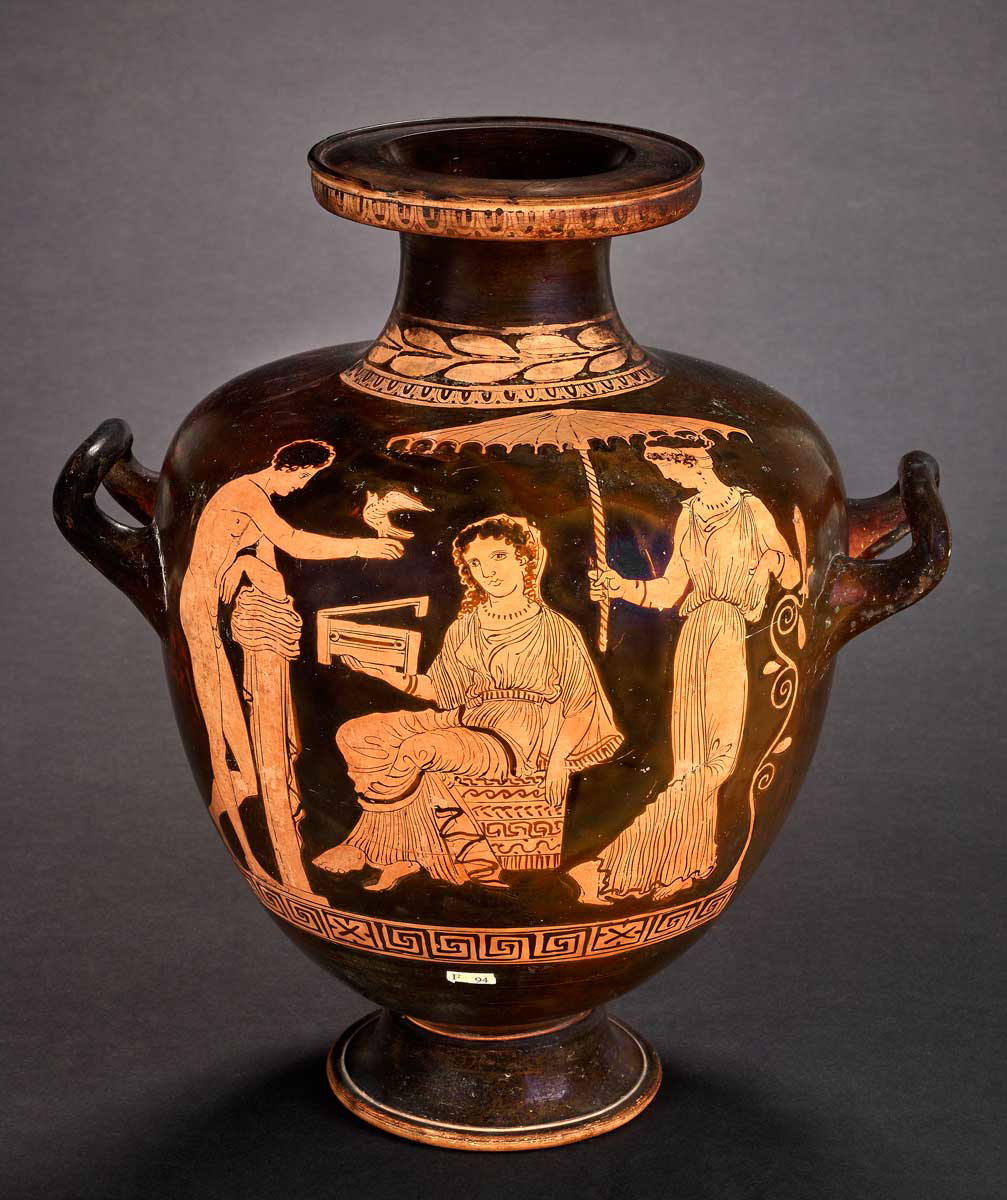
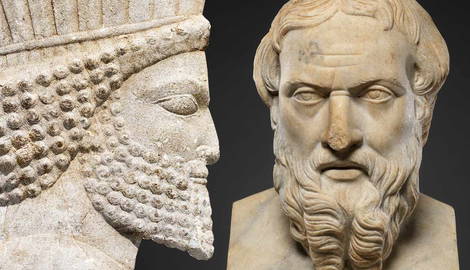
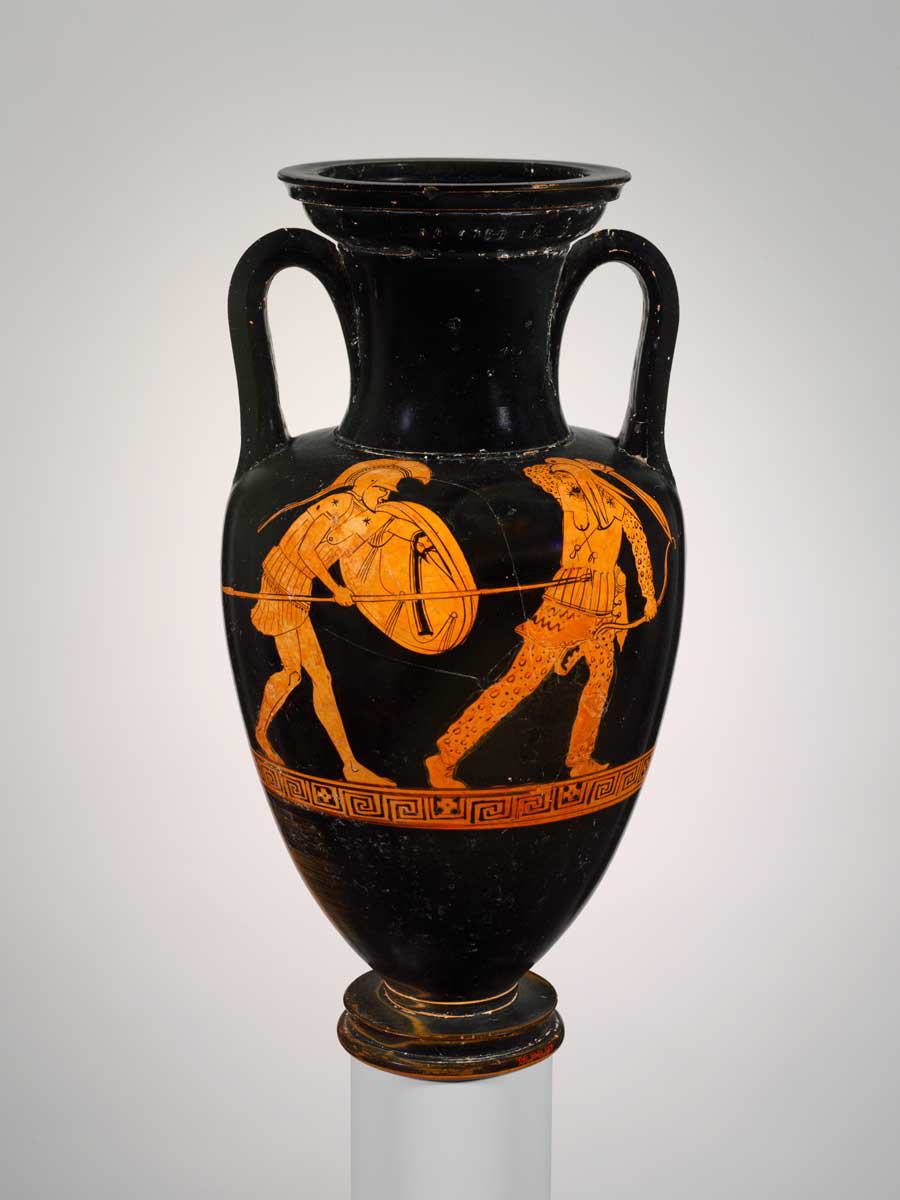
Despite the long shadow of the Greco-Persian Wars, the relationship between the Greek city-states and the Persian Empire was not entirely antagonistic, especially before the 5th century BCE. They had a strong trade relationship, leading to the spread of goods, clothing styles (see above image), and art through mainland Greece. Before the wars, it was a sign of power for upper-class Greeks, particularly Athenians, to emulate Persian dress and customs.
In addition to trade, the Greek city-states and the Persian Empire also had a political relationship. Greek envoys were often received in one of the capitals of the Persian Empire, even after the wars. In the 4th century BCE, the Spartan Antalcidas served as an envoy to Persia. Persian kings often invited Greek artists and orators to their courts, with the Athenian tragedian Euripides being a famous example.
The Ionian Question
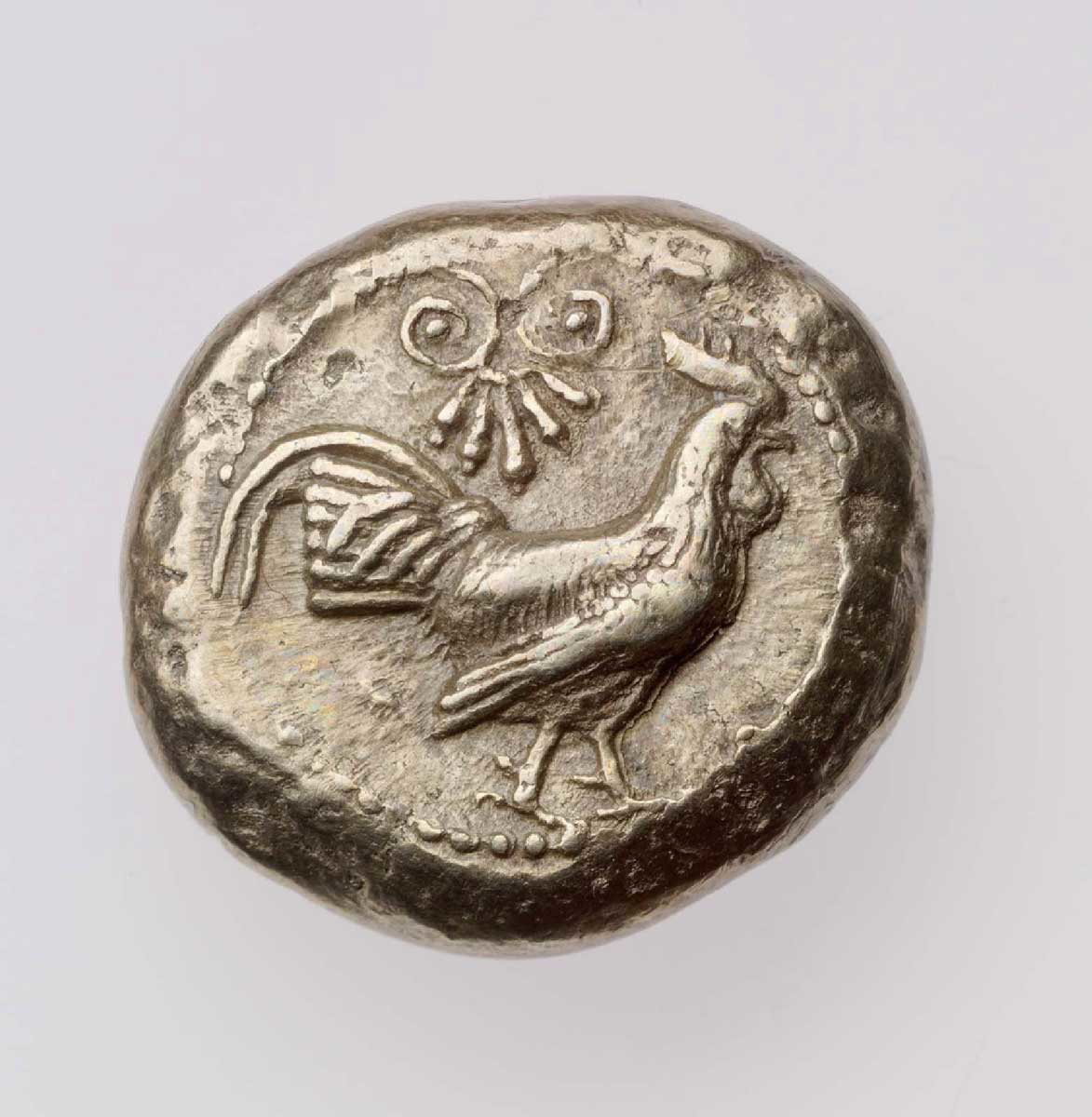
A factor that complicated the relationship between Greece and Persia was the status of the Greek city-states in Ionia. Ionia was a region on the Turkish coast that had several Greek colonies. The Lydians initially conquered the colonies around 560 BCE. However, Cyrus the Great eventually took down the Lydians and brought the area under Persian control. From then on, the Greek cities in Ionia became restless Persian subjects, leading to the Ionian Revolt in the early 5th century BCE.
The Ionian Revolt (499-493 BCE) is seen as the unofficial beginning of the Greco-Persian Wars by many scholars. It involved the military rebellions of multiple Greek areas of Ionia against the Persian Empire. The areas that rebelled included Aeolis, Cyprus, Caria, Miletus, Naxos, and more. The revolt lasted around six years, ending in 493 with a Persian victory. Although the Greek city-states of Athens and Eretria offered their support, they were unable to substantially help. Their intervention placed them on Darius I’s (Darius the Great) radar.
Darius’ Invasion of Greece
In 492, only one year after the end of the Ionian Revolt, Darius I began an invasion of Greece, starting with territories in the Aegean. Before making it to mainland Greece, the Persian military conquered Macedon and some islands off the coast of Greece. By the time the fleet landed and began marching toward Athens, it was 490. This led to the only major battle in mainland Greece during this invasion: the Battle of Marathon.
Athenian hoplites cut off the Persian military’s path to Athens and fended them off. Most of the information for Marathon (and the second invasion, as well) comes from Herodotus, a Greek historian. Herodotus gives a “David versus Goliath” account, describing a much smaller Athenian army (in addition to some forces from Plataea) taking on the large Persian military to prevent them from capturing Athens.
The Persian fleet still attempted to sail to the undefended city, but the Athenian military hurried back and intercepted them, forcing them to sail back to Persia.
This battle saw the origin of the marathon race. Before the battle, an Athenian named Pheidippides was tasked with running to Sparta to seek aid. Sparta could not make it in time due to a religious festival, so Pheidippides had to run back to Marathon. After the battle, he was tasked with running another 42.195 km (the exact distance of the Marathon race) back to Athens to inform the city of the victory. He announced that “we won” and died.
The victory at Marathon ended the first invasion of Greece, which was more a campaign in the Aegean and the northern countries above Greece, with only one battle occurring on the mainland. Although this invasion has often been seen as a failure for the Persian Empire, they conquered many territories and re-subjugated Thrace before their loss at Marathon.
Xerxes’ Invasion of Greece
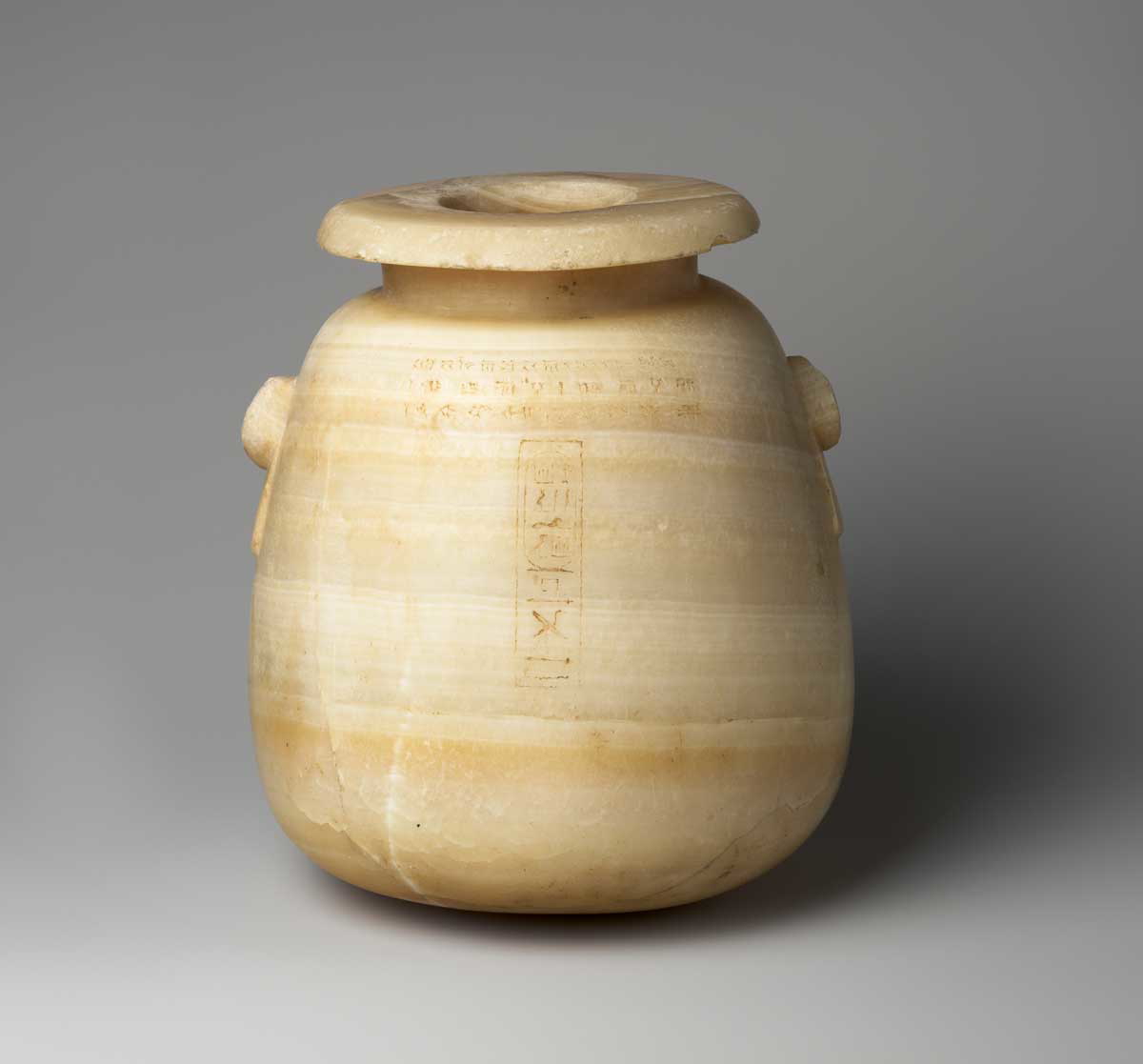
Ten years after the Battle of Marathon, Darius’s son, Xerxes I, began the second invasion of Greece in 480. According to Herodotus, he wished to finish his father’s campaign, but that is only the historian’s guess at the Persian king’s motives. Herodotus also seems to exaggerate aspects of the invasion.
Unlike the first invasion, when Athens was the only city-state that faced off against the Persian Empire, the second invasion brought more of Greece into the conflict. Although the Athenian role is still emphasized in Herodotus’ works, multiple cities allied to fight the Persian military. The invasion lasted just one year, but multiple battles were fought on the Greek mainland.
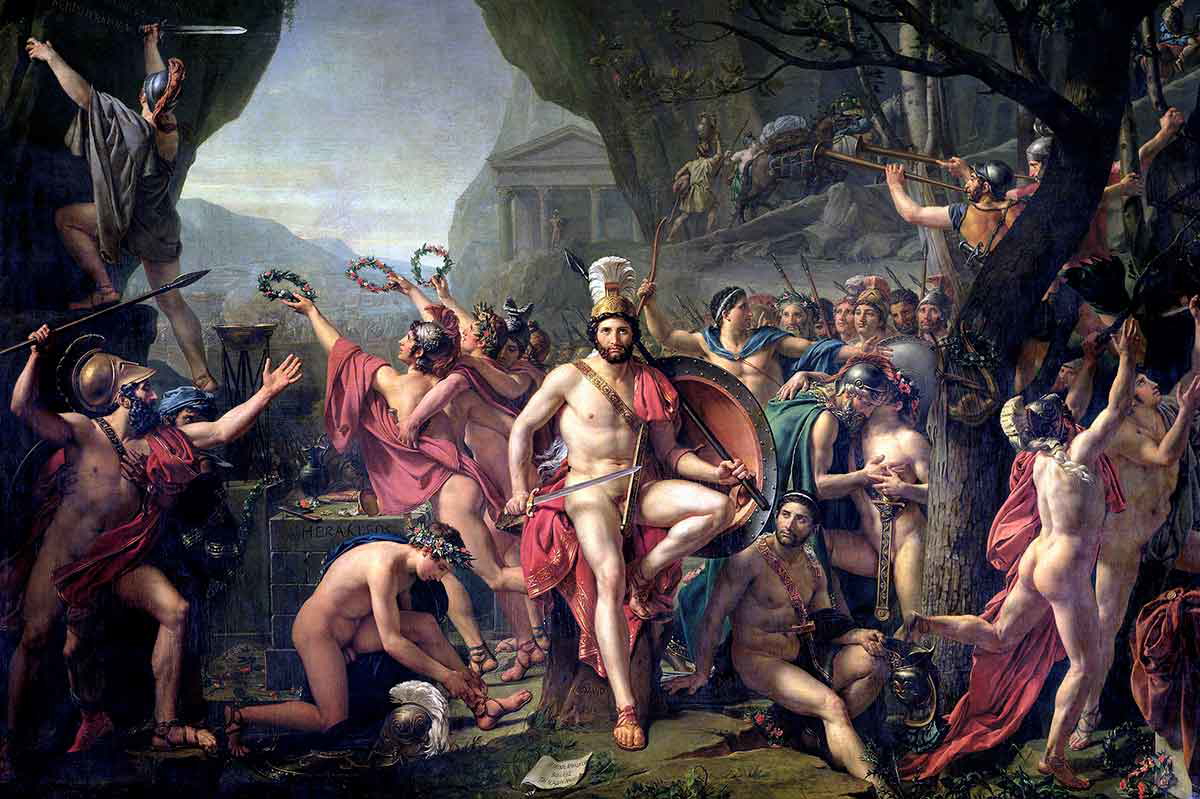
After the Persian fleet crossed the Hellespont and landed on mainland Greece, they first encountered Greek forces at Thermopylae, a pass that was defended by Sparta and its allies until the Greek forces were defeated. After Thermopylae, the Persian army marched to Athens and ransacked the city, burning the Acropolis and destroying religious sanctuaries. This act was one of the most significant events in the 5th century for Athens, and it would greatly impact the relationship between the Persian Empire and the city-state.
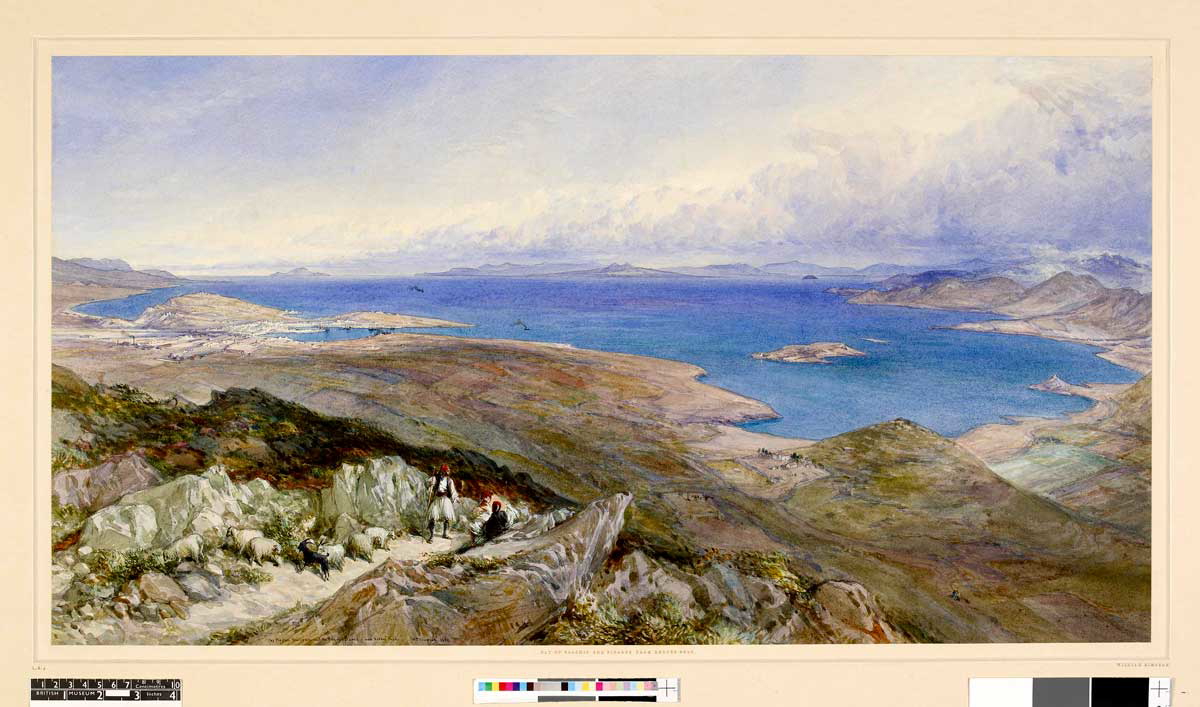
After the sack of Athens, the city-state met the Persian forces in a naval battle at Salamis, giving the Athenians a victory and contributing to their naval pride. The final major battle happened nearly a year later at Plataea, with a large alliance of Greek forces from Sparta, Athens, Corinth, Megara, and other city-states. At this point, Xerxes had returned to Persia, leaving his general Mardonius in charge of the remaining campaign.
After Mardonius’ loss at Plataea, the Greco-Persian Wars are seen as over by some. However, the conflict would continue in the Aegean and beyond for around three more decades, ending around 449 with the Peace of Callias (the date of which is debated). An alliance of Greek city-states, known as the Delian League, was formed under Athenian leadership to continue the conflict.
Ancient Representations
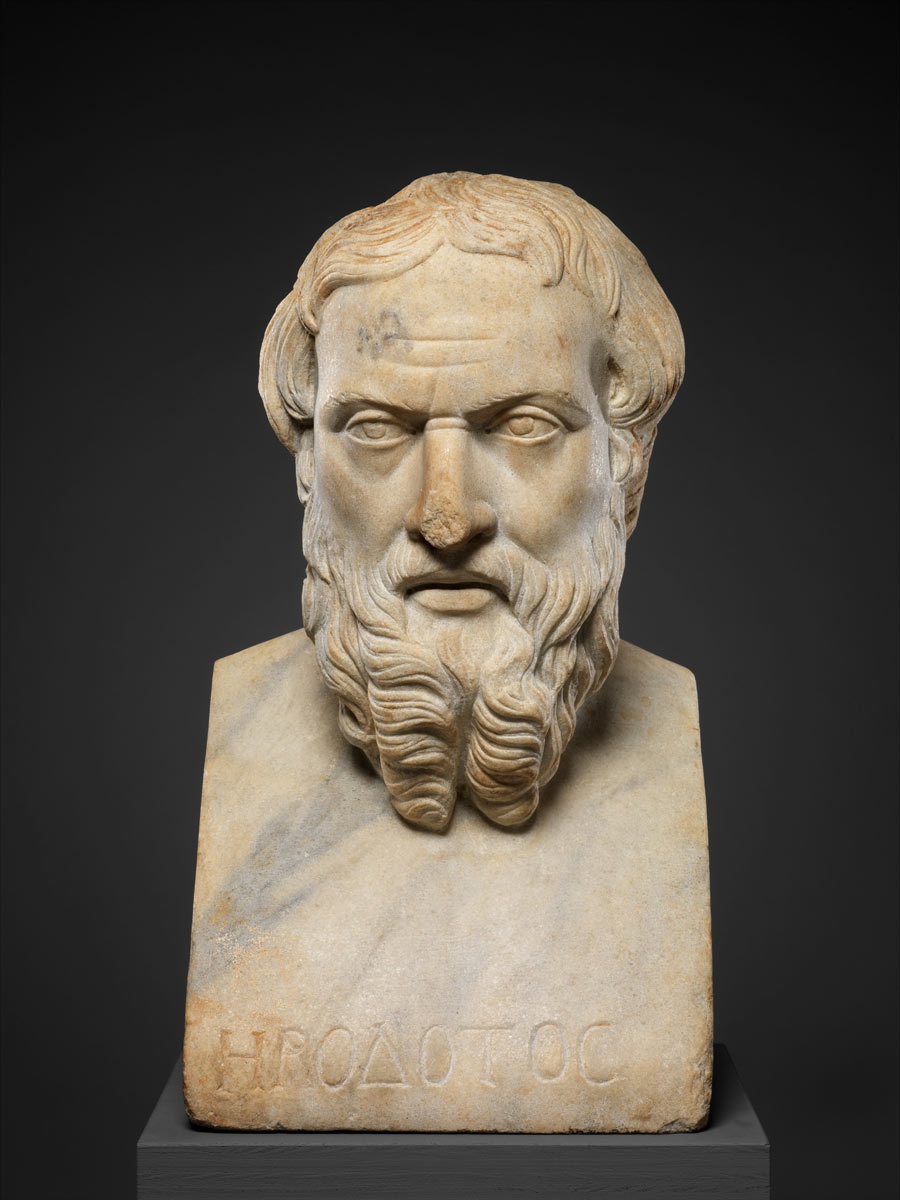
While the relationship between the Persian Empire and the Greek city-states was not always hostile, during the 5th century, there was a notable shift in how Persia was represented in Greek art and discussed in literature, influenced by the Greco-Persian Wars.
Herodotus is our principal source for the Persian Empire at the time, and he was born in Persian-controlled Ionia in the 5th century BCE. It is perhaps then, unsurprising, that he contributes to the trend of representing the Persian Empire as the one true enemy of Greece. His account helped shape modern perspectives on the Greco-Persian Wars as a divide between “East” and “West.”
Herodotus begins his account by recounting the history of the Persian Empire and its kings. His characterization of Xerxes, the king responsible for the second invasion of Greece, portrays him as effeminate, hubristic, and careless. For example, there is the famous scene of Xerxes whipping the Hellespont after his forces were unable to cross. This likely invented scene first appears in Herodotus and was copied by later authors, and now forms a major part of how Xerxes is remembered.
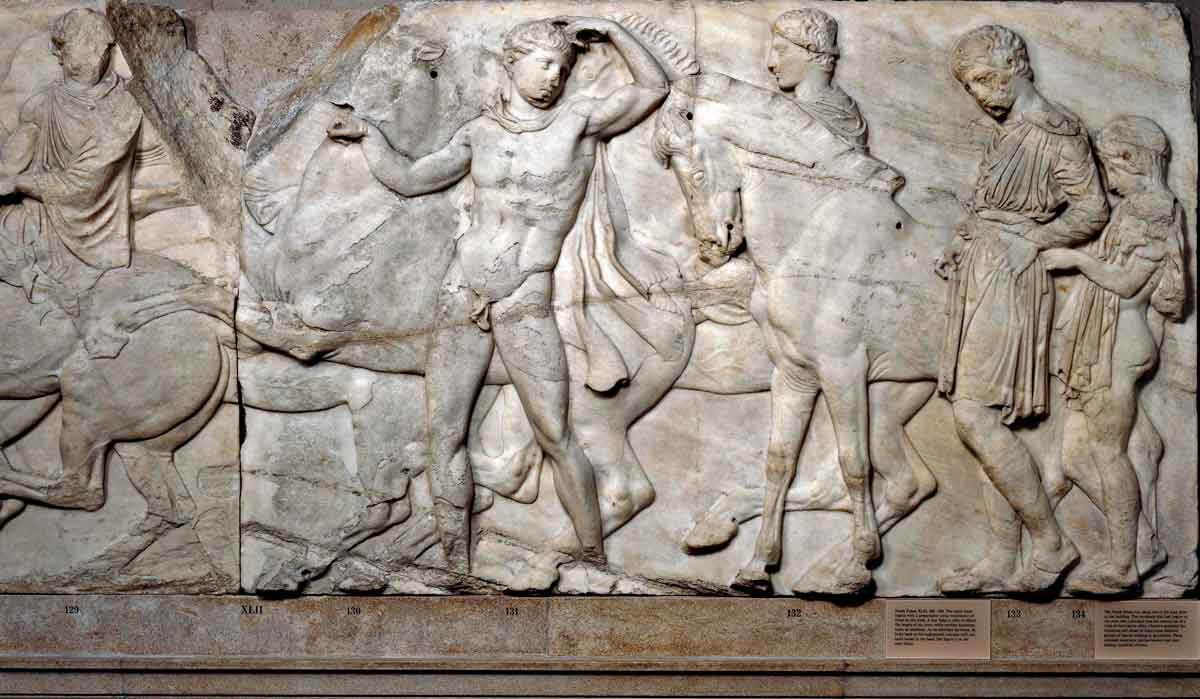
In addition to a shift in how the Persian Empire is represented in literature, we also see new artistic representations. Following the destruction of Athens, Pericles, an Athenian politician, began a reconstruction campaign on the Acropolis. As part of this reconstruction, he funded the Parthenon, which replaced the former temple of Athena that had been destroyed by the Persians.
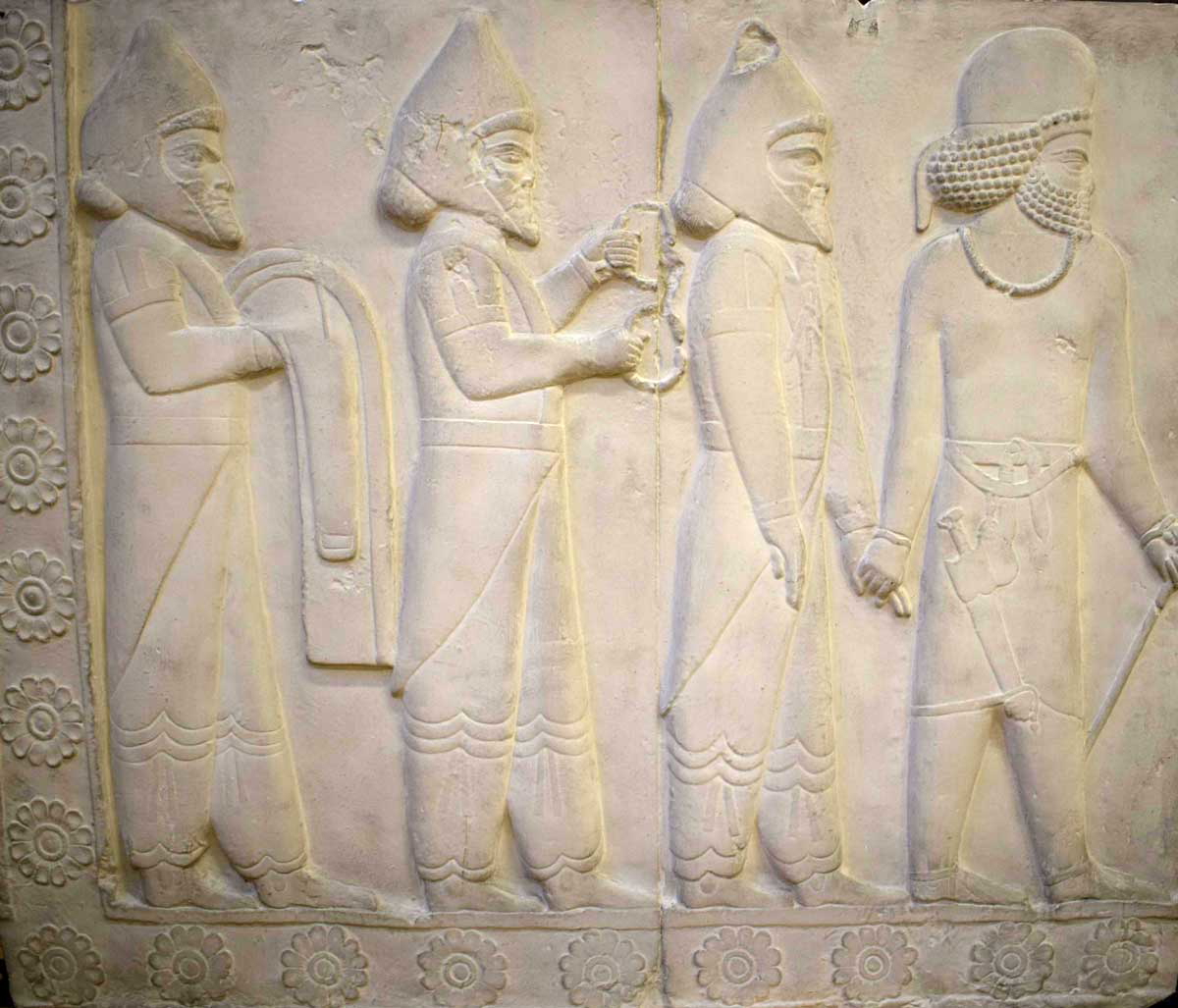
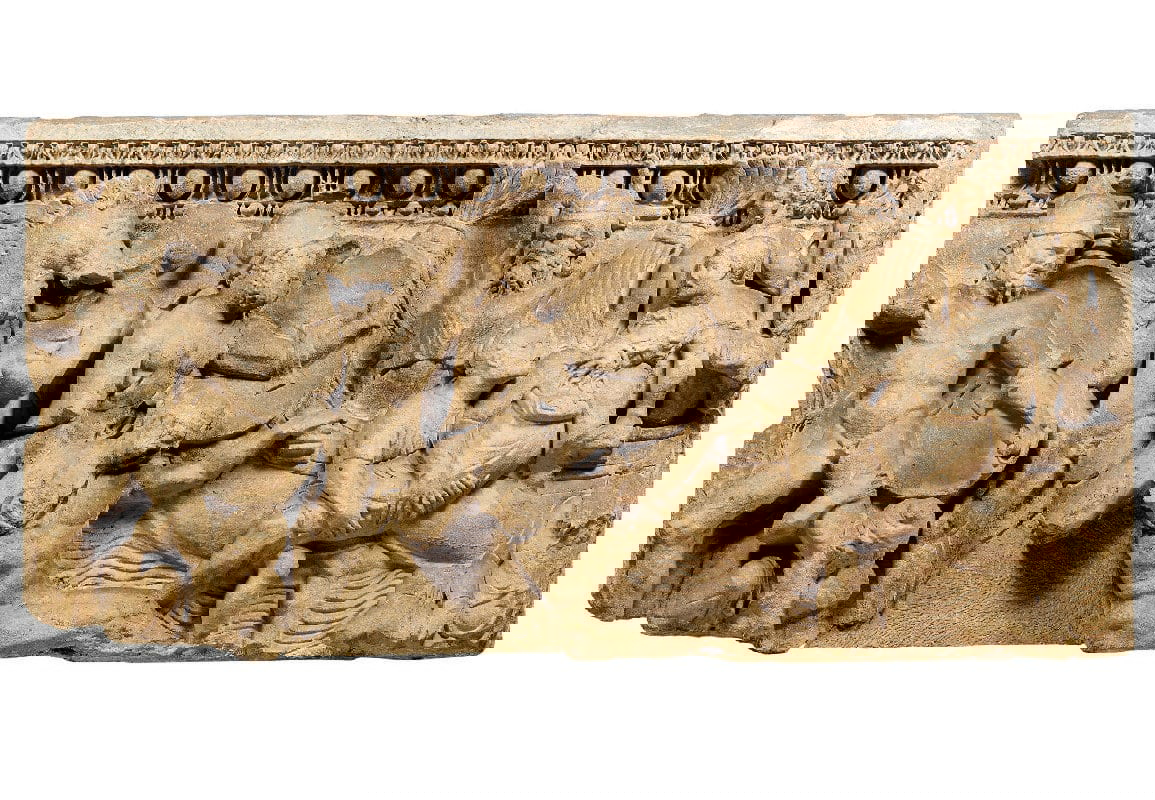
The frieze running along the Parthenon’s top depicted Athenian mythological heroes in scenes like the Amazonomachy (battle between the Greeks and Amazons) and the Centauromachy (battle between the Greeks and centaurs). These are often interpreted as representing the battle between Greeks and barbarians, with the strong implication that the Persians were barbarians. Furthermore, the frieze was likely influenced by Persian reliefs such as the ones from Persepolis.
Greece & Persia: A Shifting Relationship
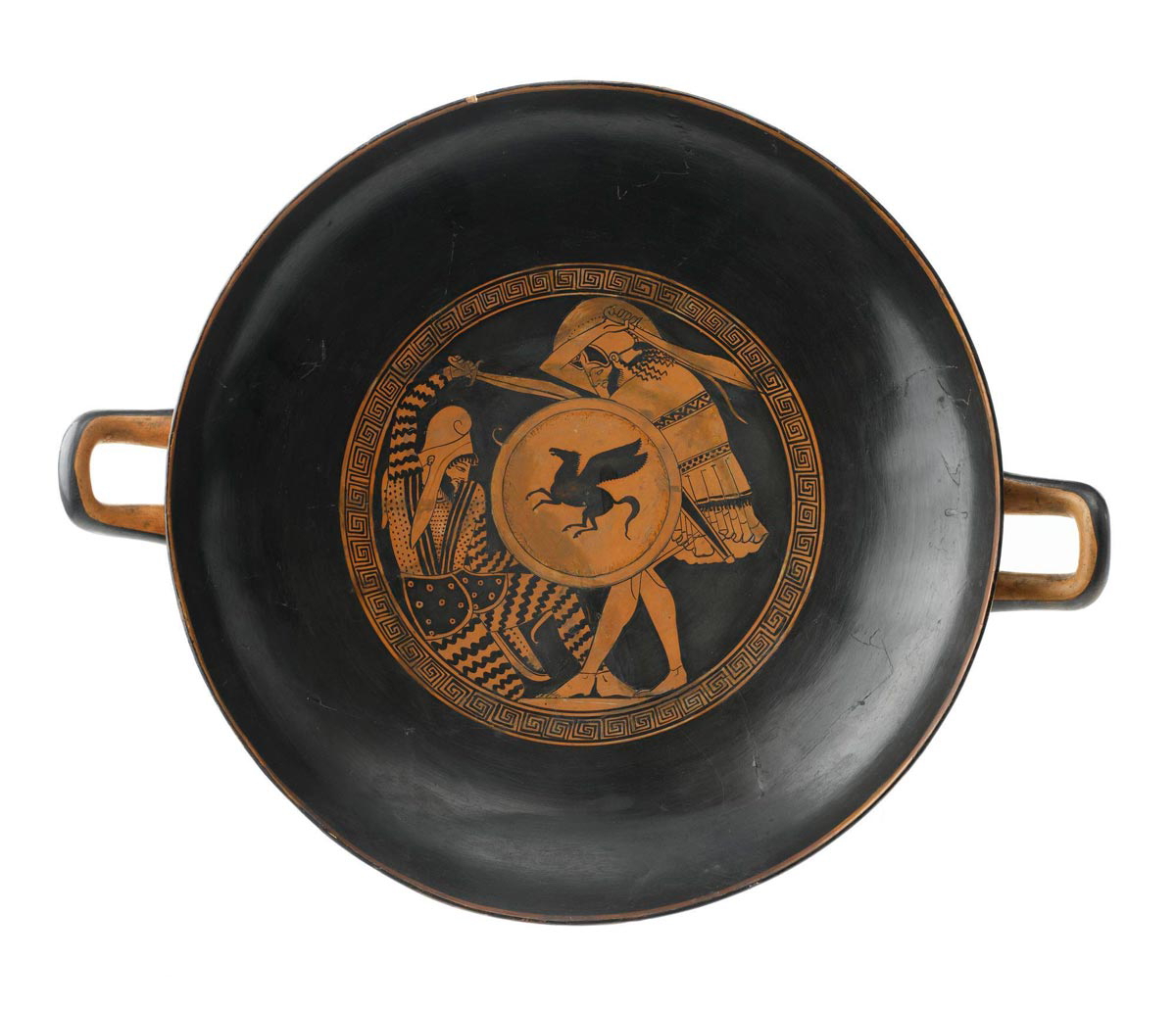
We have little evidence of the Greco-Persian Wars from the Persian perspective. Therefore, it is difficult to say if they had the same impact on Persia as they evidently did in Greece, especially in Athens. It is important to remember that the Persian Empire was enormous. While the failure to conquer mainland Greece may have angered the king, it hardly undermined the power and territory of Xerxes in the 5th century BCE.
The Greeks perceived their wins in the war as major blows to Persian imperial power, and there is some evidence to support this. Presumably capitalizing on a perceived weakness, there were rebellions in Egypt. Egypt had previously revolted in the 480s unsuccessfully and did so again with the help of the Athenian navy in the 460s. The conflict was probably fanned by the Athenians, who were looking to undermine Persian power. The Persians delivered a crushing victory in 454 BCE, which so worried the Athenians that they decided to relocate the treasury of the Delian League.
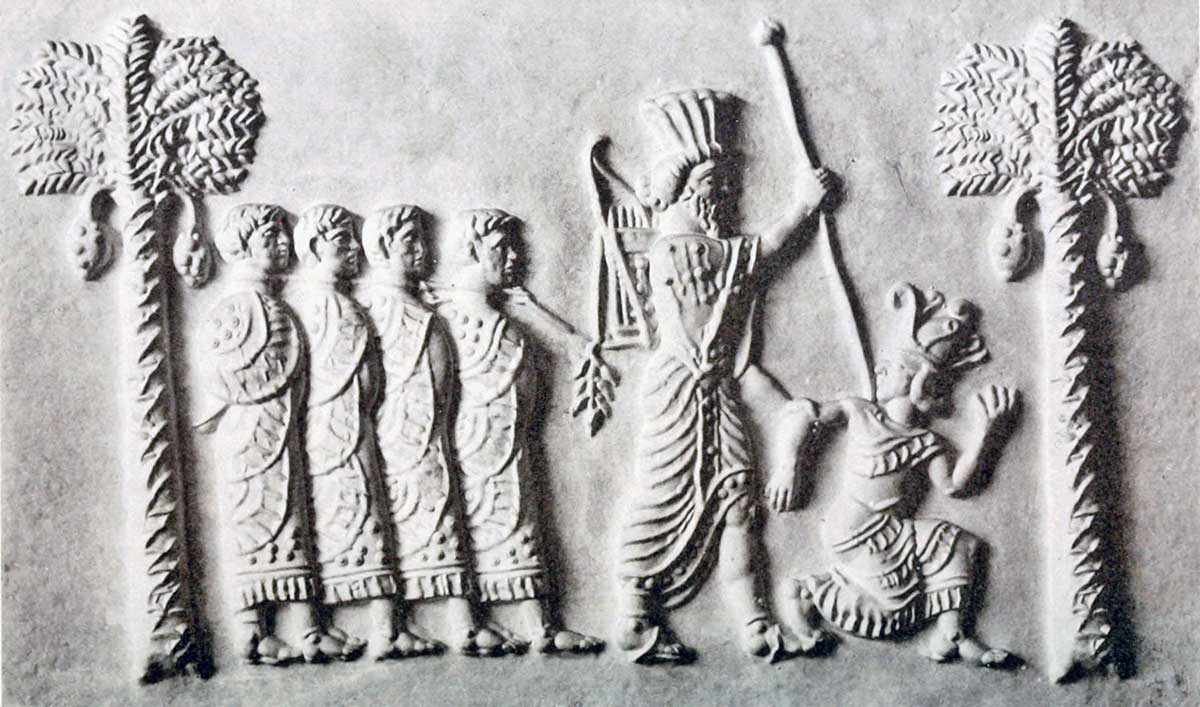
Greece would soon become embroiled in the Peloponnesian Wars, with the Persians now fanning the flames to keep the Greeks occupied. The Persians also openly allied themselves with Sparta against Athens in 411 BCE, but then allied with Athens when fighting with the Ionians in 396/5 BCE. This state of cold war and shifting alliances would continue until Alexander the Great conquered Persia in the 330s BCE.
The Greco-Persian Wars certainly changed the relationship between the two nations. They went from one of trade and cultural exchange to one of antagonism, with the Persians being described as barbaric, their king as effeminate, and their empire as an existential threat to Greece.