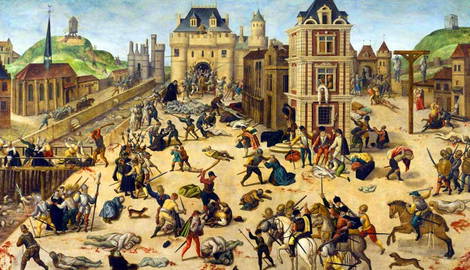

During the Renaissance, France was known for its beautiful art and architecture, as well as advances in education. However, for many years France was at war with itself over religion.
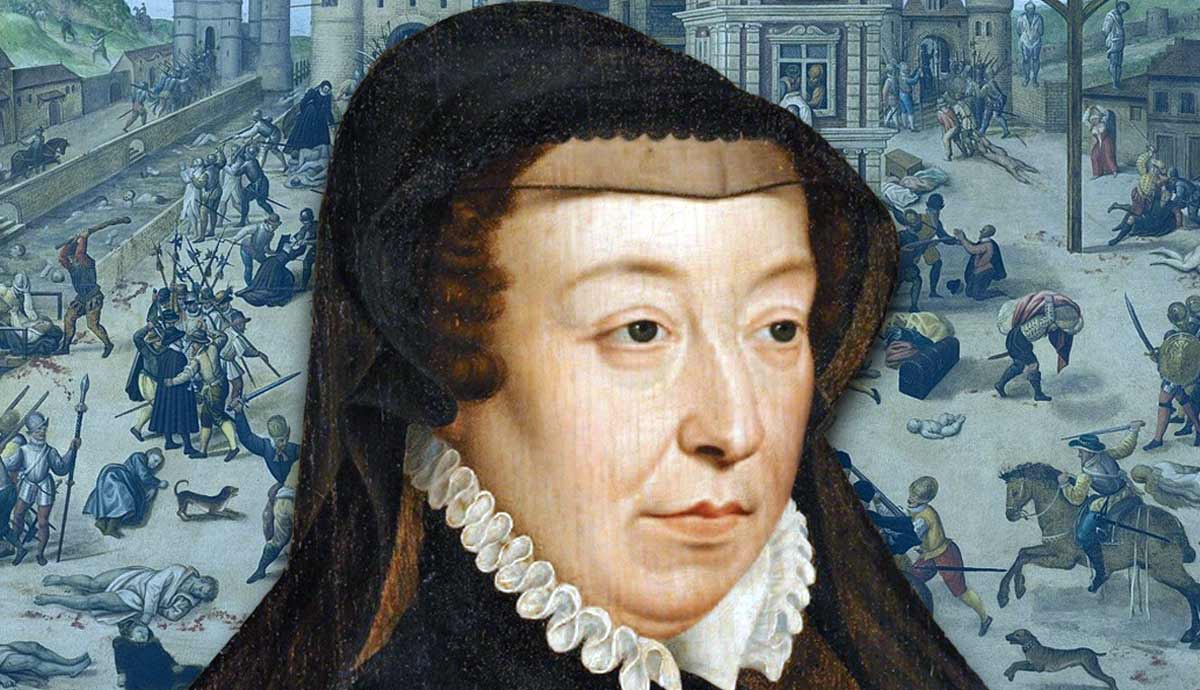
The French Wars of Religion lasted from 1562 to 1598 and were mainly between the Catholics and the Huguenots (French Calvinist Protestants). While many battles occurred during this era, among the most infamous events was the St. Bartholomew’s Day Massacre. It took place in 1572 and effectively ended any hopes for an immediate peaceful resolution between the two religions.
A Royal Wedding and a Tragic Betrayal
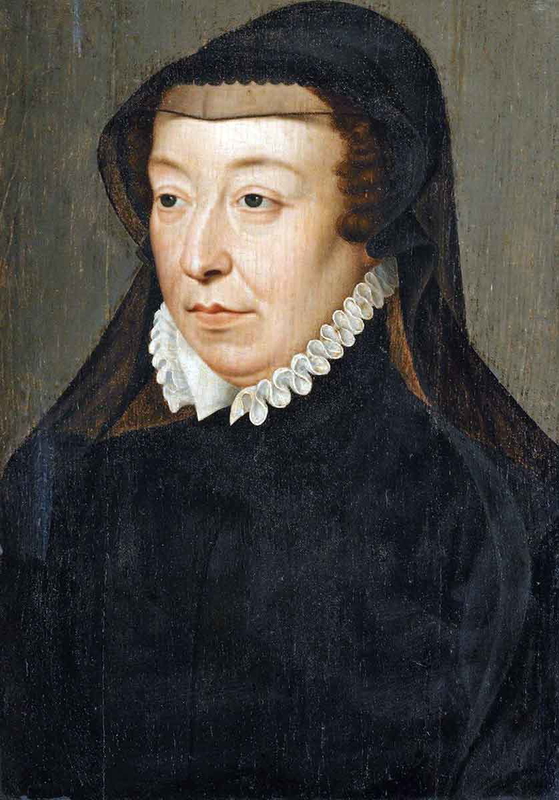
By the early 1570s, France was exhausted by war. The Catholics and Huguenots had been fighting for many years, and both sides wanted peace. After the Peace of Saint-Germain in 1570, the Queen Mother, Catherine de’ Medici, orchestrated a plan to unite both sides by marrying her daughter, Margaret of Valois, to Henry, the king of Navarre, a Protestant leader. The wedding, held on August 18, 1572, was intended to bring Huguenot leaders to Paris to demonstrate reconciliation. Thousands of noblemen traveled to the capital to attend the ceremony. However, the peace was fragile.
After the wedding, many Huguenot leaders remained in Paris. One prominent figure was Admiral Gaspard de Coligny, the military and political leader of the Huguenots. Just days after the wedding, on August 22, 1572, he was wounded by a shot from an assassin positioned in an upstairs window. The Huguenots were furious and threatened violence if the culprit was not punished.
Fearing a Huguenot uprising in retaliation, Queen Catherine de’ Medici and King Charles IX decided to eliminate the Huguenot leadership to prevent further conflict. They believed that killing the leaders would neutralize the threat.
The Rapid Escalation of Mob Violence Across France
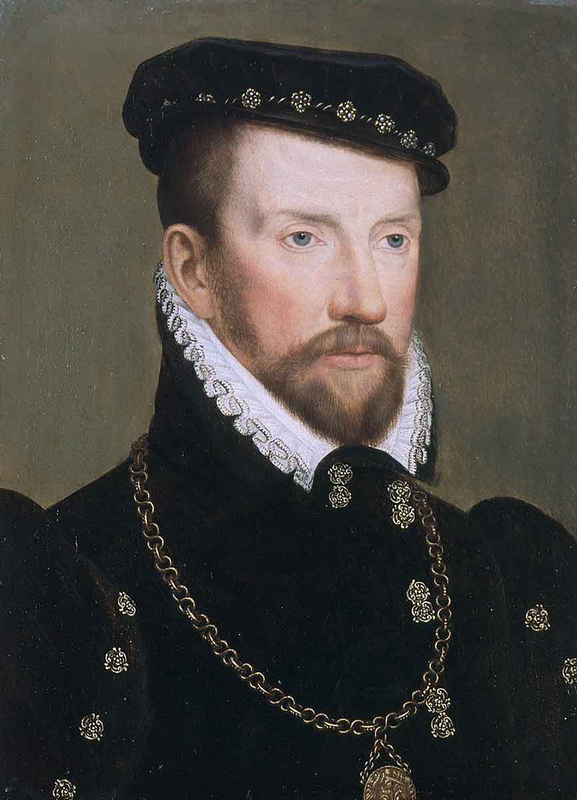
In the early morning hours of August 24, as the bells of the church of Saint-Germain-l’Auxerrois began to toll, Admiral Gaspard de Coligny was stabbed multiple times by an attacker named Besme, under the direction of Henry de Guise. His body was thrown from his window.
Seizing the opportunity, Catholic mobs and royal guards started hunting down Huguenots in Paris. For days, the streets were filled with carnage. Women and children were also killed during the massacre, which quickly spread throughout the French provinces. It is estimated that between 5,000 and 30,000 people were killed across France, with about 3,000 dying in Paris alone.
How the Massacre Radicalized Huguenot Resistance
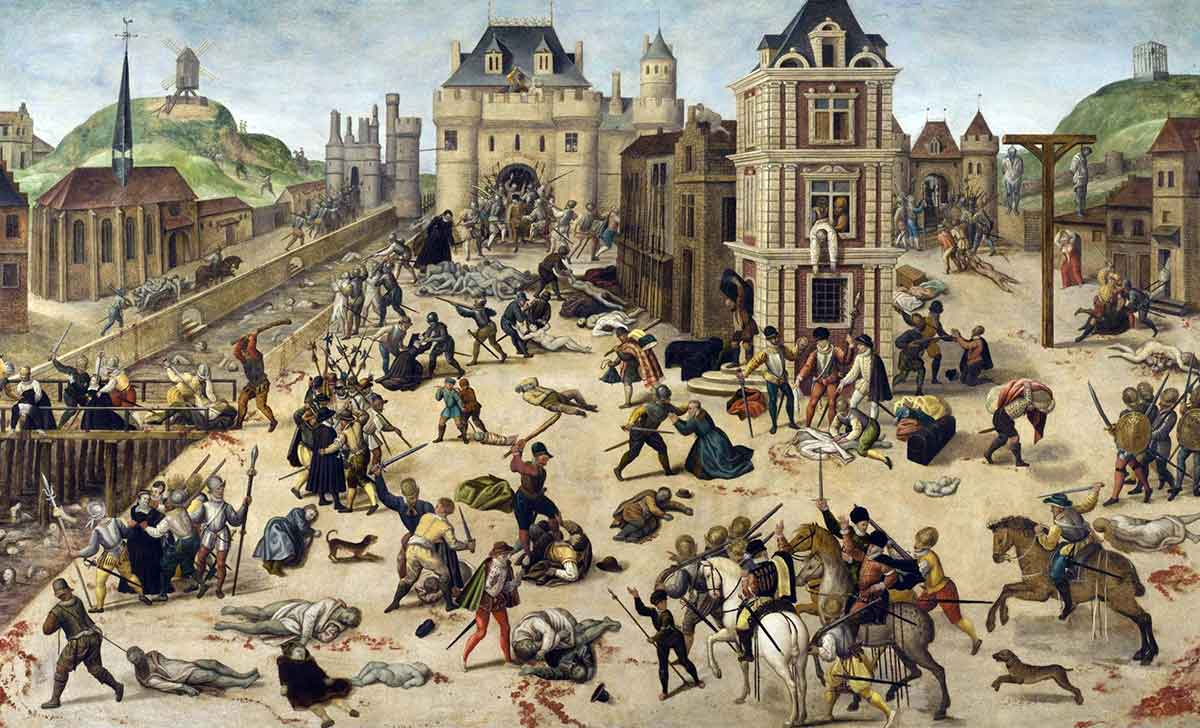
Notably, the St. Bartholomew’s Day Massacre did not wipe out the Protestants. It only diminished their numbers. While many Huguenots died or were converted to the Catholic faith, others fled France. Those who stayed became more hostile and radicalized.
After the massacre, many Protestants gave up on the idea of living safely with Catholics under the rule of kings from the House of Valois. Since their monarch betrayed them by endorsing the violence, they believed that the government was not to be trusted. This led to many resistance theories from radical political authors and theologians such as Theodore Beza and Francois Hotman, who argued that subjects could lawfully resist tyrannical governance. Many of them would eventually influence democratic thought on popular sovereignty for centuries to come.
It was a major blow to the image of the French monarchy. For the rest of the reign of the House of Valois, the crown remained tainted by the event. Queen Catherine de’ Medici, who had long acted as a central power behind her sons’ thrones, was now seen as a deceitful, backstabbing ruler. France, now split into two warring factions, would continue to experience sporadic fighting for years.
How Henry IV Restored Peace With the Edict of Nantes
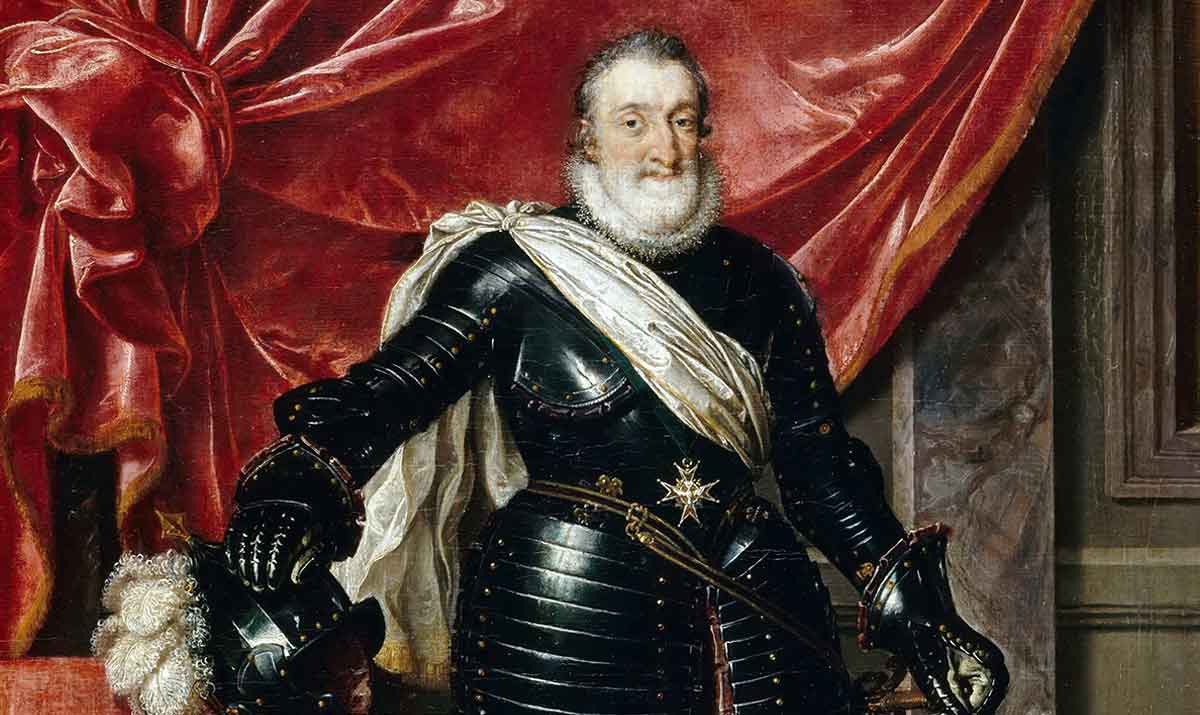
Stability only began to return after Henry of Navarre, already King of Navarre, succeeded to the French throne as Henry IV in 1589. Upon taking over the throne, he created the Edict of Nantes, which allowed the Huguenots to practice their faith in limited places and gave them many other civil liberties, finally bringing an end to the period of religious civil war. What made the Edict of Nantes so unique was that it went further than just offering Huguenots safety. It integrated them into French civil life. They were given the right to hold public offices, work state jobs, and enjoy legal protections similar to Catholics, though Catholicism remained the official state religion.
It also created special courts called Chambres de l’édit, with mixed Catholic and Protestant judges, to ensure fair trials for Huguenot cases. Huguenots could attend schools and universities and receive medical care like any other citizen. One of the biggest benefits of the Edict of Nantes was the ability to maintain a network of heavily fortified military strongholds (places de sûreté). The King subsidized garrisons in specific towns for eight years to assure the Huguenots they would not lose their rights.