
From a tough wild grass to pure white crystals, sugar has played a surprisingly pivotal role in human history. Slowly spreading across the globe over thousands of years, its journey from Oceania to your morning coffee spurred great navigators, drove conquest, propelled the slave trade, and made centuries of men extremely wealthy. Humans’ insatiable sweet tooth has also driven the loss of countless lives, both in sugar production and consumption, with such negative impacts only being fully acknowledged in the 21st century.
A Brief History of Sugar
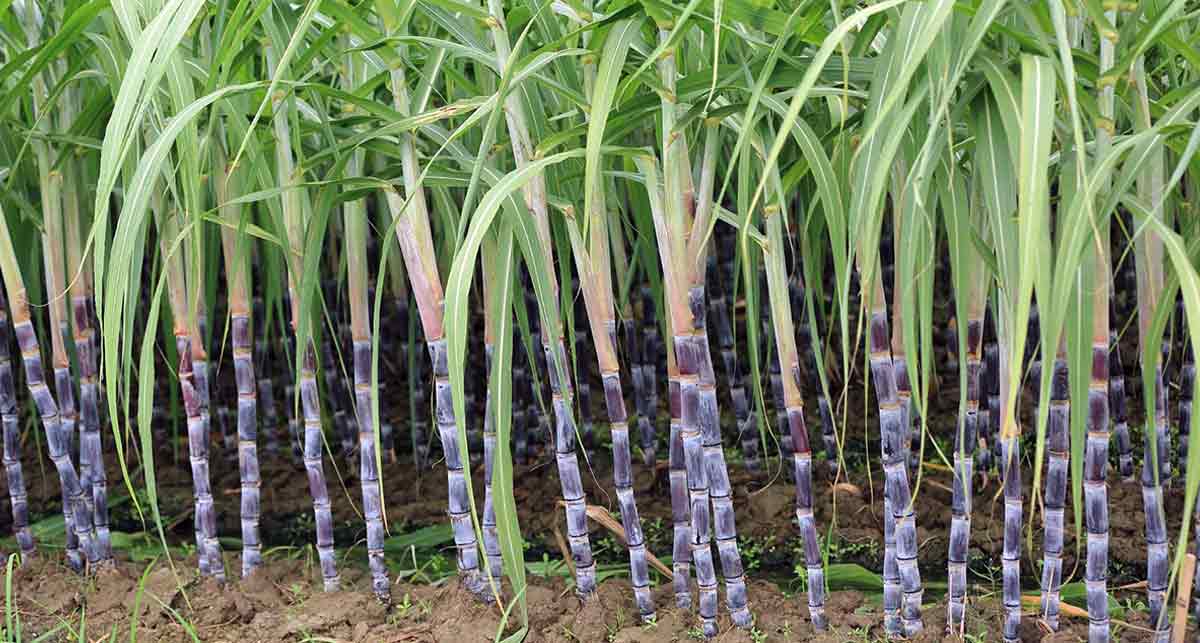
Humans have been utilizing the sugar plant for thousands of years, but it took many centuries of trial and error to produce the pure white crystals we know as sugar today. Sugarcane is a native grass to Papua New Guinea, where it was first domesticated as early as 8000 BC and likely chewed to extract the sweet juice. From there, it spread to other Southeast Asian islands and then to mainland China and India.
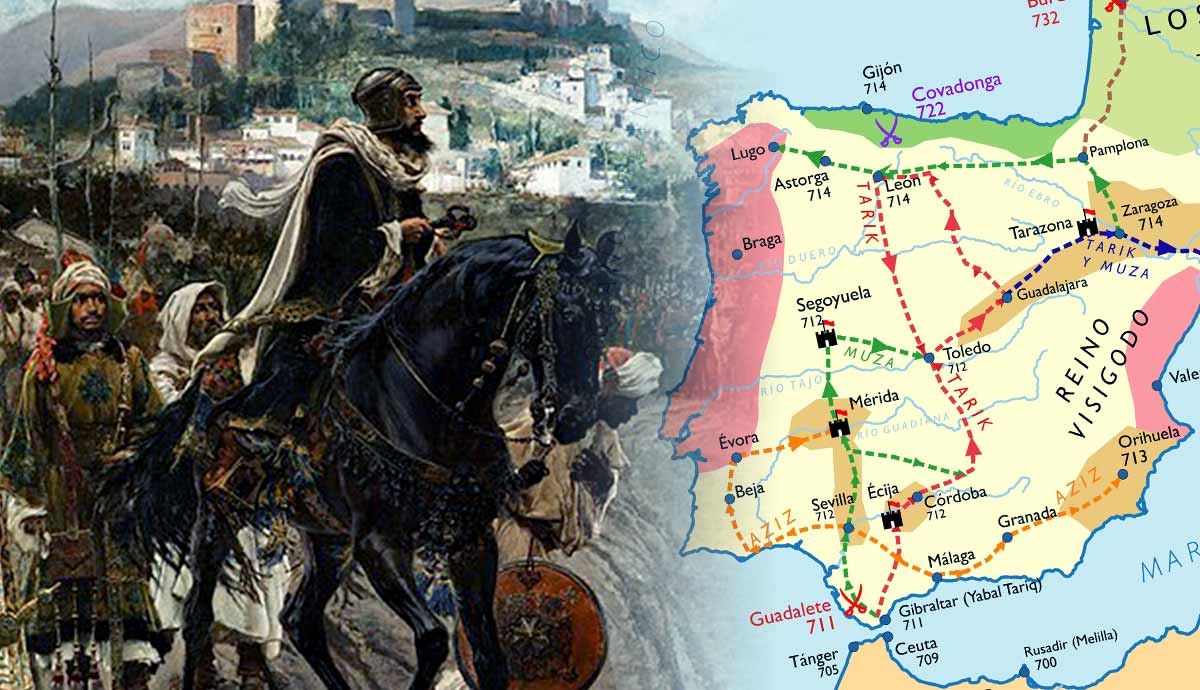
It is believed that a method to crystallize sugar was developed in India in the first centuries AD, which was then adopted by China. Sugar and sugarcane continued to spread gradually northwest, with sugar used in small amounts as medicine or spice. Once it was introduced to the Muslim world, where it was likely first used as a sweetener for pastries and candy, its popularity soared. Eventually it made its way to medieval Europe, brought back by Crusaders and spread during the Moorish conquest. Its use, however, was limited almost exclusively to the nobility.
The climatic conditions necessary to grow sugarcane limited its cultivation, while the labor- and time-intensive process used to produce crystallized sugar meant production was relatively slow. The sugar trade, like the spice trade, was also monopolized by Italian merchants, while Mediterranean sugar cultivation largely took place in territories under Arab control. These factors together made sugar very expensive—and encouraged European countries to finance explorers looking for better options.
Spain, Portugal, and the Age of Exploration
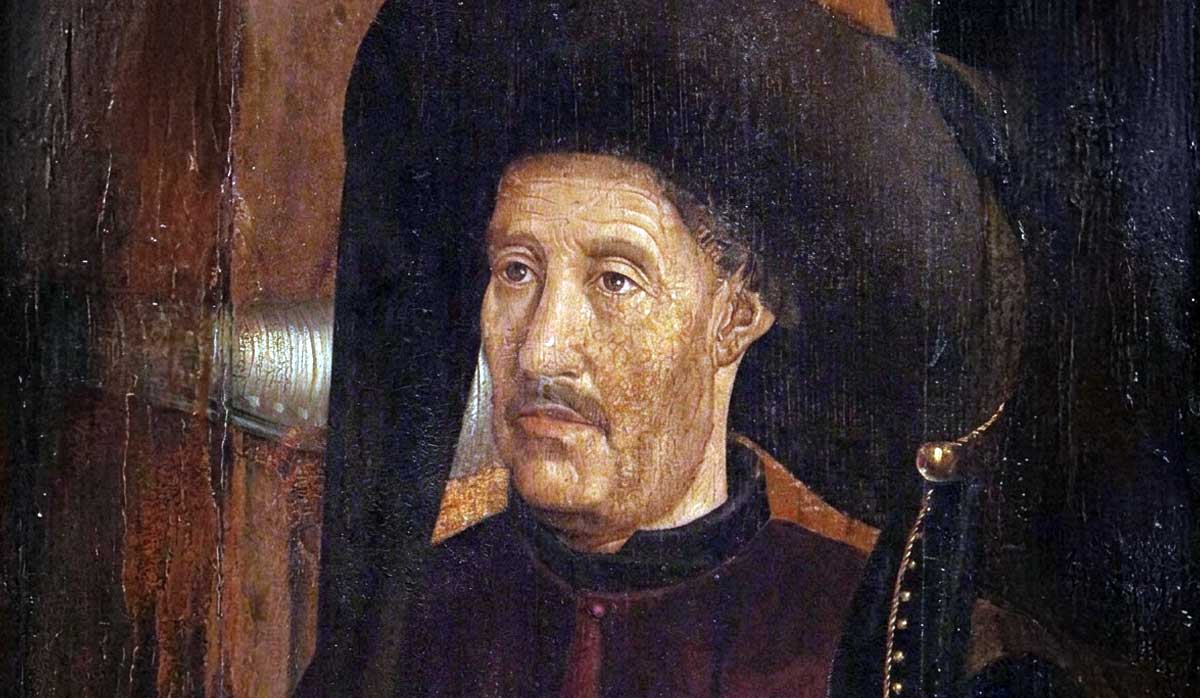
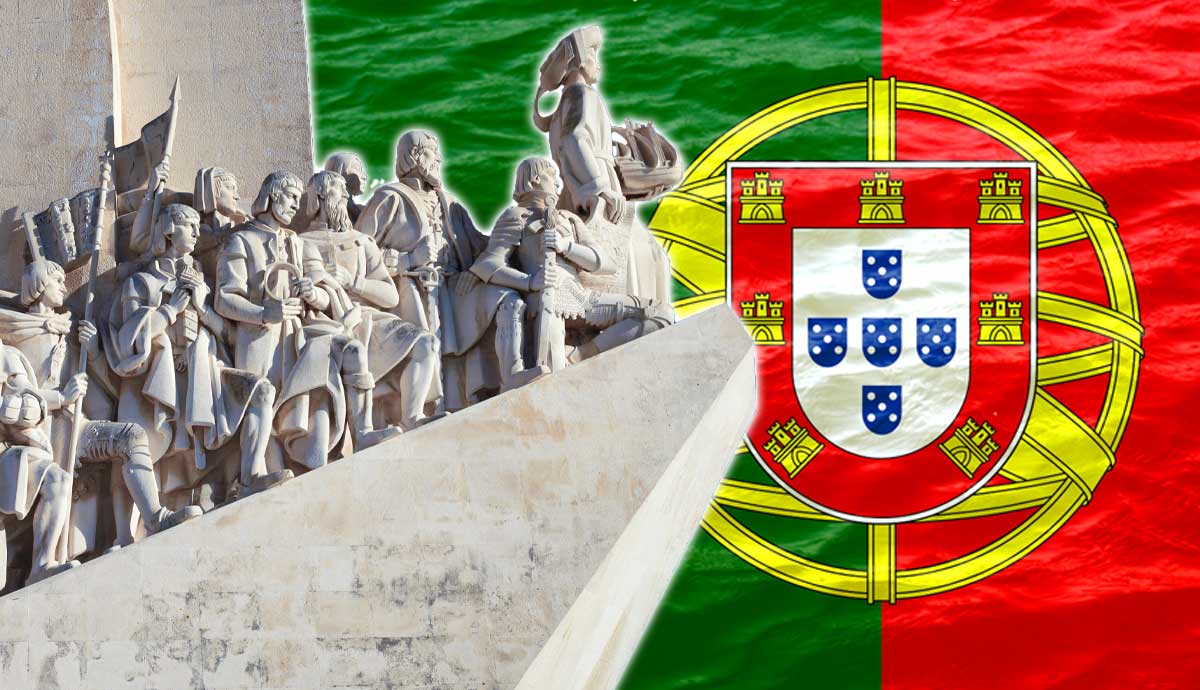
Though the Spanish get most of the credit for kicking off the Age of Exploration, at least in the popular imagination, it was actually the Portuguese who struck out first, exploring not only the Atlantic coast of Africa but small islands to its west. Both would play an essential role in shifting control of the sugar market. The small islands discovered by Portugal, Madeira in particular, had the hot, humid climate necessary for sugar production, while Africa provided the second essential ingredient: enslaved labor. Paying laborers to do the back-breaking work of harvesting sugarcane in the hot sun kept the production costs high; forcing them to do it solved that problem.
Spain conquered the nearby Canary Islands and initiated sugar production there as well. Though the islands were small, they were essentially nothing but sugar plantations, making both Spain and Portugal major sugar producers by the late 15th century. In a move from which they would ultimately learn nothing, Spain first enslaved the native inhabitants of the islands, but ultimately turned to rely on imported African slaves when disease and abuse reduced the Indigenous population to almost nothing.
The islands also faced the increasing challenge of resources: forests were cleared to plant cane and supply the enormous quantities of firewood needed to power production. Once they were gone, the questions of arable, productive land as well as fuel for the mills arose, ultimately leading island sugar production to fall almost as rapidly as it rose.
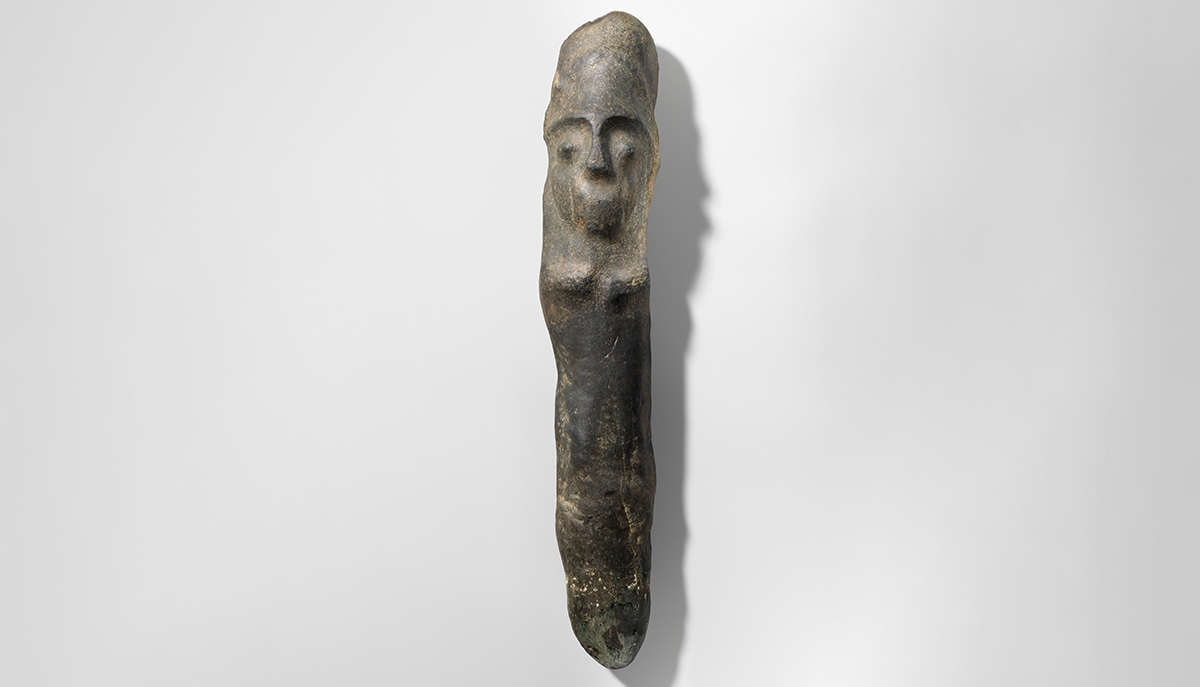
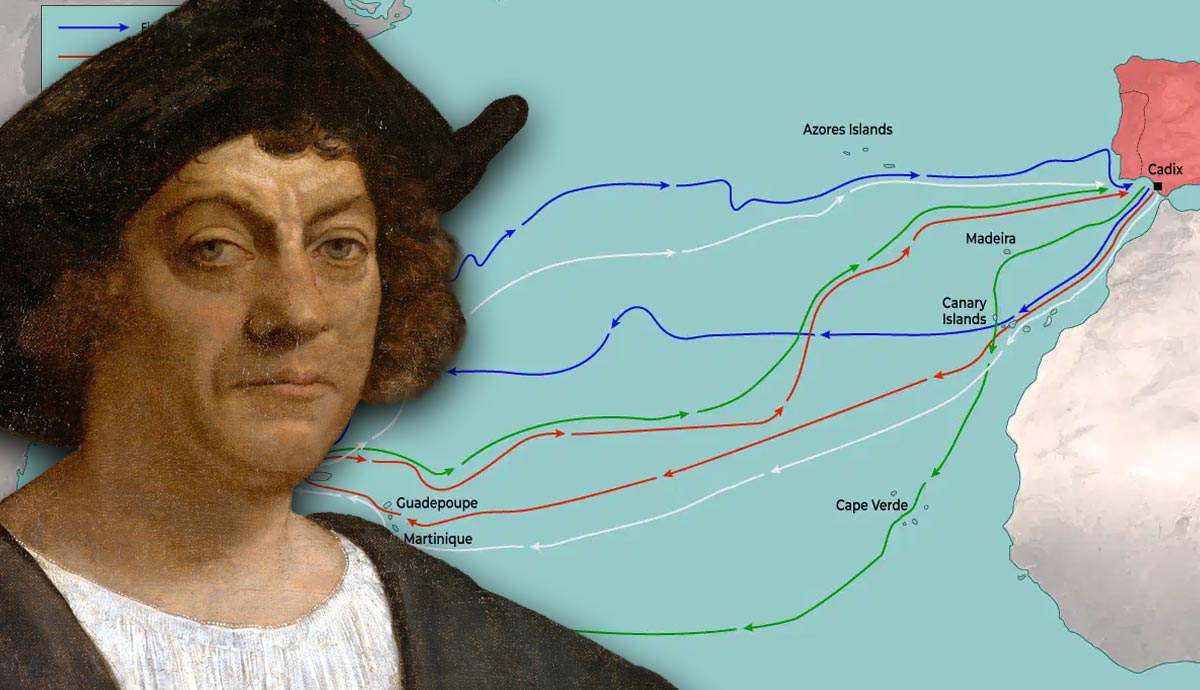
The Age of Exploration continued. Portuguese explorers continued down the African coast, hoping to bypass the overland trade routes dominated by other countries and reach the East Indies by boat. Christopher Columbus, hoping to sail to that same spice- and sugar-rich region, was determined to find an alternate route. He journeyed westward and ultimately “discovered” a collection of tropical islands inhabited by Indigenous groups, primarily the Taíno.
At first contact, the Caribbean peoples lived in villages, practiced small-scale agriculture supplemented by hunting and gathering, worshipped a pantheon of gods and goddesses, and traveled and traded between islands via canoe. Within a century, nearly all of this would disappear.
Sugar in the New World
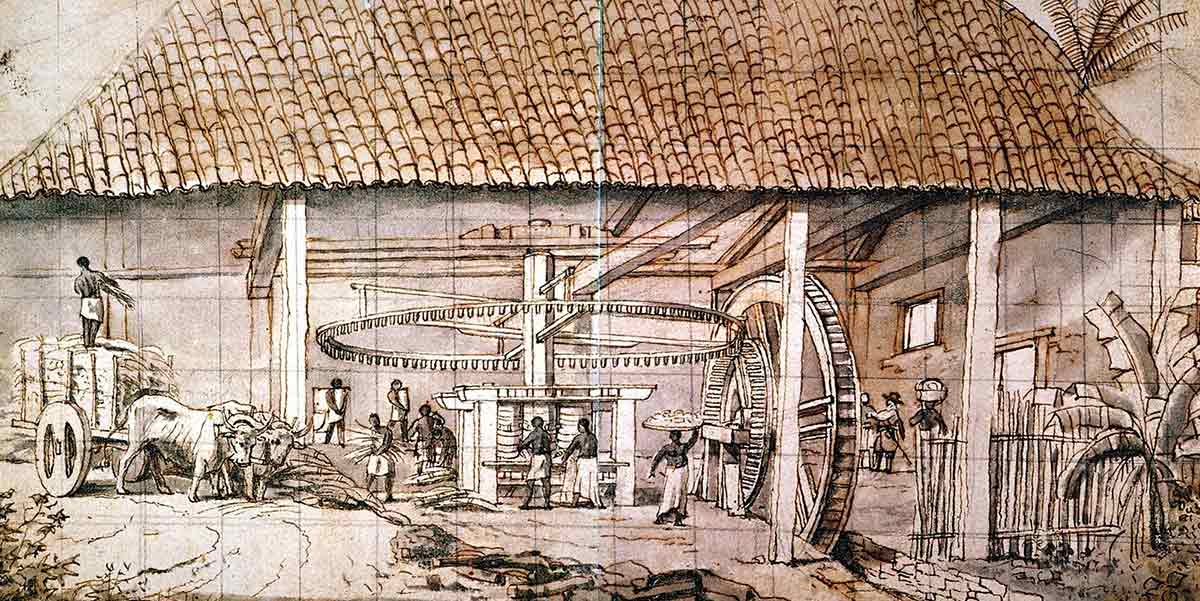
Sugar was so ubiquitous in the New World in the first centuries after its “discovery” that anyone might assume it grew there naturally. In reality, it was one of the first new crops introduced to the region by its European colonizers. Columbus didn’t bring sugar with him on his first voyage, since he was in fact trying to reach the sugar-growing regions, but he and his fellow explorers were quick to note that the hot, humid climate of the Caribbean mirrored that of their sugar plantation islands closer to home. On his second voyage in 1493, he had sugar in tow.
Early Spanish colonizers in the New World, however, were far more interested in gold and silver than setting up plantations. While the region’s first sugar plantation was already in operation in Jamaica by 1513, and Puerto Rico and Santo Domingo were exporting millions of pounds of sugar by the end of the century, the booming industry that would ultimately encompass the entire region hadn’t taken off yet. While Portugal was quick to establish sugar plantations in its “discovery,” Brazil, the Spanish Caribbean islands soon fell out of favor with colonists. Indigenous sources of labor were quickly decimated, the climate was oppressive, and conquistadors were finding far more riches on the mainland.
However, as opportunities for land and mining interests in places like Mexico and Peru dwindled, Spanish interests returned to their Caribbean holdings. Other countries, namely Britain and France, had also claimed islands in the region, and sugar production was beginning to bring in substantial cash. While other early crops, including cotton and tobacco, faced competition from colonies in North America, sugar didn’t. More and more colonists began to set up plantations.
Inaugurating the Slave Trade
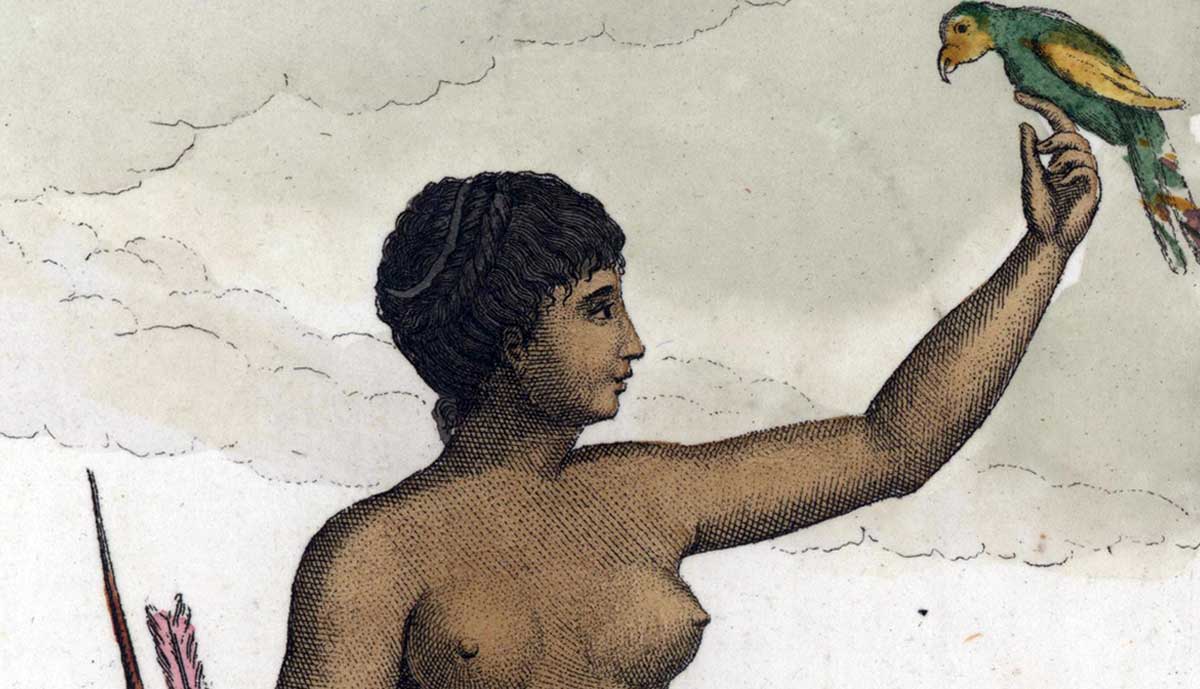
While pre-contact population estimates vary, most scholars agree that the conquest of the Americas reduced the native population of the Western Hemisphere by up to 90%. War, disease, enslavement, abuse, and starvation had killed tens of millions of Indigenous people by the dawn of the 18th century. This was especially true in the Caribbean, the first arena of the conquest, where populations were more vulnerable: their numbers were smaller, their military might was less developed, and they had no warning of what was coming.
Upon his first encounter with the Taíno in the present-day Bahamas, Columbus remarked, “They do not carry arms or know them…They should be good servants.” Repeating the history of the Canary Islands, the region’s Indigenous people were the first Spanish slaves, but within a century they had been all but wiped out. As colonists moved to the islands and began planting, they found themselves without a labor force; obviously, they weren’t going to perform the dangerous labor of producing sugar themselves. Harvesting sugarcane involved hacking down tough, and often sharp, plants that could grow 20 feet high with machetes. Once cut, the plants could spoil very quickly and had to be rushed to mills and processed immediately, often within a day. The mills themselves were also dangerous, with vats boiling sugar that could easily scald workers and machines used to press the cane that could also maim or even kill.
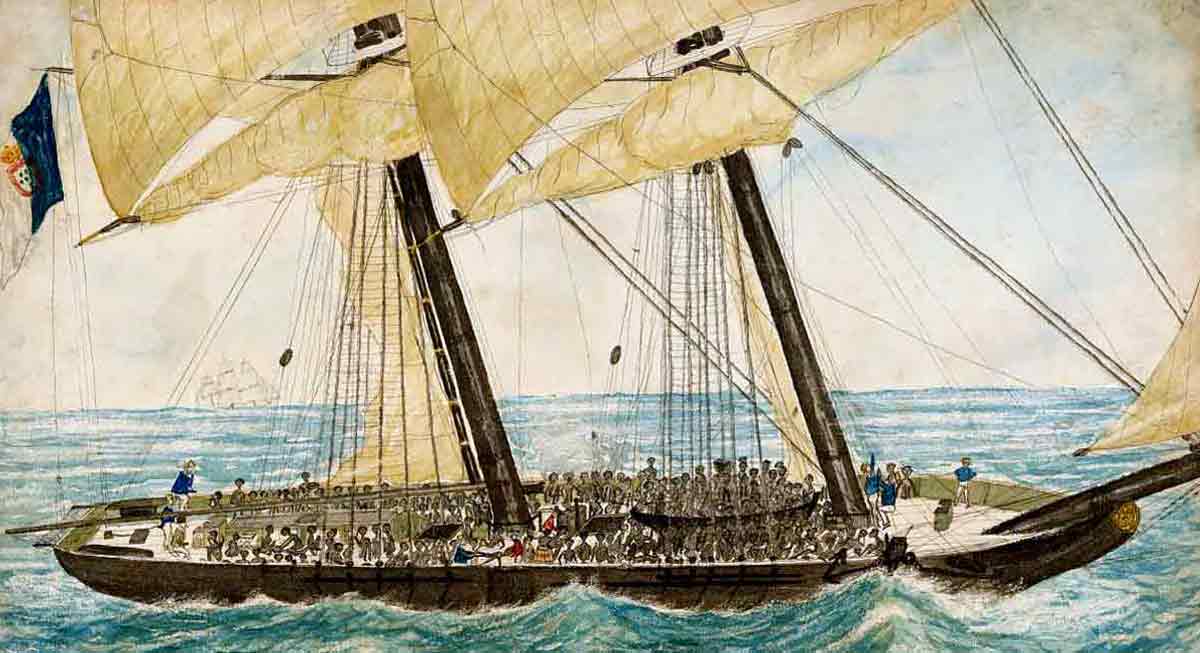
Again, it was not, as commonly believed, the Spanish who initiated the importation of enslaved people from Africa, but the Portuguese. Their sugar plantations in Brazil quickly decimated coastal Indigenous populations, and with thousands of miles of well-known territory into which to escape, inland Indigenous groups had better success evading slaving raids and the Portuguese altogether. The first slaves from Africa arrived in Brazil in the early 16th century, and Portugal would go on to bring an estimated 5 million African slaves to Brazil, overwhelmingly driven by sugar production.
But the Spanish colonists in the Caribbean soon followed suit, and from the 17th century British, Dutch, and French colonists did the same, importing thousands of enslaved Africans each year to work the sugar plantations. Given the dangerous work and abusive conditions, the average lifespan of a sugar plantation slave was just seven years, driving the importation of ever-increasing numbers of slaves. Ultimately, enslaved Africans could outnumber white colonists 10 to 1 in some places. The population of the Caribbean islands had gone from entirely Indigenous to predominantly European to predominantly African in less than 200 years, all for the love of sugar.
The Rise and Fall of Caribbean Sugar Production
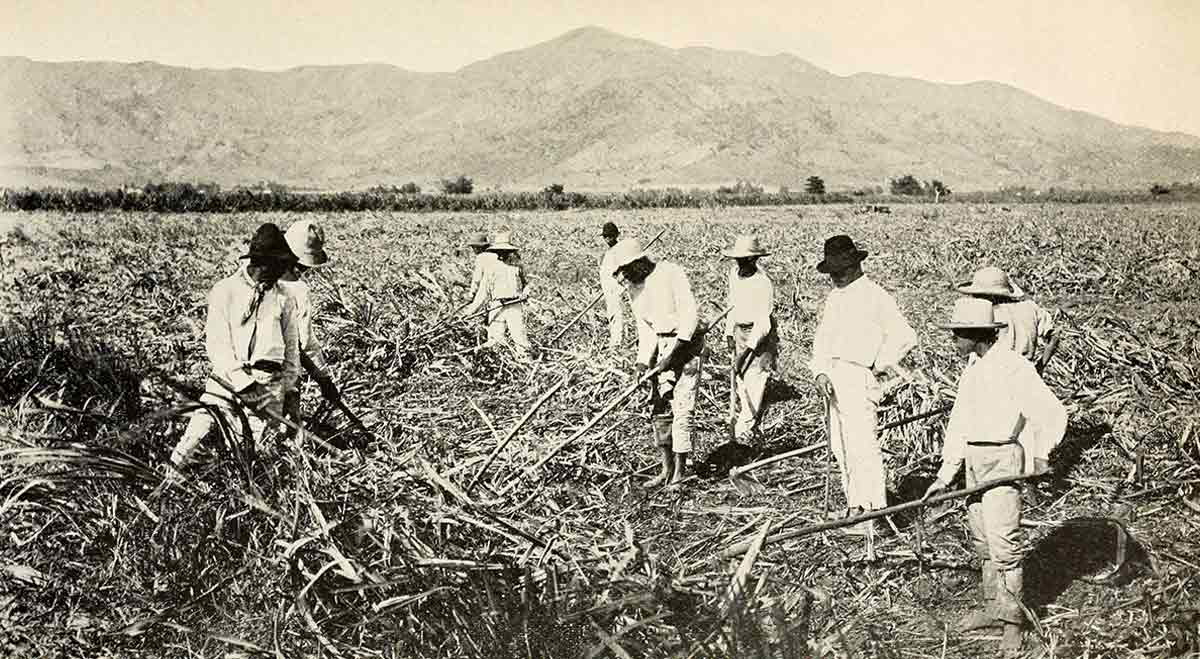
From that first plantation in Jamaica, sugar production grew to take over the Caribbean and became the “white gold” of Europe’s colonies in the Western Hemisphere. After the Portuguese kicked their Dutch sugar partners out of Brazil, many took their skills and equipment to the nearby Caribbean islands, establishing plantations in places like Barbados, which became Britain’s richest colony by 1700. While the center of sugar production would shift from island to island depending on a number of factors, including wars and changing political conditions in Europe, it continued to grow. By the 19th century, nearly all of the sugar consumed in Europe—an amount that had skyrocketed over the last 200 years—was being produced in the Caribbean. But that tumultuous century would see the steady decline of the once-booming industry.
While a number of problems challenged the industry, including soil exhaustion, deforestation, hurricanes, and pirates, by the mid-19th century, only one truly threatened the industry: the end of slavery. Since the successful slave rebellion in Saint-Domingue had culminated in the Caribbean’s first free nation, Haiti, uprisings and rebellions had plagued the region, and slavery finally began to be seen as the abomination it was.
As nations abolished slavery, sugar production shifted to places where it was still legal, Cuba and Louisiana, for example, until there was essentially nowhere left to go. Sugar prices soared, production shifted to places that still permitted indentured servitude or the importation of poorly paid immigrant labor, and alternate sources of sugar, namely beets, grew in popularity. While sugar and sugar products like rum are still produced in the Caribbean, the region no longer monopolizes the industry as it once did.
Sugar Takes Over the World
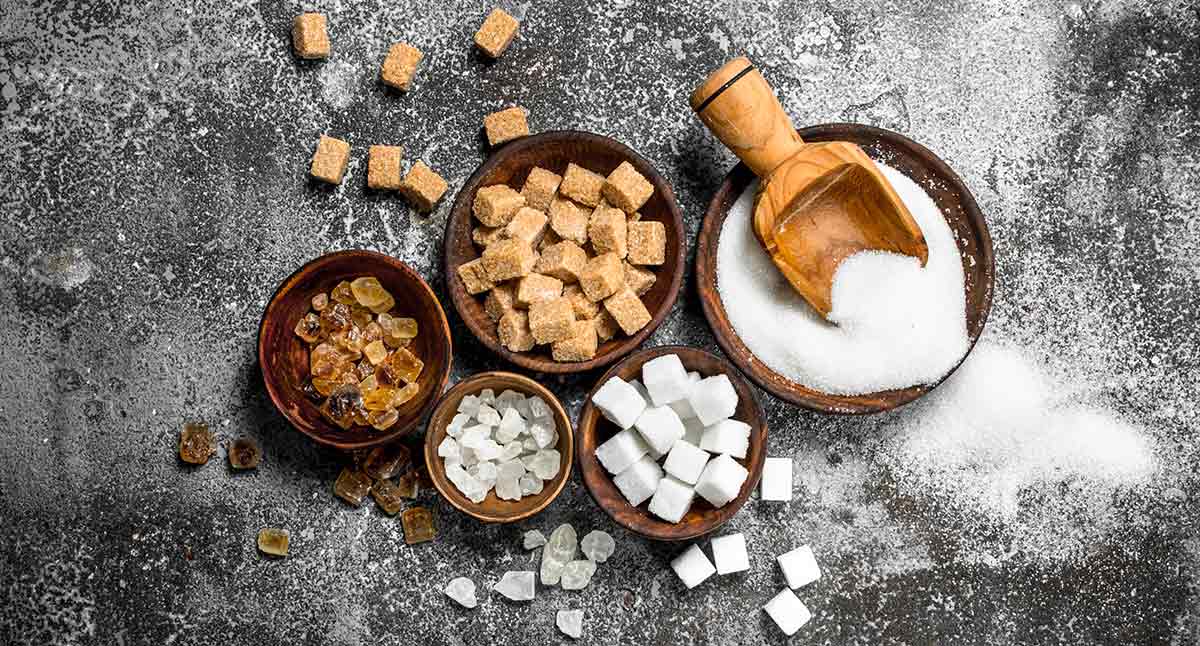
In addition to spurring the trans-Atlantic slave trade and contributing to the genocide of the Caribbean’s Indigenous population, the introduction of sugar to the Caribbean and other parts of the Americas catapulted sugar from a humble “spice” to an essential commodity. In 1704, Britain’s per capita yearly sugar consumption was four pounds; by 1900 it was 90 pounds. Today, the average US resident consumes more than 100 pounds of sugar each year, and much of it not from sweet treats but as added sugars in surprising products like spaghetti sauce, oatmeal, and yogurt.
All of this consumption has made sugar a $66 billion industry today, producing nearly 200 million tons each year. So when medical research began to link sugar consumption with a host of health problems, including heart disease, the industry paid scientists to blame something else: fat. Despite the well-documented correlation between sugar consumption and obesity, diabetes, high blood pressure, and increased risk of stroke, not to mention tooth decay, only in the 21st century has a dedicated movement to reduce sugar consumption begun to take shape.