
How did 19th-century art go from Impressionism and Academism to abstract art? One of the various art groups that contributed to this shift was called the Nabis. The Nabis was the name adopted by a group of young French artists at the end of the 19th century. The group existed for only a little over a decade, from 1888 to 1900. However, their art had a profound influence on later Symbolist artists and also served as a precursor to abstract painting.
Who Were the Nabis and What Are They Famous For?
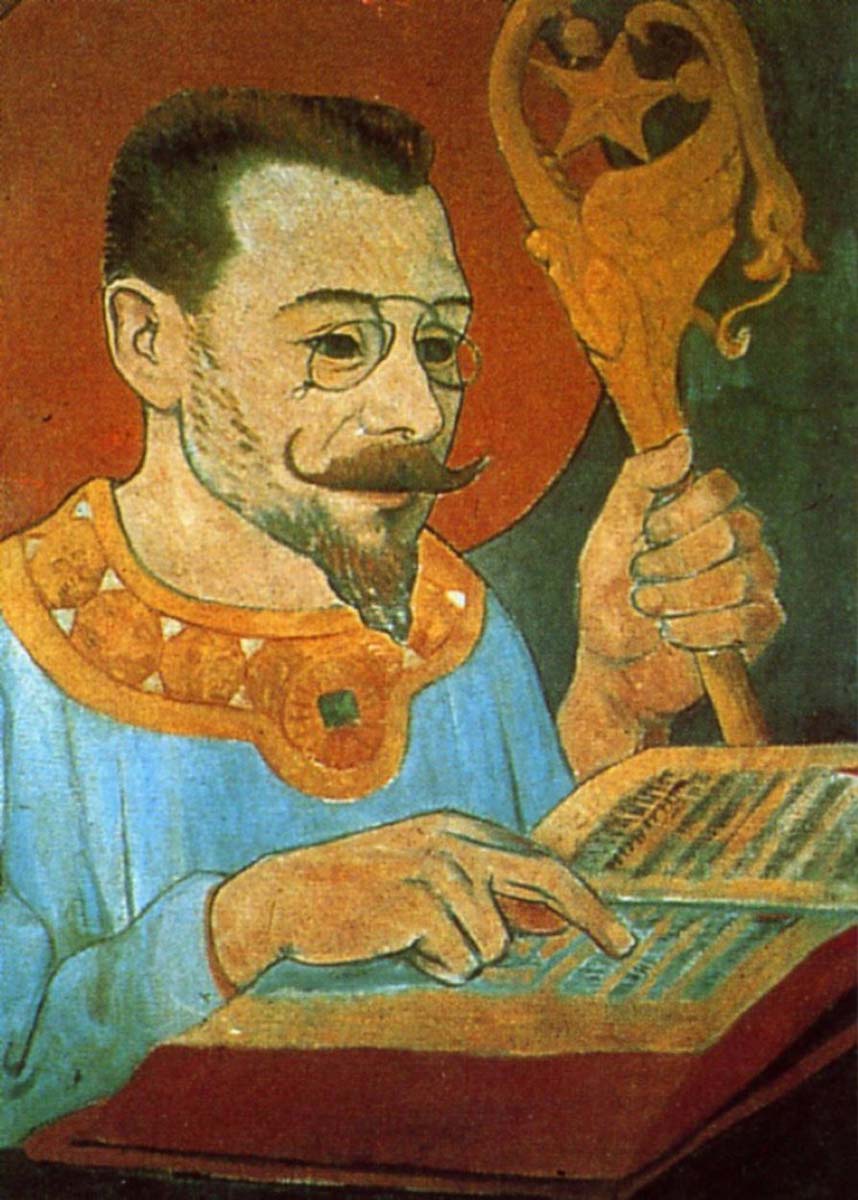
The Nabis were Symbolists, who organized their group as a secret society of like-minded individuals who committed themselves to expressing the insights of their souls in their art. This wasn’t the first time a brotherhood of artists had pursued the same goals in their art. Another famous example is the British Pre-Raphaelite Brotherhood, which existed as an official group from 1848 to about 1854.
The Nabis saw themselves as messengers, expressing their own artistic revelations in individually chosen symbols. The name of their group, bestowed on them half-humorously by the Symbolist poet Henri Cazalis, comes from Nabi, which means “prophet” in Hebrew and Arabic. The word has been used in both the Bible and the Koran to refer to various prophets. The Semitic root of the word appears in words that mean to announce, to speak for, and to inform. Just as the prophets were instrumental for revival and revelation of God’s will in the Old Testament, as well as in other religious writings, the Nabis saw themselves as prophets of modern art, revitalizing it and changing its direction. So, who were the Nabis, and why did they associate themselves with messengers revealing God’s will to mankind?
What Artists Formed the Group Called the Nabis?
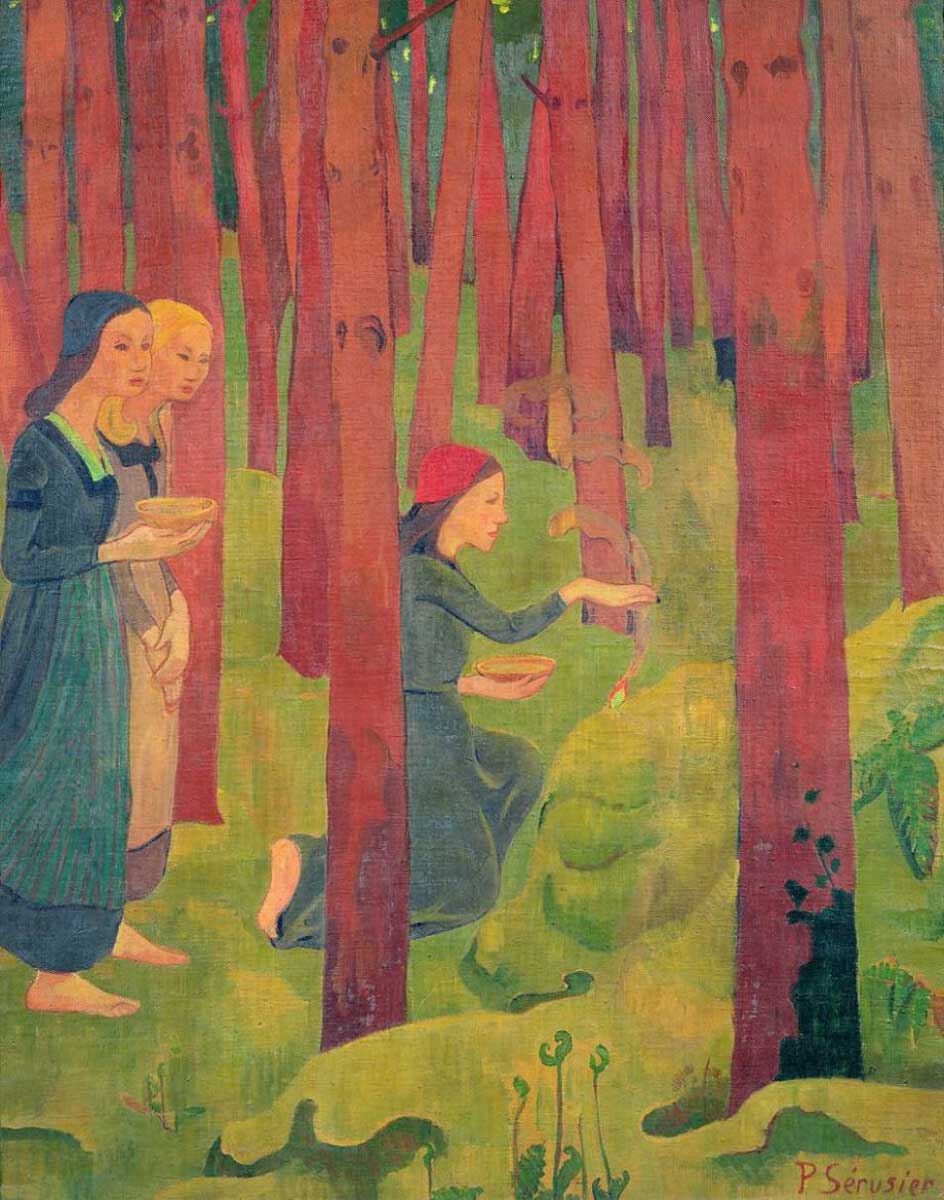
The group’s leader was Paul Serusier (1864-1927), a French Post-Impressionist painter who was studying at the Académie Julian at the time. After traveling to Brittany in 1888 and meeting Paul Gauguin and Émile Bernard in the art colony at Pont-Aven, Serusier was inspired to gather a group of like-minded young artists and together try to redefine what modern art would become. His idea was supported by Pierre Bonnard, Maurice Denis, Édouard Vuillard, Paul Ranson, Ker-Xavier Roussel, and Félix Vallotton, who joined Serusier’s group.
They were dissatisfied with the traditional approach to art and believed that true art went further than paintings on canvas, and that its foremost purpose was decorative. The group would go on to produce paintings, murals, prints, posters, textile designs, theatre décor, and book illustrations. Each painter had a distinctive style and pursued different themes in their art, defined by individual preferences, revelations, and interpretations of religious or mystical subjects.
For instance, Paul Serusier created paintings inspired by the unique Breton customs and religious beliefs, which blended Catholic faith with ancient rites and rituals of the Bretons’ Celtic ancestors. Brittany’s moody Christian mysticism became Serusier’s inspiration, along with his later interest in theosophy.
What Is the Most Famous Artwork by the Nabis?
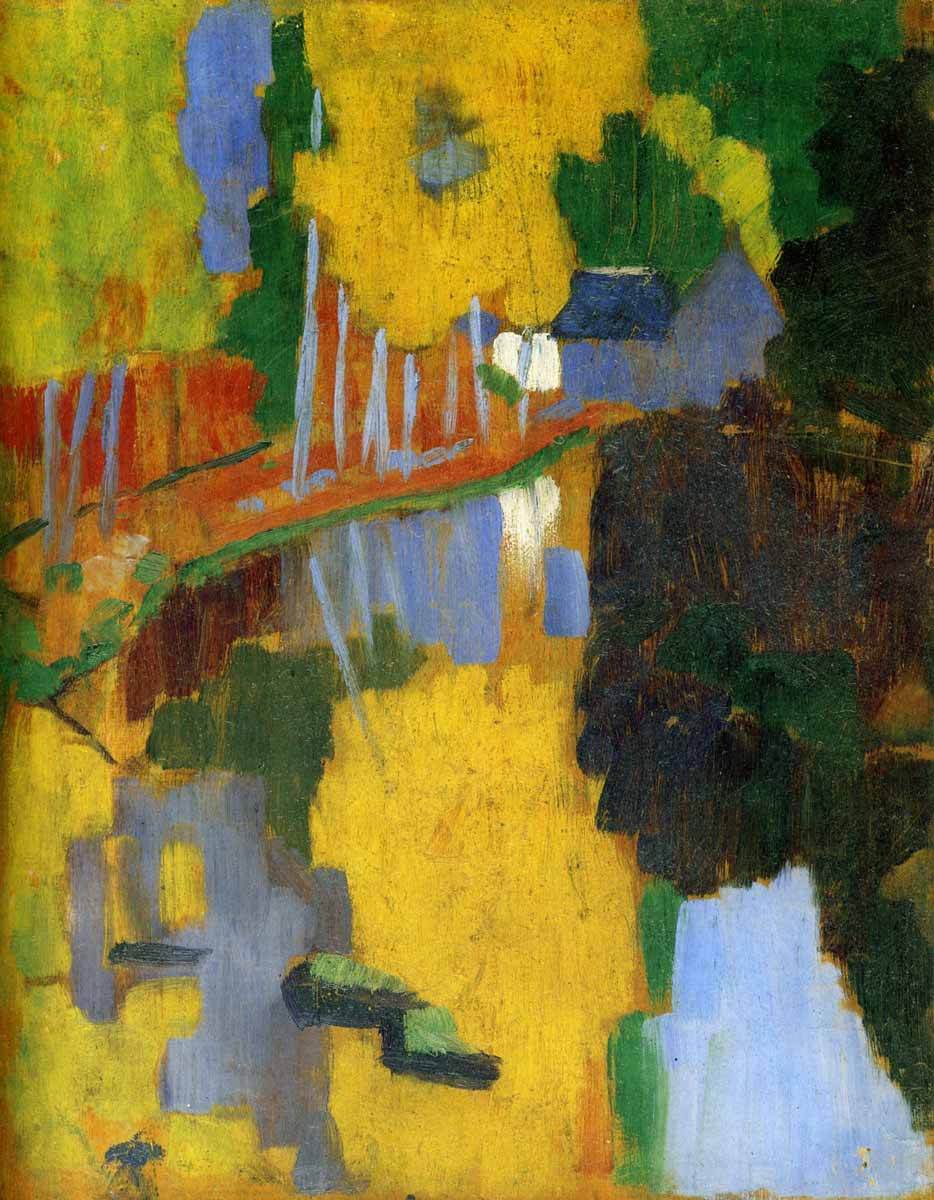
Serusier brought back an intriguing and innovative painting from his inspirational visit with Gauguin in Brittany. Later called The Talisman by the Nabis, the painting’s original name was The Bois d’Amour at Pont Aven, and it shows a stylized landscape with yellow autumnal trees and their reflection in a small lake. This painting was regarded by the Nabis as a symbol of the new art they intended to create.
What Is Nabi Art About and What Influenced the Nabis’ Artworks?
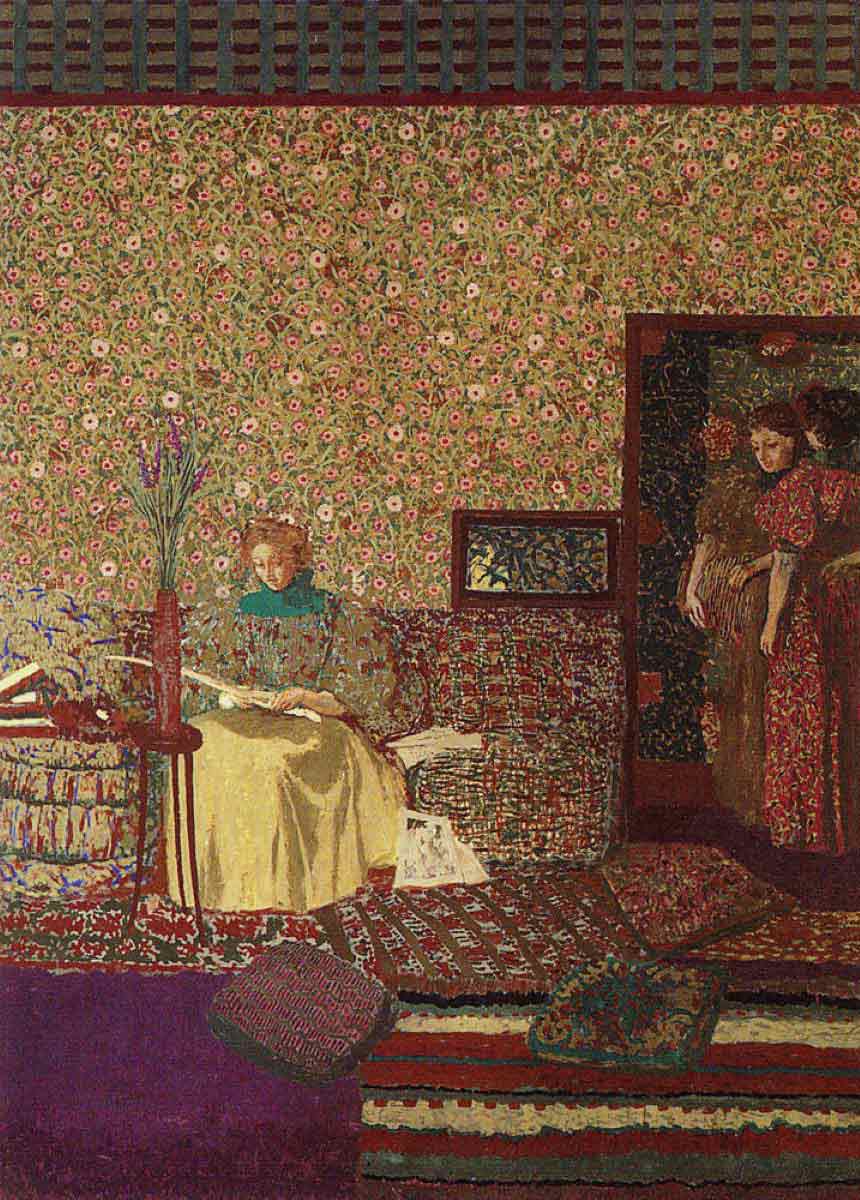
The Nabis was a group composed of young artists dissatisfied with Academicism and the contemporary teaching methods employed at prestigious art schools, such as Académie Julian, where many of the Nabis studied art. They were tired of the rigidity of the Salons, with their focus on mythological, historical, and religious art and demand for polished and technically perfect artworks. These young painters wanted to find new ways of expressing what mattered to them.
Serusier, the founder of the Nabis, was influenced by the Synthetist style of Paul Gauguin. Serusier met Gauguin at Pont-Aven, Brittany, in 1888 and was so enthusiastic about his work that he was inspired to found the Nabi group. Other influences on the group included Japanese woodblock prints, which had a profound impact on many artists of the time, from Van Gogh to Whistler. Due to the technique used in their production, the woodblock prints employed large areas of flat color with sharp, black outlines of objects. This, together with their decorative design and unusual cropped perspectives, made Japanese prints fascinating for the Nabis.
Traditional arts, such as weaving, woodcarving, or ceramics, also played a significant role in the Nabis’ perception of the role of art. They rejected the notion that fine art was confined to framed paintings and viewed decorative art as equally important as paintings on canvas. Many Nabis turned to other art forms, combining them with their painting. The bold, bright art of the Pre-Raphaelites, Art Nouveau design, and the art of Paul Cezanne provided further influences in the art of the Nabis. Many of the Nabis experimented with bright colors and daring patterns in their quest for self-expression.
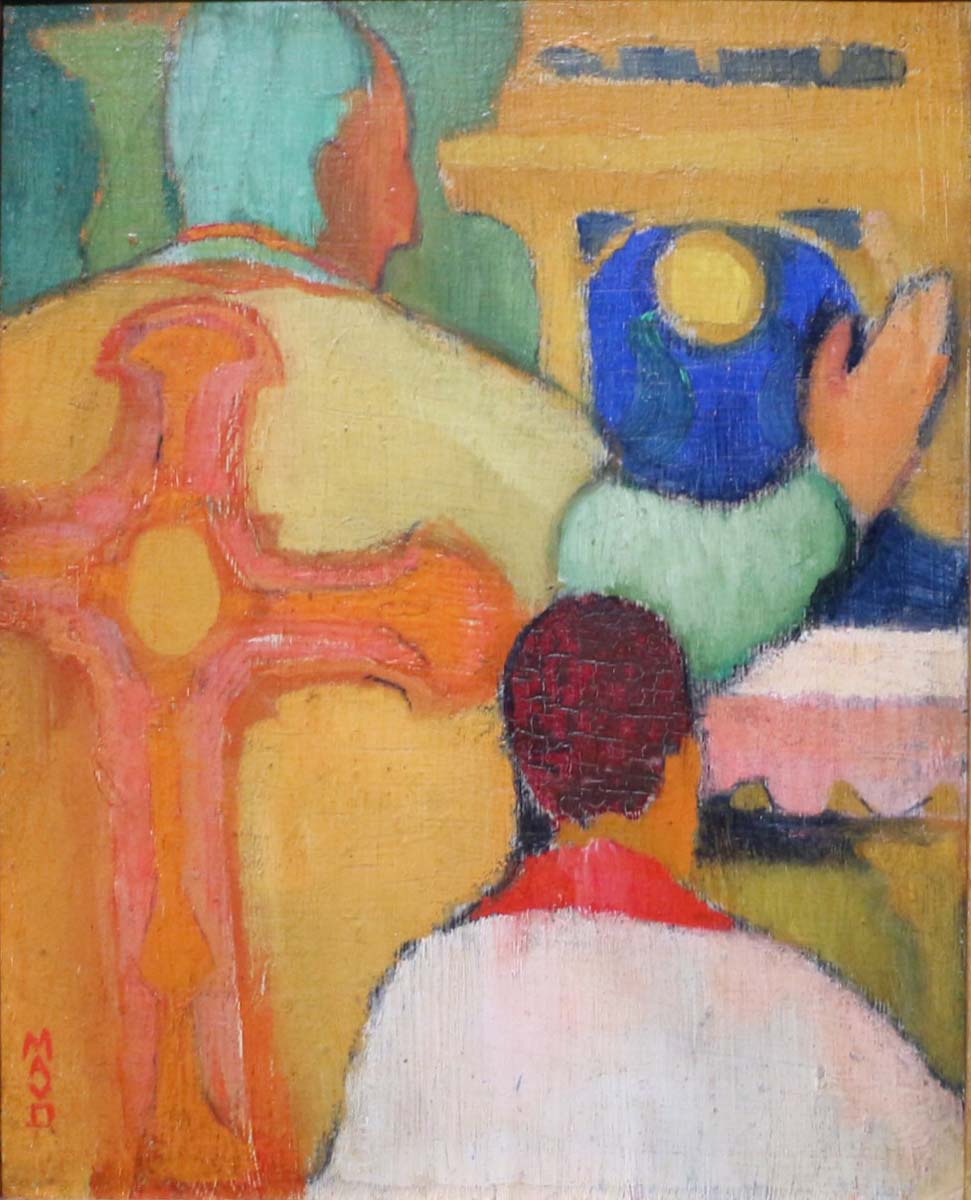
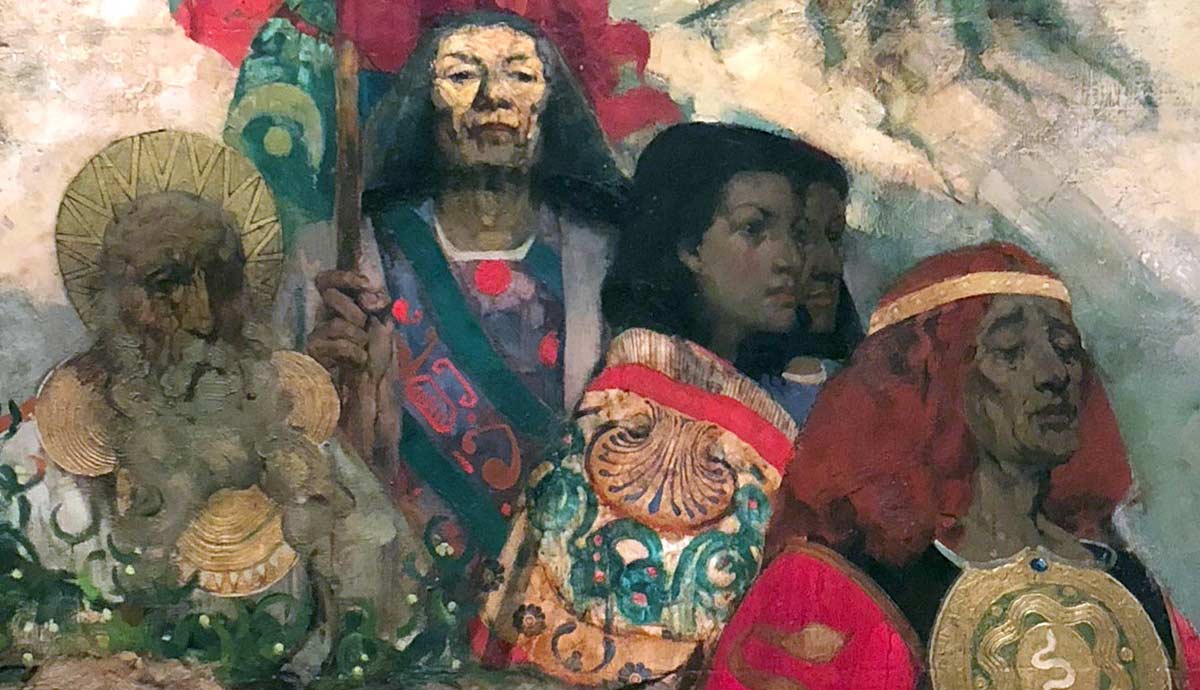
Maurice Denis was known for paintings based on Biblical stories and Catholic ritual. The artist was deeply interested in religious subjects since his student years, aiming to revive French religious painting. He also found inspiration in mythology, scenes of daily life, and landscapes. Paul Ranson drew inspiration from the occult, frequently drawing on witches and sages as subject matter. Other Nabis artists, like Vuillard and Bonnard, often portrayed domestic scenes. Vallotton’s paintings, too, feature interiors, but most of them deal with ambiguous social interactions, showing flirting couples, card players, and so on. Vallotton, Serusier, and other Nabis artists also reinterpreted landscape art; they painted decorative views with flat surfaces of bright color, often featuring a small corner of a park, gardens, moonlit seascapes, and trees in autumn.
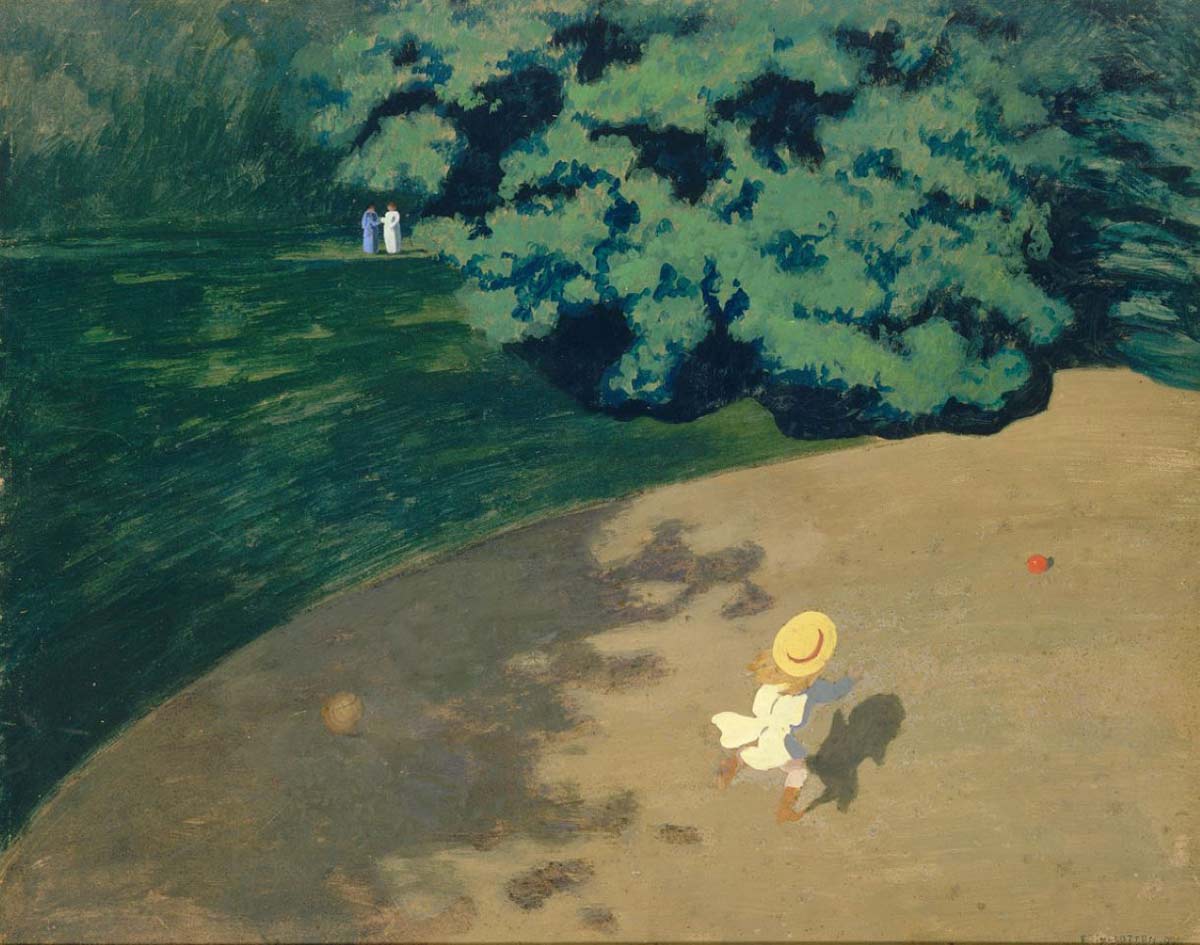
The goal of these innovative approaches was to seek a deeper truth and beauty that could only be found in the artist’s own soul. The Nabis turned to mystical teachings and subjects in order to convey more than just a visual image. They believed that each artist imbued their art with their own ideas, symbols, and metaphors. Each subject, even if taken from nature, wasn’t merely a depiction of nature but of the artist’s soul.
Artistic Techniques Used by the Nabis
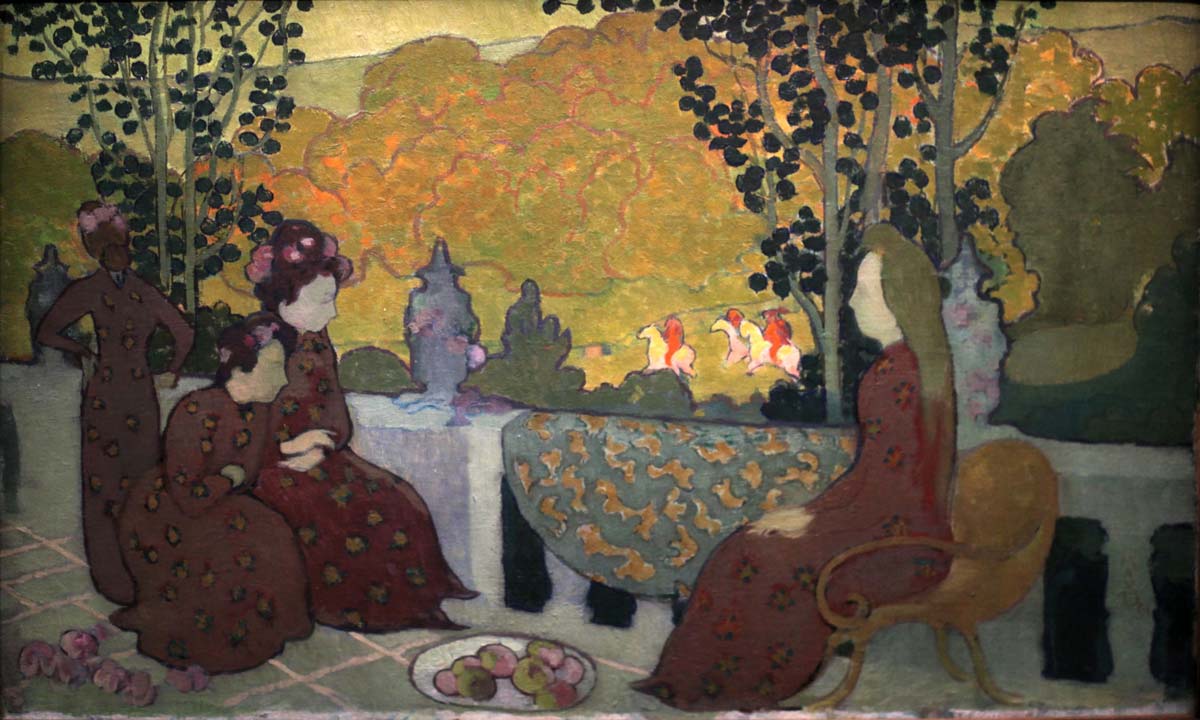
The methods that the Nabis used to convey their personal vision of the world and spiritual truth aimed at freeing the colors and forms from their traditional, descriptive function. The Nabis painted in bold, flat areas of bright color outlined in dark contours. This technique is called cloisonnism, derived from cloisonné, an ancient metalwork technique in which strips of wire form a pattern that is later filled with colorful enamels.
In Nabi art, patches of color, outlined forms with dark contours, and simplified drawing unite to produce a harmony of lines and colors without a realistic portrayal of the painted objects. Instead of working from nature, each artist focused on the image in their own imagination. The Nabis artists experimented extensively with their art, using unconventional materials such as cardboard, wood, and even velvet as alternatives to canvas.
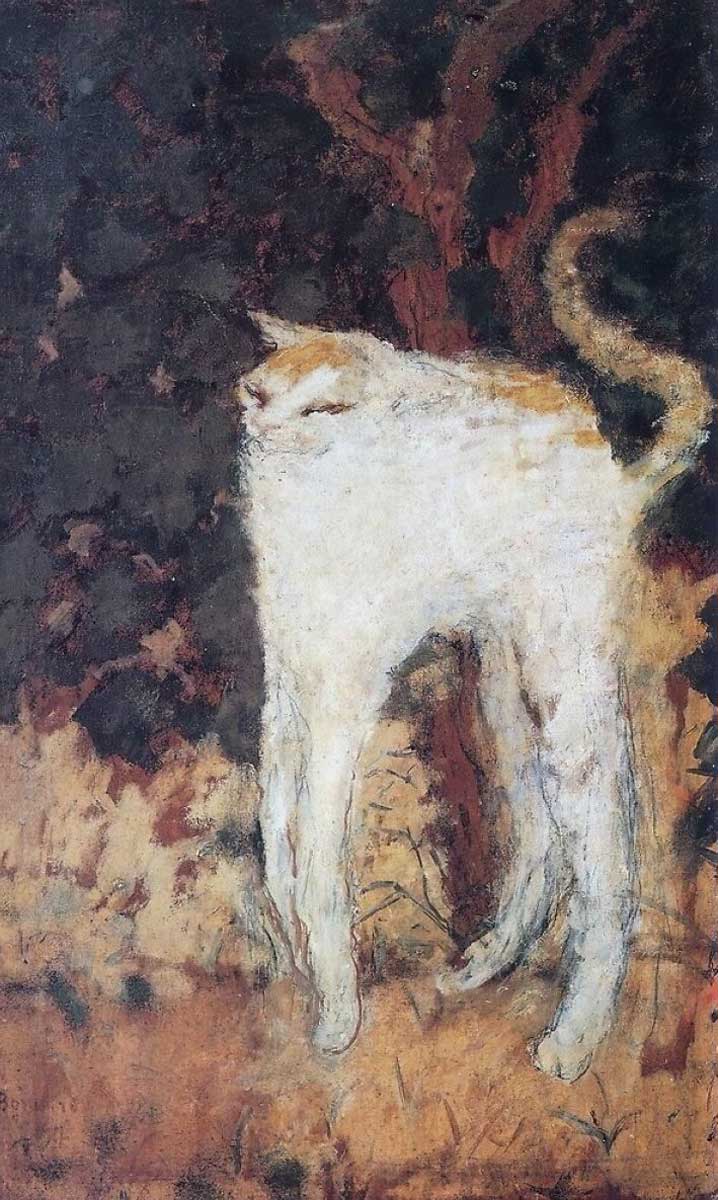
Colors were also used according to each artist’s personal preferences and vision, and the Nabis often distorted and altered colors in their paintings and designs to achieve the desired decorative effect. The Nabis artists felt that they went beyond the Impressionists, who studied natural light and shadows and portrayed the true colors and light of the world around them. Nature was to be rearranged, simplified, and designed into images that would project the artist’s inner world, the states and musings of his soul.
Preceding artists like Dali or Picasso, who developed unique symbolic systems, the Nabis created an intuitive and stylized approach to art that was free from traditional Academic or Realistic art styles. It relied entirely on each artist’s own spiritual symbols, explorations, and interests. Various members of the group differ significantly in their chosen subject matter and painting styles, yet convey the same conviction of a new purpose of art in their works.