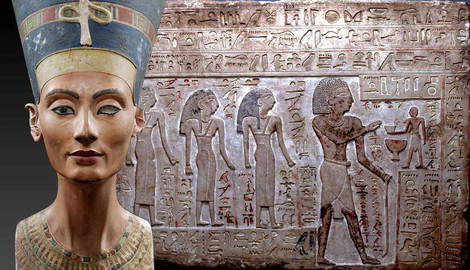
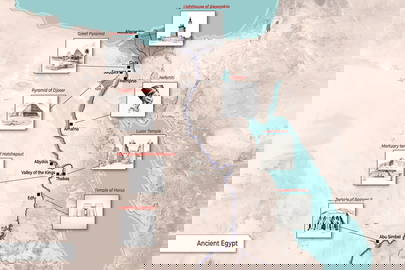
Ancient Egypt immediately brings to mind great pyramids, golden graves, mysterious hieroglyphics, and colorful gods. But the ancient Egyptian civilization thrived for three millennia before it was incorporated into the Roman Empire (30 BC). Here is a timeline of the principal periods in ancient Egyptian history and the culture, monuments, and pharaohs that characterized them.
Timeline of Ancient Egypt
| Period | Dynasties | Characteristics |
| Predynastic Egypt (c. 5000-3100 BC) |
| |
| Early Dynastic Egypt (c. 3100-2686 BC) | Dynasties 1-2 |
|
| Old Kingdom (c. 2686–2181 BC) | Dynasties 3–6 |
|
| First Intermediate Period (c. 2181–2040 BC) | Dynasties 7–11 |
|
| Middle Kingdom (c. 2030–1650 BC) | Dynasties 11–13 |
|
| Second Intermediate Period (c. 1640–1550 BC) | Dynasties 14–17 |
|
| New Kingdom (c. 1550–1070 BC) | Dynasties 18–20 |
|
| Third Intermediate Period (c. 1070–664 BC) | Dynasties 21–25 |
|
| Late Period (c. 664–332 BC) | Dynasties 26–31 |
|
| Ptolemaic Period (305–30 BC) | Ptolemaic Dynasty |
|
| Roman Egypt (30 BC-AD 641) | Roman Emperors |
|
Predynastic Egypt (c. 5000-3100 BC)
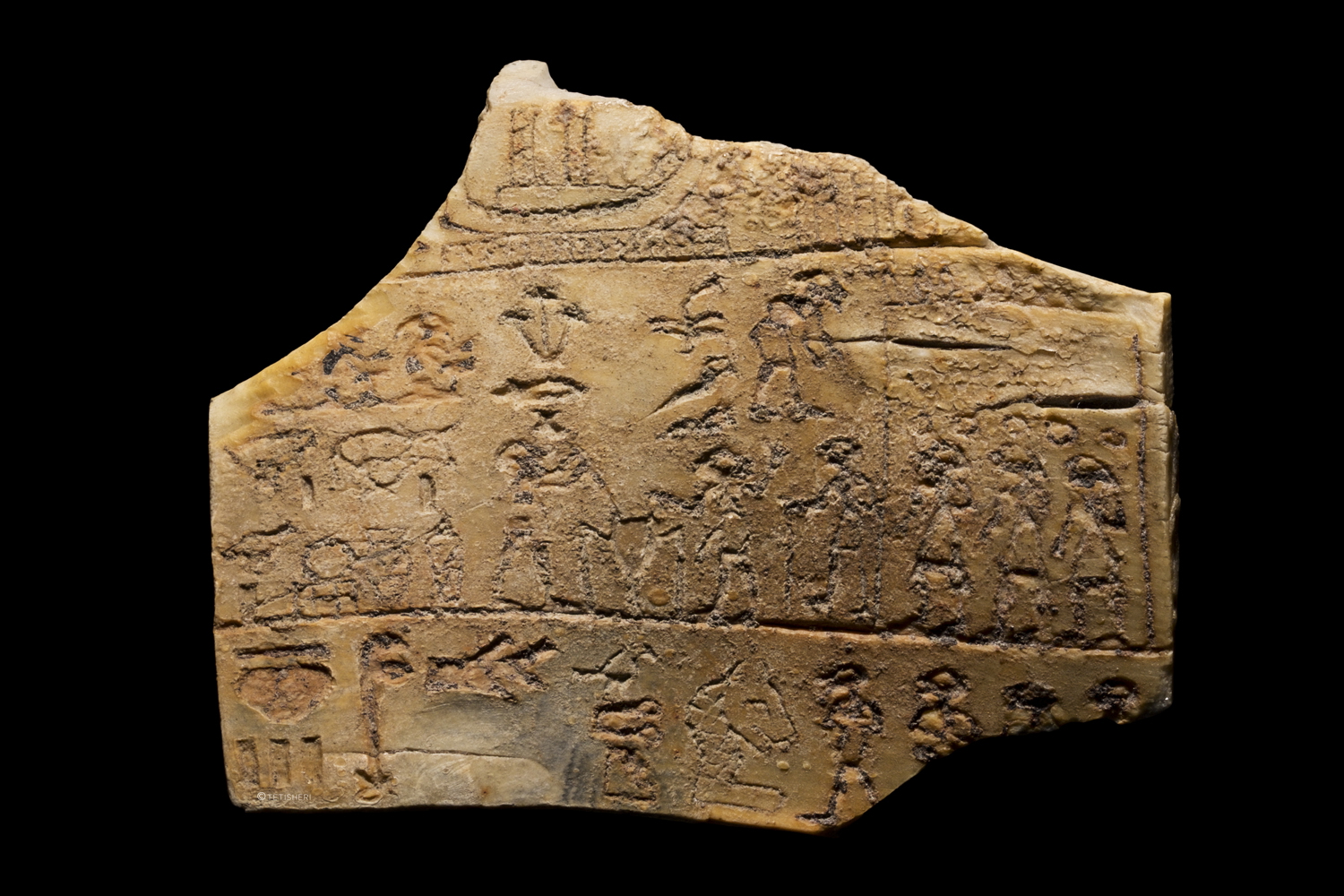
Ancient Egypt did not emerge overnight. In predynastic times, Egypt was occupied by nomadic hunters, but as the climate dried up, they gravitated to the greener lands along the Nile River. This resulted in three big cultural changes: communities forming for sedentary farming, specialization and social stratification within those communities, and the emergence of administrative techniques, most importantly, hieroglyphic writing.
Communities were mostly independent, with their own leaders and gods. Some shared cultural practices, such as mummification of the dead, also began to emerge. It was not long before conflict arose as communities competed for control of resources.
Early Dynastic Egypt (c. 3100-2686 BC)
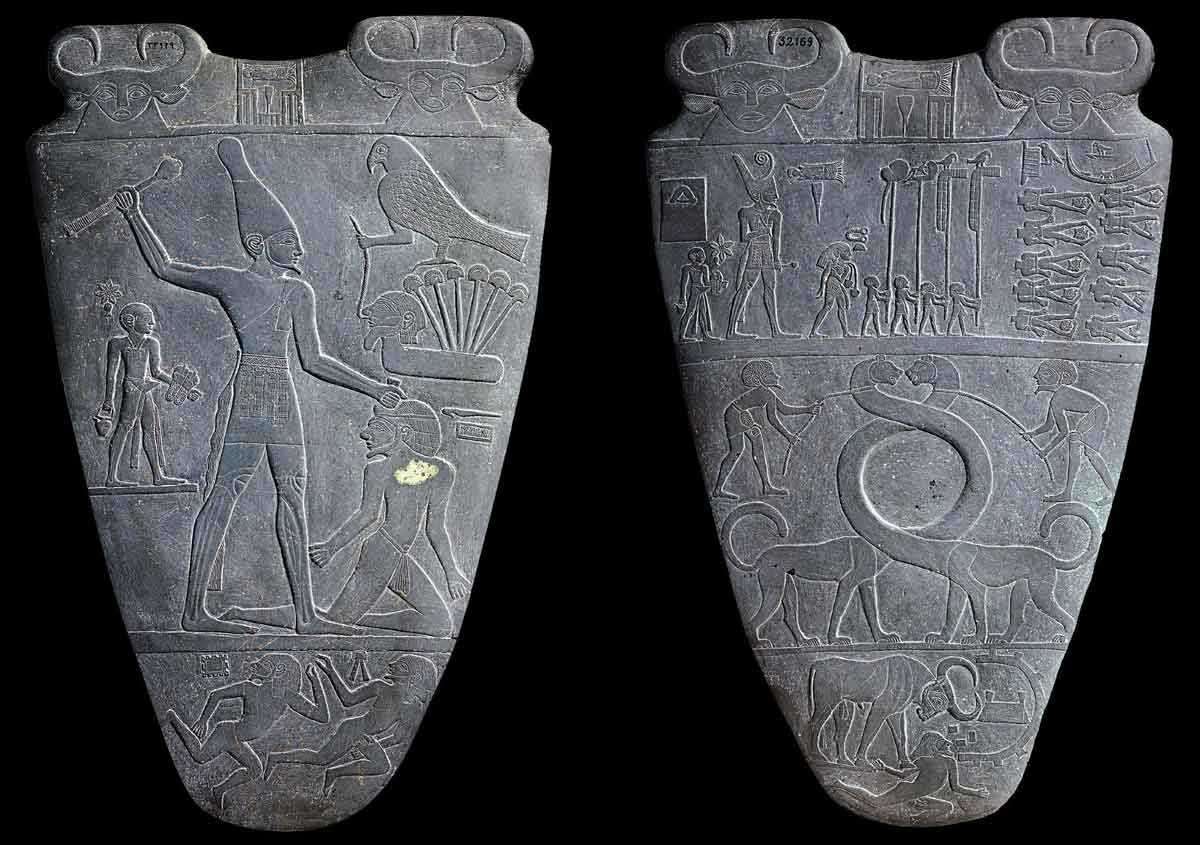
Around 3100 BC, Egypt transitioned from two warring regions—Upper Egypt (the south) and Lower Egypt (the north)—into a unified state. This is usually credited to Narmer, who is considered the first pharaoh of Early Dynastic Egypt (c. 3100-2686 BC). The famous Narmer Palette is sometimes considered the “birth certificate” of ancient Egypt, as it already shows many characteristics of the later pharaonic age. Already, the pharaoh is presented as the incarnation of the god Horus on earth and leading through divine sanction.
The new political capital was Memphis, strategically located where Upper and Lower Egypt meet. Administrative structures, especially for the collection of taxes, emerged, largely run by priesthoods.
The Old Kingdom (c. 2686-2181 BC)
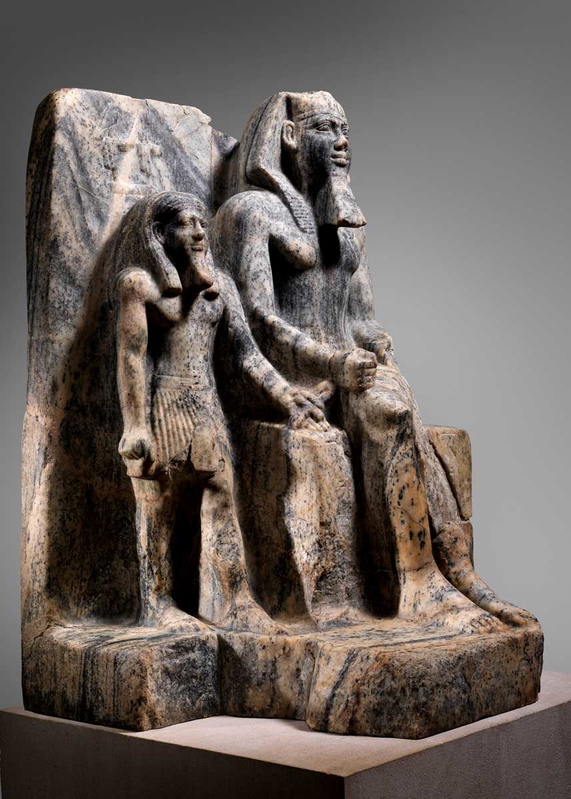
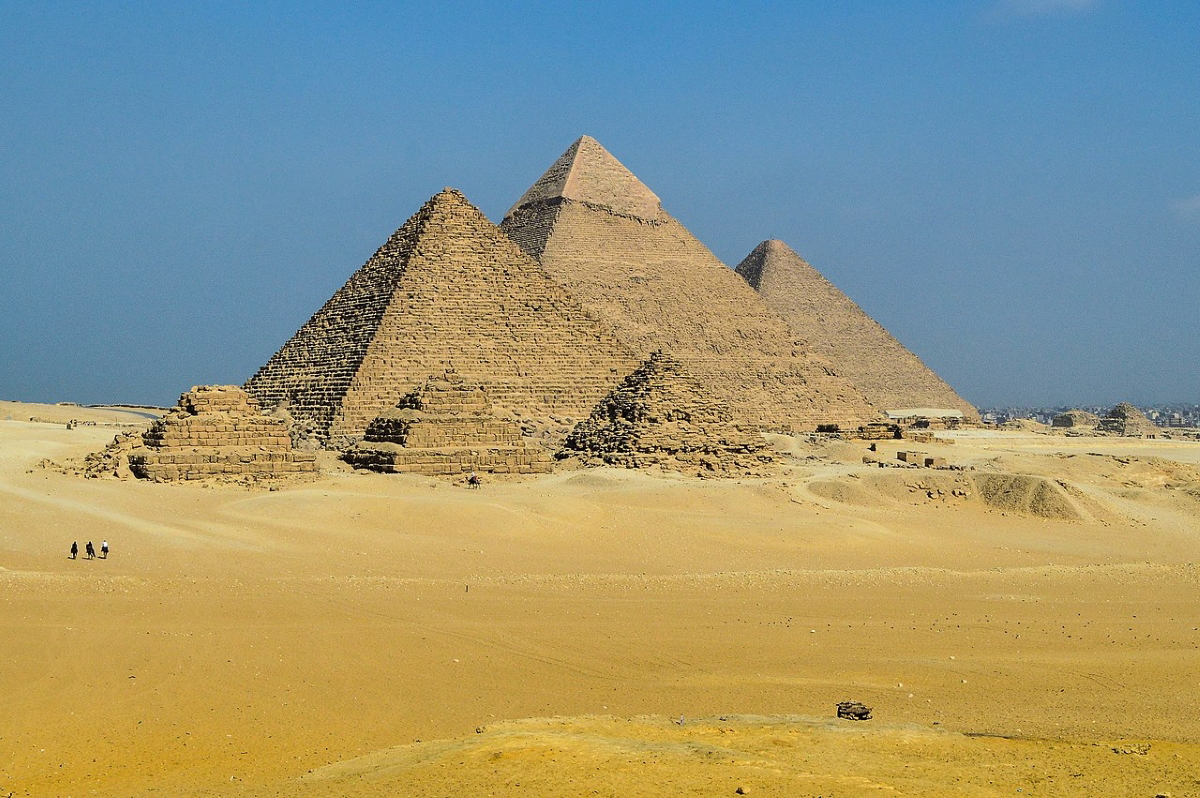
Spanning from the Third Dynasty through the Sixth Dynasty (c. 2686-2181 BC), Ancient Egypt’s Old Kingdom is most famous for its massive and complex construction projects. Principal among them were the pyramids, commissioned by great names such as Third Dynasty King Djoser with his architect Imhotep, and Sneferu, the founder of the Fourth Dynasty. The Great Pyramids of Giza were constructed for Khufu, his son Khafre, and his grandson Menkaure.
The Old Kingdom also underwent a series of changes in religious beliefs in the Fifth Dynasty. This included a rise in the importance of the god Osiris, lord of the dead, and the expansion of the solar cult of Ra. He was worshipped directly by the people through temples run by priests. Priests were also responsible for tasks such as tax collection, making larger priesthoods extremely wealthy and politically powerful.
Eventually, the government was decentralized in the Sixth Dynasty, and power fell to local officials. Competing provincial rulers, combined with issues of succession, drought, and famine, resulted in the decline of the Old Kingdom.
The First Intermediate Period (c. 2181-2040 BC)
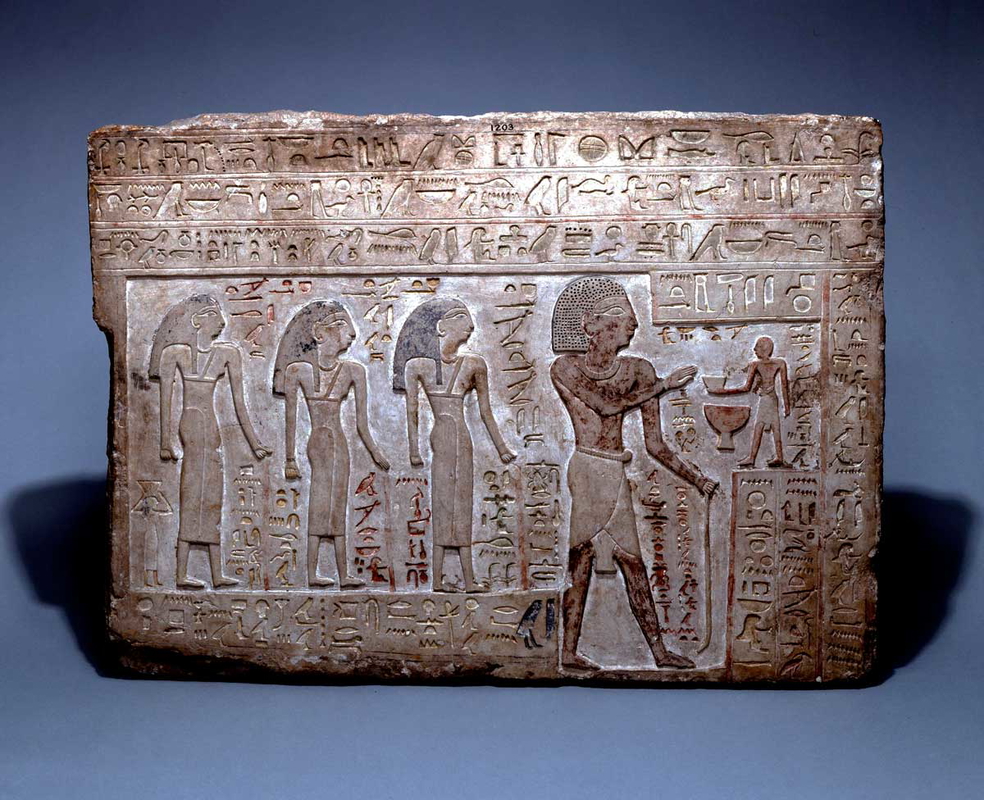
The First Intermediate Period (c. 2181 — 2040 BC) was a dynamic period in the timeline of ancient Egypt, when the rule of Egypt was divided between two competing power bases, one at Heracleopolis in Lower Egypt, and the other at Thebes in Upper Egypt.
Little is known about the Seventh and Eighth Dynasties due to a lack of evidence. The Seventh Dynasty—if it existed—allegedly experienced “seventy kings in seventy days.” The Eighth Dynasty rulers claimed to be the descendants of the Sixth Dynasty kings. The Ninth and Tenth Dynasties were also known as the Herakleopolitan Period. The influence of these kings never quite measured up to that of the Old Kingdom haraohs, but they succeeded in bringing a certain amount of order and peace into the Delta region. However, they frequently butt heads with the rulers of Thebes, resulting in bouts of civil war.
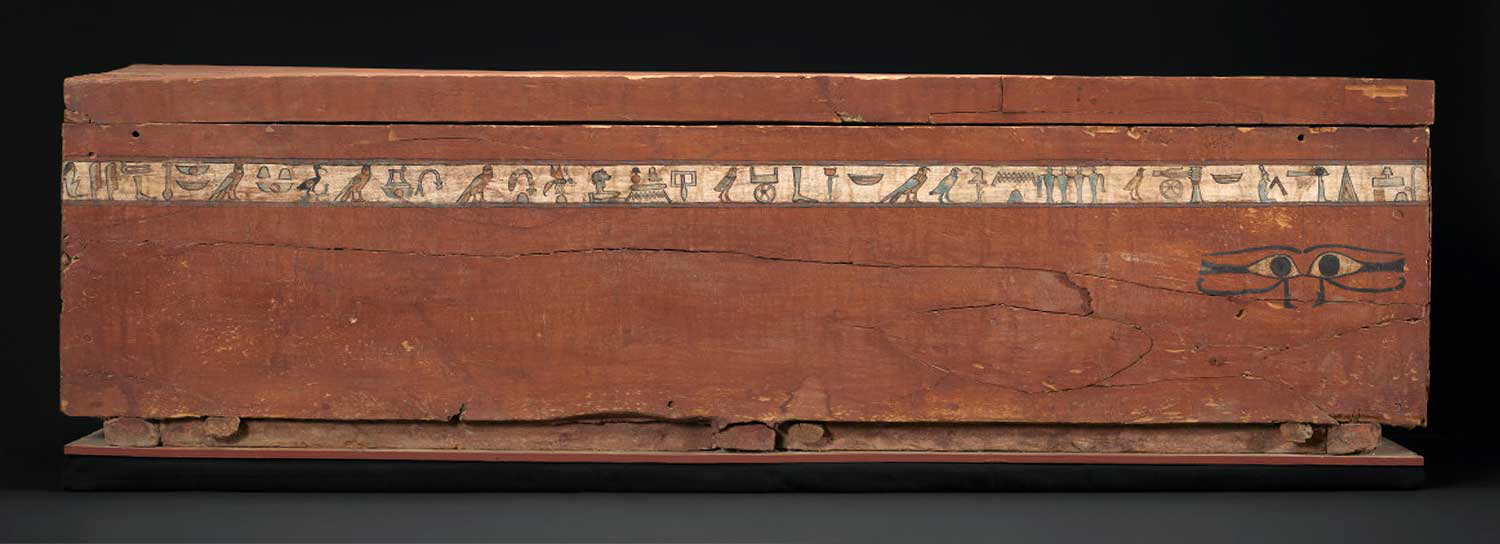
The independent province of Asyut, situated between Herakleopolis and Thebes, rose to power and gained status from a variety of agricultural and economic activities. It acted as a buffer during times of conflict between the northern and southern parts of Egypt. During the Eleventh Dynasty, the Theban kings gained the upper hand against the Herakleopolitan rulers and facilitated the movement toward a unified Egypt for the second time.
Middle Kingdom Egypt (c. 2030-1650 BC)
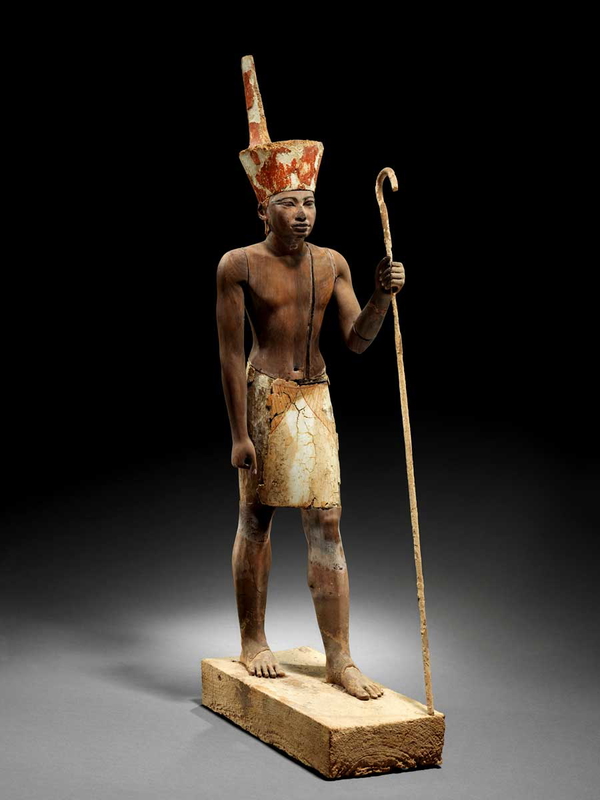
Mentuhotep II was the first king of the Middle Kingdom and restored stability after a period of pharaonic weakness and civil war. He tried to centralize power following the example of the Old Kingdom, but his subordinate officials retained some of their former power. This helped ease the transition from the First Intermediate Period into the Middle Kingdom.
The height of the Middle Kingdom came under the reign of Senwosret III, an eminent warrior-king. He led many campaigns into Nubia to control the southwestern border and passed laws that further centralized power for the throne. During his later years, he brought on his son, Amenemhat III, as co-regent and eventual successor. Egypt experienced a height of economic prosperity during Amenemhat III’s rule. The throne began to weaken with a series of short-lived kings. The Thirteenth Dynasty could no longer maintain control of the country, giving way to a stronger power.

Egyptian literature also emerged in its true form during this period, providing entertainment and intellectual curiosity. Stories such as The Story of the Shipwrecked Sailor and The Story of Sinuhe were popular enough to be transcribed for centuries after the fact. Philosophical and didactic literature such as The Teaching of Amenemhat I, The Dialogue of a Man with His Soul, and The Satire of the Trades were also created at this time.
The Second Intermediate Period (c. 1640-1550 BC)
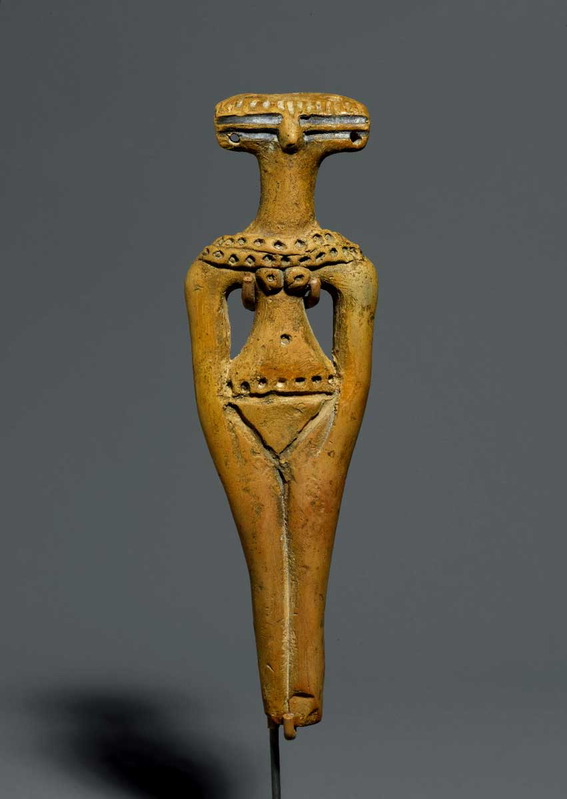
The decline of Middle Kingdom Egypt meant that the country could no longer maintain its borders. This resulted in the Nubians advancing and occupying the forts.
Meanwhile, a Semitic people called the Hyksos entered Egypt and settled at Avaris in the north. They did not control all of Egypt, though, instead coexisting with the Sixteenth and Seventeenth Dynasties based in Upper Egypt. Archaeological evidence indicates that the Hyksos were respectful toward the religion and culture of Egypt, practicing their own customs while also incorporating Egyptian traditions (e.g., combining art styles, adopting the Egyptian royal titulary and pantheon).
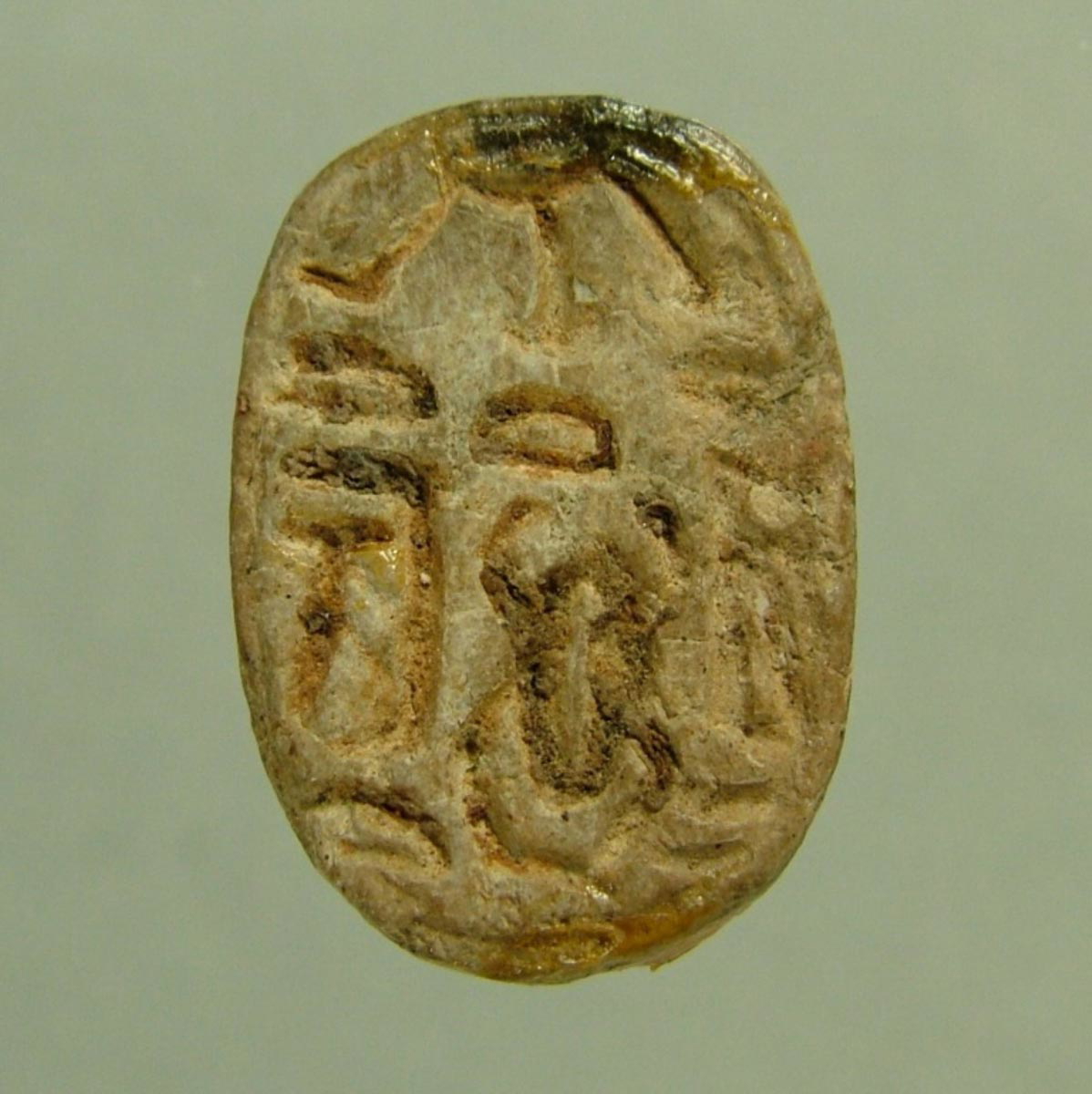
Despite this, the native Egyptians became increasingly restless and unhappy with the foreign leadership, and local rulers began to resist Hyksos control through rebellions and warfare. Seqenenre Tao and Kamose, the two final kings of the Second Intermediate Period, fought back against the Hyksos. After Kamose died, his younger brother, Ahmose, kicked out the last of the Hyksos and became the first king of New Kingdom Egypt.
New Kingdom Egypt (c. 1550-1070 BC)
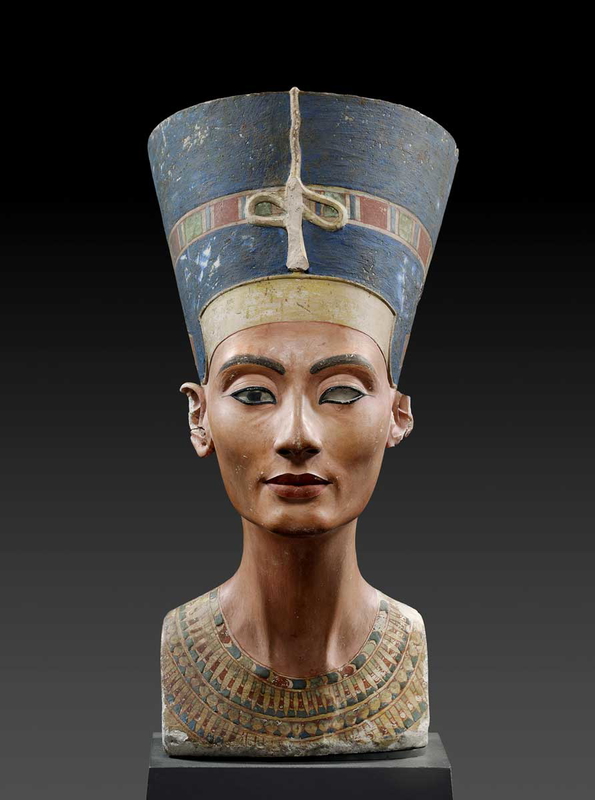
The New Kingdom was defined by the desire to widen Egypt’s borders. The Egyptian empire expanded to its greatest extent, extending into Nubia and the Near East.
The Eighteenth Dynasty had some of Egypt’s most famous kings and pharaohs, including Hatshepsut, Thutmose III, Akhenaten, and Ramesses II. Hatshepsut, one of Egypt’s great female kings, concentrated mostly on expanding Egyptian trade and conducting large-scale building projects. Thutmose III consolidated power through a series of military campaigns.
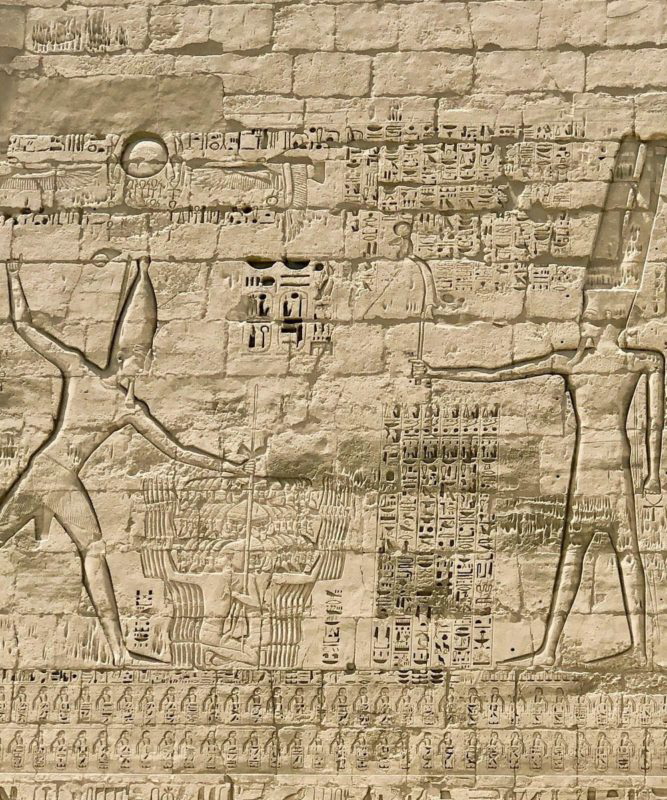
Akhenaten is infamous for his fervent and exclusive devotion to the god Aten. His neglectful indifference to political and economic matters resulted in the shutting down of temples, the destruction of the Egyptian economy, and the extension of Hittite forces into the Levant. The militaristic ruler Ramesses II attempted war against the Hittites, but eventually agreed to a peace treaty after an indecisive result.
The high cost of military efforts, in addition to declining political and economic power, resulted in a loss of centralized authority at the end of the Twentieth Dynasty, leading to the Third Intermediate Period.
Third Intermediate Period (c. 1070-644 BC)
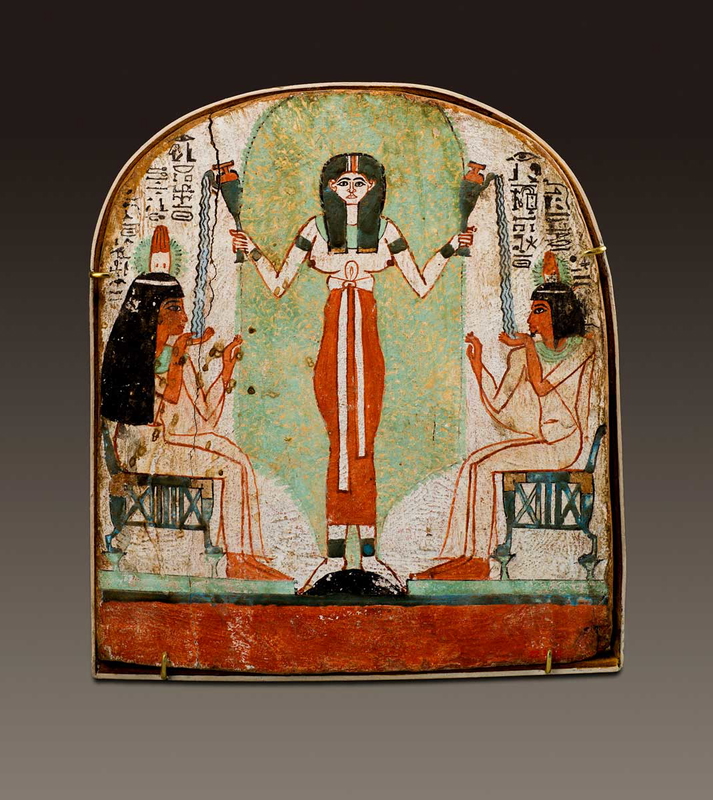
During the Third Intermediate Period, the Twenty-First Dynasty was characterized by ancient Egypt’s crumbling kingship, as power became split between the Pharaoh and the High Priests of Amun at Thebes. The Twenty-Second and Twenty-Third Dynasties were overseen by the Libyan Meshwesh tribe. They established themselves in Egypt around the Twentieth Dynasty, and the kings ruled with a style similar to their Egyptian predecessors. Peace was short-lived due to the rise of local city-states.
The Twenty-Fourth Dynasty kings were also of Libyan origin but had broken away from the Twenty-Second Dynasty, which led to internal rivalries. This did not escape the notice of Nubia, who led a campaign to the Delta region in 725 BC and took control of Memphis, eventually gaining enough allegiance from the locals to reunify Egypt under the largest empire since the New Kingdom. They assimilated into society by blending Nubian and Egyptian religious, architectural, and artistic traditions. However, during this time, the Nubians had gained enough power and traction that they drew the attention of the Neo-Assyrian empire to the east.
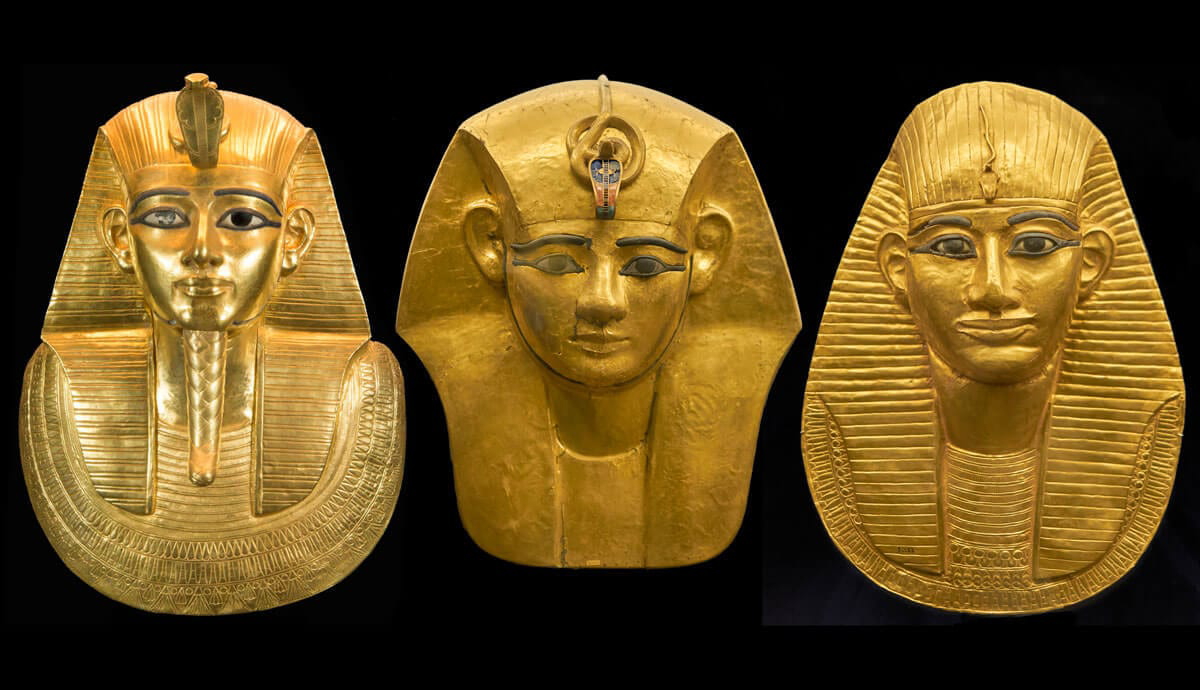
Between 671 and 663 BC, the Neo-Assyrians launched a series of attacks on Nubia, effectively pushing them out of Egypt to seize control of the land. They placed a series of local Delta puppet rulers on the throne, ending Nubian control in Egypt and ushering in the Twenty-Sixth Dynasty of the Late Period.
Late Period (c. 664-332 BC)
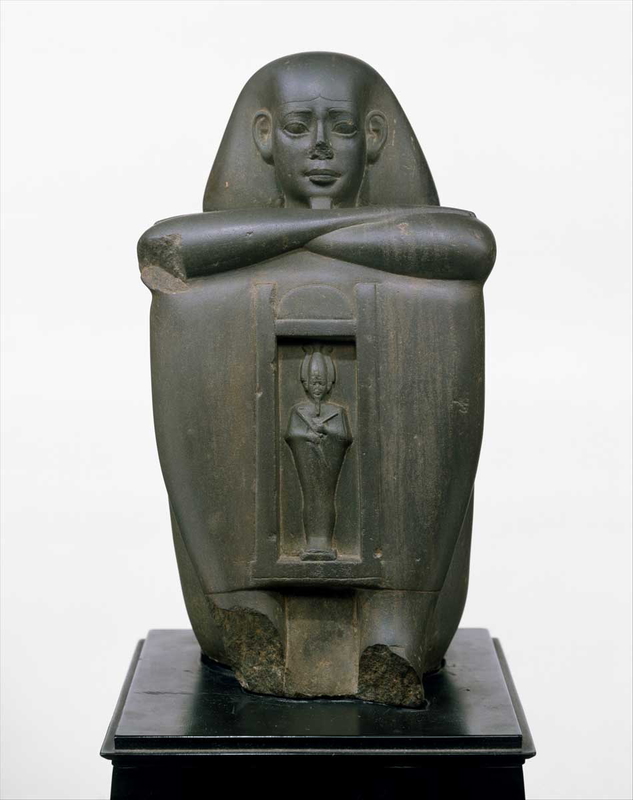
At the end of the Third Intermediate Period, Assyria had taken over Egypt and placed several native loyalists on the throne as vassal princes. Unfortunately for the Neo-Assyrians, trouble on the home front forced them to leave Egypt to its own devices. The vassal king, Psamtik I of Sais, seized the opportunity to assert his independence and reclaim Egypt as part of the Twenty-Sixth Dynasty, otherwise known as the Saite dynasty.
Regrettably, this revival did not last long. The Persian Achaemenids conquered Egypt for themselves twice, ruling as foreigners through a satrapy that defined the Late Period. The Saites attempted to rebel against the Persians without much success. Under most kings, many Egyptian traditions either faded or were completely halted. However, the Persian king, Darius I, played things a bit differently. He actually appreciated Egyptian religious beliefs and internal affairs, which earned the respect of the locals. On the whole, though, tensions between the Egyptians and the Persians were high. Rebellions against the Achaemenids occurred relatively frequently; unfortunately, most were unsuccessful, and eventually marked the end of Egypt as an independent nation.
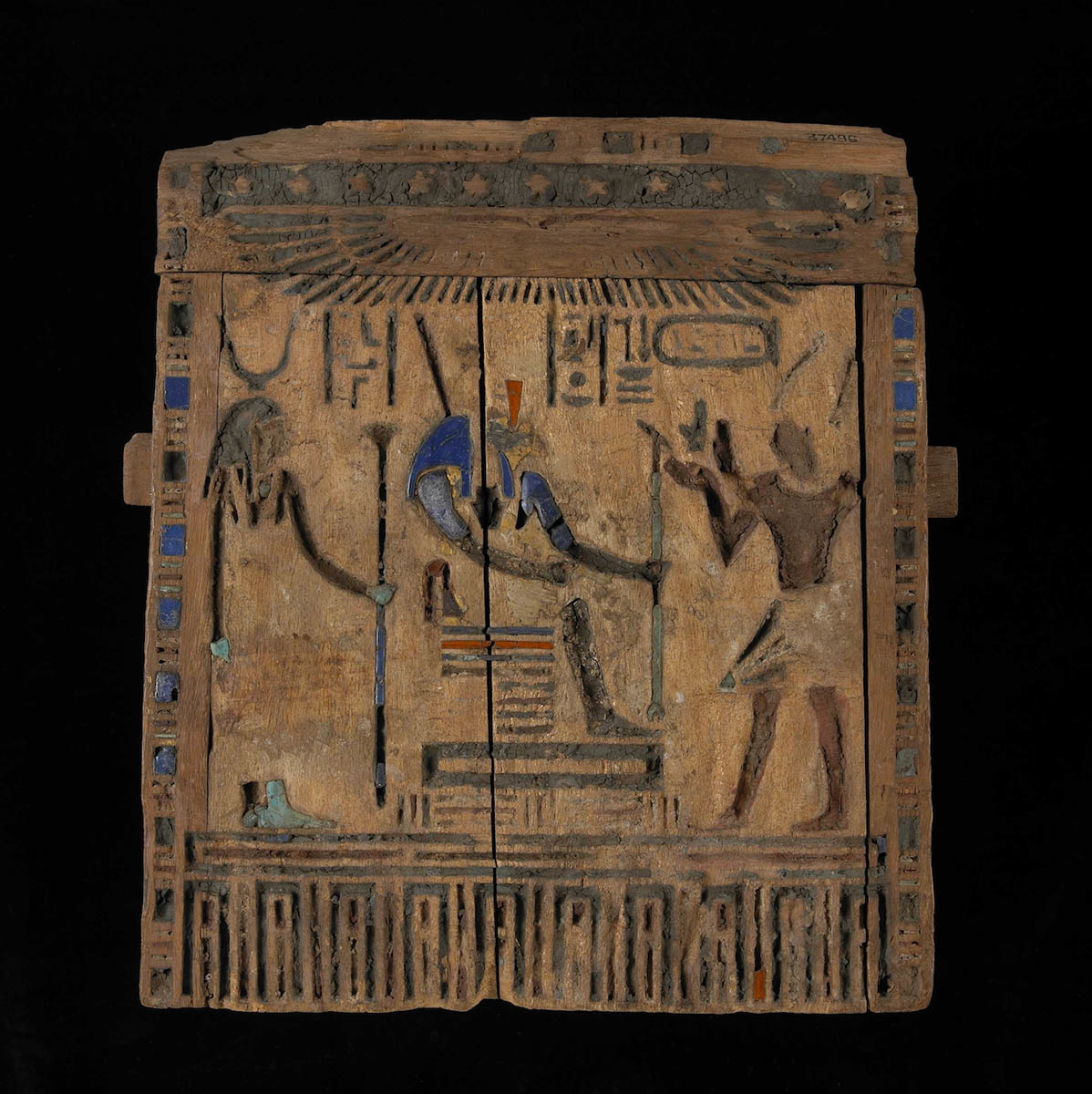
The Persians held onto Egypt until Alexander the Great arrived in 332 BC. After seizing their capital and surrounding territories, Alexander ran the Persians out and placed his general, Ptolemy I Soter, on the throne.
The Ptolemaic Period (305-30 BC)
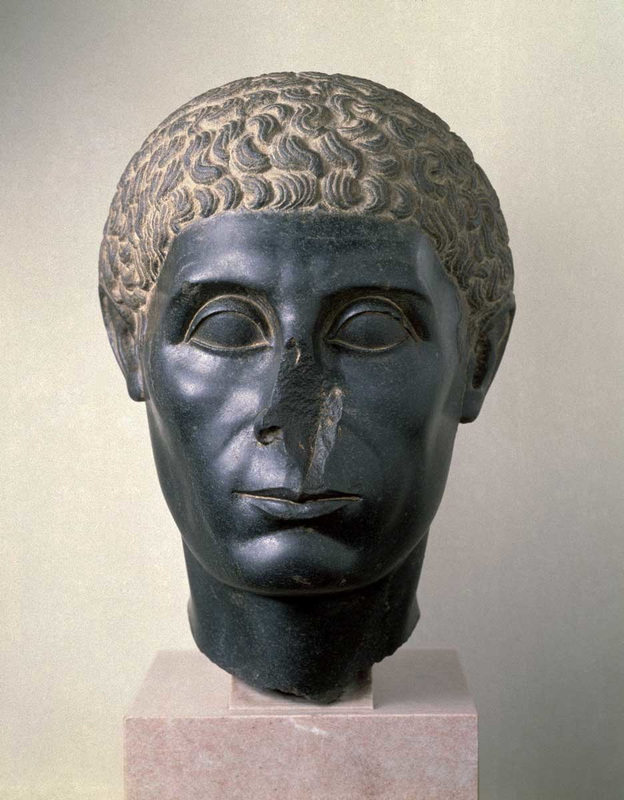
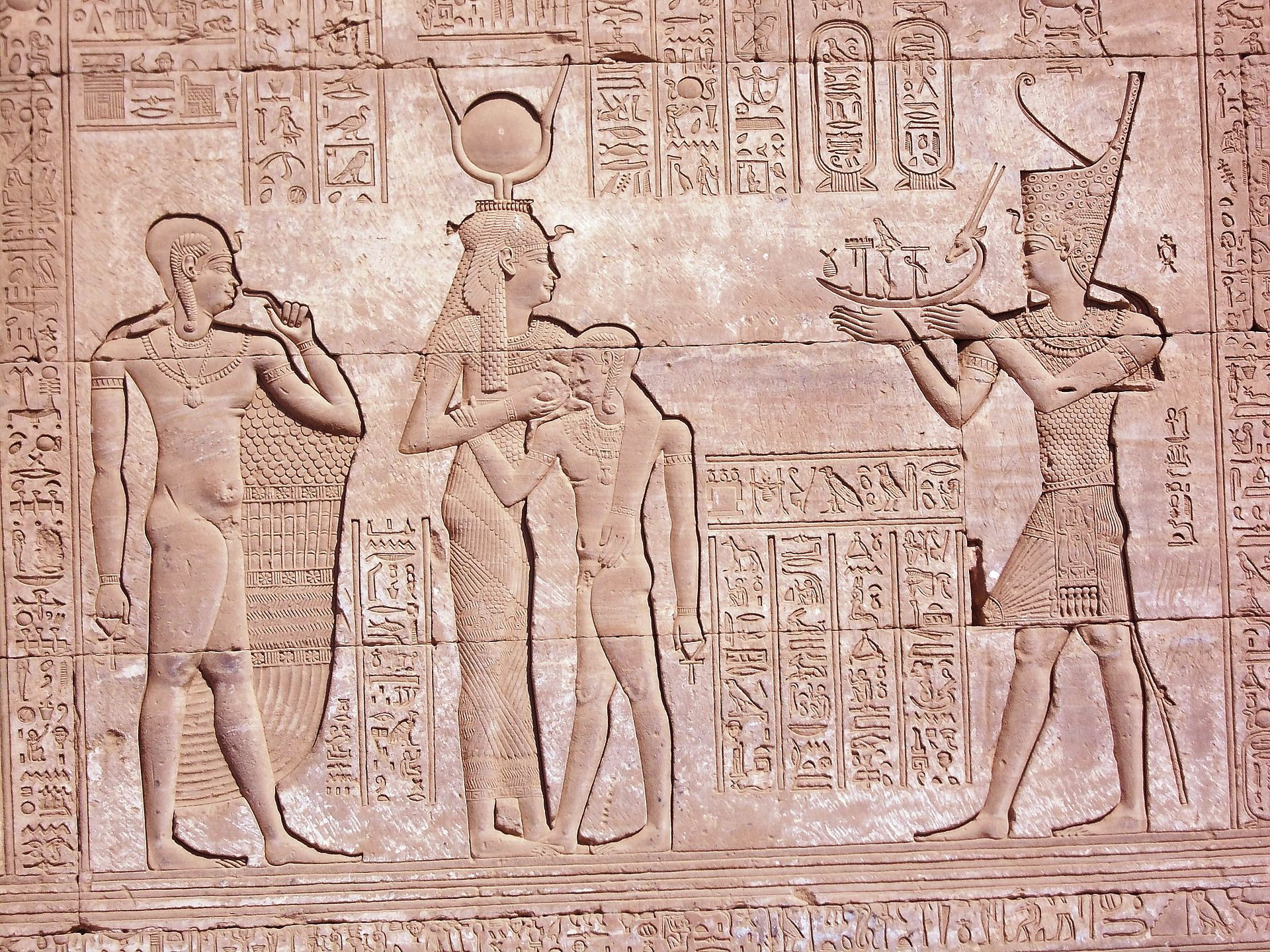
The Ptolemaic Period began when Alexander the Great defeated the Persians in Egypt in 332 BC. After his death in 323 BC, his territories were divided among his generals. Ptolemy won control of Egypt and declared himself pharaoh in 305 BC. The Ptolemies insisted upon the predominance of Greek and Greek citizens within the empire while simultaneously adopting certain Egyptian traditions and religious beliefs to secure their rule. The Ptolemaic rulers did not force the Egyptians to alter their culture and belief systems. On the contrary, they actively supported some traditional Egyptian practices and forms seen in their architectural projects, religious practices, and Greco-Egyptian art.
On the other hand, there was never a unified movement to assimilate the Greeks into Egyptian culture. While it was possible for native Egyptians to advance themselves in this new society, Greek citizens were the only ones who could hold positions of power in government and society. Sources of wealth, power, and influence were privileges that really only the Greeks could tap into. Later on, when the Egyptians were forcibly drafted into the king’s army to fight and finance their battles, being treated as second-class citizens in their own homeland led to feelings of malcontent and a series of revolts that were never satisfactorily addressed.
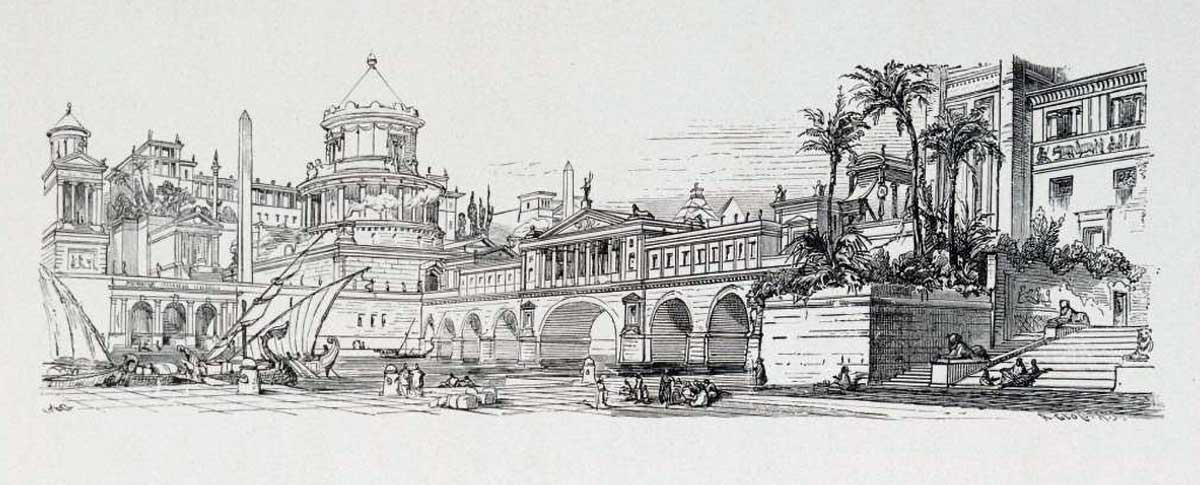
The decline and fall of the Ptolemaic Dynasty coincided with (and was due to) the rise of the Roman Republic. Their power waning due to external threats and semi-constant internal assassination plots, the Ptolemies were forced to ally with Rome. As Rome’s power grew, its influence on Egyptian politics and assets grew too. Any coups against the new regime—most famously Cleopatra and Mark Antony—were thwarted, and with their deaths came the official end of the Ptolemaic Dynasty and pharaonic Egypt.
Roman Egypt (30 BC-AD 641)
When Octavia, later known as Augustus, took control of ancient Egypt from his rival Mark Antony, he immediately knew that it was too valuable to govern like any other Roman province. Instead, it became a personal province belonging to the emperor and administered on his behalf by hand-picked, trusted prefects. Controlling the “breadbasket” of the Mediterranean helped the newly emerging Roman emperors consolidate their power.
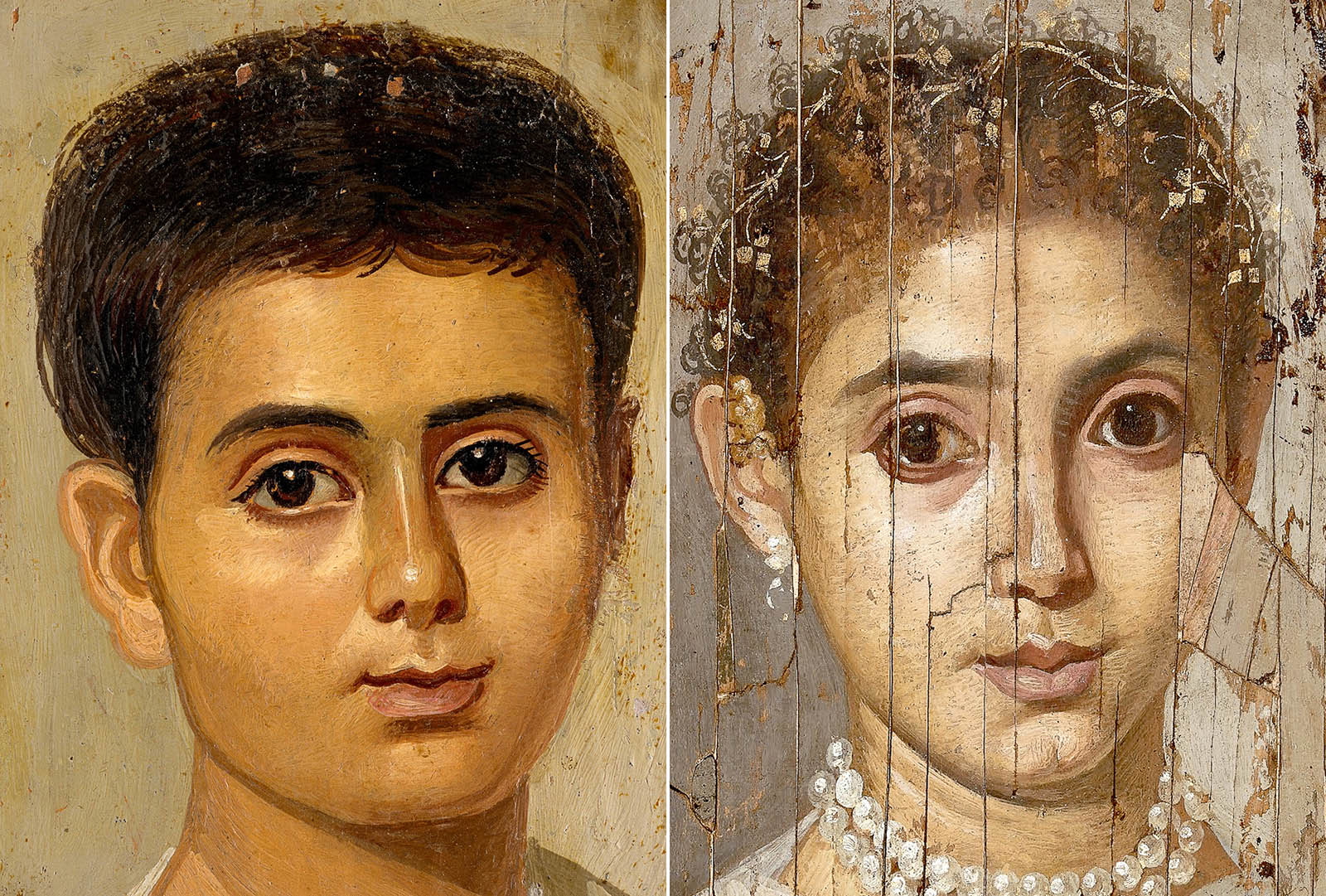
The Romans maintained much of the Ptolemaic infrastructure, and the emperor allowed himself to be represented as the pharaoh in Egypt, respecting local traditions, though no Roman emperor ever lived in Egypt. Egyptian gods became very popular in Rome, especially Isis, and some Egyptian cults spread around the Roman Empire. Roman influence also saw a major shift in Egyptian funerary art style. Elaborate death masks were replaced by lifelike paintings, exemplified by the Fayum Portraits.
Egypt became a hotbed for the rise of Christianity between the 1st and 4th centuries AD. The first Greek translation of the Old Testament was probably made in Egypt, and foundational texts of now heretical versions of Christianity, such as Gnosticism, also emerged there. Egypt continued to be part of the Byzantine Empire until the fall of Rome. It became part of the Rashidun Caliphate in AD 641 following the Arab Invasion.