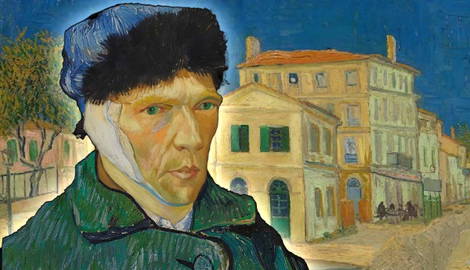
“I live in a little yellow house with green door and shutters, whitewashed inside—on the white walls—very brightly coloured Japanese drawings—red tiles on the floor—the house in the full sun—and a bright blue sky above it and—the shadow in the middle of the day much shorter than at home.” Van Gogh wrote this to his sister Willemien in June 1888, describing his house in Arles. Van Gogh’s Yellow House was not only a place of residence for him, but also a sanctuary.
What Was Van Gogh’s Yellow House?
After living in Paris for a year, Van Gogh desired the serenity of the countryside and thus decided to move to the south of France. He set the city of Arles as his destination, which was famous for its natural beauty and brilliant light. Initially, the artist stayed at a boarding house but found it too expensive for long-term residence. In May, Van Gogh finally found a new residence: a two-story house at 2 Place Lamartine. He rented four rooms on the right side of this house, two on each floor, for 15 francs a month.
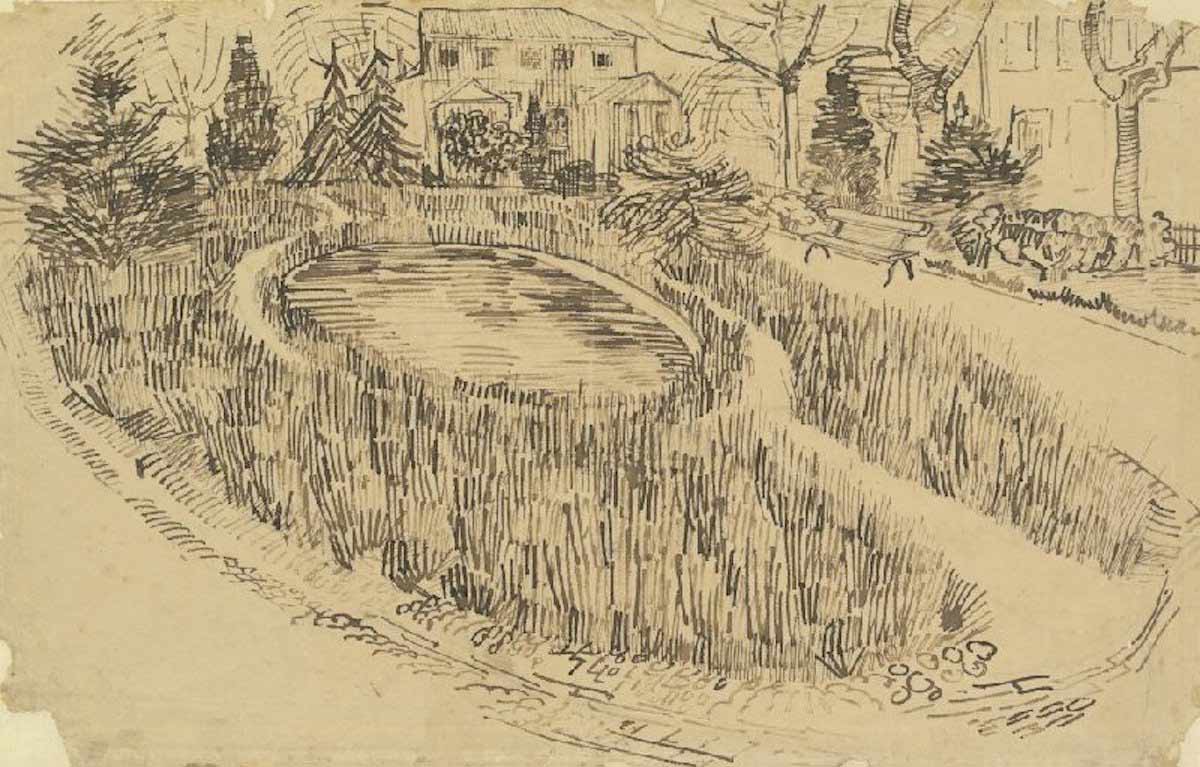
Having officially rented it in May, he finally moved into the Yellow House in September after it had been painted inside and outside, furnished, and redecorated. Van Gogh informed his brother Theo about renting the house in a letter written on May 1, describing it as having two bedrooms on the second floor, one of which was to be his own, and a studio and a kitchen on the first floor. The windows on the second floor looked out towards a small garden with a pond in the center, as Van Gogh depicted in the sketch Public garden and pond in front of the Yellow House. The house was painted yellow on the outside, while the walls inside were white, which delighted Van Gogh as he longed to look at his canvases in bright, well-lit interiors.
Van Gogh remarked on the color of the house and surrounding buildings in September, describing them as “these yellow houses in the sunlight.” He referred to it as “the little yellow house where we work” in December, when Gauguin was living with him. Due to his repeated mentions of the color of the house that stood under a blazing sun with clear light, the Yellow House came to be famously known as such.
While Van Gogh was happy enough to have a studio of his own, he had loftier plans for the Yellow House. He wanted to establish the studio as an artists’ association, especially for younger artists, in order to provide them with a sense of community, as well as financial assistance. The proposed arrangement was to request donations of paintings from Impressionists such as Claude Monet and Edgar Degas that would then be sold and act as a stream of revenue for emerging artists. His ideas were very specific: “I really want to make of it — an artist’s house but not precious, on the contrary, nothing precious, but everything from the chair to the painting having character.”
Van Gogh’s hopes were supported by Theo, who wrote to him in October, “I hope that your efforts will succeed in making your house a place where artists will feel at home.” Van Gogh had already put forth the idea of sharing the studio with the French artist Paul Gauguin in May, and eventually invited him to Arles to live with him in the Yellow House. After much deliberation, Gauguin arrived in October 1888, and the two artists lived together there until the end of December.
The Yellow House as Artistic Inspiration
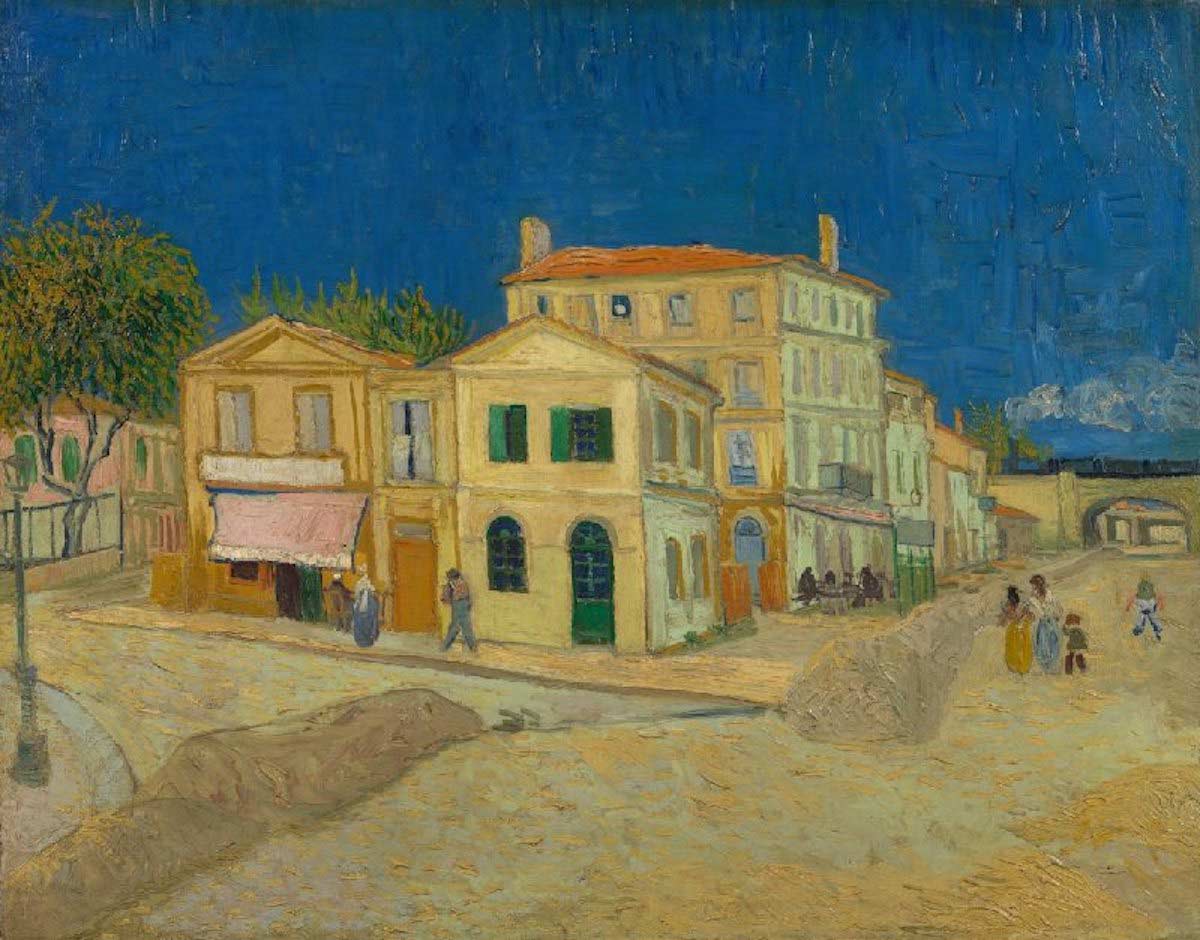
Soon after moving into it, the Yellow House became a source of artistic inspiration for Van Gogh. He produced numerous paintings for the house itself, as well as a canvas depicting the Yellow House as viewed from the street. He called this painting The Street, but it is today famously known as The Yellow House. It perfectly captures Van Gogh’s impression of the house and the neighborhood he lived in. As can be seen in the painting, the house, the surrounding buildings, and the ground are all painted in yellow. There is a distinctly green door and window shutters on the front side of both floors of the house. The building on the left is the Restaurant Vénissac, where Van Gogh dined every day, and the cafe from his painting titled The Night Café lies on the left of this restaurant.
The entire scene lies “under a sulfur sun, under a pure cobalt sky” that the artist so admired in Arles. A strange detail in this scene was recently analyzed by the Van Gogh Museum, which provides a deeper insight into life in Arles in the late 19th century. Running along the street adjacent to the house are big heaps of sand that were often placed along the streets in order to absorb the dung left behind by horses and other animals. Van Gogh included this detail in the painting but did not explain it in his letters, possibly because its purpose was well understood by most people in the 19th century.
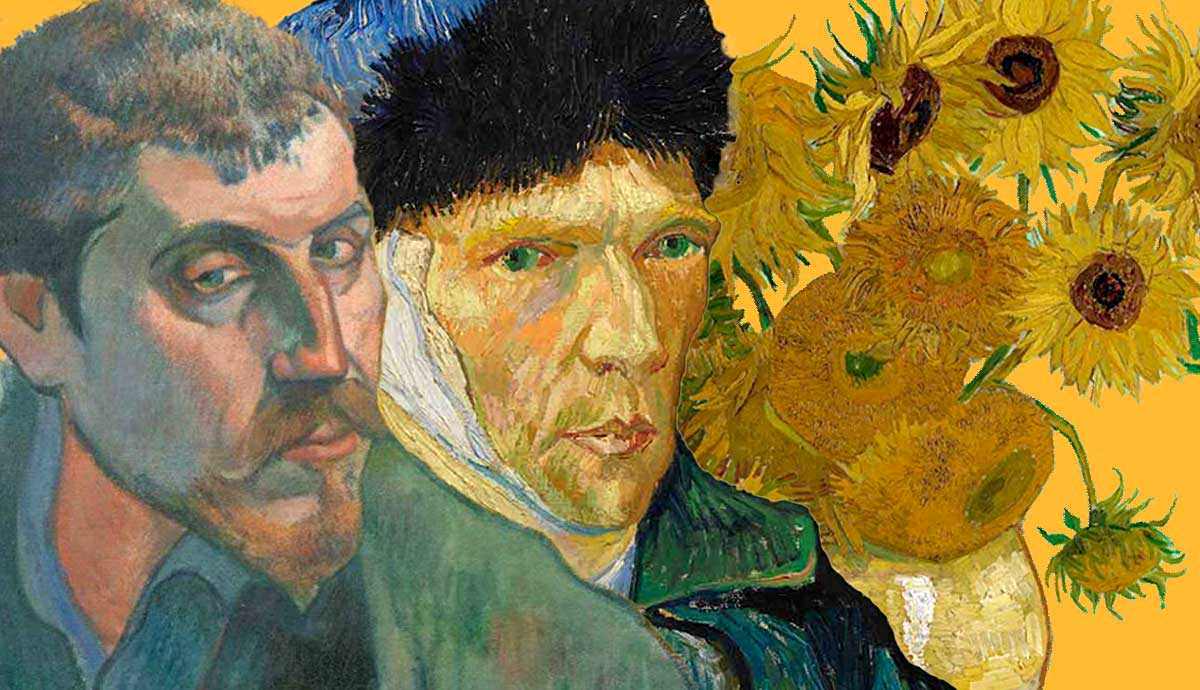
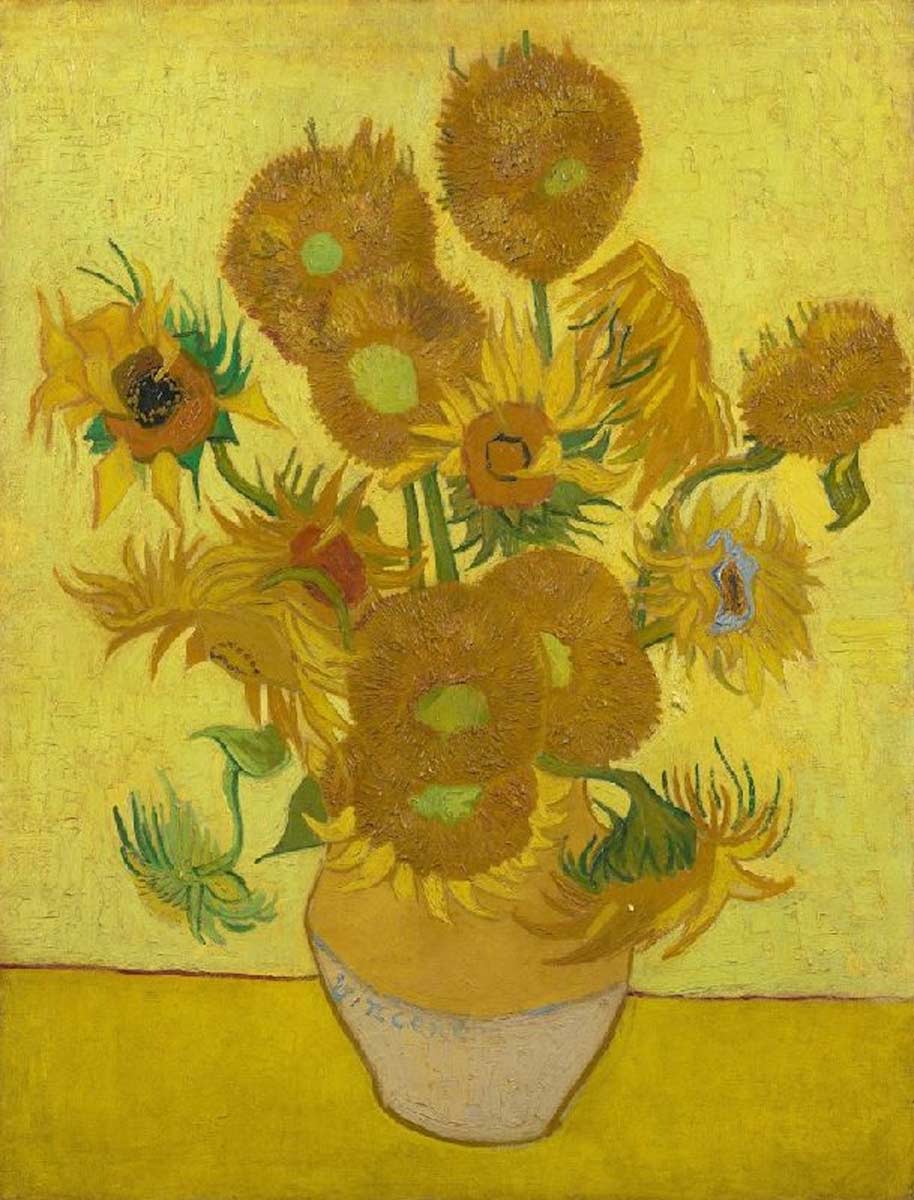
Apart from capturing the street, Van Gogh also decided to decorate the interiors of the Yellow House to give it a personal touch. This desire led to his decision to paint a series of decorations that the artist worked on in 1888 and 1889. One of these decorations were Van Gogh’s renowned Sunflowers. “I’m thinking of decorating my studio with half a dozen paintings of Sunflowers,” he wrote. The artist painted seven canvases depicting sunflowers in bloom placed inside a vase for the purpose of hanging them inside the Yellow House, particularly in the extra bedroom where Gauguin was going to stay. These works were some of his best, glowing in vibrant yellows, and the decision to hang them in Gauguin’s room was meant to portray Van Gogh’s success as an artist.
He was capable of creating paintings with character with a harmonious arrangement of forms and colors, and Gauguin had to see that every day. Van Gogh also hoped that Theo would come to stay with him in the Yellow House during the following summer, by which time he wanted to fill the house with paintings, starting with a big decoration of Sunflowers in the guest room. The color yellow was a recurring theme in Arles, particularly in the Yellow House, with its “yellow of fresh butter.” This fondness for yellow was also reflected in the Sunflowers, as Van Gogh described one of the canvases as “a painting all in yellow of sunflowers (14 flowers) in a yellow vase and against a yellow background.”
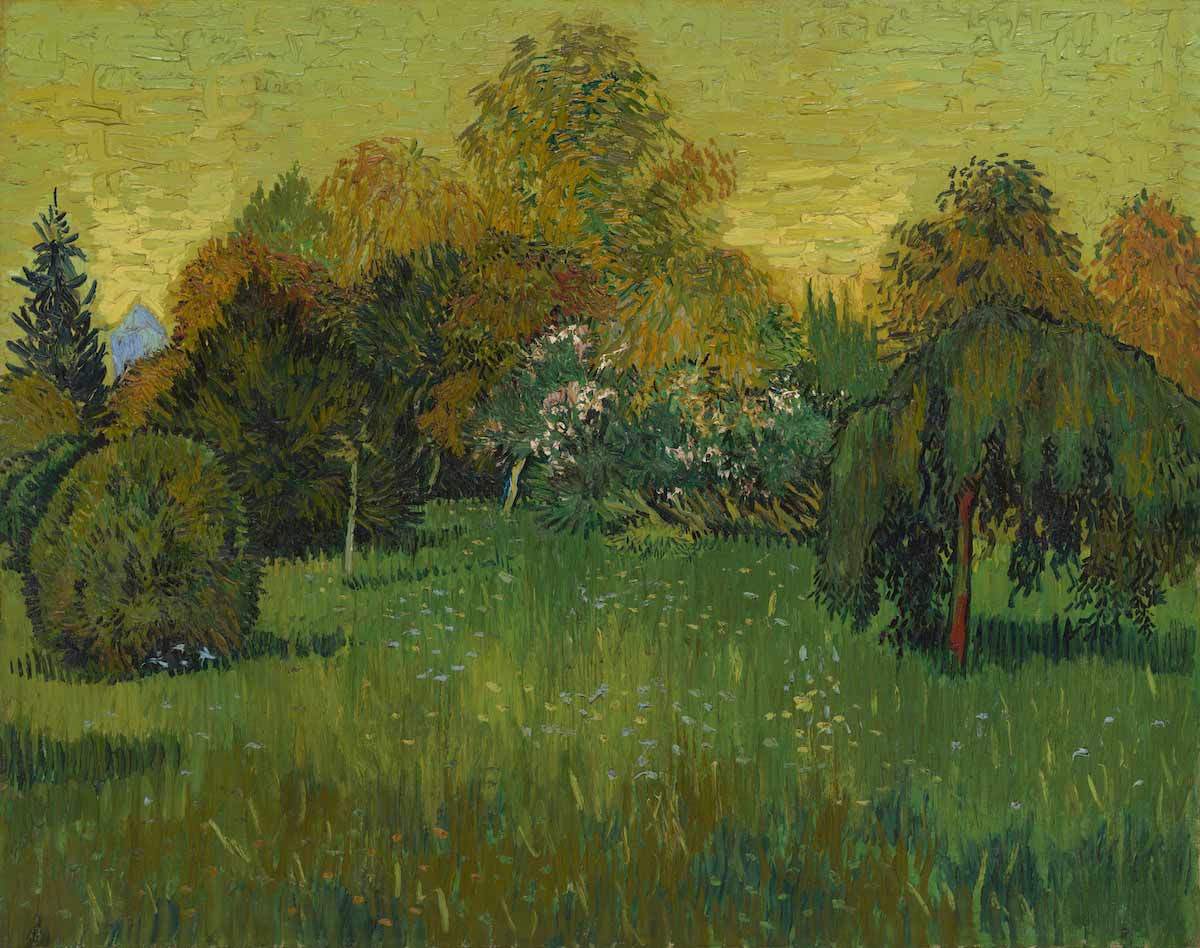
The decoration of Sunflowers also inspired another series of paintings in 1889 titled La Berceuse. This consisted of five different versions of portraits of Madame Augustine Roulin, the wife of Van Gogh’s friend Joseph Roulin who was a postman at the Arles station. Both Sunflowers and La Berceuse depict stylistic similarities, particularly a flat pictorial space with simplified forms and colors. Van Gogh even expressed his wish to make a triptych with these paintings, with La Berceuse in the middle and two Sunflowers on the sides. Apart from this, Van Gogh also made a decoration for the extra bedroom that he titled “The Poet’s Garden” that included the paintings The public garden, The public garden with a couple strolling, Row of cypresses with a couple strolling and another unknown painting. The Yellow House was therefore a source of creative inspiration for Van Gogh, leading him to produce several paintings as decorations for the house. Even apart from paintings meant to be hung inside, the house also allowed him to work freely, as he wrote to Willemien, “Inside, I can live and breathe, and think and paint.”
The Yellow House as a Personal Motif
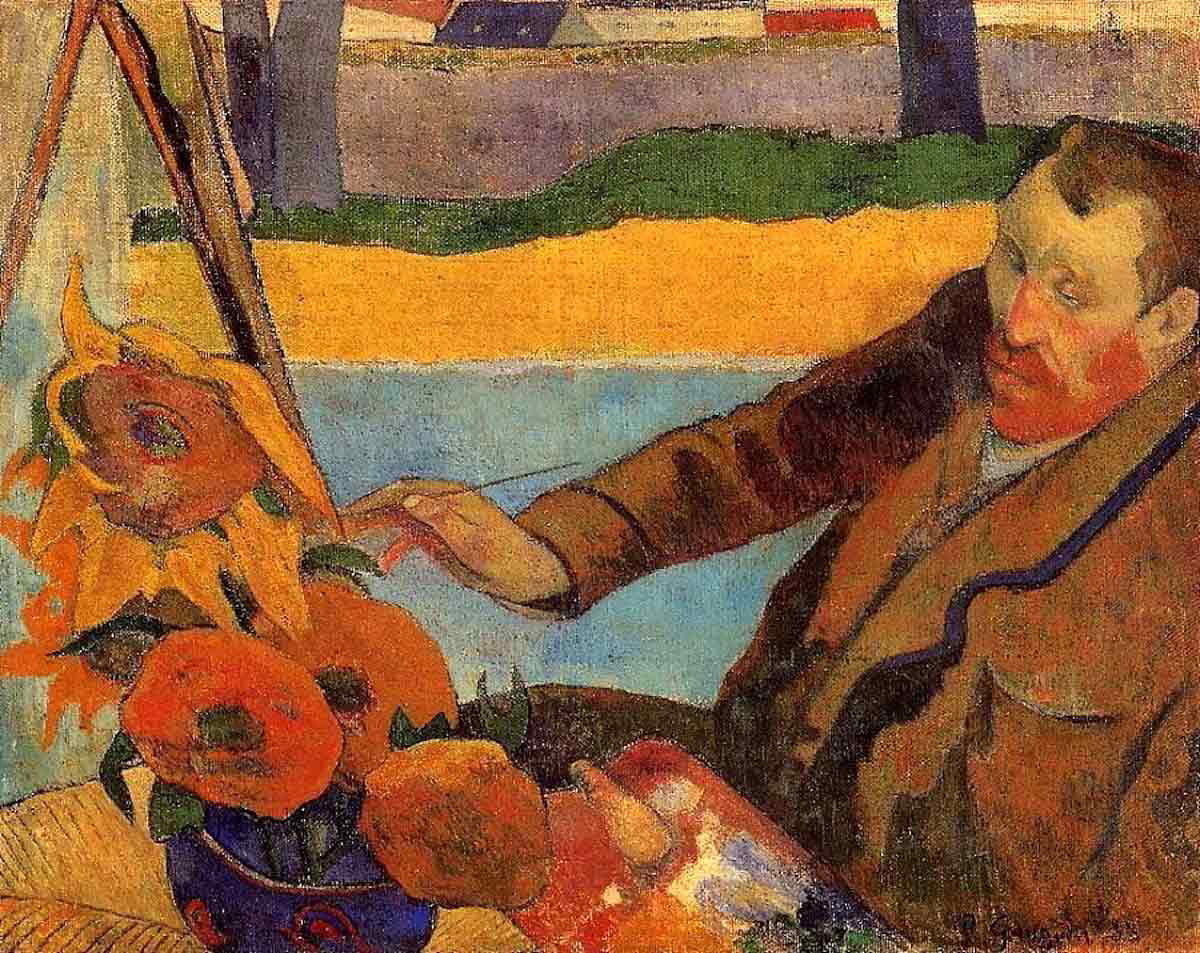
The Yellow House not only inspired Van Gogh’s brush, but was also the spot of the development of his friendship with Gauguin. He never intended to live alone in the house, as he told Theo in September 1888, “From the start, I wanted to arrange the house not just for myself but in such a way as to be able to put somebody up.” He put forth the proposal of living together in the Yellow House to Gauguin, with the idea that Theo would send 250 francs each month, to be used by both artists as long as they were frugal with their expenses. In return, Gauguin would have to provide Theo with one painting per month.
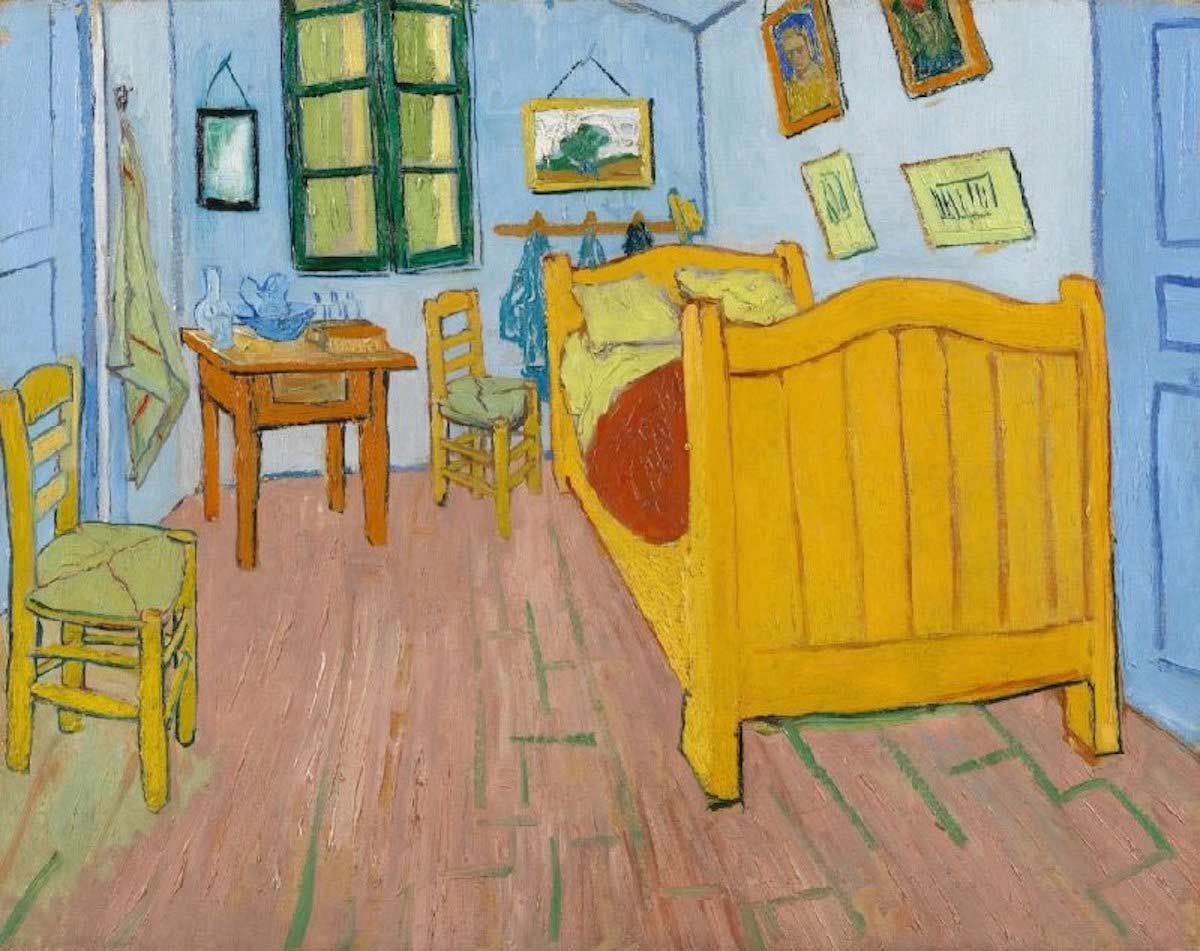
The French artist finally agreed to this arrangement and moved into the Yellow House at the end of October 1888. Before Gauguin’s arrival, Van Gogh had already furnished the house with two beds, a mirror, chairs, and a table. He expressed his wish to make the extra room where Gauguin or another guest could stay “as nice as possible, like a woman’s boudoir, really artistic.” He described his plans to decorate this room in great detail in a letter to Theo, emphasizing that it was going to be elegant and pretty, with decorations on the walls and a view of the garden and the rising sun from the window. He chose every piece of furniture for the house carefully in order to ensure that it had character.
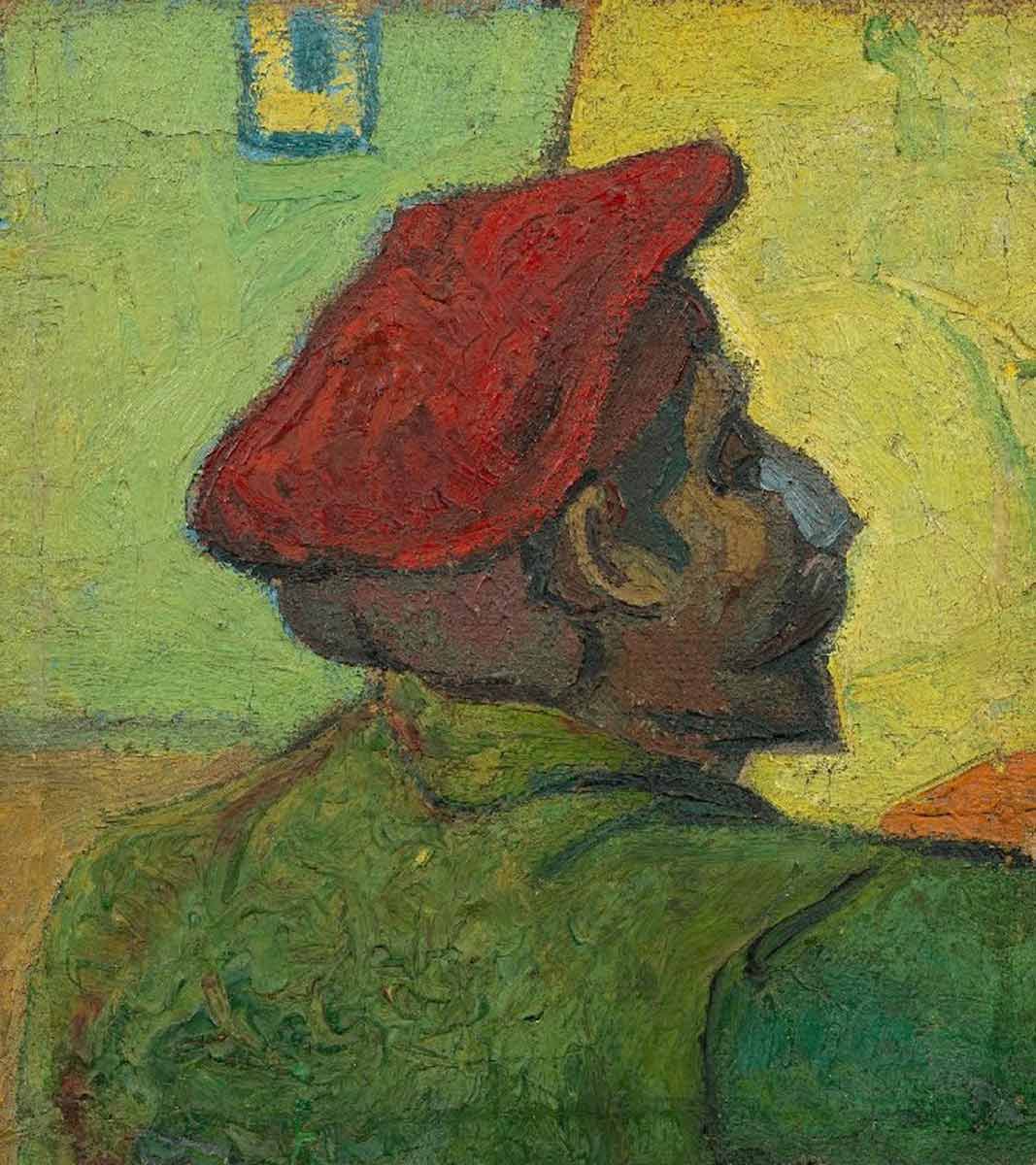
Both Van Gogh and Gauguin were hopeful for a fruitful cohabitation that would lead to an exchange of artistic ideas and numerous works capturing the natural beauty of Provence. However, their cohabitation was rather tumultuous. Van Gogh and Gauguin had different approaches to art. While Van Gogh was a strong advocate for art rooted in and depicting reality, Gauguin aimed for the opposite and claimed that an artist must paint from memory or the imagination to truly express one’s interior world. This disagreement may not have affected their friendship to a great extent when they met in Paris, but it put a strain on their cohabitation in Arles.
They would argue frequently, but they continued working together until one fateful day when tensions rose to new heights as Gauguin declared his intention to leave Arles. On December 23rd, a distraught Van Gogh then suffered a psychotic episode that led him to cut off his ear with a razor in the Yellow House. He was admitted to a hospital the next morning. Gauguin refused to visit him and left Arles in the next few days.
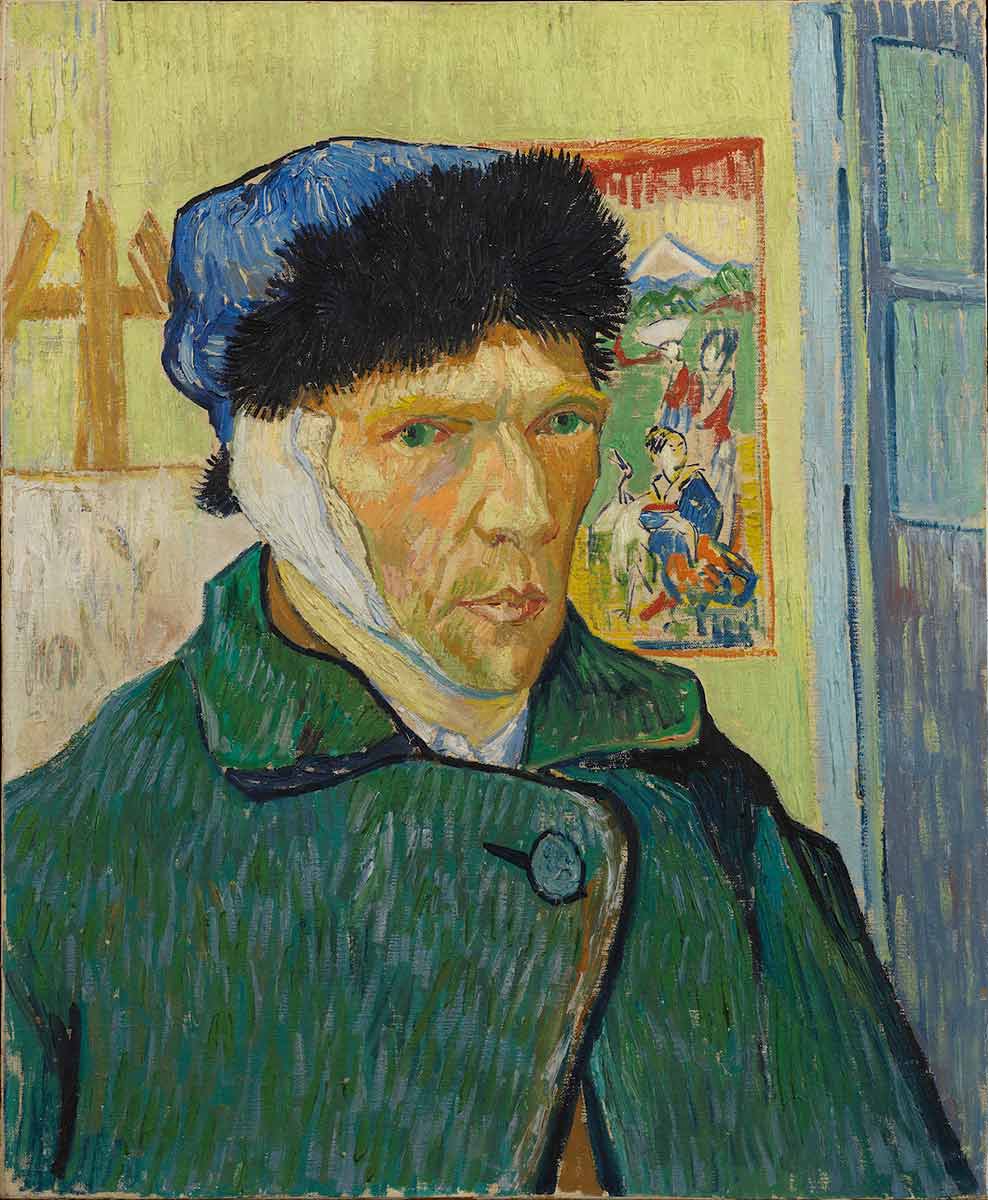
Van Gogh returned to the Yellow House after being discharged from the hospital and went back to painting in January. His Self-portrait with bandaged ear and pipe and La Berceuse were also painted here. But as his health declined, both brothers considered it reasonable for the artist to be admitted to a psychiatric facility to receive proper care. He stored his furniture from the Yellow House at the Café de la Gare, where he had resided previously, and left Arles for Saint-Rémy in May 1889. He resided in the psychiatric hospital Saint-Paul-de-Mausole for a year following an epilepsy diagnosis by Dr. Félix Rey in Arles.
And so, Van Gogh left the Yellow House behind. The studio in the south signified his successful days as an artist, the spot of his developing relationship with Gauguin, as well as his declining health. Van Gogh’s great plans for the house to become an artists’ colony could unfortunately not be realized. His health never improved completely, and Van Gogh was never to return to Arles again. Van Gogh’s Yellow House no longer exists as it was destroyed in a bombing in 1944 during World War II, but its legacy as an important motif in the artist’s life lives on today through his art and letters.