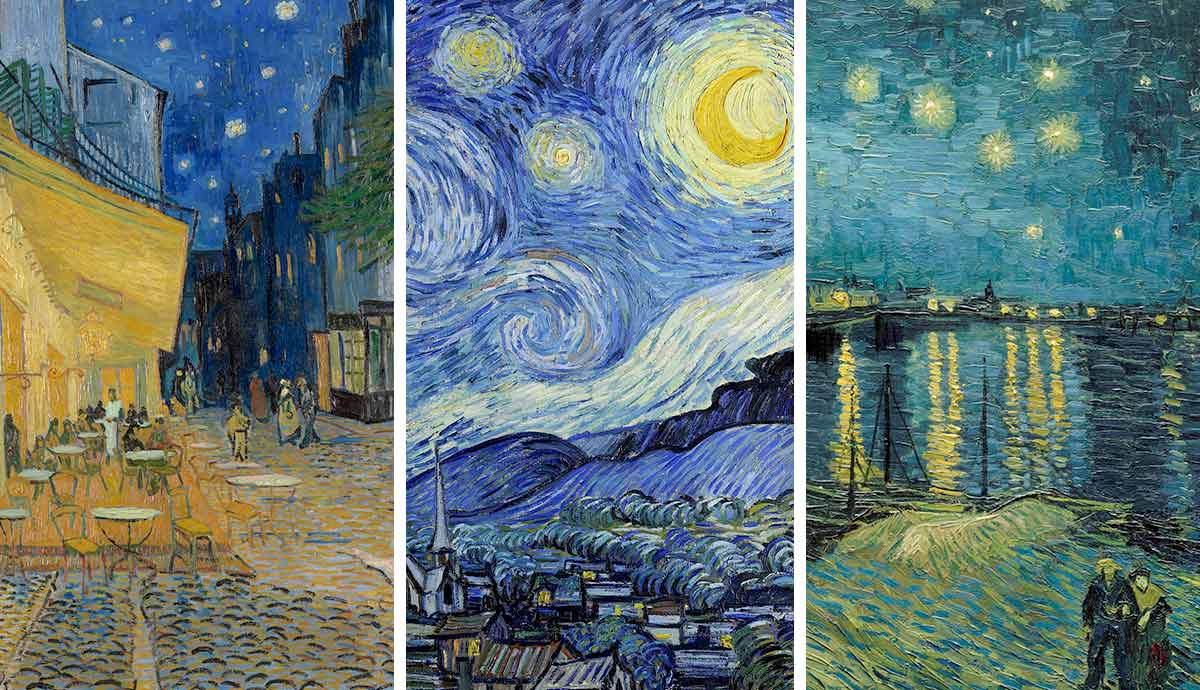

In a career spanning only ten years, the Dutch artist Vincent van Gogh managed to change the course of art history. Known for his eccentric character and emotive, boldly colorful paintings, Van Gogh’s life as an artist was fraught with difficulties. However, his determination to work on his artistic vision and the support of his brother were unwavering, leading to many famous masterpieces painted over a short span of time. These eight stories shed light on the artist’s intriguing life, which resulted in a large and diverse oeuvre.
1. Van Gogh’s Experiences With Religion
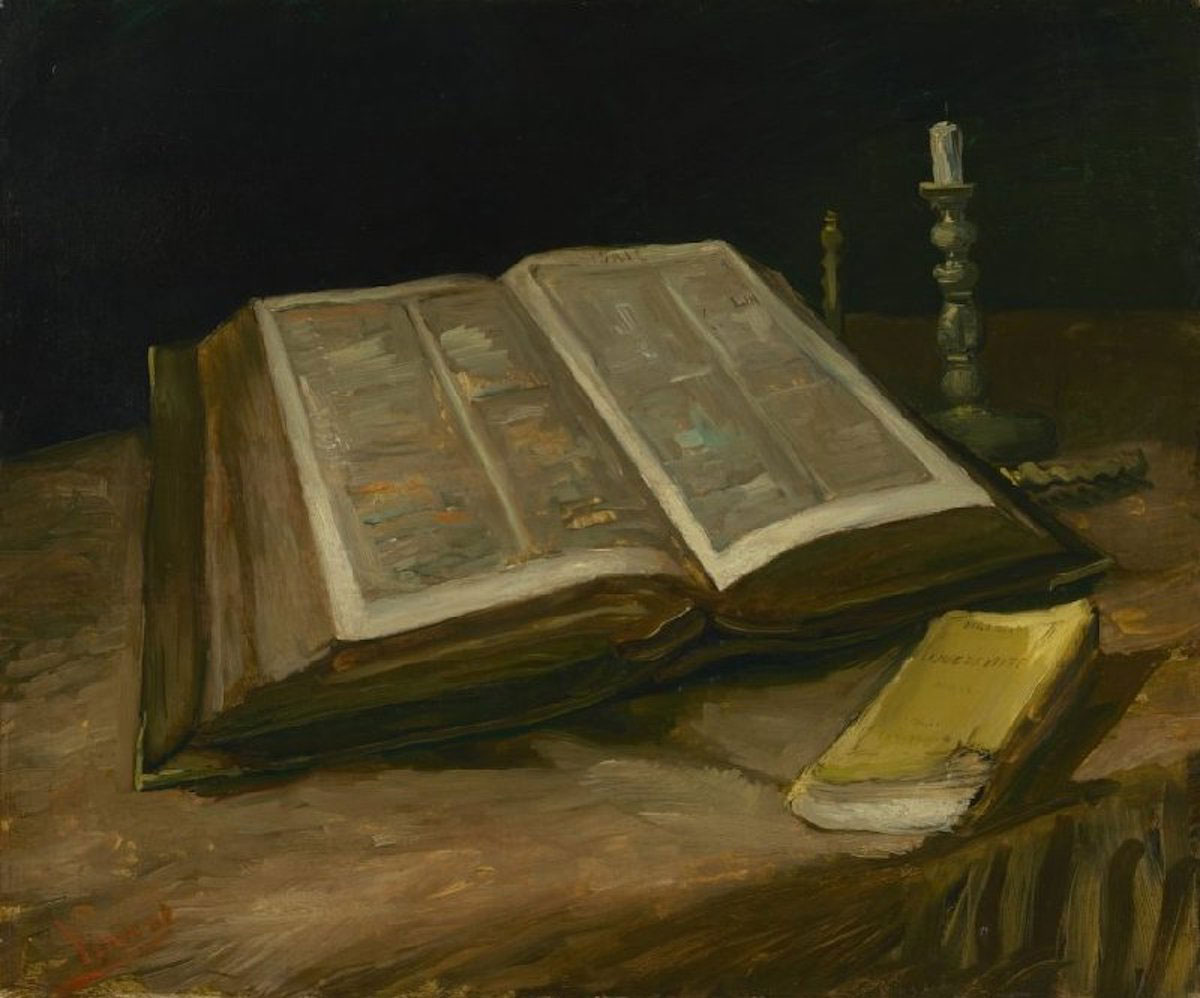
Van Gogh grew up in a religious environment in the Netherlands. His father, Theodorus van Gogh, was a Dutch Reformed minister. Van Gogh’s first inclination was toward the church, long before he decided to become an artist. He was studying to take the entrance exam for Theology at the University of Amsterdam, but soon abandoned this path and ended up working as a lay preacher instead. In 1878, Van Gogh was posted in Borinage, a mining village in Belgium. This period of his life constituted some of his most complex experiences with Christianity as he found compassion for the poor working miners living in harsh conditions.
Van Gogh gave away many of his possessions to support the miner families, and often shared his food with them, surviving on scraps himself. This is where he started making his first sketches that soon ignited his passion for art. After having such a close interaction with the reality of working-class people, Van Gogh turned his focus away from the church and toward capturing nature, peasants, and other laborers who worked on the land in his drawings and paintings. He still carried his religious teachings with him, but developed a more spiritual relationship with God and nature later in life.
2. Van Gogh Did Not Always Plan on Being an Artist
Van Gogh did not start his career as an artist until he was 27 years old. At this time, he was living and working as a preacher in the Borinage. He was fascinated and had a great admiration for the hard work performed by miners, and would often make small sketches of them in his letters to his brother Theo. After going through some of these sketches, Theo encouraged him to continue drawing. After feeling lost in his career for years, Van Gogh found a sense of direction for the first time. He immediately immersed himself in his work, making copies after Rembrandt and Jean-François Millet to practice his drawing skills.
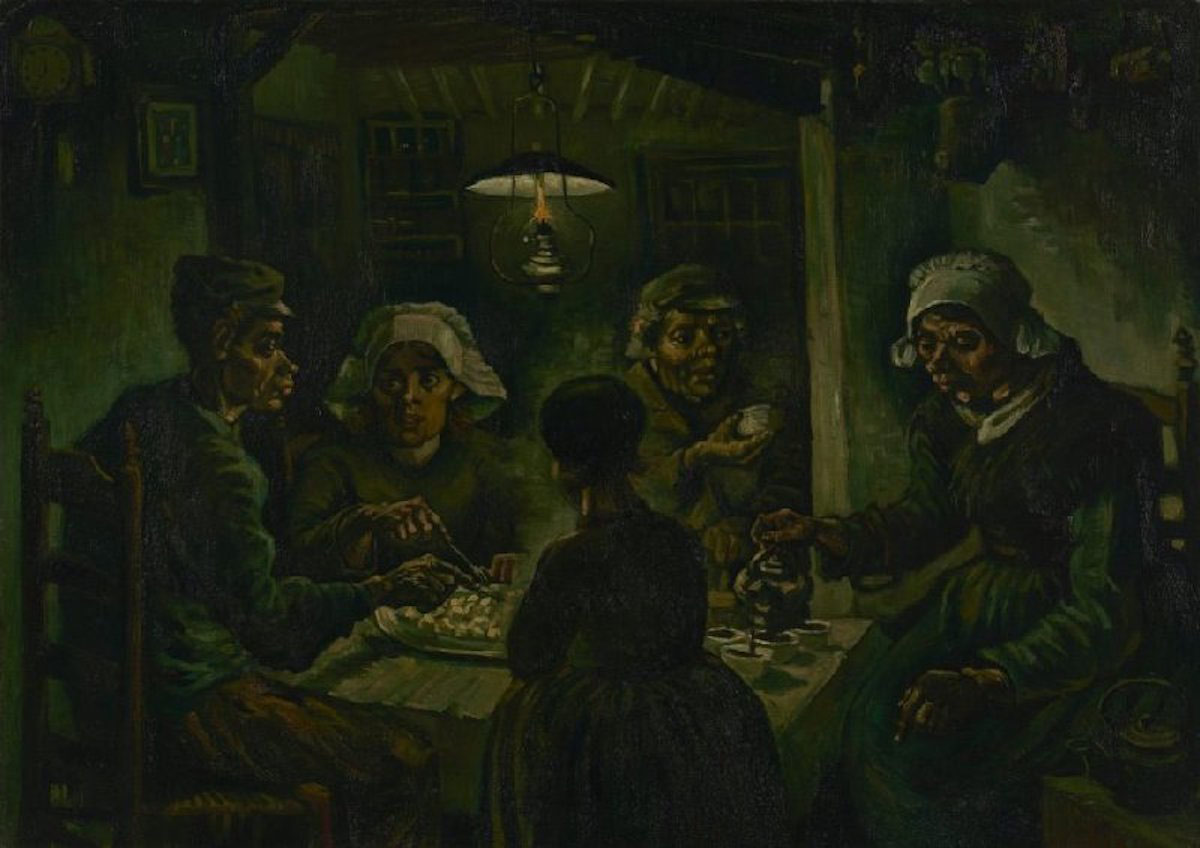
Looking for a mentor, he reached out to the artist Anton Mauve, who was married to his cousin. Van Gogh learned to work with watercolors under Mauve’s guidance and soon started painting. In 1885, he painted his first serious work, The Potato Eaters, depicting a family of Dutch peasants seated around a table for supper. Its dark and somber colors were typical of the Dutch palette, but Van Gogh eventually adopted a brighter palette for his work, never to look back.
3. The Close Relationship Between Vincent and Theo van Gogh
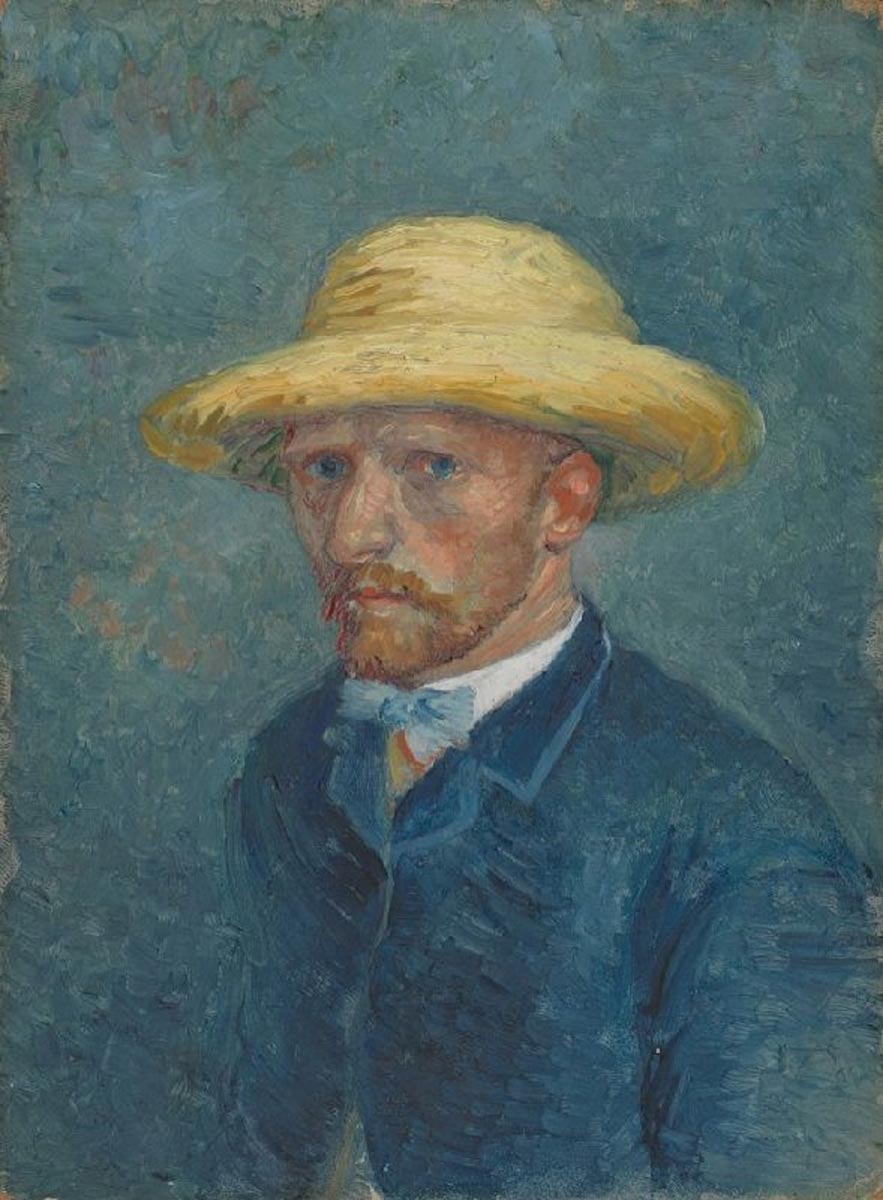
Vincent van Gogh was the oldest of six children. Over the course of his life, he developed a close relationship with his younger brother Theo, who was the second child. Theo’s name is inseparable from the story of Vincent van Gogh. Both Vincent and Theo started working at the art dealership Goupil & Cie at a young age, and Theo eventually built a successful career as an art dealer based in Paris. Vincent, on the other hand, left the dealership and followed several different career paths before he decided to pursue a life as an artist. The only reason Vincent was able to follow this path was because of the support of his younger brother, both financial and emotional.
Theo sent Vincent a fixed allowance each month so that he could focus solely on developing his skills as an artist. Eventually, the two formed a mutually beneficial arrangement: Theo would support Vincent financially by sending a small sum of money every month, and in return, Vincent would send all the paintings he made to Theo, who would be free to do with them as he pleased. This way, Vincent was “selling” his works to his brother. This arrangement continued until the end of Vincent’s life, and Theo’s Paris apartment was filled with hundreds of paintings made by his brother.
The two remained in constant correspondence, and everything we know about Van Gogh today is based on the letters exchanged between the two brothers that were published by Theo’s widow, Johanna van Gogh-Bonger. Theo also named his son after Vincent. The artist passed away in July 1890 after suffering from psychological issues, and Theo died six months later.
4. Van Gogh’s Fascination With Japanese Prints
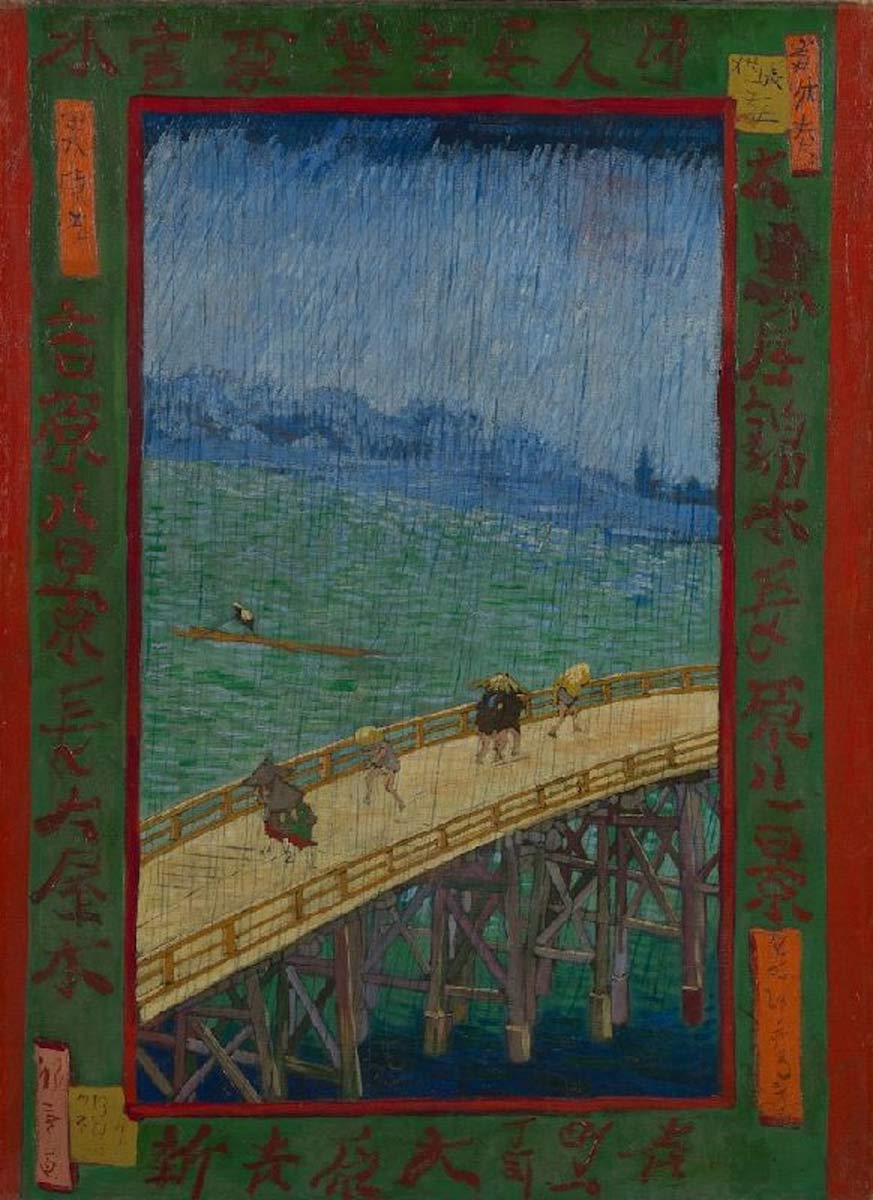
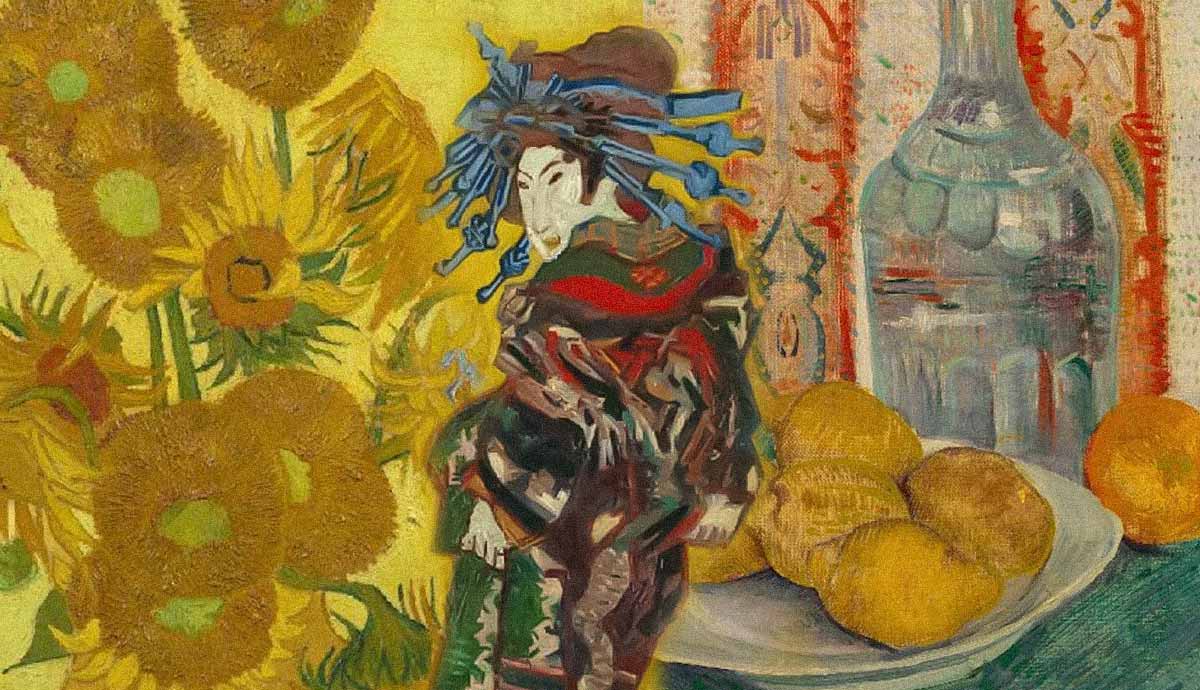
In 1886, Van Gogh moved to Paris to live with Theo and familiarize himself with the latest developments in painting. For the first time, he came across avant-garde artists experimenting with different techniques as well as bright and colorful paintings by Impressionists. But one of the most important things he discovered in Paris was the art of woodblock prints from Japan. Such prints were gaining popularity in Europe during the second half of the 19th century, and Van Gogh soon became an avid collector of them.
These prints of beautiful natural scenes in a foreign land featured simplified compositional techniques, particularly the lack of spatial depth, that impressed Van Gogh. Van Gogh made several copies after famous Japanese prints and intended to achieve a similar effect in his own works. He was fascinated by the peaceful natural environments depicted in these prints, and this fascination led him to leave the city of Paris and move to the countryside in the south of France, surrounded by natural beauty, as he described in a letter, “I want to begin by telling you that this part of the world seems to me as beautiful as Japan for the clearness of the atmosphere and the gay colour effects.”
5. The Friendship Between Van Gogh and Gauguin
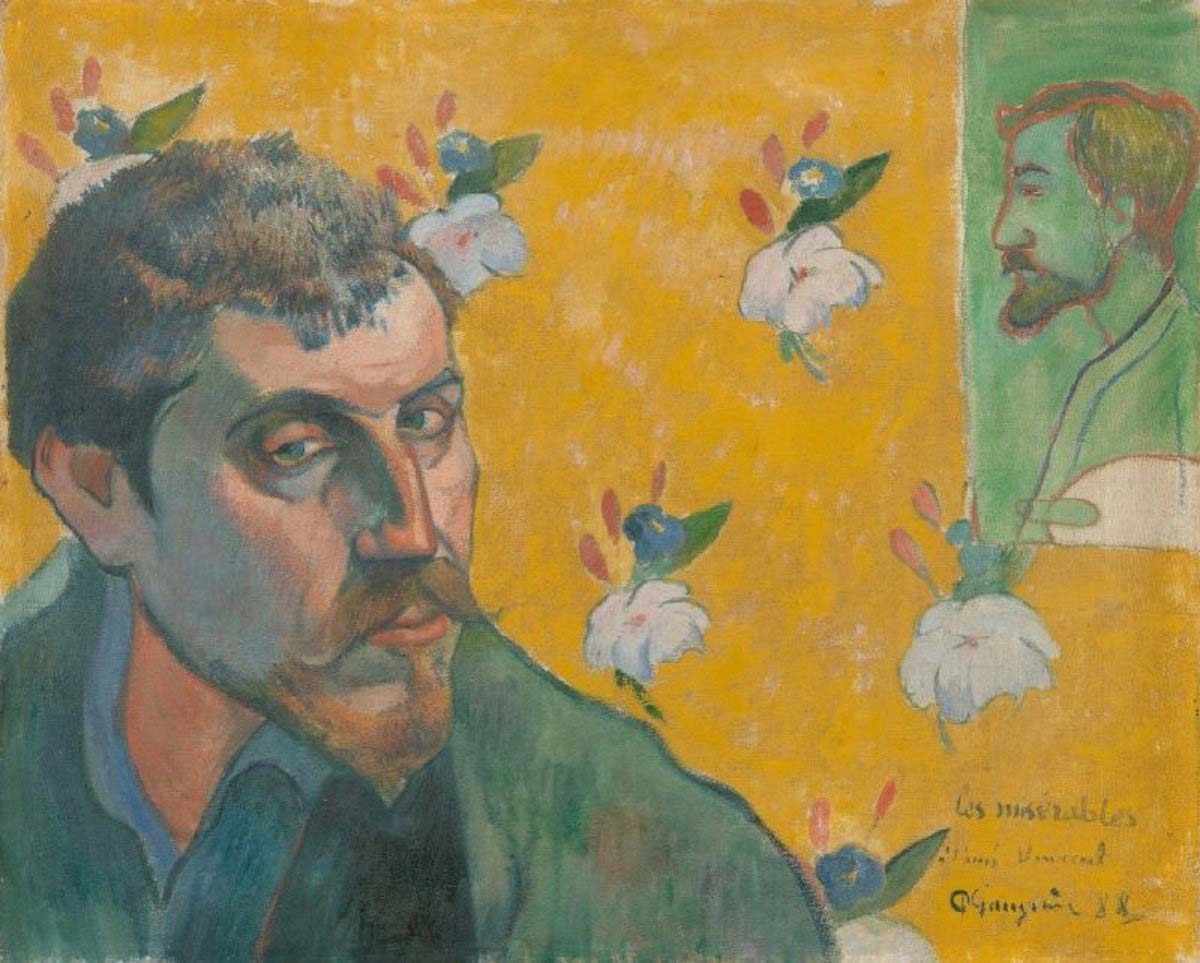
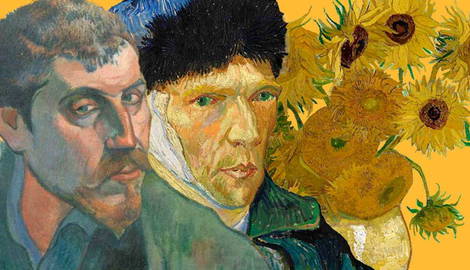
Van Gogh made several friends after moving to Paris in 1886. He lived with Theo in an apartment and was introduced to the circle of young avant-garde artists working in the city, such as Emile Bernard, Georges Seurat, and Henri Toulouse-Lautrec, among others. But the most important friend he made in Paris was the French artist Paul Gauguin. They exchanged many letters sharing the work they were doing after Van Gogh left Paris to live in the south of France. An important point in their friendship arrived in 1888, when Van Gogh was living in Arles. He had rented a house with four rooms, called the Yellow House, and invited Gauguin to stay with him. The idea was for the two artists to treat the house as a studio and work together while surrounded by the beauty of the countryside.
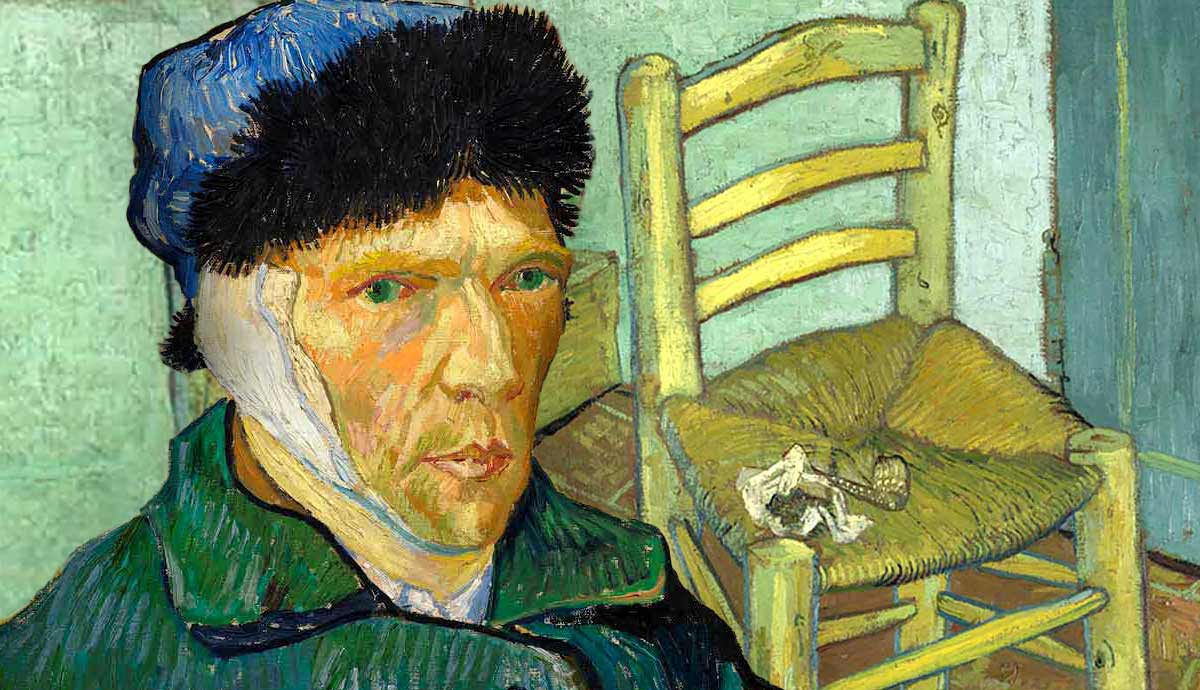
While this cohabitation did lead to some paintings, the experience was far from successful. Van Gogh and Gauguin would argue frequently about their opposing views on art and methods of working, and one fateful day, the tension between them reached new heights. A distressed Van Gogh cut off a portion of his ear and was hospitalized, and Gauguin left Arles. The two did not speak for some time after that.
6. “A Mad Genius”: Van Gogh’s Mental Issues
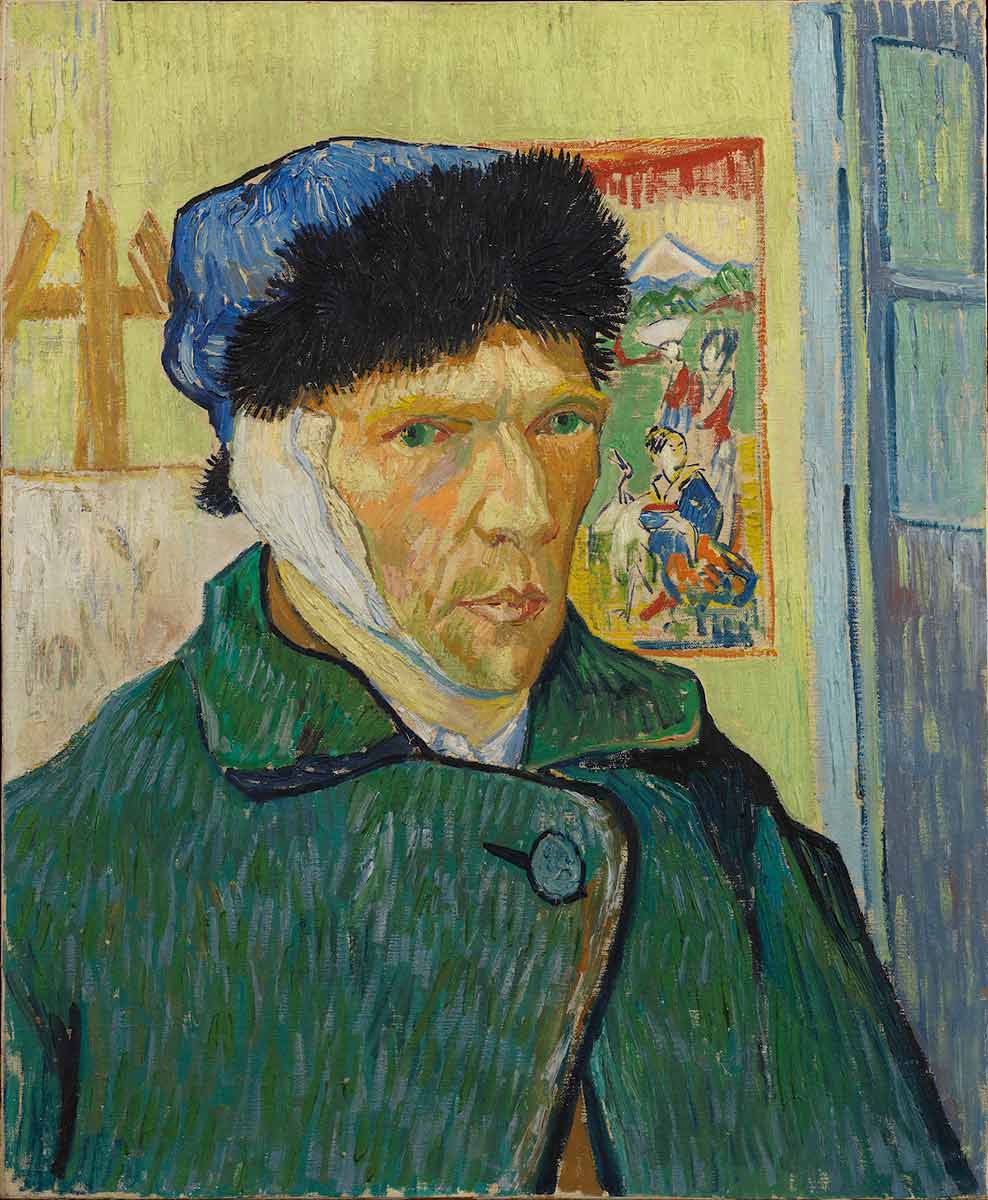
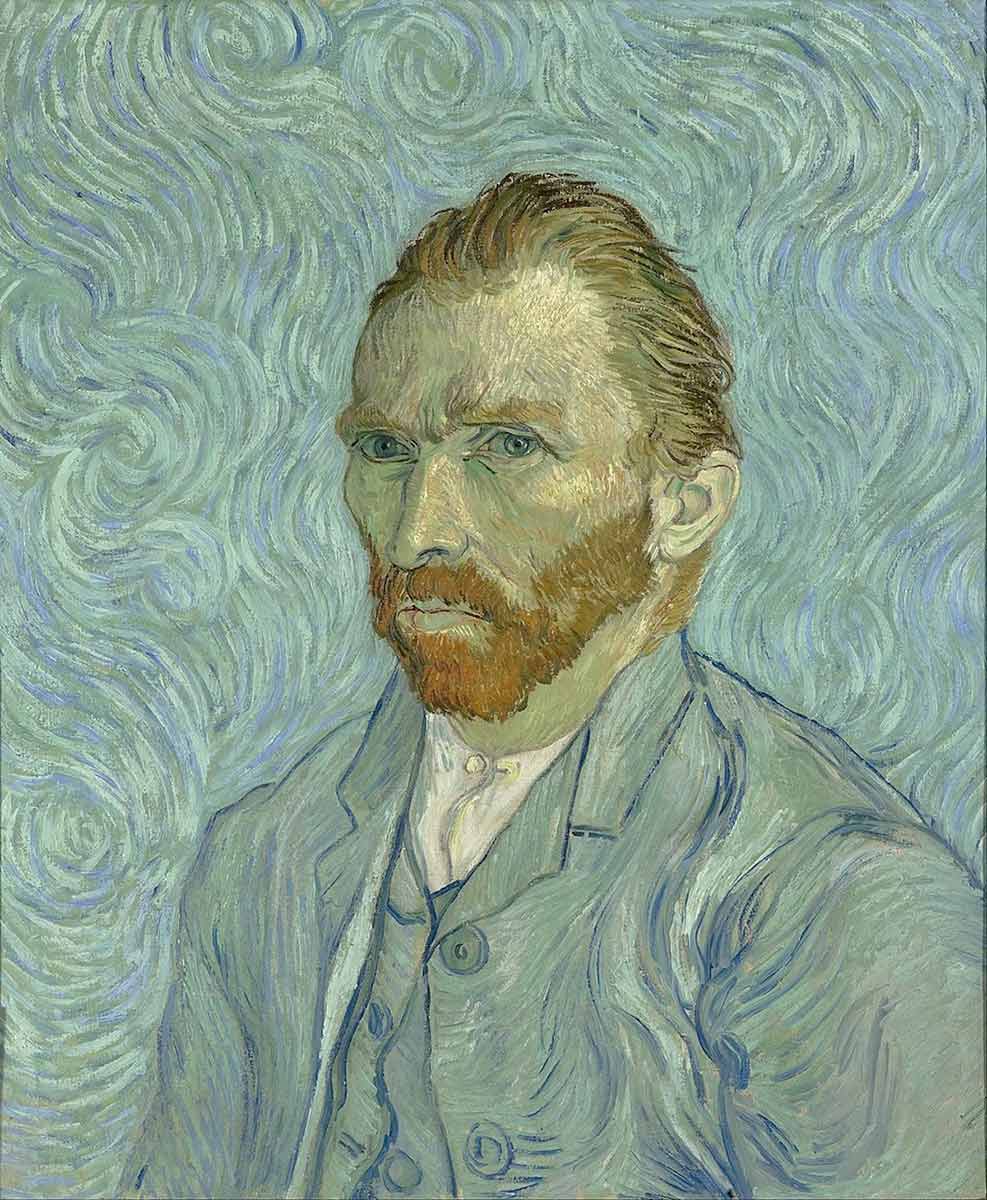
The incident with Gauguin in Arles was the beginning of the psychiatric issues that Van Gogh faced until the end of his life. After being hospitalized in Arles for a few days, he returned to his Yellow House and continued painting. He had little memory of mutilating his ear. After spending a few more months in Arles, Van Gogh’s health did not seem to improve, which led him to make the decision to be officially hospitalized for a long duration. He moved to the psychiatric hospital Saint-Paul-de-Mausole in Saint-Rémy and stayed there for a year. He was diagnosed with epilepsy and continued suffering attacks that hindered his ability to paint. Still, Van Gogh painted many works during this period whenever he was in a functional state, including his world-famous masterpiece The Starry Night.
After being discharged from the hospital in Saint-Rémy, things did not seem to be improving significantly. Van Gogh wanted to stay close to Theo, who lived in Paris, so he decided to leave Provence and move back to the north of France in May 1890. He lived in an artists’ village near Paris called Auvers-sur-Oise, under the supervision of Doctor Paul Gachet, a homeopathic physician and amateur artist. This period only lasted for about two months, as Van Gogh died by suicide in July. The last few years of Van Gogh’s life are associated with his mental illness as well as some of his best works. Such a connection has led to the popular recognition of Vincent van Gogh as a mad genius whose brush was driven by his unstable mental state, leading to intensely colorful and emotionally expressive masterpieces.
7. Van Gogh’s Masterpieces: The Sunflowers
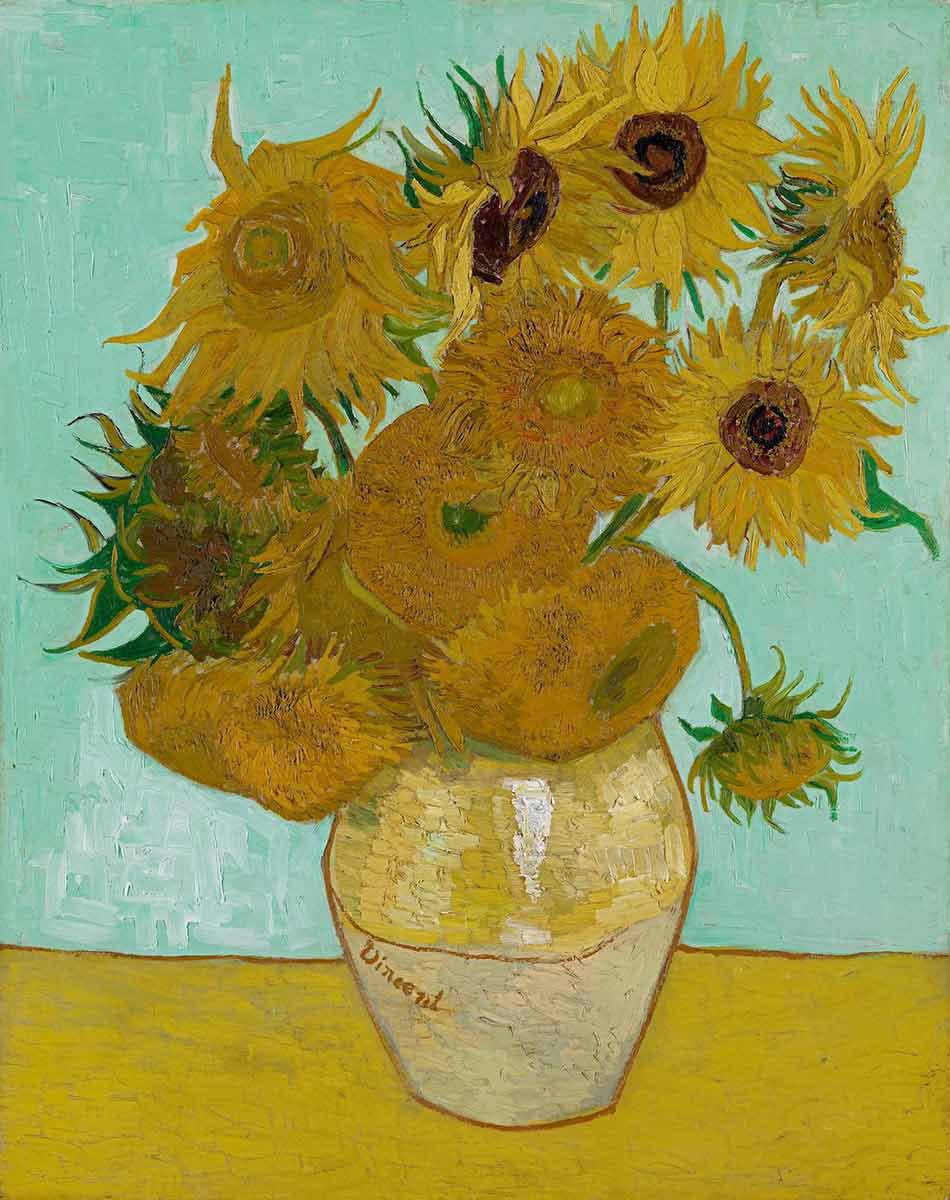
Van Gogh has a long list of masterpieces, but some of these works are not only artistic achievements, but are also linked to important moments in the artist’s life. Van Gogh painted Sunflowers as decorations for his Yellow House. These canvases depict blooming sunflowers placed inside a vase, painted in different combinations of illuminating yellows and blues. That is exactly the kind of effect he wished to achieve with these works, comparing them to “standard lamps or candelabra.” At the same time, the Sunflowers were a means for Van Gogh to show off his skills to Paul Gauguin, who was soon to arrive in Arles. He even put his signature on the vase of sunflowers on the canvas that was to hang in Gauguin’s room—a way of claiming ownership of his work.
The artist began painting this series in the summer of 1888 and finished it in 1889. He suffered from an attack and was hospitalized while he was in the middle of finishing this series. The Sunflowers are a testament to Van Gogh’s development as an artist who found a way to express his own vision despite everything.
8. Van Gogh’s Last Works
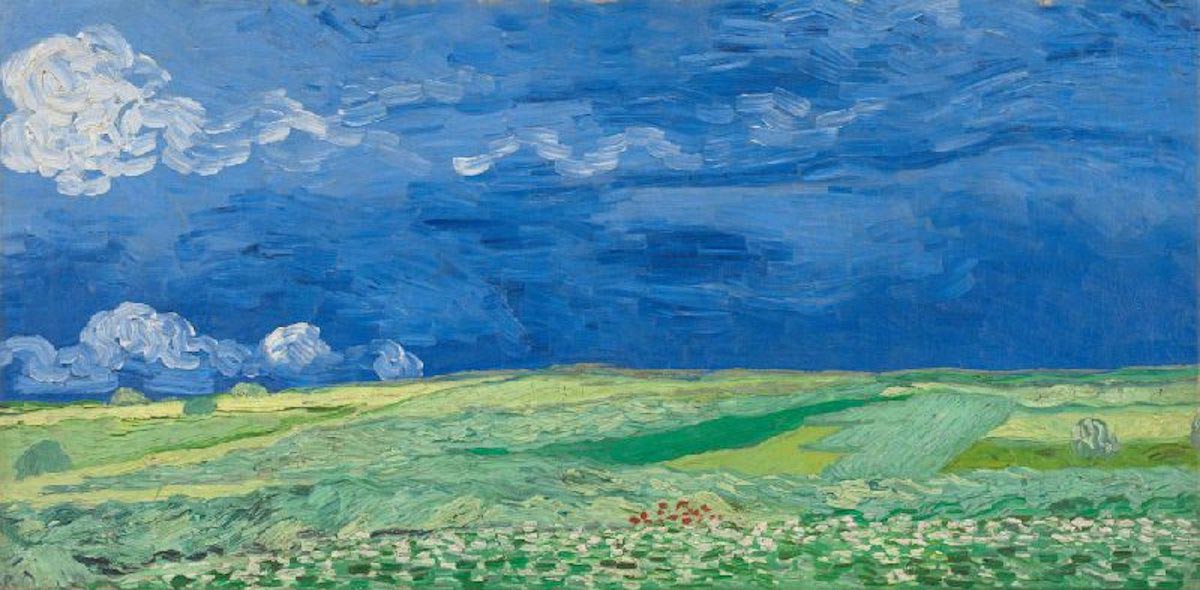
Despite facing many attacks and an unstable mental state for two years, Van Gogh continued painting until the end of his life. Living in Auvers-sur-Oise from May to July 1890, he took full advantage of the beautiful natural surroundings, painting wheatfields, gardens, and views of the village. Some of his most notable works from the last few weeks of his life are two paintings of wheatfields around Auvers called Wheatfield under Thunderclouds and Wheatfield after the Rain. In a letter to Theo, he described these paintings as “immense stretches of wheatfields under turbulent skies, and I made a point of trying to express sadness, extreme loneliness.” But he was not entirely hopeless, as even during this difficult time, he emphasized the healing aspect of nature: “I’d almost believe that these canvases will tell you what I can’t say in words, what I consider healthy and fortifying about the countryside.”
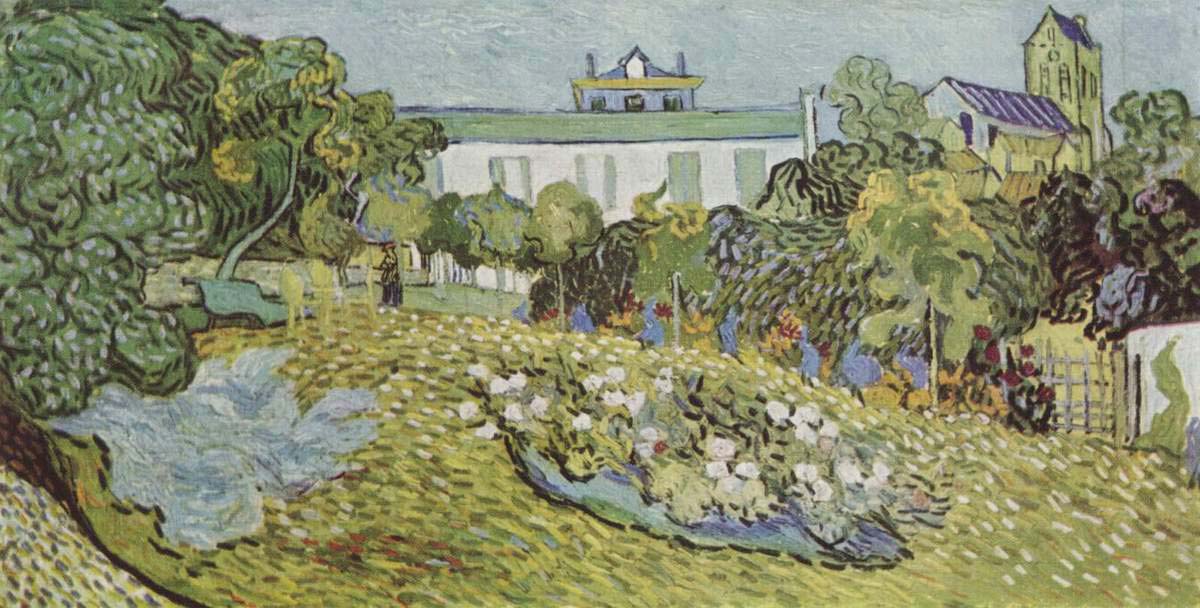
Another important painting was Wheatfield with Crows. This turbulent painting with emotionally charged brushstrokes is often associated with Van Gogh’s suicide, particularly as the composition is painted with highly contrasting shades of yellow, red, blue, and black. And yet, not all of his paintings during his last few weeks express the same emotions. One of the paintings that Van Gogh mentioned to Theo in his very last letter from July 23, 1890, was Daubigny’s Garden, portraying a calm, blooming garden painted in light greens and blues. It is difficult to gather the exact state of his mind during his last days, but he continued painting nevertheless and remained devoted to capturing natural beauty in vivid colors and bold, intentional brushstrokes.