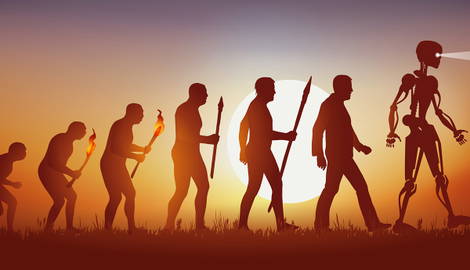
The journey of finding the answer to the question “What is the Human Being?” is not something new. Throughout the history of humankind, there have been hundreds of authors who have sought to give a precise definition in response to the question. Each of them took a different approach and a standpoint that best described what a human being is. Probably the most famous definition from the ancient period is Aristotle’s zoon politikon. He saw the human being as a political creature, in the sense that man is part of society and lives within it, bounded by social norms and laws that he obeys. He even went further, saying that anyone isolated from society would have to be either a savage or a God. What are the other definitions? Let’s take a look.
1. Homo Sapiens
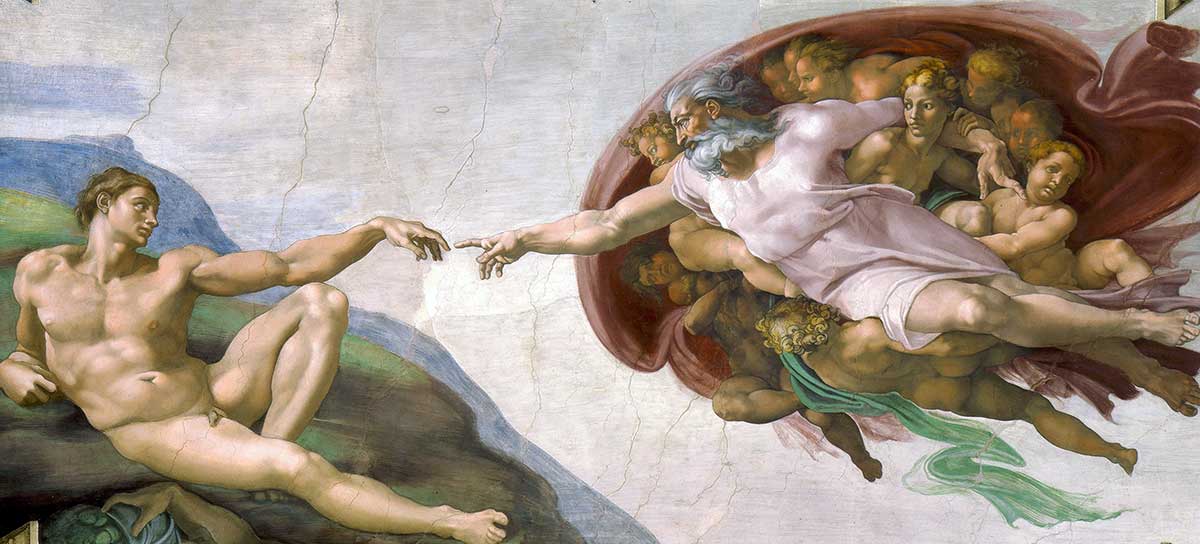
The most recognized starting point for defining ourselves is the biological term Homo sapiens. At its simplest, this identifies the human as a being that thinks, one possessing the consciousness and intelligence to navigate the world. Interestingly, the term sapiens stems from the Latin sapere, a verb that means more than just ‘to know,’ because it also carries the sensory weight of ‘tasting’ or ‘noticing.’
However, human history often seems to debunk the very idea of the sapiens. We are frequently capable of actions that are the total opposite of smart or wise; we exhibit poor behavior as easily as we do wisdom, creating things that are ugly, tasteless, and profoundly unjust.
When we look at the devastation of war, we are forced to ask: Is the human being truly Homo sapiens, or is our perceived intelligence merely an illusion? Many thinkers have rightly challenged our self-appointed title, offering provocative alternatives that suggest far darker or more chaotic forces govern us.
2. Homo Insapiens
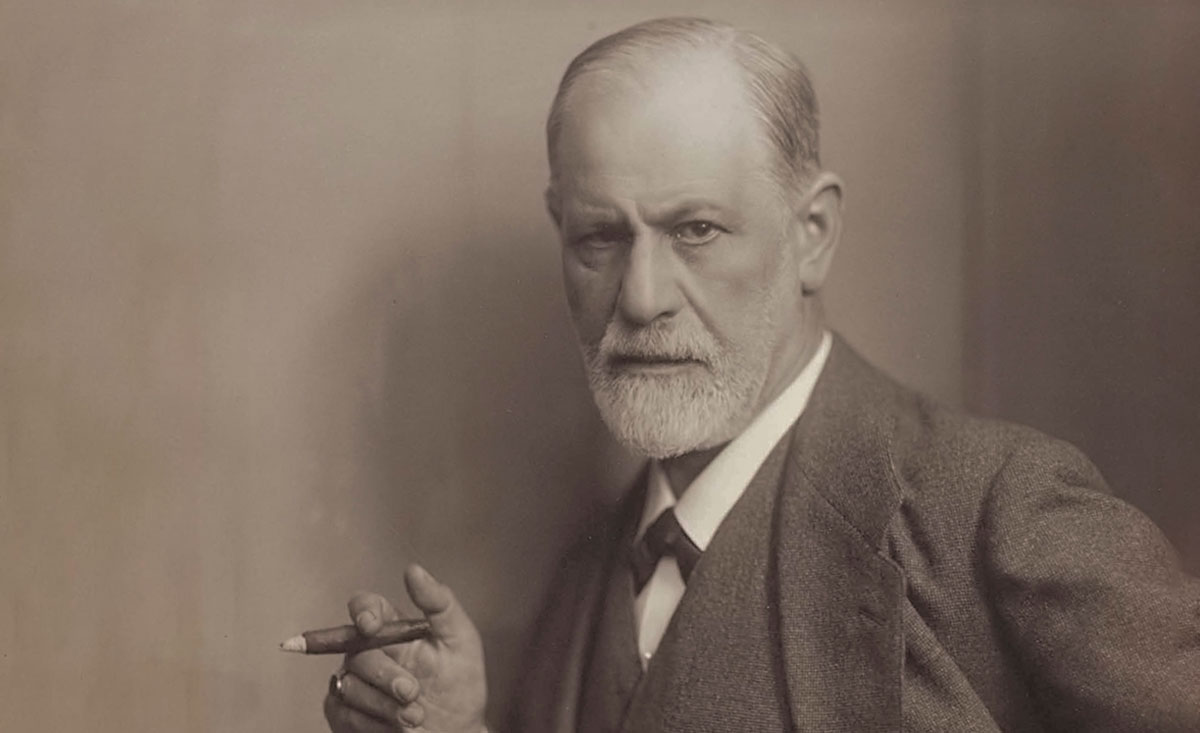
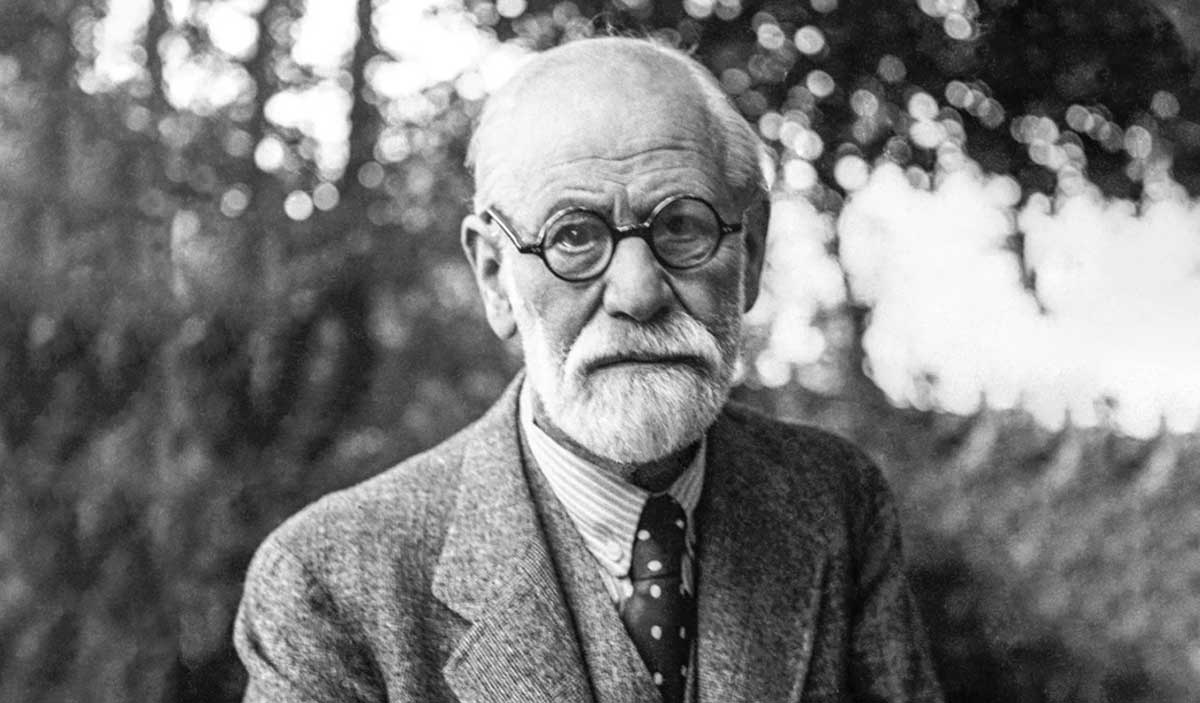
Sigmund Freud and Karl Marx are just two figures who opposed the theory of homo sapiens. With his theory of the unconscious, Freud was one of the first thinkers to unlock the dark side of the human psyche. He noticed that, along with all the wise and beautiful things that humans are capable of, they are also capable of doing very bad and destructive things.
The motives, instincts, and impulses of these destructive actions lie in the unconscious, says Freud. They are things that have been repressed and disabled but are still capable of emerging and coming to life. Freud goes even further by saying that humans do not have free will at all. Everything in us is motivated by the unconscious, and the repressed content controls every choice we make.
Karl Marx presents a kind of distorted consciousness that is very similar to Freud’s concept of the unconscious. It’s important to note that Marx takes a different approach when elaborating his theory, adopting a more culturally centered, more sociological view that he later interweaves into his political ideology.
For example, the capitalist may think that his actions and behavior are humanistic and that he promotes the general well-being of humankind. Still, in reality, his motives and actions only reveal his pure desire for capital and his unconscious (dirty) desire for class differences among people, says Marx.
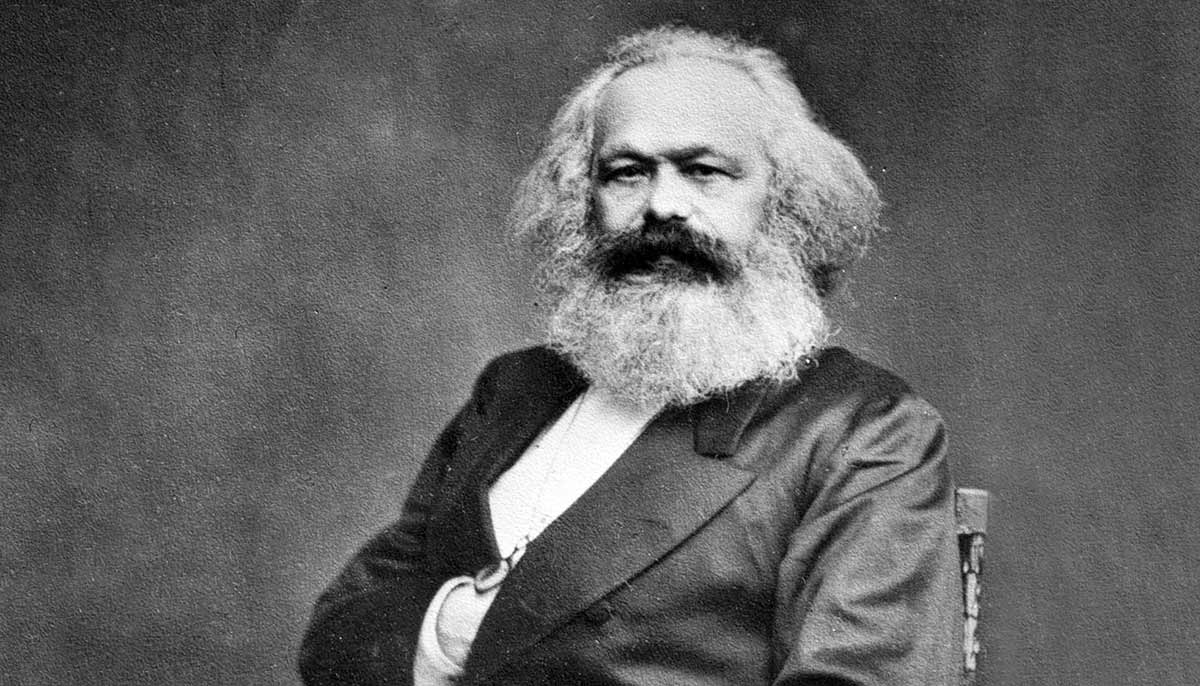
So, in a way, we can say that, according to Marx and Freud, it is the unconscious and irrational side of humans that drives their actions and behavior, and it’s not wise or smart. The only difference between the two is that Marx discusses the collective unconscious, while Freud discusses the individual unconscious. So, theories like Freud’s and Marx’s put the homo sapiens theory into question because they show that humans are not always smart and intelligent, but instead are homo insapiens.
The first one to use the term homo insapiens was Herbert George Wells in his book “42-44.” Disappointed by the craziness and destructive forces of World War II, Wells concludes that human beings are nothing more than stupid creatures.
The term homo insapiens comes from the Latin words homo, meaning “human,” and insapientia, meaning “unwise” or “the lack of wisdom.” So, in translation, the term homo insapiens would be an unwise, stupid, and ignorant being.
3. Homo Belligerans
Continuing further along the same narrative, we can also stumble upon the definition that the human being is homo belligerans. The term homo belligerans was first used by the English historian Arnold J. Toynbee in his monumental work A Study of History in 1934. The term has its roots in the Latin words bellum, meaning war, and gerare, meaning to lead or carry out.
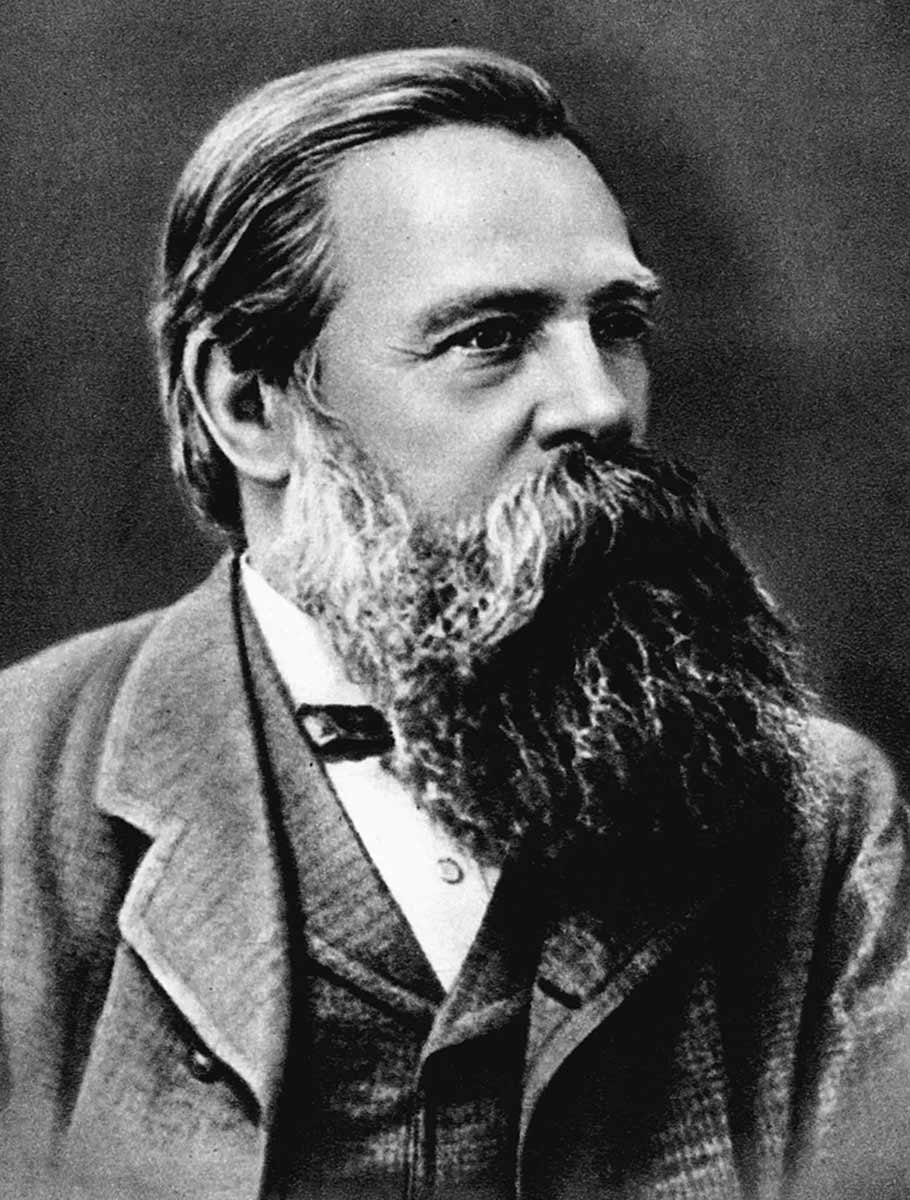
Thus, homo belligerans would mean a militant, aggressive human, that is, a human who leads war. And, we can undoubtedly say that history confirms that. Wars do not have only a class character, as Friedrich Engels said, but can also take many other forms: multiethnic, religious, civil wars, and more. It is dubious whether they can ever be considered justified.
4. Homo Ludens
However, besides the nature of wars throughout human history, it’s hard to reduce the human being to homo belligerans. In fact, there are many instances in which humans feel pure happiness and joy, and many instances in which they play certain games.
Because of that, many authors think that the essence of human beings is their play and their games. It is through his play that the human really exists as a human being, they said. So, they conclude that the human being is homo ludens: a being that is capable of playing and the only being that can rejoice in the play until he plays for the sake of the play.
This theory suggests that play is an autonomous and authentic field in which humans live and age throughout life. So, when he plays, he does not finish the game because if he did, he would finish himself, which would mean death. Instead, he plays starting from the beginning of his life until the end. Because of that, some authors say that humans are nothing more than homo ludens.
5. Homo Oeconomicus & Homo Faber
According to some other thinkers, the human is not simply a playing creature, but in his core, he’s actually homo oeconomicus. This means that the human is an economic being, or a being that knows about the economy and thus knows how to handle and manage his own economy. This does not only mean the financial aspect of his resources, but also includes other resources. Therefore, the human is not only managing his finances but also has a house he looks after and will continue to look after in the future.
However, when we look at the world of animals, we can easily notice something similar in their way of life: they look after their homes and offspring and prepare for the future by collecting resources. Many animals, for example, prepare for the winter by collecting food reserves and adjusting their homes to survive better. So they can also be classified as members of this group of beings. Therefore, the question arises inevitably whether this characterization of humans as homo oeconomicus is accurate enough.
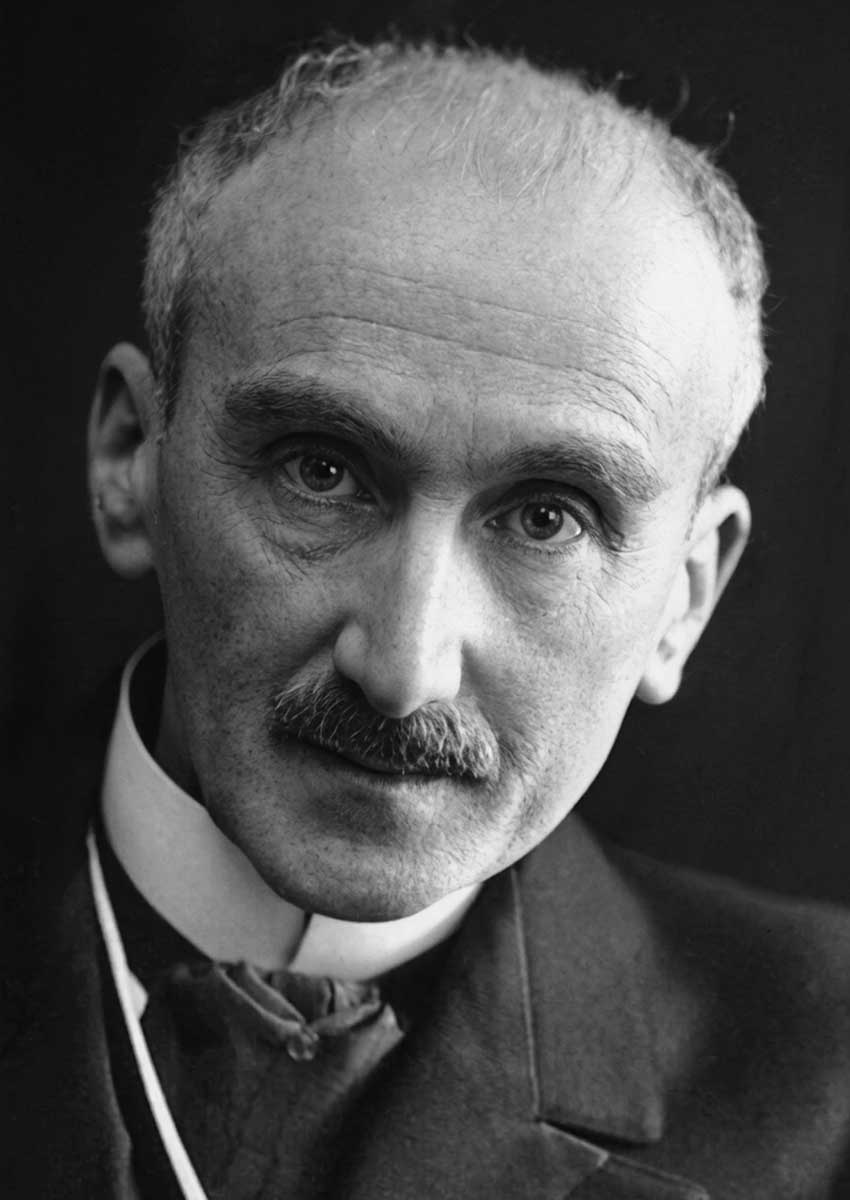
Because of that, many authors introduced the idea of the human as a homo faber. The term faber has Latin roots, meaning “creator,” “manufacturer,” or “craftsman.” Benjamin Franklin most accurately characterized the human being as a tool-making animal. This means that the human is capable of crafting, or rather, manufacturing tools and using them. This definition was later used by the French philosopher Henri Bergson as well.
6. Homo Viator
Other thinkers characterize the human being as homo viator. One of the first to use the term was the French existentialist philosopher Gabriel Marcel, in one of his many famous essays titled Homo viator. The term viator has its roots in the Latin word viaticus, which can be translated as “one who is preparing to travel.”
Thus, homo viator would mean that the human being is a being-traveler, a being who is preparing to go on a path and traveling to someplace. Marcel uses the term within the context of his existential philosophy because he saw the nature of humans not as fixed and constant, but as flexible and capable of taking many shapes and forms, as the human being is in a constant search for meaning in his life. Because its nature is not predetermined, the human being is doomed to follow a path and to constantly search for a sense of self.
7. Homo Sedens
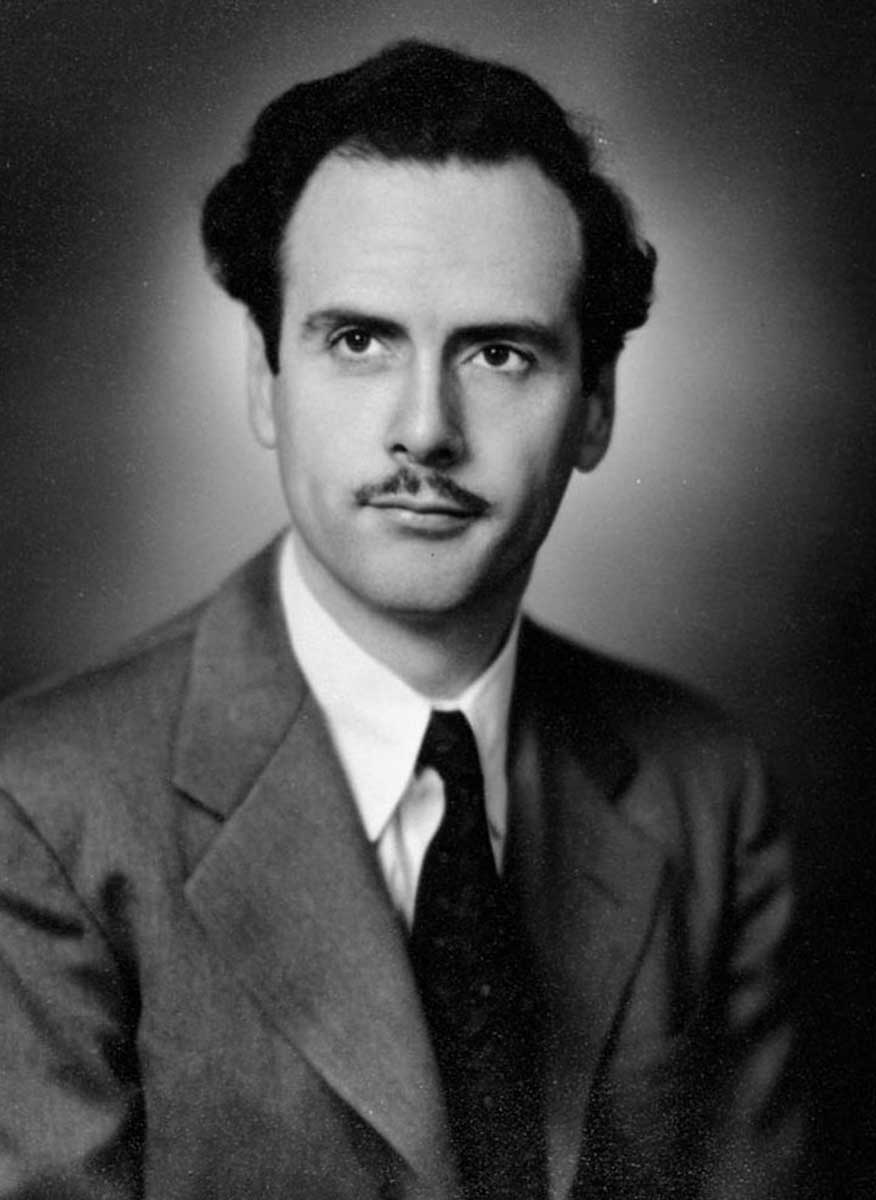
Even though humans have the desire and need to travel, we can also notice a strong desire to stay in one place. Humans often want to stay in one place and be there without needing to travel elsewhere. This is especially true in today’s world, in which humans can travel virtually thanks to technological development and constant innovation.
That is why, in 1962, the Canadian philosopher and communications specialist Marshall McLuhan defined the human being as homo sedens. The term sedens has its roots in the Latin verb sedere, meaning “to sit.” So, according to that characterization, we can define the human being as a being that sits, a being who is glued to his chair, or rather, his home.
8. Other Definitions
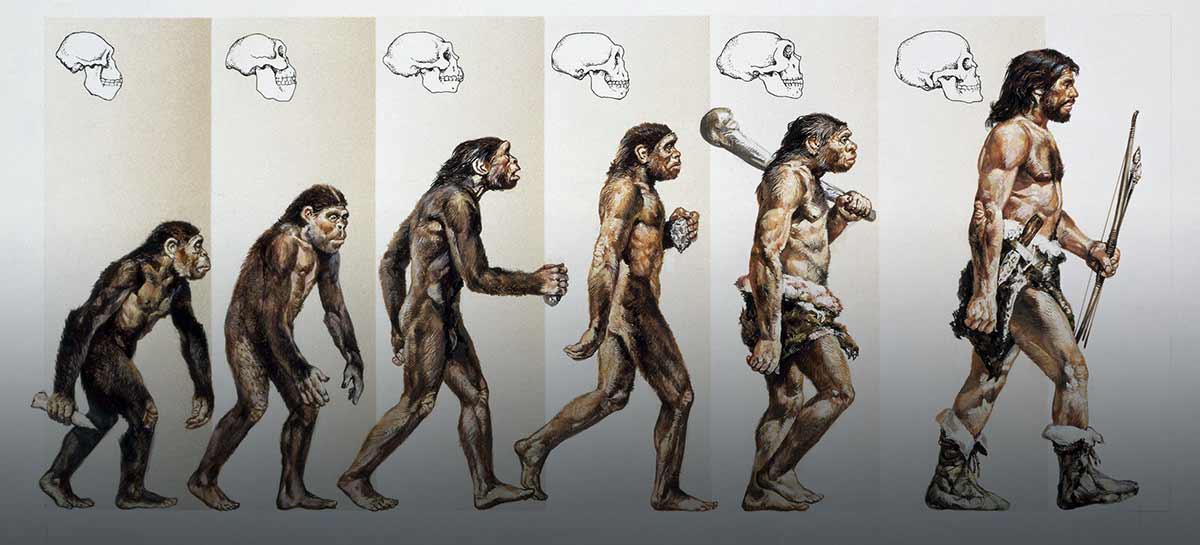
The history of thought offers a vast gallery of homines, where each attempt seeks to capture a different essence of our nature.
For some, we are fundamentally homo religiosus, a term popularized by historian Mircea Eliade to describe a being defined by an inherent drive toward the sacred and the ritualistic. Closely linked to this is the concept of homo metaphysicus, a term that characterizes the human as a creature uniquely obsessed with peering beyond the physical veil to explore the supernatural and the unseen. Arthur Schopenhauer famously argued that man is the only animal that wonders at its own existence, making metaphysics a biological necessity.
In a more provocative turn, some thinkers propose homo otiosus. This suggests that humans are the only creatures capable of true neutrality, meaning they are the only beings that can stand before the world in a state of disinterested, idle contemplation. This “leisurely man” stands in stark contrast to the modern “homo faber,” or the man who makes, by prioritizing being over doing.
Regardless of which homo we favor, one truth remains: our nature remains an open question. Ultimately, we are not a finished product but a work in progress. It is up to each of us to define who we are through our choices and our freedom.