
Ovid’s Metamorphoses is famous for its epic narrative and poetic style. It has become a central work in Western mythological canon. But Ovid clearly takes liberties with his source material, manipulating it for his Roman audience and overarching narrative. Meanwhile, writing around three centuries later, the Greek-speaking writer Antoninus Liberalis also composed a collection of Metamorphoses, preserving different Greek myths about transformation, and different versions of some of the myths told by Ovid. How and why is Antoninus’ work so different from Ovid’s, and why is it worth studying alongside its more famous namesake?
Who Was Antoninus Liberalis?
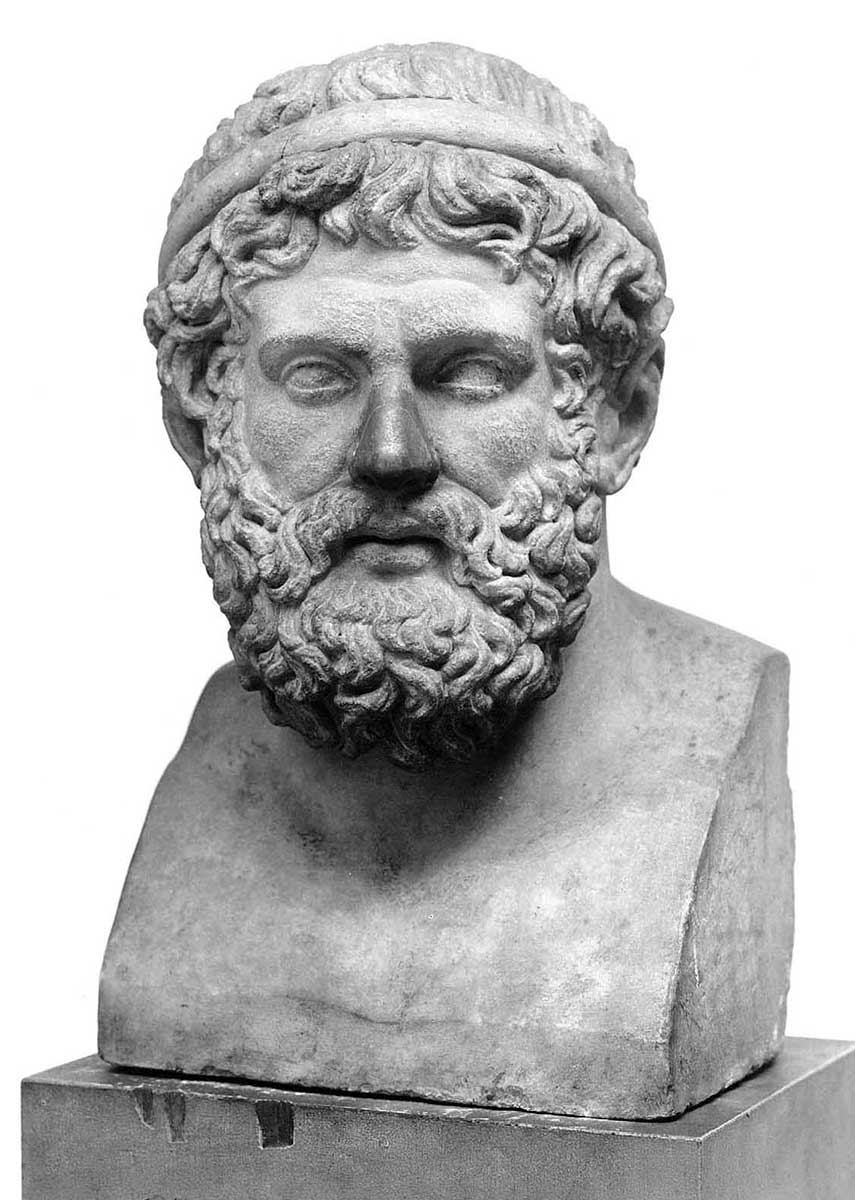
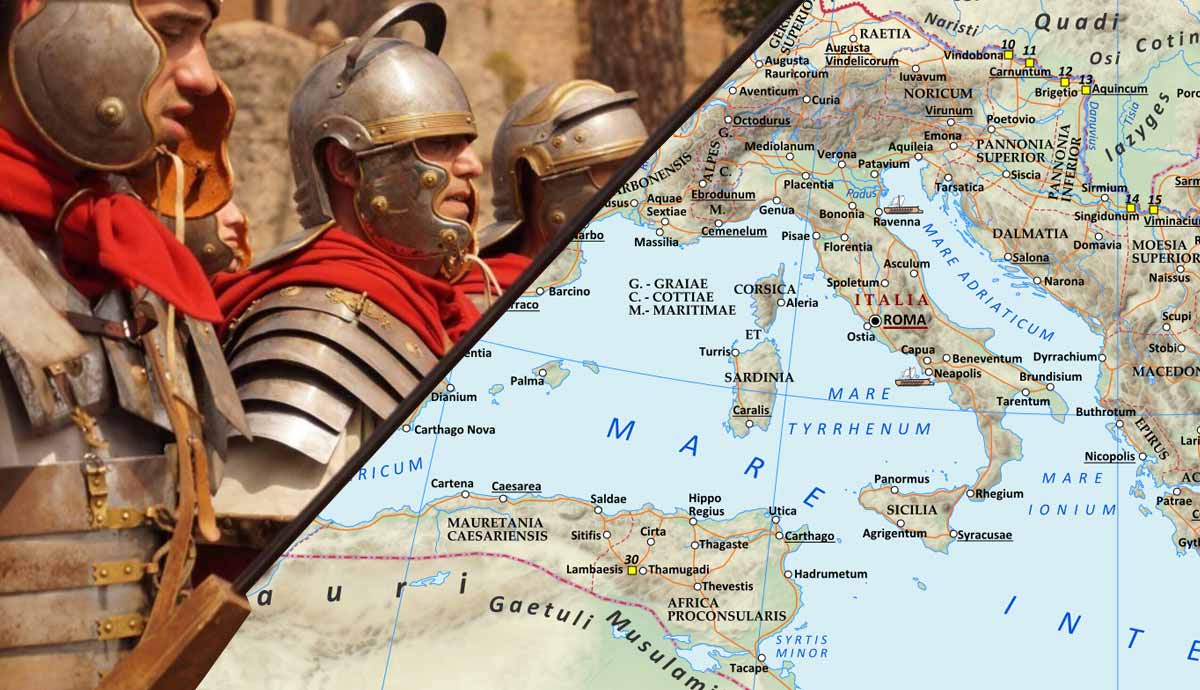
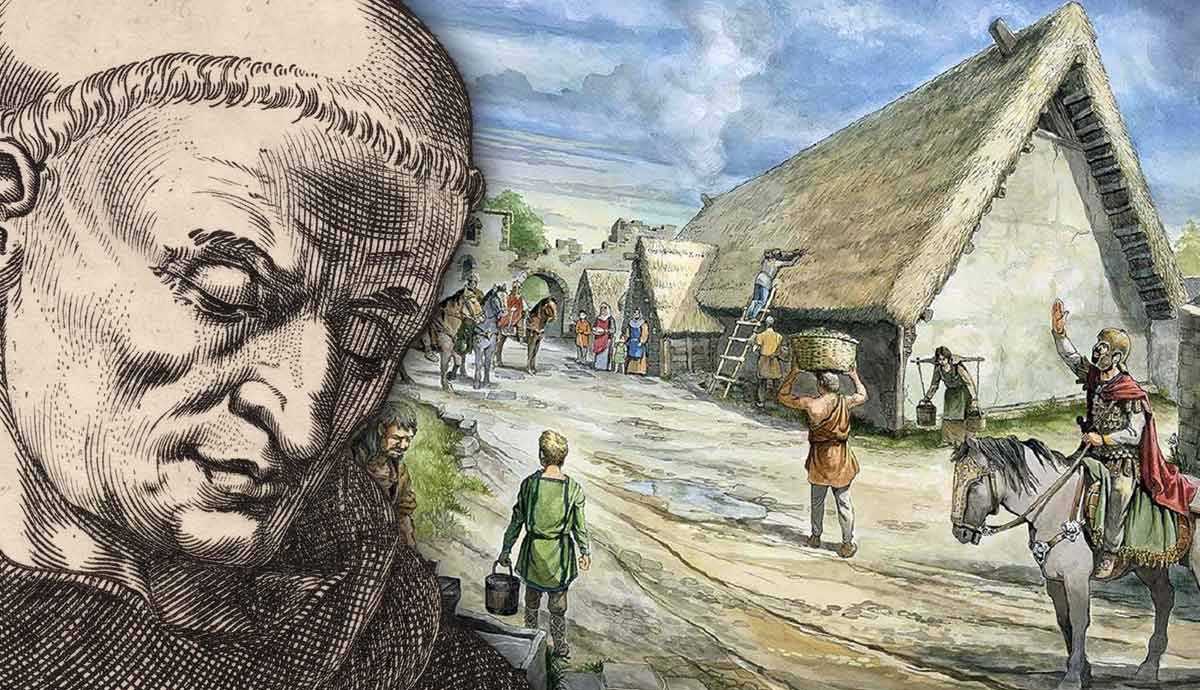
Antoninus Liberalis was a Roman author likely from the Greek-speaking provinces of the Roman Empire. He was part of the social elite, though not overly wealthy. At least, that is what can be assumed from his Metamorphoses. In truth, we don’t know much about his life, and what we assume are just educated guesses.
He wrote in Greek, using many terms that can be traced to the later Hellenistic period, with some archaizing terms as well. This type of style was typical of the Second Sophistic, a Greek cultural and literary movement that flourished from approximately the 2nd to the 3rd centuries AD.
The name Antoninus might hint that he lived under the Antonine or Severan emperors. His literacy shows education, which was generally reserved for the upper classes. His choice of sources shows that he was limited in his reference material, likely relying on epitomes or anthologies from other mythographers.
What Are the Metamorphoses?
Antoninus’ Metamorphoses is a collection of 41 stories about transformation. Unlike in Ovid’s Metamorphoses, there is no overarching narrative. It reads instead like a catalogue. The prose style is compressed, suggesting that Antoninus didn’t take many, if any, creative liberties, or that he was producing summaries.
The writing lacks any emphatic particles that are typical of Greek texts, giving the text a very flat, matter-of-fact style, leading to criticisms of its literary importance. While it is not a seminal poetic work in the way that Ovid’s epic is, the work is important because it preserves variants of myths that would otherwise be lost. Antoninus also cited his sources, so scholars are able to better understand older, Hellenistic works that no longer survive.
The fact that Antoninus’ Metamorphoses survived into the modern day is a testament to its importance, despite its lack of any poetic flair. In the context of the Second Sophistic period, when the text was written, elite education involved becoming familiar with classical texts and myths that students used to practice rhetoric. The form of Antoninus’ work gives the impression that his Metamorphoses was a mythological textbook, presenting myths straightforwardly so that orators could then add their own flair to them.
The surviving manuscript of the text is from a 9th-century Byzantine compilation, six to seven hundred years after its original production. This suggests that the text was in regular circulation, or at least had ongoing scholarly interest, which enabled it to survive the centuries.
How Are Both Metamorphoses Similar?
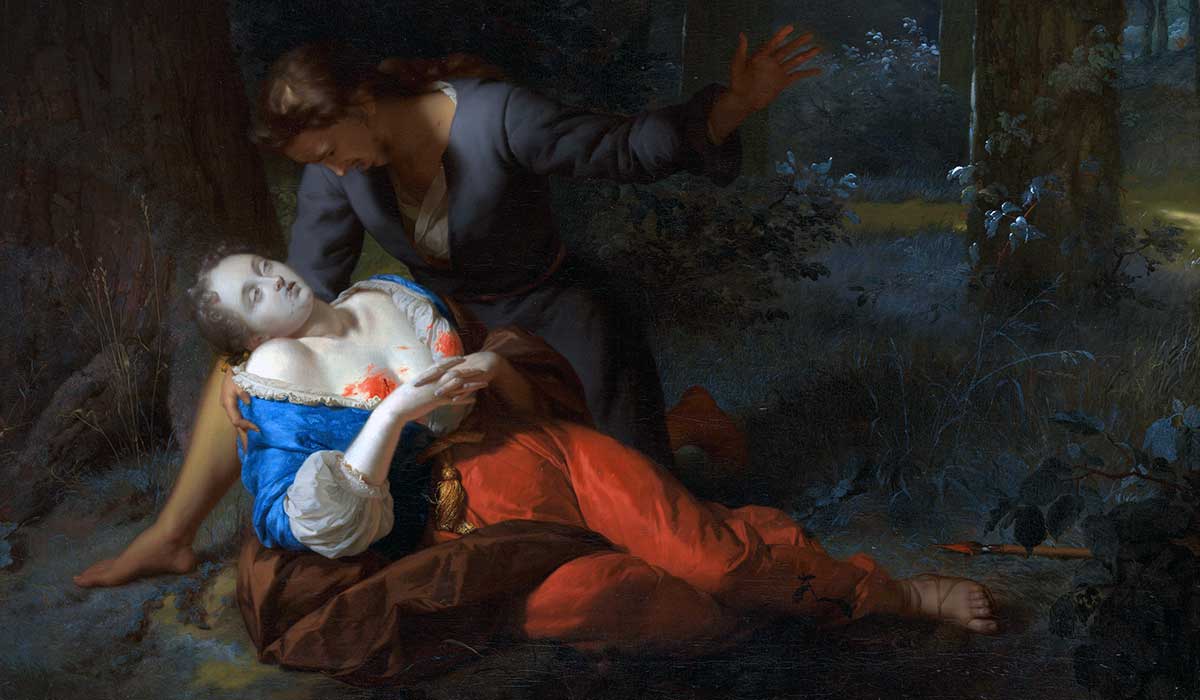
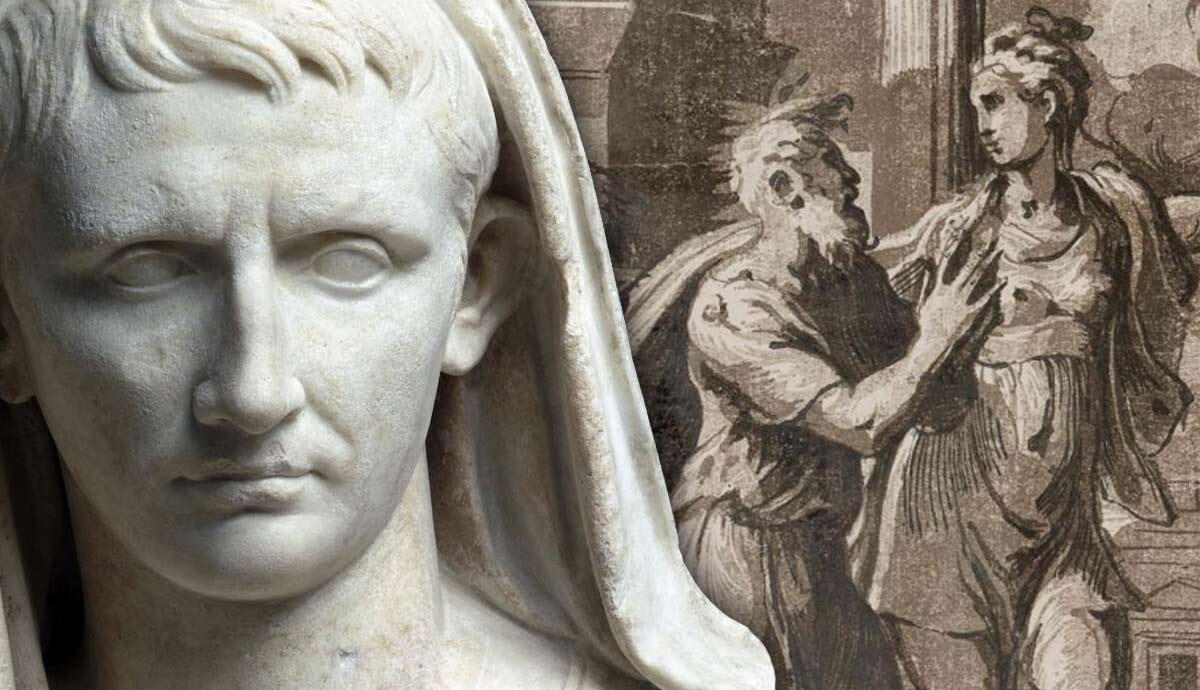
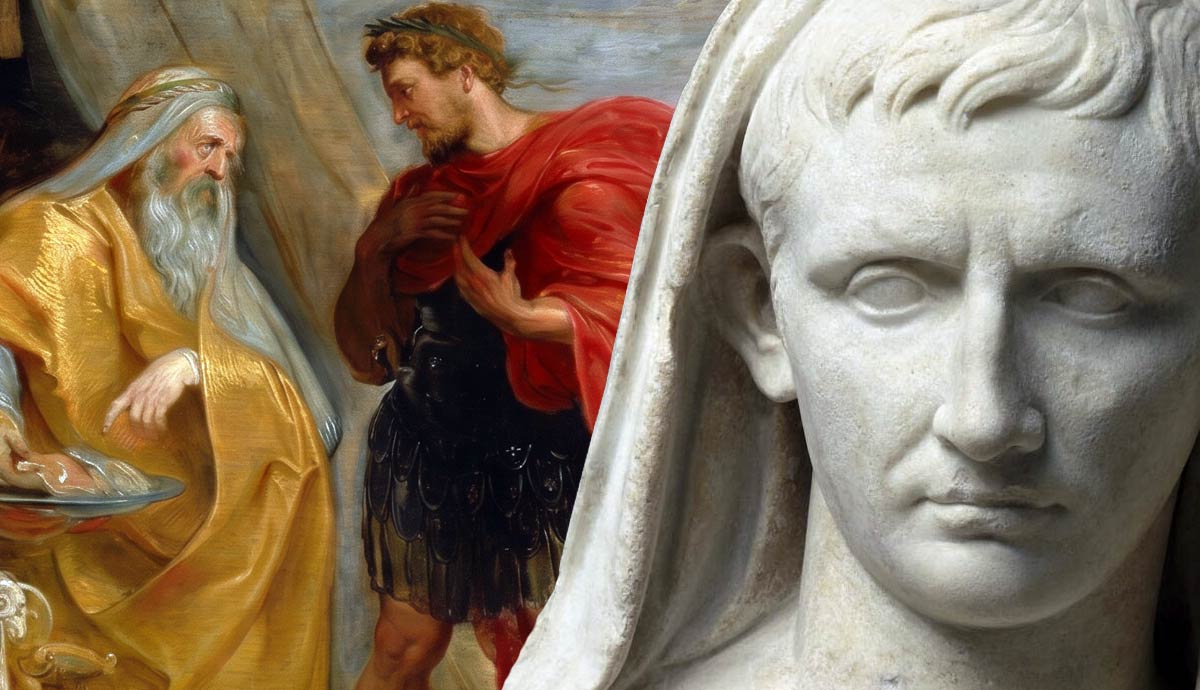
Some of the myths recorded in Antoninus’ Metamorphoses are also present in Ovid, though some of the details between the two differ. One such myth is that of Cephalus and Procris. In Ovid’s Metamorphoses, he presents the story as a tragic love story.
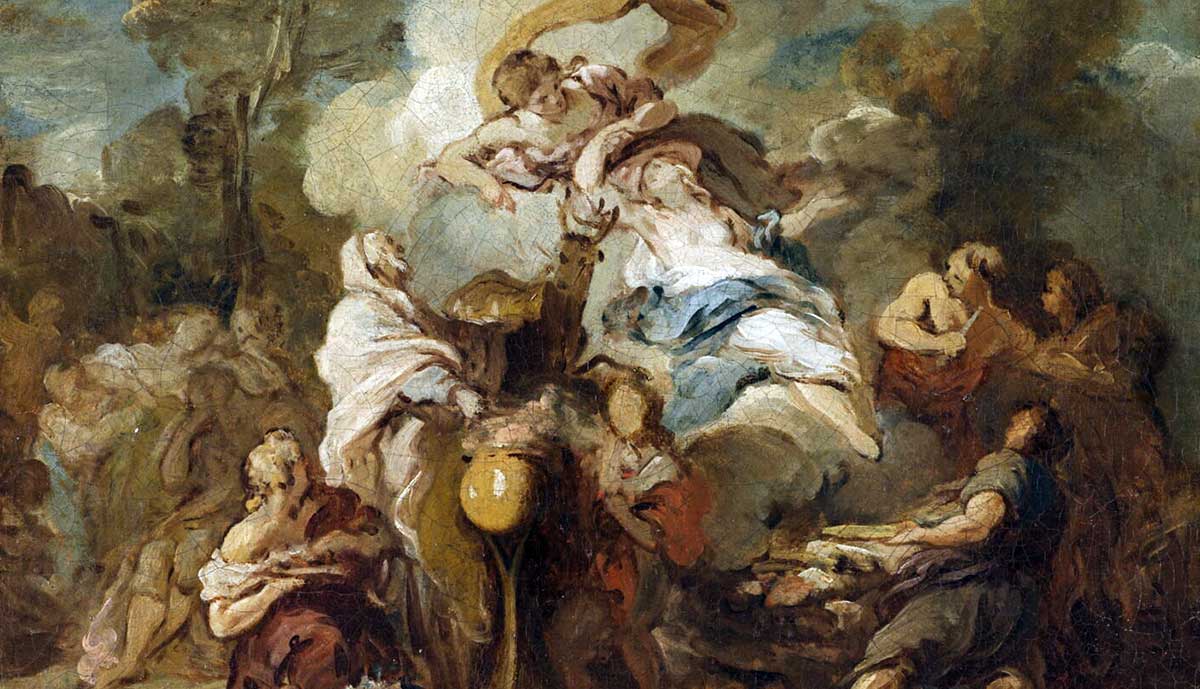
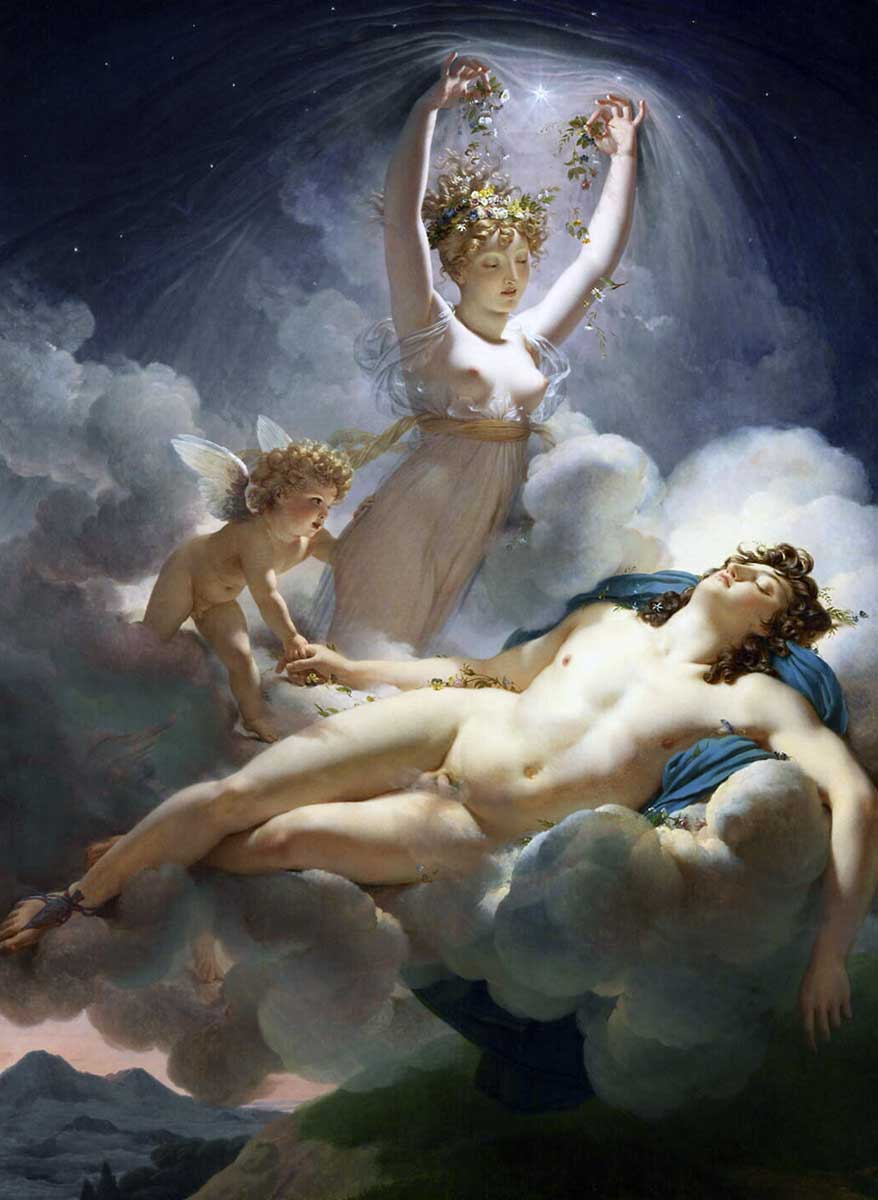
Cephalus and his wife, Procris, a princess of Athens and daughter of the mythical king Erechtheus, are madly in love with each other. One day, Cephalus is abducted by the goddess of dawn, Aurora or Eos. Cephalus then decided to test Procris’ faithfulness. He had Eos transform his appearance, and he gained an audience with his wife. He presented her with lavish gifts in an effort to seduce her. When his efforts eventually succeeded, he revealed himself and accused her of infidelity. Procris fled, though Ovid did not specify where. Cephalus eventually won her back, and she presented him with a spear and a hunting dog as a gift.
Cephalus and Procris lived in wedded bliss for several years after. Cephalus would go hunting, and after a catch, he would sit in the shade and enjoy the cool breeze, which he’d named Aura. He’d speak to the breeze as if she were a lover, and one day he was overheard. Procris was told of Cephalus and Aura, and believed that he was being unfaithful.
The next day, when Cephalus went out hunting, Procris followed him. After his hunt, he found some shade and began to call out to Aura, not realizing that Procris was hidden nearby. She stirred when she heard his words, and Cephalus, hearing the rustling and believing it to be a beast, threw his javelin, hitting Procris in the chest and killing her.
How Does Antoninus Differ From Ovid?
One of the main differences between Ovid and Antoninus Liberalis is that Ovid was a poet, while Antoninus was a compiler. Ovid’s Metamorphoses preserves many myths of transformation, but his purpose was in manipulating traditional myths to suit the theme and narrative of his poem. This difference is clear from Antoninus’ version of the Procris myth. Certain details are much the same as Ovid’s, but he gives more information on where she went after Cephalus tested her faithfulness.
Procris went to Crete, where she aided King Minos to conceive children and was gifted the javelin and hunting dog as thanks. These gifts were said to never miss their target. Procris then went back to Athens and decided to present Cephalus with a test of her own. She cut her hair short and made herself look like a man. She then used the gifts from Minos to join Cephalus in his hunts.
Procris was so successful that it made Cephalus jealous, making him want the javelin and dog for himself. She agreed to give them to him if he’d agree to sleep with her, believing her to be a young man. He accepted, and as they were about to consummate the deal, she revealed herself and shamed him for it. Still, they got back together, and Procris gifted the javelin and the dog to Cephalus.
Cephalus was later asked to help hunt the Teumessian Fox, a monstrous creature that would snatch up and eat the inhabitants of Thebes. Cephalus agreed to help and set his dog on the beast. But it was fated that the fox would never be caught by a hunter and that the dog would never lose its prey, so Zeus turned them both into stone.
Aegypius
What we repeatedly see in Ovid is the creation of a Roman variant of Greek myth. Antoninus, however, preserved many local Greek variants of traditional myths, maintaining many of the more gruesome details that Ovid omitted. He also records stories that Ovid chose not to include in his epic. One such story is that of Aegypius.
Aegypius fell in love with an older woman, a widow named Timandre, and they became lovers. Timandre’s son, Neophron, disapproved of his mother’s relationship and so plotted to get revenge against Aegypius. He seduced Aegypius’ mother, Bulis, and took her home to sleep with him. He kept his own mother out of the house and, knowing what time Aegypius usually visited, deceived both him and Bulis into sleeping together.
After the act, Aegypius fell asleep. When Bulis realized that she had just slept with her son and not Neophron, she took up a sword to pluck out Aegypius’ eyes and then kill herself. Aegypius was awoken by Apollo before he could be blinded. He then prayed to Zeus that he and everyone else would disappear. Zeus obliged by turning them all into birds.
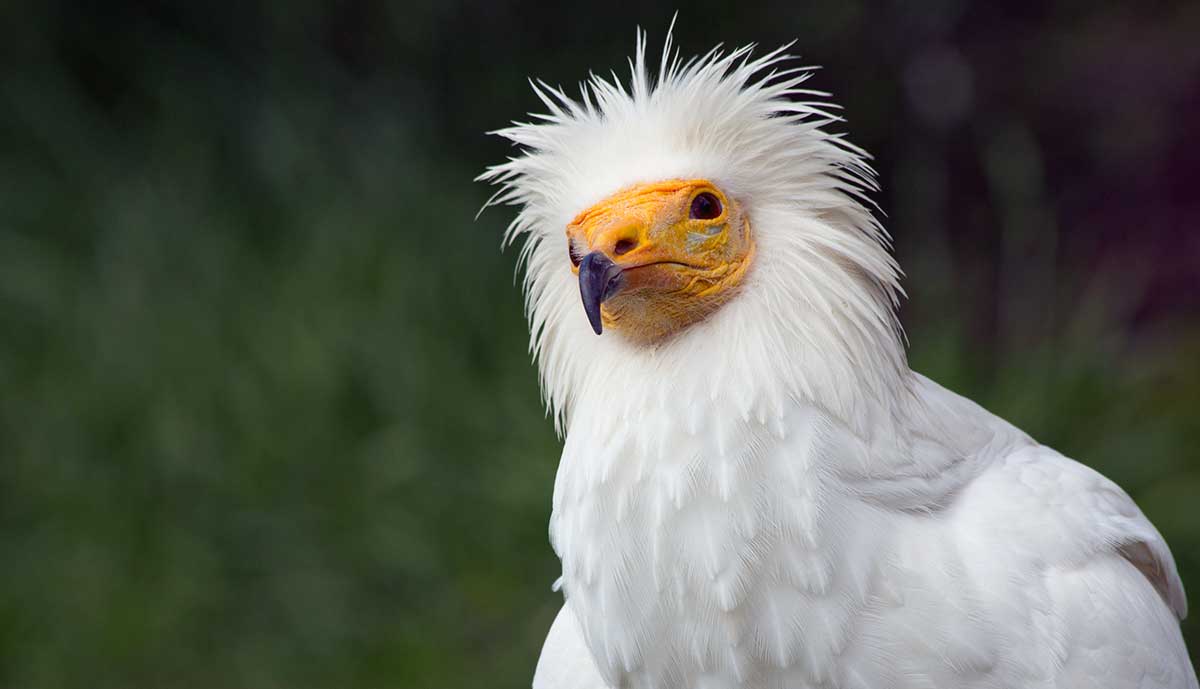
The purpose of the myth was to explain the existence of certain species of birds. The Aegypius and Neophron are two species of vultures, while Bulis and Timandre turned into a heron and a tit, respectively. The story also specified that this is why these birds are never seen together. Antoninus cited that the story came from the Hellenistic author Boeus in his Origin of Birds.
Meropis
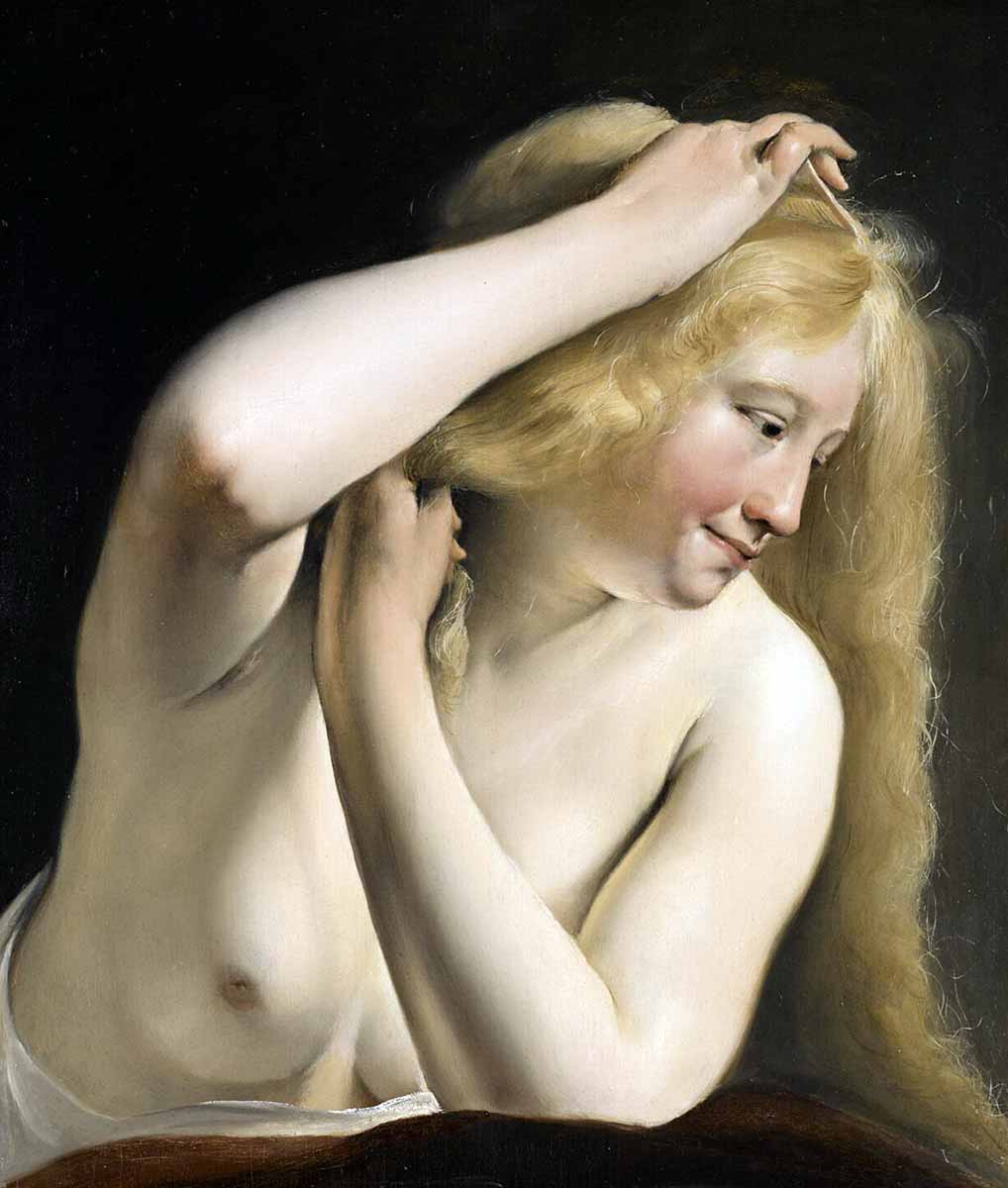
Another story preserved exclusively by Antoninus is that of Meropis. They lived on the island of Cos and only worshiped the goddess Gaia, ignoring all the others. When they were invited to go to feasts or rituals for other gods, they would decline and insult the gods. This eventually angered Athena, Artemis, and Hermes. They disguised themselves as two young girls and a shepherd to confront Meropis and her family. They invited Meropis and her sister to a ritual for Artemis and Athena, and invited her father and brother to a festival for Hermes. When Meropis heard Athena’s name, she insulted the goddess. Athena then turned Meropis into a small owl and her sister into a “leucothea,” which is a type of seagull. When the brother and father heard what happened, they tried to attack and insult Hermes, who turned them into a plover and a long-eared owl.
This type of story showed what happened when devotion to one god led to neglect of the others. Generally, this neglect was unintentional, but this story makes it an active choice on the part of Meropis and her family, to the extent where they even insult the gods. The metamorphosis is sort of an ironic punishment. Where once they scorned the gods, now they are symbols and servants of them.
The Thieves
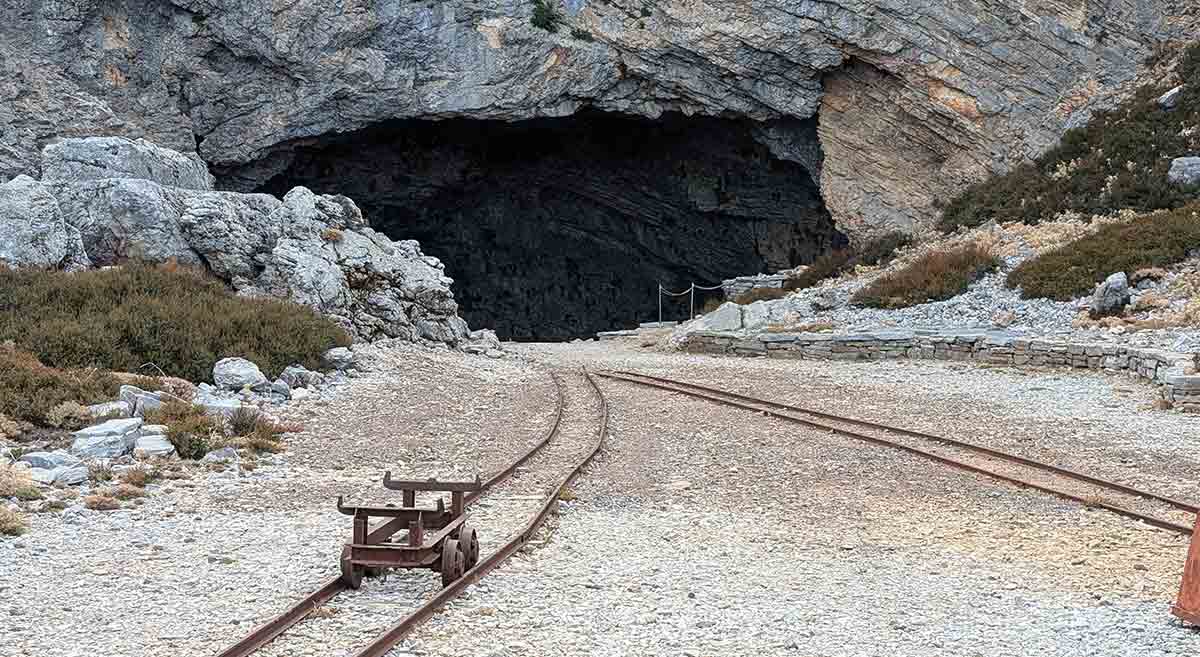
In another unique stort, The Thieves were named Laius, Celeus, Cerberus, and Aegolius. They trespassed in a sacred cave in Crete that was said to be where Rhea gave birth to Zeus. In this cave was a colony of bees that were nurses to the infant Zeus, and once a year, a great fire would be seen coming from it.
The thieves went to the cave to gather the bees’ honey, covering themselves in bronze to protect themselves. When they saw Zeus’ swaddle, their armor split open. Zeus was about to strike them with thunder, but was stopped by Themis and the Fates. Spilling blood caused a pollution called miasma, and to spill blood in a sacred space was an even bigger offense. Instead, Zeus turned them all into birds: the blue rock thrush, woodpecker, kerberos, and aigolios owl. This myth served an aetiological purpose, to describe the origin of certain birds, but also to show the consequences of crossing certain sacred boundaries.
Why Metamorphosis?
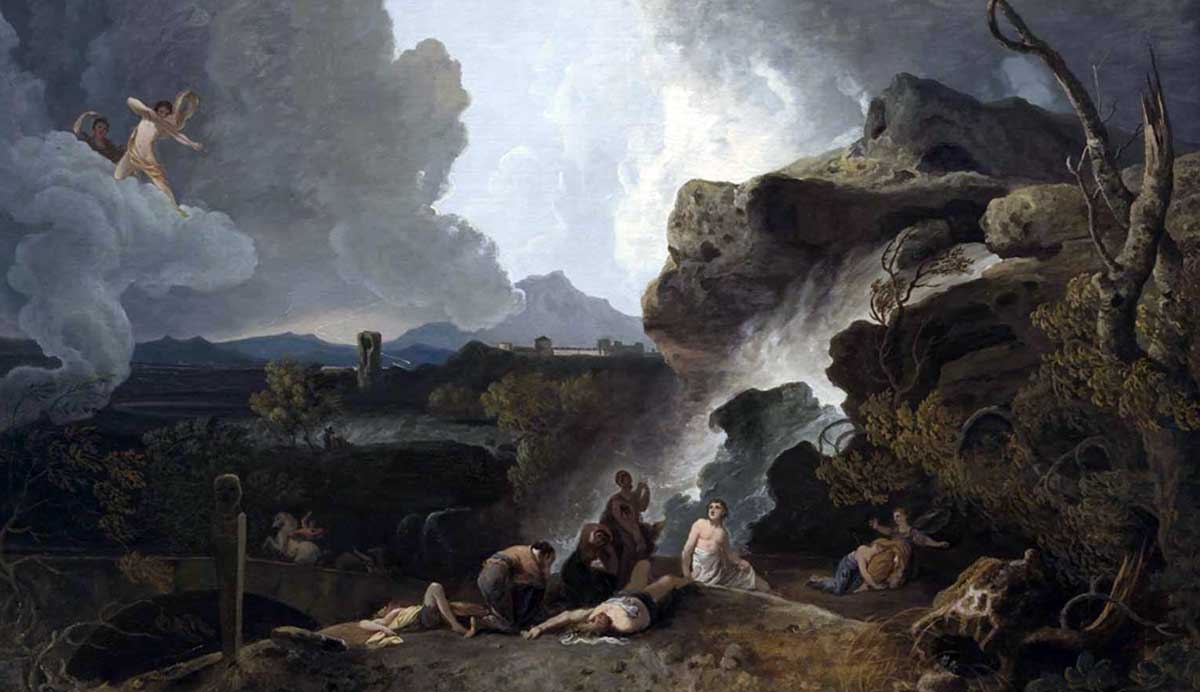
In these stories, we can see that metamorphosis was not always a punishment. They served to dramatize the crossing of social and cultural boundaries. As was the case with Aegypius, the metamorphosis was a type of salvation, sparing him in a moment of great trauma. The social scandal is wiped clean by their transformation into birds.
For Meropis, the transformation is narratively a punishment, but it is also a reintroduction into the social and religious community. Where before they were neglectful of the gods, now they are part of the divine order. In The Thieves, the transformations were an enforcement of a sacred boundary.
In Antoninus’ version of the Cephalus and Procris story, the metamorphosis served to immortalize the excellence of both the fox and the dog. One could not be caught, the other could not be outrun. For both of these things to remain true, they were turned to stone.
Antoninus Liberalis did not set out to create an expansive narrative or grand work of poetry like Ovid. Instead, he gave us a collection of traditional myths with far less of the motivation or moralizing usually present in those types of stories. Antoninus Liberalis may unfortunately live in the shadow of Ovid, but that doesn’t diminish the value of his contribution to our understanding of Greek myth and the theme of metamorphosis. Ovid became part of the Western canon for his literary achievement, but Antoninus shows us just how far back that tradition reaches.
Sources
- Forbes Irving, P. M. C. (1990). Metamorphosis in Greek Myths. Clarendon Press.
- Liberalis, A. (2015). The Metamorphoses of Antoninus Liberalis (F. Celoria, Trans.). Routledge.
- Ovid. (2005). Metamorphoses (C. Martin, Trans.; 1st ed). W. W. Norton & Company, Incorporated.