





Simon holds a PhD in Philosophy and is the co-founder of the Albert Camus Society. Over the past twenty years he has worked helping to develop public interest in philosophy, philosophical literature, and theatre. His areas of special interest include Camus, Nietzsche, existentialism, absurdism, and mythopoesis.
Education
PhD Philosophy — University of Southampton, 2024
MPhil Philosophy — Lampeter, University of Wales Trinity Saint David, 2009
BA Philosophy — Lampeter, University of Wales Trinity Saint David, 2003
Areas of Expertise
What Is “Worthiness” According to Thomas Hobbes?
After the English Civil War, Thomas Hobbes wanted to prevent a similar catastrophe from reoccurring. So, he challenged how we define the “worthiness” of leaders.
The 18th-Century Economic Allegory So Scandalous It Was Declared a “Public Nuisance”
The Fable of the Bees is an early economic allegory that shocked people so much they wanted it banned.
Why Did Nietzsche Hate Popular Music?
Nietzsche was an elitist with regard to music and people. He wanted to keep music pure, which meant keeping it away from the masses.
Explaining the Profound, Cosmic Infidelity in Camus’s “Adulterous Woman”
How are we to understand Camus’s short story The Adulterous Woman and how does she relate to Camus’s position on the French-Algerian settlers?
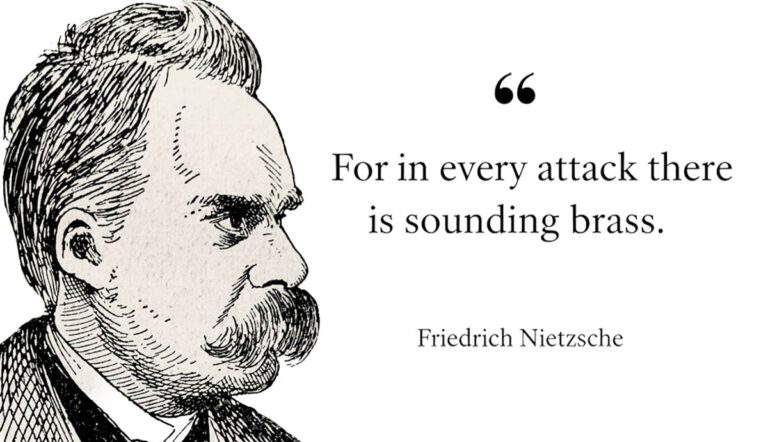
Nietzsche’s Riddle: Why Did Zarathustra Credit “Sounding Brass” for His Greatest Victory?
Nietzsche’s most important idea, from his most important work, rests on the idea of ‘sounding brass.’ No one knows for sure what it means.
Is It Wrong to Be a ‘Moral Saint’? Susan Wolf’s Case Against Moral Perfection
Susan Wolf argued that moral sainthood, i.e., striving to be morally perfect at all times, is undesirable. But why?

Who Says It’s Art? The Institutional Theory of Art
The institutional theory holds that pieces we call art are artifacts of a kind, created to be presented to the public.
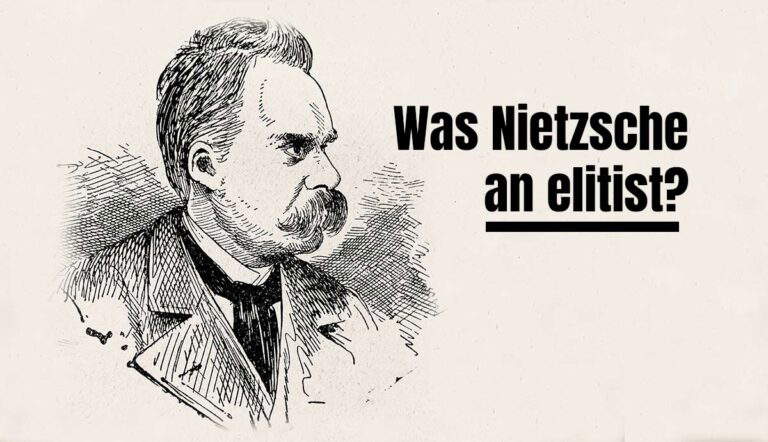
A Look Into Nietzsche’s Elitism and Anti-Education
Nietzsche believed that only potential geniuses should be educated and that everyone else should be denied an education.
What Is the Difference Between Literary Philosophy & Philosophical Literature?
Making a distinction between literary philosophy and philosophical literature helps us understand how best to read particular kinds of philosophical fiction.
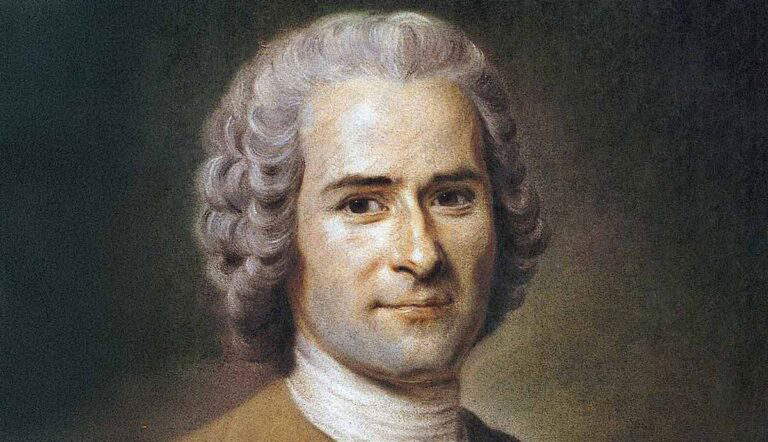
Why Did Rousseau Believe That Civilization Made Us Unequal?
Rousseau argued that civilization itself is the cause of human inequality. Was he right?
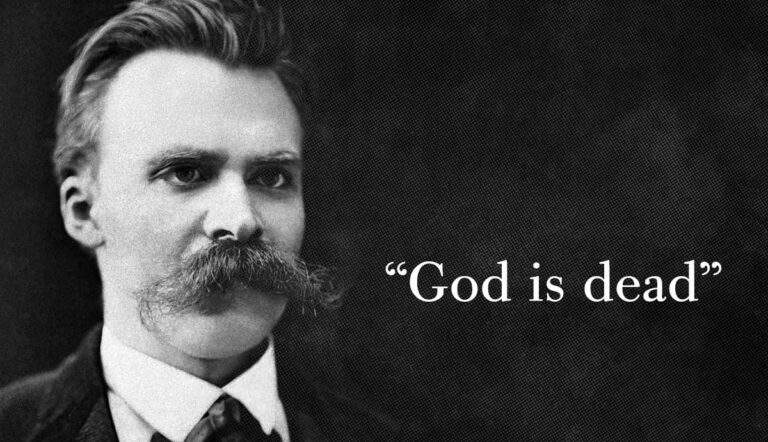
Why Nietzsche’s Claim That “God Is Dead” Is Misunderstood
In The Gay Science, Nietzsche talks about the death of God. What did he really mean by this?
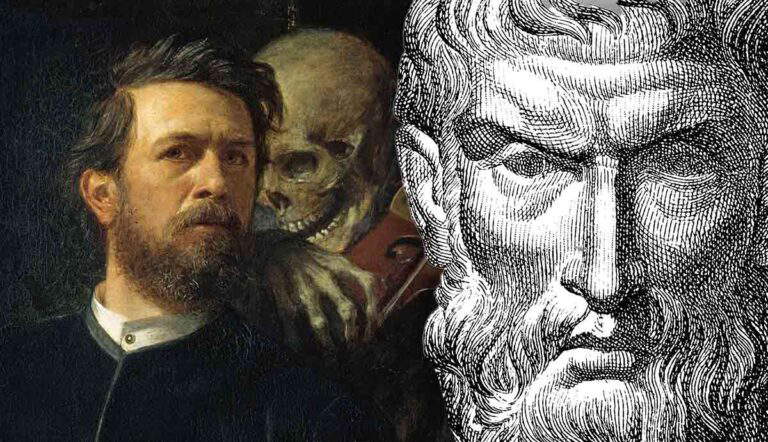
How Epicurus Overcame the 4 Main Worries of Life
Epicurus reframed pleasure as the absence of pain, and fear as needless. Learn about the tetraphrmakos, the antidote Epicurus proposed to the four great worries of life.