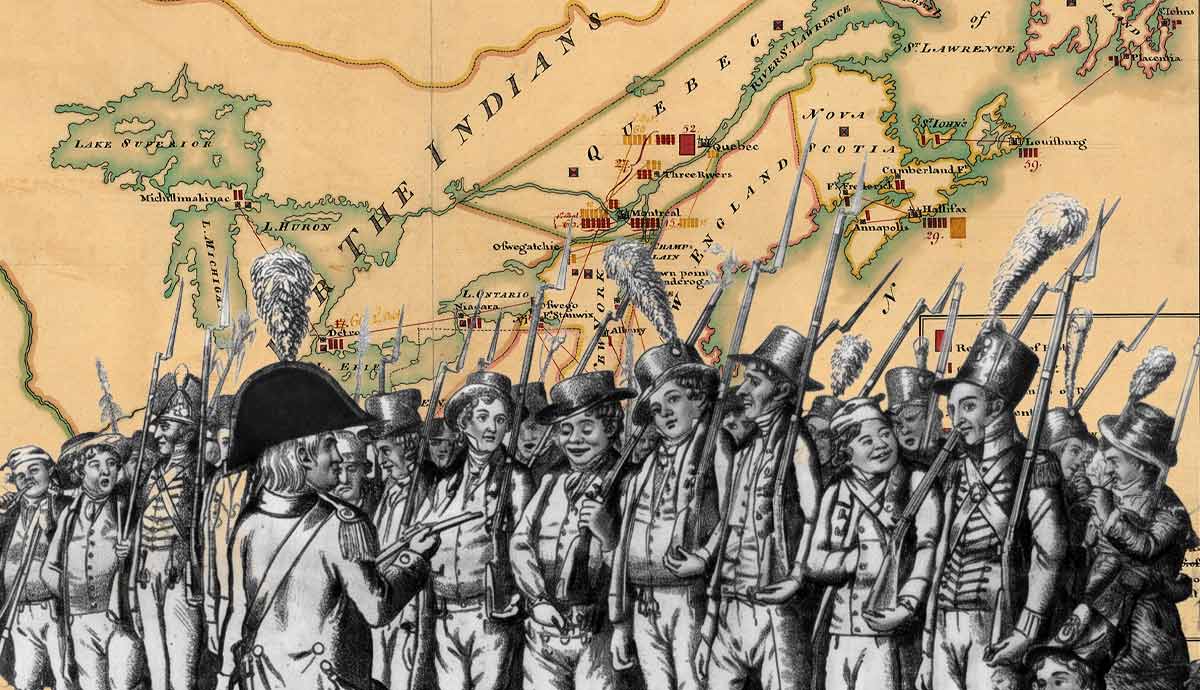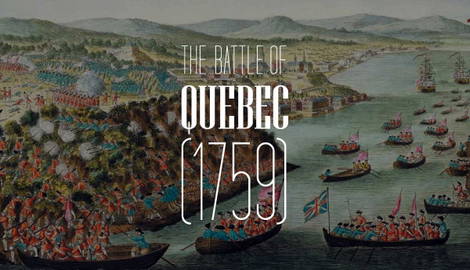

On the morning of September 13, 1759, British and French troops faced each other on the Plains of Abraham outside Quebec City. The main fighting lasted barely fifteen minutes, yet it killed both commanders, James Wolfe and Louis-Joseph de Montcalm, and sealed the fate of French Canada. The clash was the climax of the Seven Years’ War in North America, the result of years of imperial rivalry and frontier warfare. Within four years, France had lost Canada, Britain controlled the continent east of the Mississippi, and the road to the American Revolution lay open.
The Seven Years’ War as a Global Struggle
The Seven Years’ War is sometimes described by historians as history’s first world war. It pitted Britain and its allies against France, Austria, and their respective coalitions across battlefields in Europe, Asia, Africa, and the Americas. Fighting erupted on multiple continents at once, with theaters stretching from the Indian subcontinent to West Africa and the Caribbean.
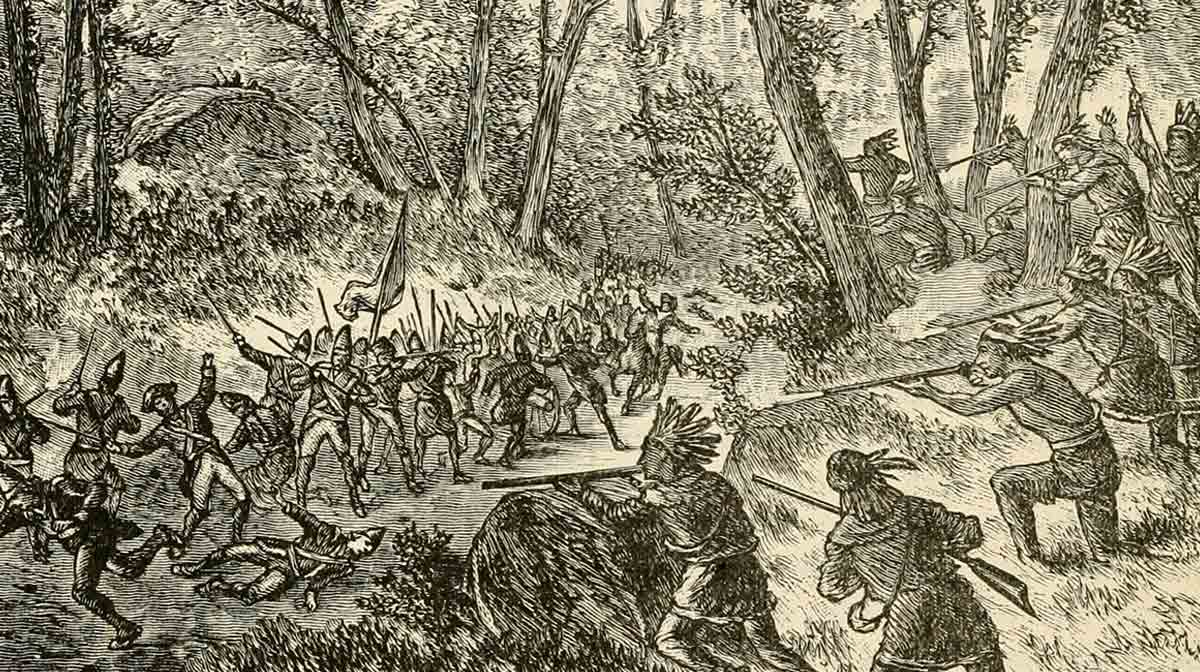
In North America, the conflict had actually begun roughly two years before war was declared in Europe in 1756. Bitter disputes over the Ohio Country and westward colonial expansion pitted British colonists against French traders, soldiers, and their Indigenous allies. This North American phase, often called the French and Indian War, saw early French successes, including the destruction of General Braddock’s expedition in 1755. It took several years before the British weight of numbers could make an impact.
The powerful British minister William Pitt (the Elder) recognized North America’s immense strategic importance and committed substantial resources to destroying the French colonies there. He funneled money and troops into the American theater. This bold commitment set the stage for the ambitious campaign against Quebec, the political and military heart of New France.
The Road to Quebec
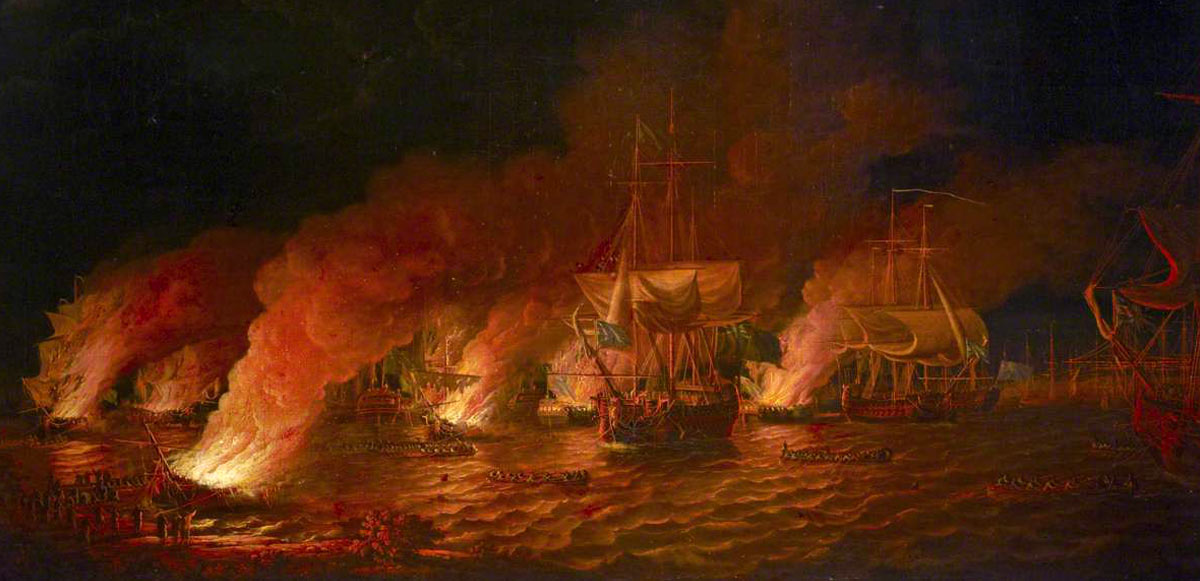
By 1758, British forces had begun a slow inexorable advance towards Quebec. They captured French strongholds at Fort Duquesne and Fort Frontenac but the main success was at Louisbourg, which protected the entrance to the Saint Lawrence River, the gateway to Quebec. Montcalm’s victory at Fort Carillon that July was a rare French success in an otherwise grim year. The French defenses were eroding all along the frontier, leaving Quebec isolated and vulnerable to a concerted offensive. Along the border French troops were forced to retreat in order to avoid being cut off.
General James Wolfe took command in 1759, leading an expedition against Quebec. The Saint Lawrence was charted by James Cook, then master of HMS Pembroke, whose surveys helped guide the fleet upriver. The French under Marquis de Montcalm remained on the defensive as a larger proportion of his force was made up of irregulars. He also had the benefit of numerous fortifications and redoubts.
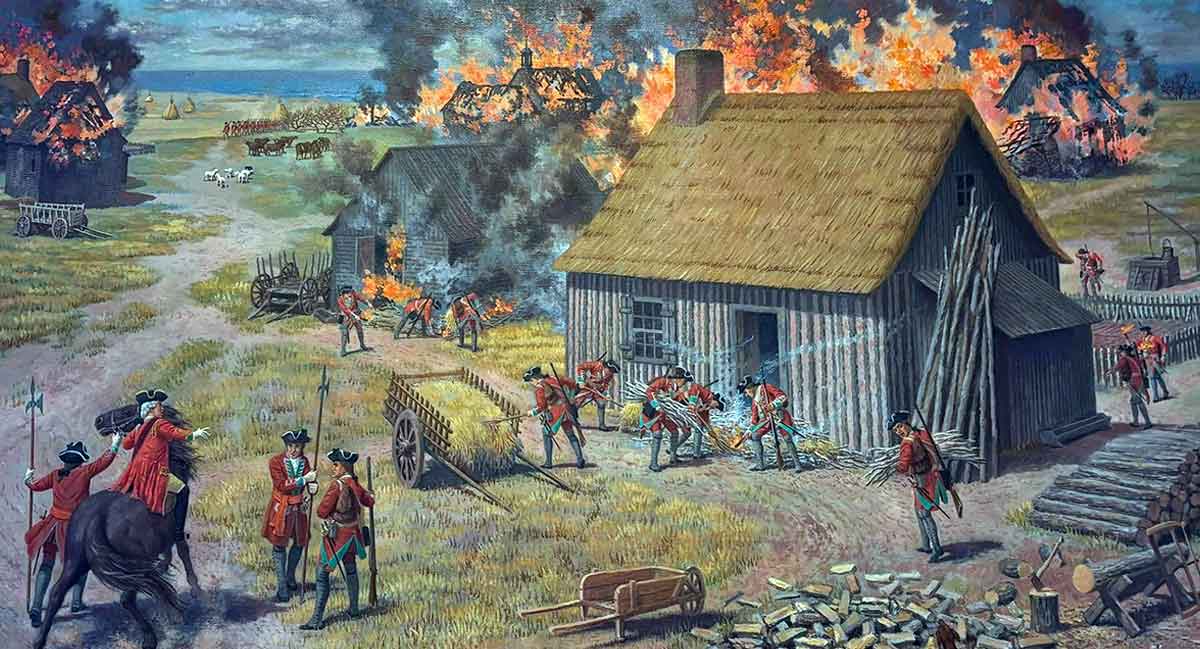
Steep cliffs and the St Lawrence River ensured that Quebec had excellent natural defenses. But it also had extensive fortifications guarding its approaches, gun batteries and earthworks. The French concentrated their forces downstream of the city, and a British landing near Beauport on July 31 was repulsed with heavy casualties. Weeks of stalemate followed with a frustrated Wolfe ordering the destruction of French villages in an effort to entice Montcalm out. Disease ravaged the British camp, even forcing Wolfe into a sickbed.
The Siege and Wolfe’s Gamble
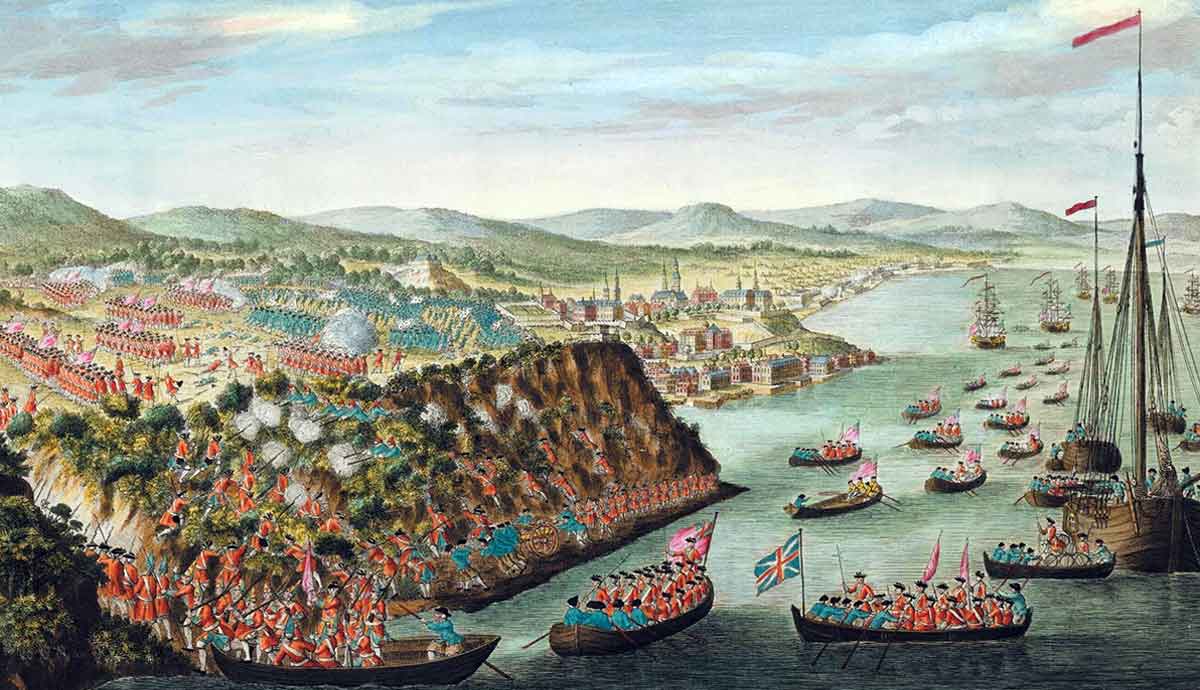
Montcalm recognized that time favored the French. The British had to take the city before winter or they would be forced to withdraw. Destroying French settlements did reduce the supplies available but they failed to lure Montcalm out into the open. Having already lost a few hundred soldiers at Beauport, Wolfe was in no rush to repeat an attack downriver of Quebec. Desperation forced him to consider an attack upriver. If successful, Montcalm would have no choice but to fight as the British would be between him and his supply lines from Montreal. Wolfe felt he had no choice as otherwise he would be forced to abandon the expedition.
The location chosen was Anse-au-Foulon, an area of steep cliffs below the Plains of Abraham, less than two miles from the city. The British would have to sail past the city to reach it. An advance party would land at night and seize the gun battery there in preparation for the rest of the army. The British could then deploy on the plateau and engage the French in battle. Some French officers had expressed concerns about this potential vulnerability, but French commanders judged a serious attack upriver unlikely and kept their strength east of the city, leaving only a small post under Captain Louis Du Pont Duchambon de Vergor to watch the Foulon.
The Battle of the Plains of Abraham
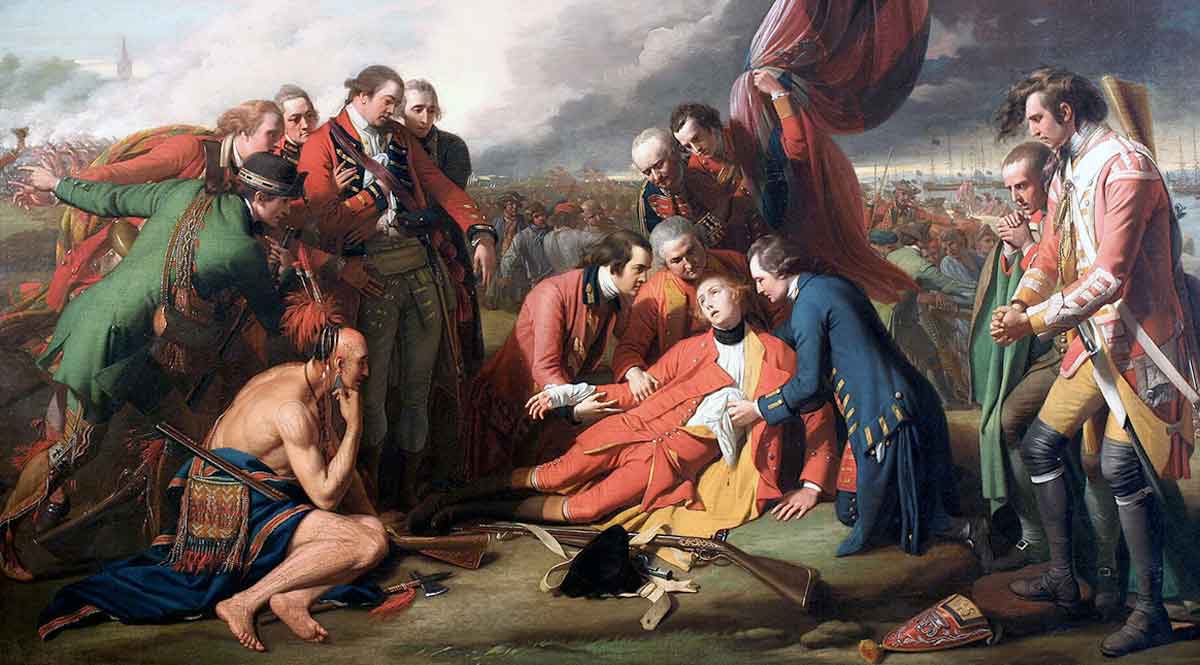
French sentries noted boat traffic on the river but confused them with an expected French supply convoy. The cliffs were climbed and the French guard post was stormed in the early hours of September 13, 1759.
By sunrise the British were already in position on the Plains of Abraham, west of the city. The shocked Montcalm was forced into hasty action, choosing to attack the British rather than wait to coordinate an assault with his forces to the west. He deployed to meet the British in the traditional way, in line and column, despite the fact much of his force was made up of colonial militia more suited for irregular frontier warfare.
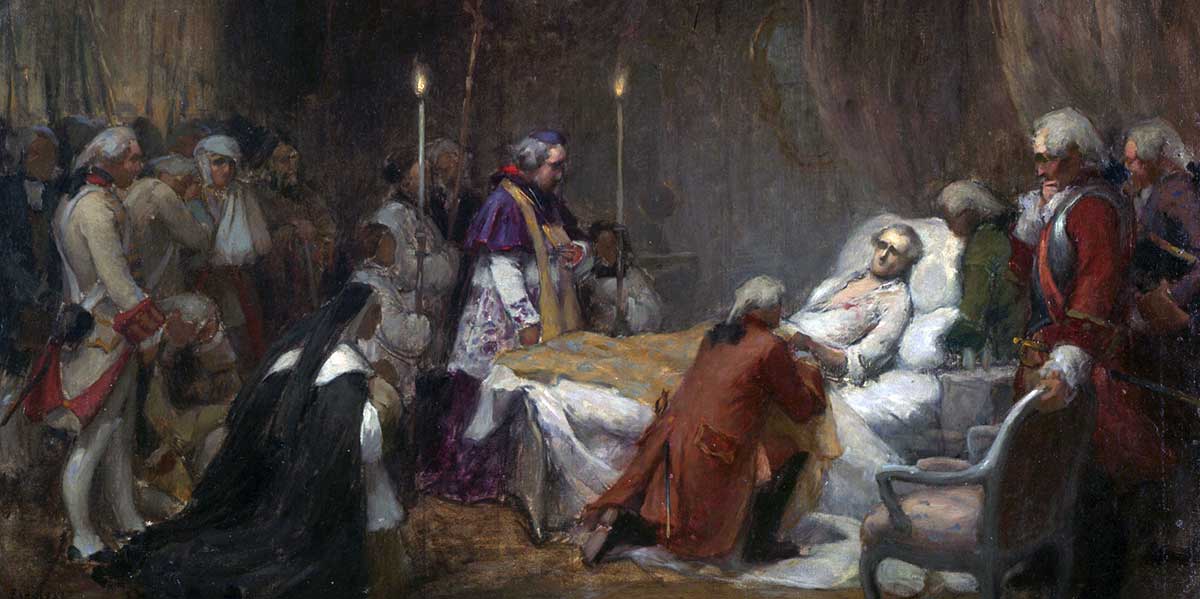
They met disciplined volleys of musketry from British regulars. The sporadic French volleys succeeded in killing Wolfe but the French troops broke, fleeing back towards the city. With Wolfe dead and Monckton wounded, command passed to George Townshend as the British pursued the fleeing French, taking heavy casualties from Canadian militia firing from the woods. Montcalm was mortally wounded during the retreat and died the following morning. The British laid siege to the city while French forces outside retreated westward, leaving the garrison to its fate.
Quebec Surrenders
Chaos reigned after the battle as both sides had lost their commanders but the British were the first to recover. Quebec surrendered on September 18, but the British fleet was forced to withdraw with the coming of winter, leaving a garrison under James Murray to hold the city. Despite being seen as the symbolic end of New France, the British were lucky not to lose the city the following spring when a locally superior French force won the battle of Sainte-Foy and besieged the city.
Strategic concerns outside North America decided the fate of the city. British naval superiority prevented any meaningful French fleet or reinforcements from Europe. The French forces in North America would have to fight on alone.
French tactical and operational success could not counter British success elsewhere. Superior weight of numbers and a better logistics chain meant any victory achieved was only a temporary setback. French colonists numbered in the region of 70,000 while as many as 1.5 million British settlers were in North America. By 1760, barely 3,000 French troops faced off against a British force of 18,000 at Montreal. Their surrender saw the end of the fighting and the fall of New France.
Long-Term Consequences for North America
The Treaty of Paris formally ended the conflict in 1763 with France ceding Canada and its lands east of the Mississippi to Britain, while western Louisiana had already passed to Spain, leaving France only the islands of Saint-Pierre and Miquelon off Newfoundland. This ended more than 150 years of French rule in Canada, dating back to the founding of Quebec in 1608. British authorities had already begun the expulsion of the Acadians from the Maritime colonies in 1755. At the peace talks, France chose to recover its lucrative Caribbean sugar islands of Guadeloupe and Martinique rather than fight to keep Canada. For the French-speaking population remaining in Canada, British rule brought profound and genuinely lasting change, eventually shaping a distinct cultural divide in Canada that still persists today.
The acquisition of New France granted vast new territories to Britain and seemingly secured its presence in North America. However, it removed the omnipresent French threat that had forced the American colonies to rely on British military protection. This new sense of security emboldened colonists, with resentment over taxation and governance festering. These tensions would culminate in the American Revolution little more than a decade later.