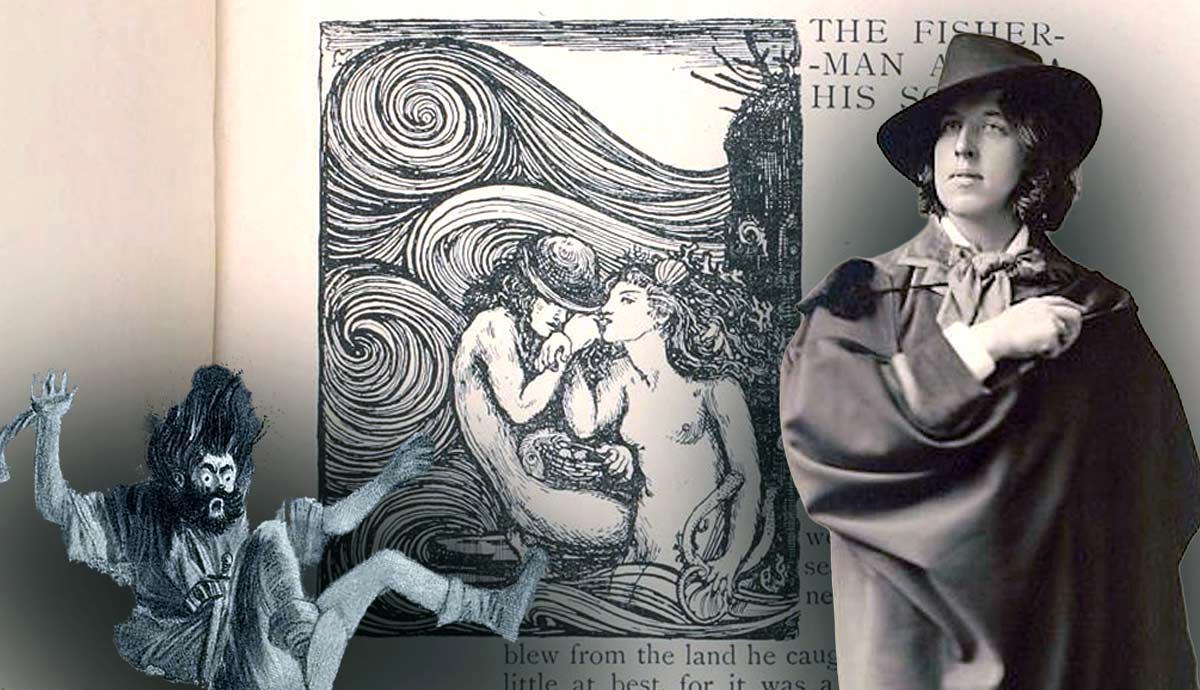
Supernatural elements were foundational to Gothic literature. Adding ghosts to Gothic tales linked them back to ancient and religious beliefs about souls and the afterlife. Gothic writers also experimented with form and perspective to develop psychological depth in their ghost stories. By rooting the supernatural in recognizable and domestic settings, other writers sought to shock the reader and create profound unease. The writers of these five tales are heralded as some of the greatest writers of ghost stories in English.
| Story and author | Year | Why it is influential |
|---|---|---|
| Wuthering Heights — Emily Brontë | 1847 | Opens with a memorable supernatural encounter that intensifies the novel’s Gothic atmosphere. |
| The Signal-Man — Charles Dickens | 1866 | Combines supernatural dread with modern technology, railway accidents and psychological realism. |
| The Canterville Ghost — Oscar Wilde | 1887 | Reimagines the ghost story as comedy, portraying a ghost who needs compassion rather than simply inspiring fear. |
| Lost Hearts — M. R. James | 1895 | Establishes key elements of the classic Jamesian ghost story: an innocent observer, scholarly and historical detail, and gradually escalating supernatural horror. |
| The Turn of the Screw — Henry James | 1898 | Uses an unreliable narrator and psychological ambiguity to make readers question whether the supernatural events are real. |
1. Wuthering Heights (1847), by Emily Brontë
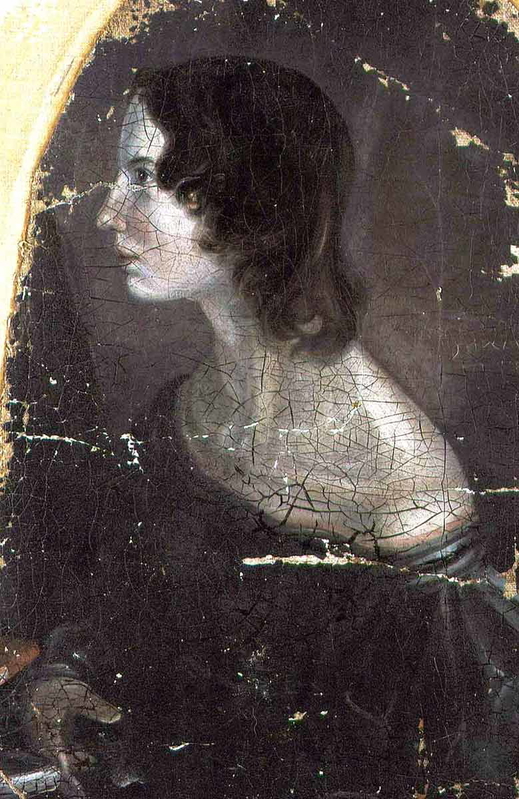
Emily Brontë’s Gothic masterpiece is remembered for its tempestuous lovers, windswept moors, and tragic family drama. However, when creating her novel, Emily Brontë chose to open with a violent and terrifying ghostly encounter. In the opening of the novel, Lockwood (the narrator) spends the night in a forbidden bedroom after being caught in a storm. While there, he reads the name “Catherine” alongside “Earnshaw,” “Heathcliff,” and “Linton,” all carved into the wooden window frame.
As he sleeps, he is awoken by a knocking on the window pane and, thinking it is a branch, reaches out to break it. The reader is then startled to read that Linton’s wrist is grasped by the ice-cold fingers of Cathy’s ghost. Her specter cries that she has been “a waif for twenty years.” The story inspired countless other works of fiction, including the song Wuthering Heights by Kate Bush.
2. The Signal-Man (1866), by Charles Dickens
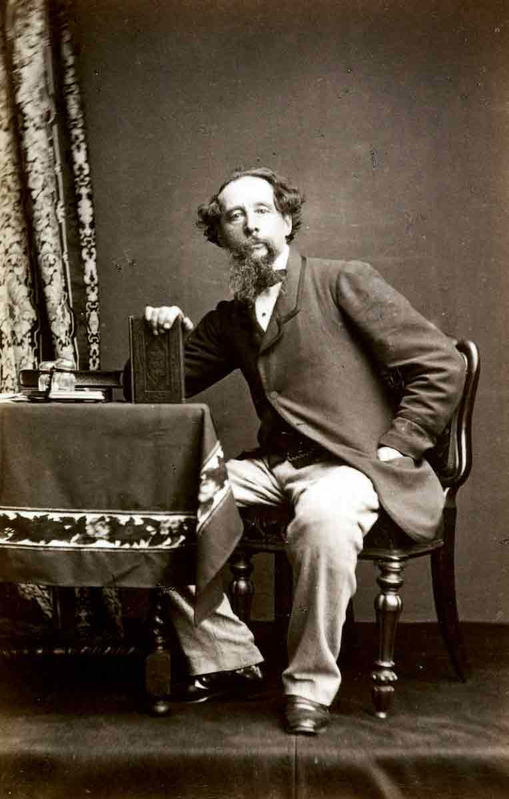
A Christmas Carol is undeniably Dickens’s most famous ghost story, but The Signal-Man is often touted as his most influential, particularly by other writers of the genre. The short story features a ghost who appears three times. Each appearance precedes a terrible accident on the railways. Dickens departed from his usual style of third-person narration to give his story a first-person perspective, further drawing the reader into the unfolding horror.
Another influential detail is Dickens’s knowledge and use of contemporary technology (the steam railways) and the story’s resemblance to real events (the Clayton Tunnel train crash is eerily similar to the first accident). Dickens may also have been inspired by his own brush with death on the railroad. He had been on board during the terrible Staplehurst rail crash, which killed ten or more passengers and injured many others, an incident which left him traumatized. The use of such psychological realism in his ghost story made it one of the most influential of all time.
3. The Canterville Ghost (1887), by Oscar Wilde
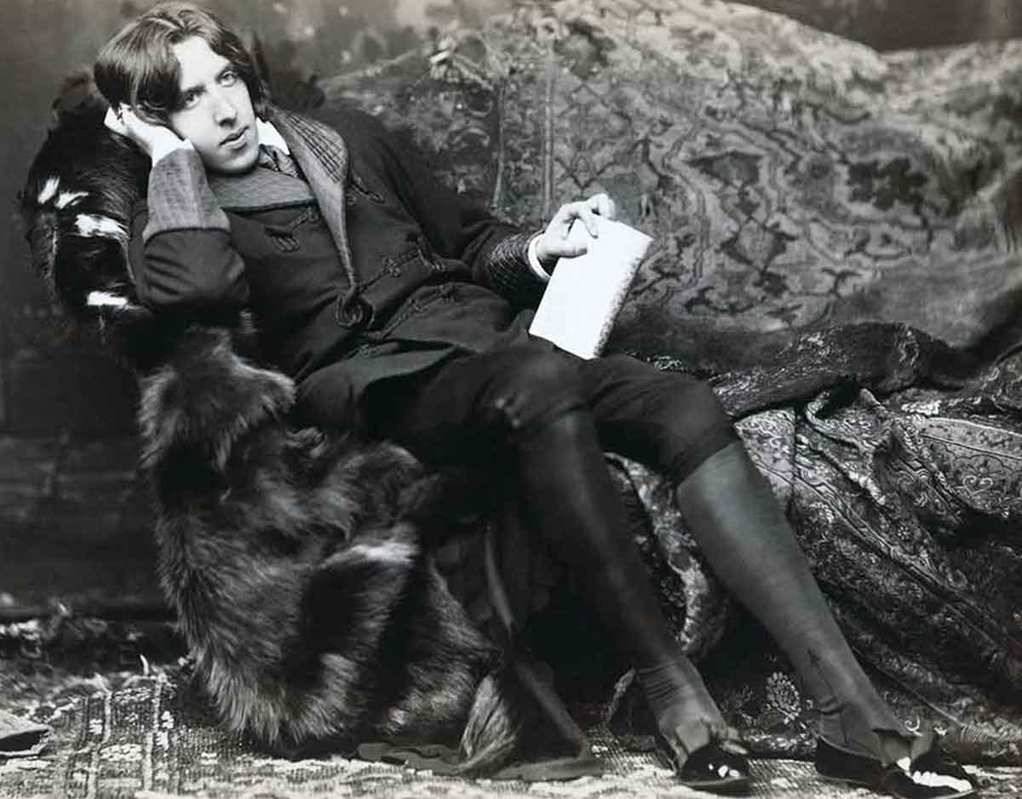
Oscar Wilde created The Canterville Ghost as a humorous short story in 1887. The plot is simple: an American family moves into a haunted English country house. However, the ghost, Sir Simon Canterville, becomes increasingly frustrated when the family fails to find him terrifying. Instead, they begin terrorizing him with pranks. Eventually the ghost learns to move on, and the human family learns some life lessons too.
Wilde’s story may not be as eerie as the others on the list, but it was certainly influential: there have been over 25 productions on film, TV, and radio of the story in multiple languages around the world. Without this story, we may never have had Casper the Friendly Ghost, the BBC comedy Ghosts, and many more tales in which a benevolent spirit is in need of some help.
4. Lost Hearts (1895), by M. R. James
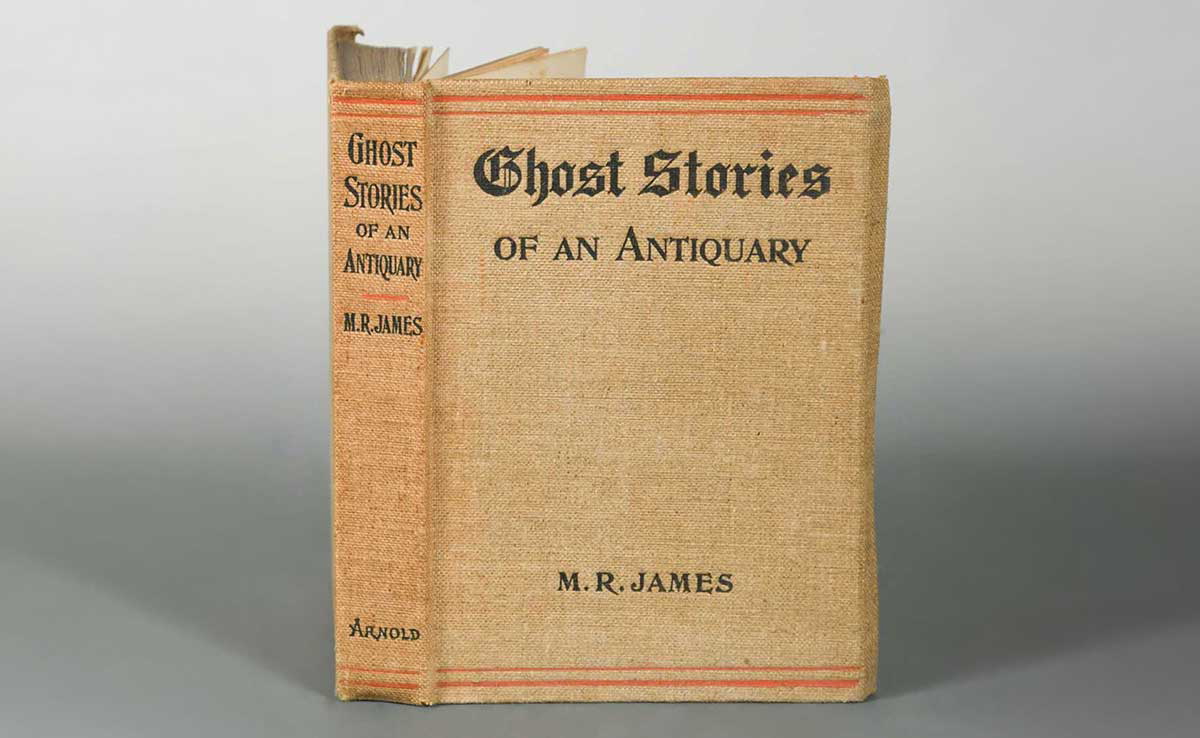
Possibly the most influential writer of ghost stories, M. R. James was said to be particularly pleased with his late 19th-century tale Lost Hearts. It features all the quintessential ingredients of a Jamesian ghost story: a naive narrator witnessing supernatural events; references to antiquity; and shocking horror.
In the story, the narrator, Stephen Elliott, observes his older cousin’s behavior with increasing concern. The cousin, Mr. Abney, is a scholar and occultist whose extensive historical, mythical, and religious knowledge leads him to child murder. The “lost hearts” of the title are a reference to the gruesome vision of two murdered children.
Enriching his tale with his scholarly knowledge lent credibility and fascination to a genre once derided as sensationalist. Later authors such as Sarah Waters and Susan Hill can be seen as directly inspired by the tone and style of James’s stories.
5. The Turn of the Screw (1898), by Henry James
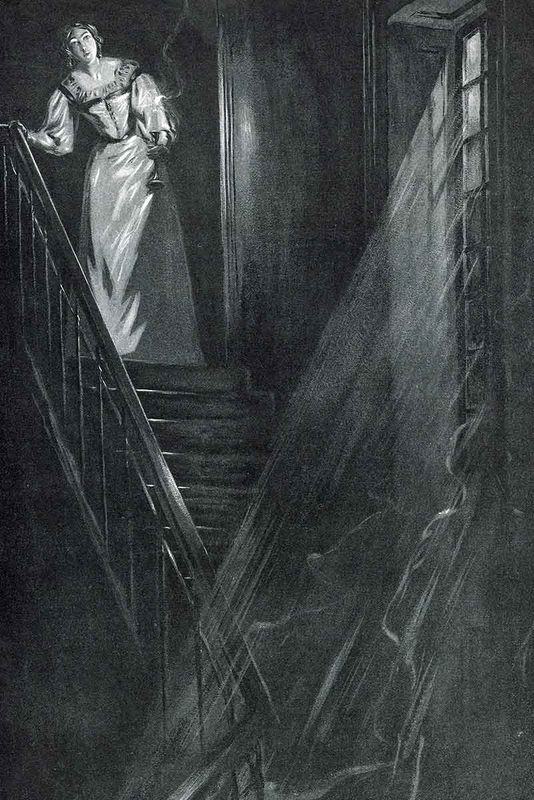
The Turn of the Screw defies easy categorization. Whilst it uses several Gothic characteristics (the country estate, family secrets, supernatural visions), James’s adoption of modern psychology alongside a radical, unreliable narrator means that the story is often hailed as one of the scariest stories of all time. The plot revolves around an unnamed governess hired to look after the orphaned children Miles and Flora.
The governess becomes drawn into the mysteries surrounding the family and is increasingly haunted by the malevolent forces of the former governess (Miss Jessel) and another employee (Peter Quint). Convinced that these spirits are influencing the children to escalating displays of misbehavior, the governess narrates the tale, placing herself as the heroine desperately trying to save the children’s souls.
The tragic finale is chilling in its twist, and the story’s ambiguity was a shocking new development in the history of ghost stories. Admired by Stephen King and Gillian Flynn, contemporary masters of horror and tension, The Turn of the Screw has been adapted for stage and screen countless times both directly and indirectly; it thereby became an archetype for the creepy children ubiquitous in so many of today’s horror films.