
Every language tells the history of the people who speak and write it. The English language is a tapestry, documenting the interactions of English speakers over the centuries with speakers of other languages, from the early influence of the Celts and Anglo-Saxons as they fought for possession of the British Isles to Britain’s occupation of territories overseas. All these interactions have shaped the way we speak and write the English language. One ancient language that has given English hundreds of words is Arabic.
How Did English Gain Words From Arabic?
Unlike the Celtic languages, which influenced English by proximity, as people across the British Isles—especially in Wales, Scotland, the Isle of Man, and Cornwall—passed on or discovered local words for things, Arabic has mostly left its mark on English indirectly.
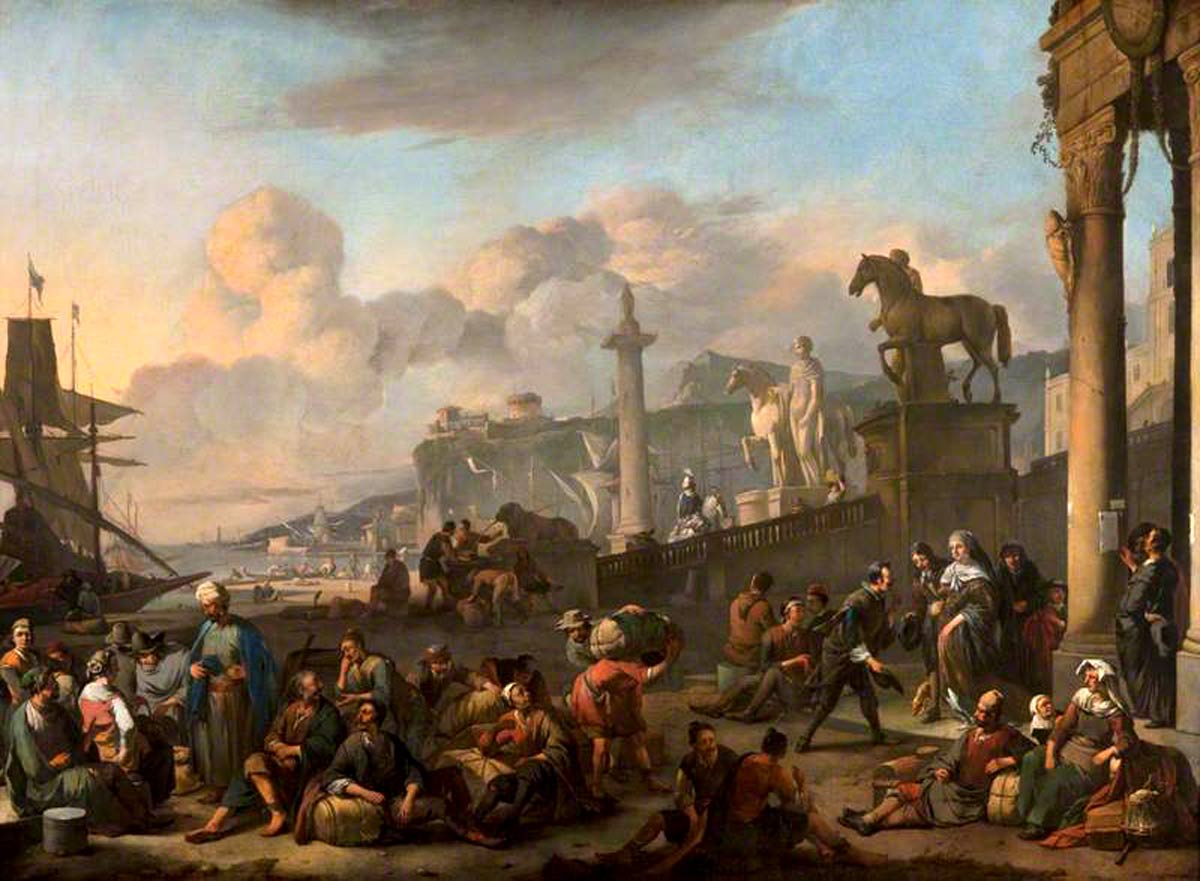
The majority of Arabic-derived words in English came in the medieval era, especially the 12th and 13th centuries, and were passed through Latin-based languages, such as Italian and Spanish. In the merchant ports of the Mediterranean, speakers of these languages would come into contact with Arabic speakers and sometimes adopt their words, altering them slightly on the way. Then, through the English-speaking world’s contact with Europe, these words would make their way into English, sometimes undergoing further alteration.
A second wave of words traveling from Arabic into English is discernible from the 16th century onwards. Some of these are loan words, meaning that they have not been partially translated or undergone alteration. We tend to use loan words for culturally specific things, such as foods (many Arabic words for which have come via Turkey, like couscous, falafel, hummus, and tahini) and religion (for instance, English speakers will be familiar with several words denoting Islamic beliefs and practices).
More often, though, words moved from Arabic into another language, more geographically close to Arabic-speaking parts of the world, before being taken up by English speakers. In many cases, these words enclose intriguing stories about people and places. Here are a few examples.
1. Zero

The history of this word reminds us of the vital influence of the Arabic-speaking world on mathematics. Roman numerals, used in medieval European numerical systems, had no specific word or symbol for zero. Instead, they used the word nulla (none) to express the concept.
Around the early 13th century, we have examples of Western mathematicians borrowing words from the Hindu-Arabic numerical system. Fibonacci, who encountered this system while living in North Africa, used the Latin word zephyrum, which was derived from the Arabic word sifr. This word, which also gives us the English word ‘cipher,’ referred to the concept of emptiness or nothingness.
By the 15th century, the Latin zephyrum had become zefiro and eventually zero in Italian, and zéro in French. From there, it became the English “zero,” first recorded around 1600, although not popularly used for another couple of centuries.
2. Chess
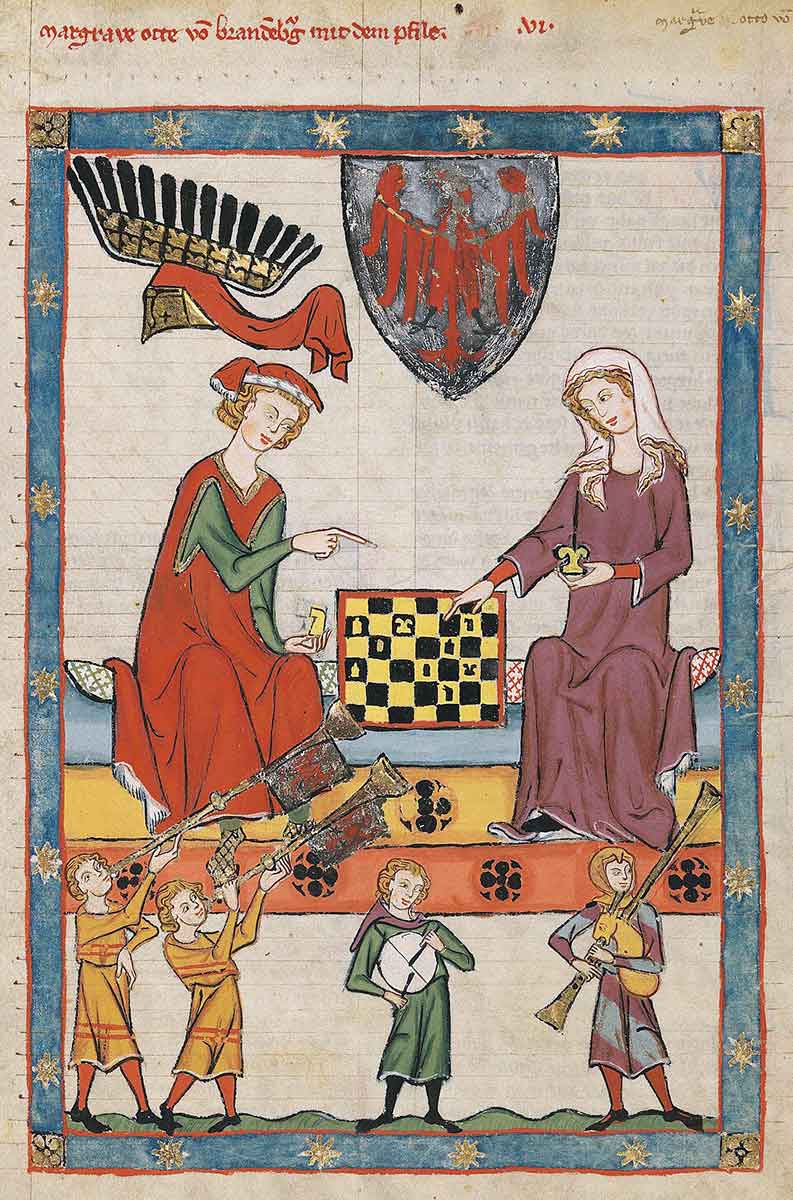
Around the same time that the English-speaking world gained the word for zero from Arabic, it also gained the game of chess. References to chess appear in Persian and Sanskrit texts from the 7th century, while the first chess manual, from the 9th century, was written in Arabic.
This manual refers to the shah, a Persian word denoting both the king itself and the action of putting the king in check. The final h in shah was pronounced more forcefully in medieval Arabic than we would pronounce it in English, leading to a sound more like a ck. Thus, medieval Latinate languages have variants such as the Italian scaco/scaccho (check) and scacchi (chess), the Catalan escachs (chess), and the French eschac/eschec (check) and eschas/esches (chess). (The word for the game remains plural in the modern versions of these languages.)
In medieval Italian, scaco matto was used for the action of taking the king. This came from the Arabic and Persian phrase shah mat, often translated as ‘the king is dead,’ though mat in Persian more accurately signifies that the king is ‘helpless’ or ‘paralyzed.’ Medieval French also used the word mat, which became ‘mate’ in English, giving us the term ‘check mate.’
The word shah ultimately gives us not just the words ‘chess’ and ‘check,’ but another game, ‘checkers,’ as well as related words such as ‘exchequer’ (originally meaning a chessboard, then denoting a patterned cloth used by lords in Norman England for counting revenue) and ‘checkered’ (from the pattern of squares on a chessboard).
3. Magazine
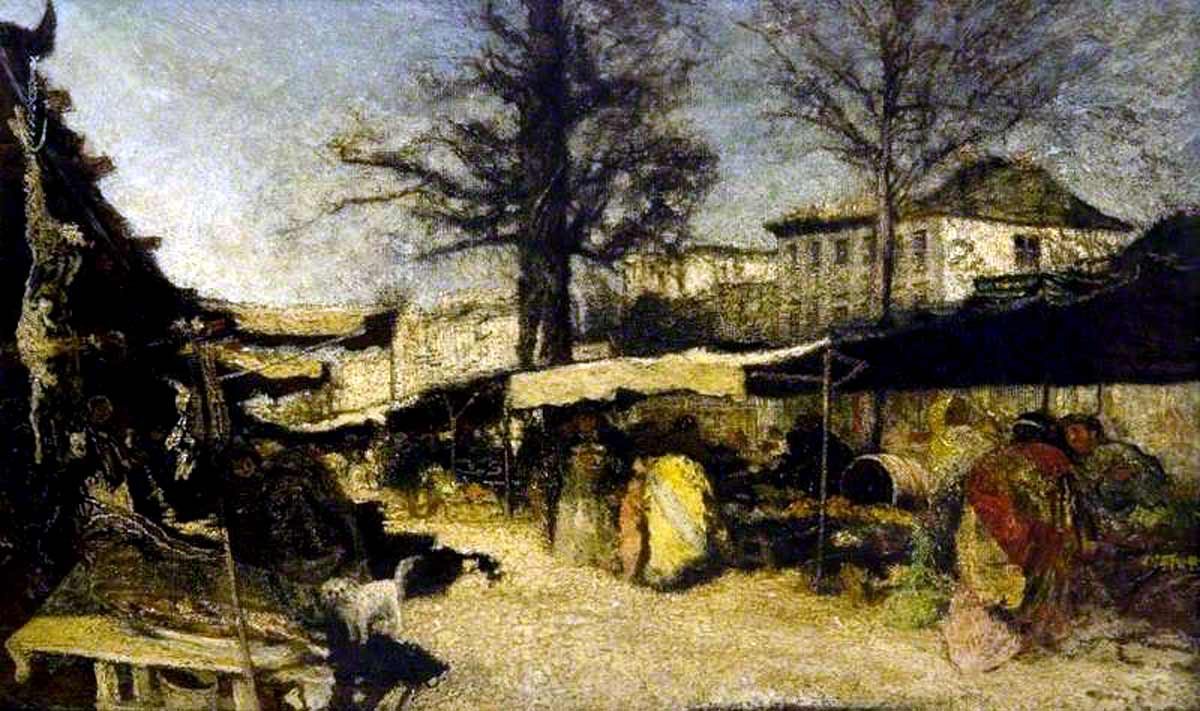
This word reminds us of the history of trade between Arabic speakers in the Middle East and North Africa and speakers of Latinate languages in Mediterranean seaports. Thirteenth-century Latin has the word magazenum, derived from the Arabic makhazin, a noun formed from the verb khazan, meaning ‘to store.’
Magazines, in their original sense, were storehouses, and the Latin word magazenum was found in port towns such as Marseille, Pisa, Venice, and Genoa. When the word entered English in the 16th century, it was initially used to denote a military storehouse or gunpowder depot.
After that, a ‘magazine’ in English was part of a gun: the ‘storehouse’ for bullets. Eventually, this meaning too was superseded by the one we are most familiar with today: ‘magazine’ as a store of written information, originally about military subjects.
4. Assassin
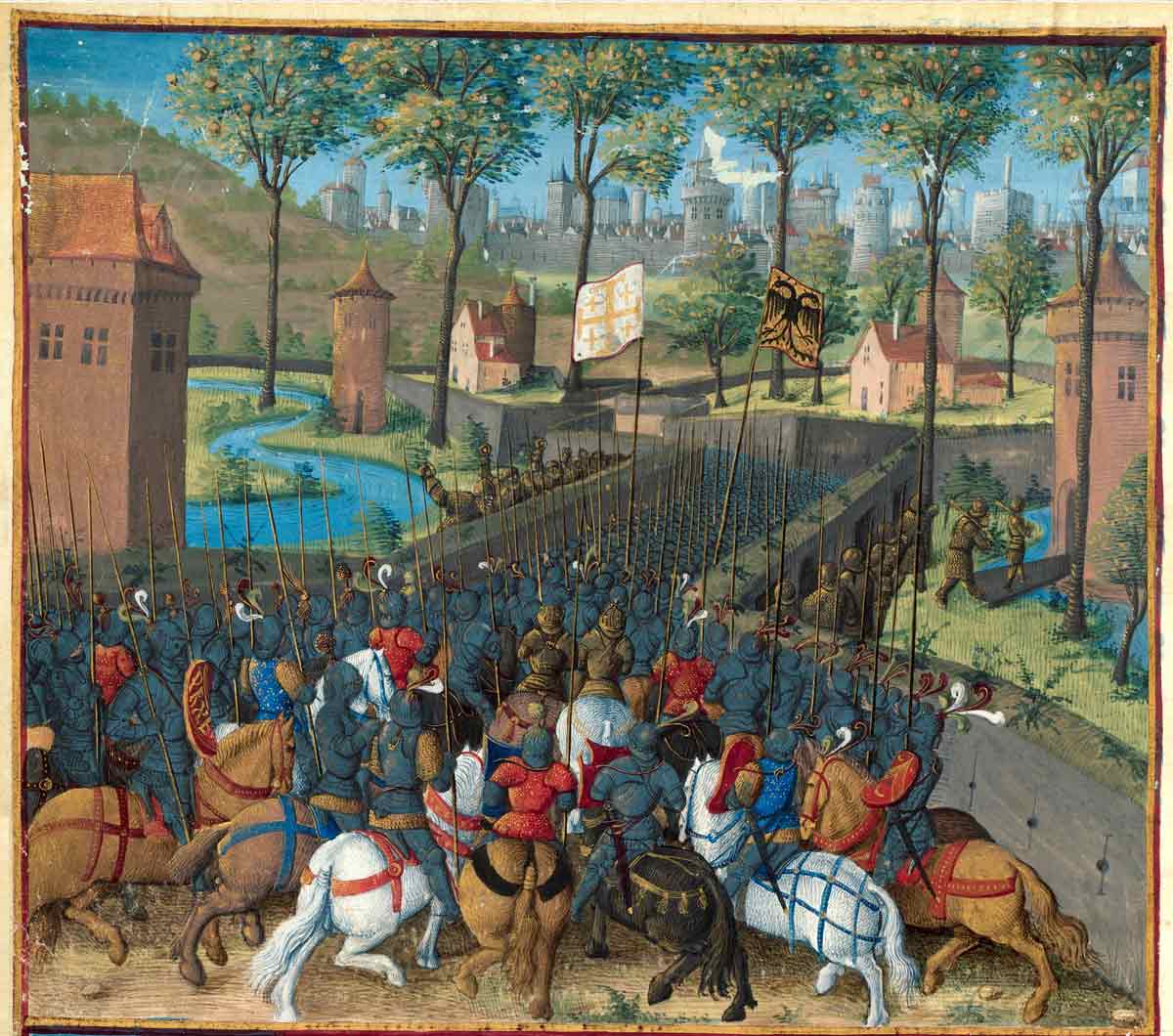
Another military-associated word from Arabic is ‘assassin.’ During the Crusades in the 12th and 13th centuries, Christians traveling to the Arabic-speaking world from the Western world encountered various sects of Islam, including the Nizari Ismaili.
The Nizari Ismailis were mainly based in the Eastern Mediterranean region, where they waged attacks on chiefs of other sects, including the Christians. But it was their attacks on other Arabic-speaking sects that earned them the nickname hashīshīn.
In the stories which subsequently circulated throughout Europe, the hashīshīn got their name because they would carry out their attacks after eating hashish (another Arabic-derived word). However, this seems to have been merely a rumor. What we do know is that the word hashīshīn soon became the Latin Assissini, and, before long, it referred not just to one specific sect, but to any group of professional killers.
5. Sequin
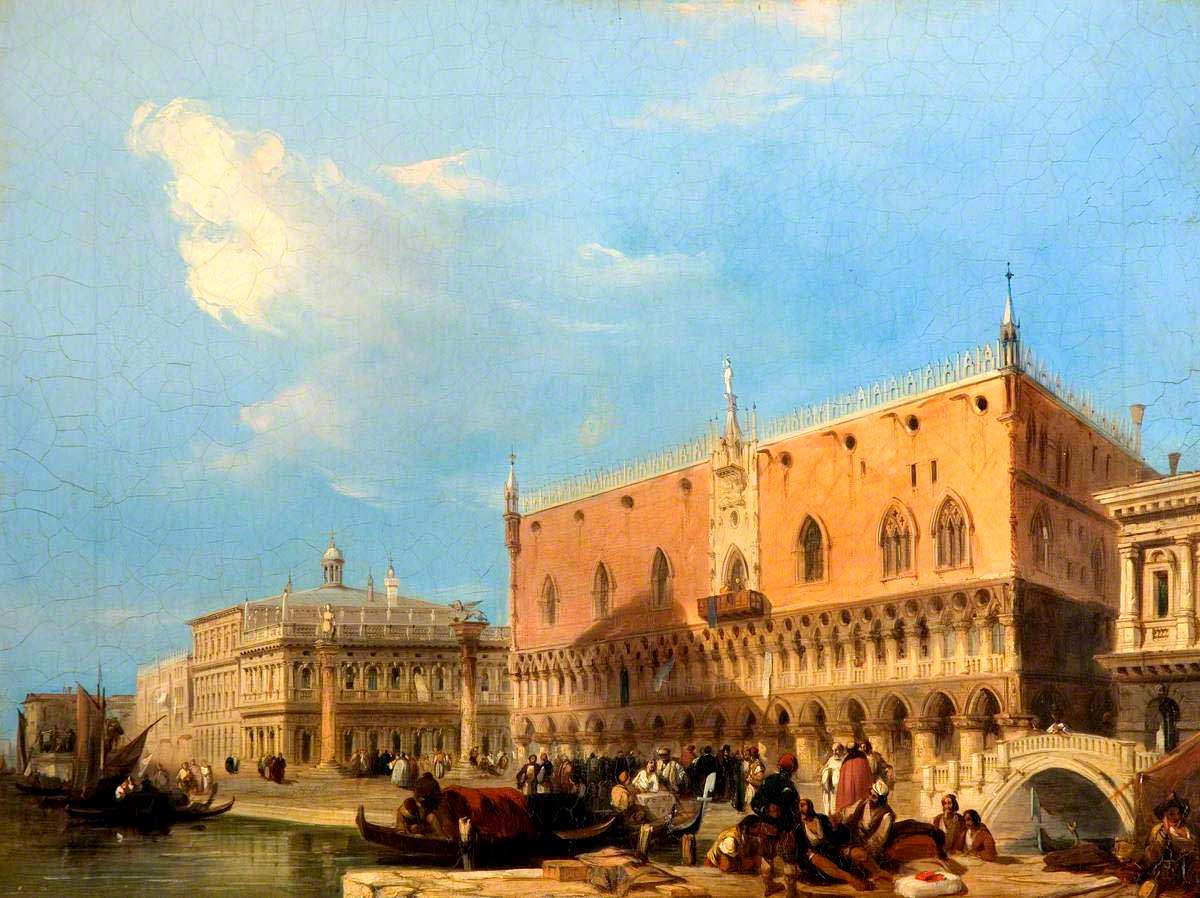
Another word with origins in the history of trade between Arabic speakers and speakers of Latinate languages is ‘sequin.’ In 13th-century Arabic, sikka was a tool for minting coins, and the word came to denote coinage in general by extension. The word appears in a trade treaty between the Republic of Venice and the sultanate of Aleppo in Syria.
Soon enough, Venetians were using their own word, which applied to the mint, the process of minting, and the coins: zecca, and then zecchino, which specifically referred to a gold coin minted in the Republic of Venice.
The zecchino was a key part of the currency of Venice from its introduction in 1284 until 1797, when Napoleon seized control of the city. The word outlived the currency, however, in the more French form ‘sequin,’ which originally referred to coins sewn onto clothing in the contemporary Venetian fashion.
6. Serendipity
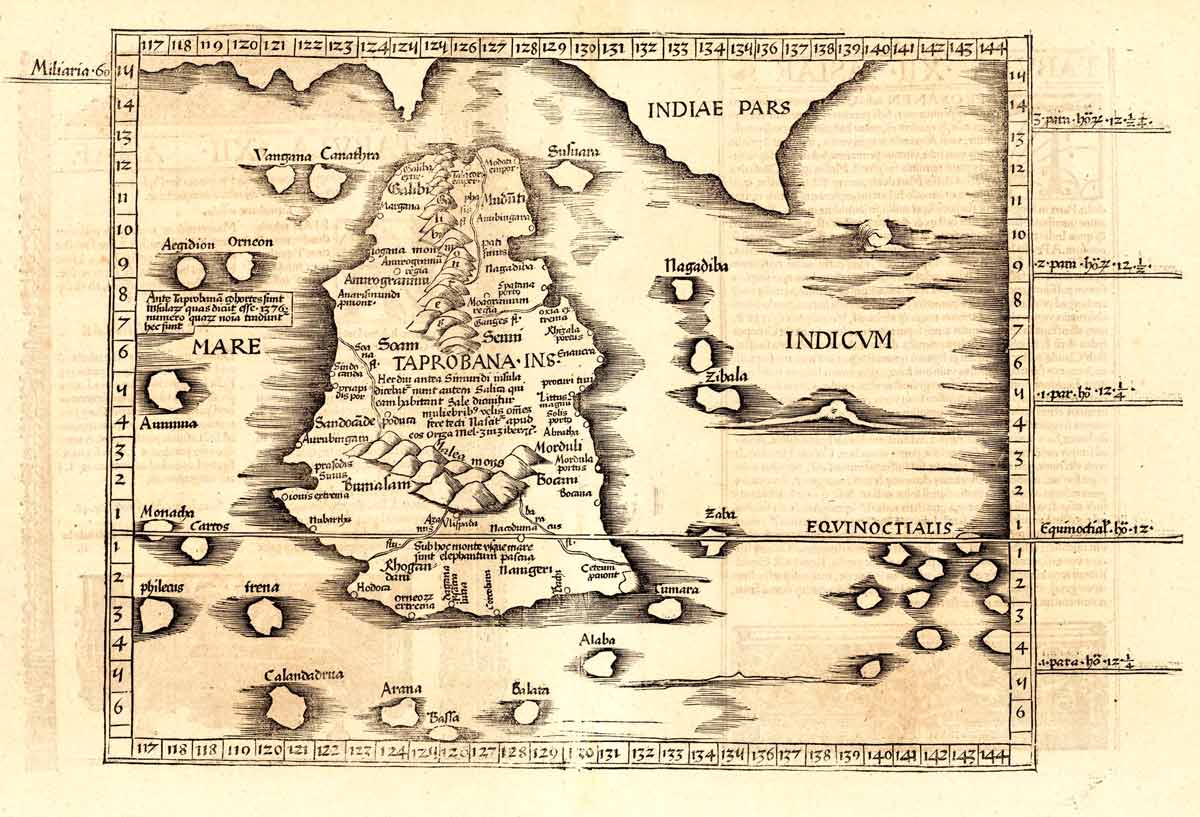
Often counted among the most-loved words in the English language, ‘serendipity’ refers to unexpected good fortune or happy coincidences. This is an example of a word that did not develop over time from an ancient root, like so many of our words, but was more artificially coined, and may even have had a single creator, although he based his word on a pre-existing Arabic term.
Horace Walpole, author of the early Gothic novel The Castle of Otranto, used the word ‘serendipity’ in a letter, claiming to have adapted it from a Persian fairy tale called The Three Princes of Serendip. Serendip or Serendib was the Arabic name for the country known in Walpole’s time as Ceylon, now called Sri Lanka.
Serendib itself derives from a Sanskrit name for the island, which declared that it was the dwelling place of lions. But for Walpole, reading over The Three Princes of Serendip, it gained a new meaning, thanks to the happy accidents and adventures of the protagonists in the tale.
7. Ghoul
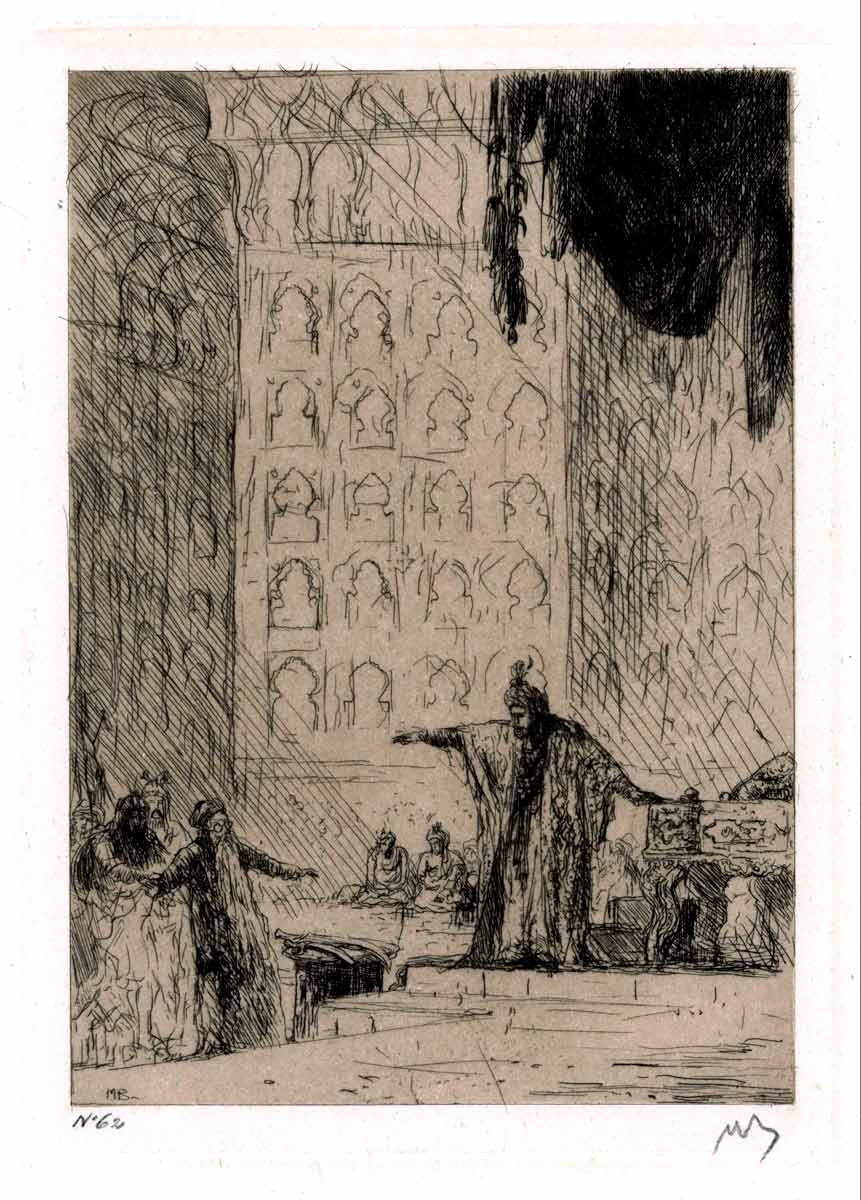
You might think that ‘ghoul’ is a long-established synonym for ‘ghost,’ but the former word is relatively new in comparison to the Old English-derived ‘ghost.’ ‘Ghoul’ first appeared in English in 1786, in the Gothic novel Vathek by William Beckford. It may be that Beckford discovered the word, as goule, in a French translation of the Arabian Nights, published in 1712. Ultimately, goule came from the Arabic word ghul.
The ghul in Arabic folklore was the spirit of a long-lost relative who dwelled in graveyards and other desolate places. Originally, ghul was a feminine word, and these spirits were departed female relatives who appeared to men to lure them into danger, usually by transporting them to the desert and eating them. The living female relatives of these men, meanwhile, recognize the ghul for what it is and warn the men. Their ability to survive depends on whether they believe their female relatives. Eventually, though, ghul was masculinized, and in Vathek the word goule merely denotes a sinister, undead spirit which preys on the vulnerable.
8. Giraffe
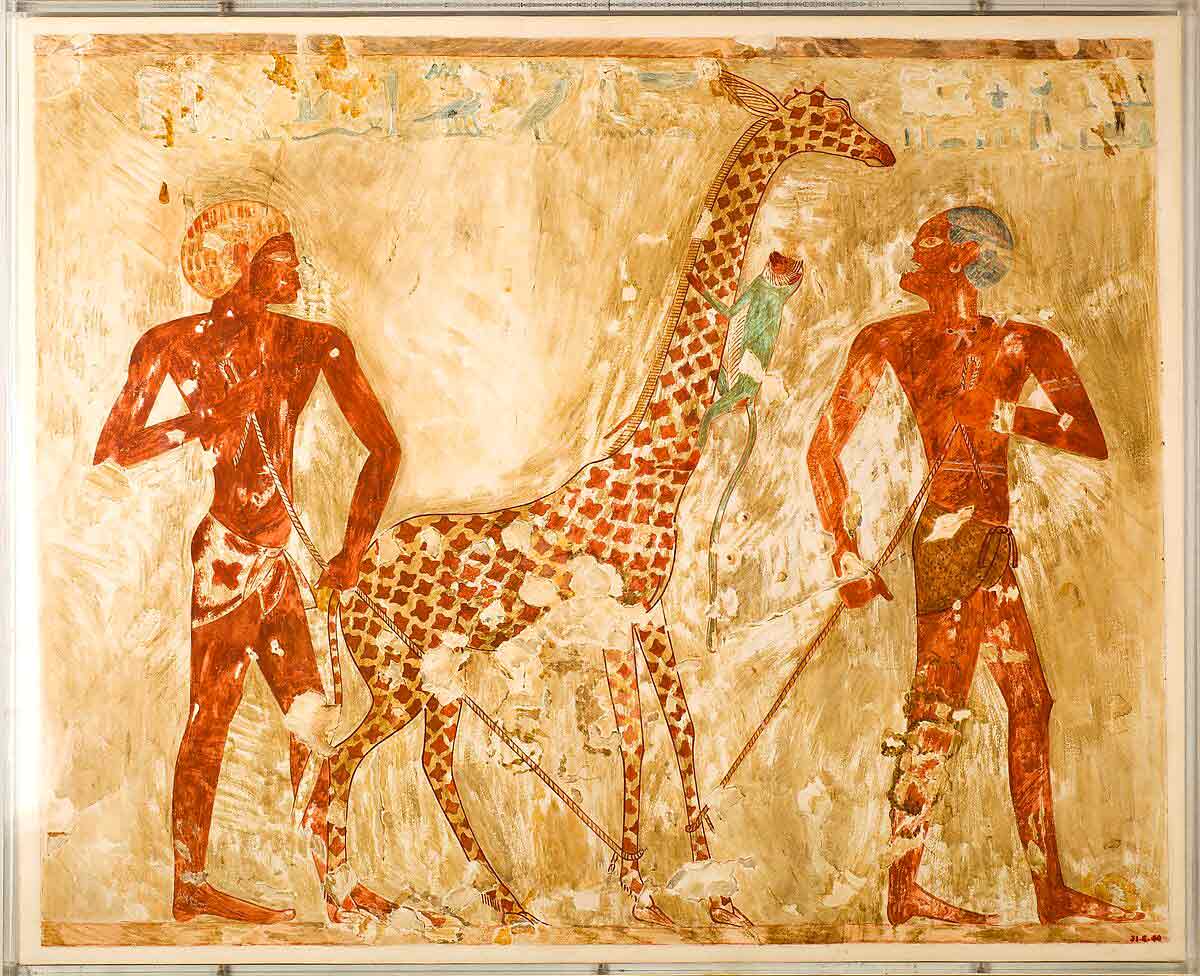
People in the Arabic-speaking world were aware of giraffes long before anyone in Europe. The animal is native to Sub-Saharan Africa, and it is likely that we ultimately derive the word ‘giraffe’ from one of the languages spoken there.
The word entered European languages when Mediterranean travelers encountered giraffes in Cairo during the Middle Ages, though live giraffes would not arrive in Britain until the 19th century. They had taken the giraffes from Cairo, in Egypt, hence the Arabic derivation of the name. In Cairo, they had been called zirafa.
Before ‘giraffe,’ people in Europe referred to this animal by a different name, which came from the ancient Greeks’ and Romans’ vague acquaintance with it: ‘camelopard,’ blending its resemblance to the camel (in shape) and leopard (in pattern).
9. Several Words With the Prefix ‘al-‘
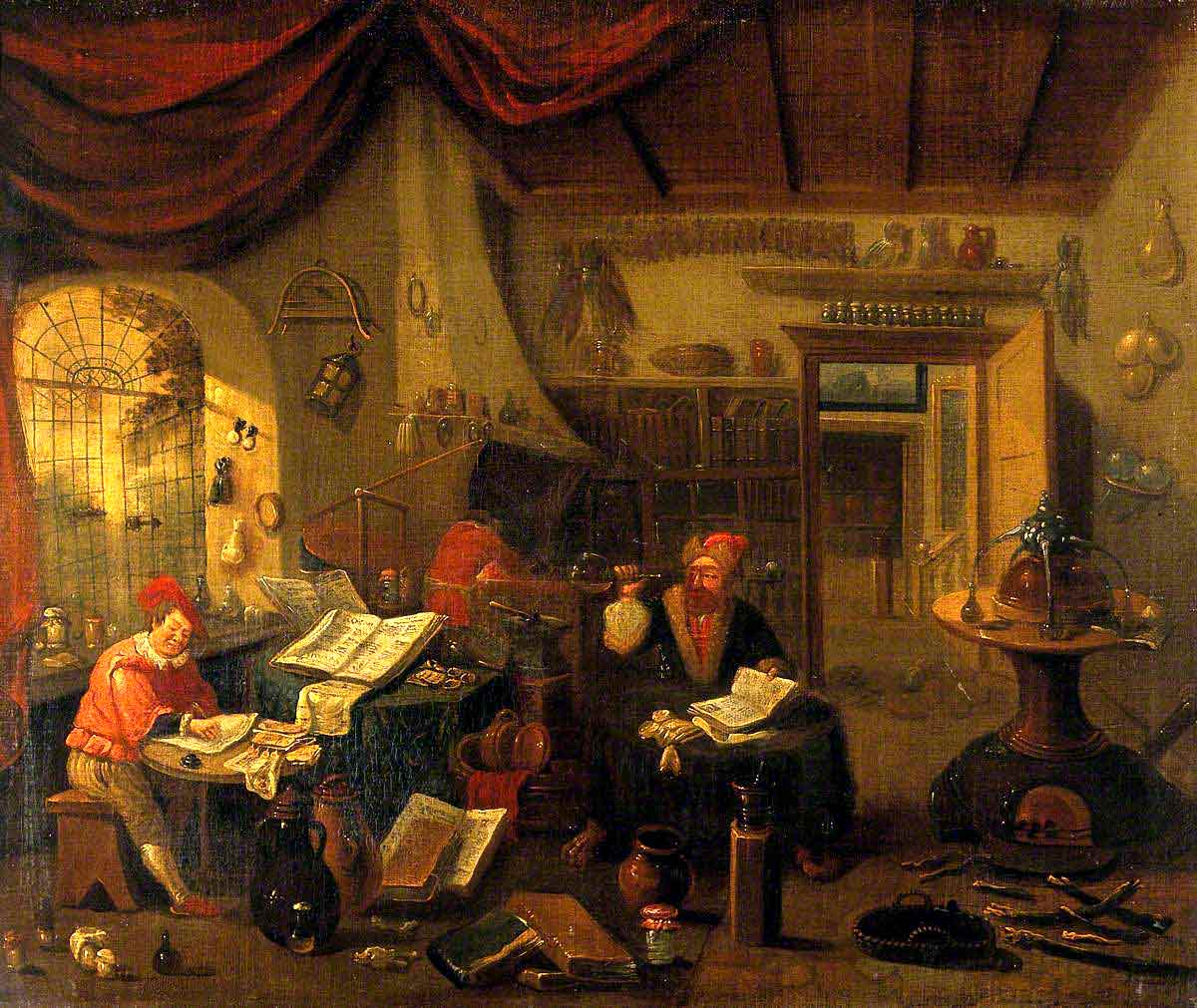
Even a slight acquaintance with Arabic will show you that many of its words begin with ‘al-,’ a prefix which functions as a definite article, like ‘the’ in English. All sorts of English words that begin with ‘al-‘ have Arabic roots.
Kimia referred in ancient Arabic to the study of substances, particularly the production of gold and silver, dating back to exchanges between Greek and Egyptian cultures in Alexandria. With the prefix, this became al-kimia, the source for the English words ‘alchemy‘ and ‘alchemist,’ strongly associated with the quest to make gold, but also referring to other metals and minerals. Over the years, further words were formed by dropping the prefix, giving us ‘chemistry,’ ‘chemist,’ and ‘chemical.’
Mathematical words with this prefix entered into English in a similar way to the word ‘zero.’ ‘Algebra’ derives from al-jabr, meaning ‘restoration of broken parts,’ from an idea of restoring balance which goes back to 9th-century Arabic mathematics. ‘Algorithm’ is a later invention, arriving in Latin as algorismus in the 12th century, from the name of the mathematician Muhammad ibn Mūsā al-Khwārizmī.
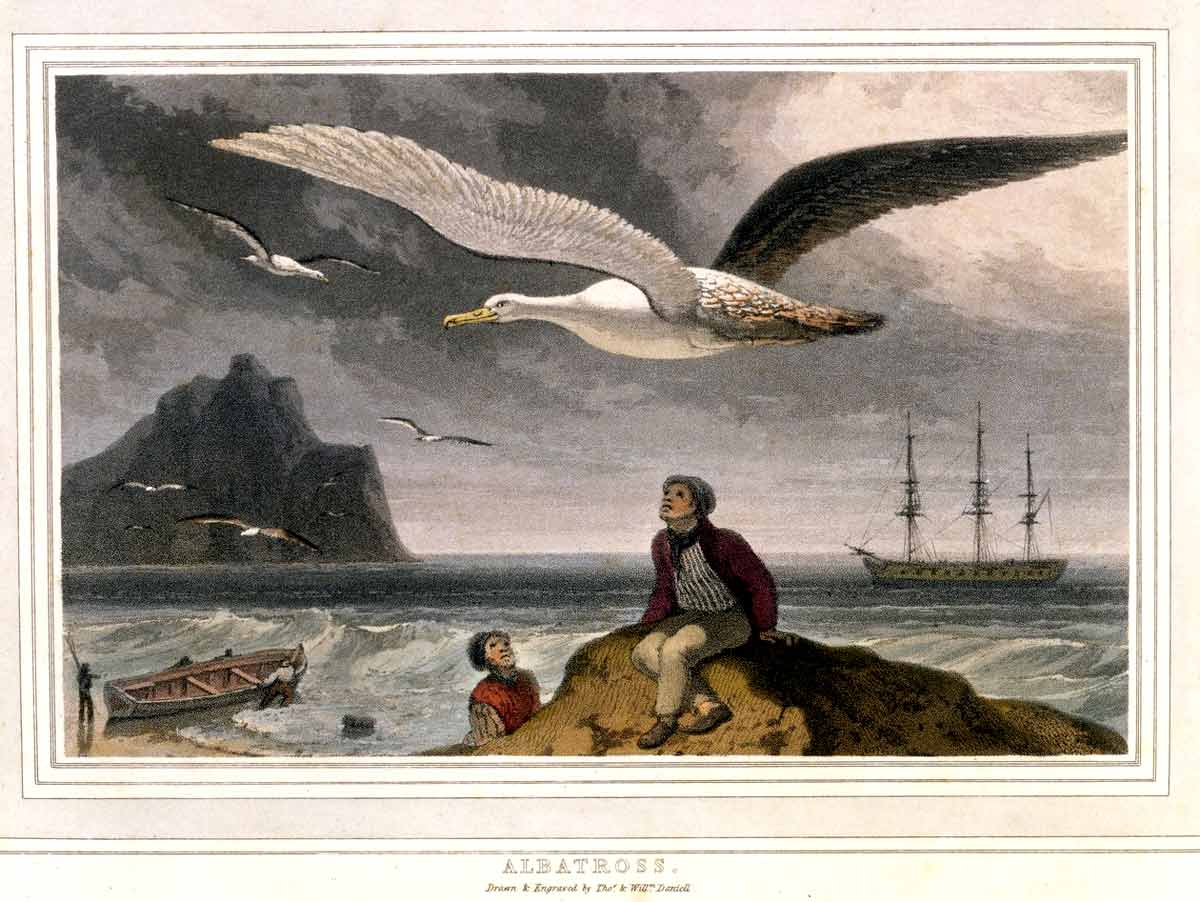
The Arabic al-ghattas, meaning ‘the diver,’ gives us the name of the albatross via the medieval Spanish alcatraz. By the 17th century, European languages had adopted the modified form with a ‘b’ rather than a ‘c,’ influenced by the Latin word alba, meaning ‘white,’ to refer to the bird’s color. The same Arabic word lies behind the name of Alcatraz, the prison island off the coast of California, which was named, in archaic Spanish, ‘Island of the Pelicans.’
A final word derived from the Arabic prefix ‘al-‘ is ‘alcohol,’ which originated as al-kuhl. Kuhl referred to a finely ground powder, and is also the root of the modern English word ‘kohl,’ or eyeliner. When the word ‘alcohol’ entered Latinate languages in the 13th century, it still referred to powders. However, the alchemist Paracelsus exerted his own alchemical transformation on the word, using it to refer to liquids formed via distillation. He used the phrase ‘alcohol of wine’ when discussing the fermentation of liquors, which was eventually shortened (then extended to refer to any intoxicating drink) to ‘alcohol.’
10. Several Words for Food
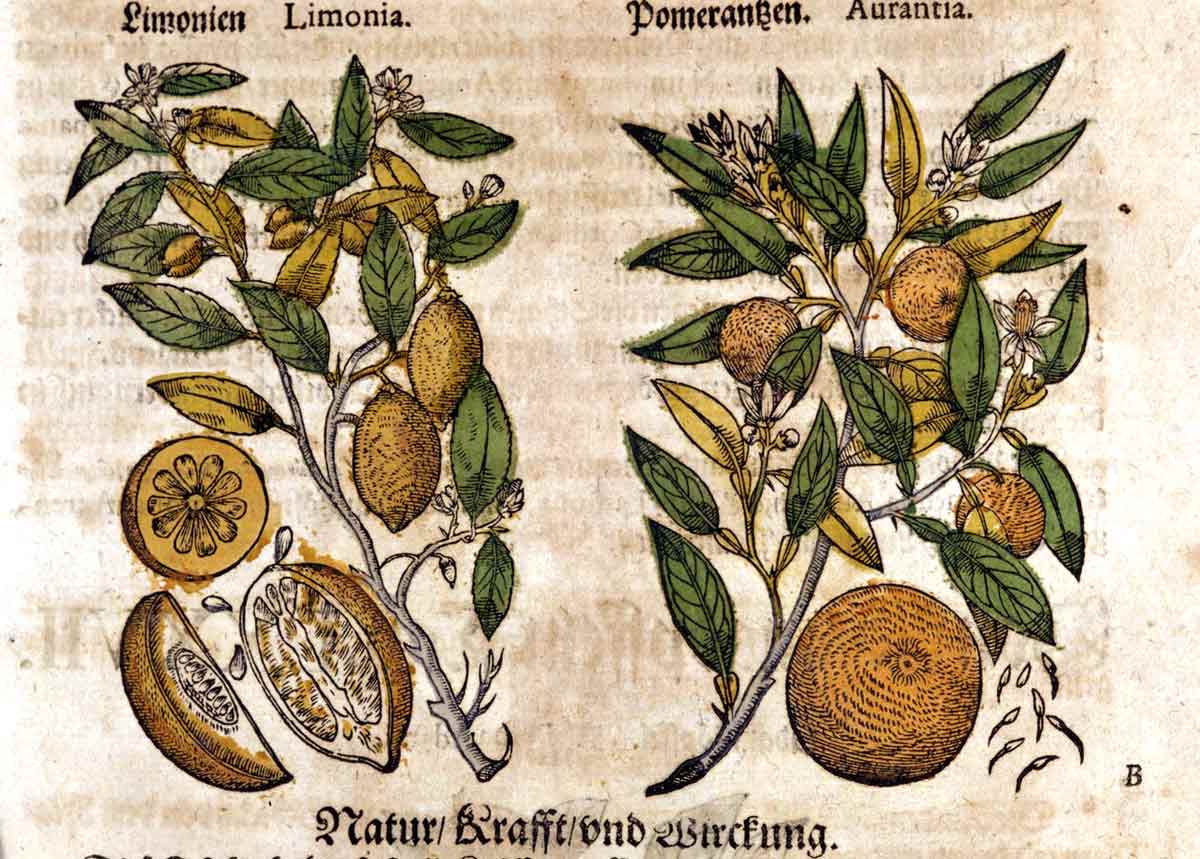
As well as loan words that English has borrowed from Arabic-speaking countries to refer to local cuisine, there are several words for food that have traveled into English through other languages. In 16th-century England, you might have referred to a particular fruit as an abrecok, abrecox, or aprecocke, which originated from the Arabic al-barquq via the Spanish albarcoque. This became ‘apricot’ through the influence of the French spelling, which was aubercot or abricot. ‘Tangerine’ also has Arabic origins, but much more simply, the word comes from Tanja, the Arabic name for the city of Tangier in Morocco.
Many citrus fruits, in fact, have Arabic-derived names. ‘Lemon’ and ‘lime’ come from a common root, lim or limun, for the fruit introduced into the Mediterranean by Arabs around the 13th century (ancient Greeks and Romans grew a slightly different fruit, the citron, which gives us the word ‘citrus’). The same process brought orange trees to Europe, and the word naranj along with them, transforming into the Greek nerantzi, Spanish naranja, and Italian arancia.
‘Artichoke’ is derived from medieval Latinate variations on the Arabic word al-kharshuf: alcarchofa, carciofjo, and carchiophe. Aubergines, not known to the ancient Greeks and Romans and therefore lacking a word in English until the medieval period, derive their name from the Arabic al-badhinjan (alberginia in Catalan and then aubergine in French).
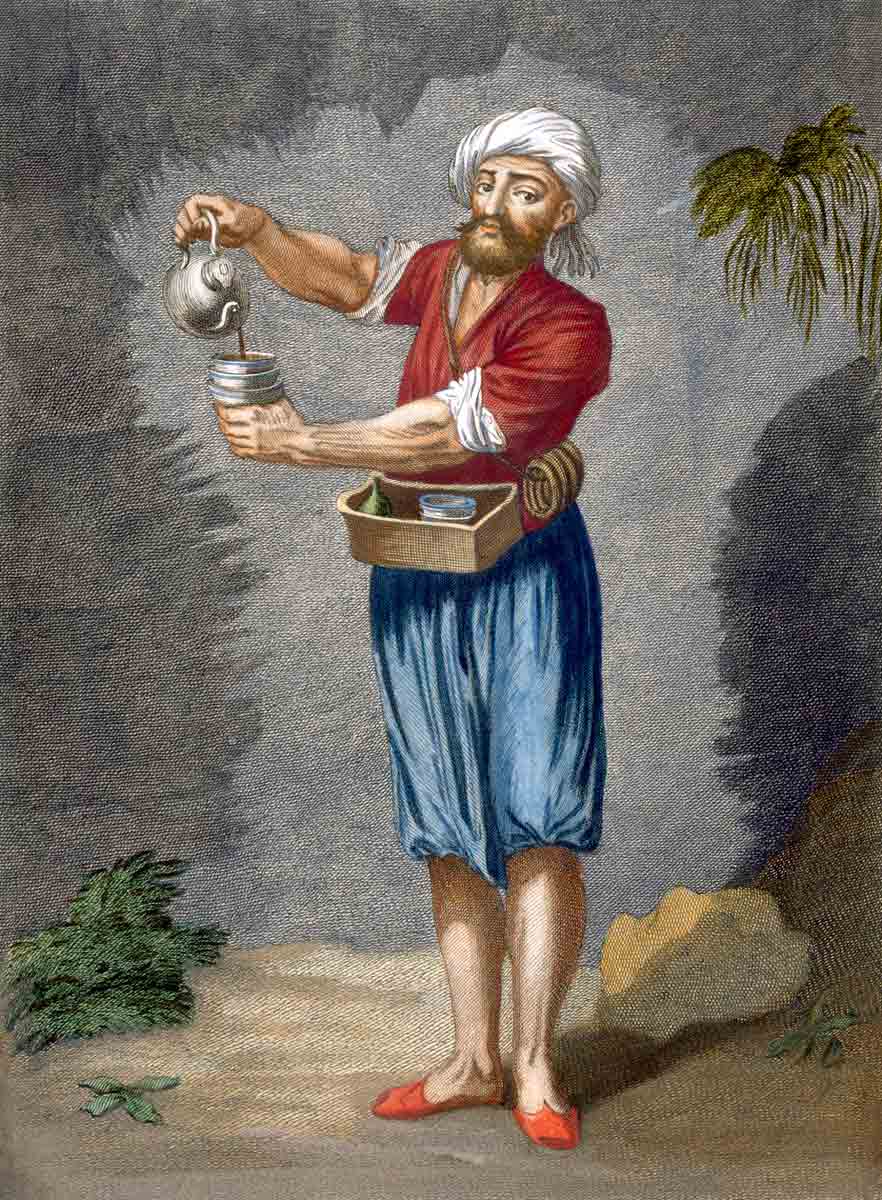
The word ‘coffee,’ like the drink it denotes, originates in Arabic: the word qahwa became the Turkish kahve, and then the Italian caffè. If you want to sweeten your coffee, turn to some other Arabic words: ‘sugar’ is from sukkar, whose Sanskrit derivation reflects the long history of cultivation of sugar in India. ‘Syrup,’ along with the etymologically related words ‘sorbet’ and ‘sherbet,’ comes from the Arabic word shirab or sharab. Originally, this was a medicinal liquid, a meaning it retains in the modern phrase ‘cough syrup.’
As a final sweetener, we have the word ‘candy.’ Medieval Persian used the word qand for the sugar grown in India, and when medieval Arabs began to cultivate the plant too, they used the same word. When turning it into an adjective, meaning something made of sugar, they called it qandi, and this is the word they brought to Europe along with the confectionery.