
When Vincent van Gogh made the decision to pursue art professionally in 1880, he was 27 years old. He was familiar with Dutch realist paintings and had a fondness for artists like Rembrandt. He had strong opinions that led him on a long journey to discover his own unique style after years of experimentation. During the last years of his life, Van Gogh had worked out exactly how he wanted to compose his forms, lines, and colors in order to create a work that conveyed the essence of the subject.
What Makes Van Gogh’s Style Unique?
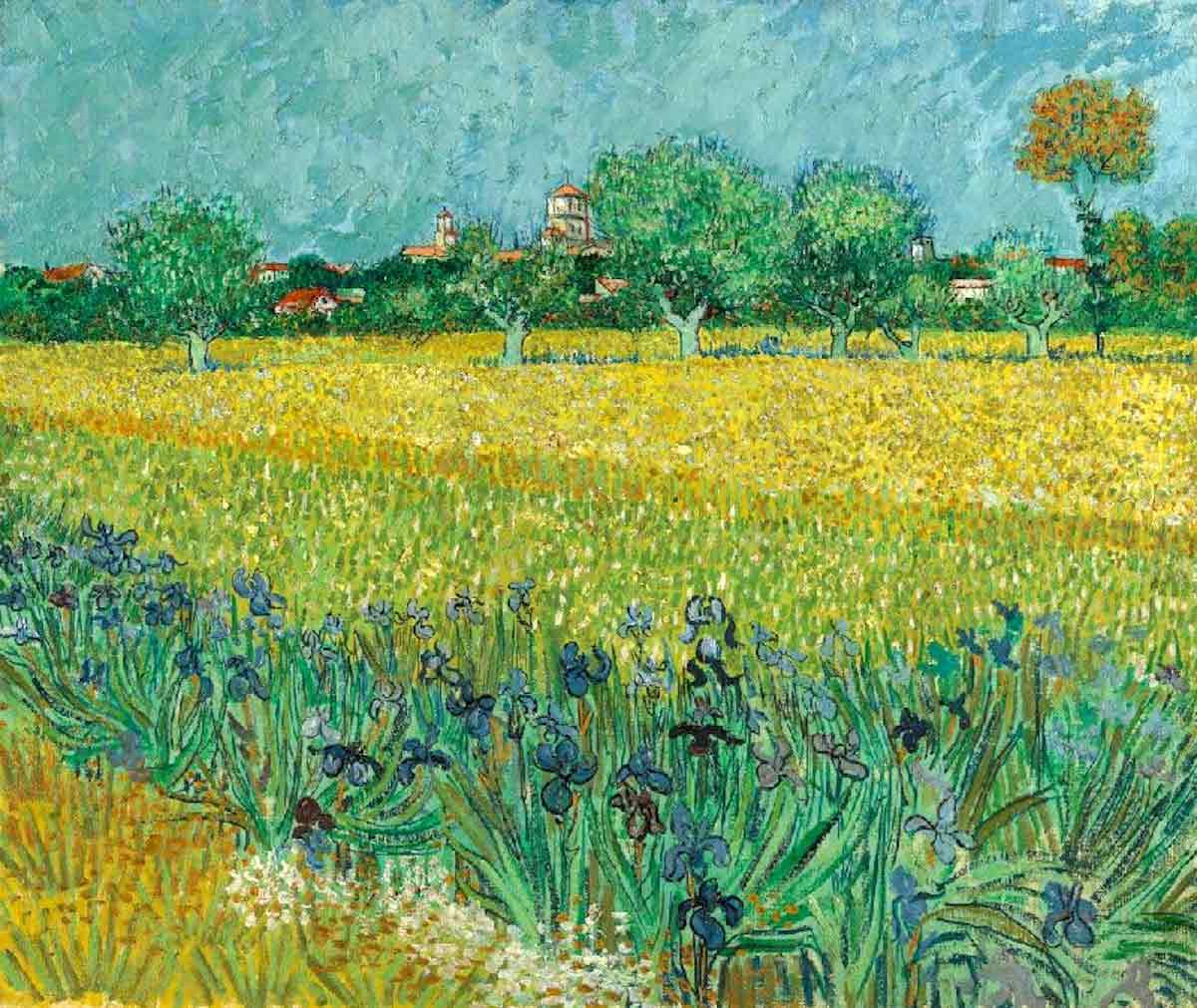
One of the key reasons Van Gogh’s art gains the admiration of its viewers is due to his unique style. The Dutch artist worked tirelessly to improve his technical skills in handling line, form, and color, but his works are not merely technical masterpieces. A common comment about his paintings is how passionate, bold, and colorful these canvases are, and how they stir up intense emotions among viewers. This is exactly what Van Gogh emphasized as an important aspect of art and instilled in his own work by shaping his style around his subject. With each painting, the artist attempted to capture the “character” or “essence” of the subject.
He did not paint accurate imitations, but amplified the most striking qualities of his subjects in the painting. For example, a painting of peasants conveys their difficult labor and connection to the earth through dark colors and exaggerated ruggedness in their faces, while a still-life painting of sunflowers uses the brightest, most vibrant yellows that convey the illuminating presence of the flowers in a room.
Although Van Gogh is today regarded as a genius due to his incredible skill in identifying and conveying the essence of his subjects, his style kept evolving throughout his career. His work can be classified into different periods due to varying stylistic qualities, particularly in the way he approached color. The improvement of his technical skills over the years, combined with a clearer idea of the direction he wanted his art to take, resulted in a unique and stylistically diverse oeuvre that has gained global acclaim.
Nuenen (1884-85)
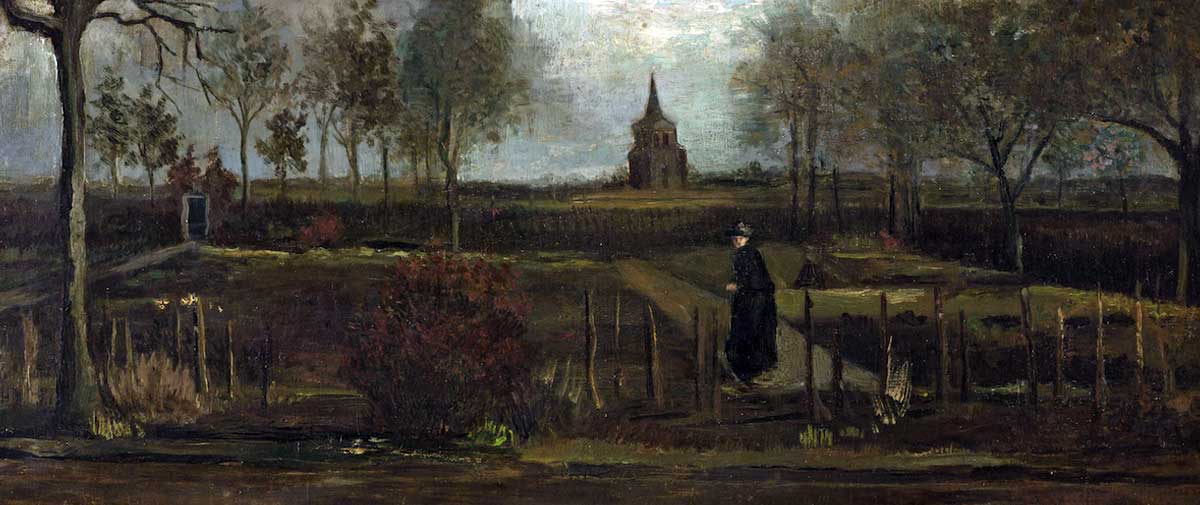
After moving around different cities in England, Belgium, and the Netherlands during the early years of his life, Van Gogh finally arrived in the town of Nuenen in the Dutch province of North Brabant in December 1883. His father, a Protestant minister, had his parish in this town, so Van Gogh moved into his parents’ house. He had set his mind on becoming an artist and set up a studio behind the house. Although the artist was still contemplating his stylistic choices, he was sure about one thing: he wanted to paint peasants in their regular settings.
One of his greatest artistic inspirations was the French realist painter Jean-François Millet, whose oeuvre consisted largely of depictions of peasant life, such as the renowned painting The Gleaners (1857). And so, most of Van Gogh’s work from Nuenen, painted between 1884 and 1885, depicts peasants working in the fields or inside their homes.
Keeping in mind his resolve to convey the feeling of peasant life over an accurate imitation of reality, he relied on dark, dirt-like colors and exaggerated forms of the figures. He justified his reason for this stylistic choice to Theo in a letter from 1885, writing, “For my part, I’m convinced that in the long run it produces better results to paint them in their coarseness than to introduce conventional sweetness.”
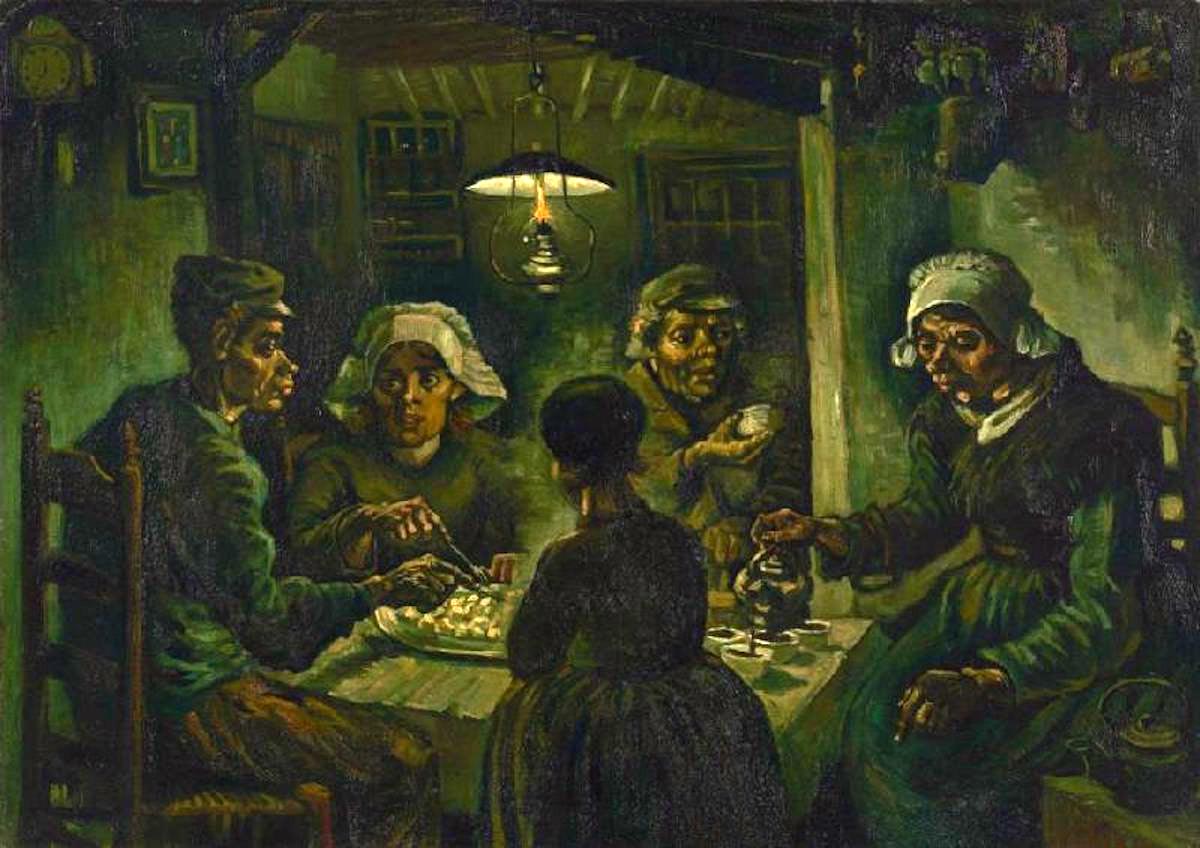
Van Gogh’s efforts in honing his style as a peasant painter took up most of his time in Nuenen. He continued working with somber colors that he considered fit for his subjects, and the evolution of his style in Nuenen was guided by his intention to create honest and authentic peasant paintings. In 1885, his efforts finally resulted in a finished project that he called The Potato Eaters. This painting is hailed as a masterpiece by Van Gogh, showcasing his intentional stylistic choices. The dark room with only one light source, the almost animal-like features of the peasants’ faces, and the color palette resembling “a really dusty potato” together convey a feeling of the everyday life of peasants spent working on the land and eating from it.
Paris (1886-87)
From 1886 onwards, Van Gogh’s style changed completely. This was the period when he lived with Theo in Paris, with the aim of better acquainting himself with avant-garde developments in art. For the first time in his life, he witnessed the bright canvases of the Impressionists, which stood in stark contrast to the Dutch realist tradition he had thus far been familiar with. Impressionism was well-established in Paris by the 1880s, and avant-garde developments in art were being sustained by the next generation of artists, primarily Paul Gauguin, Émile Bernard, Henri de Toulouse-Lautrec, Georges Seurat, and Paul Signac. Van Gogh quickly befriended these artists and took an interest in the various stylistic techniques they were working on.
The artist was also introduced to Japanese woodblock prints in Paris, which had gained immense popularity in Europe during the 19th century. Most importantly, Paris transformed his palette as he began experimenting with color theory that dictated that certain colors are complementary to each other and enhance each other’s intensity when placed together. This idea resulted in Van Gogh’s intensely vivid paintings during his mature years.
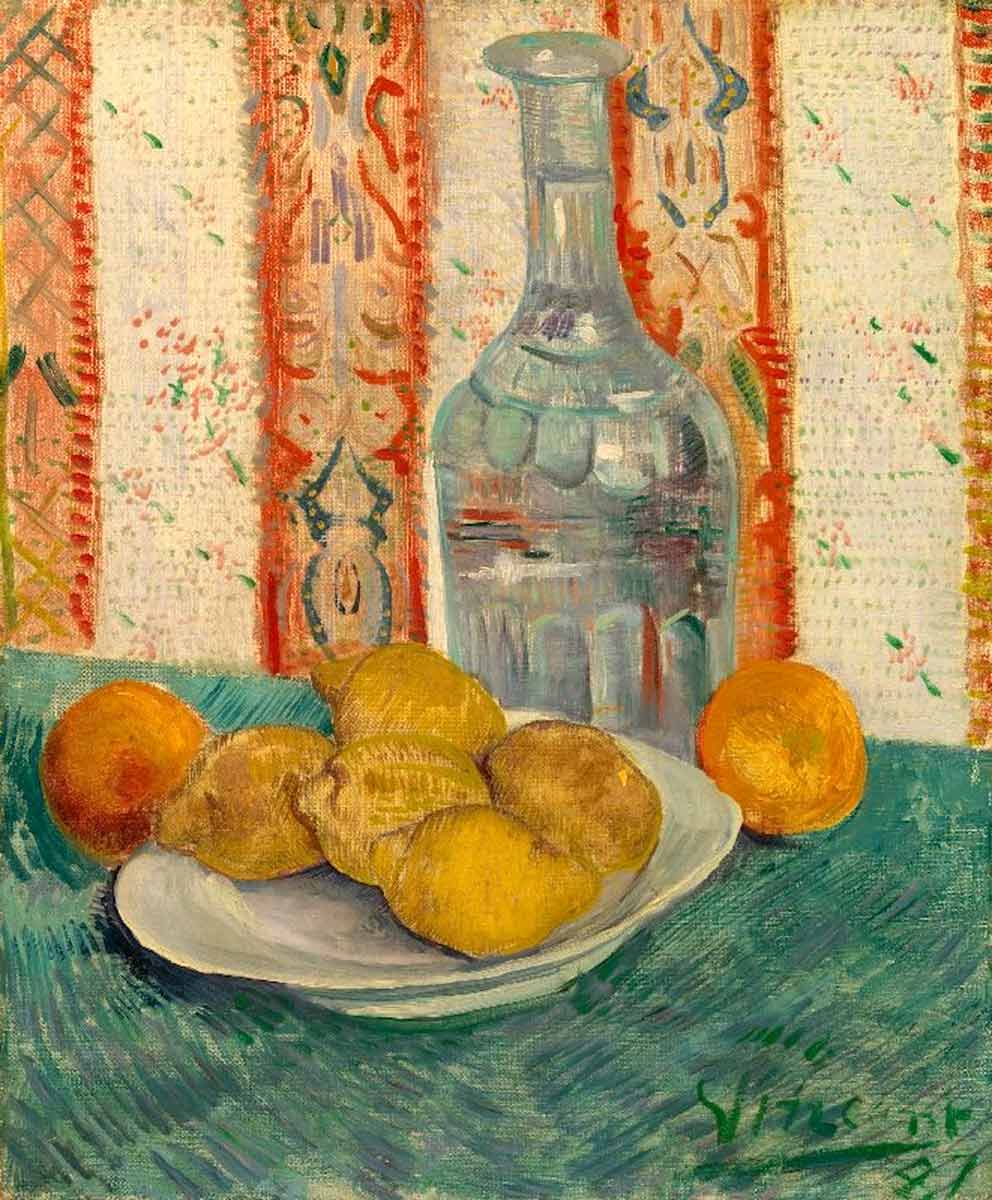
Being exposed to a number of different styles and approaches to art, Van Gogh’s works from Paris suggest an experimental phase. Apart from color, one of the primary elements that the artist focused on was the simplification of form as well as the flattening of the picture plane. These were key compositional techniques in Japanese prints and informed Van Gogh’s later development. Abandoning the realist tendency to instill depth in a composition, Van Gogh created two-dimensional compositions and simplified his forms, as can be seen in the painting Carafe and Dish with Citrus Fruit (1887). This painting also shows the table with the carafe and lemons arranged diagonally. This kind of perspective based on diagonal lines was typical of Japanese prints and became another stylistic choice that Van Gogh implemented in later works, such as in the painting The Bedroom from 1888.
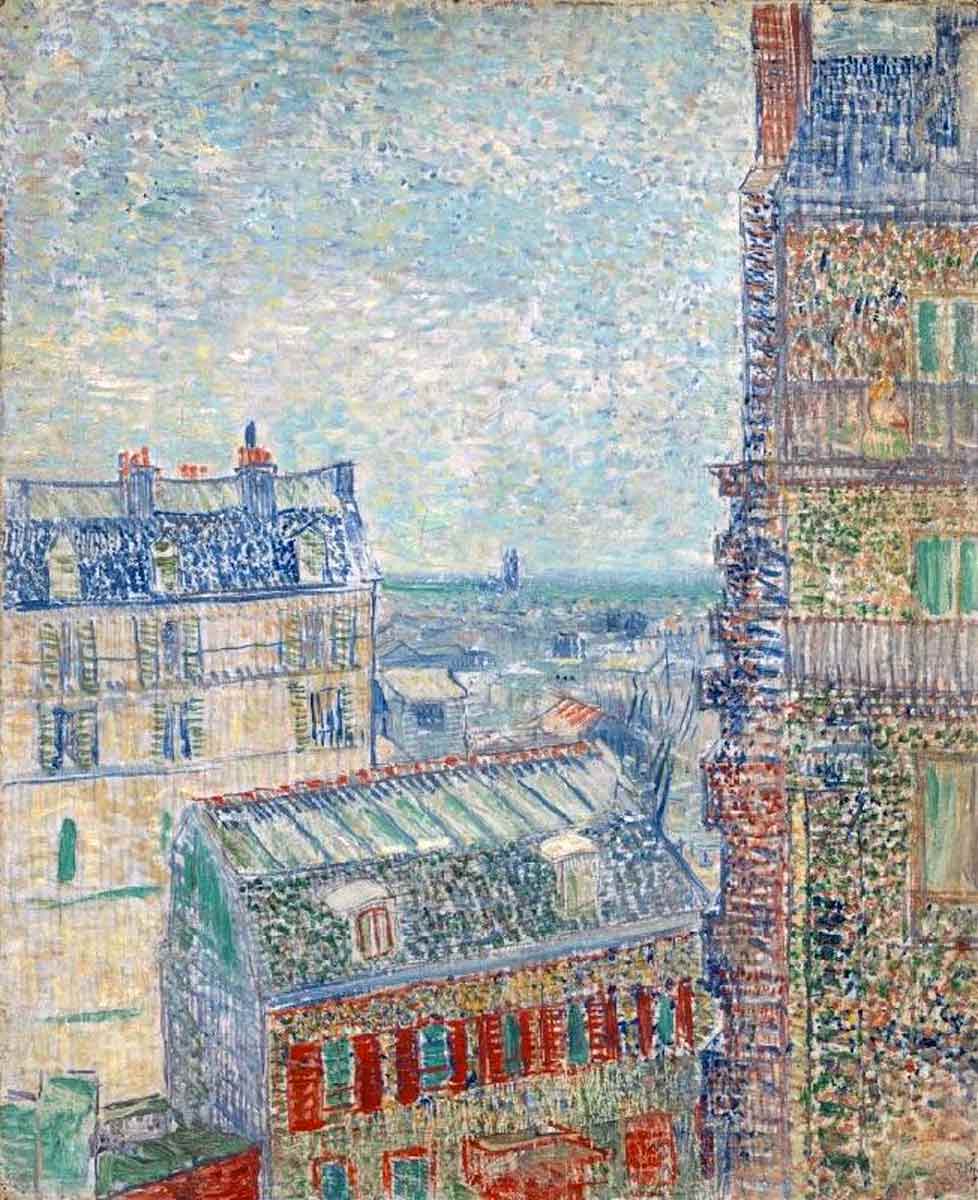
These stylistic choices were accompanied by a change in Van Gogh’s brushwork. Realist painting called for inconspicuous brushstrokes that blend into the larger composition, while French avant-garde artists, including the Impressionists, painted with distinctly visible brushstrokes. Artists like Georges Seurat and Paul Signac, for example, painted using the pointillist technique wherein unmixed color was applied to the surface in the form of dots and small dashes.
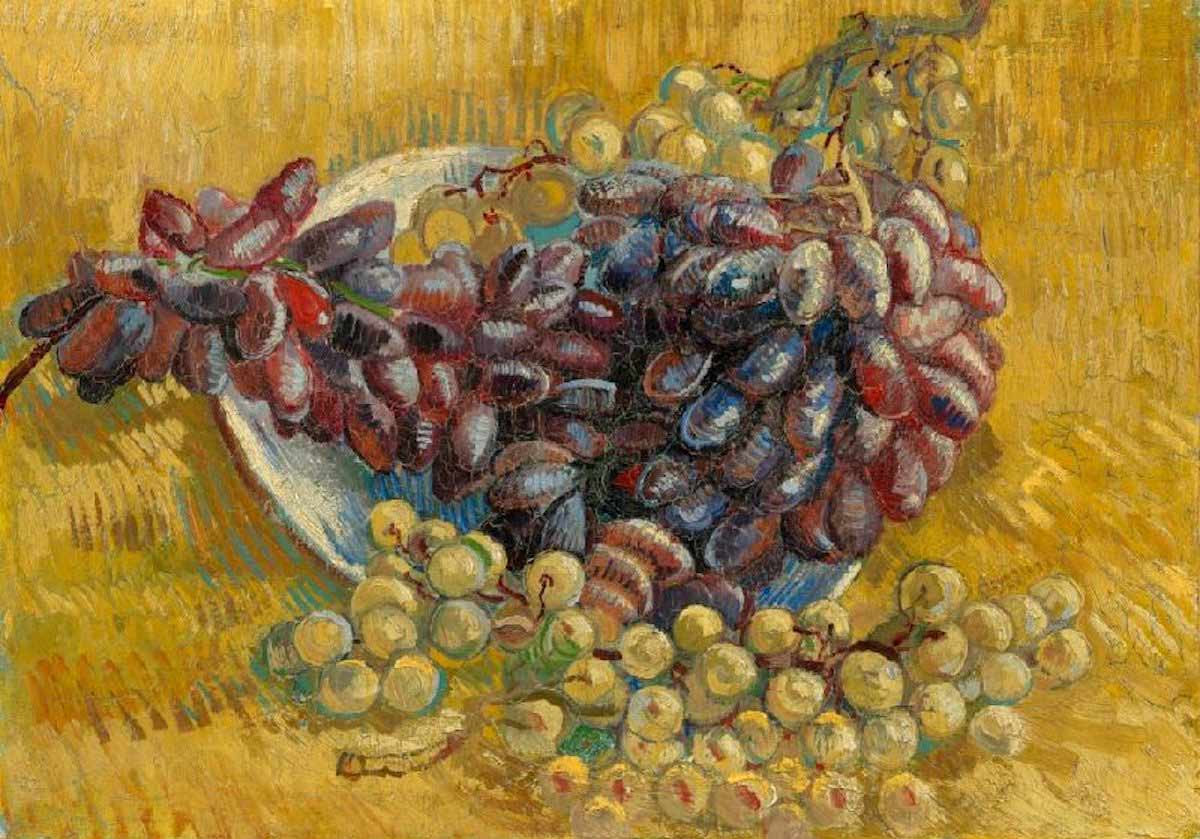
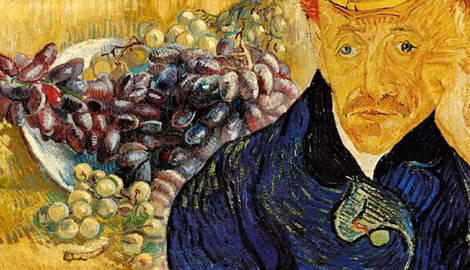
Van Gogh experimented with this technique in paintings such as View from Theo’s Apartment (1887) but did not fully commit to pointillism as a stylistic direction. Instead, he modified it to fit his own artistic vision. This can be seen in paintings like Apples and Grapes from 1887 that feature small dashes in some places but the works are not entirely composed of the pointillist technique. Further, Van Gogh began painting with impasto in Paris by applying paint thickly on the surface, which is by far one of the most characteristic features of his style and remained an integral part of his creative process.
Carrying all this new knowledge, Van Gogh left Paris in February 1888 for a quieter life in the countryside. His destination was the city of Arles in the Provençal region of France, where he lived for over a year. His time in Paris formed the foundation for the development of his mature style, which was a combination of the stylistic techniques of his peers and his own artistic vision.
Arles (1888-89)
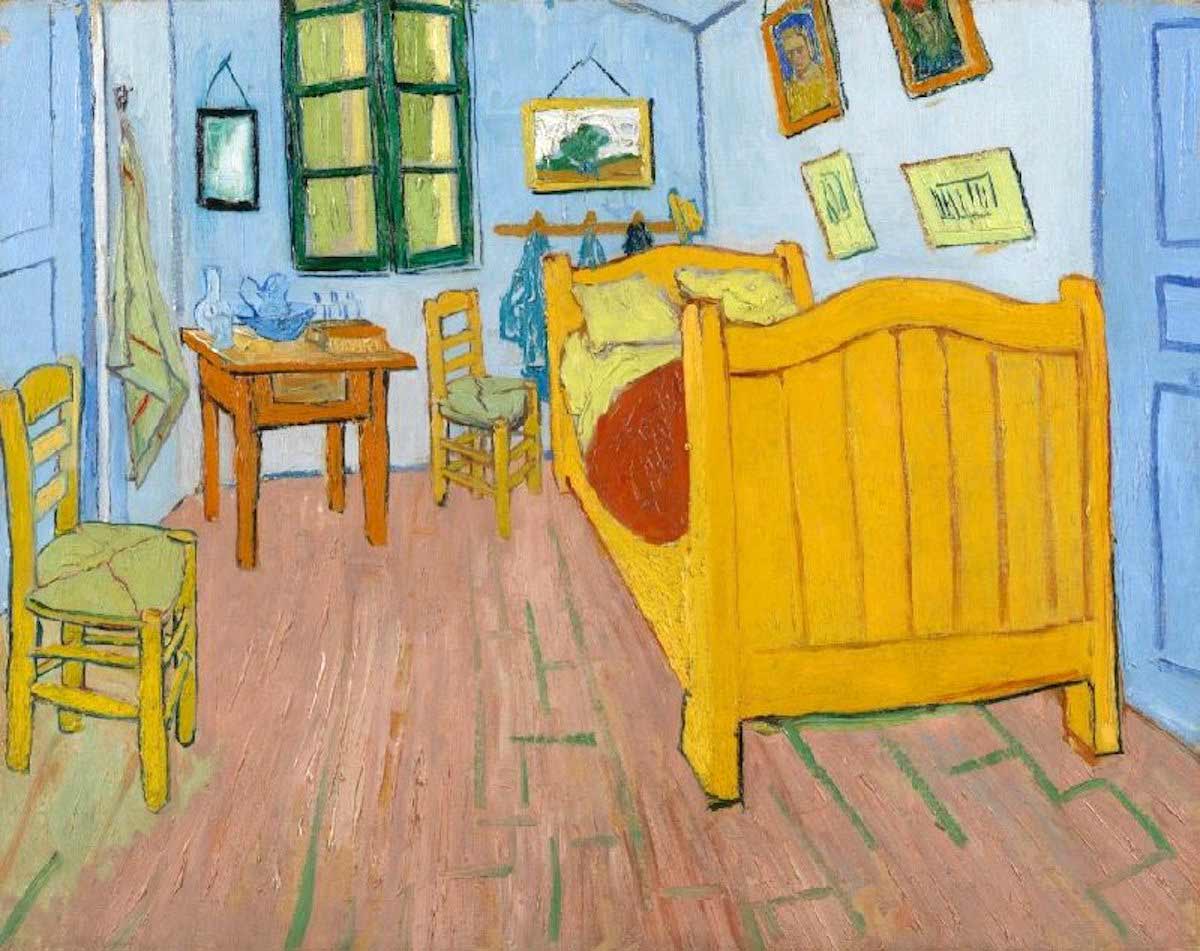
The Arles period stretched from February 1888 to May 1889. Within the span of one year, Van Gogh managed to produce around 200 paintings, including some of his most famous masterpieces such as Sunflowers and Café Terrace at Night. The artist discovered light on the Impressionist canvases in Paris and Arles provided him with the perfect setting to add light to his own work. The region received an immense amount of intense sunlight that illuminated the entire land. Van Gogh’s paintings in Arles feature many vivid colors, most of all yellow, that intend to capture the brightness of the Arlesian landscapes, as he once described in a letter: “Sunshine, a light which, for want of a better word I can only call yellow — pale sulfur yellow, pale lemon, gold. How beautiful yellow is!”
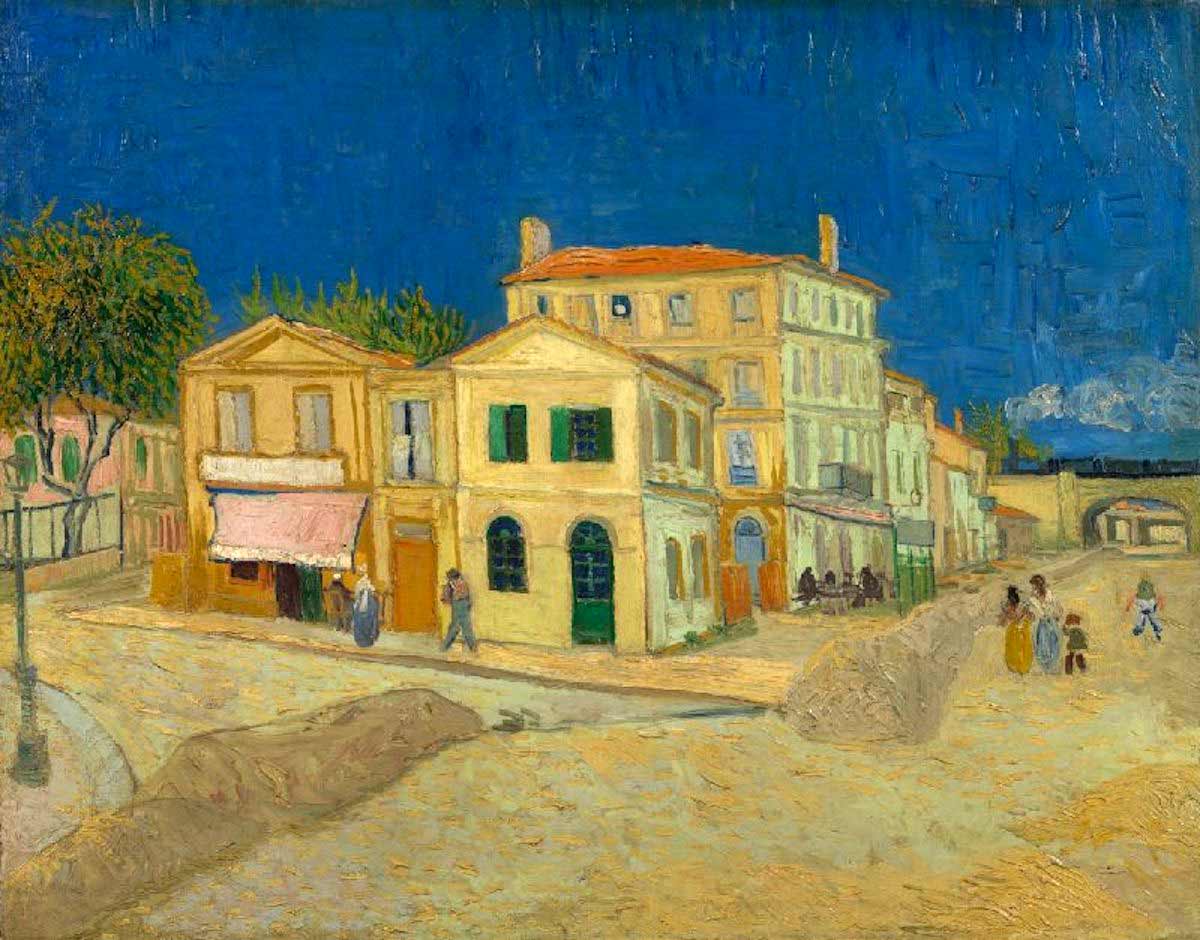
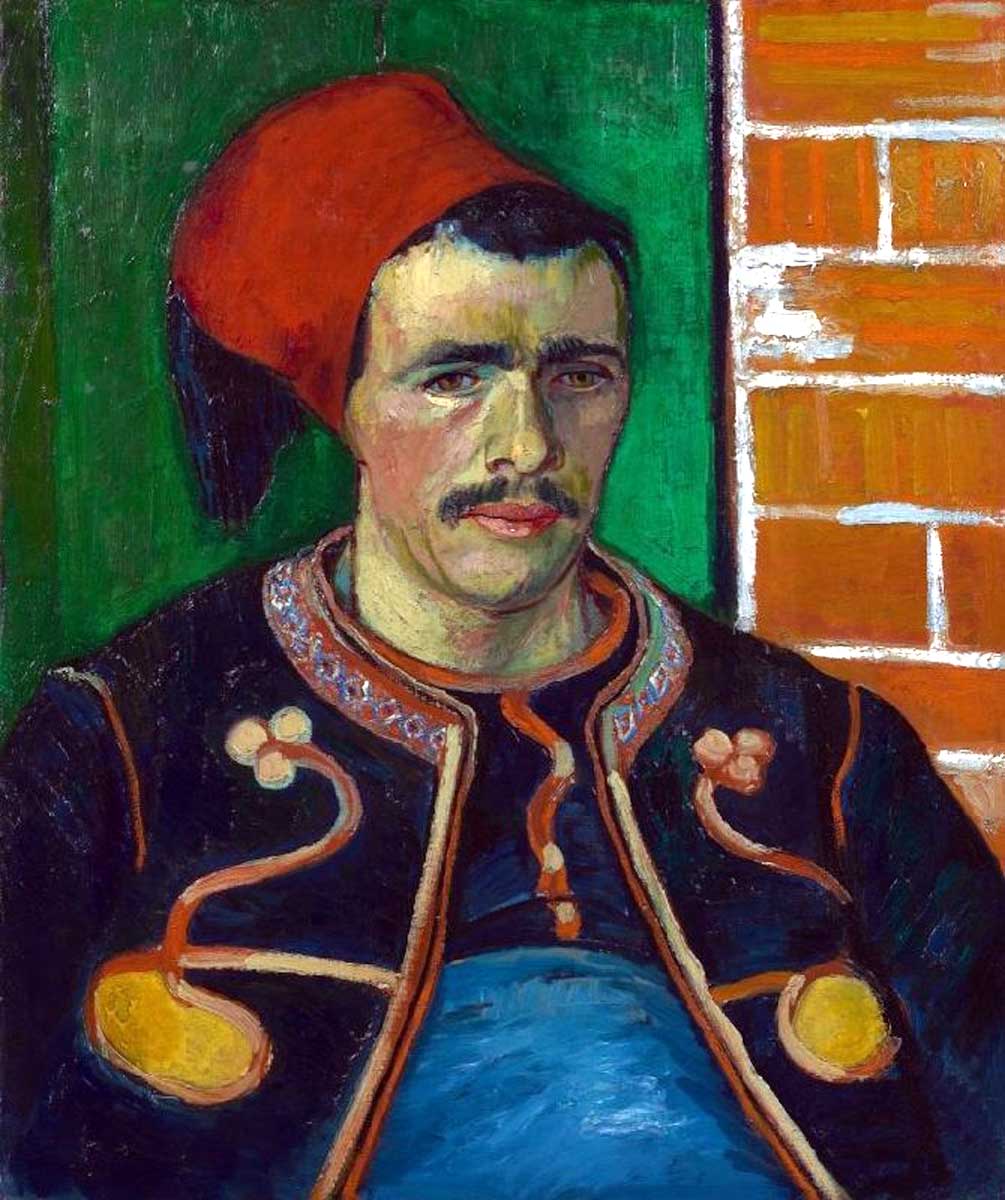
Van Gogh’s style in Arles also became more intentional as he found a direction for his work after exploring different techniques in Paris. He continued experimenting with color theory in Arles, which became easier due to the abundance of colorful subjects readily available to him. His fascination with Japanese prints also grew, and he continued incorporating the Japanese approach to form and perspective in his own works, for example, in The Yellow House. This painting does not feature stippling, i.e., the use of dots and dashes as per the pointillist technique, and is instead composed of flat sections of color, a flat picture plane, and strong lines. These elements were characteristic of the Cloisonnist style, inspired by Japanese art and pioneered by his peer Emile Bernard, as well as implemented by Paul Gauguin. Van Gogh painted in this style on many occasions in Arles; examples include Sunflowers and The Zouave.
Although an important period in Van Gogh’s stylistic development, the time in Arles was also fraught with difficulties. Van Gogh suffered his first major mental breakdown in December 1888 and was admitted to a hospital. The first half of 1889 was spent going in and out of hospitals up until May, when he voluntarily admitted himself to a psychiatric hospital in Saint-Rémy, where he stayed for a year. In 1890, he was discharged from the hospital and moved to an artists’ village near Paris called Auvers-sur-Oise. Despite these circumstances, Van Gogh never abandoned painting and remained consistent in his efforts to hone his style. He maintained his fascination with the compositional techniques of Japanese prints, cloisonnism, pointillism, as well as impasto, creating works with stylistic and coloristic diversity
Van Gogh in Saint-Rémy and Auvers-sur-Oise (1889-90)
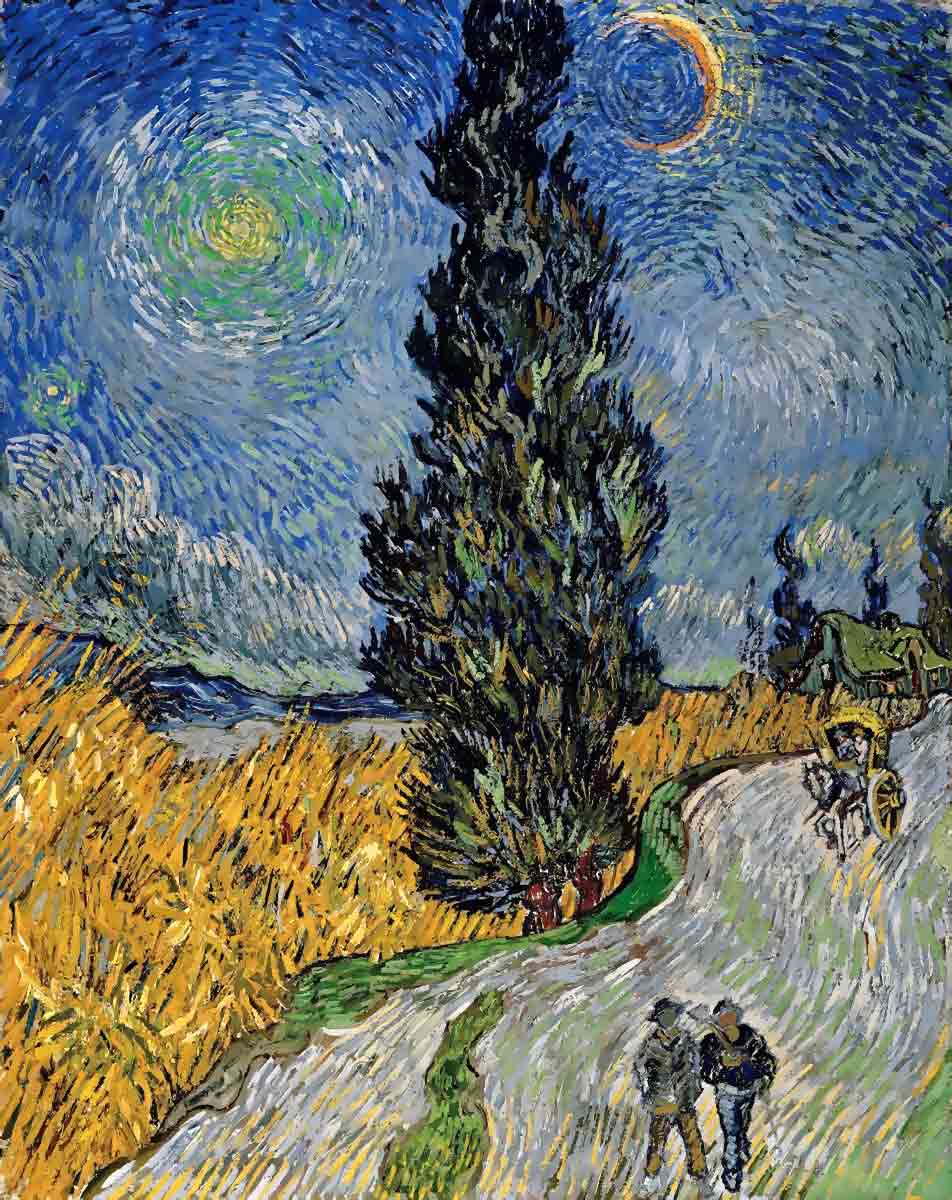
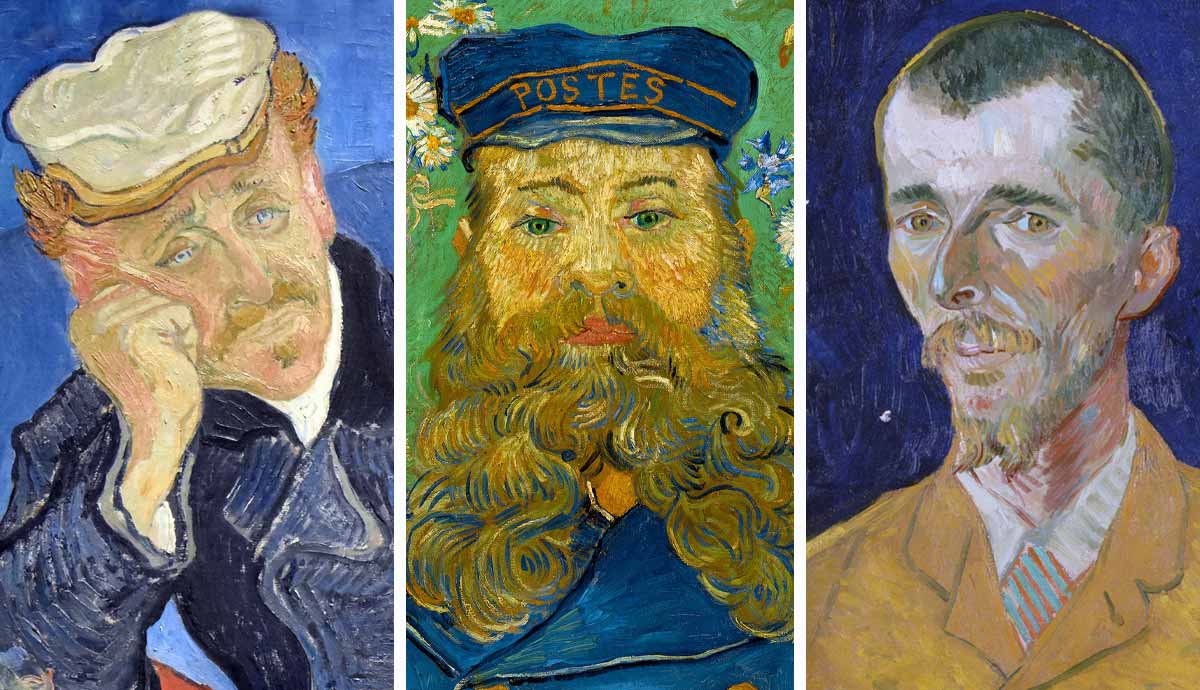
In Saint-Rémy, Van Gogh returned to his experiments with stippling, which is featured in a large part of his paintings from this period, such as The Starry Night, Olive Grove, and Country Road in Provence by Night. These works demonstrate how the artist started employing undulating lines more often, a feature that intensified even further in 1890. Paintings leaning towards the cloisonnist and Japanese style were still being made during this period, but the use of small dashes became a prominent feature of Van Gogh’s style in 1889 and 1890. Painting with small dashes became a significant stylistic element in the last few months of his life, which were spent in Auvers, as can be seen in Portrait of Doctor Gachet and Daubigny’s Garden.
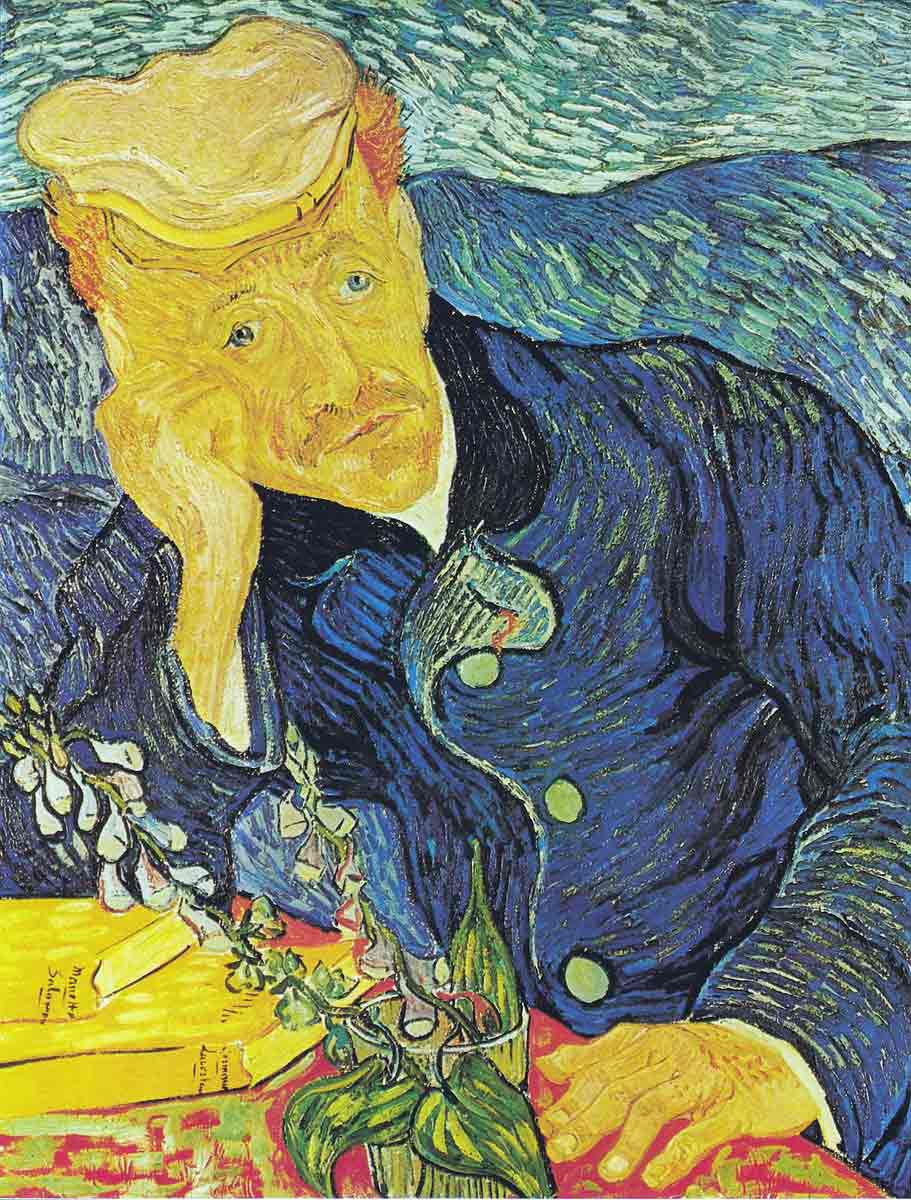
However, the artist did not exclusively rely on stippling, but instead attempted to merge different styles. Van Gogh’s works from Auvers also appear more passionate and spontaneous, something that has often been linked to his mental state at the time. While there is no conclusive proof for this connection, the artist’s style certainly became more confident during his mature years.
Both avant-garde artists and realist painters inspired Van Gogh, playing a key role in his stylistic development, but the manner in which the artist assimilated this knowledge into his own artistic vision is what resulted in the unique stylistic character of his paintings. The choice of subjects remained a key factor in determining his stylistic choices, which were ultimately a medium to create emotionally expressive paintings that convey the essence of the subjects.