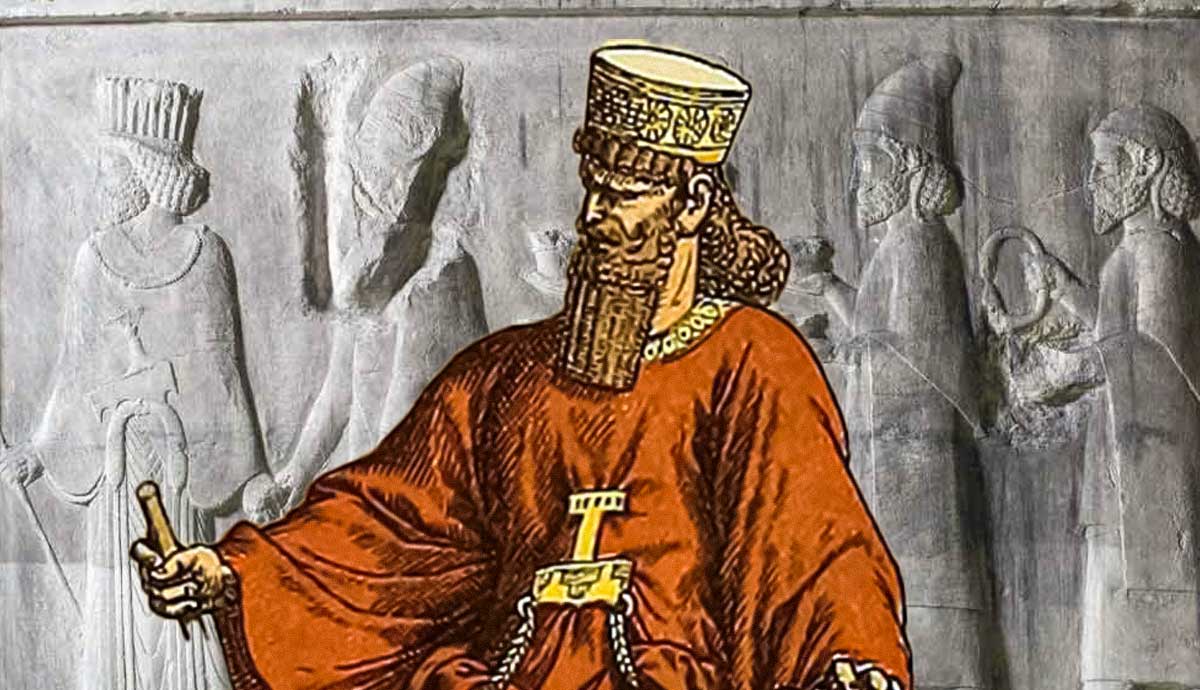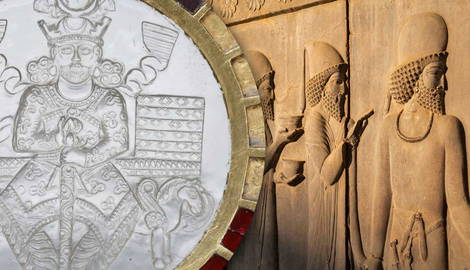
When someone says “Persian Empire,” we often think of the empire of Xerxes that invaded Greece. But the Persian Empire lasted for more than a millennium and can be divided into four distinct periods: The Achaemenid, Seleucid, Parthian, and Sassanian Empires. Each left its mark on the ancient Near East. This is a timeline of the four Persian Empires and their different contributions to the art, architecture, culture, and politics of the Middle East.
Persian Empire Timeline: Overview
| The Achaemenid Empire (c. 550 BC – 330 BC) |
|
| The Seleucid Empire (312 BC – 63 BC) |
|
| The Parthian (Arsacid) Empire (247 BC – 224 AD) |
|
| The Sasanian Empire (224 AD – 651 AD) |
|
The Achaemenid Empire: Nomadic Origins
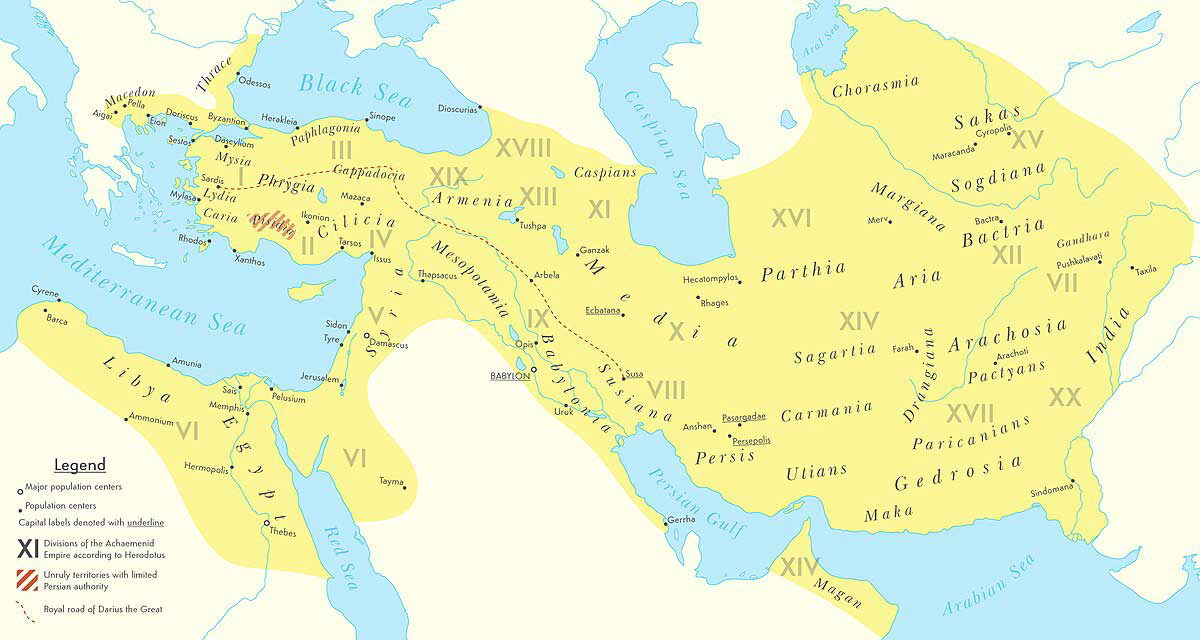
The Achaemenid Empire arose from Persian nomads who settled the western Iranian Plateau around 1000 BC, coexisting with native Elamites. Initially, rulers of the Elamite city of Anshan, the Achaemenids adopted Elamite royal titles. Genealogies, such as the Cyrus Cylinder and Behistun Inscription, trace the lineage of these kings to Teispes, culminating in Cyrus II, also known as Cyrus the Great, who officially founded the Achaemenid Empire.
Although the Medes may have formed an earlier Iranian state, Cyrus overthrew them in 550 BC, capturing Ecbatana and claiming imperial succession. This victory extended Persian dominion and entangled them in existing regional conflicts with Lydia and the Neo-Babylonian Empire, marking the beginning of expansive Achaemenid rule.
Cyrus the Great was the son of Cambyses I and Mandane of Media. Growing up in a royal family, Cyrus was undoubtedly trained in the arts of warfare and politics, which were put to the test immediately upon his ascension. In 546 BC, Cyrus defeated King Croesus of Lydia, capturing Sardis and ending Lydian sovereignty. He appointed Pactyes to oversee tribute collection, but Pactyes rebelled. This prompted Cyrus to initiate a campaign that lasted four years, but he was eventually victorious.
Cyrus the Great: The Empire Builder
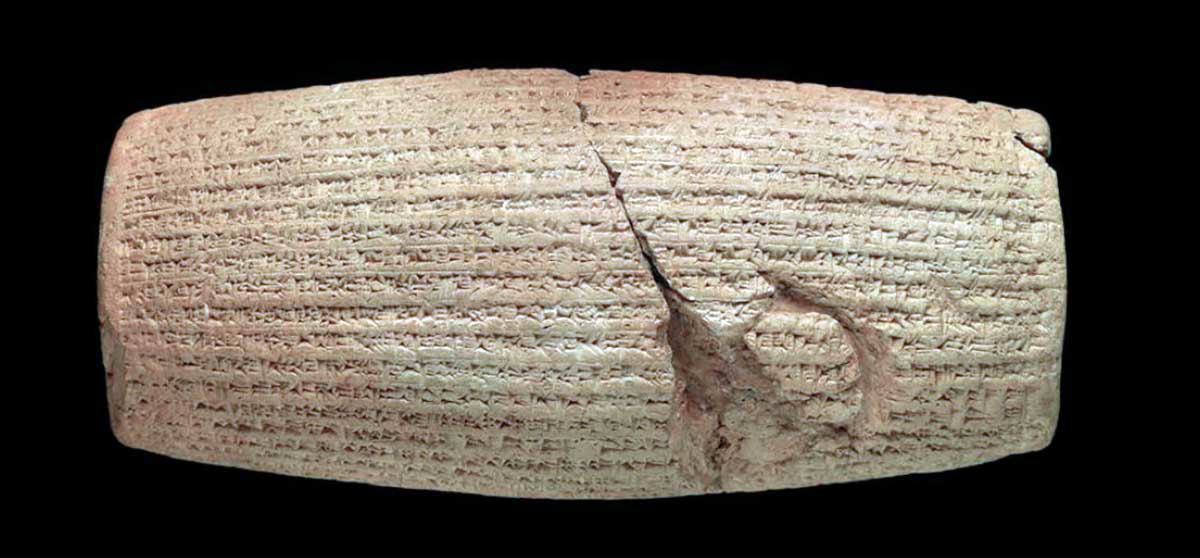
Following the Persian takeover of Ecbatana, former Median tributaries revolted, leading Cyrus to wage campaigns in Central Asia, during which he founded notable garrison towns like Cyropolis. By 539 BC, Cyrus turned to Babylon, defeating its forces at Opis and capturing the city with minimal resistance. Furthermore, the Babylonian King, Nabonidus, was taken prisoner and branded a heretic.
In comparison, Cyrus portrayed himself as a restorer of divine order, contrasting his rule with Nabonidus’ controversial religious reforms. Cyrus also aligned himself with Assyrian imperial heritage and is celebrated for liberating the Jewish exiles and authorizing the rebuilding of Jerusalem’s Second Temple. These conquests and policies solidified his reputation as a strategic leader and enlightened ruler in ancient imperial history.
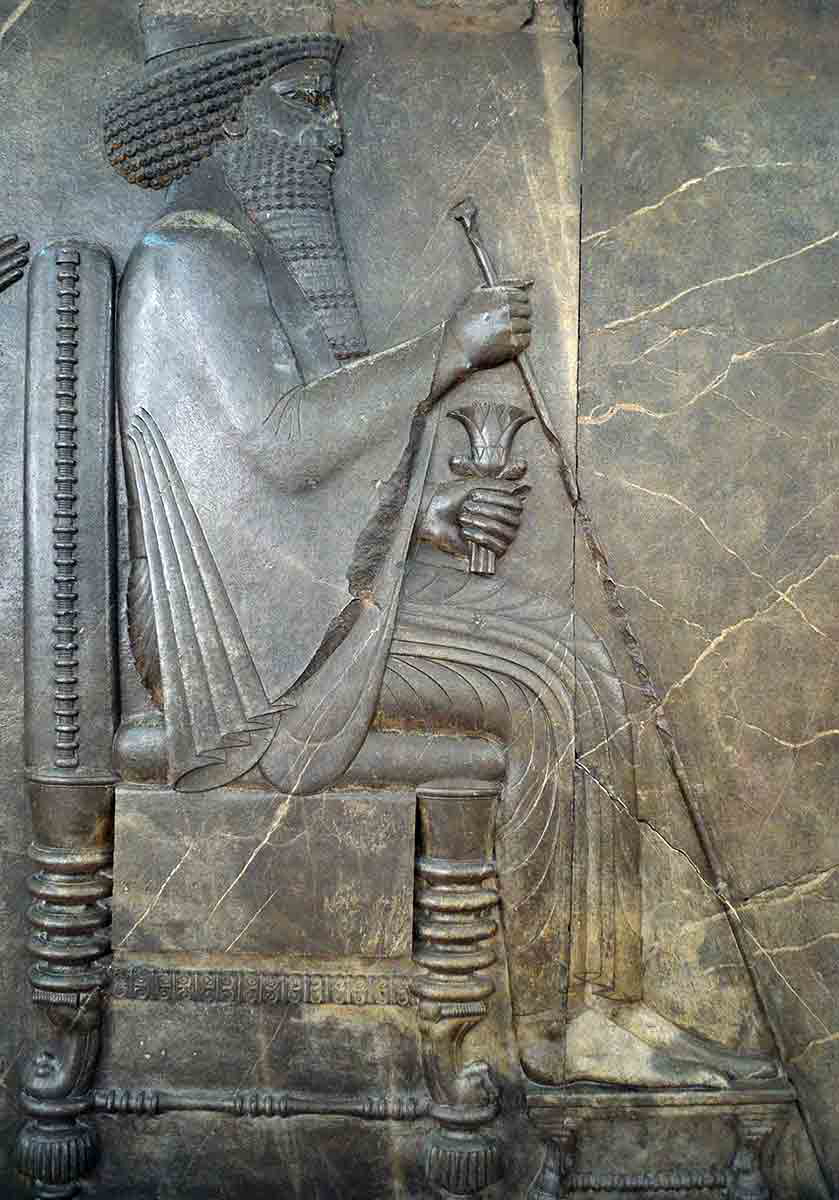
By the 5th century BC, the Achaemenid Empire had reached its zenith, encompassing vast territories from the Persian Plateau to Egypt, Anatolia, Central Asia, and parts of Europe and North Africa. Under rulers such as Cambyses II and Darius the Great, the Achaemenid Empire was a dominant force on the global stage, bolstered by its effective satrapies and heavily organized military.
The Persian Wars: Conflict With Greece
The Ionian Revolt, triggered by dissatisfaction among Greek city-states in Ionia with Persian-appointed rulers within such satrapies, marked the first major conflict between Persia and Greece. Aristagoras of Miletus, after a failed expedition to Naxos, incited rebellion across Ionia.
Although Persia eventually restored control and imposed a fair peace, Darius I sought retribution against Athens and Eretria for their support of the revolt, initiating the Greco-Persian Wars. In 492 BC, General Mardonius reasserted Persian control over Thrace and Macedonia.
However, Persian forces suffered a significant defeat at the Battle of Marathon in 490 BC, halting Darius’s plans to invade mainland Greece. His successor, Xerxes I, launched a massive campaign in 480 BC, advancing through Macedonia and Thessaly. Despite early victories at Thermopylae and Artemisium, the Persian fleet was decisively defeated at Salamis, forcing Xerxes to retreat. His remaining forces, led by Mardonius, were ultimately vanquished at Plataea in 479 BC.
A subsequent defeat at Mycale spurred revolts across Asia Minor, leading to the loss of Persian territories in Europe. Xerxes was later assassinated by Artabanus, a high-ranking court official, though the exact date remains uncertain.
The Seleucid Empire: Alexander in the Near East
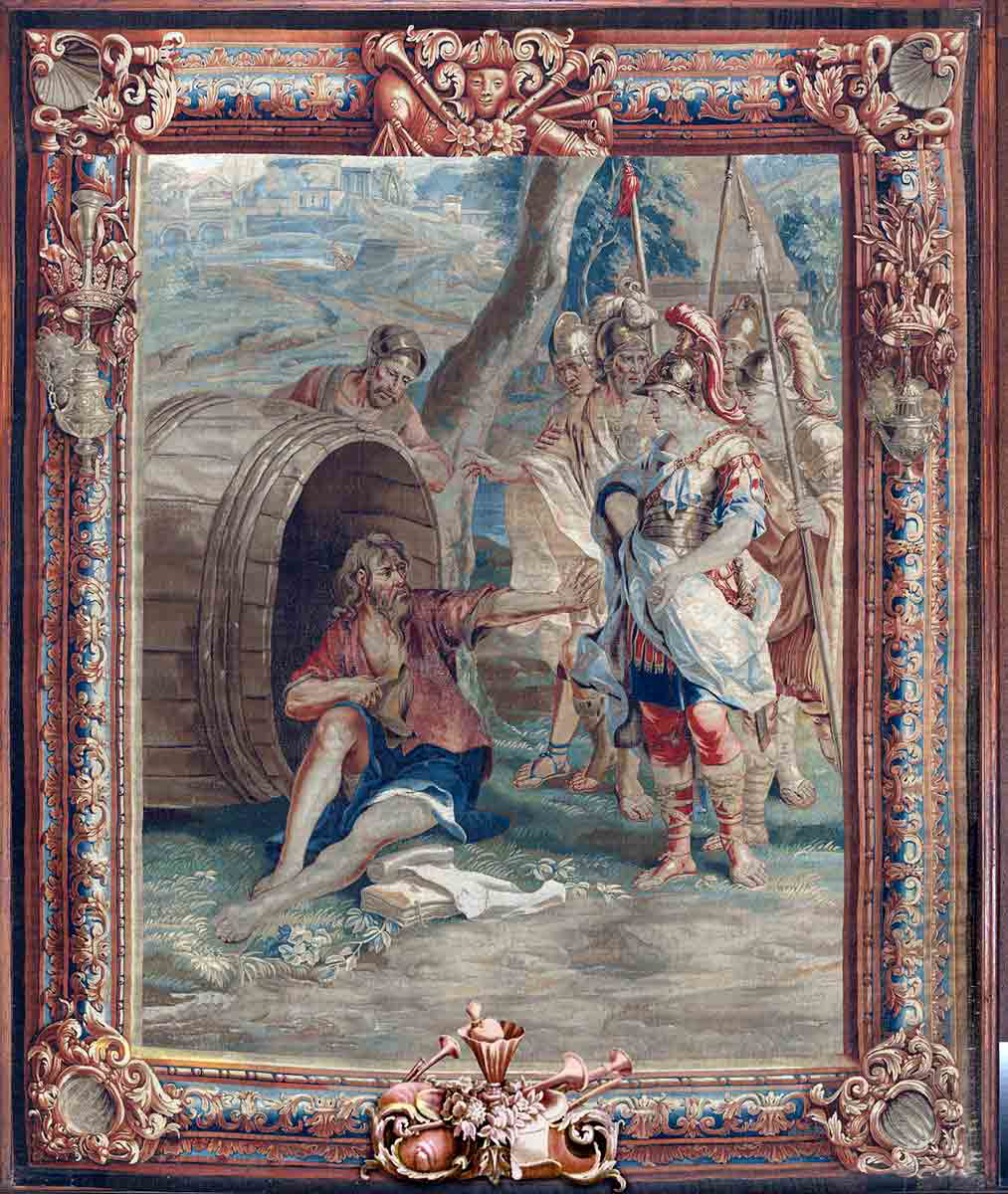
Following the death of Xerxes, the Achaemenid Empire witnessed heightened internal conflict. Additionally, by the time of Alexander the Great’s conquest, multiple Achaemenid rulers and heirs had been assassinated. Darius III, a nephew of a previous king and former Satrap of Armenia, was installed as the ruler in 336 BC.
In 334 BC, as Darius reasserted control over Egypt, Alexander the Great invaded Asia Minor, defeating Persian forces at Granicus, Issus, and Gaugamela. He captured Susa and burned Persepolis in 330 BC. At Pasargadae, Alexander visited Cyrus the Great’s desecrated tomb and ordered its restoration, which improved his reputation among locals.
Darius III, fleeing to Ecbatana, was betrayed and killed by his satrap Bessus, who declared himself the king. Alexander pursued and executed Bessus in a Persian court. Notably, Alexander retained Achaemenid administrative structures, earning the epithet “the last of the Achaemenids.” After his death in 323 BC, his empire fragmented, with his general Seleucus I Nicator taking control of the Iranian plateau and creating the Seleucid Empire.
Macedonian Dominance
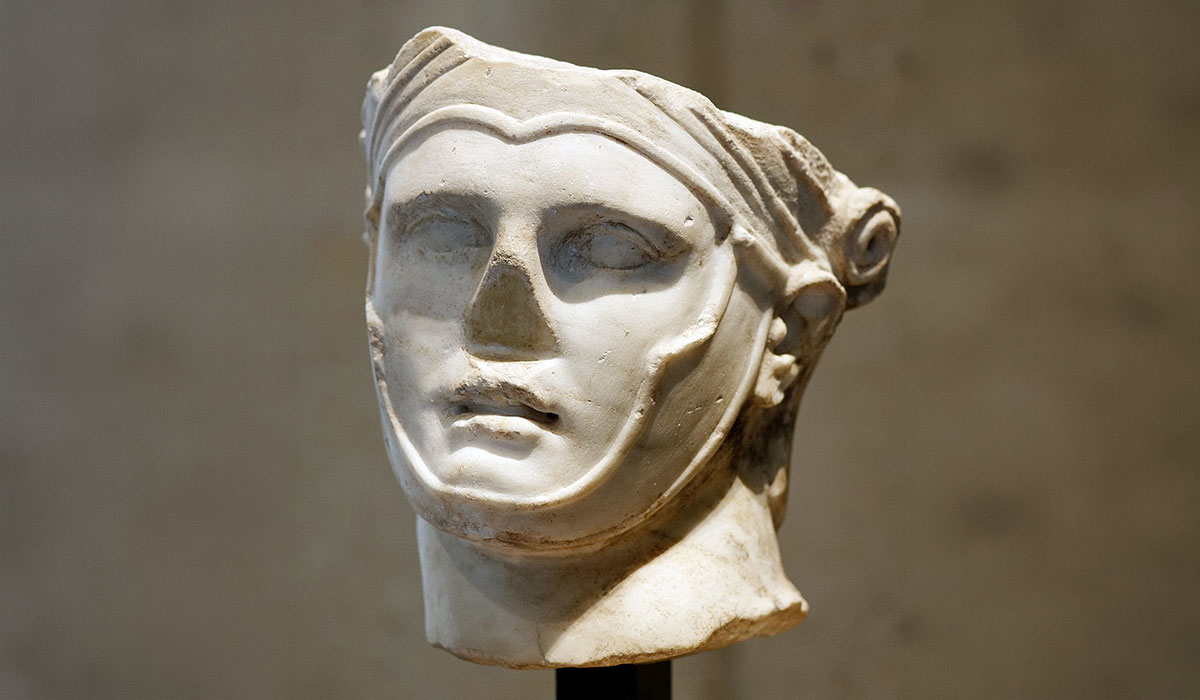
Following Alexander the Great’s death in 323 BC, his generals, known as the Diadochi, contested control of his vast empire. Ptolemy I Soter, satrap of Egypt, initiated a revolt that led to the Partition of Triparadisus in 320 BC, redistributing territories.
Seleucus I Nicator, formerly commander of the Companion Cavalry, secured Babylonia in 312 BC and expanded eastward, founding key cities such as Antioch and Seleucia. His victory at Ipsus in 301 BC granted him control over eastern Anatolia and northern Syria. After defeating the Diadochi Lysimachus at Corupedion in 281 BC, Seleucus aimed to conquer Thrace and Macedonia, but was assassinated by Ptolemy Ceraunus.
Seleucus’s son, Antiochus I Soter (281-261 BC), inherited a vast realm but struggled to maintain control amid rising regional powers. Under Antiochus II Theos (261-246 BC), internal instability and external pressures led to the separation of Bactria, Parthia, and Persis from the Seleucid core. Diodotus (255 BC) established the Greco-Bactrian Kingdom, while Arsaces founded the Parthian Empire.
Fragmentation and Failure
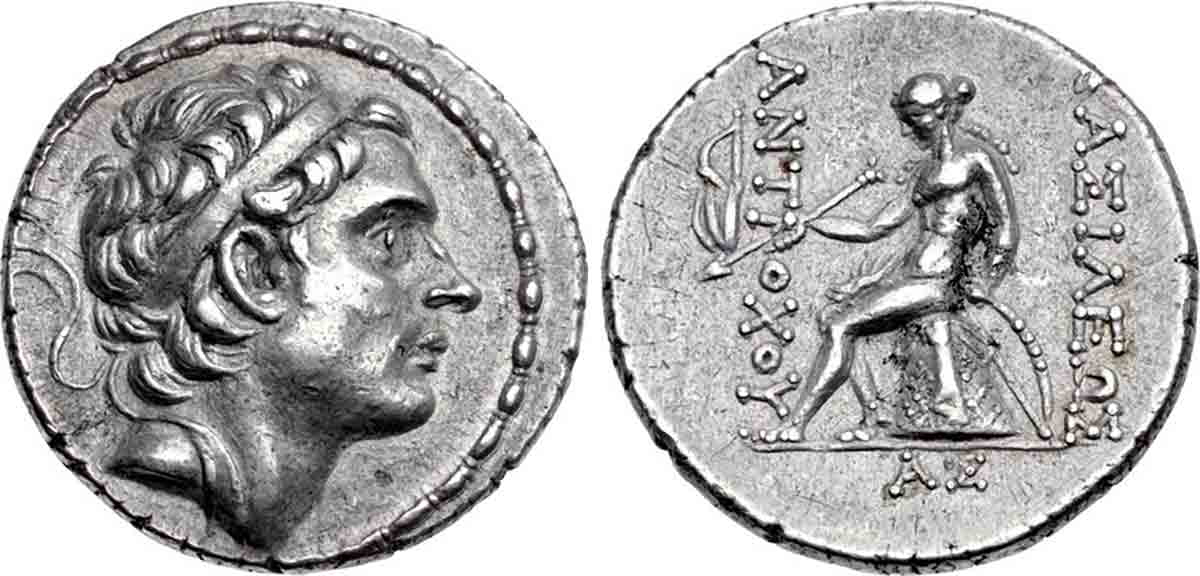
Seleucus II’s reign saw further fragmentation due to war with Egypt and civil unrest. A revival of Seleucid power began under Antiochus III the Great (223-187 BC), who reconquered eastern provinces and campaigned into India. His victory at Panium in 200 BC secured Judea, Samaria, and Phenicia from the Ptolemies, briefly restoring Seleucid prestige.
During this period, the empire enjoyed renewed prosperity through trade, urban development, and cultural exchange. Antiochus III’s eastern campaigns reasserted nominal control over rebellious satrapies, and his diplomatic engagement with Indian rulers brought war elephants and tribute, enhancing military and symbolic power.
The flourishing cities of Antioch and Seleucia became hubs of Hellenistic culture, administration, and commerce, reflecting the empire’s resilience and adaptability. This era marked the Seleucid Empire’s last significant consolidation of power and influence across Asia.
The Third Syrian War ended in defeat against Egypt, while Galatian incursions and the rise of Pergamum eroded control in Asia Minor. Economic instability and loss of Western trade routes further accelerated the empire’s disintegration. While the Seleucids were able to hold on to pockets of territory, the Armenians and Romans completely decimated what was left by 63 BC.
The Parthian Empire: An Explosive Founder
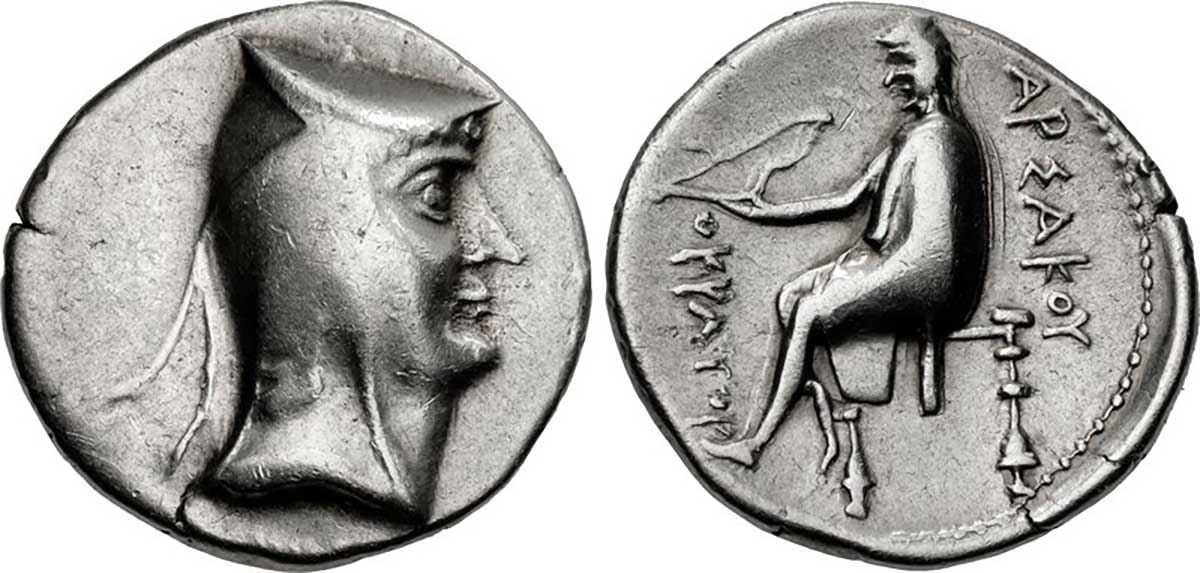
The Parthian Empire is also sometimes known as the Arsacid Empire, after its first ruler, Arsaces I (247-217 BC). Originally chieftain of the Parni, a nomadic Iranian tribe, Arsaces founded the Arsacid dynasty after conquering Parthia, a former Achaemenid and Seleucid province. The Parni adopted Parthian as their court language, alongside other regional tongues.
Capitalizing on the Third Syrian War and Seleucid instability, he allied with Diodotus II of Bactria and expelled the satrap Andragoras. Although briefly driven out by Seleucus II, Arsaces I regrouped in exile and successfully retook Parthia. His reign marked the beginning of Parthian independence and resistance to Hellenistic rule. Though the exact date of his rise is debated, Arsaces retroactively dated his reign to 247 BC, symbolizing the end of Seleucid control.
Succession after Arsaces I is unclear, with sources divided between his brother Tiridates I and his son Arsaces II. Following the Seleucid defeat at Magnesia in 190 BC, Parthia gained autonomy, with Priapatius and Phraates I ruling free from further Seleucid interference.
Cultural Consolidation
By the reign of Mithridates I (163-132 BC), relations between Parthia and the Greco-Bactrian Kingdom had collapsed. Upon ascension, Mithridates I wasted no time in exploiting instability in the Seleucid realm. In 148/147 BC, he invaded Media and captured Ecbatana, recently weakened by a rebellion. By 141 BC, Mithridates had conquered Babylonia, minted coins in Seleucia, and held an investiture ceremony, asserting Parthian sovereignty.
Furthermore, Parthian forces subdued multiple opposing states, extending Parthian control to the Indus River. Seleucid retaliation was delayed due to internal revolt, yet they eventually launched a counteroffensive in 140 BC, which ultimately led to their conclusive defeat. The Seleucid King Demetrius II Nicator (145-125 BC) was captured and married to Mithridates’ daughter.
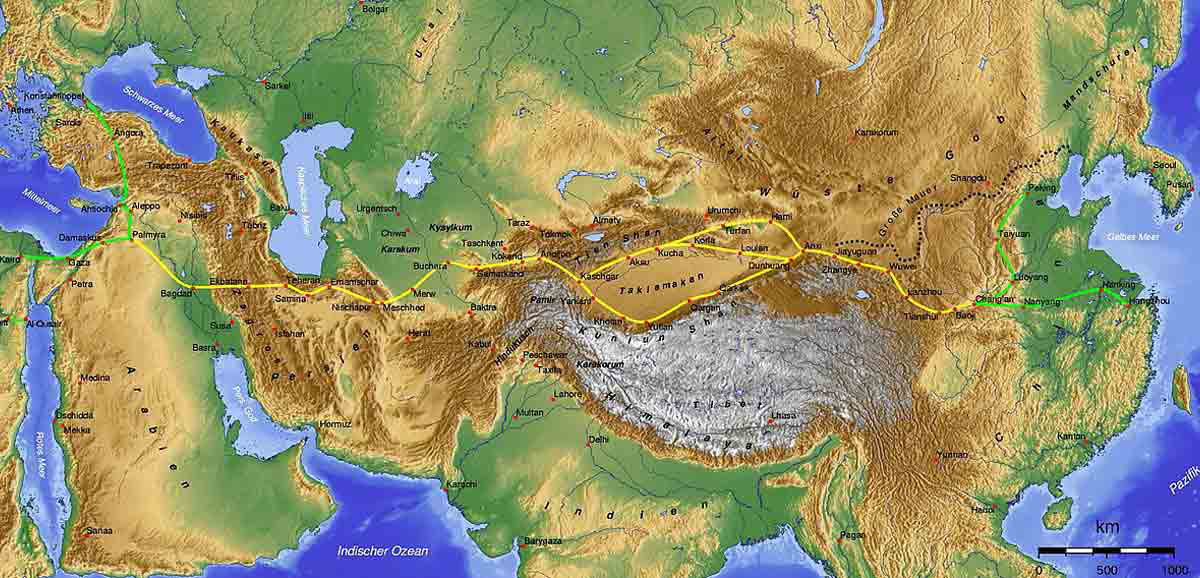
Parthia’s prosperity was upheld by its strategic role in Eurasian trade. The empire taxed silk caravans en route to Rome, while importing Chinese pearls and exporting spices, perfumes, and exotic animals. Diplomatic exchanges included gifts such as lions and gazelles sent to Chinese emperors. Traders fluent in Eastern Iranian languages facilitated commerce between Parthia and Han China, making the empire a vital conduit in the Silk Road network and enhancing its economic and cultural influence across Asia and Europe.
Wars With Rome
From 53 BC to 217 AD, the Roman Parthian Wars unfolded as a prolonged struggle for dominance in Western Asia. Despite tensions brewing for decades, the conflict physically erupted with the catastrophic Roman defeat at the Battle of Carrhae, where Marcus Licinius Crassus was killed and Roman standards were seized.
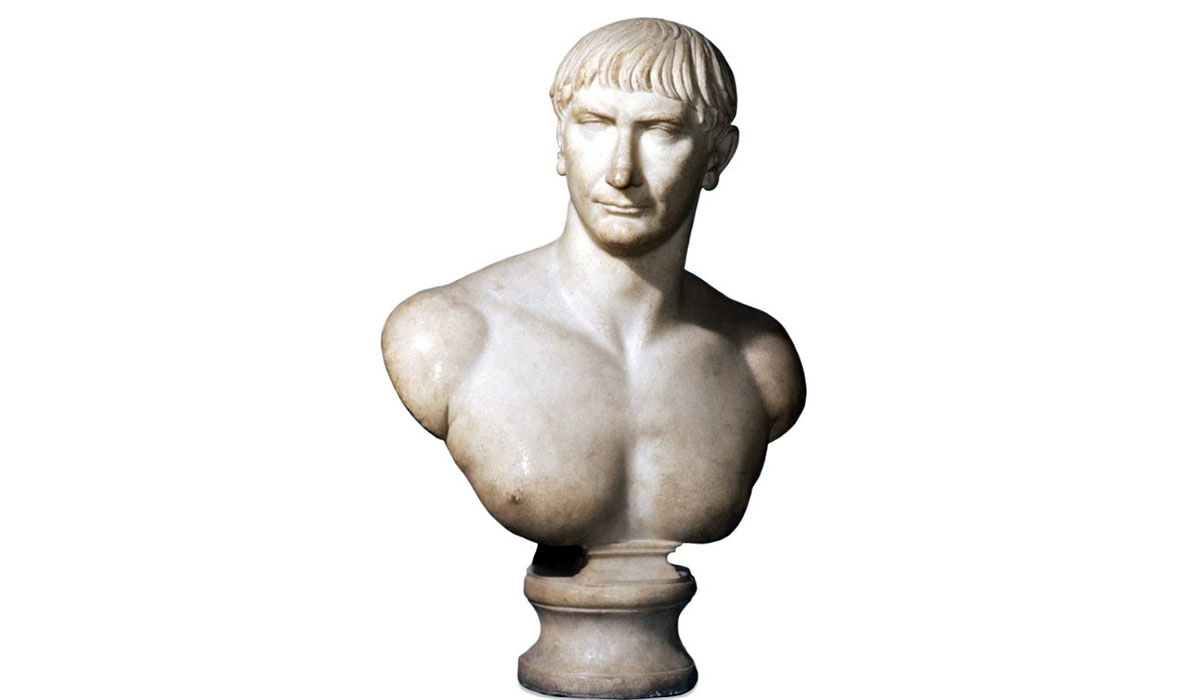
Rome retaliated with campaigns under Mark Antony and later Augustus, who recovered the lost standards in 20 BC as a symbolic victory. Armenia became a central point of contention, with both empires vying for influence over its throne. Parthia’s decentralized structure and reliance on cavalry proved effective against Roman legions. Despite repeated Roman invasions, most notably by Trajan (98-117 AD) and Lucius Verus (161-169 AD), neither side achieved lasting supremacy.
Rome’s most successful crusade was pursued by Trajan, who was able to take key Parthian cities such as Seleucia, but these gains were impossible to manage long-term and were abandoned by his successor, Hadrian. Ultimately, Rome and Parthia settled into a balance of power, often using client kings and treaties to manage disputes. The conflict only ended with the rise of the Sasanian Empire, which replaced Parthia in 224 AD and continued hostilities with Rome.
The Sasanian Empire: Reform
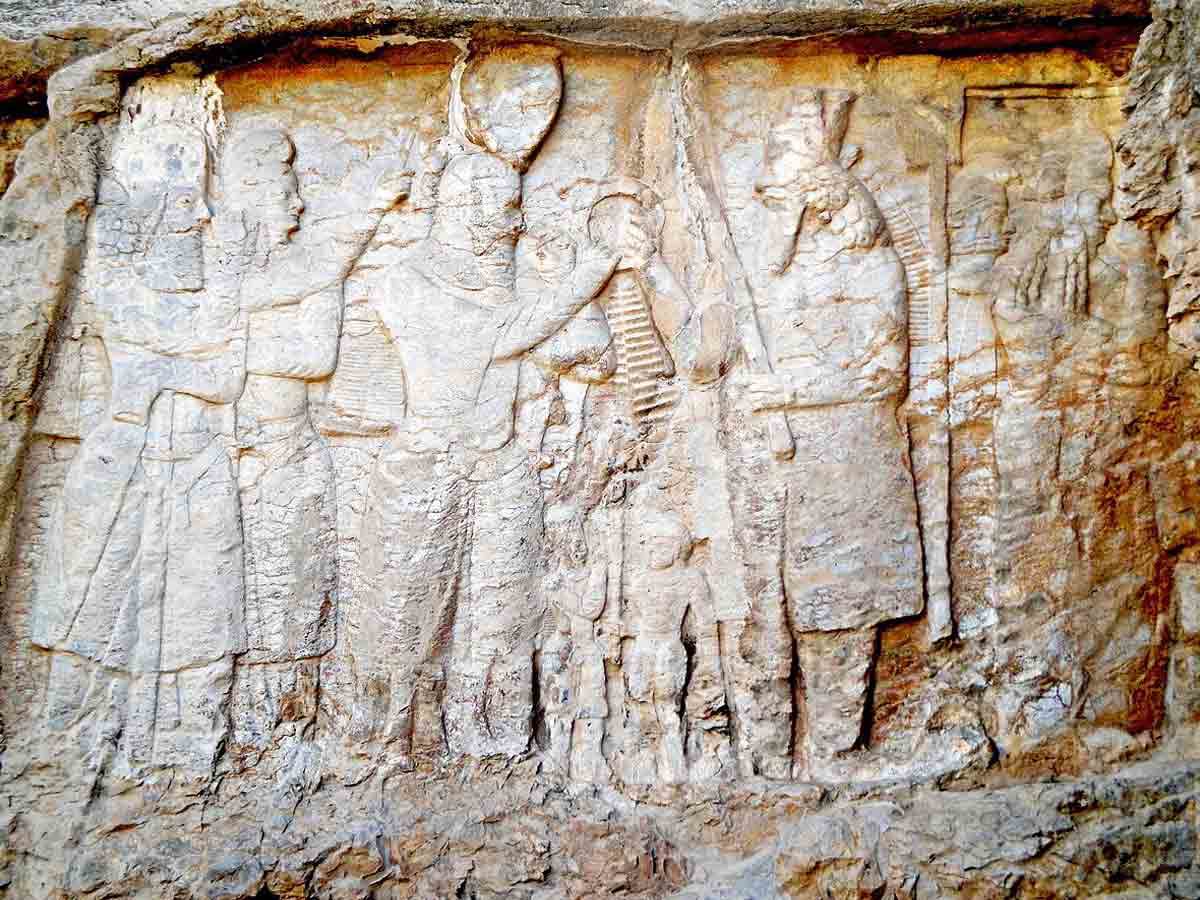
The Sassanian Empire emerged from the decline of Parthian authority, founded by Ardashir I in Estakhr around 224 AD. Ardashir consolidated power in the province of Pars following a dynastic struggle, ultimately defeating the last Parthian king, Artabanus IV, and claiming the epithet, King of Kings. Politically, he centralized authority, expanded territorial control across Iran and Mesopotamia, and established a new capital at Ardashir-Khwarrah.
Ardashir I’s son, Shapur I (240-270 AD), continued expansion, notably defeating Roman Emperor Valerian and capturing key cities such as Antioch and Nisibis. Socially, the Sassanians promoted urban development, founding cities like Bishapur and Nishapur. Shapur I encouraged religious pluralism, supporting Manicheism and granting Jews and Christians freedom of worship.
However, this tolerance waned under Bahram I and II as they had been influenced by a Zoroastrian priest. Subsequently, the Sassanian state elevated Zoroastrianism as the dominant faith, intertwining it with royal legitimacy. Ardashir’s coronation relief depicts Ahura Mazda, symbolizing divine kingship.
The Final Zenith
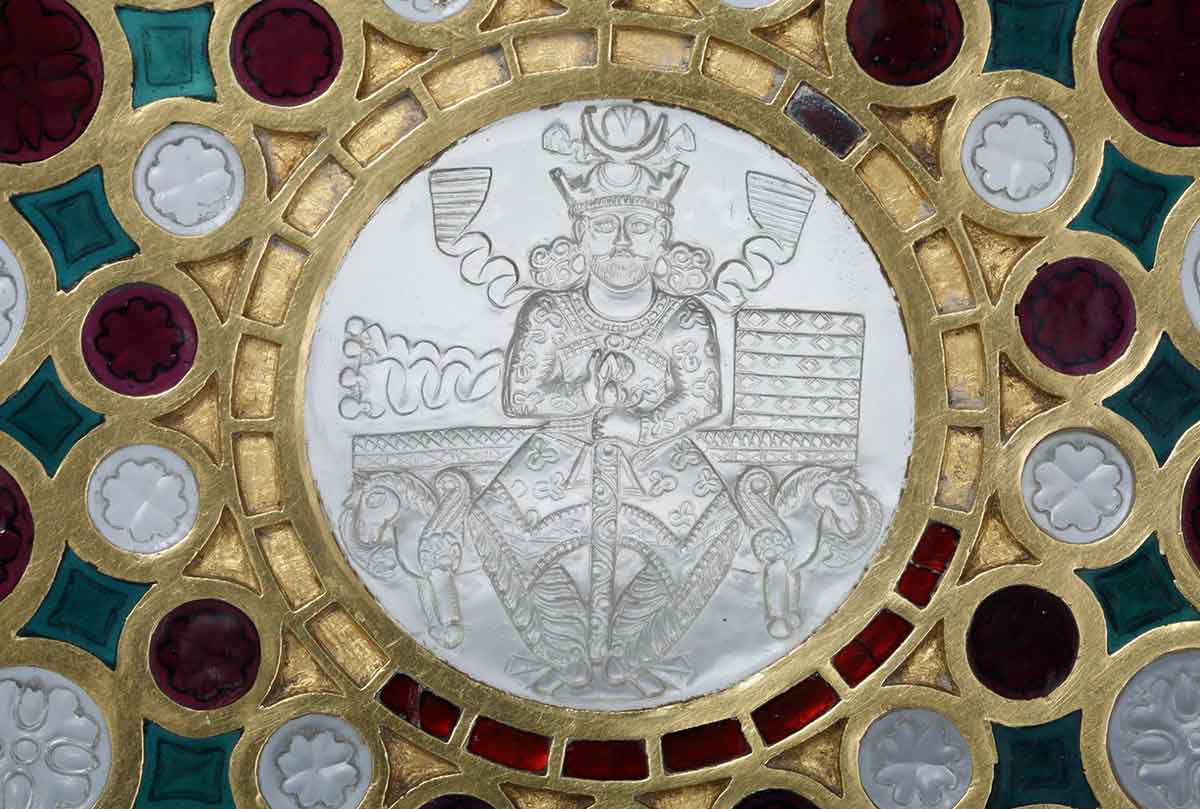
Following Shapur II’s death in 379 AD, the Sasanian Empire entered a relatively peaceful phase, only interrupted by two brief conflicts with the Byzantine Empire. Despite a succession of weak rulers, the administrative structures established under Shapur II ensured continued imperial stability. Armenia was divided between Byzantium and Persia, with the Sasanians regaining control over Greater Armenia.
King Yazdegerd I (399–421 AD) promoted religious tolerance, protected Christians, and fostered diplomatic ties with Byzantium. His son, Bahram V (421–438 AD), drove the Hephthalites out of Sasanian territory and annexed Armenia as a province. On the other hand, his son and successor Yazdegerd II (438–457 AD) reversed such tolerant policies, persecuting Christians and attempting to reimpose Zoroastrianism in Armenia, leading to the Battle of Avarayr in 451 AD.
The later King Kavad I (488–531 AD) implemented radical socio-economic reforms inspired by egalitarianism. After a brief deposition, Kavad reclaimed the throne with Hephthalite support, initiating the empire’s second golden era.
Kavad’s son, Khosrow I (531–579 AD), is celebrated for his administrative, fiscal, and military reforms. He reorganized the tax system, strengthened central authority, promoted scholarship, and patronized philosophy and science, notably welcoming Greek philosophers exiled by Justinian. His reign marked the highest point in Sasanian cultural and political achievement.
Dissolution of the Persian Empire
The final decades of the Sasanian Empire were marked by military overreach, internal instability, and external invasion. Khosrow II’s early successes against Byzantium during the Byzantine-Sassanian Wars between 602-622 AD depleted Persian resources, prompting heavy taxation and public discontent. In response, Emperor Heraclius launched a counteroffensive, defeating Persian forces, sacking key cities, including Dastagerd, and undermining Khosrow’s authority.
The failed siege of Constantinople in 626 AD and Heraclius’s victories led to Khosrow’s overthrow and assassination by his son Kavadh II, who ended the war but died shortly after, plunging the empire into internal conflict. By 632 AD, Yazdegerd III ascended the throne amid widespread fragmentation. The Arab conquests, initiated under Caliph Abu Bakr and continued by Umar, exploited Sasanian weakness.
King Yazdegerd fled east and was assassinated in 651 AD. The empire collapsed within five years, and its territories were absorbed into the Islamic Caliphate. Despite initial tolerance, revolts in cities like Rey and Isfahan were suppressed. Persian elites fled to Central Asia, preserving cultural traditions that later influenced the Samanid dynasty. The Sasanian Empire, the last native Iranian monarchy before the Arab conquest, was not politically unified again until the rise of the Safavids in 1501, nearly a thousand years later.
Consequently, the Middle East underwent a profound transformation. Arab Muslim forces rapidly expanded, incorporating Persian territories into the Islamic Caliphate. Zoroastrianism declined as Islam became dominant, though conversion was gradual. The region’s political landscape shifted from imperial monarchy to caliphal rule, reshaping religion, society, and administration.