HomeHistory
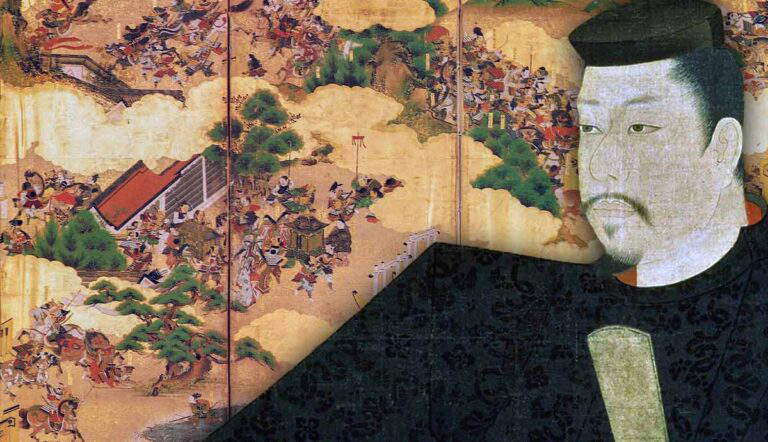
The Genpei War was a civil conflict between the Taira and Minamoto clans, and led to the first military dictatorship in Japan.

Gloria Steinem is one of the most prolific feminist activists, journalists, and essayists. In 2013, she received the Medal of Freedom for her work and activism.
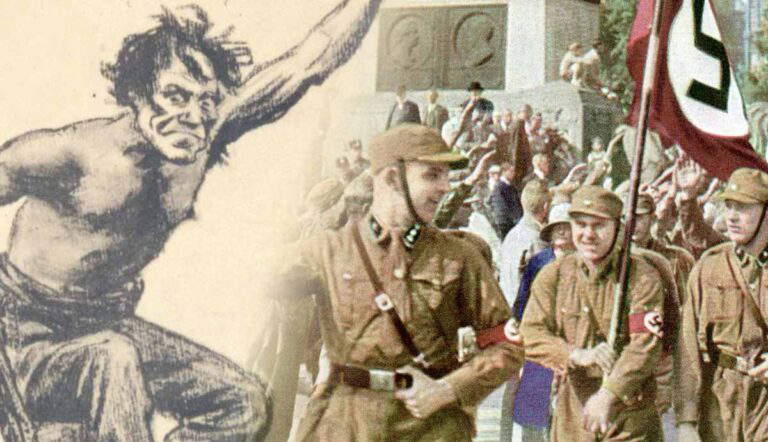
At the end of the 1920s, radical elements came to dominate the right wing of Weimar politics, with dire consequences.

Throughout its history, the Soviet Union was a land of innovation, making progress in space exploration, sport, war, music, and fashion.

Rising from the fiery ashes of destruction, Tokyo’s journey after the Second World War is one of resilience.
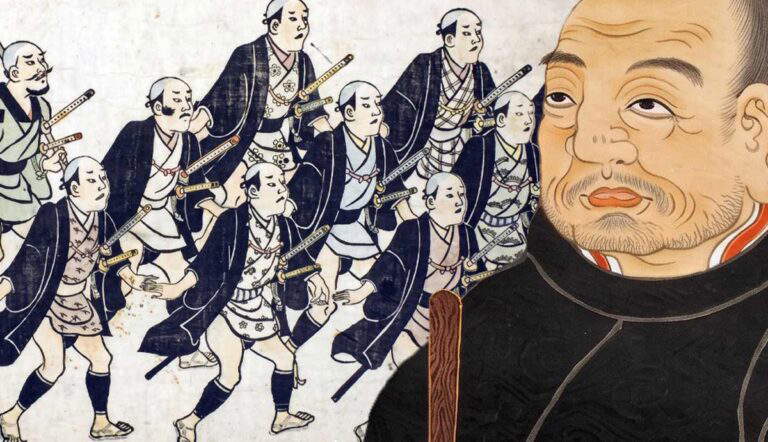
In 17th-century Japan, the nobility was controlled by intricate laws that forced their loyalty.
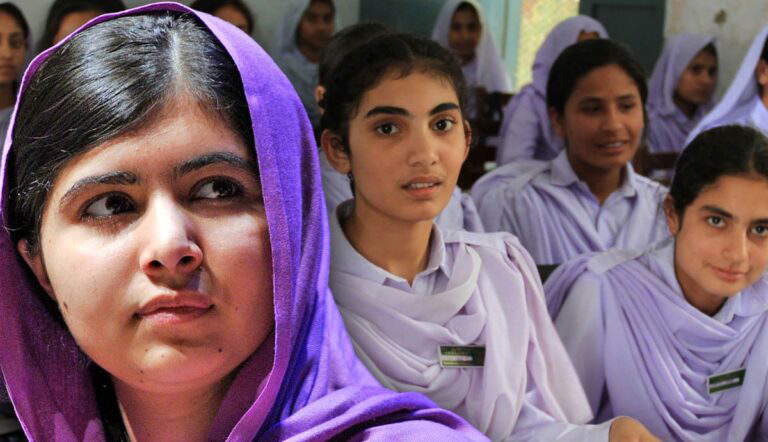
Malala Yousafzai is an international proponent for female education, bringing awareness to the social and economic impact of empowering girls for change.

The cosmopolitan nature of China during the rule of the Tang Dynasty allowed different religions to coexist freely. One of those religions was Christianity.