
Since the printing press, humanity has faced successive waves of information abundance, from 15th-century books to today’s digital torrent. It is easy to feel overwhelmed, or to believe that consuming more information makes us wiser. Michel de Montaigne confronted the first such wave in the modern West. He warned that consuming other people’s knowledge could stifle original thought and create a false sense of wisdom. He answers that we should prioritize self-knowledge and experiential wisdom over mere erudition, and this lesson could prove beneficial in our information-saturated age.
Montaigne’s Critique: Stuffing the Memory, Starving the Mind
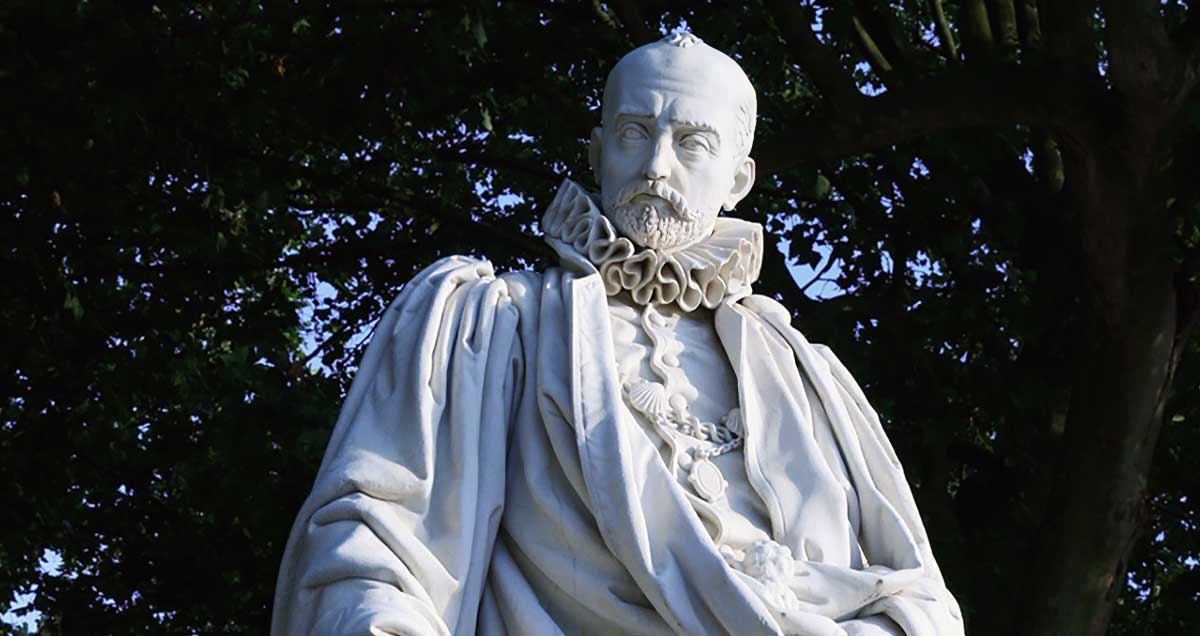
In his Essais (literally “attempts” or “trials”), Michel de Montaigne, the 16th-century French philosopher, proposed the then-radical idea that the world was far too concerned with consuming other people’s knowledge, which he argued stifled original thought. He saw no virtue in storing large quantities of facts to memorize, which ran against much of the fashion of his day, as it does today.
Simply consuming knowledge may make us feel, quite mistakenly, that we are the wiser for it. For Montaigne, what mattered was the ability to weigh, discern, and integrate knowledge through personal judgment. Let’s hear it from Montaigne himself:
“We only labor to stuff the memory, and leave the conscience and the understanding unfurnished and void“ (Michel de Montaigne, Essais, I, 24).
In the chapter “Of Pedantry,” he put this idea even more plainly: knowledge is not as necessary as judgment, since judgment can manage without knowledge but knowledge never without judgment.
He compared pedants to birds that fly out to forage for grain and carry it home in the beak without tasting it. He urged moderation in our thirst for information, much like moderating our appetite for pleasure, lest we become bloated with facts but starved of wisdom.
In the chapter “Of the Education of Children,” he asks that a pupil’s tutor have a head “well made” rather than “well filled.” Both chapters, this one and “Of Pedantry,” press essentially the same point.
Montaigne Retired to a Library of 1,000 Books to Study Himself

This is an interesting position for someone who could be called a notorious erudite. At 38, on his birthday in 1571, he essentially retired from public life and secluded himself in a tower of his château, with a personal library of about 1,000 books.
He read widely, with Seneca, Plutarch, and Lucretius among his favorites, and he had 54 maxims painted on the ceiling beams, among them the Latin formula iudicio alternante, “alternating judgment,” a reminder to turn a question over and reverse his own verdicts. But what Montaigne sought in these books was not the opinions and knowledge of others. He used them for self-exploration.
His introspective drive may have roots in his unusual humanist upbringing, which included being spoken to only in Latin as a child and living among peasants to understand different ways of life, all aimed at fostering independent judgment rather than dogma.
The Information Explosion Makes Montaigne More Relevant Today
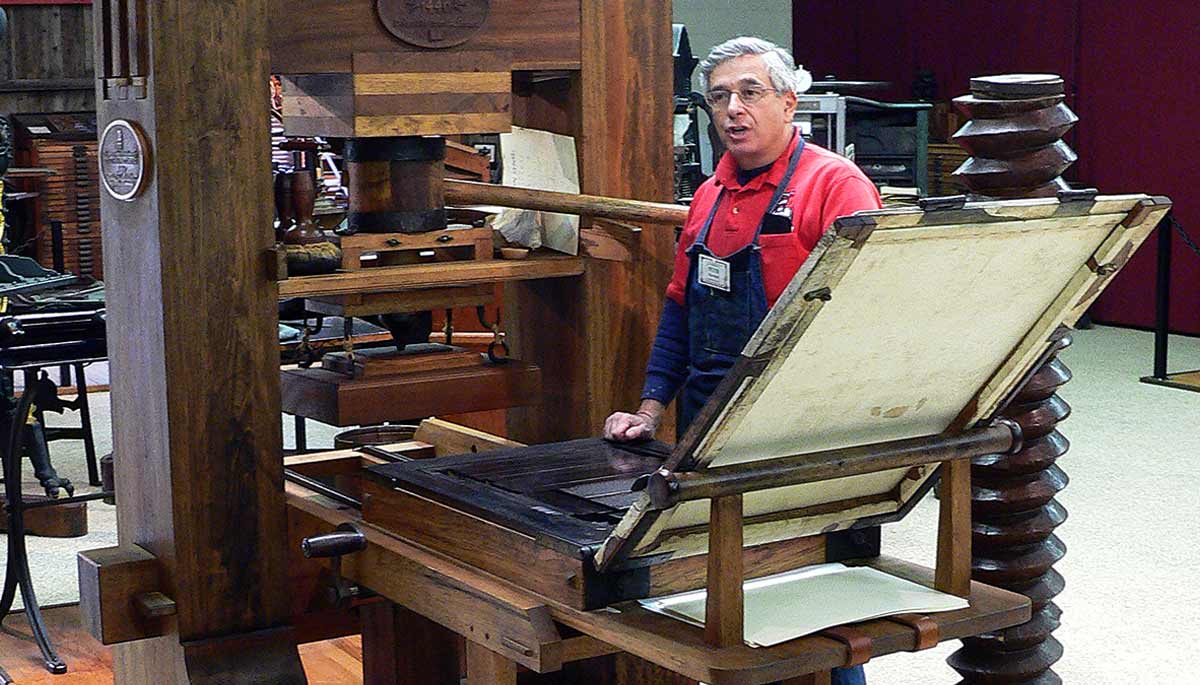
Montaigne’s concerns about navigating an abundance of information are arguably more pressing today than in his own time. The printing press revolutionized access to information in the 15th century. The internet and digital media have exponentially amplified that effect, creating a global library that can be accessed almost instantly and that dwarfs Montaigne’s collection beyond measure. We, like Montaigne, live through a massive shift in the availability of knowledge, and so need to learn what knowledge to take in and how.
Unfortunately, Montaigne gives no easy formula akin to a self-help book title, but he affirms that each person needs to know their own idiosyncrasies.
In his Essais, he exemplifies his method. He makes himself the subject (“I am myself the subject of this book,” he tells the reader), exploring his own thoughts, habits, and contradictions with unflinching honesty. He wrote not primarily to instruct but to understand himself, hoping his self-portrait might help others recognize shared human frailties and begin their own self-examination, seeking wisdom over mere knowledge.
He recognized the potential vanity of such self-focus but also believed “[e]very man bears the entire human condition” (Essais, III, 2), which makes self-reflection universally relevant.
Knowledge Can Be Borrowed, but Wisdom Must Be Earned
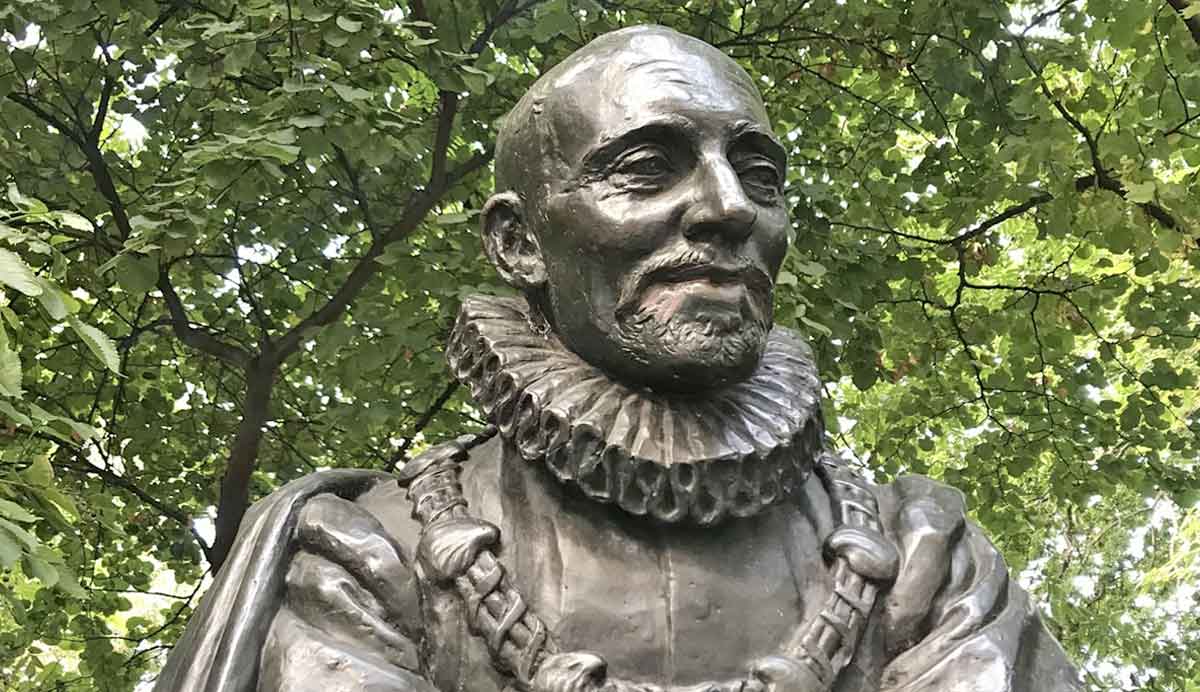
From the historical perspective, Montaigne is clearly not your typical philosopher. He did not operate on arguments, and he did not find definitions fruitful. Yet his writings show that he takes knowledge to be the gathering of information and facts from others’ teaching or from books.
Montaigne treats knowledge itself as largely useless. Knowledge from experience, knowledge adapted to one’s own self, and above all self-knowledge matter most. He took this to be wisdom, which comes from personal experience, reflection, and the ability to apply knowledge effectively to one’s own life. Wisdom lies in the ability to discern, judge, and use knowledge appropriately in different situations. Crucially, while knowledge can be readily transmitted, wisdom has to be earned through individual effort and introspection. In his own words:
“We can be knowledgeable with other men’s knowledge, but we cannot be wise with other men’s wisdom” (Montaigne, Essais, I, 25).
Experience Taught Montaigne More Than Books
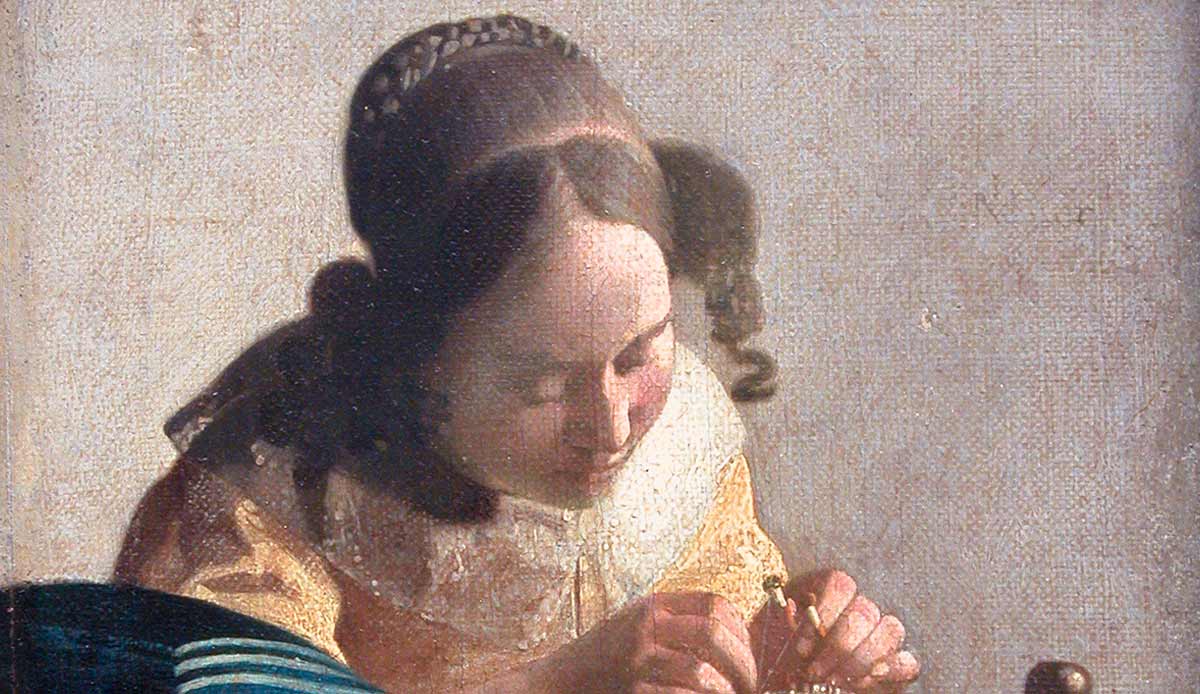
Flowing from his emphasis on wisdom, Montaigne valued practical, experiential learning far above purely theoretical knowledge. He believed that true understanding often comes from engaging directly with the world and grappling with challenges firsthand. Someone who had worked extensively with a material or craft, he suggested, likely possessed a deeper, more nuanced understanding than someone who had merely read treatises on the subject.
On this basis, Montaigne was highly critical of purely academic learning, learning that did not translate into practical understanding or the ability to live well. He sided here with the Callicles of Plato’s Gorgias, who held that philosophy suits the young but makes a grown man ridiculous if pursued too long. Practiced with restraint, philosophy proves useful, whereas in excess it leads to eccentricity and insociability.
Montaigne was also skeptical that accumulating facts and theories would bring joy. He observed many learned individuals who were far from happy, burdened by their own complexities, anxieties, and the endless pursuit of more information.
He believed that knowledge could even be a source of unhappiness if it led to pedantry, arrogance, and a detachment from the simple pleasures of life. Instead, he found greater joy in artisans and laborers, people who had to employ wisdom naturally.
Montaigne Saw Doubt as a Path to Tranquility, Not Despair
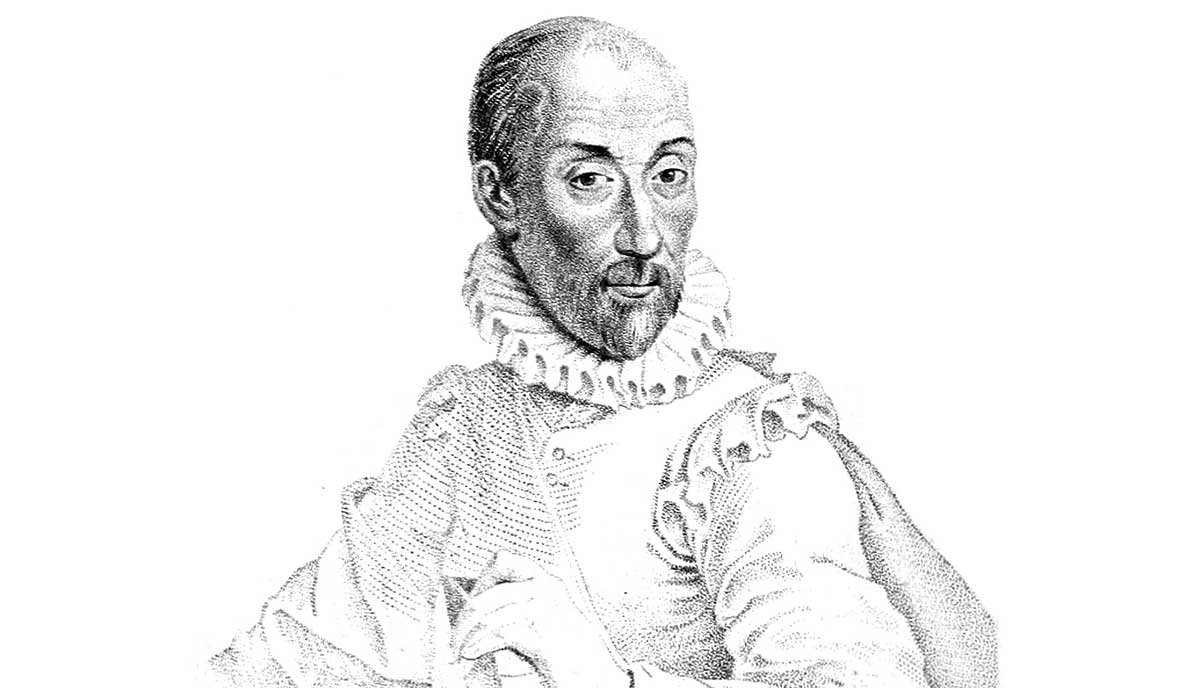
Contrary to simply accumulating knowledge, Montaigne found skepticism to be a path to tranquility and so to happiness, or rather to avoiding the unhappiness of dogmatic belief. His motto, “Que sais-je?” (“What do I know?”), expressed constant questioning that undermines certainty.
In the “Apology for Raymond Sebond” (II, 12), the longest chapter of the Essais, he embraces Pyrrhonism, the ancient school that sought tranquility (ataraxia) by suspending judgment.
Some scholars give Cicero’s probabilism equal weight as a source of the Essais‘ skepticism: Montaigne takes opinions as seeming true without treating any as absolutely true. Peaceful acceptance of uncertainty is a better foundation for happiness. Shaped by a skeptic’s belief in the impossibility of ultimate truths, the motto suggests a better focus: the here and now and cultivating the inner self.
Understanding one’s own nature, limitations, desires, and tendencies allows for more realistic expectations and a more harmonious way of living. That is Montaigne’s core definition of wisdom.
Wisdom can be said to be anything that helps one live happily and morally, and so knowledge should be judged by its usefulness and appropriateness to our lives. It is about living well, a fulfilling and virtuous life, something that knowledge for its own sake cannot give.
If wisdom is the goal, how does one cultivate the judgment necessary to attain it? Montaigne’s answer lay in engaging with all aspects of life, no matter how mundane. His Essais exemplify this, meandering through reflections on philosophers, bowel movements, cannibals, coaches, and the arms of the Parthians.