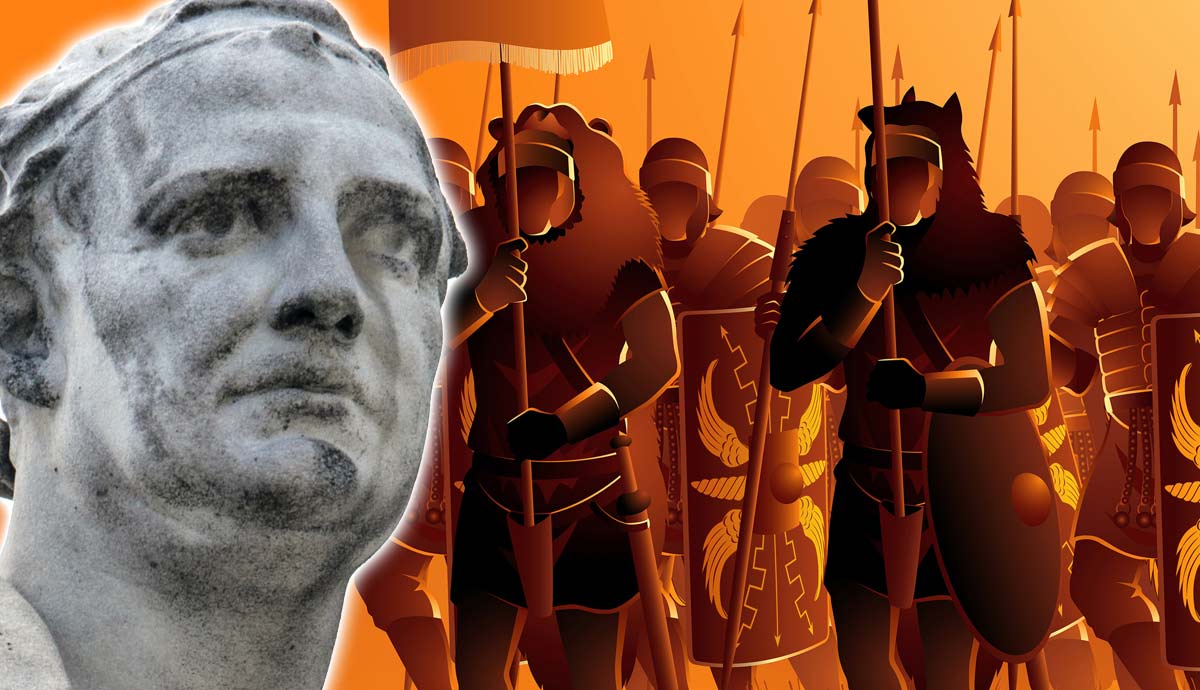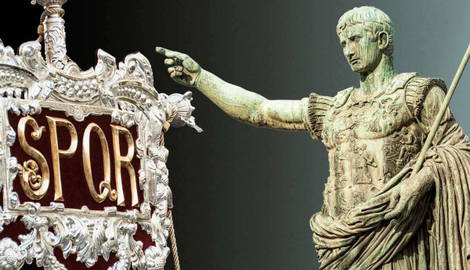

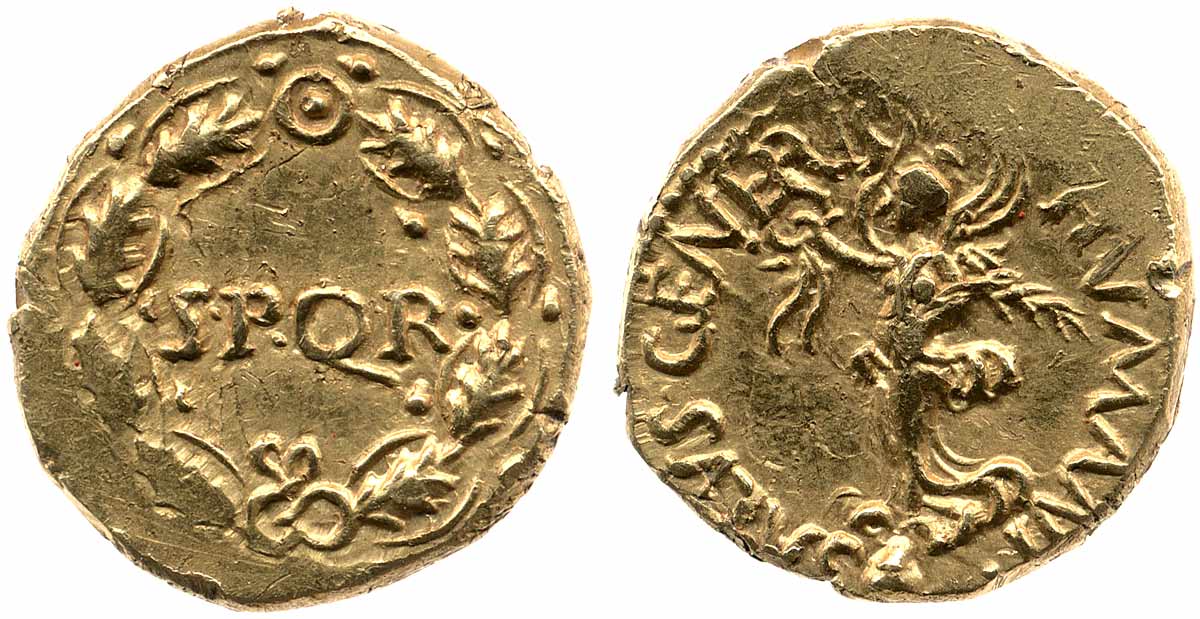
Senatus Populusque Romanus means the “Senate and the People of Rome” in Latin, shortened to S.P.Q.R. This signature can be found on inscriptions and coins from the 1st century BC through the 4th century AD. This motto identified the two ruling bodies of Rome: the aristocratic Senate, Rome’s oligarchy, and the Roman people, who voted in the popular assembly as Rome’s sovereign body. Membership in this body was a point of pride for Roman citizens, but how much democratic power did the popular assembly truly wield?
How Class-Conscious Were the Ancient Romans?
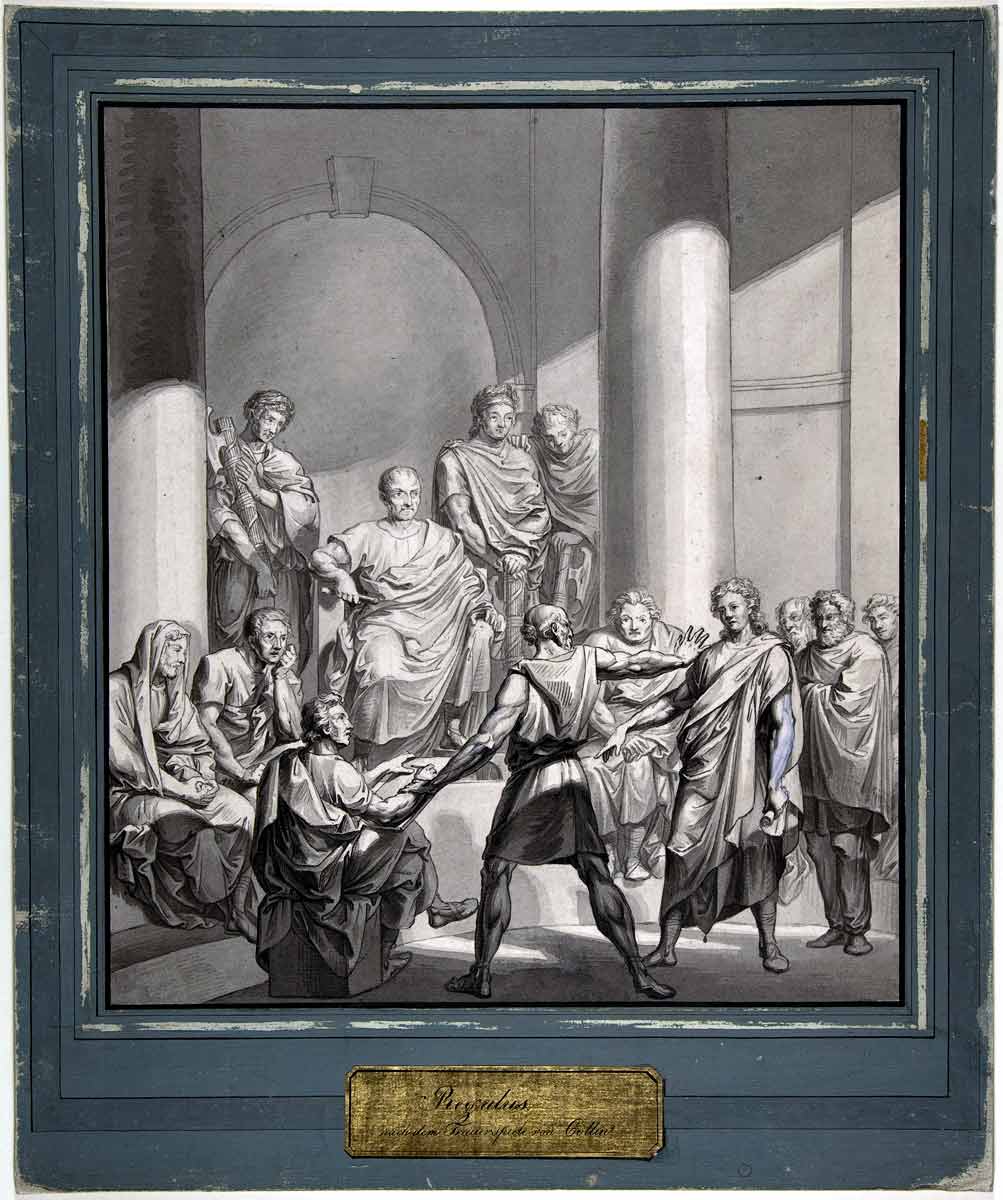
The Romans were extremely class-conscious. Your class status influenced everything from where you could sit in the theater and what you could wear to how laws were applied to you and how much your vote was worth. On a basic level, the Roman populus was made up of two classes of citizens: the patricians and the plebeians. Under them were freedmen and slaves.
According to Livy, when Romulus founded Rome, he chose 100 men to be senators. These 100 men were called patres (fathers), and their descendants became the patrician families. Membership of these original families is how the patricians differentiated themselves from the plebeians and justified their special place in Roman society. Many elite Roman families even claimed descent from the gods; for example, the Julii claimed to be the descendants of Venus, and the Fabii and Antonii from Hercules.
The plebeian class consisted of every other free Roman citizen. The distinction between plebeian and patrician, while cited by ancient authors as being as old as Rome itself, is not attested to in historical records until the expulsion of the kings in the late 6th century BC. Nevertheless, your class status was considered fundamental to your identity as a Roman.
Rome’s Mixed Constitution: Republican Governance According to Polybius
While the functioning of Rome’s government evolved over the centuries, we usually look at Polybius’ summary in the mid-2nd century BC to understand the constitution under the Roman Republic. The Greek historian lived in Rome and wrote a monumental history in which he tried to explain Rome’s dominance, which included its governance structure.
Polybius claimed that Rome combined the three best forms of government. First, it had its consuls, the chief magistrates. They were elected annually and in pairs to prevent one man from ever gaining too much power. According to Livy, the consulship was initially reserved for the patricians, but plebeians were allowed to run from the 4th century BC onwards.
Next, there was the Senate, Rome’s aristocratic ruling body. While initially made up of the Patrician families, this body also changed over time. From near the end of the 4th century BC, election to certain offices granted membership of the Senate. This was then generally for life, though Senators could be expelled by the Censors for crimes such as immorality and poverty. This served as an established and stable body to manage things like the treasury and foreign policy and steer magistrates.
Finally, the people were technically the sovereign body of Rome with the power to overrule all others through their popular assemblies. The Senate could suggest laws, but it was the vote of the popular assembly that made them law. They also voted in magistrates and had power over capital cases involving Roman citizens. But the functioning of the popular assemblies was complex.
The Comitia: How the Roman People Voted on Law and War
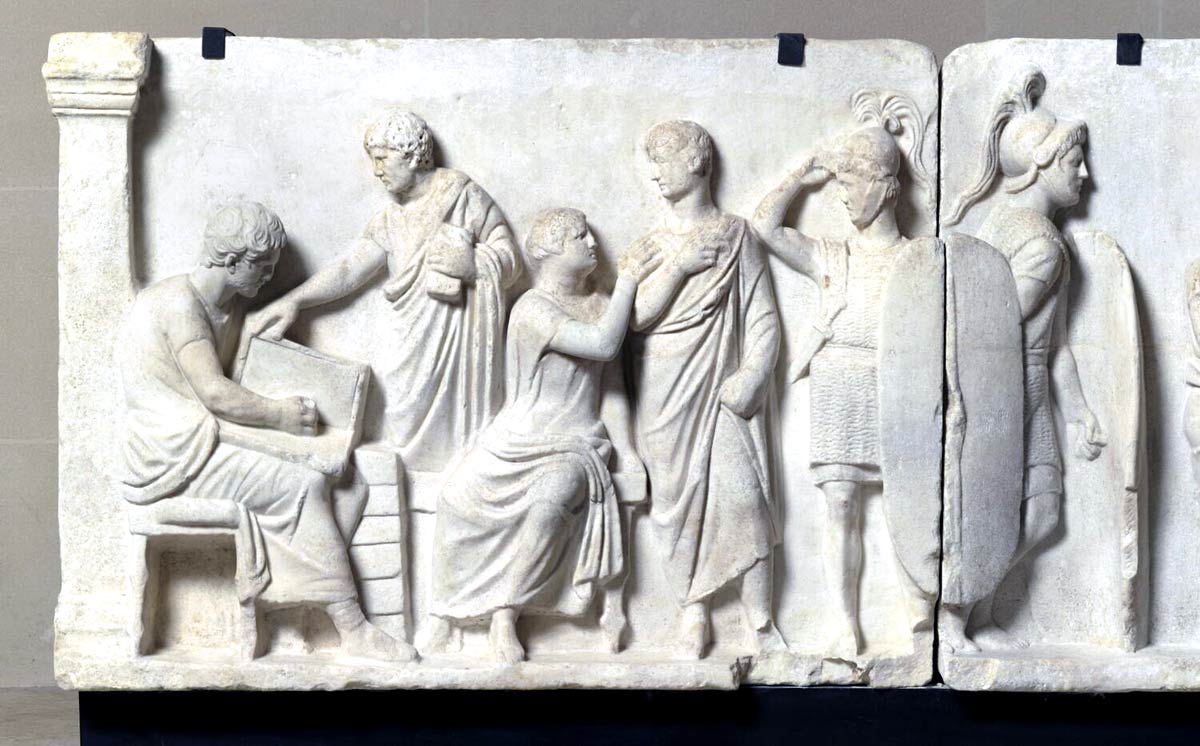
Rome’s popular assemblies were called comitia, and there were several popular assemblies with different powers.
The Comitia Centuriata was the formal assembly of all Roman citizens. They voted the most important magistrates into office, and they were the only body that could officially declare war.
The structure of this assembly was closely linked with the military, which, for most of the Republic, was a citizen militia with obligations based on financial means. Voting blocs, called centuries, were also based on wealth. Each century had a single vote, and the candidate with the majority of the votes won the nomination of that voting bloc.
This process favored wealthier citizens. They were divided into smaller voting blocs, so their individual votes carried more weight, and their blocs voted first. Once a candidate had won the majority of the voting blocs, the voting stopped, so a magistrate could be elected to office without the input of the poorer majority. Therefore, this seemingly democratic process was heavily weighted in favor of the oligarchy.
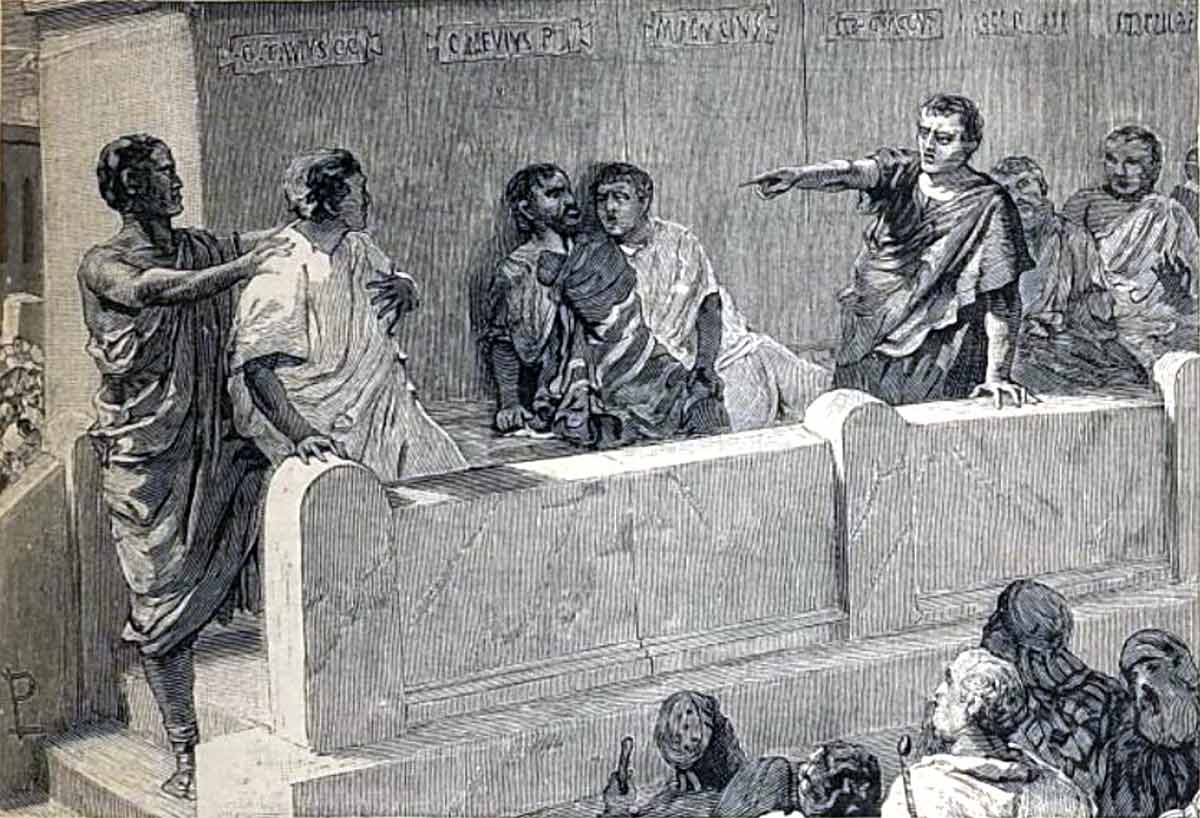
Comitia Tributa was the second most important popular assembly. It elected more minor magistracies, such as quaestors and aediles, and sometimes handled minor legislation. In this assembly, citizens were divided into tribes, which were principally geographic divisions.
There was also the Concilium Plebis, a meeting exclusively of the plebs. It was convened by the Tribune of the Plebs, which it also elected. This body could pass resolutions, which were initially only binding on the plebeian population. However, after the enactment of the Lex Publilia in 339 BC and the Lex Hortensia in 287 BC, these resolutions applied to the whole of the populus Romanus.
The Tribune of the Plebs: Rome’s Ultimate Veto Power
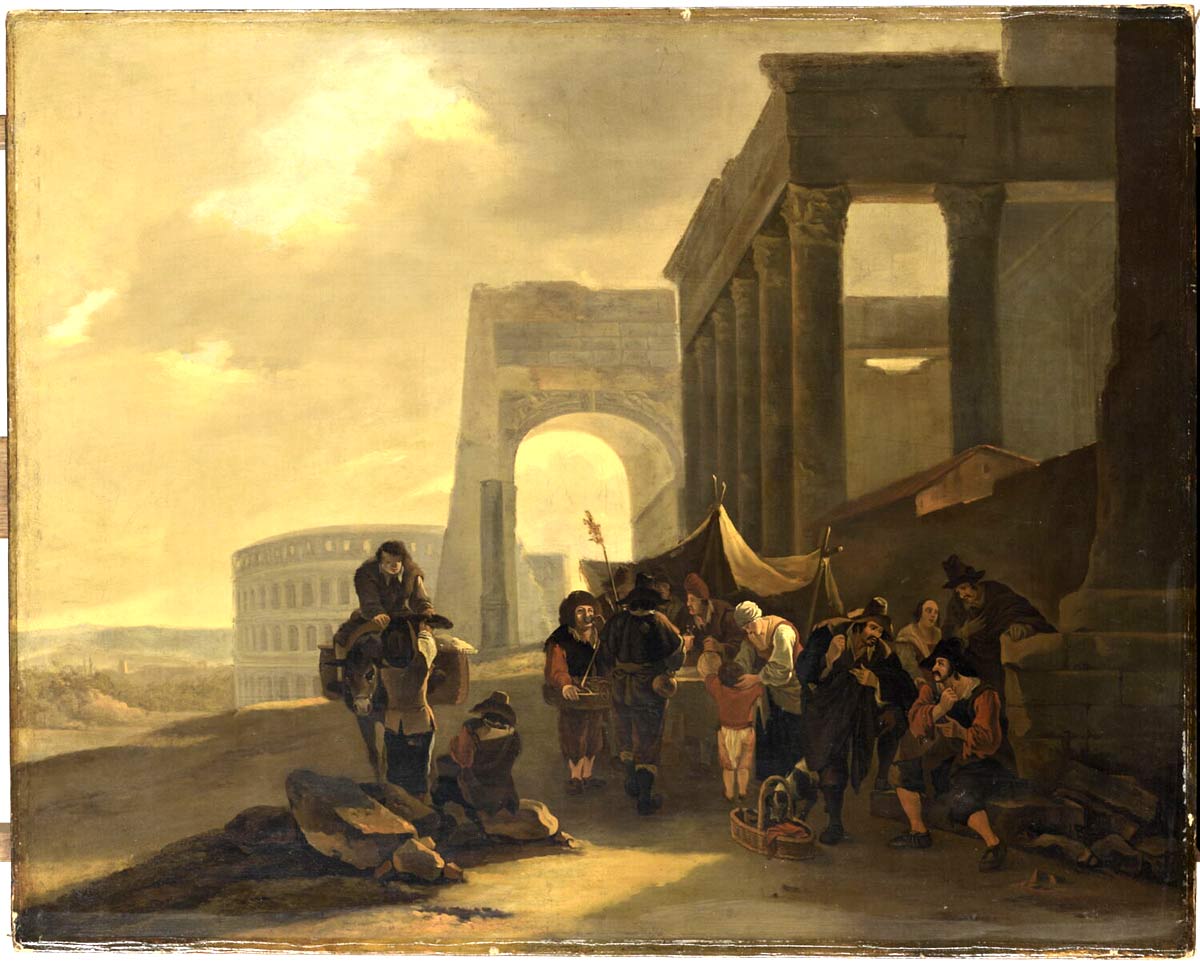
In the early years of the Republic, only the patricians were eligible to hold public offices, and they held all the political and religious power. A debt crisis, as well as abuse by the patricians, led the plebeians to collectively secede from the city in what can be described as a general strike. This was known as the Secession of the Plebs, occurring in 494 BC. It resulted in some significant concessions to the plebeian class.
This is when the plebeians were granted access to high offices, such as the consulship, but more important was the creation of a new office specifically for the plebeians: Tribune of the Plebs. Only open to plebeians, they were the representatives of the plebeian class. Their support by the people made them sacrosanct, making it illegal and blasphemous to physically impede them. This gave them the ability to intercede against other magistrates on behalf of the plebeians. They were also given the power of veto, which meant that they could veto the laws and proposals of any other magistrate, including the consuls, to protect the interests of the people.
The ability of the Tribune of the Plebs became very influential over the centuries. In 133 BC, Tiberius Gracchus wielded the power of the office to push through laws that resulted in accusations of him wanting to be a king, for which he was assassinated. Another Tribune of the Plebs had a military command that was assigned to Sulla reassigned, among other partisan political acts. This vexed Sulla sufficiently that when he became dictator between 82 and 79 BC, he took steps to curb the powers of the office.
Why the Roman Republic Wasn’t a “Pure” Democracy
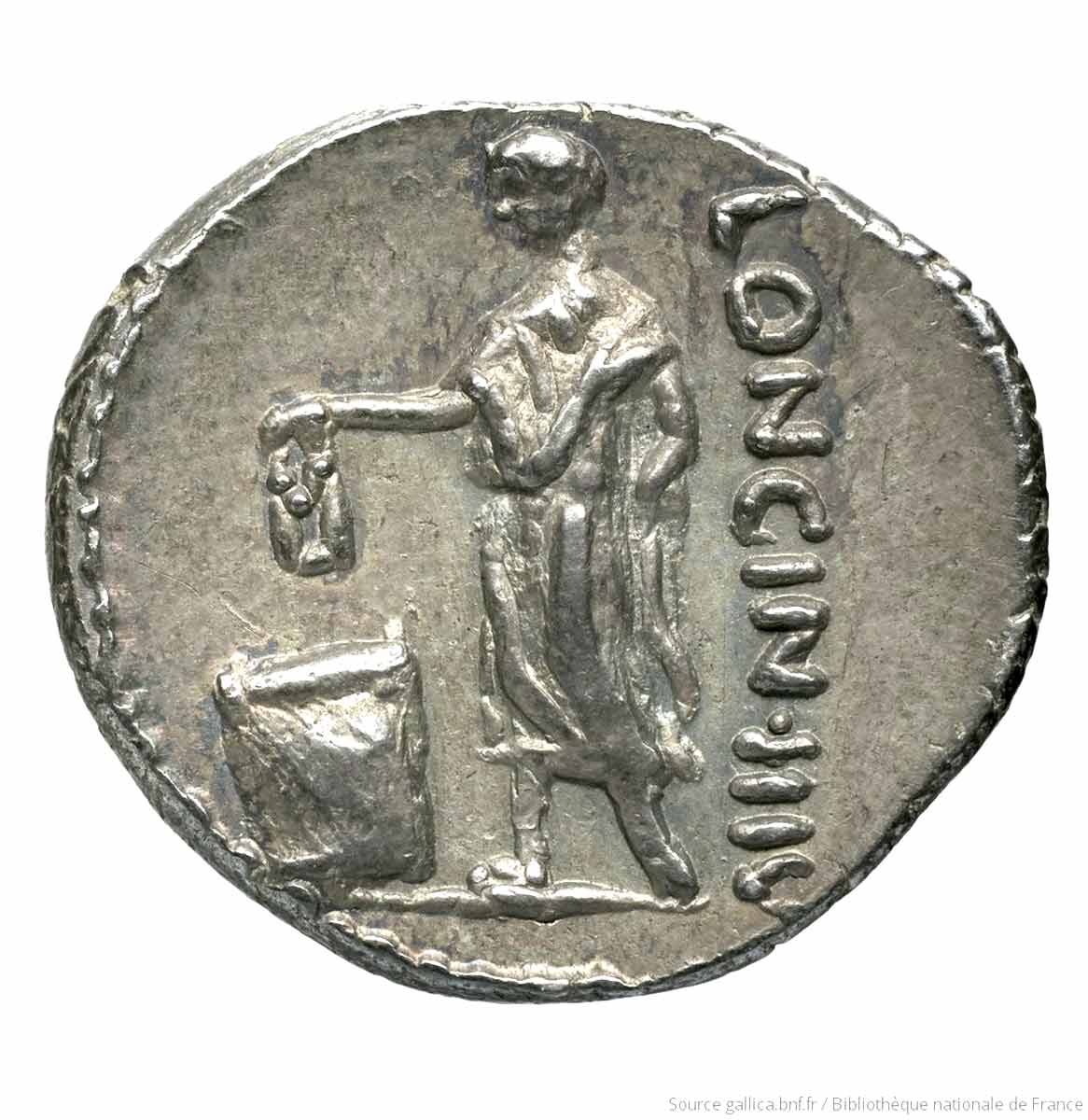
The unequal weight given to the wealthier voters was not the only hurdle to Rome’s democracy; mere attendance was also a barrier. Voters needed to be present in Rome to vote, which was difficult, if not impossible, for the majority of citizens. This rule favored citizens who had the time and wealth to attend assemblies, as well as urban citizens.
Citizens were not generally able to make their opinions known in formal assemblies. Topics were dictated by the magistrate who called the assembly, and voting was a simple yes or no. Magistrates could also manipulate the vote. Voter turnout could be a strong incentive for magistrates to either call for or avoid votes, depending on who was present in Rome.
Moreover, Rome’s strict social hierarchy meant that few people cast their vote freely based on individual opinion. Most poorer people were the clients of richer patrons. Patrons might provide their poorest clients with food or money handouts, and could provide their more well-to-do clients with introductions, job opportunities, and political support. In return, among other things, clients were expected to vote in accordance with their patrons. In this way, Rome’s class consciousness undermined what could, theoretically, be a democratic process.
The Rise of Populist Politicians in the Late Republic
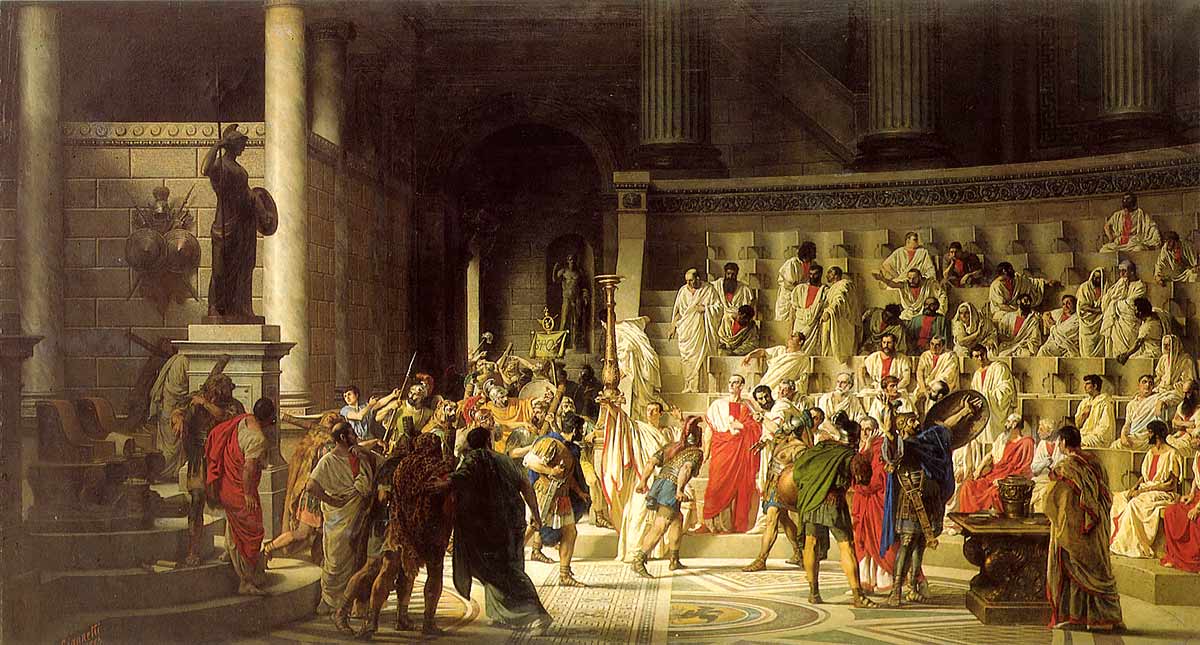
In the Republic, many patricians relied on their traditional family reputation, money, and their connections within the oligarchy to monopolize magistracies and enhance their careers. Sulla was a prime example of this. But other politicians leveraged the power of the popular assembly for political gain. This was seen with Tiberius Gracchus, the faction, sometimes led by Gaius Marius, who worked against Sulla, and Julius Caesar.
Caesar has been framed by ancient and modern scholars alike as a populist due to his pattern of championing popular legislation, such as land distribution and debt relief. However, these promises had long been used by Roman politicians to gain the support of the masses so that they could pass laws through the popular assembly and circumvent the Senate.
In 59 BC, as consul, Caesar passed an agrarian law through the assembly that gave land to veterans and the poor. This was a political move to help his ally Pompey, who had been blocked from settling his veterans by the Senate. An angry Senate then tried to give Caesar Italy as his proconsular province for the following year. Caesar had a friendly Tribune of the Plebs go to the popular assembly to override that decision, resulting in his famous Gallic command. In 49 BC, when Caesar had crossed the Rubicon and both consuls had fled Rome, Lepidus, as praetor, went to the popular assembly, which voted to grant Caesar the power of dictator.
The Death of the Populus and the Rise of the Emperors
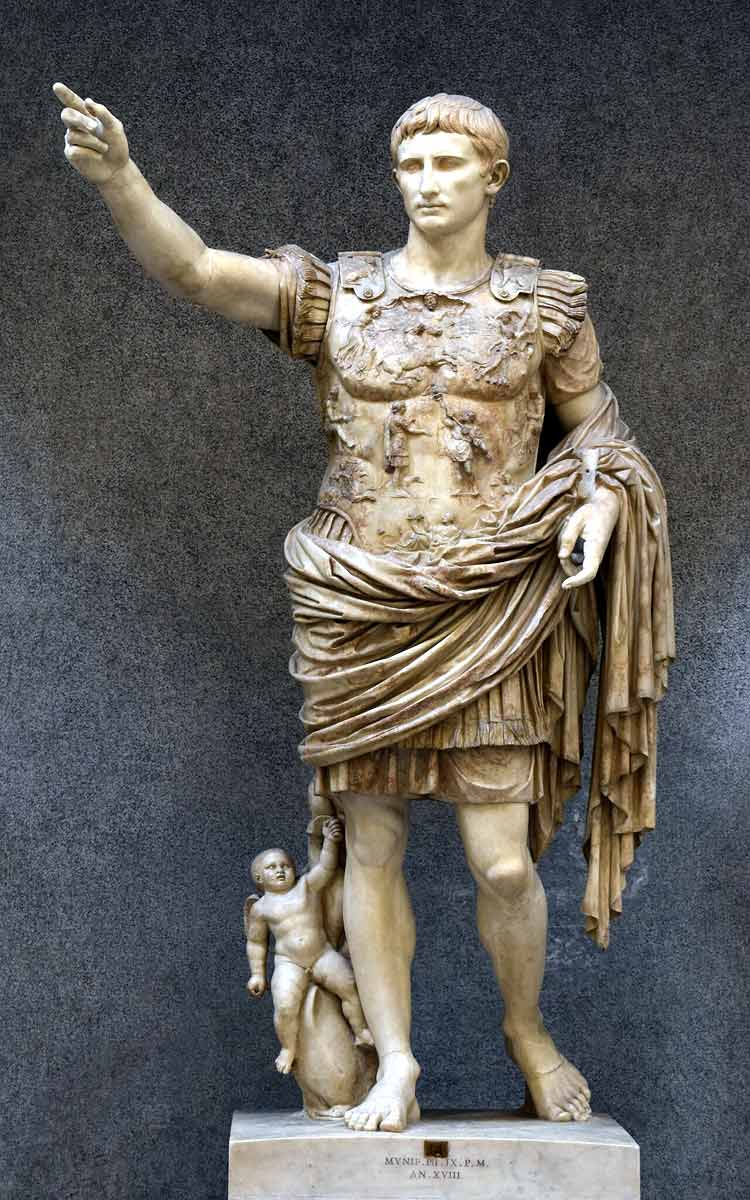
Part of the democratic freedom of the Roman Republic was in its ability to collectively decide to undo its democracy. This is essentially what occurred with the settlements of the Senate to Augustus in 27 and 23 BC. Augustus framed his achievements as a restoration of the Republic, yet today we know him as the first emperor of Rome. This seeming paradox was achieved through a careful crafting of his image as a guarantor of the state and representative of the people.
Rome’s social structure was so deeply embedded in the fabric of its society that the Senate was maintained. It acted as an advisory board for the emperor, which some pandered to and others ignored. It was also a place for the emperor to groom generals and administrators to work on his behalf as generals and governors. Meanwhile, the people were almost completely disenfranchised, trading their political power for “bread and circuses,” as the emperor became their patron.
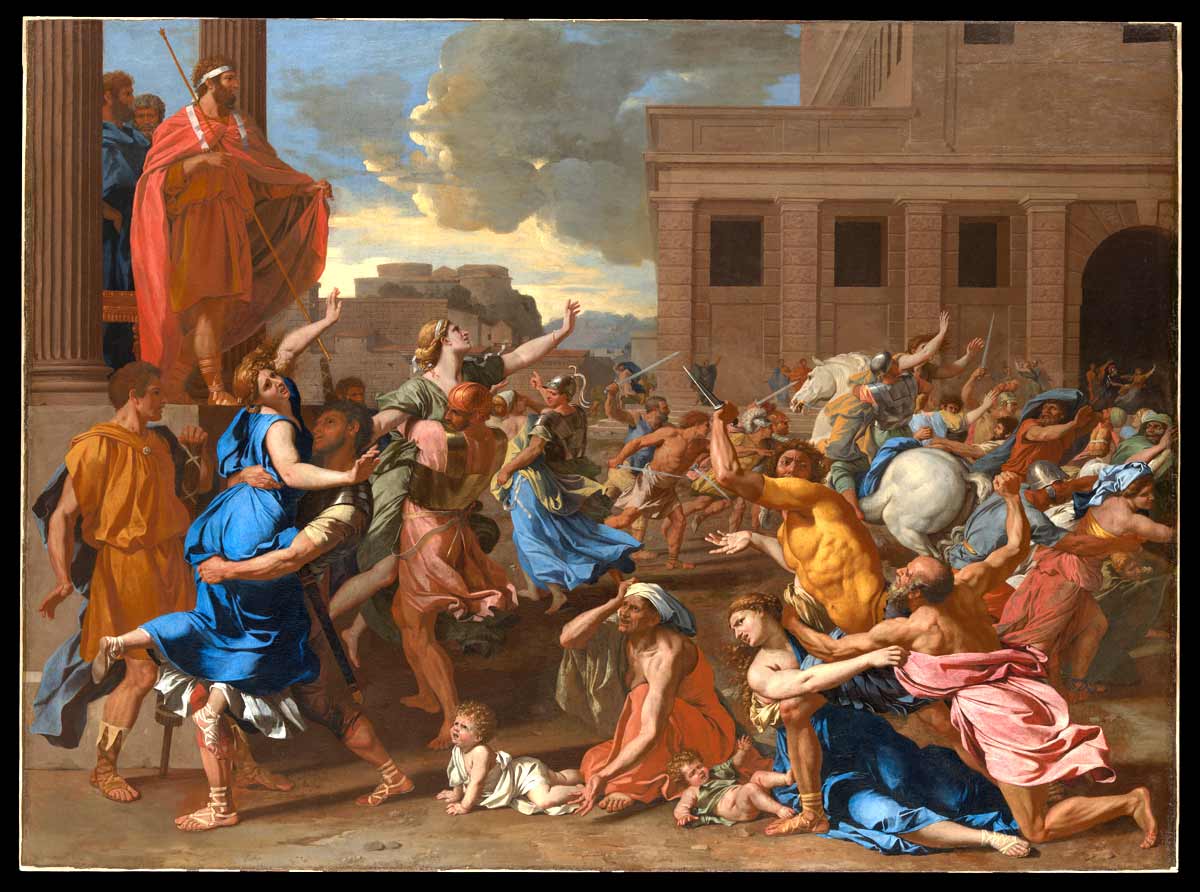
In this way, Rome’s mixed constitution, praised by Polybius, was streamlined into a version of monarchy that we call imperial Rome. Nevertheless, the ideal of SPQR and popular sovereignty left its mark on the world, notably influencing the Constitution of the United States and the French Declaration of the Rights of Man and of the Citizen.
Sources
- Beard, M. (2015). SPQR: A History of Ancient Rome. Profile Books.
- Lintott, A. (1999). The Constitution of the Roman Republic. Oxford University Press.