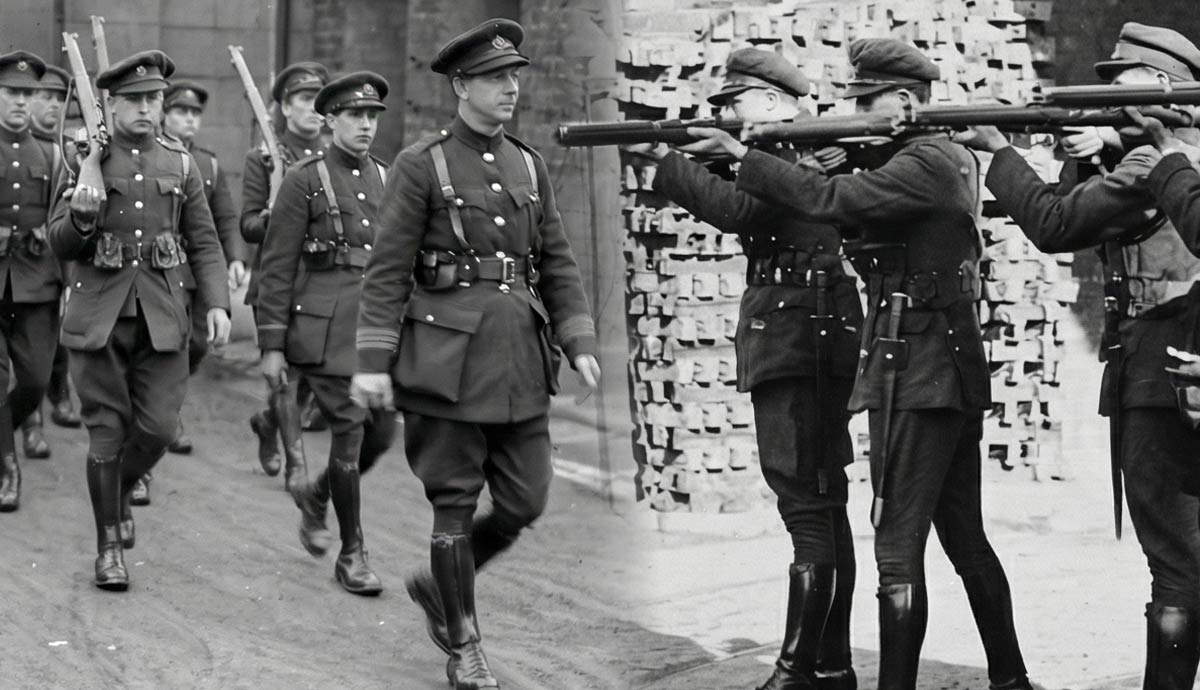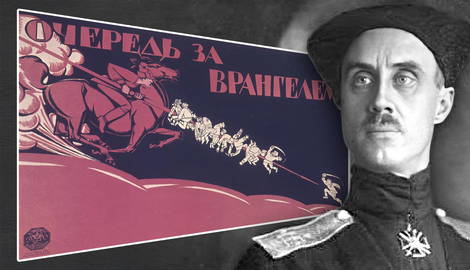
A popular Red Army song began as follows:
“The White Army and the Black Baron
Are preparing to restore to us the tsar’s throne,
But from the taiga to the British seas,
The Red Army is the strongest of all!”
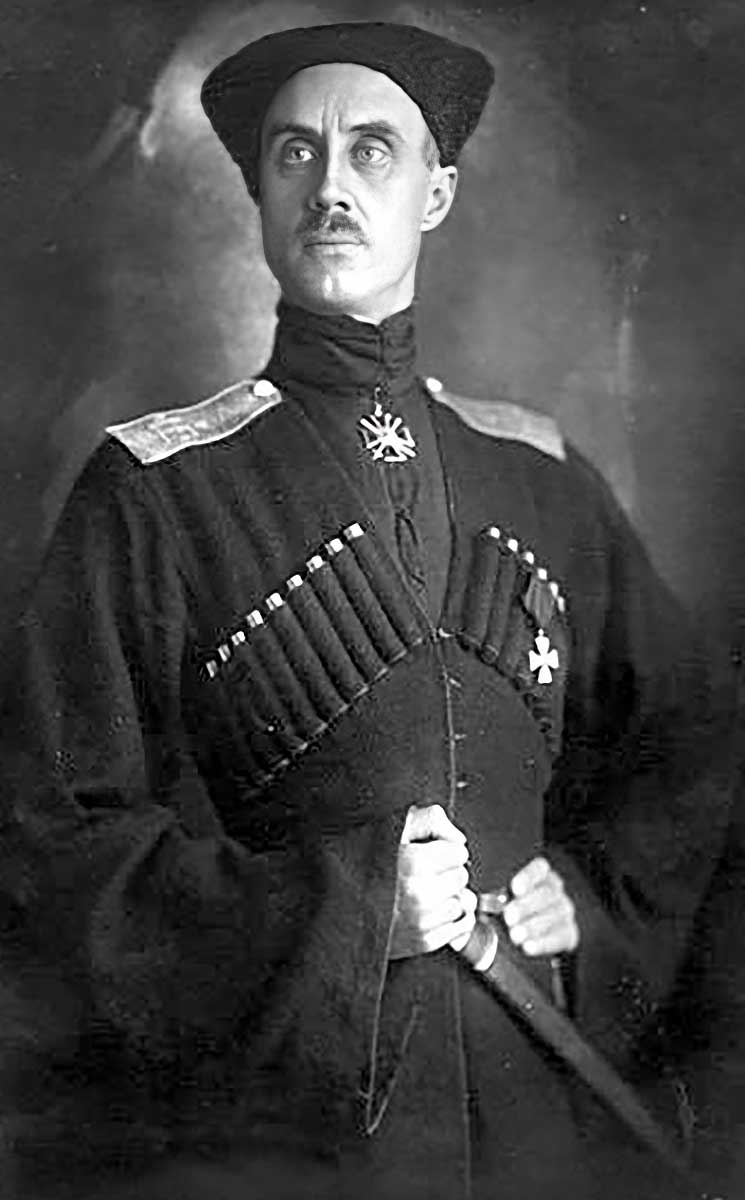
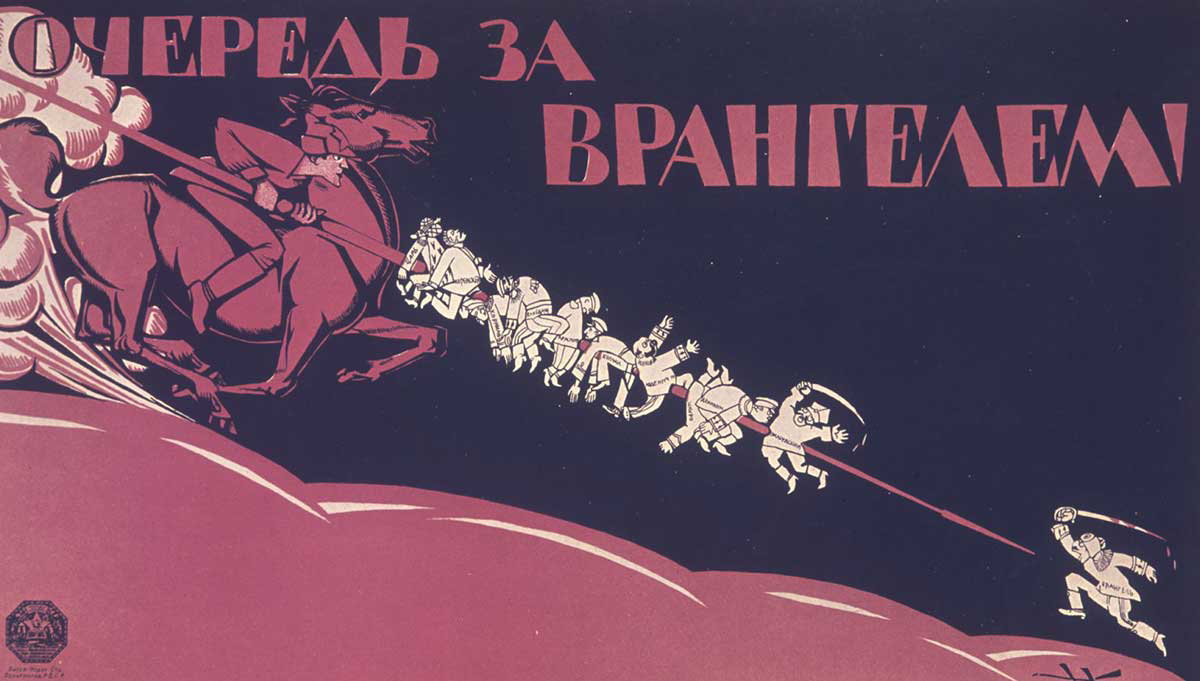
Many myths surround General Pyotr Wrangel. Famous for wearing a black Cossack uniform, this charismatic commander played a major role in the Russian Civil War. He did not actually attempt to restore the Romanovs. Even after his defeat, the Soviets considered Wrangel a threat and may have plotted his unexpected death.
A Powerful Family
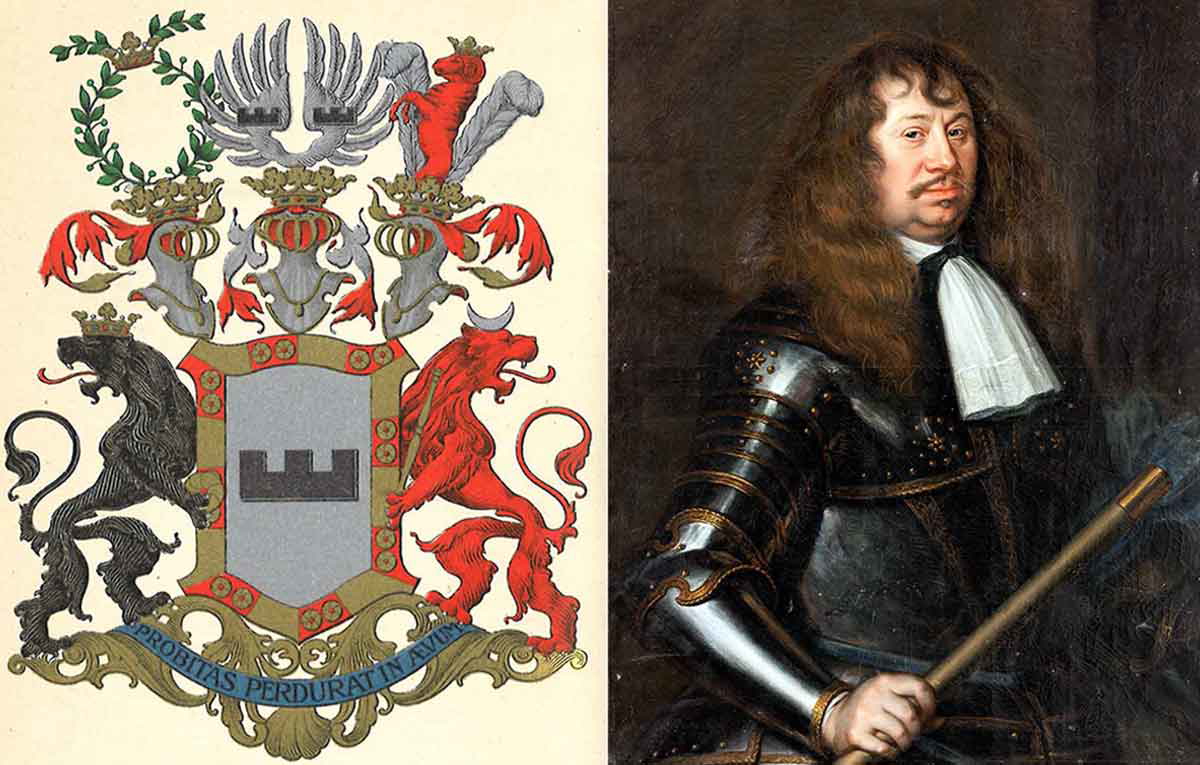
Born into a famous family of Baltic German origin in Lithuania in the Russian Empire on August 27, 1878, Baron Pyotr Nikolayevich Wrangel had aristocratic blood running through his veins.
His ancestor, Carl Gustaf Wrangel, led Swedish forces during the Thirty Years War and in the Second Northern War. The Wrangel family’s Latin motto, Frangas, non flectes (“You can break, but you can’t bend”), would represent Pyotr Wrangel’s life.
After graduating from St. Petersburg’s Mining Institute, Wrangel worked as an engineer, but his heart remained with the military. When the Russo-Japanese War broke out, Wrangel signed up as a volunteer. He received multiple awards, including the Order of St. Anna for bravery.
Before World War I, Wrangel changed careers by graduating from the Nikolaev Military Academy in Moscow. Next, he joined the Russian Army General Staff while finishing a course at the Officer Cavalry School. This strong affinity for the military set a defining course for the rest of Wrangel’s life.
Rising Star
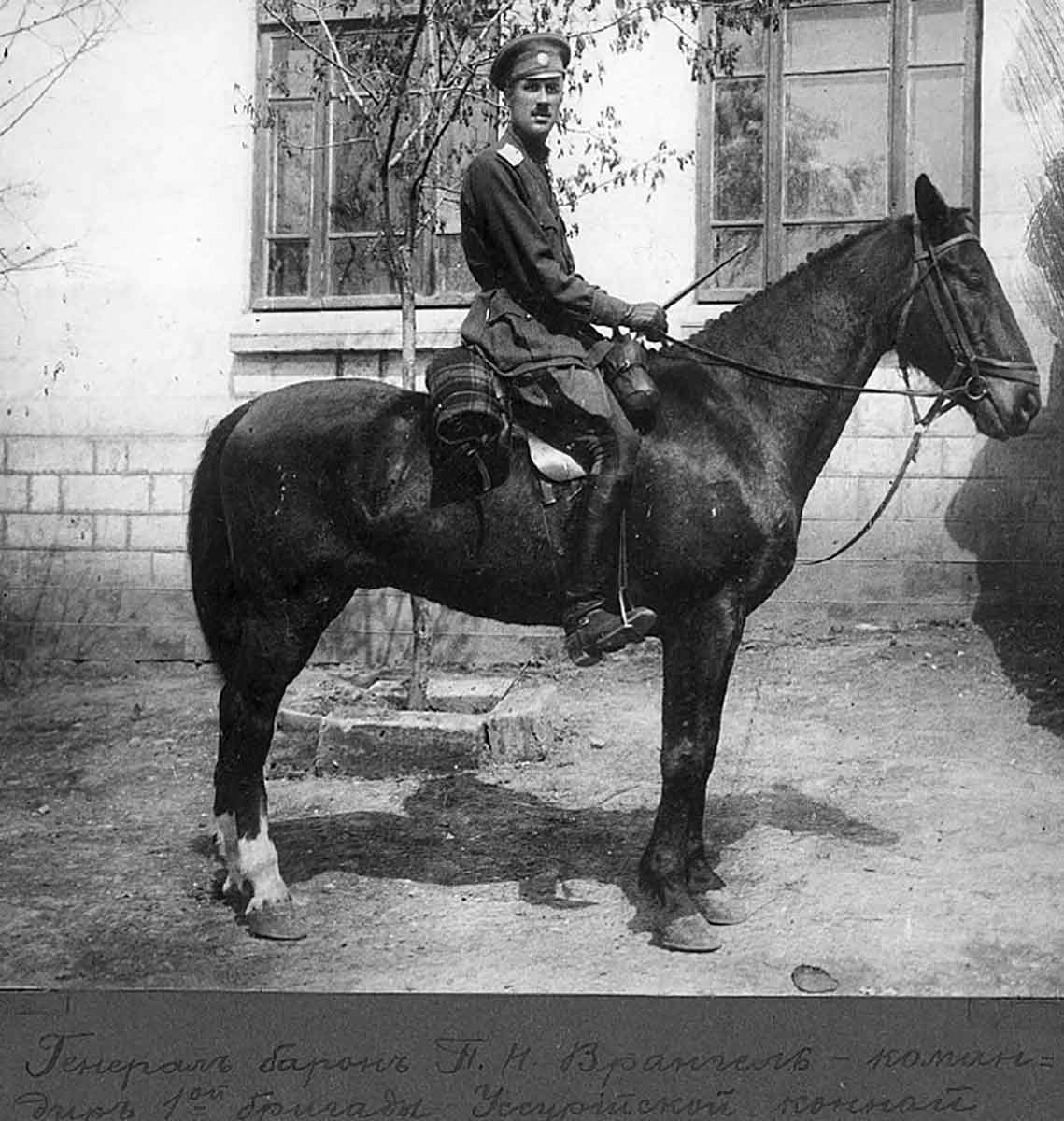
In 1914, Austrian Archduke Franz Ferdinand’s assassination sparked a European powder keg. After the Russian Army’s mobilization, Colonel Wrangel led the Life-Guards Cavalry Regiment in a daring attack on an enemy battery in East Prussia. With his horse shot out from under him and suffering from a concussion, Wrangel led his men to victory on foot. Tsar Nicholas II awarded Wrangel the Order of St. George, making him the first officer to receive this military award for bravery during World War I.
Wrangel distinguished himself as a courageous commander for the rest of the war, participating in the successful Brusilov Offensive against Austria in 1916. Now a major general in the cavalry, Wrangel successfully screened the infantry’s retreat after a failed Russian offensive in the summer of 1917. Meanwhile, revolution loomed, threatening Wrangel’s army and his family.
The Coming Storm
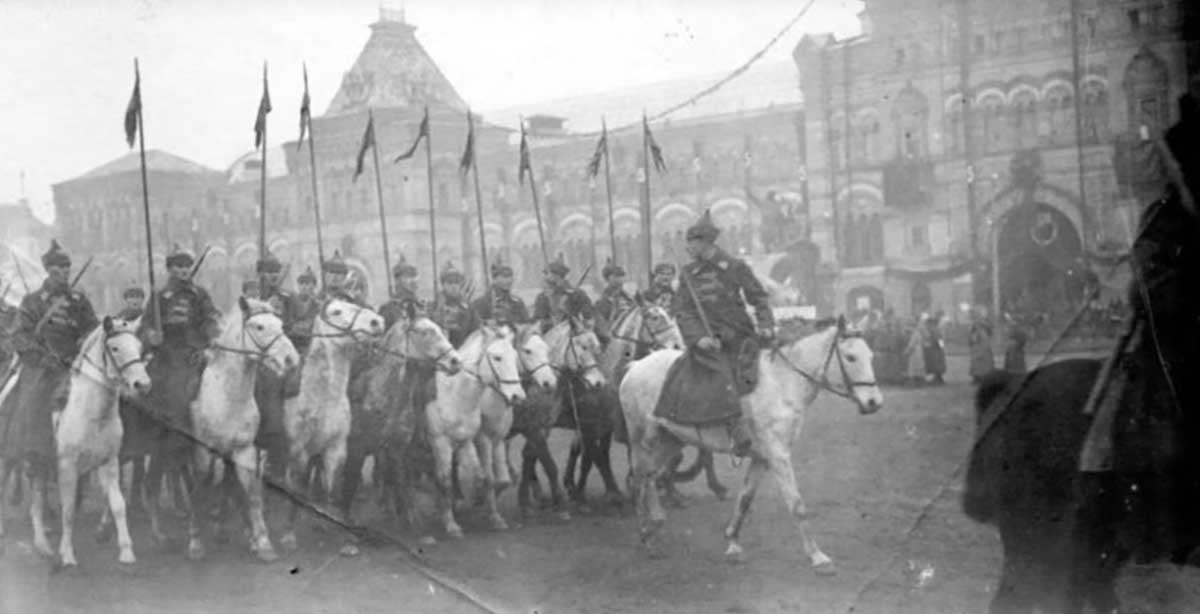
After the February Revolution, the Russian Imperial Army began to disintegrate. Over the next several months, desertions increased and workers’ unrest intensified.
In October 1917, the Soviets led a coup that ushered in the Bolshevik Revolution. The Soviets came to power with the slogan “Bread, Peace, and Land,” promising to end the war with the Central Powers and give confiscated property to the people.
At Supreme Command Headquarters, Wrangel planned to raise a volunteer army to continue fighting Germany. When he realized his commander-in-chief had no intention of resisting the Bolsheviks, Wrangel headed south, where an anti-Soviet army started gathering.
Arrest and Escape
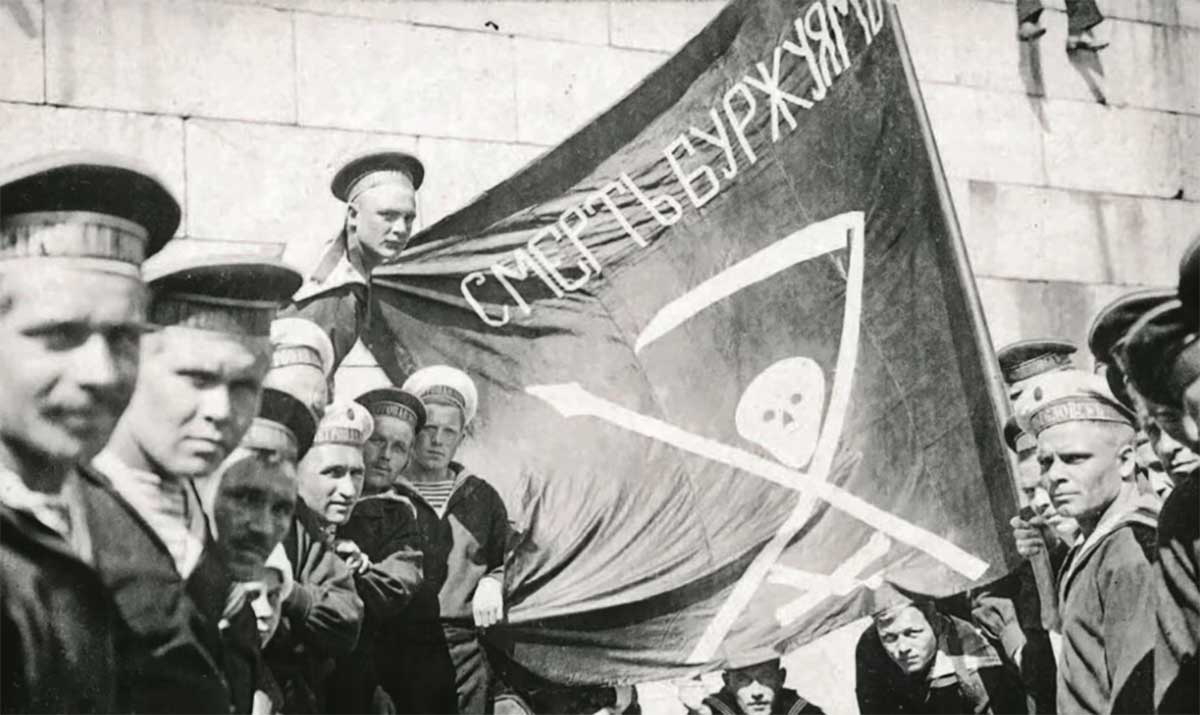
The October Revolution forced the general and his family to move to Yalta. But the situation in Crimea became more dangerous. Gangs of Bolshevik soldiers and sailors patrolled the streets. They broke into houses, helping themselves to cash, jewelry, and other valuables and dragging people before revolutionary tribunals.
One morning, Wrangel woke to loud voices, stamping feet, and slamming doors. As the general sat up in bed, six sailors, swathed in machine-gun cartridges and carrying rifles, rushed into the room.
Two sailors held him at gunpoint, shouting: “Not a muscle, you’re under arrest.”
The sailors hauled Wrangel onto a ship flying a red flag anchored in the harbor. Most interrogations ended the same way. In the water below their feet lay hundreds of drowned victims of summary Soviet trials.
An aristocrat and former tsarist general who openly wore his officer’s shoulder straps on the street in a move that almost got him killed, the baron represented everything the Bolsheviks hated.
His interrogation took place in a cell where a revolutionary chairman named Vakula asked the reason for his arrest.
“Probably because I am a Russian general,” Wrangel replied. “I know of no other guilt.”
The chairman turned to his wife, Olga Wrangel, who had accompanied the baron, and asked why they arrested her.
“I am not arrested,” she clarified. “I just want to be with my husband.”
The Baroness’ calm behavior evoked unusual sympathy among the tribunal.
An astonished chairman told Wrangel, “Not everyone has such wives, and you owe your life to your wife.”
He ordered the general’s release on the spot.
Unlike tens of thousands who disappeared under the Bolsheviks, Wrangel had a lucky escape. He moved to Miskhor, where he lived under a fake passport, avoiding the ongoing wave of raids and arrests.
After the Germans seized the area, Wrangel traveled to Ukraine, where he tried to join Hetman Pavlo Skoropadsky’s government. Having been installed as the leader of a nominally independent Ukraine by the German authorities, Skoropadsky’s government teetered on the brink of collapse. Wrangel therefore decided to join Anton Denikin’s Volunteer Army in September 1918.
Denikin gave him a frigid welcome. Due to his arrest, Wrangel could not participate in the brutal Ice March, which took the Volunteer Army south during the first Kuban Campaign. This meeting foreshadowed future tensions between the two men.
The Black Baron vs the Red Army
Despite frosty relations with Denikin, Wrangel had a reputation as one of the best cavalry commanders in the former imperial army. With a force primarily made up of Kuban Cossack horsemen, Denikin desperately needed a good cavalry general who could relate to the separatist-minded Cossacks.
One of Wrangel’s first actions during the Russian Civil War included taking the city of Stavropol back from the Bolsheviks. In December 1918, Denikin promoted him to lieutenant general.
By 1919, Wrangel began to push back against Denikin’s strategy. He argued that they should join forces with Admiral Aleksandr Kolchak’s troops moving toward the Volga and throw their forces into the fight to take back the critical town of Tsaritsyn (later renamed Stalingrad).
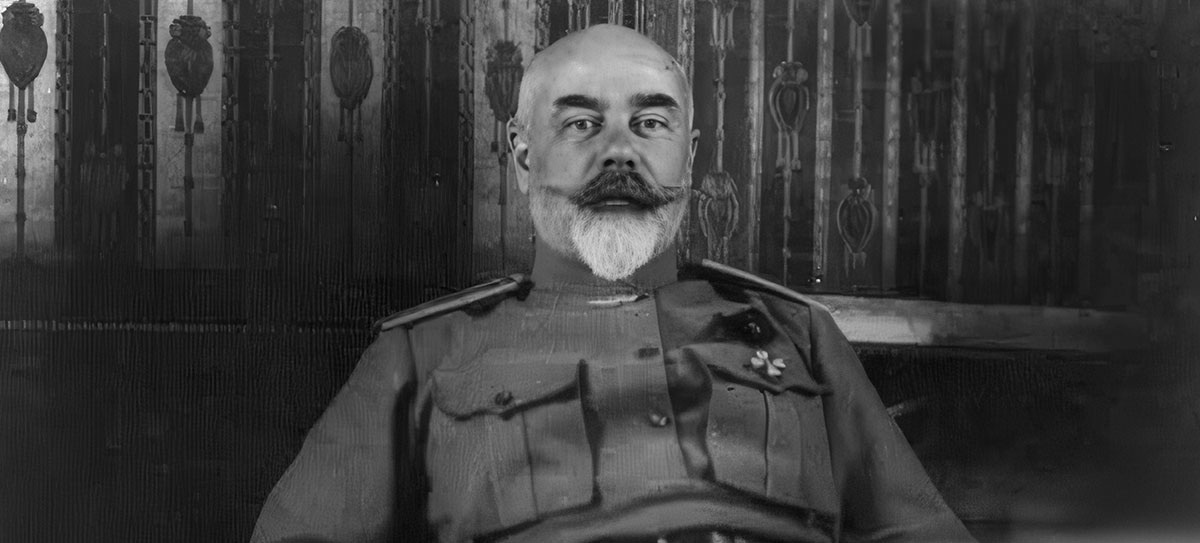
Denikin, feeling threatened, rejected Wrangel’s proposal. Instead, he insisted on defeating the Soviets in the Donbas first. This decision may have proved a fatal mistake.
If the Volunteer Army had joined the battle with the Reds during Kolchak’s Volga Offensive, they could have defeated the Bolsheviks in the Volga region. The Red Army would have had to withdraw troops from Siberia, relieving pressure on Kolchak’s front and enabling him to throw troops into combat at Tsaritsyn. Dividing and conquering the Red Army may have prevented the collapse of Kolchak’s eastern front and the downfall of the Omsk Siberian Provisional Government.
By this time, Wrangel distinguished himself as one of the prominent leaders of the White movement. A popular commander, he also had a reputation as a strict disciplinarian who punished violence and robbery among his troops. In contrast, he faced a ruthless Bolshevik commander named Joseph Stalin. During the second siege of Tsaritsyn (September–October 1918), Stalin clashed with Leon Trotsky, disobeyed orders, and illegally seized supplies sent through Tsaritsyn for the Red Army. Vladimir Lenin refused to tolerate his insubordination and recalled Stalin to Moscow.
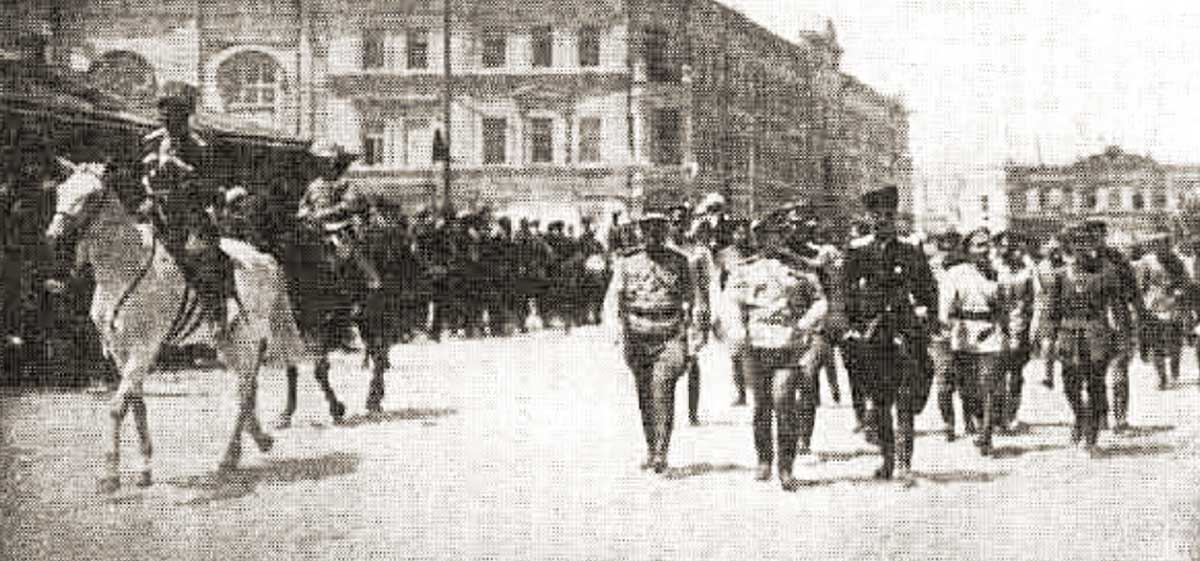
On June 30, 1919, Wrangel captured Tsaritsyn in the most successful operation of his career. Vastly outnumbered and using only cavalry units, Wrangel defeated the Soviets at “Red Verdun” and took tens of thousands of prisoners.
March on Moscow
The conquest of the Donbas failed to strengthen the anti-Bolshevik cause. Instead, the campaign brought a largely antagonistic proletarian population under White control. Leon Trotsky’s attack through the Donbas proved fatal for the Volunteer Army. Although the area had rich steel and coal resources, the Whites did not control its military industry. The Volunteer Army, having failed to join Kolchak, proved unable to stop the admiral’s defeat later that year.
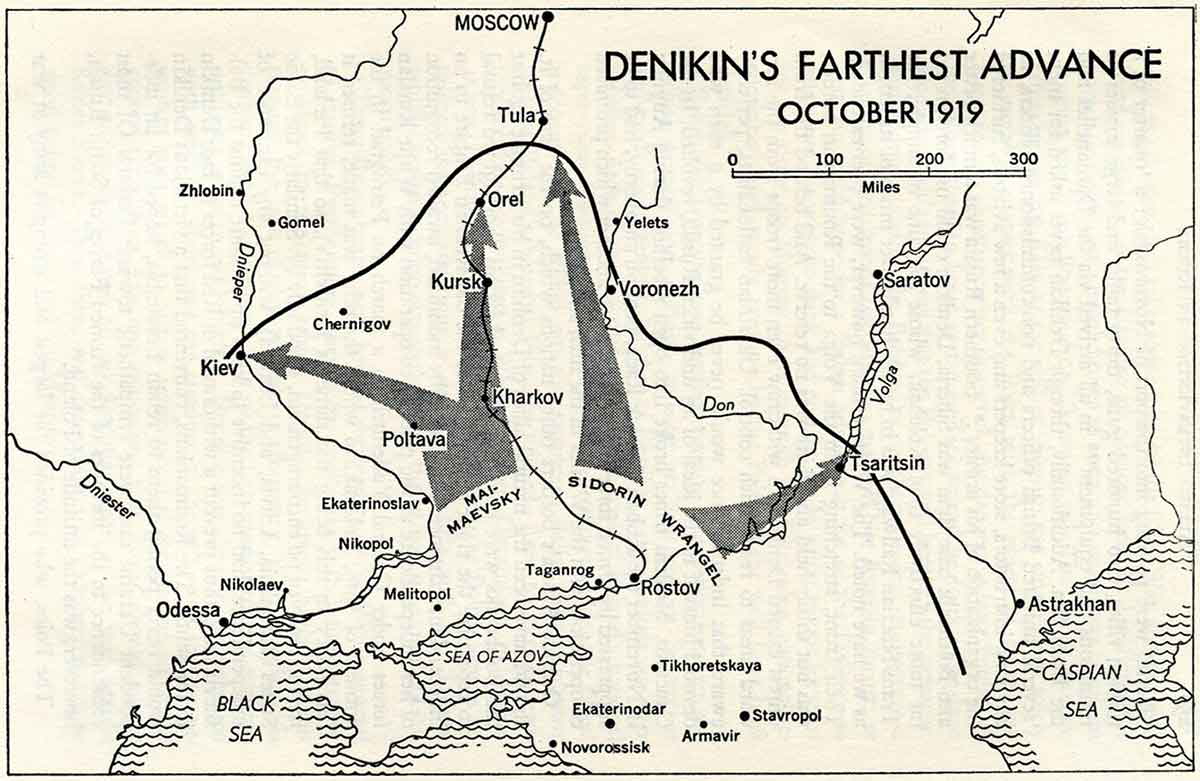
Denikin also overestimated the Reds’ defeat at Tsaritsyn. Ignoring the logistical issues his overstretched forces would face, Denikin issued his famous “Moscow Directive.” While aimed at capturing the capital, the Moscow Directive lacked any strategic details. Instead, the White Army marched in spread formation in a single direction. Each corps simply received a roadmap to Moscow.
Wrangel objected. He called the Moscow Directive a “death sentence.” He advised Denikin to strike at Moscow from the shortest possible route, transferring his main forces from Tsaritsyn without waiting for it to surrender.
Denikin refused to listen to Wrangel’s advice. Instead, he split his forces, sending a significant part of the Volunteer Army to capture Kyiv and right-bank Ukraine, a division of strength that dangerously diluted the main march to Moscow.
Wrangles With Denikin
Ultimately, the Moscow Directive failed because Denikin divided and stretched the Volunteer Army too thin across a key section of their front. The Whites also failed to mobilize enough Ukrainian peasants to support their campaign. Unable to concentrate his forces or defend his supply lines, Denikin’s offensive bogged down beyond Oryol, some 200 miles south of Moscow. In contrast, the Red Army mobilized the peasant population. With their chance to take the Soviet capital lost, the Volunteer Army retreated south.
After the Moscow disaster, Wrangel went public with his disagreement with Denikin. He issued a report criticizing Denikin’s strategy and blaming him for the Whites’ defeat. When copies of this report circulated among senior officers, many agreed.
This act came at a cost. In February 1920, Denikin dismissed Wrangel for his outspoken criticism. Facing defeat, Denikin then initiated a disastrous evacuation at Novorossiysk in March. Authorities failed to provide enough ships to evacuate an estimated 100,000 troops, in addition to civilians, fleeing the Red Army. The botched evacuation left thousands of soldiers and refugees behind. In the aftermath, the Bolsheviks executed 60,000 people who could not escape. It is considered the single largest massacre of the Russian Civil War.
A New Command
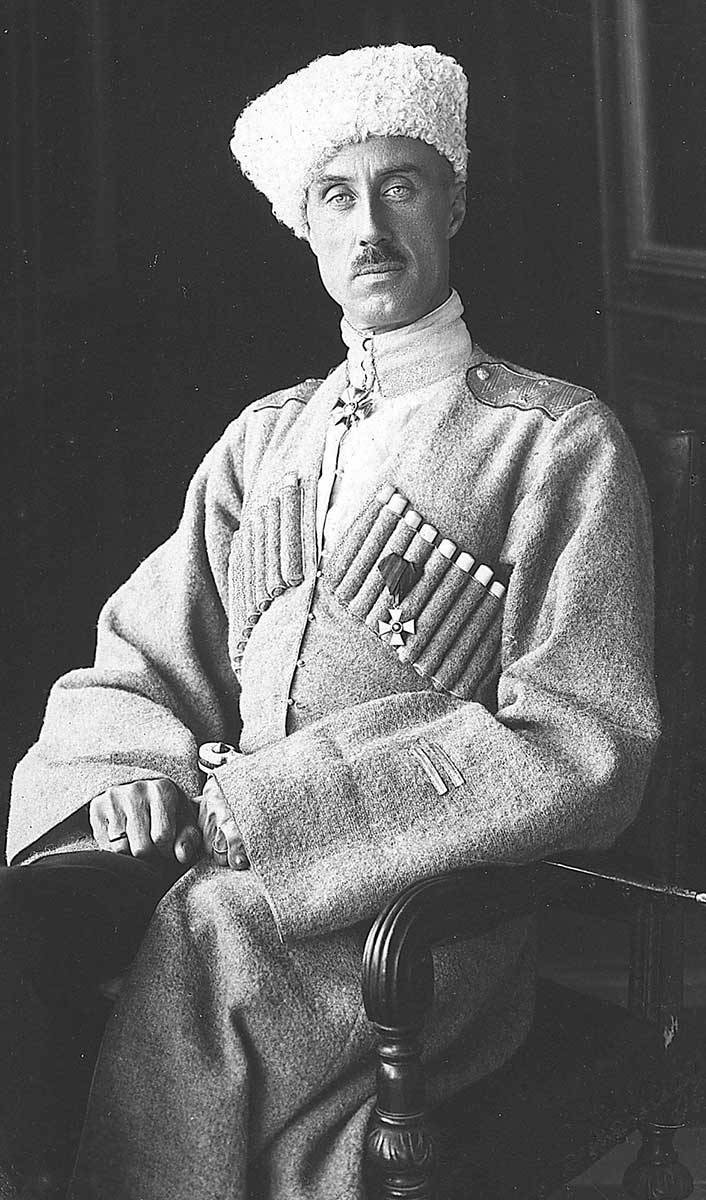
In April 1920, Denikin resigned. At a meeting of the Military Council, several officers nominated Wrangel to take his place. While not everyone, including Wrangel, agreed that subordinates should elect their commander-in-chief, a shout went up: “Long live General Wrangel!”
Denikin responded by appointing Wrangel commander of the Armed Forces of South Russia. Wrangel accepted the position with the words: “I have shared the glory of victories with the army and I cannot refuse to drink with it the cup of humiliation.”
By now, the Allies, who had funneled resources to the Volunteer Army despite official bans from getting involved in the Russian war, refused to supply further food, weapons, or supplies. Despite this blow, most of the generals voted to keep fighting.
One of Wrangel’s first acts as general was to rename the Volunteer Army the Russian Army. Meanwhile, an amphibious landing via the Black Sea and an advance through southern Ukraine in April met stiff resistance by the Red Army and collapsed.
A Model State
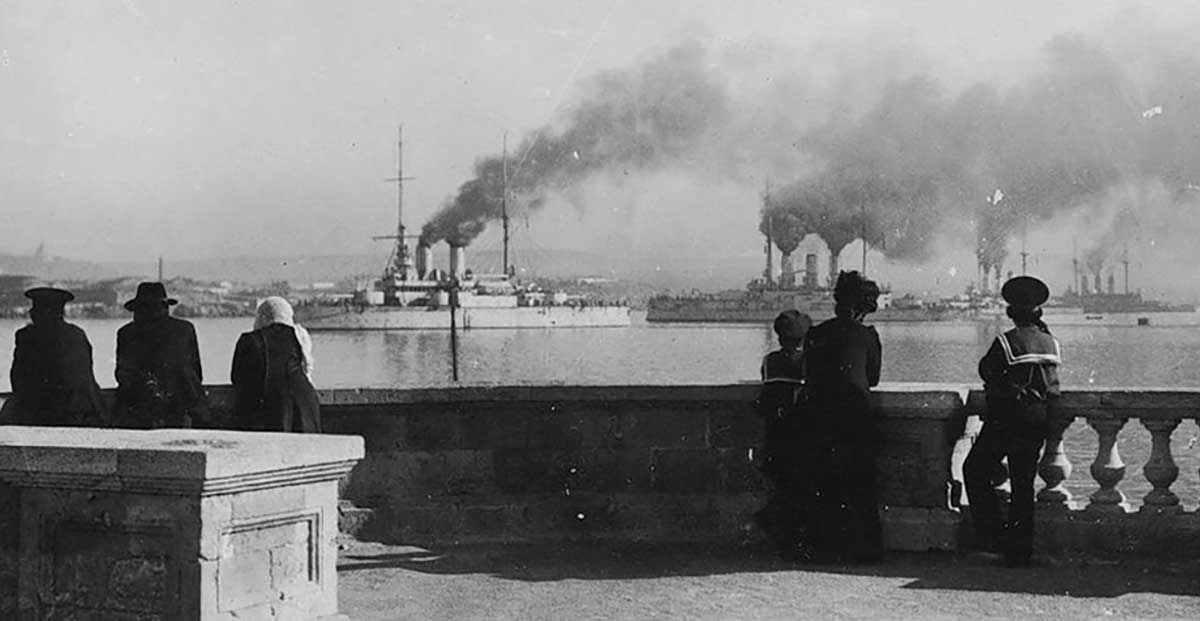
Setbacks in the North Caucasus and Ukraine pushed the Russian Army back toward Crimea. Wrangel used the peninsula as his base to establish law and order, reorganize the army, and create a model anti-Soviet state.
Under Wrangel’s administration, shops opened, postal services operated, and trains ran again. Despite these social and economic strides, the overall war effort kept deteriorating. The British withdrew aid and began negotiating with the Bolsheviks. Wrangel knew millions of pounds’ worth of supplies had been frittered away on Denikin’s army. But after Wrangel cracked down on corruption, foreign aid stopped.
As head of the anti-Soviet government in Crimea, Wrangel rolled out a more liberal social and political policy than Denikin entertained.
“I am trying to make life possible in Crimea, at least on this little patch,” Wrangel announced. “To show the rest of Russia: you have communism there, that is, hunger and emergency, and here…order and possible freedom are being established. No one is strangling you; no one is torturing you—live as you lived before.”
The Baron decided to avoid another march on Moscow. Instead, he concentrated on creating a model state characterized by democracy, economic stability, workers’ rights, and agrarian reforms. He also advocated for broad Ukrainian autonomy.
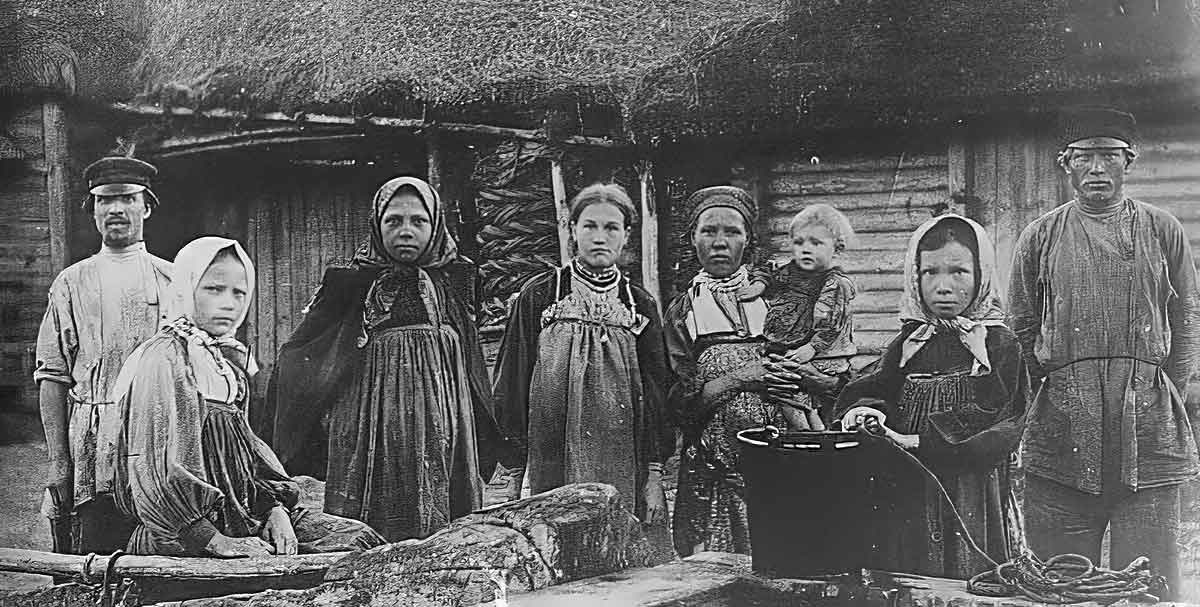
One of these laws transferred most of the landowners’ land to the peasants but held the government responsible for reimbursing the landowners. The problem was that this reimbursement exceeded the land value due to rampant inflation. If the imperial government had passed this law before 1917, it might have prevented the Revolution. Compared to the Soviets’ sweeping promises, most peasants had little incentive to join the Whites now.
For a time, Wrangel created a model state intended to make the citizens of “Sovdepia” envy them.
The outbreak of the Polish-Soviet War bought the anti-Bolsheviks some valuable time. Taking advantage of the Red Army’s troop diversion, Wrangel launched a cavalry attack to break out of the peninsula. His tactical combination of horses, tanks, airplanes, and armored trains resulted in a resounding victory that defeated Dmitry Zhloba’s cavalry units and captured 9,000 prisoners. Wrangel’s combined arms tactics anticipated those employed in future wars.
Last Stand
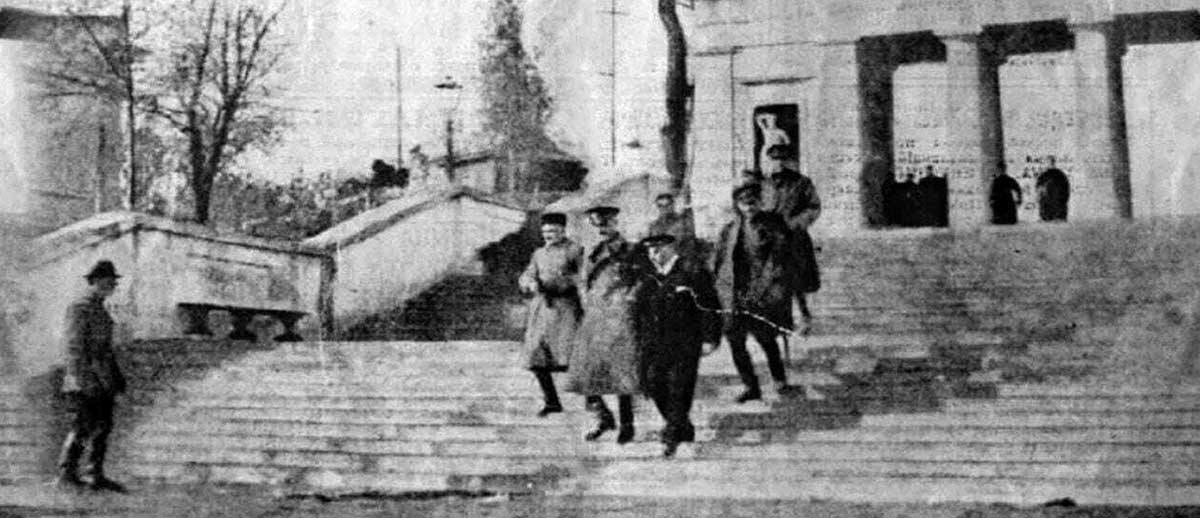
The anti-Bolshevik state in the Crimea only lasted six months.
In October 1920, the Red Army dealt the Russian Army a fatal blow at the Soviet bridgehead at Kakhovka on the left bank of the Dnieper. Meanwhile, the Polish Army overpowered the Red Army near Warsaw that autumn. Although the Polish Army could have marched on Moscow, Józef Piłsudski refused. Neither Wrangel nor Piłsudski supported each other in the past, and Wrangel had not recognized Polish independence. As a result, the Polish-Soviet truce in October 1920 sealed the fate of anti-Bolshevik Crimea.
While the French government recognized Wrangel’s Government of South Russia, the lack of internal resources and external aid proved fatal for the White movement. Without coal, oil, military supplies, or food resources, it became only a matter of time before the Russian Army collapsed under the onslaught of the victorious Red Army.
Flight From Crimea
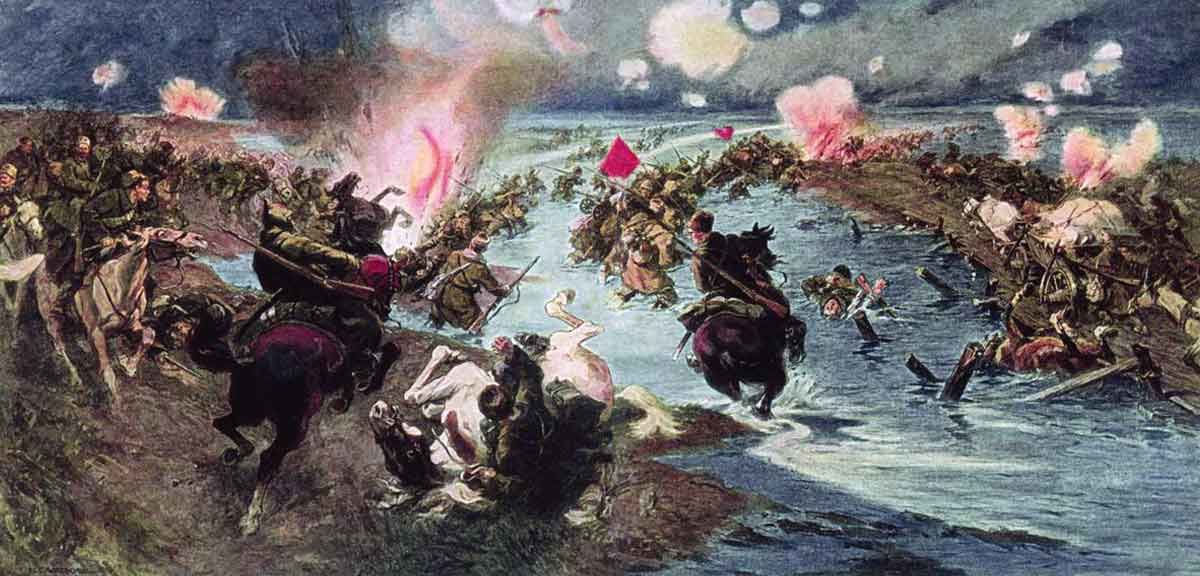
In November 1920, the besieged White forces braced themselves for attack. Five Red Army columns combined to strike the exhausted Russian Army during the Perekop-Chongar Operation. Determined to prevent Wrangel from maintaining his foothold in Crimea, Lenin ordered his commanders to wipe the Russian Army off the map.
As winter came on, an unequal fight began. The Whites had only 41,000 infantry and cavalry, who fought on foot due to a lack of horses, and 213 artillery pieces. In contrast, the Soviets employed a force of 200,000 troops, 40,000 cavalry, 17 armored trains, and 98 artillery pieces.
The White defensive line clung on despite overwhelming enemy forces. In the early hours of November 11, 1920, the Red Army crossed the frozen Syvash Marsh in a surprise attack and broke through the Russian Army’s defenses at Perekop. Under cover of predawn, the White Army fell back to the sea to avoid annihilation.
With fate staring him in the face, Wrangel tried to ensure that this evacuation did not mimic Denikin’s disastrous attempt.
After the Perekop breakthrough, Wrangel appealed to the people: “The Government of the South of Russia considers it its duty to warn everyone about the severe trials that await those arriving from within Russia…The government advises all those who are not in immediate danger from enemy violence to remain in the Crimea.”
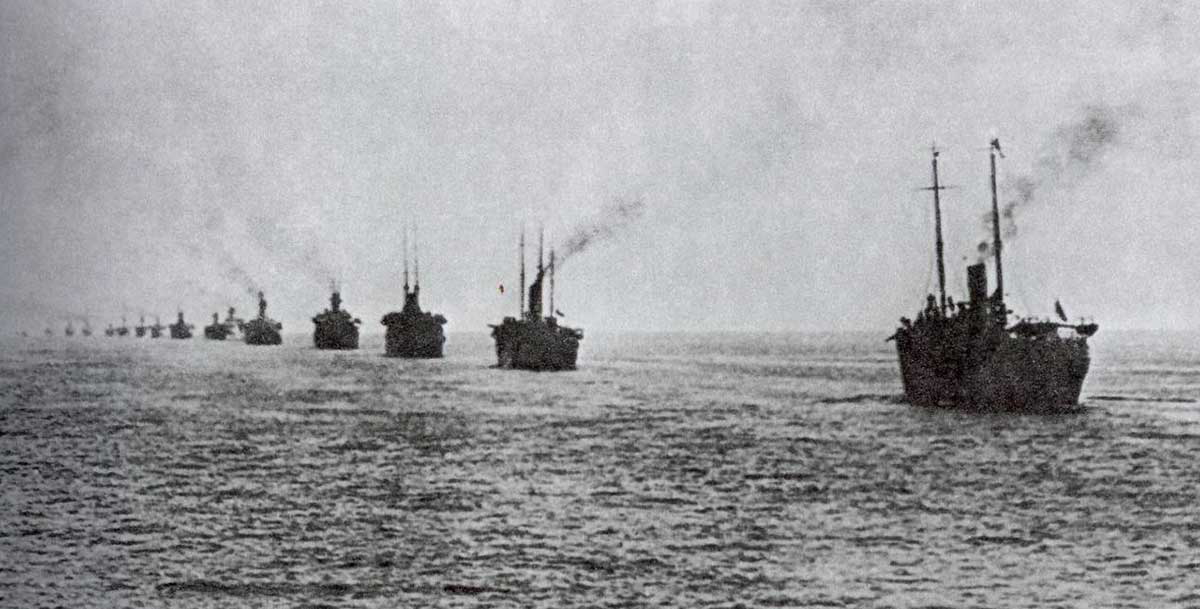
Many people decided to stay. Tens of thousands of soldiers and civilians subsequently succumbed to the Red Terror which the victorious Soviets dealt out after conquering Crimea. Still, Wrangel managed to evacuate 145,693 people on 126 ships from the ports of Yalta, Sevastopol, and Feodosia. This number included 50,000 soldiers, army officials, civilians, and 6,000 wounded. The ships transported the refugees to the Gallipoli Peninsula and the Greek island of Lemnos.
Despite its limitations, Wrangel’s evacuation avoided mass panic, demonstrated greater organization, kept the core of the Russian Army together, and shipped about 100,000 more people to safety compared to the previous evacuation attempt.
An Opponent in Exile
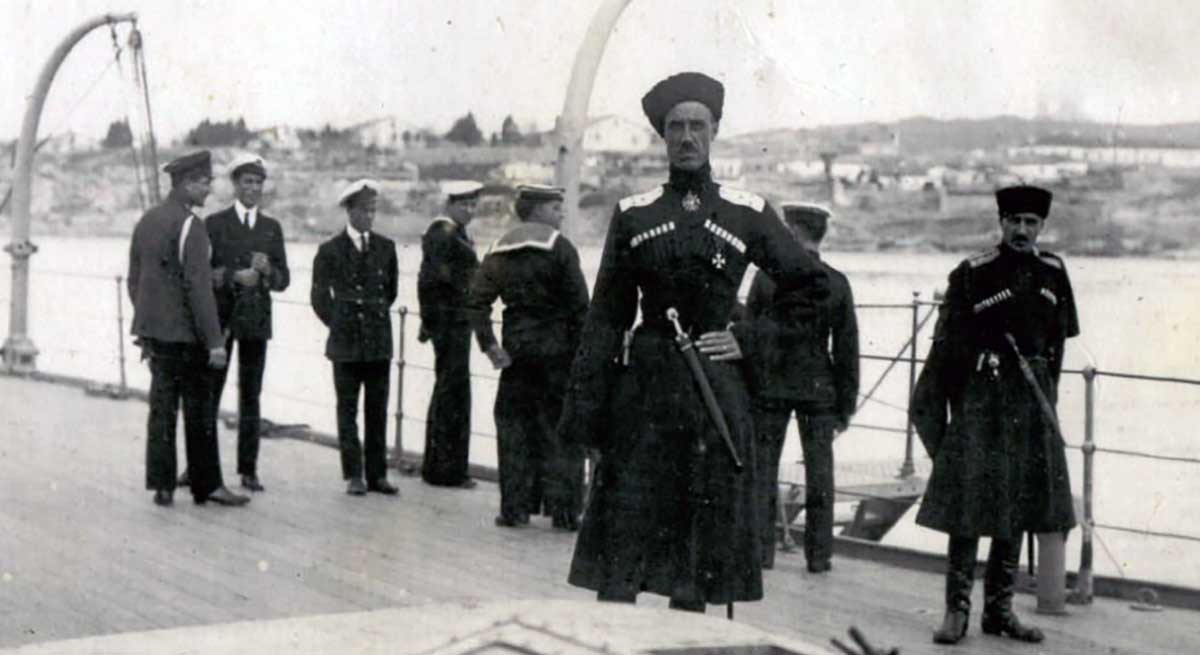
Life for refugees on Lemnos was hard. They had no resources, no passports, and no country.
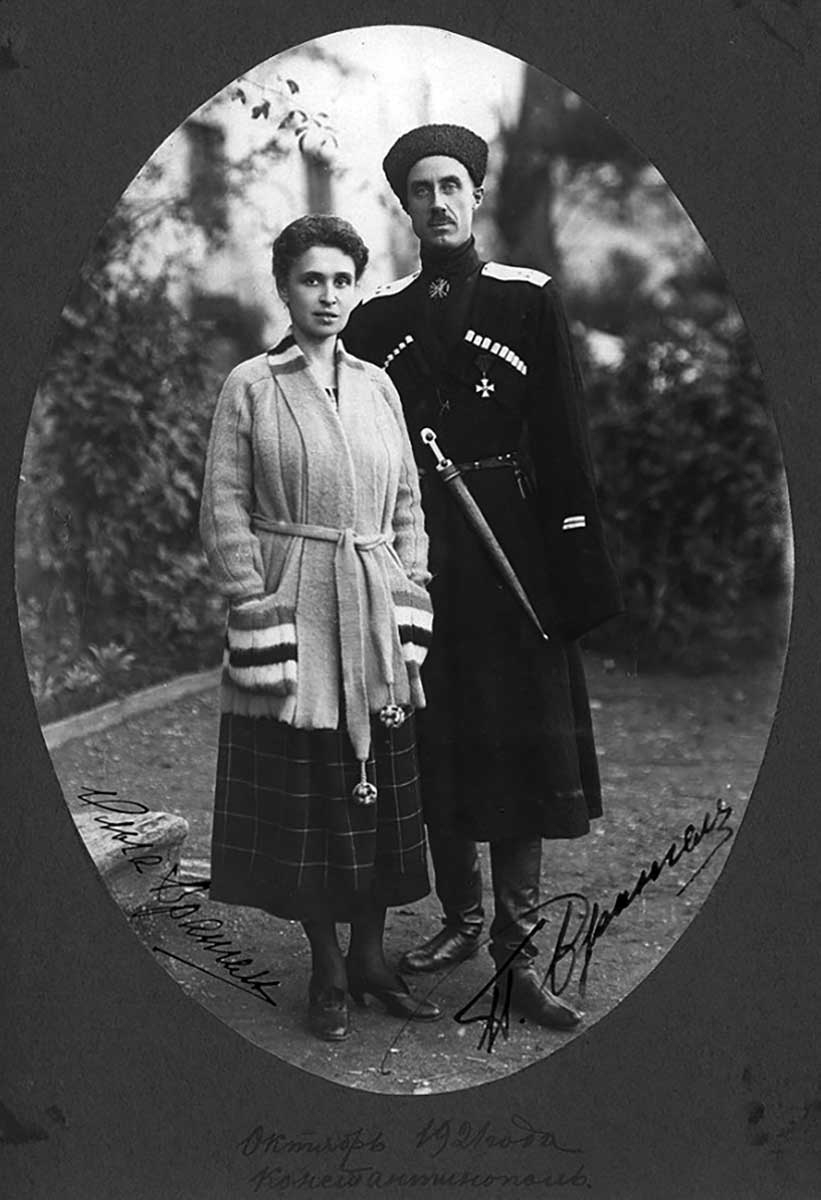
Wrangel landed in Constantinople, where he organized the army for the next two years. In 1922, Wrangel founded the Russian All-Military-Union to unite and support 100,000 military émigrés and continue a political and psychological struggle against Soviet power.
The Black Baron’s strong reputation in the émigré community and his ability to successfully lead troops meant that the Soviets kept trying to discredit or destroy him.
Sickness or Murder?
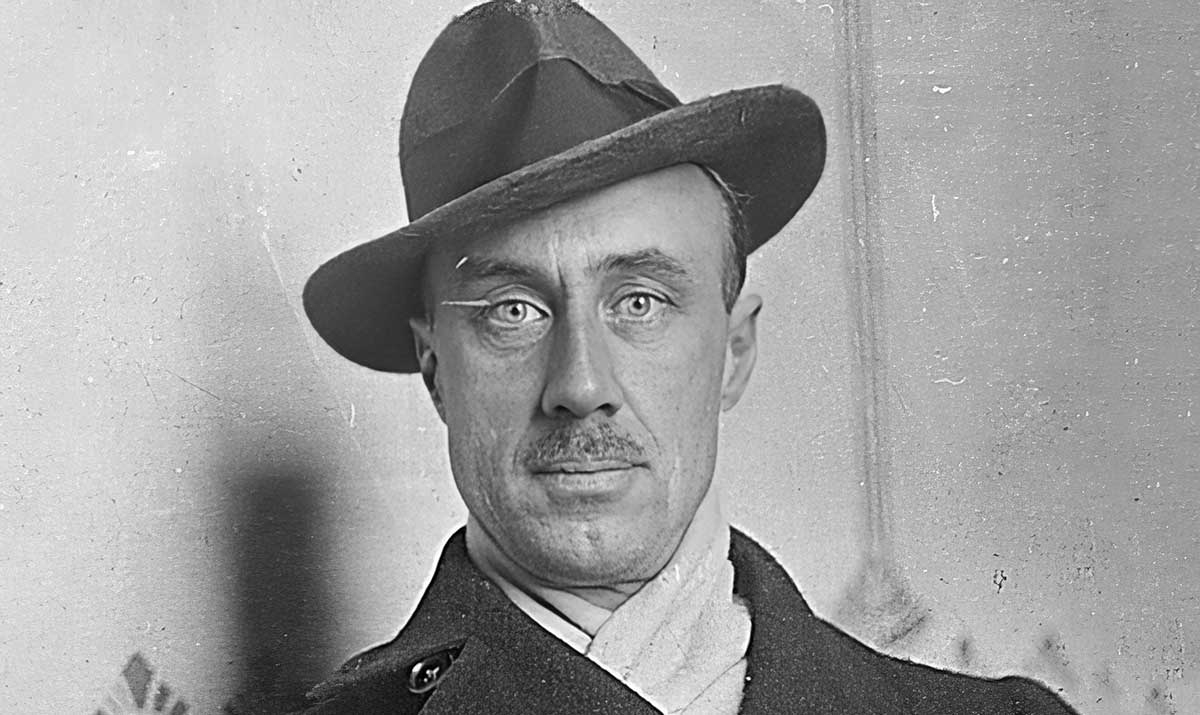
In 1924, Wrangel emigrated to Belgium where he worked as an engineer. Now the man who once faced down the Bolsheviks on the battlefield feared only one thing: poisoning.
As it turned out, his fears may have been justified.
During the 1920s, the Soviets ramped up their espionage activities in Europe. The next few years witnessed an increase in former White émigrés-turned-Soviet-spies and double agents. This resulted in the kidnapping, disappearance, and murder of several high-profile anti-Bolshevik leaders.
Things took a turn in March 1928 when Wrangel’s orderly, Yakov Yudikhin, asked Wrangel to take in his refugee brother. The baron agreed.
As it turned out, this “brother” was a sailor on a Soviet ship.
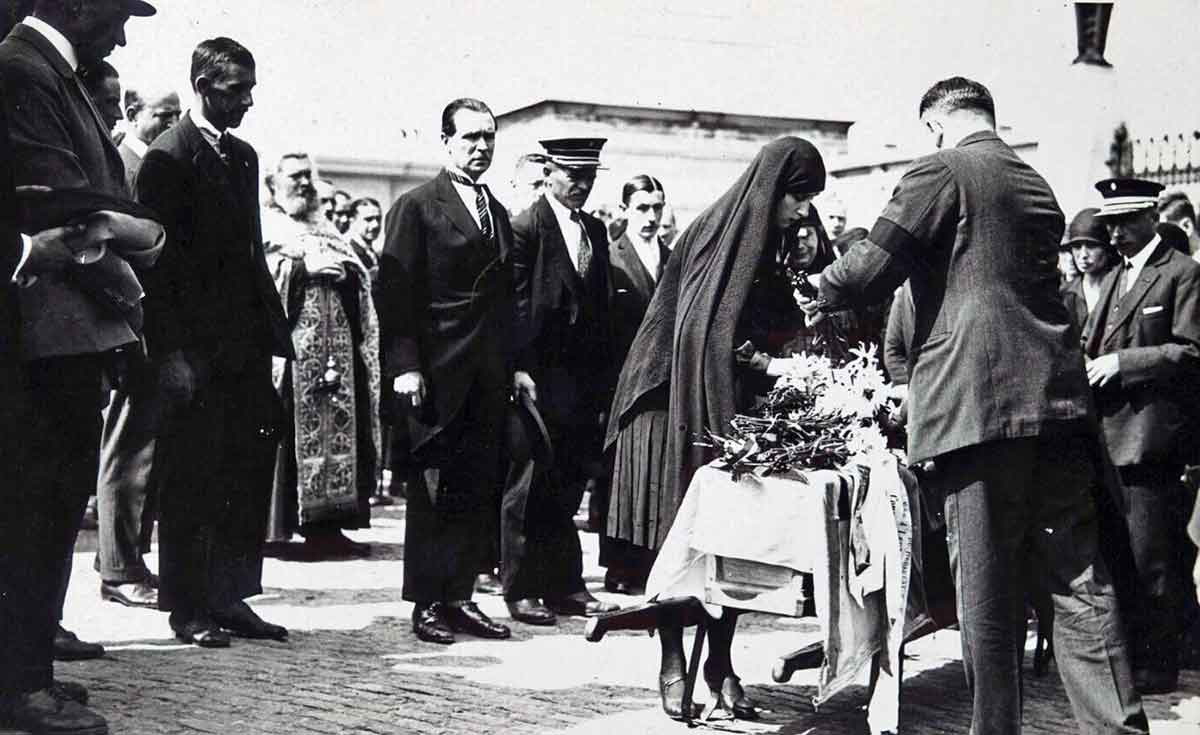
When the sailor left on March 8, the general fell suddenly and violently ill. At first, it seemed like a winter cold, accompanied by a high fever, stomach pain, and coughing. Doctors could not agree on a diagnosis. Doctor Weiner diagnosed the baron with intestinal issues. Meanwhile, Ivan Aleksinsky thought Wrangel had influenza. Three days later, three doctors admitted the situation looked more dire than they initially realized.
An analysis revealed that the baron’s lungs were riddled with Koch’s bacilli. The general grew worse daily. He began to hallucinate. Imagining himself back on the battlefield, he tried to get up, directed military operations, and gave endless orders.
After suffering for over a month, General Baron Pyotr Nikolayevich Wrangel died on April 25, 1928. The Black Baron’s sudden death convinced his family and some later historians that an OGPU agent used poison to infect him with a fast-acting bacteria. He died just six months before the discovery of penicillin. For the hundreds of emigrants at his funeral, Wrangel’s death seemed like the end of their hopes to restore their motherland.
Always With Honor
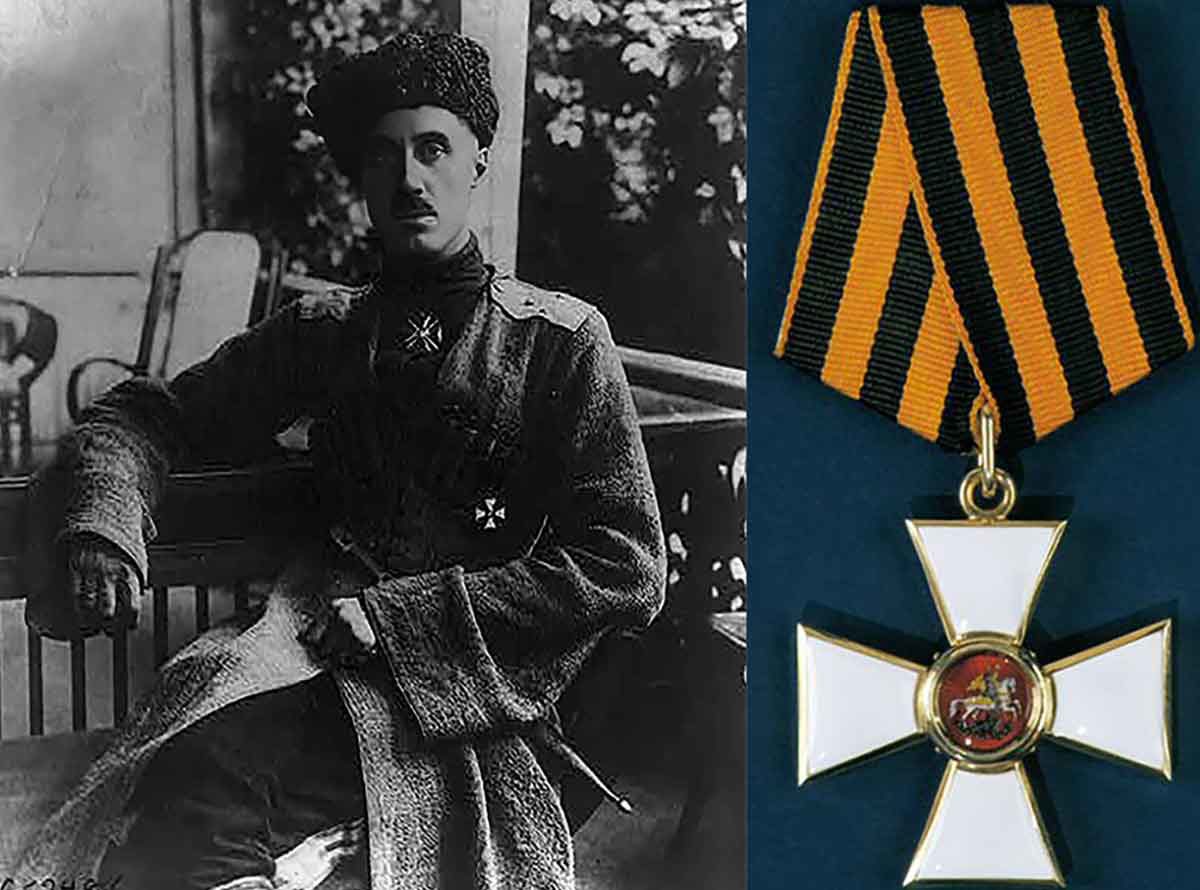
It’s no secret that Wrangel was a strict commander who balanced courage and a sense of honor with military expediency.
While he was a monarchist, the baron believed Russia needed an elected, democratic form of government. He created a short-lived model state based on democratic principles and agrarian reform.
In exile, the general fought for his soldiers’ welfare and waged an ideological war against the Soviets. The Black Baron’s reputation as arguably the most competent anti-Bolshevik commander made him a formidable opponent until his death.