The majority of scholars readily accept that Jesus was a real historical figure who was crucified. Many also agree that, following the crucifixion, his disciples honestly believed that they saw his resurrected body. However, historians part ways on whether Christ was actually raised from the dead, with some offering naturalistic theories to explain the Resurrection.
What Christians Believe

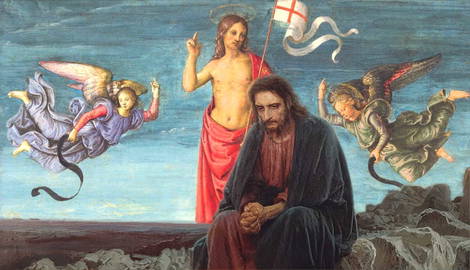
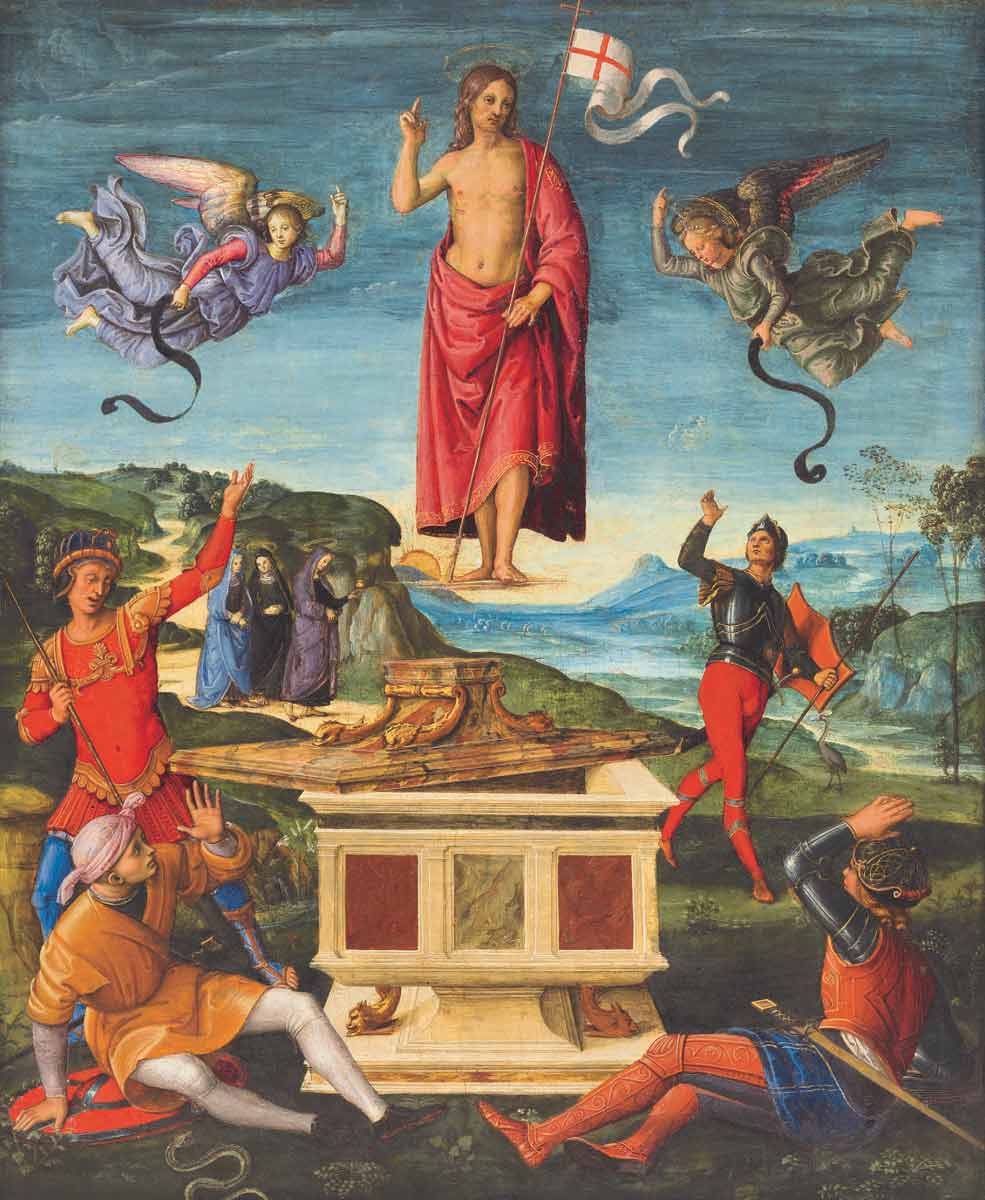
Christians believe that Jesus rose physically from the dead and appeared to the disciples and others in a glorified body, a body that would never get sick, grow old, or die. This miracle is at the heart of Christianity. The apostle Paul, in his first letter to the Corinthians, wrote,
“What I received I passed on to you as of first importance: that Christ died for our sins according to the Scriptures, that he was buried, that he was raised on the third day according to the Scriptures, and that he appeared to Cephas (Peter), and then to the Twelve (disciples). After that, he appeared to more than five hundred of the brothers and sisters at the same time, most of whom are still living, though some have fallen asleep (died). Then he appeared to James, then to all the apostles, and last of all he appeared to me also, as to one abnormally born” (1 Corinthians 15:3-8).
Naturalism and Miracles
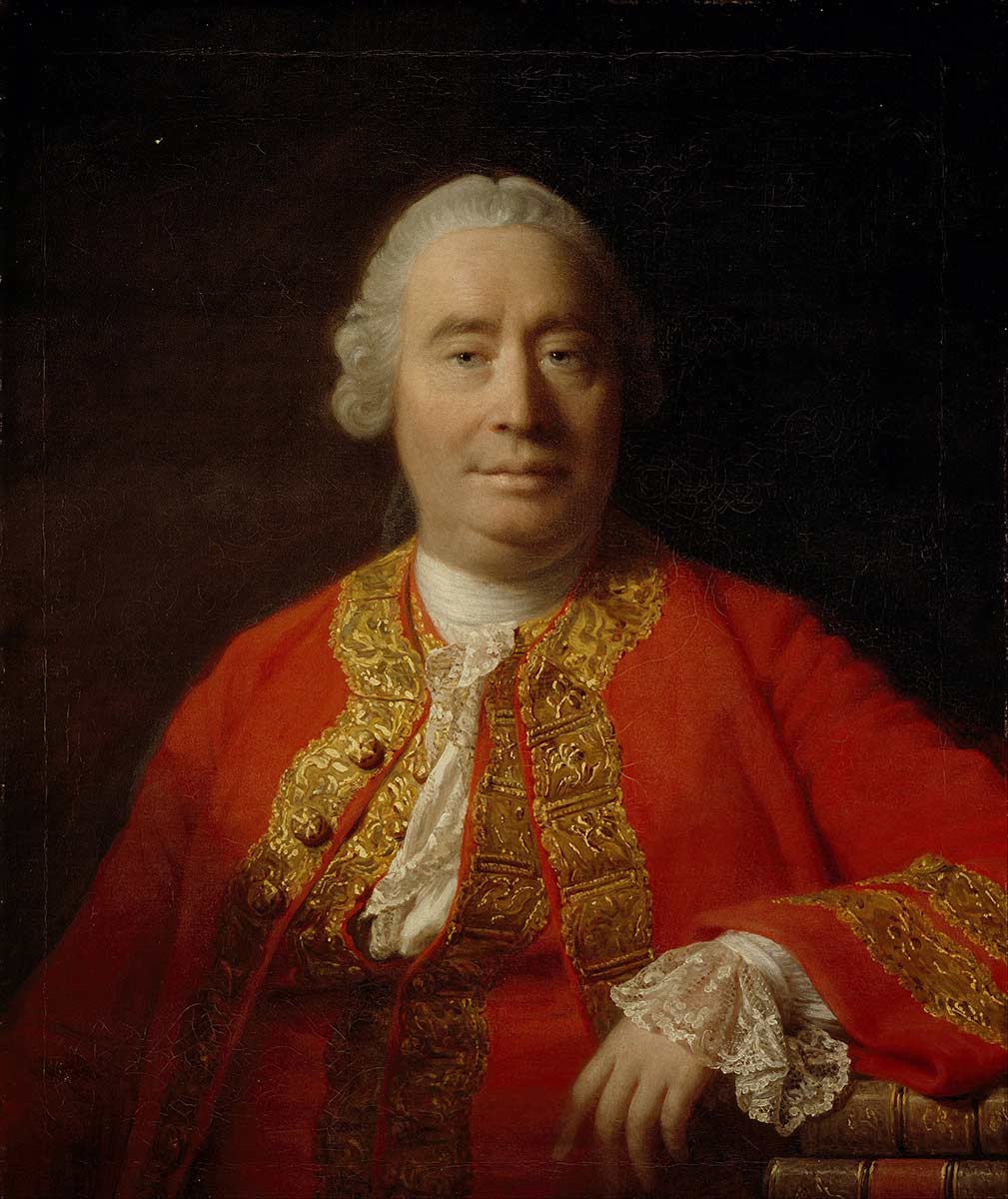
Beginning early in the 18th century, some scholars started to challenge the truth claims of the Bible and the validity of miracles. Scottish philosopher David Hume (1711-1771) wrote in An Enquiry Concerning Human Understanding that rational people, when offered multiple choices to explain an event, will choose the explanation that is most probable, and that miracles are the most improbable explanation of all.
His statement reflects the rise of the philosophy of naturalism. Naturalism purports that nothing exists outside the natural world, thereby excluding the possibility of anything or anyone supernatural, such as God, and that so-called miracles have a natural explanation. In light of this, some scholars have attempted to explain the resurrection of Jesus as a naturalistic event.
1. The Swoon Theory
Proponents of the swoon theory suggest that Jesus did not die on the cross, but was still alive when his friends removed him from it. Critics respond that it is highly unlikely that anyone could endure what Christ went through and remain alive.
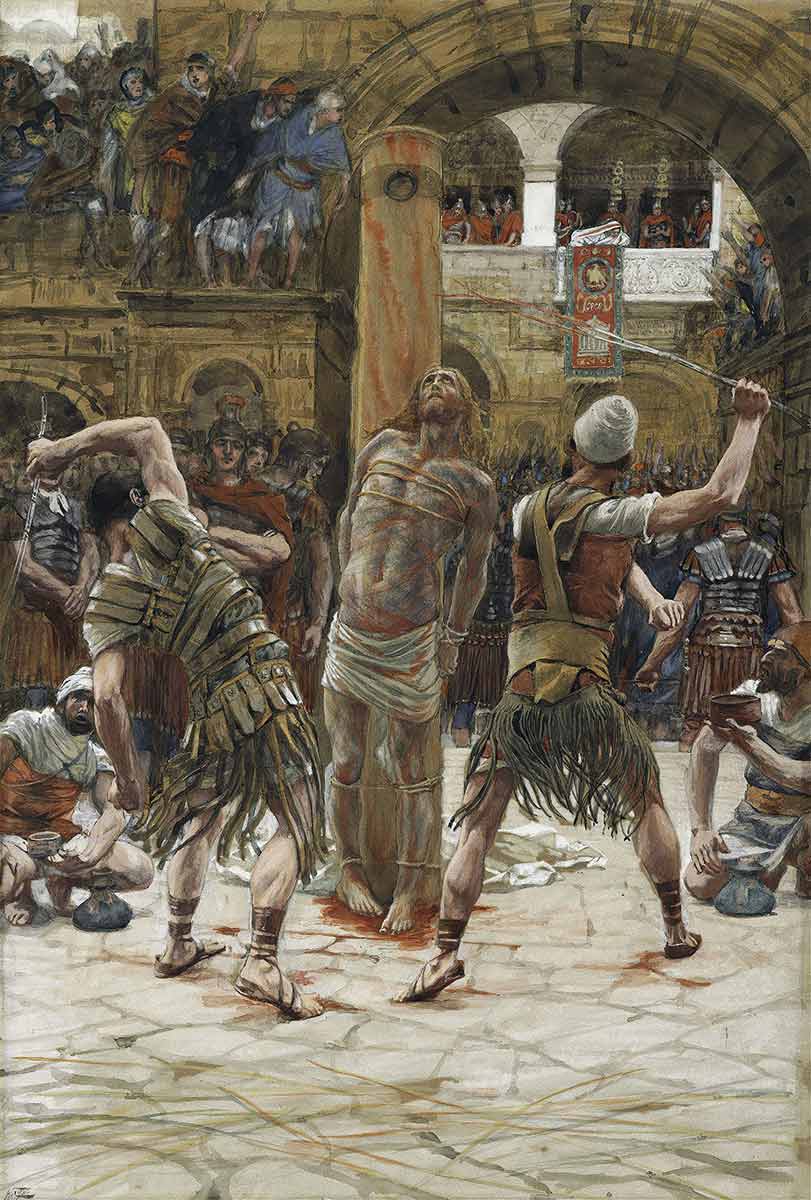
The Roman soldiers were experts when it came to the matter of torturing and killing people. After divesting Jesus of his clothes, they would have chained him to a pillar so that he would not collapse as they beat him with whips that consisted of multiple strands of leather with metal balls woven throughout them. At the end of each of the ropes were pieces of glass, nails, and bone—anything sharp that would cut deeply into the flesh and strip his skin off, exposing muscle and bone on his back, his buttocks, his chest, and his legs. Jesus would have lost a great deal of blood in the process. These beatings were called “the half-death” because half the people flagellated in this manner died from the whipping.
At that point and in that state, Jesus was forced to carry his cross to the location of his crucifixion on Golgotha, also known as the Place of the Skull, because the hill was skull-shaped. The Gospels record that he fell many times, and Matthew, Mark, and Luke note that the soldiers pulled a man named Simon, who was from Cyrene, from the crowd and made him help Jesus with the cross.
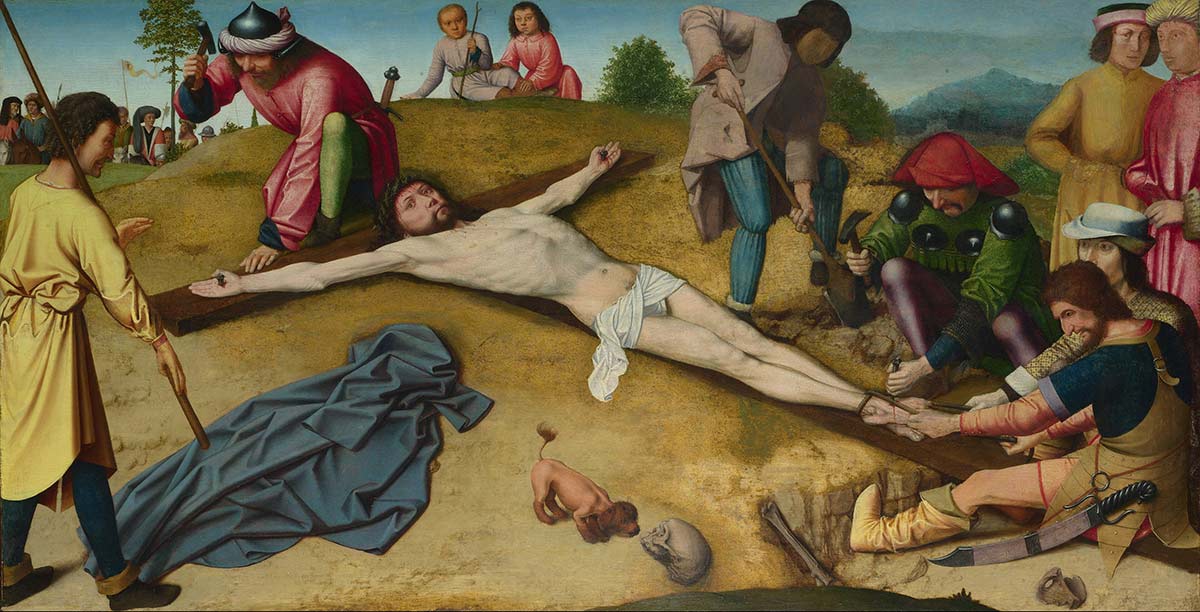
Then there is the process of the crucifixion, a truly brutal and excruciating way to die. First, the soldiers laid Jesus on the cross on the ground and pounded nails through the two bones in each of his wrists (which Jews considered part of the hand) rather than his palms, as they would not hold him upright. They then crossed his feet and drove a spike through them, at which point they lifted him up.
As his body sank down, Jesus would have had to push himself up using his feet as breathing became difficult. In fact, he would have had to do this with every breath that he took for the six hours that he hung on the cross. Additionally, he would have been dehydrated, not having had anything to drink since his arrest. Finally, he died. A Roman soldier shoved a spear up between his ribs into his heart to make sure that he was truly dead.
Experts say that it would be impossible to survive all of that and dismiss the swoon theory as highly improbable, if not totally impossible.
2. The Hallucination Theory
The American Psychological Association defines a hallucination as “a false sensory perception that has a compelling sense of reality despite the absence of an external stimulus.” In other words, people see, hear, smell, taste, and feel things that are not really there. Researchers tell us that 50 percent of the population will have hallucinations of their loved ones after their death. British Bible scholar Michael Goulder (1927-2010) suggested that this was the case with Christ’s followers who claimed to see the resurrected Jesus. He said they were merely hallucinating.
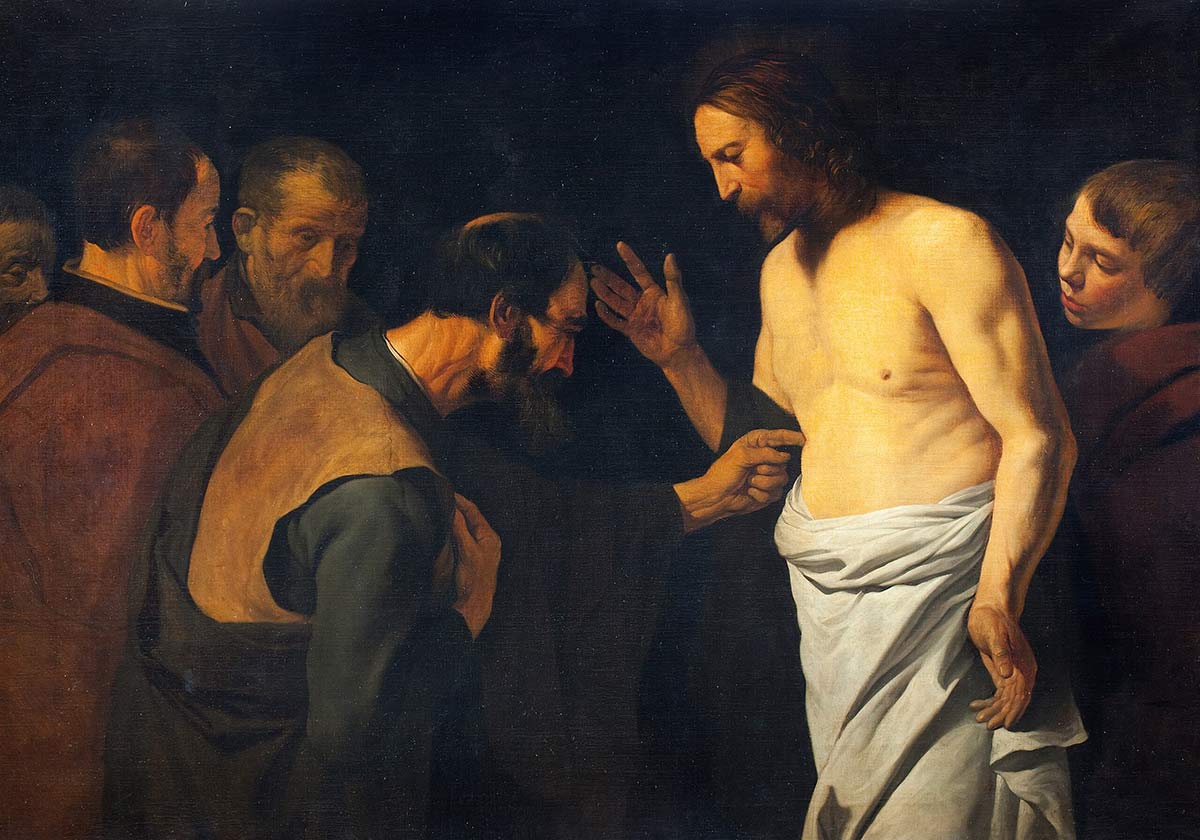
There is one major problem with this theory. People cannot share identical hallucinations when they are awake, just as they cannot share identical dreams during sleep. Paul tells us in 1 Corinthians 15:6 that 500 people saw him at the same time, and he notes that many of those people were still alive at the time of his writing. Jesus also appeared to a number of his disciples in the Upper Room, where Thomas doubted that Christ was really there among them, causing Jesus to invite him to touch the wounds on his body (John 20:19-31). And Jesus shared breakfast with Peter and the other disciples on the beach of the Sea of Galilee (John 21:1-14). These episodes indicate that the sightings of Jesus were not hallucinations.
3. The Stolen Body Theory
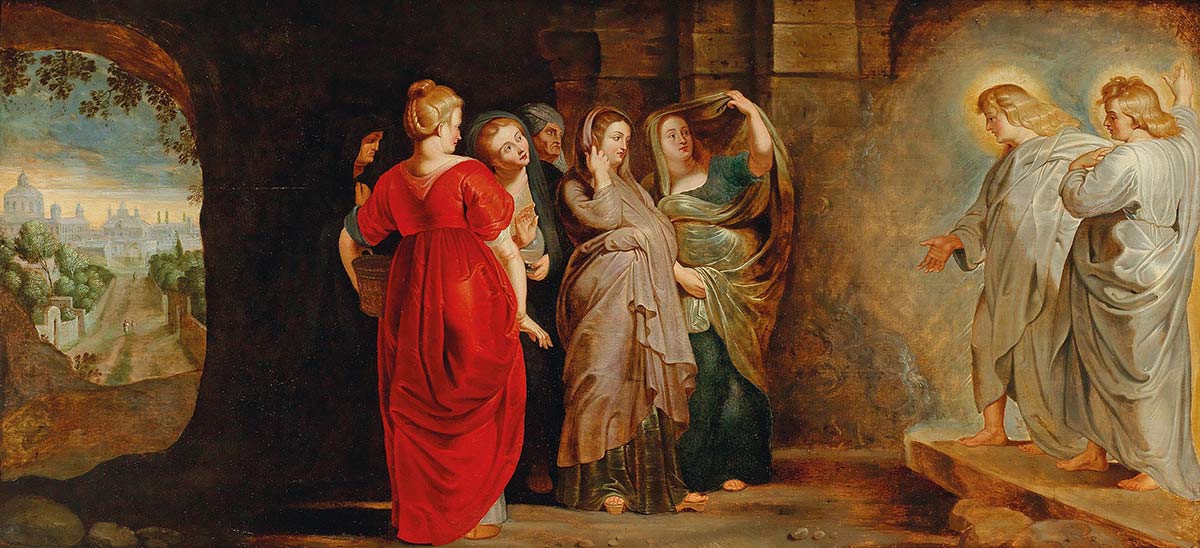
Some scholars have speculated that Christ’s tomb was empty simply because his body was removed. Some suggest that the Romans might have stolen it or, perhaps, the Jewish leaders. However, there is no apparent reason for either of these groups to remove the corpse. In fact, it would serve their purposes more to leave the dead body there to prove Jesus was a mere mortal, not the long-awaited Messiah. Others say that his followers probably took it because they wanted to make everyone believe that Jesus really had risen from the dead.
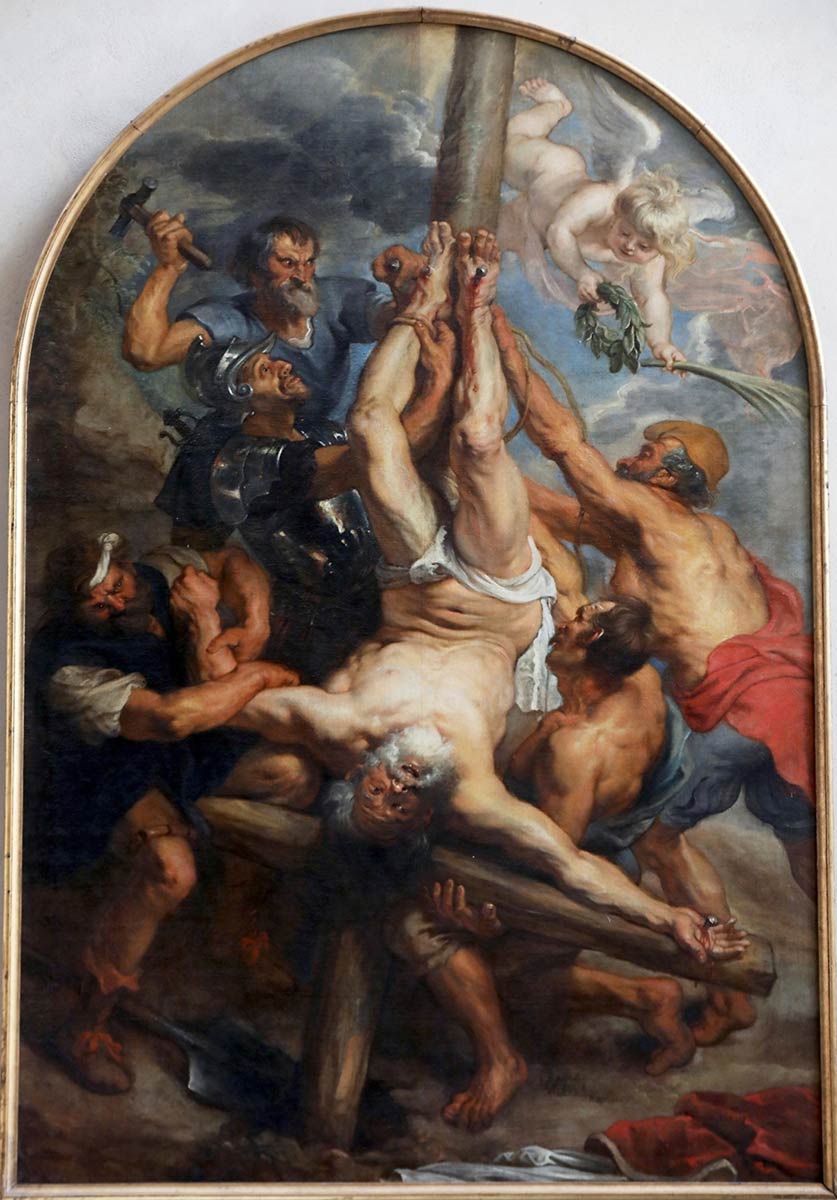
Christian apologists point to the traditional belief that all the apostles, except John and Judas (who committed suicide), were tortured and executed because of their belief in the resurrection of Jesus. We read in Acts 12:2 that James, the son of Zebedee, was beheaded by Herod Agrippa I (44 AD). Tradition has it that Peter was crucified upside down in Rome. Andrew was said to be crucified in Greece, while Philip was also supposedly crucified or beheaded. It is possible that Barnabas was also beheaded. Either that or he was flayed to death. Both Thomas and Matthew were supposedly stabbed to death with spears, Thomas in India and Matthew in Ethiopia. Lastly, James was either beaten or stoned to death.
Christian apologists say that, if Christ’s followers had removed his body to convince people of his resurrection, it is highly unlikely that they would have given up their lives for something they knew to be a lie.
4. The Wrong Tomb Theory
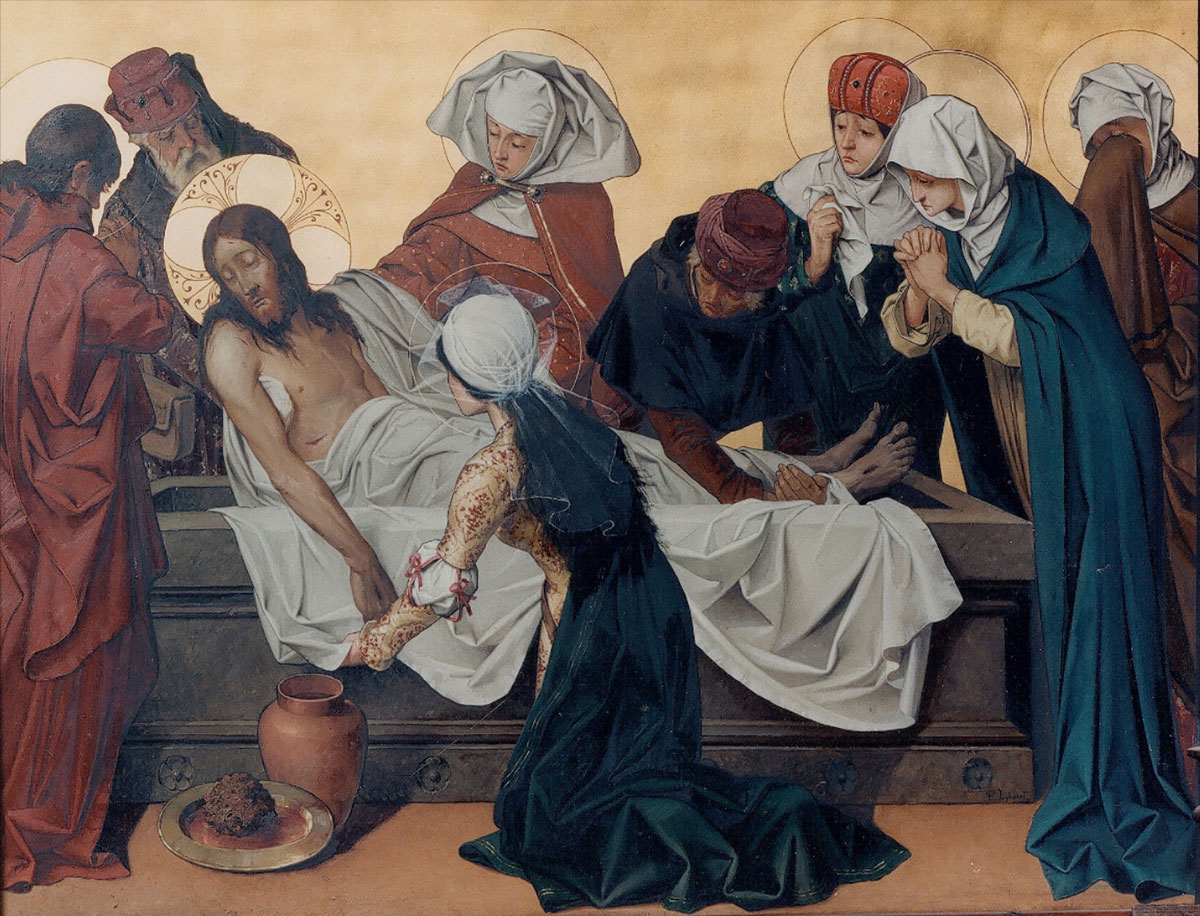
Some scholars suggest that the women who went to anoint Christ’s body simply went to the wrong tomb, one that was indeed empty. However, Mary Magdalene was present at his crucifixion, and all four gospels attest to the fact that she was with the men who laid him in his grave. It had only been a couple of days since they did this. Therefore, it is highly unlikely that she would have forgotten where the body of Jesus rested and gone to the wrong tomb. Thus, this theory is easily debunked.
5. The Substitution or Replacement Theory
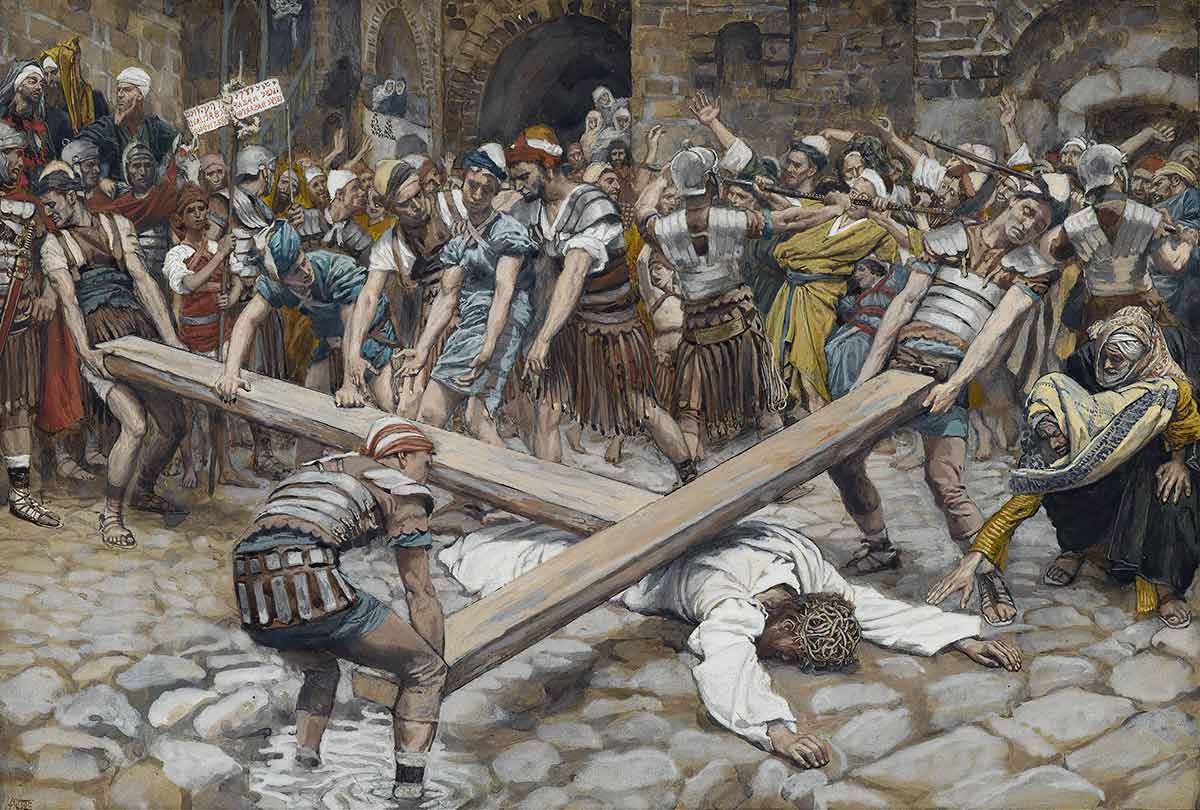
The substitution theory takes two forms. One suggests that someone replaced Jesus on the cross and died in his place, someone such as Simon of Cyrene, the man who helped carry Christ’s cross to Golgotha. In fact, the idea that someone volunteered to take Jesus’s place has been popular among Muslims for centuries. But why would a bystander step up to die on the cross for him? One theory suggests that Judas did so out of guilt for betraying him. However, the Bible records Judas’s death before that of Christ’s (Matthew 27:3-10).
Another theory purports that Jesus did indeed die, and a look-alike claiming to be the resurrected Christ fooled everyone in the aftermath of the crucifixion. One would think that those closest to Jesus would recognize the difference. This perhaps explains why some scholars put forth the theory that Jesus actually had a twin, with some claiming that it could have been Thomas, one of Jesus’s disciples, who was called Didymus, the Greek word for “twin.”
Some of these ideas stem from Gnostic texts, including The Acts of Thomas (not to be confused with The Gospel of Thomas) and The Second Treatise of the Great Seth. Gnosticism had many faces, but, basically, the religion elevated the spiritual and denigrated the physical, teaching that one achieved salvation through the attainment of secret knowledge rather than faith in Christ. Both texts were written late, and their authorship is in question. Therefore, they are not part of the Biblical canon and are considered heretical by the Christian Church.
6. Jesus as a Mythical Figure Theory
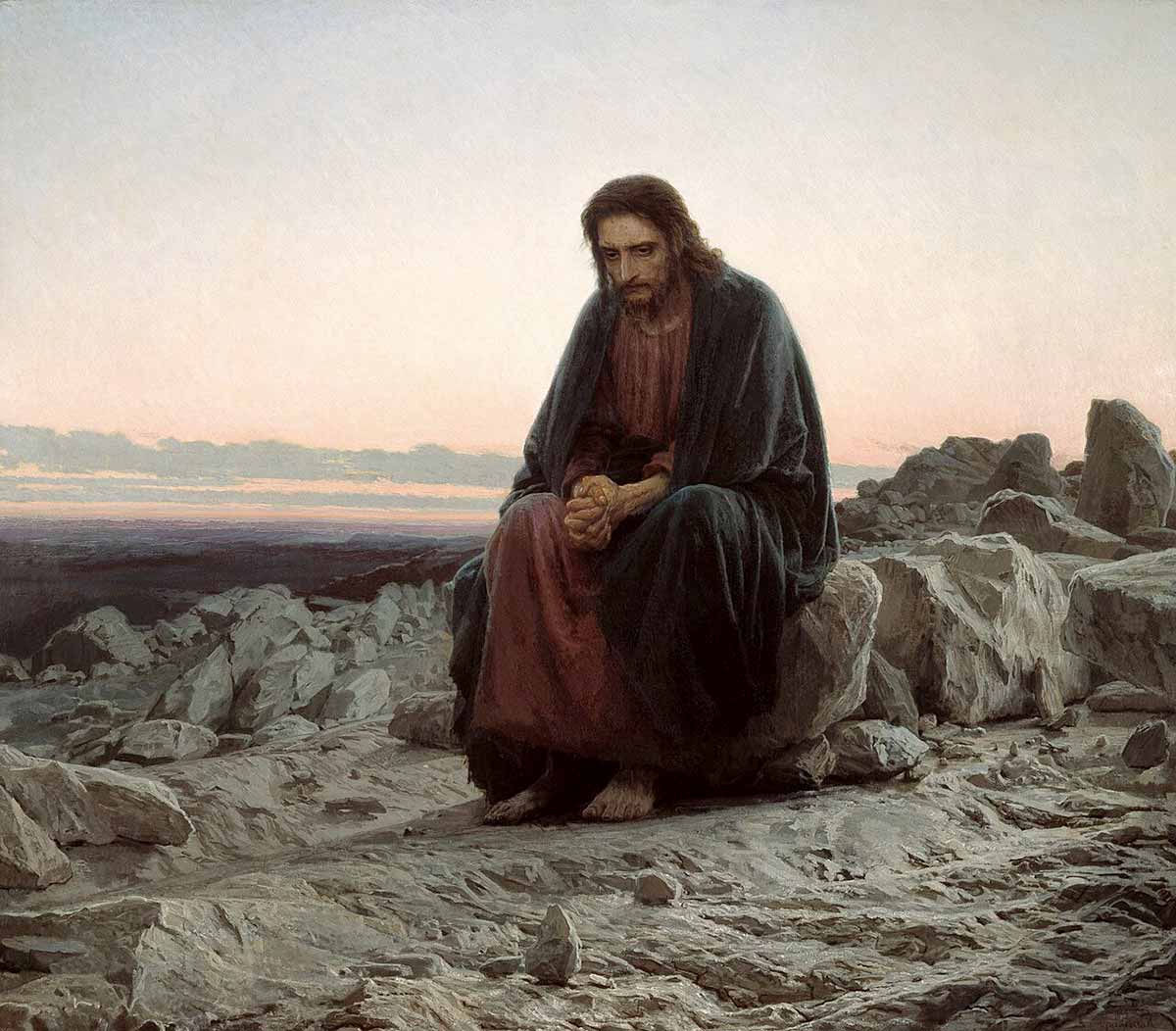
Some critics purport that Jesus was not a real historical figure, but a mythical one like the Persian Mithras or the Egyptian Osiris. However, most historians agree that there was indeed such a person as Jesus living in the 1st-century AD. They just do not all agree that he was God Incarnate.
There are many non-biblical sources that speak of him, including that of Tacitus, a Roman historian (54-120 AD) who wrote about Jesus and his followers, saying that their name came “from Christ, who, during the reign of Tiberius, had been executed by the procurator Pontius Pilate” (from his Annals).
Josephus, a Jewish historian (born 37 AD), mentions Jesus in his Antiquities of the Jews and The Jewish War. Scholars note that Christians might have embellished what he wrote to make a stronger case for Christ’s divinity. However, most agree that the basic information he provides about Christ’s existence is authentic.
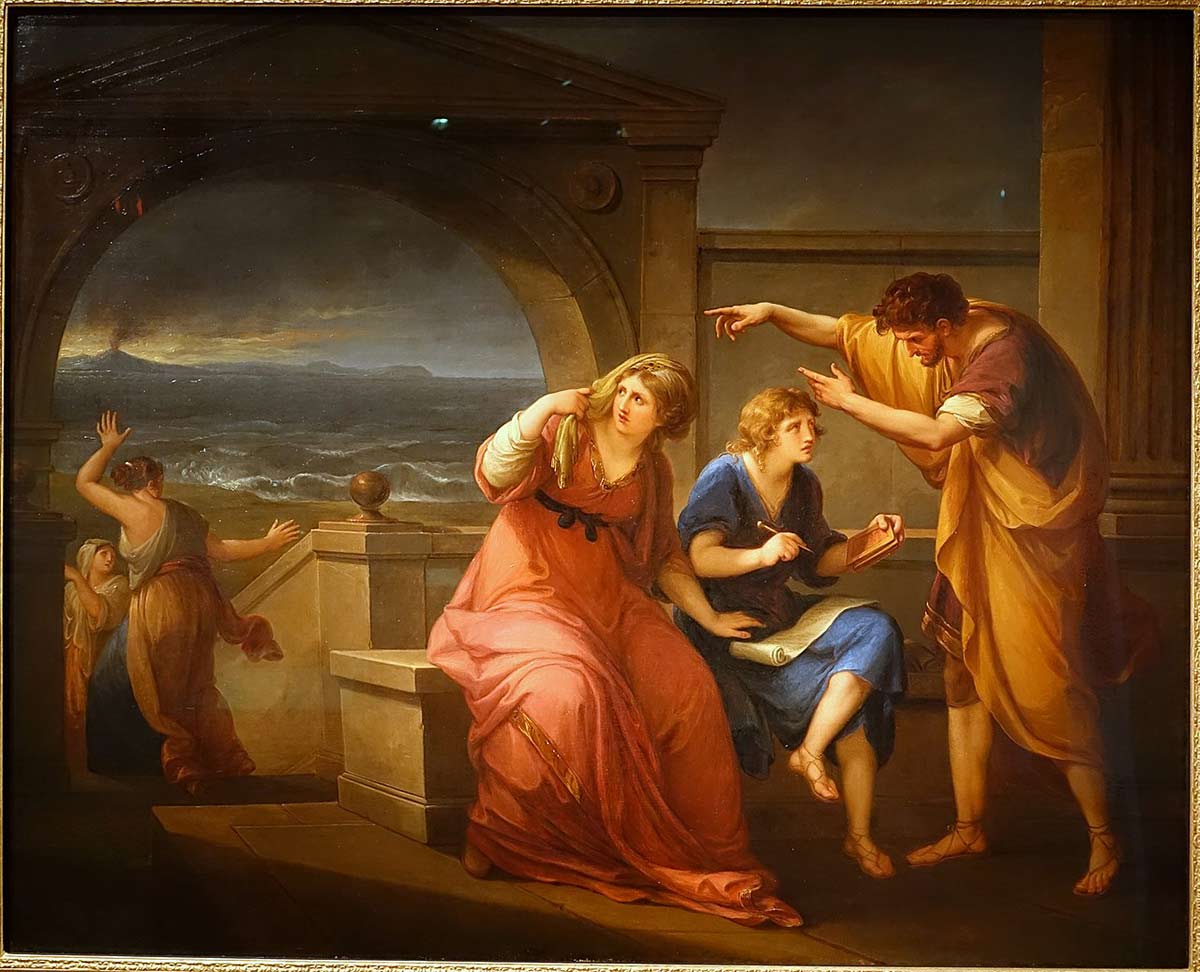
Other evidence regarding the historicity of Jesus comes from Pliny the Younger, a Roman senator and historian who lived in the 1st-century AD, Suetonius, a Roman historian who writes of “Chrestus” in his The Twelve Caesars, published in 120 AD, and Lucian of Samosata, a 2nd-century Greek satirist who speaks of a man crucified in Palestine and the Christians who followed him in his The Passing of Peregrinus.
Lastly, the early Church Father, Origen, wrote a text called Against Celsus in response to what Celsus, a philosopher who lived in the 2nd century AD, said about Jesus. He claimed that Christ was the illegitimate son of Mary and a Roman soldier and vilified Jesus as a charlatan who performed acts of sorcery and made thieves of his followers.
Conclusion
Paul noted that, if Christ did not rise from the dead, then his followers were to be pitied because, if he didn’t experience a true physical resurrection, then neither would they, and they would die in their sins (1 Corinthians 15:19). It is for this reason that Christians defend the event so passionately. Faith in the biblical account of it came into question in the 18th century because of a change in worldview that no longer accepted the possibility of miracles.