Roman Mithraism spread in the West between the 1st and 4th centuries AD. Mithras was a god of the Parthians, one of Rome’s greatest rivals throughout their history, so why did Rome co-opt a foreign deity from one of its most significant enemies? The answer may be found in the ancient Roman practice of god stealing. What was Roman god stealing, and what role did it play in Roman religion and warfare? And does god stealing provide a plausible explanation for the rise of Roman Mithraism?
What Was Roman God Stealing?
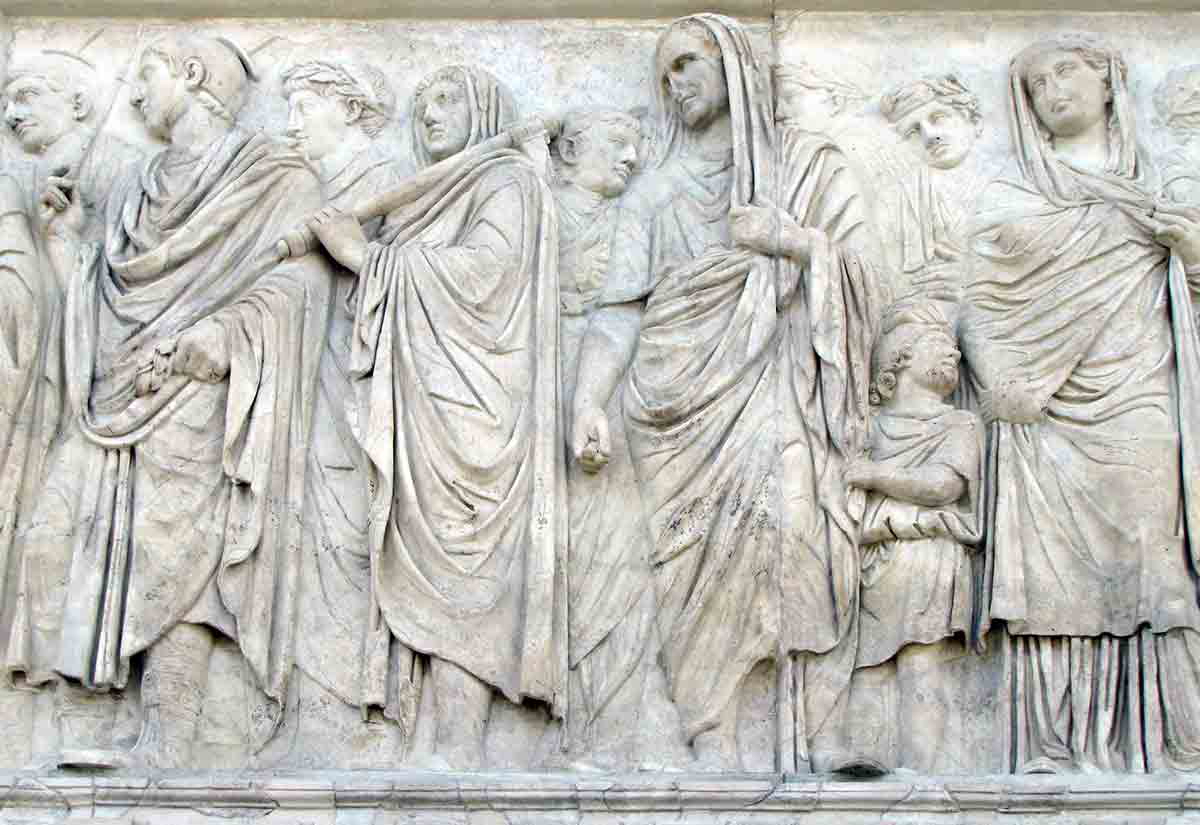
The Romans believed that they were blessed by the favor of the gods, and that Rome’s continued greatness depended on maintaining that divine favor. They did this through proper ritual recognition of their own gods through cult. As the Roman Empire expanded, the Romans encountered new gods in foreign lands, which they also often worshipped to ensure broad divine favor. They often syncretized these deities with their own gods, identifying them as manifestations of Jupiter, Mercury, or Minerva in foreign lands.
While absorbing new gods into Roman religion was often a peaceful process, this was not always the case. They would also sometimes actively abduct foreign gods. A mix of kidnapping and enticement, ritual abductions were an act of religious warfare aimed at forcing “divine defections” in favor of Rome. Addressing heavenly imbalance, they were intended to bolster Rome’s religious fortunes by usurping an enemy’s divine patronage. Divine abductions were commonly undertaken during times of acute stress, moments of military and cultural crisis.
There were two types of abduction: evocatio during times of war and diplomatic abductions in times of peace.
Stealing Gods in War by Evocatio
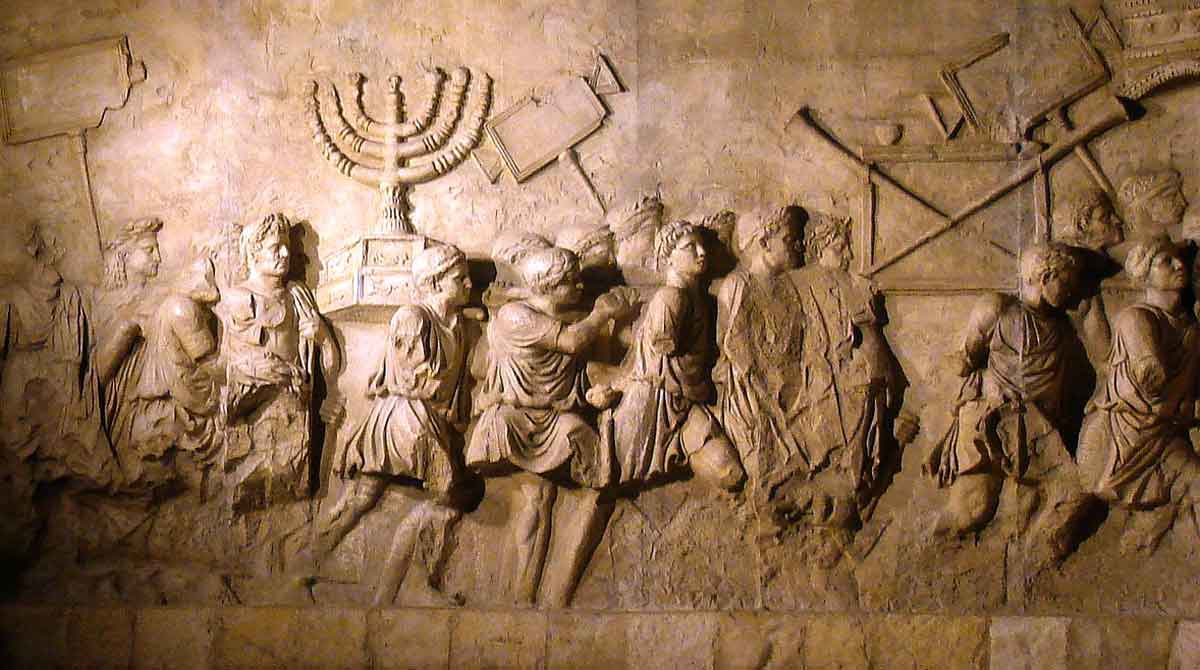
Evocatio was one of the tools Rome had in its war arsenal, undermining terrestrial forces by targeting their divine patrons. It was a dark ritual that forced the transference of foreign deities away from their native city and people. It often happened at the culmination of a war, typically the destruction of an enemy city, to protect the Roman army and state from potentially vindictive enemy Gods.
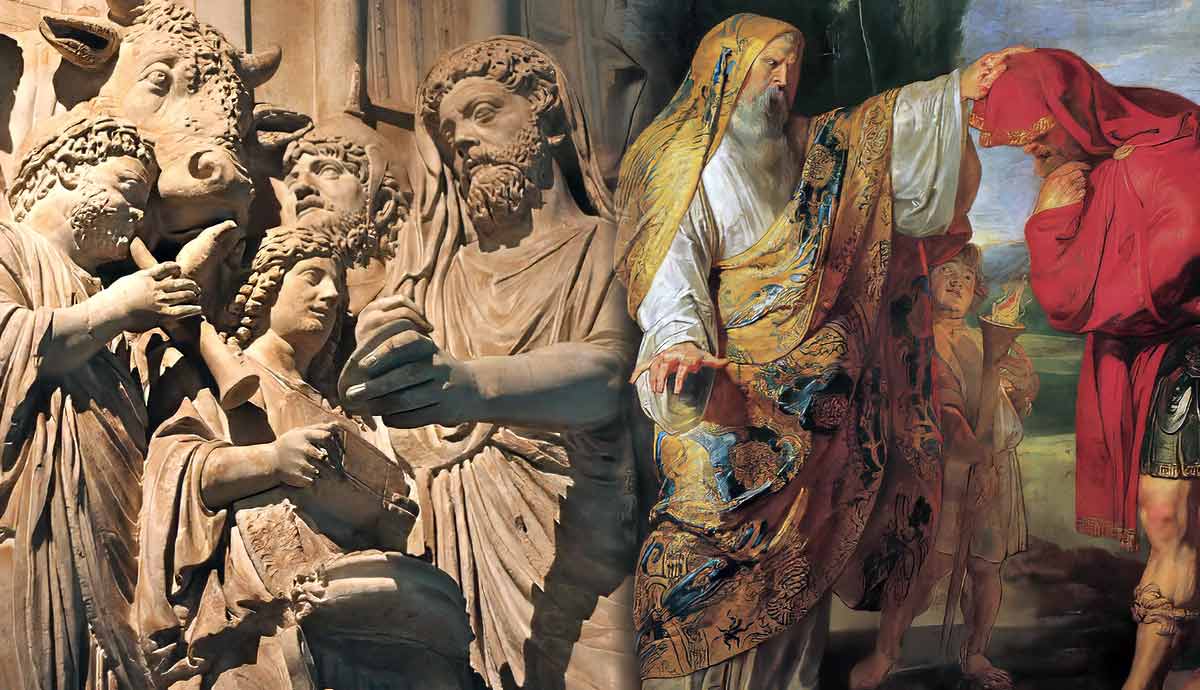
A Roman priest or commander would enact an incantation, enticing the enemy deity to abandon their city. This included an appeasement element; the displaced divinity was often promised a prestigious temple and rights of worship within either Rome or Italy. Evocation sought to mollify the anger of those enemy deities of uncertain power and spite.
City boundaries carried profound religious significance in the ancient world, and tutelary deities were the cornerstone of state survival. So, in a wider cultural sense, evocatio was also an act of ritualized conquest, co-opting the protectors of Rome’s enemies, in an act of religious and cultural domination.
From Veii to Carthage: Examples of Evocatio
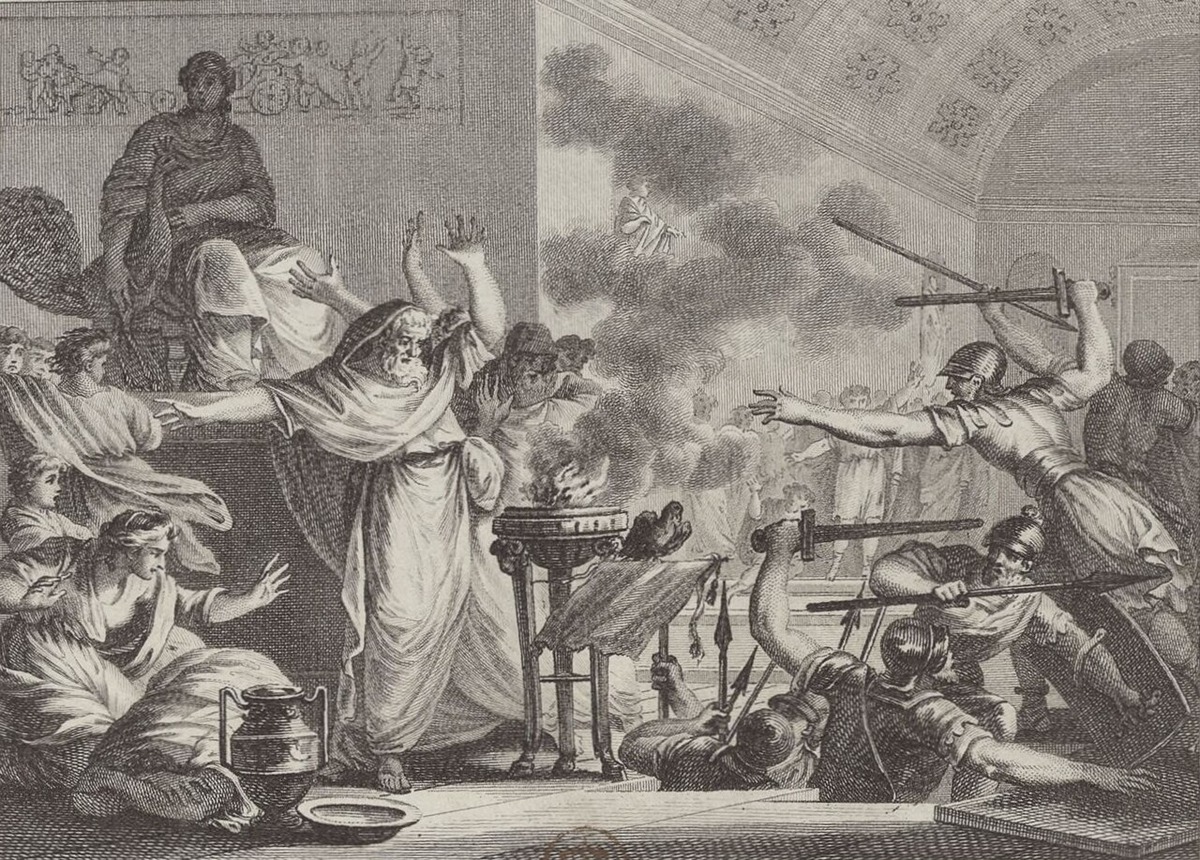
This tactic was deployed against Rome’s ancient enemy Veii in c. 396 BC, when the Etruscan goddess Juno Regina was lured back to Rome:
“Queen Juno, who now dwellest in Veii, I beseech, that thou wouldst follow us, after our victory, to the City which is ours and which will soon be thine, where a temple worthy of thy majesty will receive thee.”
Livy, History of Rome 5.21
Following the battlefield ritual, an honor guard of youthful nobles escorted the Goddess’s statue back to a prestigious temple on the Aventine Hill.
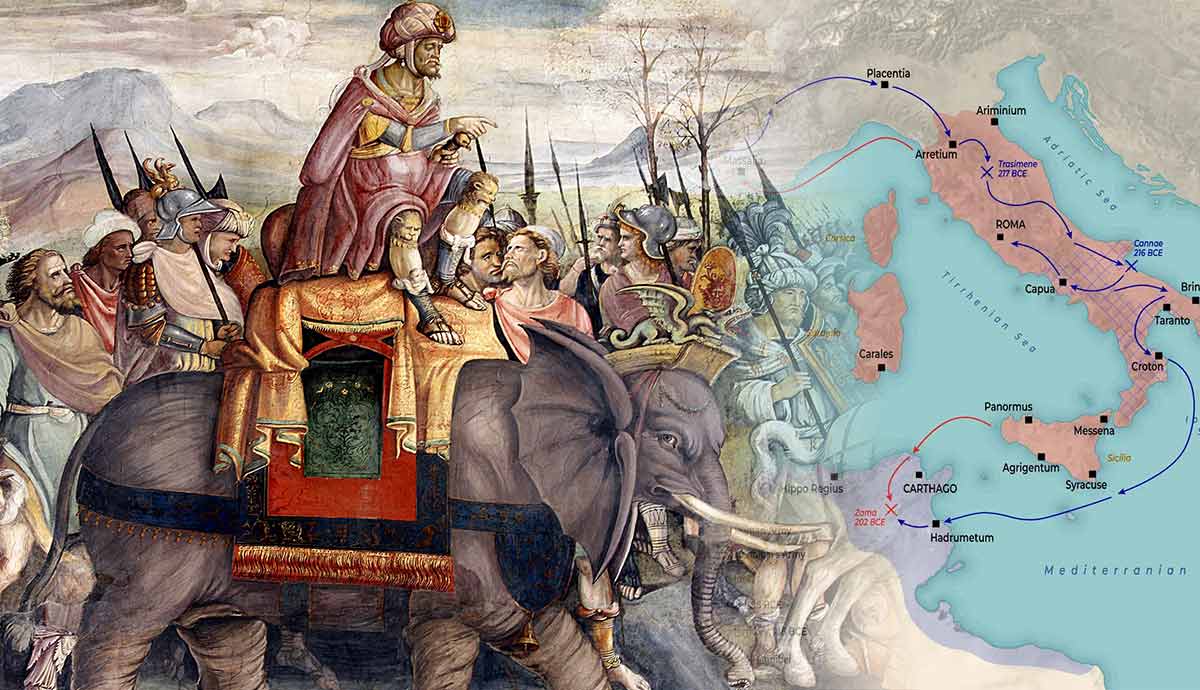
Unknown deities were also seemingly stolen by Rome at the siege of the Etruscan town of Falerii in 241 BC. At the culmination of the Third Punic War in 146 BC, Rome abducted at least one deity from Carthage. A supposed incantation by the commander Scipio Aemilianus is intriguing:
“… to any God, to any Goddess, under whose protection are the people and state of Carthage, and chiefly to thee who are charged with the protection of the city and people, I make prayer and do reverence and ask grace of you all, that ye abandon the people and state of Carthage, forsake their places, temples, shrines, and city, and depart there from… come to Rome, to me and to mine; and that our places, temples, shrines, and city may be more acceptable and pleasing to you…”
Macrobius, Saturnalia, 2.7-8
In other words, break with Carthage, and you will be rewarded and honored back in Rome. Macrobius identifies Scipio and the Roman army as the direct agents of this religious transfer back to Rome. This “contract” with the citizen military is highlighted by the clause: “take me and the Roman people and my soldiers under your charge” (Macrobius, Saturnalia 2.8).
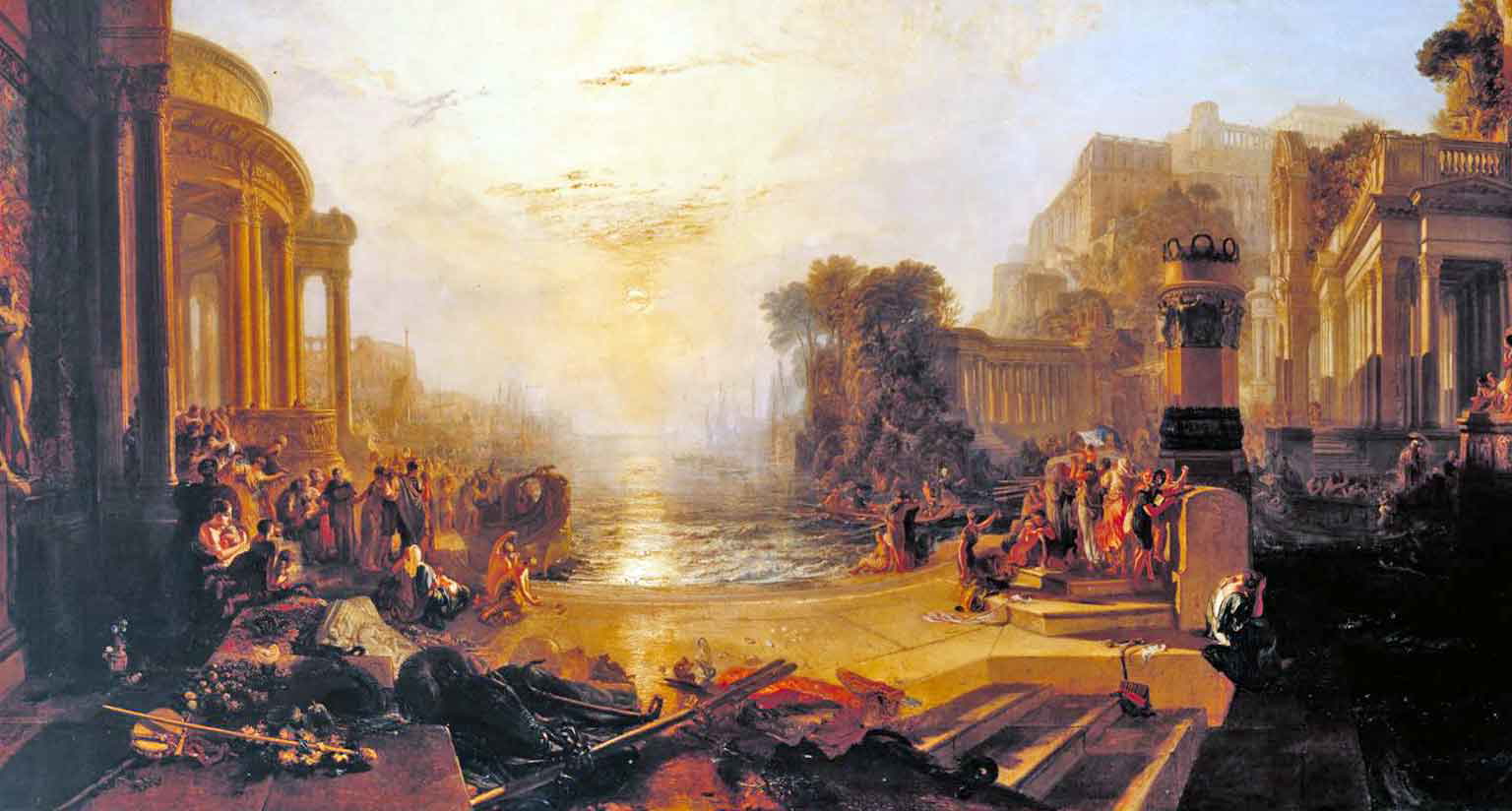
While Macrobius is writing in the 5th century AD, his assertion that an incantation was part of the evocatio process is confirmed by earlier sources, including Livy, Pliny the Elder, and Plutarch. Archaeological evidence also supports this picture. A fragmentary inscription (AE 1977, 816 = CIL IÇ 2954) from the Cilician city of Isaura Vetus in Asia Minor (southern Turkey) dates to 75 BC. It uses similar ritualistic terminology, but only offered the unknown deity a temple in the local province, and not in Rome itself.
There is less evidence for evocatio in the imperial period, but the practice seems to have continued. Pliny the Elder, citing Verrius Flaccus, noted that pontiffs were still, in Augustan times, proficient in the practice.
“… [at] a siege, it was the usage, the first thing of all, for the Roman priests to summon forth the tutelary divinity of that particular town, and to promise him the same rites, or even a more extended worship, at Rome; and at the present day even, this ritual still forms part of the discipline of our pontiffs. Hence it is, no doubt, that the name of the tutelary deity of Rome has been so strictly kept concealed, lest any of our enemies should act in a similar manner.”
Pliny, Natural History, 28.4.18
Protecting Roman Gods from Theft
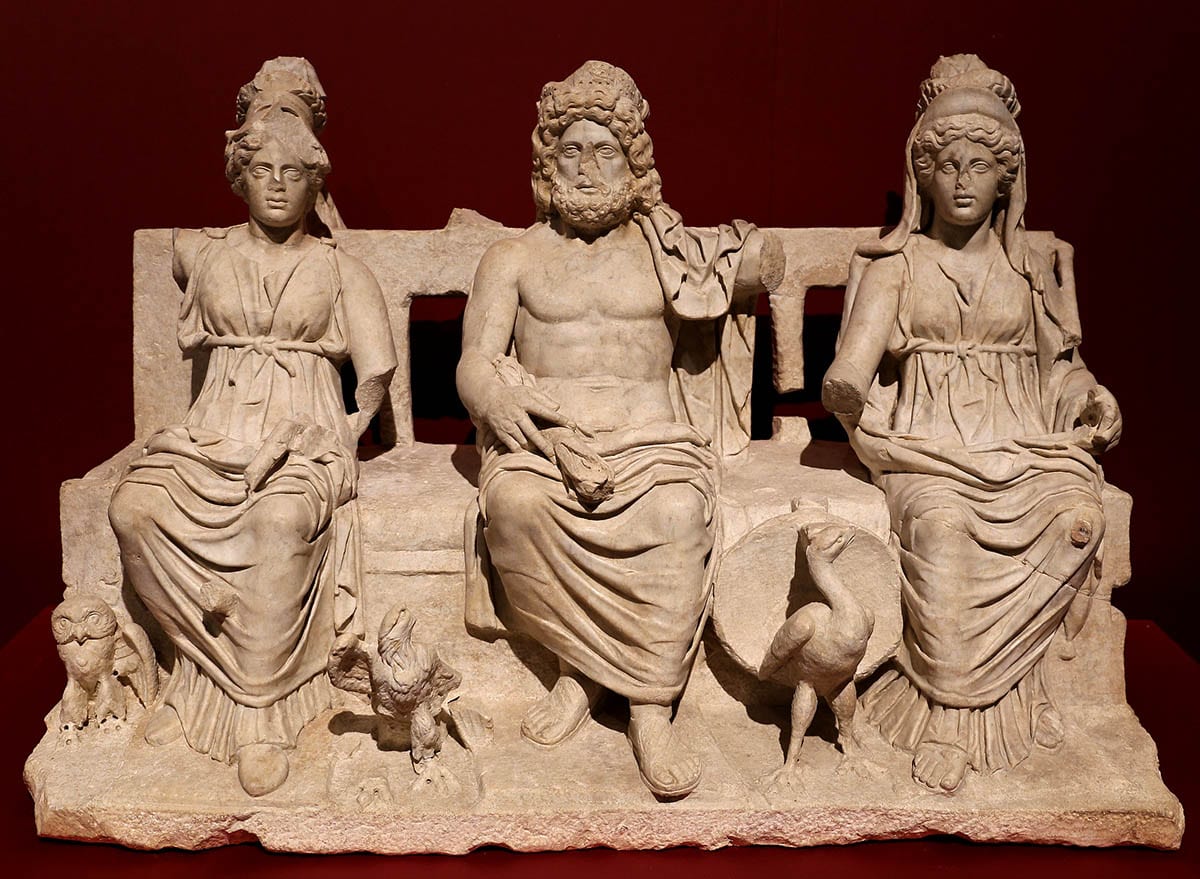
But while the practice still existed in the 1st century AD, evocatio was clearly an archaic practice, which diminished throughout the late Republic and was much less common in the early imperial period.
In the shadow realm of religious “black ops,” Pliny also highlights that the Romans were deeply paranoid about their own vulnerabilities. Plutarch echoed the sentiment.
“… as certain Roman writers have recorded, there are certain evocations and enchantments affecting the gods, by which the Romans also believed that certain gods had been called forth from their enemies, and had come to dwell among themselves, and they were afraid of having this same thing done to them by others?”
Plutarch, Moralia, Roman Questions, 61
Plutarch goes on to note that Valerius Soranus (possibly a tribune in the time of Sulla) was put to death for uttering the name(s) of Rome’s tutelary protector(s). God capture and protection was a serious and clandestine business. Careless talk costs lives.
Stealing Gods in Peacetime
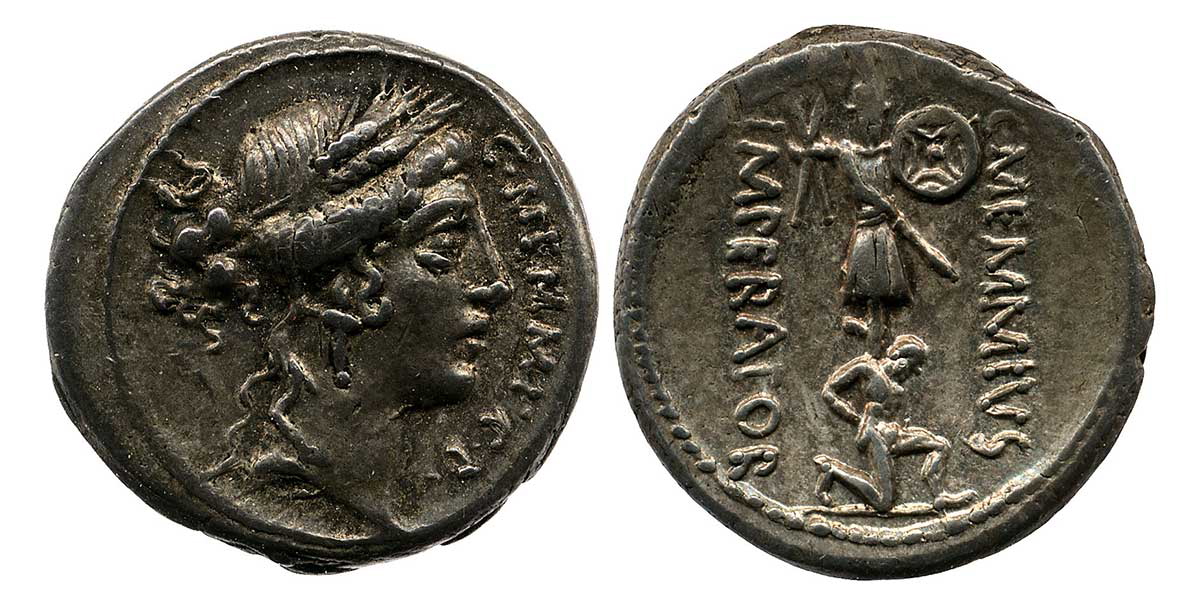
The Roman state also co-opted foreign Gods in times of peace. Still triggered by periods of acute stress, abductions were aimed at addressing specific problems.
Ceres, an agricultural deity, was transposed to Rome by the dictator Aulus Postumius Albinus. This followed a command of the Sibylline Books, consulted in response to a period of famine around 496 BC. Associated with the Greek goddess Demeter, she was afforded a temple on the Aventine Hill.
In 291 BC, the healing god Asclepius was summoned to Rome from Epidaurus, following a plague in 293 BC, and installed outside the city, on an island in the Tiber. A strange “dream-like” story exists in Livy of the Roman embassy literally escorting a snake (the symbolic embodiment of Asclepius) by ship, back to Rome.
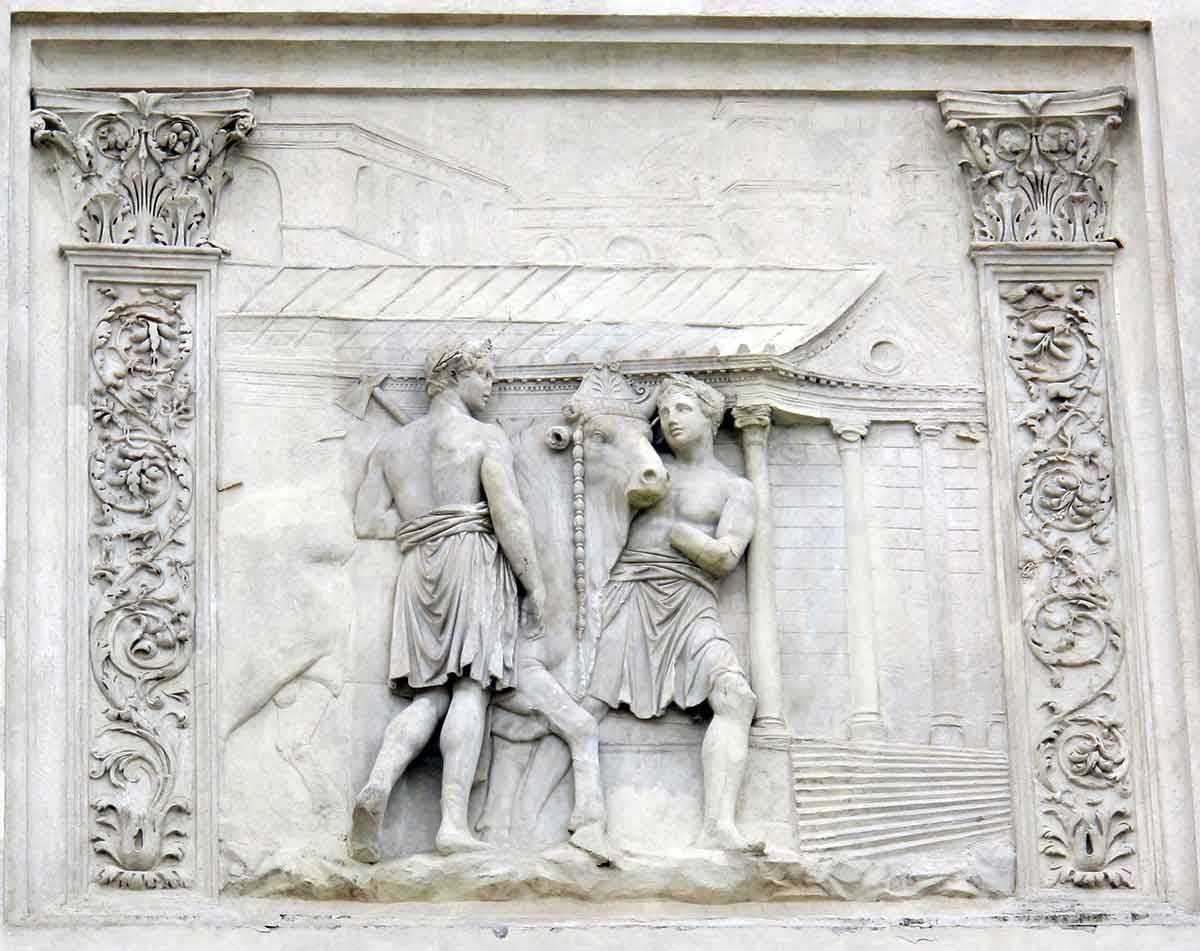
Cybele, known as Magna Mater to the Romans, was similarly conveyed from Phrygia in Asia Minor and established on the Palatine Hill in Rome in 204 BC. Again guided by the Sibylline Books, the deity was welcomed to Rome by prominent Roman matrons. Like Mithras, Cybele had an ancient and distinctly eastern pedigree, established long before her Romanization. Driven by the Second Punic War, the Romans needed a divine boost in their deadly struggle with Carthage.
Rome clearly had a tradition of co-opting foreign deities during periods of crisis. Indeed, it is hard not to see the Romans as actually “shopping” for certain deities and their attributes. Some anthropologists have labelled Roman God-stealing as nothing less than a “crisis ritual,” undertaken in response to acute periods of cultural uncertainty.
Parthia: Hot Wars, Cold Wars, Culture Wars
Parthia’s earliest shock victory over Rome foreshadowed the Republic’s fall. Though not the cause of the Republic’s demise, the total defeat of Crassus by Parthian arms at Carrhae in 53 BC set in motion a political “unravelling” that would lead to decades of civil war and Rome’s transformation into an imperial state.
Not only the nemesis of Crassus, Parthia also defied the military ambitions of Julius Caesar and Mark Antony. While Octavian later presented the retrieval of Crassus’s lost eagle standards as a victory, this was thin propaganda for a Roman audience. Rome later had both military and diplomatic victories in the East, but Parthia remained a long-term rival to Rome’s hegemony in the East.
Rome’s relationship with Parthia was typified by the sponsorship of opposing puppet-kings, uneasy treaties, spheres of influence, tensions, and breakdowns into conflict. The Julio-Claudian rulers each sought strategies to stabilize the Eastern border while projecting notions of Roman power, control, and cultural legitimacy.
While much of the conflict of the 1st century AD played out via proxy wars (largely over Armenia), Rome’s hot conflicts with Parthia were punctuated by distinct periods of a deeper “cold war.” Elements of diplomatic and cultural warfare played out as the two powers maneuvered for advantage. Both Rome and Parthia engaged in highly symbolic acts of cultural and political conflict that almost certainly included dimensions of religious warfare.
The ritual submission of the Armenian king Tiridates I in AD 66 before a statue of Nero, mounted on a curial chair, is a distinct example, demonstrating the importance of symbolism within the psychological realm of a wider cultural war.
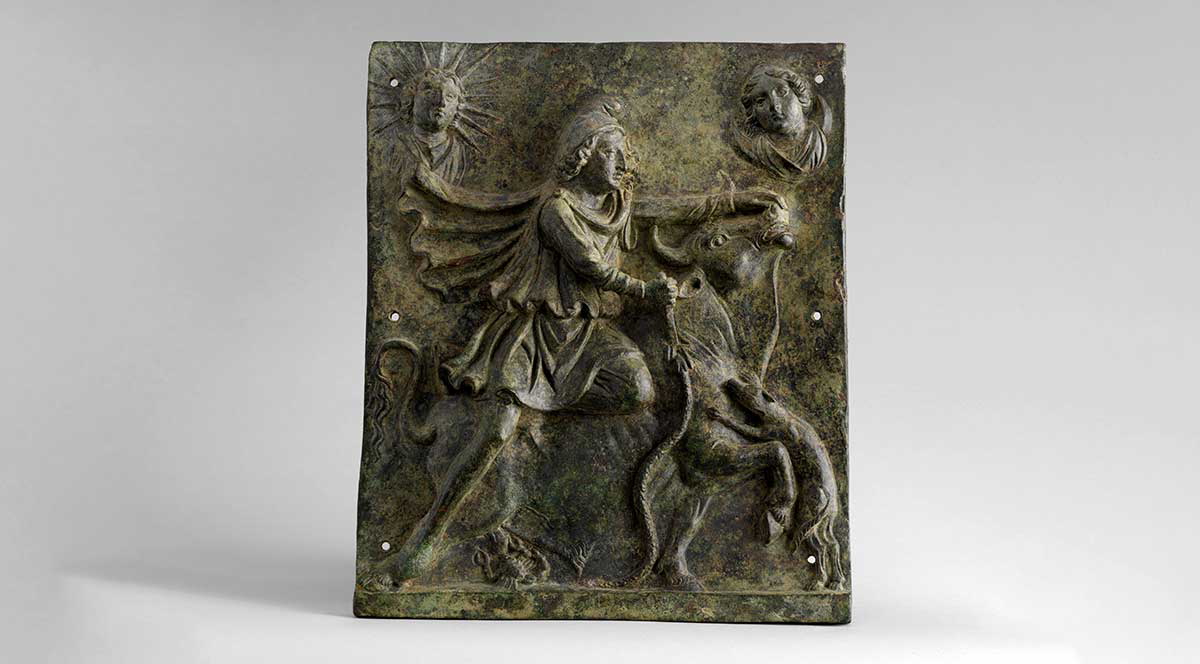
It is against this backdrop that the ritual abduction of Mithras by Rome played out. Whether constructed as a voluntary divine defection or an induced state kidnapping, the usurpation of a principal Parthian God to the Roman West must have constituted a propagandic coup of the highest order.
Parthia was certainly not above such dirty tricks. Bizarrely, the posthumous usurpation of the last Julio-Claudian emperor, Nero, was a shocking example. Parthia harbored at least two pseudo-Neros who emerged in the decades following Nero’s suicide in AD 68. “You steal our God; we steal your Emperor,” or the other way around. No matter how bogus, the hints of a “tit for tat,” asymmetrical war are there.
Did the Romans Steal Mithras From Parthia?
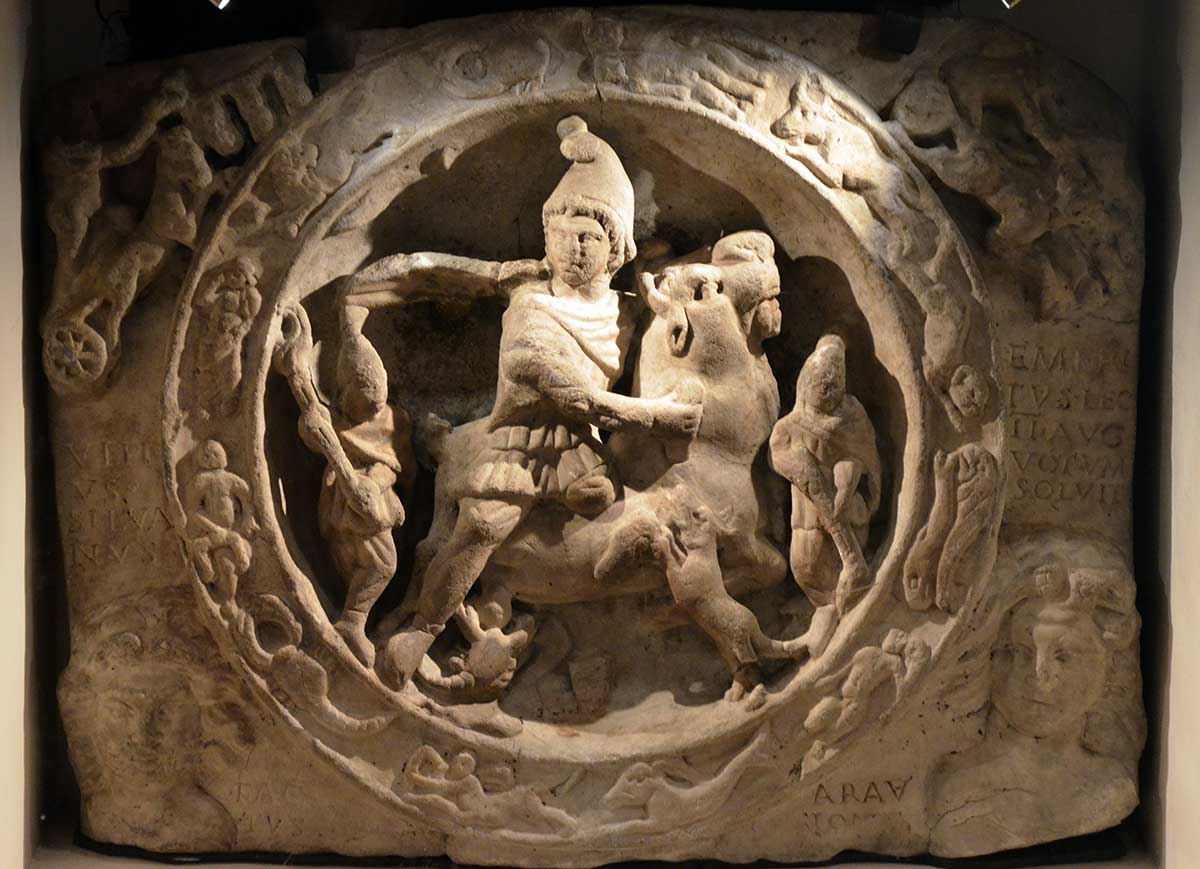
With the use of evocation seemingly running into the Late Republic, and with ritual capability being retained by Pontiffs of the 1st century CE, we have a timeframe that is viable for the establishment of Roman Mithraea (underground temples) in the West.
Traditional supposition is that Roman Mithraism must have arrived in the West a generation or so before the appearance of well-built Mithraea in Rome, Italy, and the central Roman Empire, so around the end of the 1st century AD. While not common, we know that evocatio was still a Roman practice at this time.
Perplexing to historians and archaeologists, the diffusion of Mithraic temples does not show any gradual or sequential spread from Rome’s Eastern provinces back to the West, but rather a comparatively rapid “jump” to the center of the Empire. This supports the suggestion that Mithras may have been ritually conveyed back to Rome, as we know other co-opted deities were.
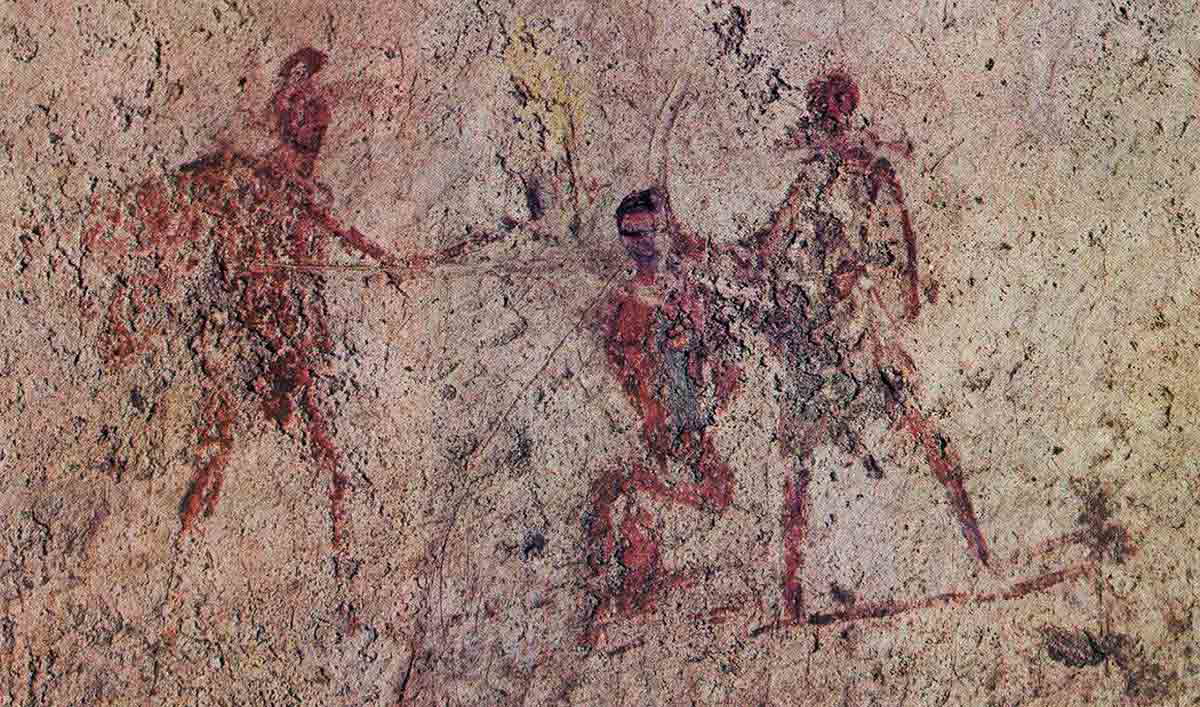
With a high relative concentration of Mithraea specifically around Ostia and Rome, we might also consider that Ostia (and the Tiber-Rome axis) was the predictable point of entry for any “conveyed” divinity to make landfall in Italy.
Additionally, there is a growing discourse that Roman Mithraism, seemingly disjointed and inauthentic from its Persianized antiquity, may have been a Roman pseudo-religion: perhaps a “costume cult,” loosely appropriated from the East. A God stealing model also accommodates this scenario, as Romans may have “stolen” mere approximations of their enemies’ gods. It does not follow that they were always accurate in their understanding of the Gods they co-opted. Macrobius certainly hints that Scipio Aemilianus invoked unknown deities from Carthage, that he could not fully hope to fathom prior to the city’s fall.
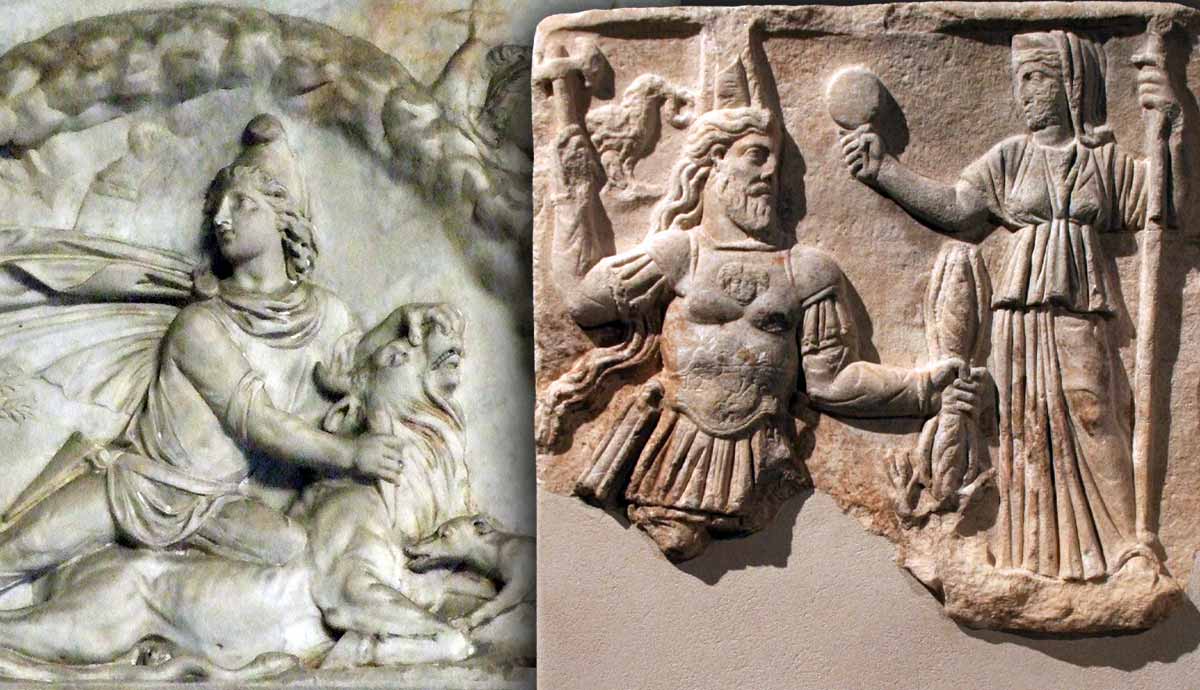
If the “capture” of Mithras was part of Roman cultural warfare, symbolic dominance and humiliation (rather than authenticity) may have been Rome’s primary focus. Overt dominance is something that can be found within “Roman” Mithraic iconography. The ritual bull slaughter (tauroctony) that appears exclusively within Roman Mithraism might well carry an allegorical and vindictive message for the jilted Parthians.
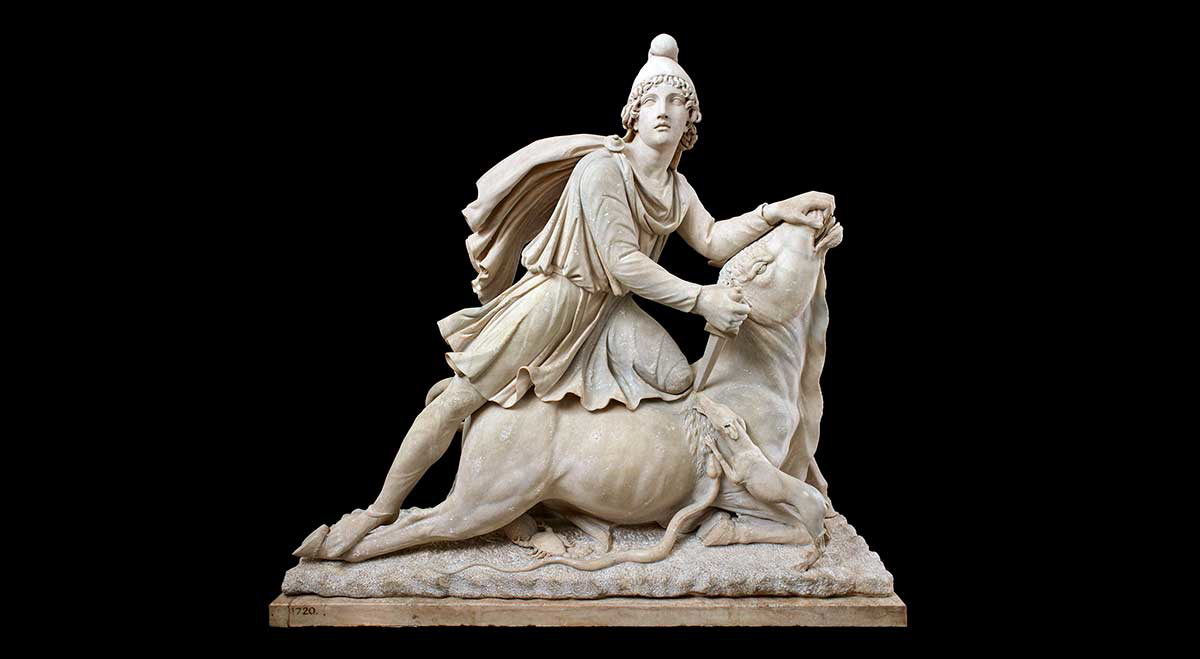
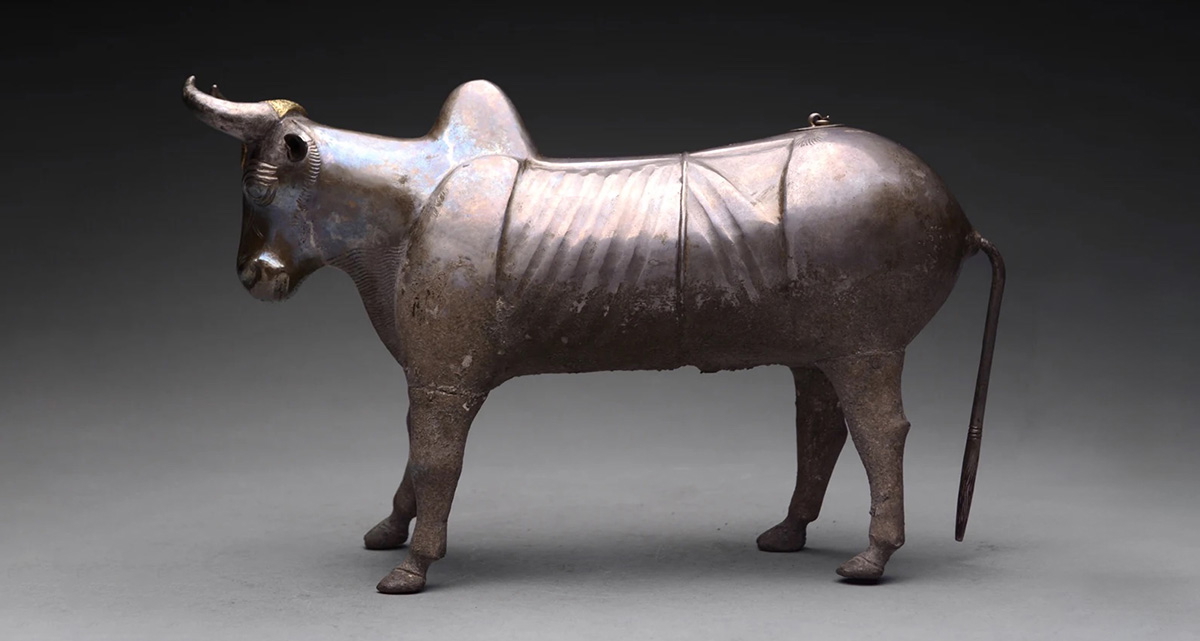
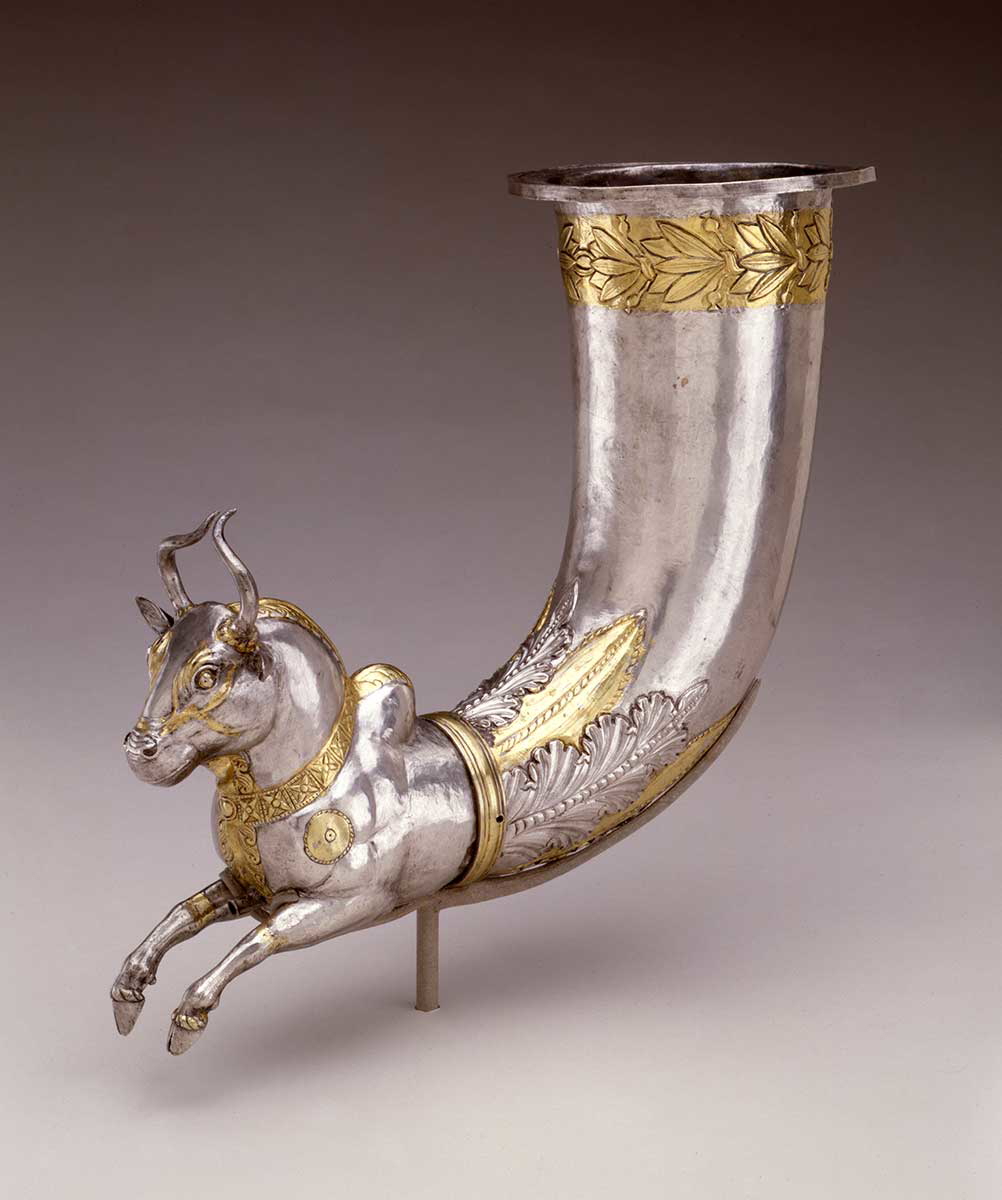
Bulls conveyed both sacred and royal connotations within the Achaemenid and Parthian tradition. Their ritual slaughter by a co-opted Romanized Mithras might conceivably signify a domineering message of Roman ritual supremacy. Aspects of Mithraic practice clearly simulated ritual acts of violence and domination. Could these acts have been constructed to convey Roman symbolic dominance?
As a deity, Mithras made for a high-value cultural target. The powerful sun god, associated with divine order and contracts, was believed to have regulated oaths of military service, including those between eastern kings and their warrior elites.
Subsequent distribution of Roman Mithraea between the 1st and 3rd centuries AD highlights the cult’s great success in military frontier provinces, such as Northern and Western Europe (Hadrian’s Wall, the Rhine and Danube frontiers), as well as North Africa. This attests to the tacit, though powerful appeal of the cult specifically within the army. Mithraism tracked the Roman army through cities, forts, frontiers, roads, and rivers, mapping onto the Roman army’s logistical networks.
Why Mithraism Thrived in the Roman World
Paranoia and violent suppression were known Roman responses to several other foreign cults (and groups) that triggered Roman distaste and anxiety. So, we must ask why Mithraism was tolerated when other prominent foreign cults were not?
At face value, Mithraism exhibited several “triggers” that typically invoked Roman persecution. Not only foreign, but from an “enemy” culture, Mithraism was both secretive and clandestinely linked to the army. Unless actively welcomed, it is hard to explain why the Romans did not see the cult as a real and present danger. The cult’s toleration was especially odd during an acute period of prolonged military and cultural tension with Parthia.
Therefore, it seems likely that to accommodate the cultural trauma of its Parthian defeats, Roman may have utilized a long-established crisis ritual and stolen Mithras, the Parthian sun god. This would explain Mithraism’s rapid and archaeologically distinct progression to the West. It is certainly a proposition deserving of further evaluation within Roman Mithraic study.