
The Roman Empire was a state that was perennially looking for avenues of expansion, usually in the name of securing important resources and luxuries for its elite class, or in answer to threats from abroad. This led the Romans from the misty stretches of Britain to the scorching deserts of Syria and beyond. Less well known are their forays into Sub-Saharan Africa… This article will explore these fascinating episodes in Roman history: Where did the Romans in Africa go? What did they seek there? And why did they ultimately leave those territories unconquered?
The Expedition of Cornelius Balbus Against the Garamantes
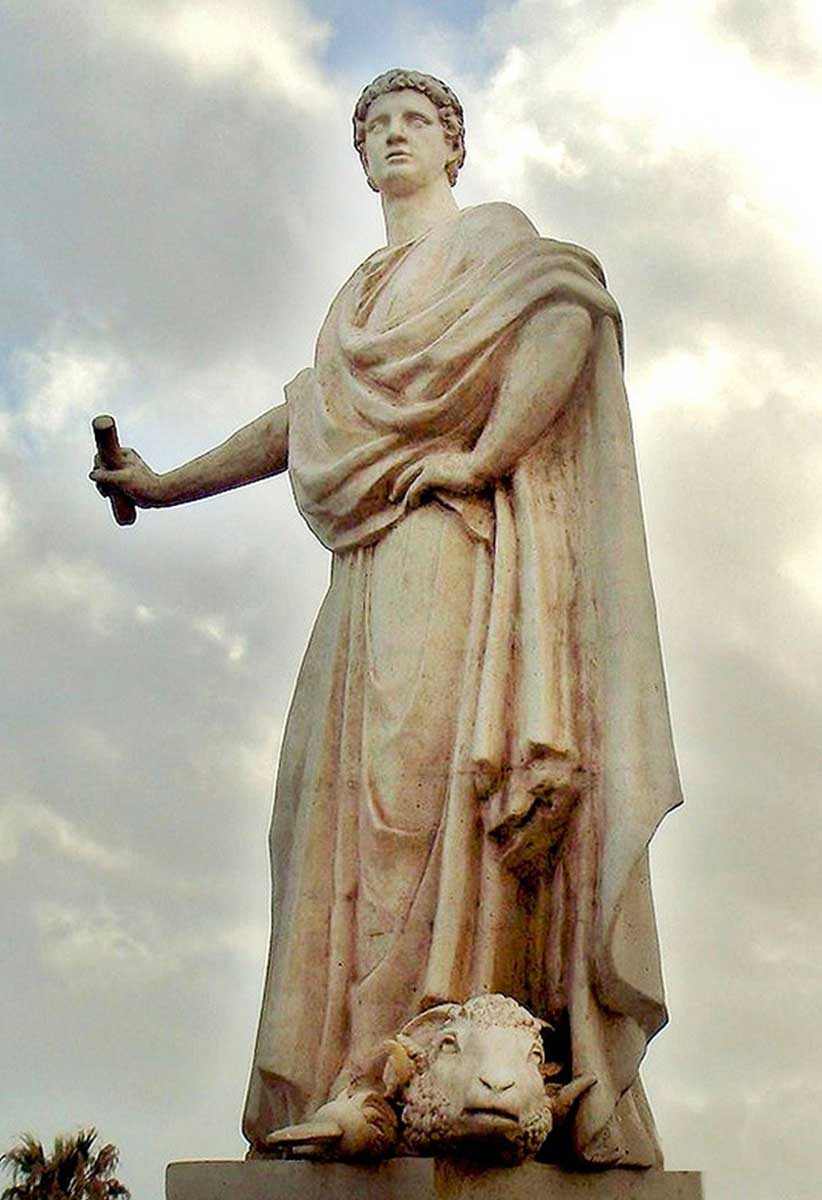
Lucius Cornelius Balbus was a veteran of Julius Caesar’s wars in Spain and in Egypt. Highly distinguished and richly rewarded for his services, he and his family assumed the name of the illustrious gens Cornelia upon receiving Roman citizenship from Pompey the Great. By the time of his clash with the Garamantes, Caesar had been assassinated, Octavian Augustus had defeated his rivals, and the empire was settling into a period of relative peace.
In 21 BC, Balbus was appointed proconsul of the Roman province of Africa (modern-day Tunisia and the coast of Libya), and only two years later, in 19 BC, he fought a campaign against the Garamantes, for which he was awarded a triumph in Rome. In fact, it was the first triumph allowed to be celebrated by someone who was not a Roman citizen by birth (as Balbus belonged to the Romanized Punic-descended aristocracy of the former Carthaginian city of Gades, modern Cadiz).
The Garamantes, so named after their principal city of Garama (modern Germa), were a collection of Berber tribes and pastoralists settled in the interior of the Fezzan region of Libya. In the first few centuries AD, they would reach a high level of sophistication, establishing elaborate qanat irrigation systems and supporting a large population in arid conditions. At the same time, however, they were harassing Roman coastal towns and raiding caravans, thereby drawing the attention of the local Roman proconsul.
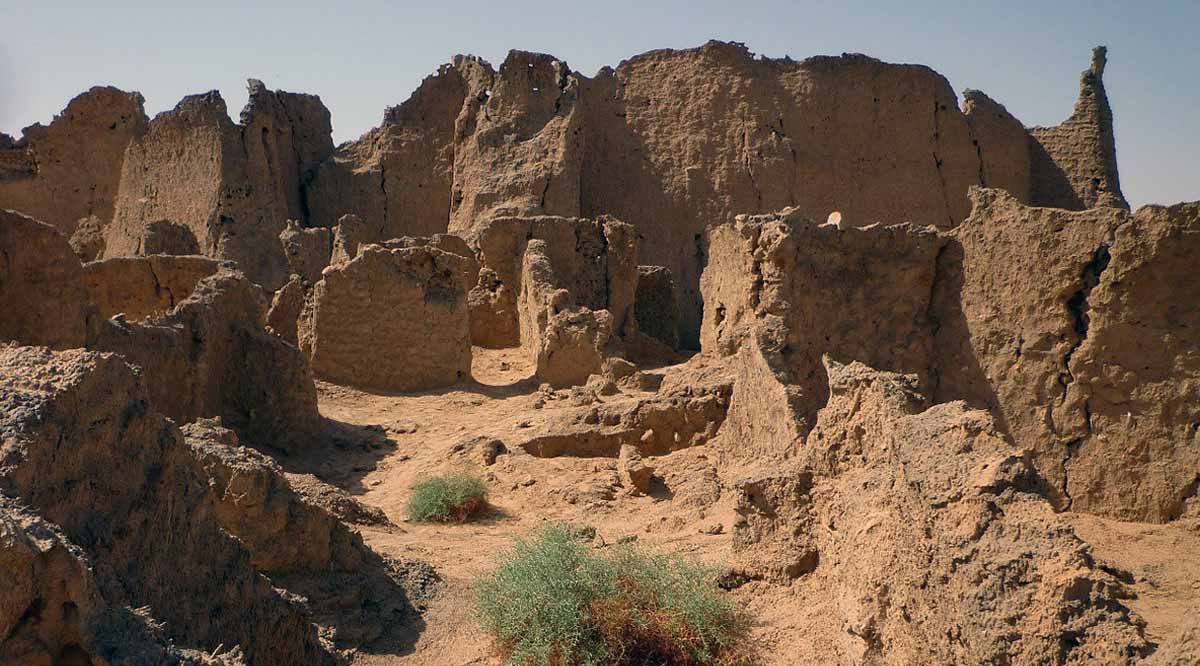
Pliny the Elder mentions (Natural History, 5.5) that, likely in response to their attacks, Balbus fought against them and conquered Garama as well as many other Garamantian settlements, such as Cydamus (modern Ghadames, in Libya).
Among the places mentioned in Balbus’s triumph is a river called “Dasibari.” French ethnographer and ancient Saharan specialist, Henry Lhote, theorized that in the Songhay languages of Central Africa and the Niger Bend, “Dendi-isa-bari” meant the Great River of the land of Dendi, and thus probably referred to the Niger itself.
This, naturally, implies that Balbus reached the River Niger, far south of Garama, by following a corridor of oases used by caravans and other nomads. The truth, however, is that it would have been extremely difficult for a Roman army to cross the Sahara, and thus it was far likelier that if anyone reached the Niger, it was a much smaller contingent or scouts, perhaps even locals in the service of Rome.
The places listed by Pliny were taken from Balbus’s triumph. He might have been inclined to simply mention names his scouts had visited alongside actual conquests, to augment his prestige. Roman artifacts have been found in these regions, of course, such as coins, pottery, and jewelry in burials, but they are an indication of trade more than anything else.
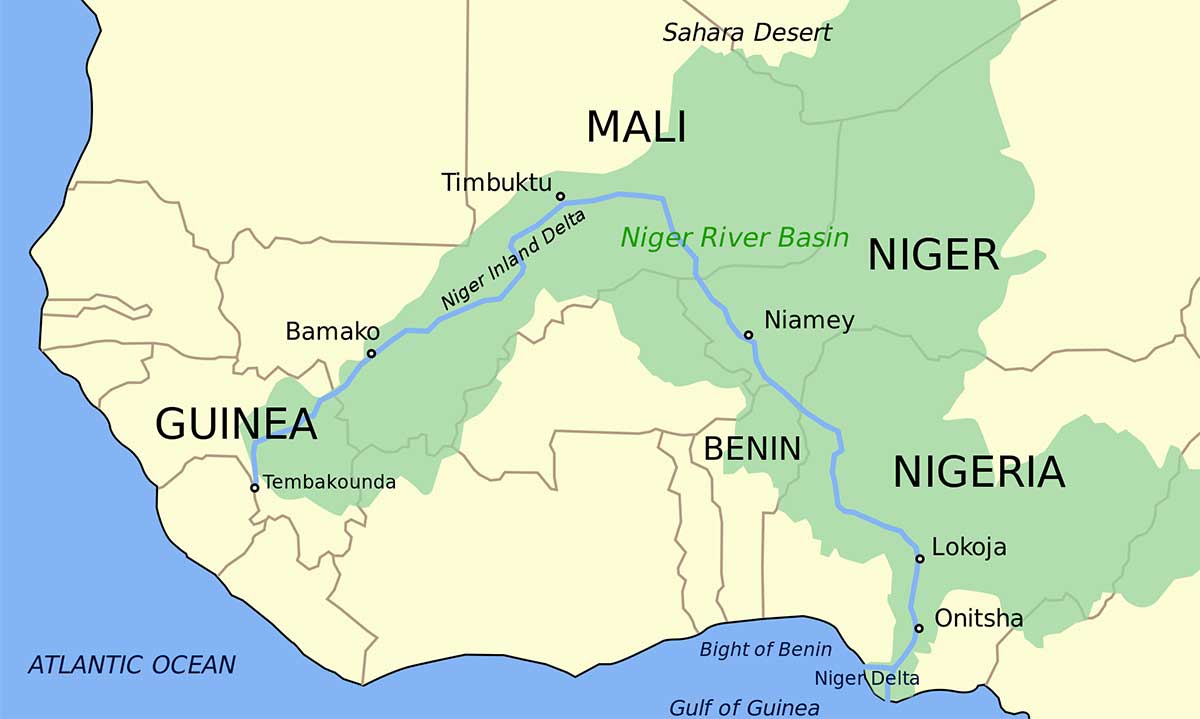
Pliny concludes the Balbus episode ingloriously by telling us that “Up to the present time it has been found impracticable to keep open the road that leads to the country of the Garamantes, as the predatory bands of that nation have filled up the wells with sand… ” (Natural History, 5.11).
This shows us that for all of Balbus’s efforts, it was impossible to maintain a permanent presence in such conditions, where both the environment and the locals were hostile to Rome. Moreover, Garama and the other towns of the Garamantes were only valuable as stops along trade routes and not in and of themselves, and thus not worthy of annexation into the empire.
Suetonius Paulinus and the Expedition Beyond the Atlas Mountains
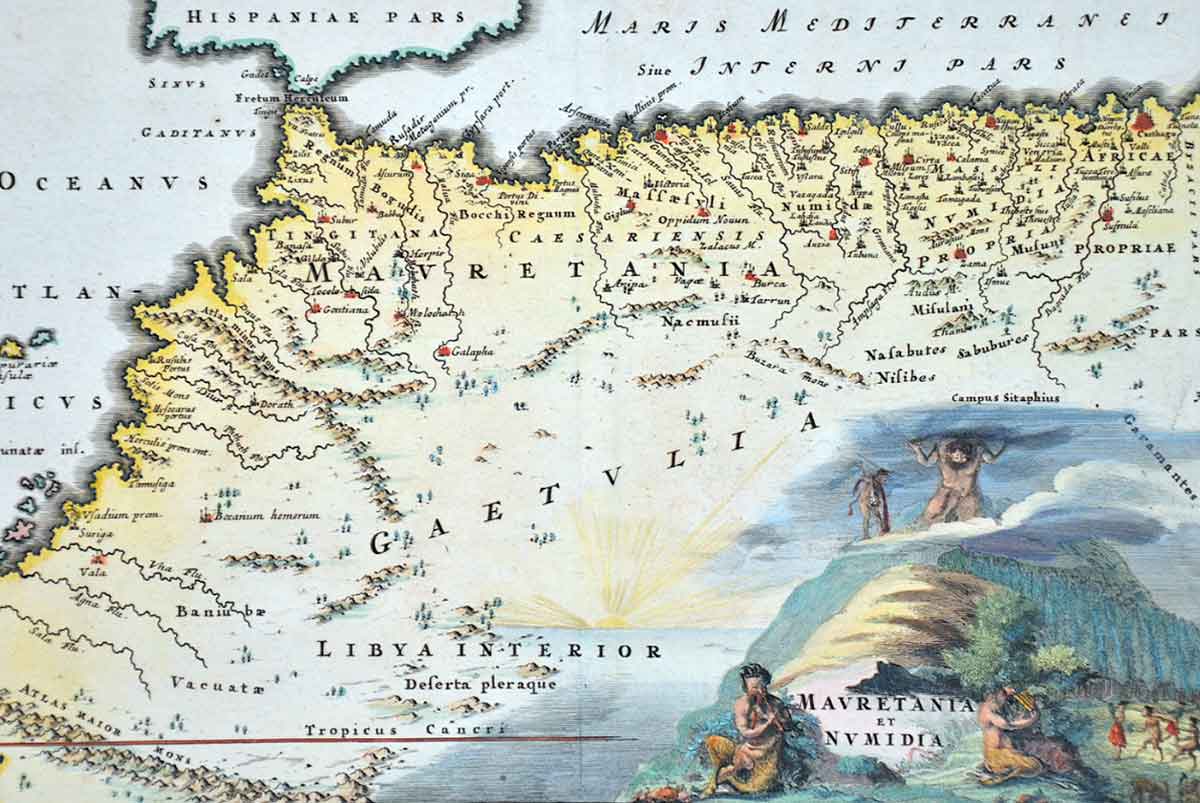
Once again, it is Pliny the Elder who provides us with information about these fascinating episodes at the corners of the ancient world. This time, we find ourselves in ancient Morocco, known as Mauretania, over which the Romans had already established dominion, as a client kingdom since the time of Octavian Augustus.
When the last client king of Mauretania, Ptolemy, son of Cleopatra Selene II, daughter of Cleopatra VII and Mark Antony, was executed in 40 AD by Emperor Caligula. In response, Ptolemy’s former slave (freedman), a man named Aedemon, began a bloody revolt among the Berbers of Mauretania against Rome, to avenge his master. This is what brought Roman legions there, as Pliny tells us, all the way to the Atlas Mountains, which was apparently a boast for the generals and other officials involved (Pliny the Elder, Natural History, 5.1).
This was so not only in the name of glory, but also profit, as Mauretania was home to luxuries coveted by the Romans, such as ivory, citron-wood, and, crucially, murex shells, the source for the Tyrian purple used for the attire of the senatorial class and the emperors.
The Romans might have been content with this, but one man was determined to go further. After defeating Aedemon, Gaius Suetonius Paulinus was appointed governor of Mauretania and organized an expedition south of the Atlas Mountains. He did not encounter any resistance, and his report contains much more about the environment and landscape. Fascinatingly, he did not go along the shore, as Greeks and Romans were used to doing, but went through the interior, over the mountains.
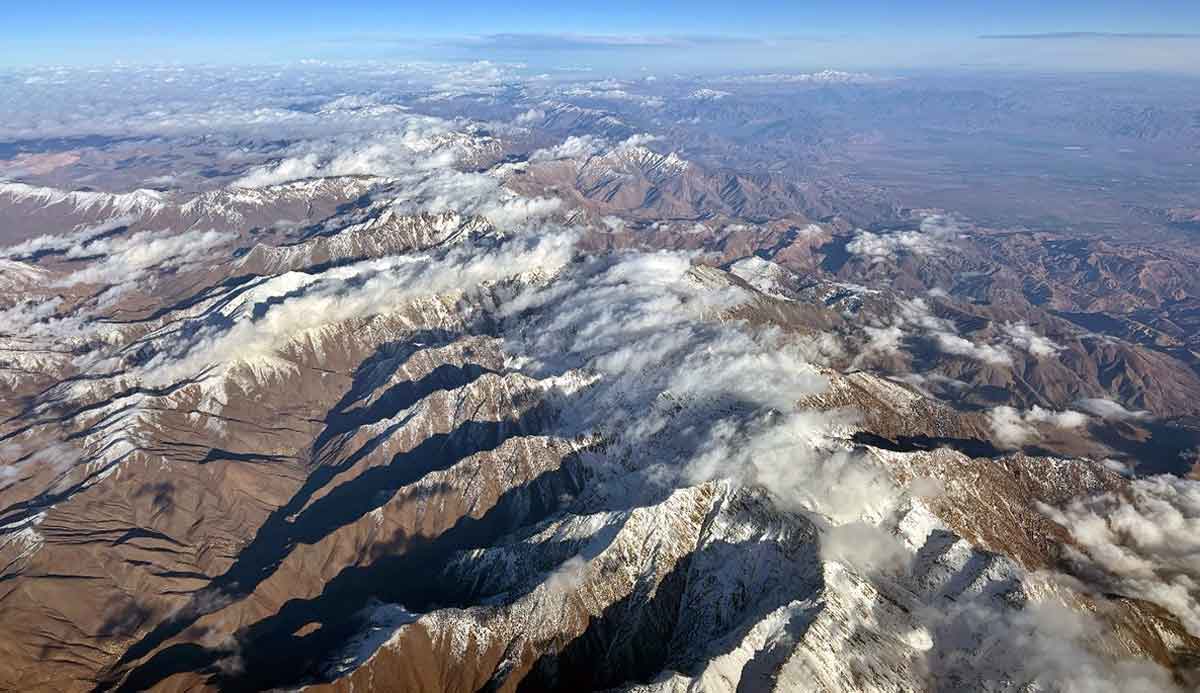
Thus, extraordinarily for someone marching in territories known for their scorching deserts, he passed through the snow on the peaks of the Atlas Mountains, which he reported was like this all year round. Once he descended to the southern foothills of the mountains, he found them covered in dense forests of trees of an unknown variety, with a smooth and glossy wood and a powerful scent, perhaps the Ceiba tree.
With a keen eye for profit, he described a substance secreted from the trees, like that produced by the silkworm from the Far East. To the Romans, silk was a supreme luxury, imported at great cost overland through Central Asia or from the Indian Ocean. Finding an alternative much closer to home would have been an incredible discovery. Despite this, the material proved too fragile to be woven and slightly toxic when handled in large amounts; ancient China’s silk industry was safe.
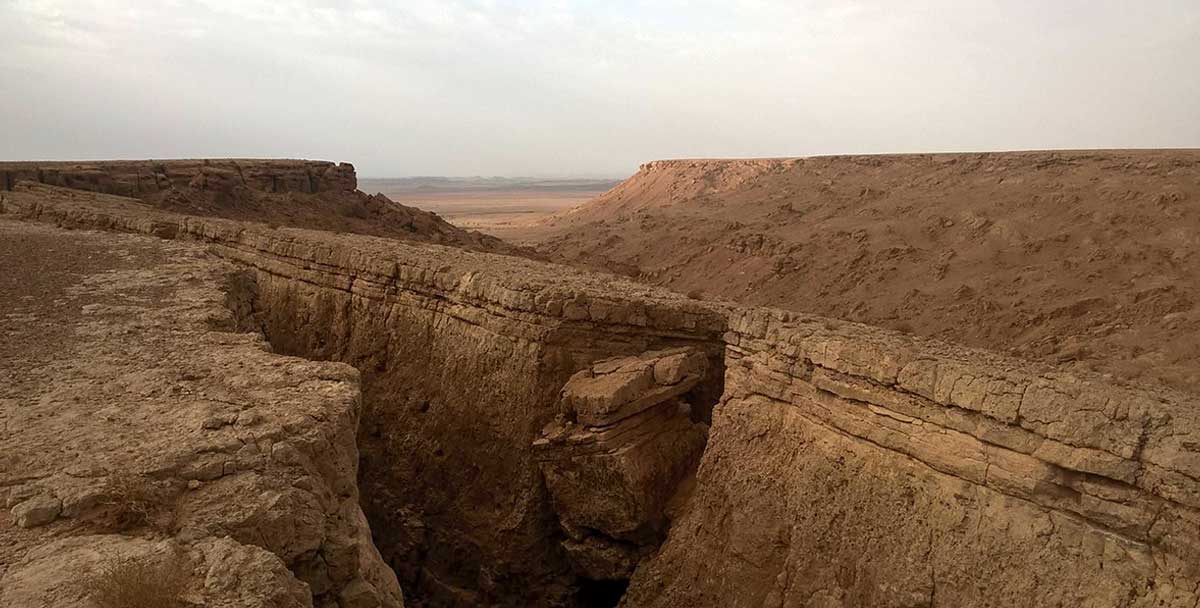
Moving on, Paulinus mentions having crossed a desert of black sand and burned rock, which was unbearably hot even in the winter. This was potentially the stretch of volcanic land on the border of modern-day Morocco and Algeria, called Hamada du Guir. It was perhaps, then, a great relief when a river was reached by the name of Ger.
This might have been the Guir river, running through southeastern Morocco and southwestern Algeria, or the Draa, Morocco’s longest river. Surrounding these territories were some forests, filled with elephants, other beasts, and snakes. They were inhabited by a native people called Canarii (“dog-like”), who subsisted primarily on meat and “the entrails of wild beasts.”
As before, whatever resources lay on the other side of the mountains and in the desert, the Romans were content to leave them be, perhaps trading with local intermediaries for them instead. Fascinatingly, Suetonius Paulinus used his skills and experience from suppressing Aedemon’s revolt to defeat Boudicca’s uprising in Britain in 60-61 AD and subdue the locals in several bloody campaigns of retribution. The Roman Empire could be a very small world sometimes!
Emperor Nero and the Source of the Nile
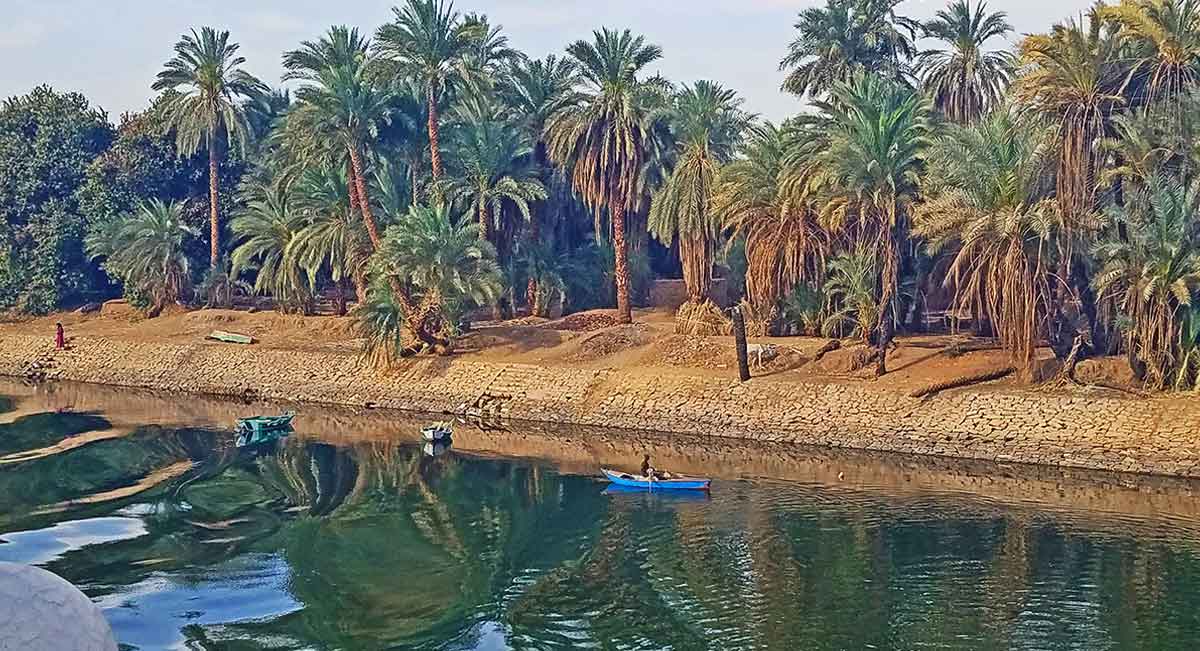
Pliny once again reports on this expedition and does not mince words as to what lay behind the interest of Emperor Nero in dispatching scouts to locate the source of the Nile. Indeed, he wished to prepare a military campaign against the kingdom of “Ethiopia,” which at the time was likely Meroe or Aksum (Natural History, 6.35). To that end, he sent “praetorian troops under the command of a tribune.” The Romans wished to locate various points where ships could cross or moor to resupply. Seneca (Natural Questions, 6.8) mentions only two officers being sent, so we do not know how invested Nero truly was in this endeavor.
As the praetorians moved further and further south, beyond the borders of Roman Egypt, they encountered more wondrous sights. For example, they found parrots as well as a fascinating creature called the “sphingium,” which possessed brown fur and might have been a Hamadryas baboon.
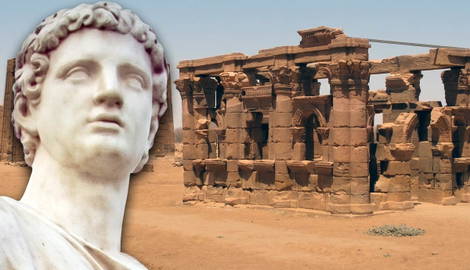
Various towns belonging to the kingdom of Meroe, also known as Kush, are mentioned along the way, until the city of Meroe itself was reached. It was surrounded by a grass “of a greener and fresher color” inhabited by rhinoceroses and elephants. Throughout their account, the praetorian scouts made sure to note the distance between each city, leading all the way back to Syene (modern-day Aswan) in Egypt, with obvious strategic motives in mind.
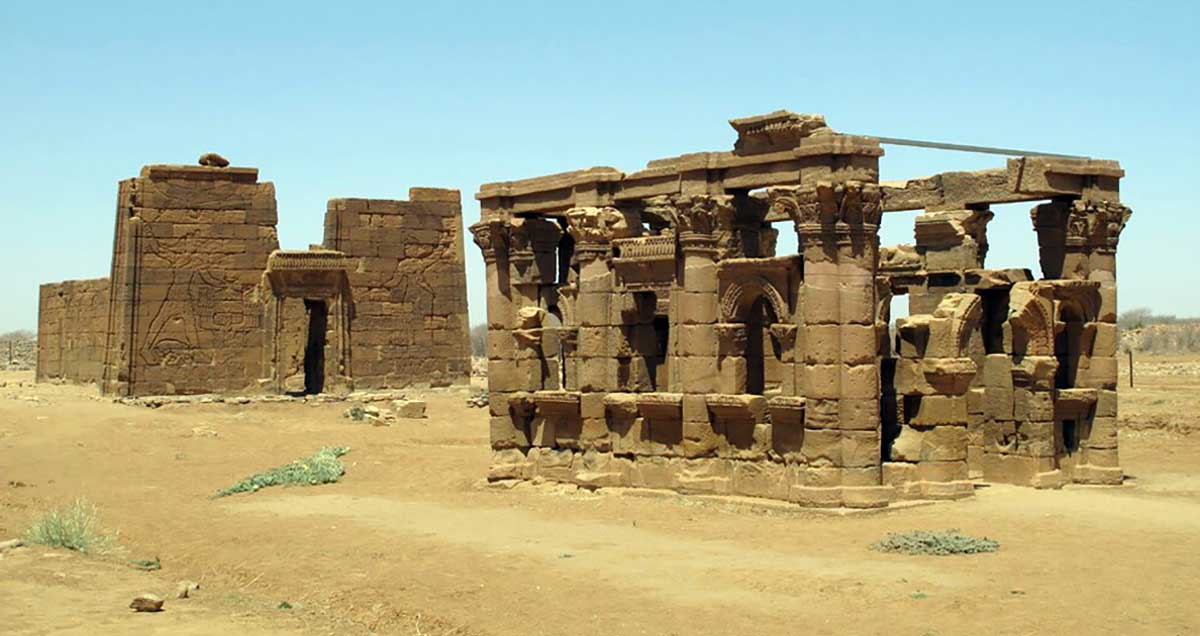
They also reported that the Kingdom of Meroe (in modern-day Sudan) was ruled by a queen called Candace, which Pliny recognized as being a title passed from queen to queen over centuries. In the Kushite script, “kdke” meant “queen mother” or “royal woman,” and various queens of Kush/Meroe are mentioned as Candaces. Earlier, in 25-22 BC, Candace Amanirenas of Kush had invaded Roman Egypt. Famously, she buried a beheaded bronze head of Augustus taken during this campaign under the steps of her temple-palace in Meroe, so she could step over her enemy every day.
The praetorians mention the existence of a temple dedicated to Jupiter-Hammon, held in great reverence by the Kushites, as well as other shrines devoted to the same god all over the country. This was potentially the temple of Amun at the site of Napata, which also appears in the text.
Finally, they noted that 200,000 armed men were maintained in Meroe, alongside 4,000 artisans, a force to be reckoned with, if the numbers are to be believed. Seneca provides us with more information past this point, mentioning that the king of Ethiopia gave them assistance and even letters with which they could introduce themselves to neighboring kings (Natural Questions, 6.8).
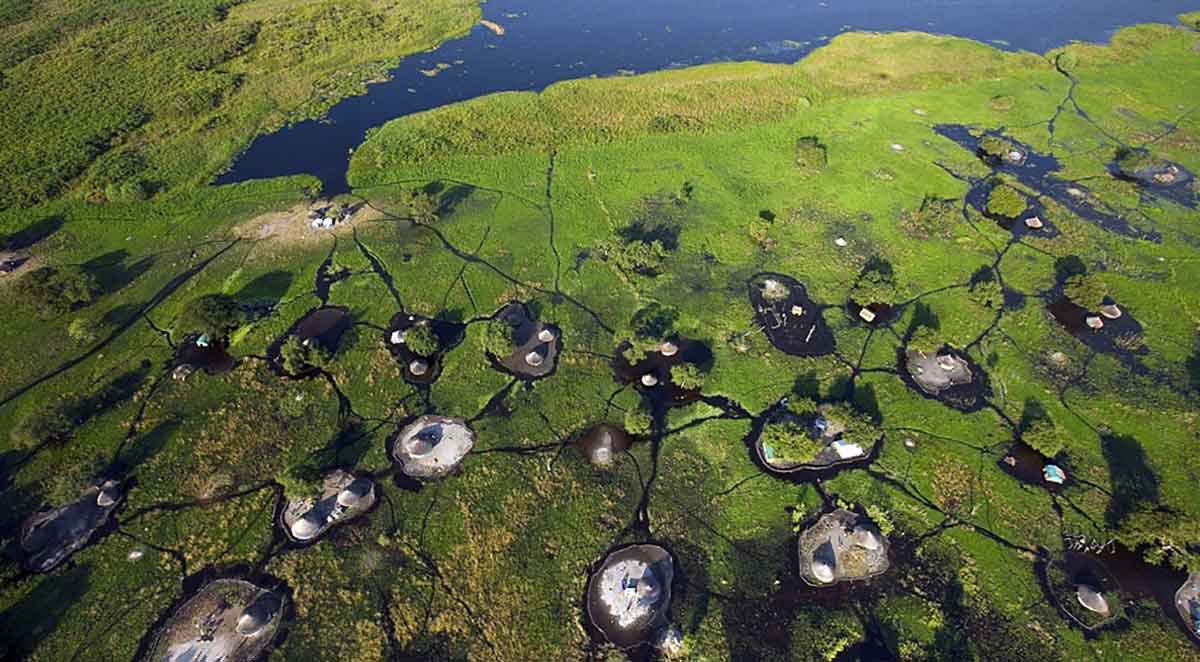
Here, he gives us a first-person account from the scouts themselves: “We came indeed to huge marshes, the limit of which even the natives did not know, and no one else could hope to know; so completely was the river entangled with vegetable growth, so impassable the waters by foot, or even by boat, since the muddy overgrown marsh would bear only a small boat containing one person.”
These huge marshes were the Sudd, located in modern-day South Sudan, from the Arabic word “sadd,” meaning barrier or obstruction, and evidently, that is exactly what it was. One of the largest wetlands in the world, it has floating islands of fermenting papyrus and reeds and is infested with mosquitos, crocodiles, and hippopotami. During the wet season, it covers an area equivalent in size to England. To the Romans, so far from home, this must have been an impassable nightmare, the end of the world.
Against all odds, it seems they went further, reaching two large rocks “from which an immense quantity of water issued.” The Nile between Khartoum and the southern borders of Sudan is known as the “White Nile,” a slow expanse of water without falls. The first waterfalls reached after this are the Murchison Falls in Uganda! While a minority of alternative theories suggest the scouts managed to bypass the marshes to reach Murchison Falls in modern Uganda, standard historical consensus holds that the dense Sudd wetlands of South Sudan marked the absolute limit of their southward journey.
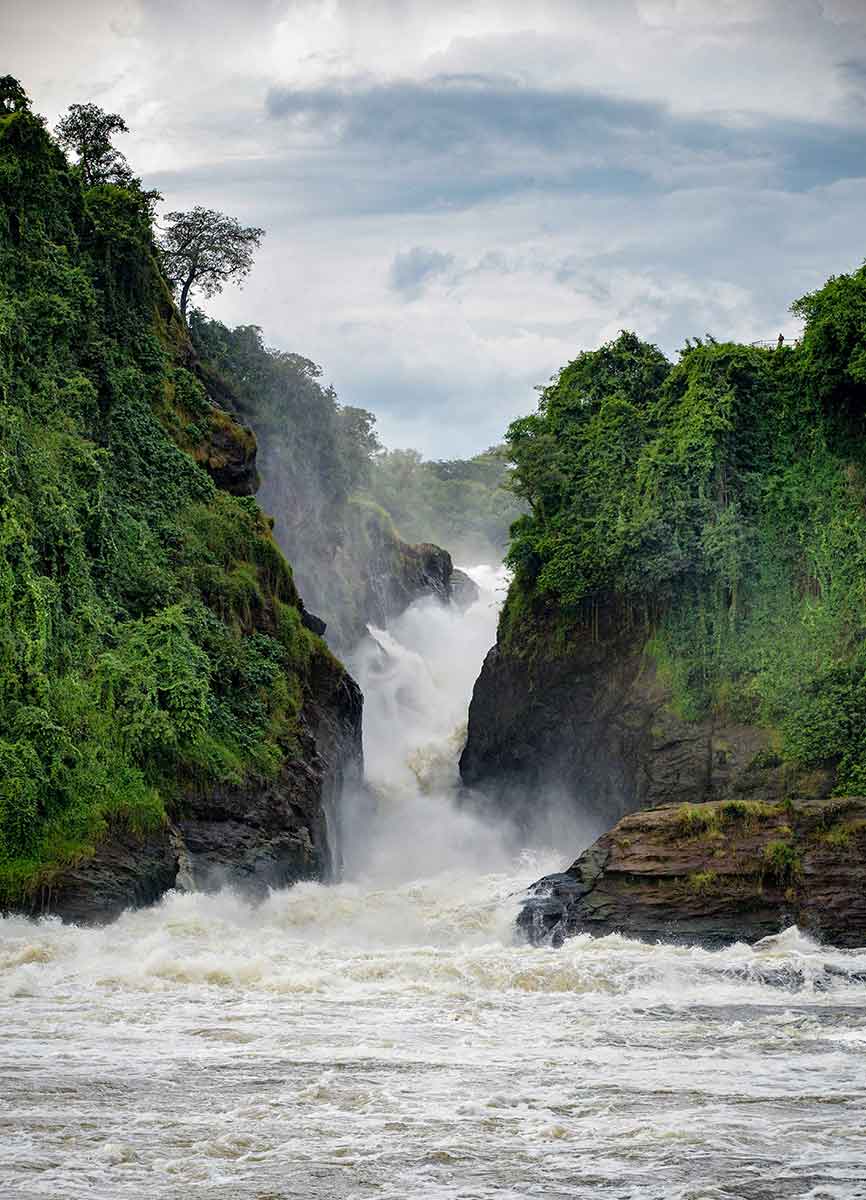
Still, this means that Roman scouts may have reached the falls 1,800 years before the Victorian explorers John Hanning Speke and Samuel White Baker, who visited the Great Lakes of Africa in the 1850s and 1860s! Indeed, Lake Albert awaited just beyond the falls, and Seneca uses the praetorian account to confirm that the Nile originated from a vast lake.
Having gone where no European would tread again for another 1,800 years, these two unnamed Roman scouts found themselves 3,000 miles from Rome, farther than any of their compatriots had ever traveled. A Roman campaign against Kush and Ethiopia would have likely been a logistical nightmare, but their account nonetheless proved invaluable to scientists and philosophers such as Pliny the Elder and Seneca.
The Expeditions to Central Africa
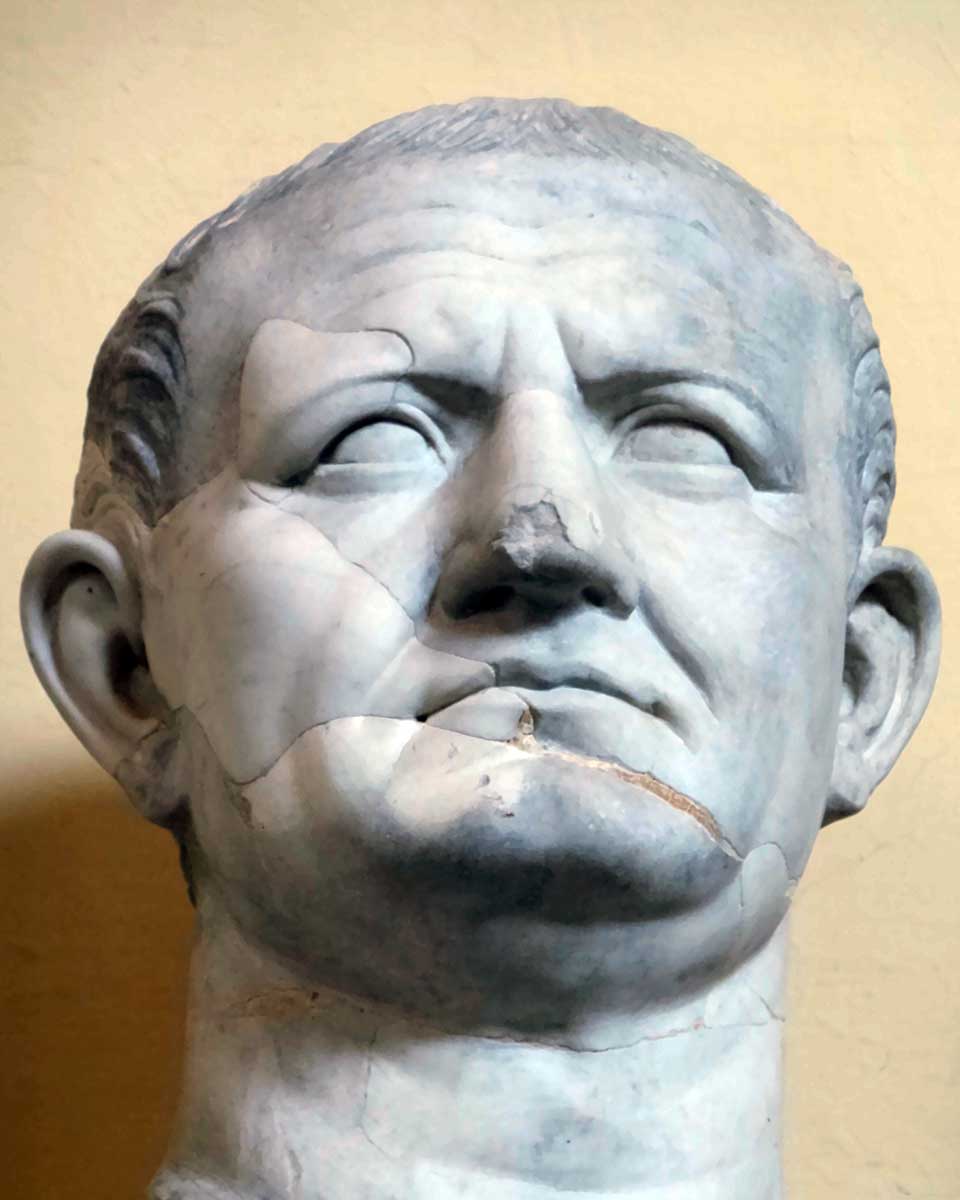
Around 70 AD, after the tumultuous Year of the Four Emperors, the Garamantes had become a threat again, taking advantage of the civil strife and the chaos, and attacking the coastal cities of Roman Libya (Tacitus, Histories, 4.50-51). The city of Oaea (later Tripoli) was in conflict with its neighbor, Leptis Magna, and enlisted the raiding Garamantes as mercenaries. The newly crowned Emperor Vespasian sent a legion there to quell the chaos and repel the Garamantes. Septimius Flaccus must have been an officer in this force, later tasked with campaigning in the country of the Garamantes, perhaps around 80 AD.
He reached the Garamantes and then marched beyond, for three months, into the lands of the “Ethiopians,” which was the Graeco-Roman term for Sub-Saharan Africans. This might indicate that he pacified the Garamantes and reached the Air Mountains in modern Niger or the Tibesti Mountains on the borders of Chad and Libya. Not much else is said of his expedition.
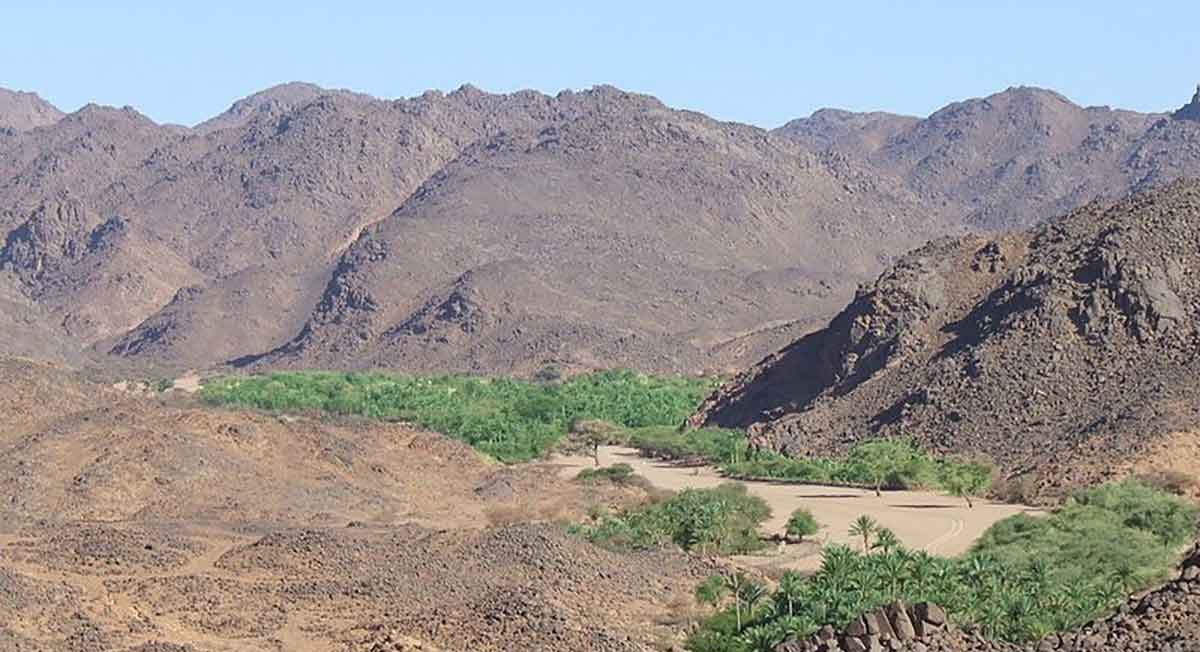
However, around a decade or so later, in 90 AD, Ptolemy reports that Julius Maternus, who might have been a merchant or a diplomat, joined the king of the Garamantes on a journey south, into the lands of the Ethiopians, reaching the region of Agisymba. This implies that the Garamantes had been sufficiently pacified or treated with, so that ten years after Flaccus’s expedition, they were willing to accompany a Roman south into unknown lands.
This journey to Agisymba, “where the rhinoceroses are to be found,” took about four months. This means that Maternus would have crossed the Sahara, reached the Sahel, and potentially Lake Chad, the only body of water large enough in this direction where rhinoceroses could congregate. As there have been accounts of rhinoceroses in the Colosseum, this might have been a trade mission to establish links and networks through which these animal exports could be brought to Rome. Perhaps the pacification of the Garamantes was achieved through mutually beneficial trade agreements, effected by middlemen such as Julius Maternus, who followed where military men such as Balbus and Flaccus had gone before.
Sources
- Claudius Ptolemy, Geography.
- Lhote, H., L’expédition de Cornelius Balbus au Sahara en 19 av. J.-C. (The Expedition of Cornelius Balbus to the Sahara in 19 BC), published in the journal Revue Africaine (Vol. 98, 1954).
- Pliny the Elder, Natural History.
- Seneca, Natural Questions.
- Tacitus, Histories.