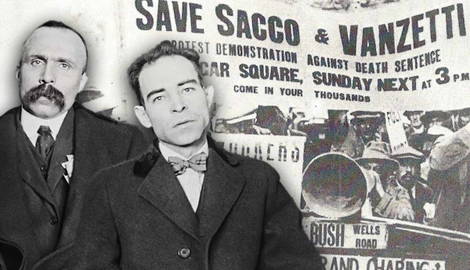

On August 23, 1927, Nicola Sacco and Bartolomeo Vanzetti, two Italian-born anarchists, were electrocuted at Charlestown State Prison in Massachusetts. The same day, an international wave of mass demonstrations protested their death. Sacco and Vanzetti had been arrested in 1920 and accused of a robbery and double murder in Braintree, Massachusetts. What initially appeared to be an open-and-shut case quickly became one of the most famous trials of the 20th century. Known as the Sacco and Vanzetti case, the trial divided America, exposing the inequalities and biases of the US justice system.
A Robbery in Massachusetts: The Origins of the Sacco & Vanzetti Case
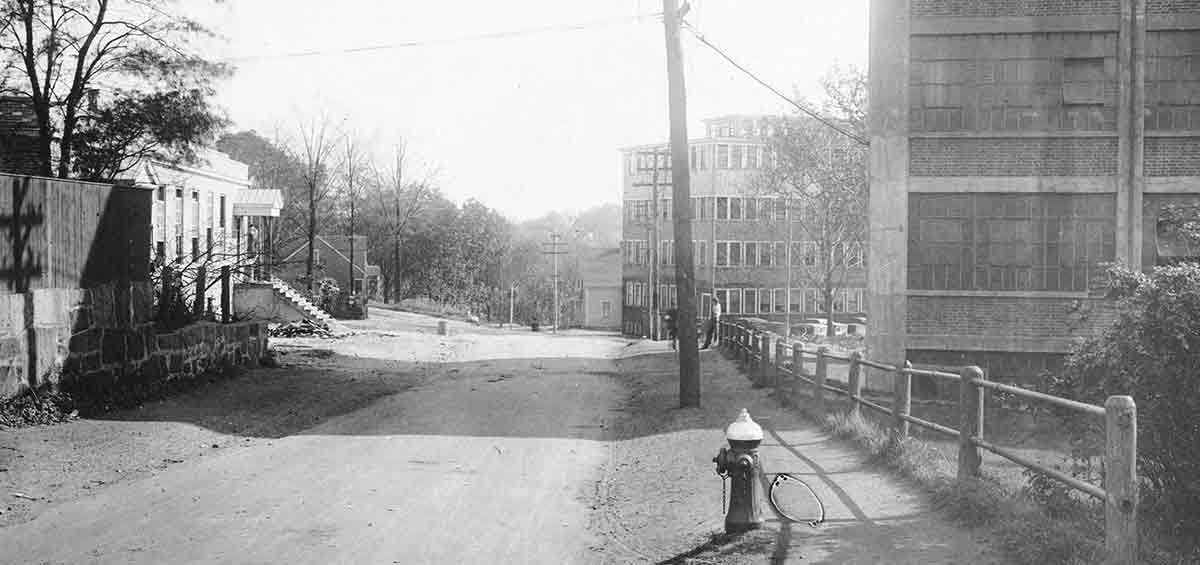
On April 15, 1920, at around 3 p.m., Frederick A. Parmenter, a clerk at the Slater and Morrill shoe factory in South Braintree, Massachusetts, was carrying the payroll across the company’s courtyard. Alessandro Berardelli, a guard, was accompanying him. Before they could reach the factory building, they were assaulted by two armed men, who opened fire, killing both employees. After grabbing the cash, approximately $15,000, the two gunmen fled the scene in a dark Buick with some other accomplices. Some eyewitnesses later described them as “Italian-looking.”
Bridgewater Police Chief Michael E. Stewart, who was investigating a failed robbery at a shoe factory in Bridgewater, soon became convinced that local radicals had committed both crimes to fund their subversive activities. In particular, he suspected the involvement of Mario “Mike” Buda, a known Italian-born anarchist later credited with the Wall Street bombing of September 1920.
Believing that the perpetrators had used Buda’s car as a second get-away vehicle, Stewart set a trap that led to the arrest of Nicola Sacco and Bartolomeo Vanzetti on May 5. Vanzetti was also charged with the robbery attempt in Bridgewater. Upon their arrest, the two Italian-Americans were carrying guns similar to those found on the crime scene. The payroll stolen from Parmenter, however, was never found.
During their first interrogations, Sacco and Vanzetti lied to the police, fearing their arrest was politically motivated. The suspicious death of fellow anarchist Andrea Salsedo, who fell from the window of the Bureau of Investigation in New York on May 3, had alarmed other Italian-born anarchists, who feared Salsedo might have shared information on his network with the authorities.
The First Red Scare
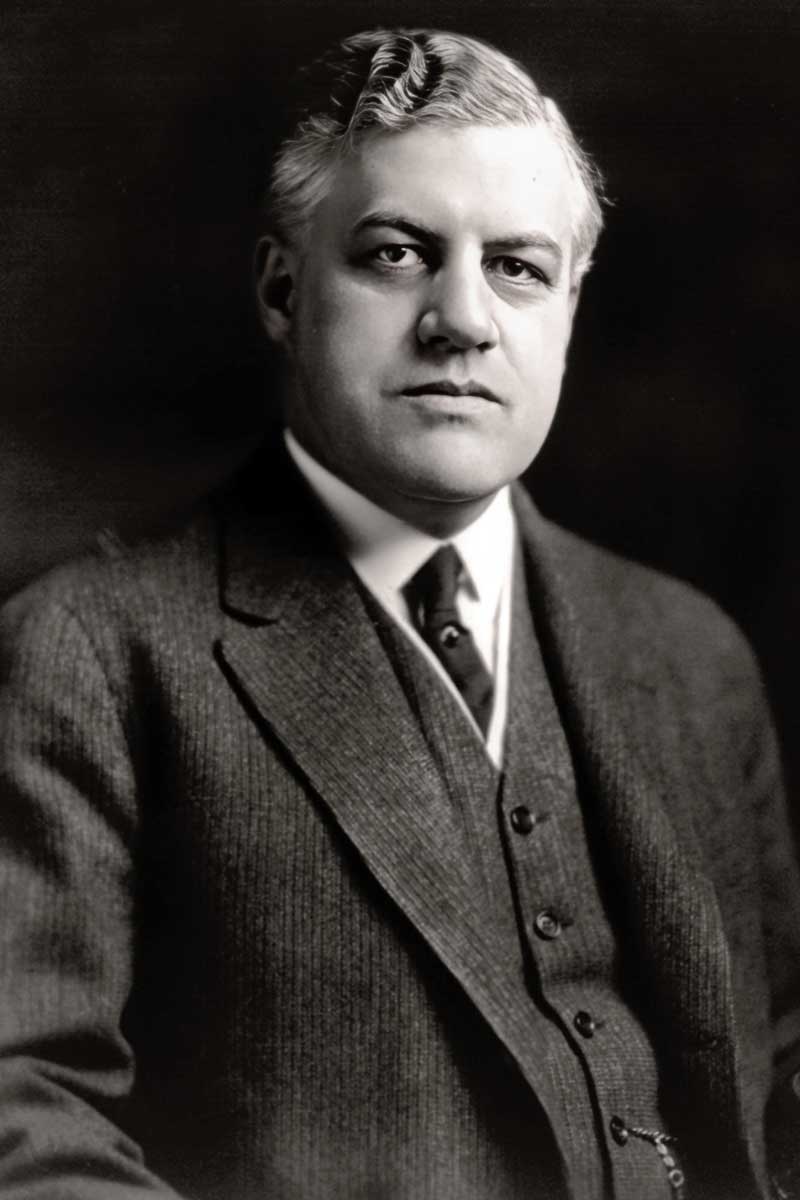
Considering the tense political atmosphere of the few years before their arrest, Sacco and Vanzetti’s fears were not unfounded. Indeed, toward the end of 1919, Attorney General A. Mitchell Palmer had carried out a series of mass arrests and deportations of hundreds of individuals suspected of having radical sympathies. Known as the Palmer Raids, the anti-radical measures marked the climax of the so-called First Red Scare, a period characterized by widespread hysteria and paranoia fueled by fears of an imminent communist upheaval.
In 1917, the Bolshevik Revolution in Russia alarmed American authorities, creating anxiety concerning a possible communist conspiracy aiming to overthrow the government. The end of World War I and the social unrest that followed increased the general paranoia. In particular, Palmer directed his anti-radical repression against recent immigrants and foreign-born activists.
Between 1919 and 1920, the newly founded General Intelligence Division, led by a young J. Edgar Hoover, rounded up thousands of alleged radicals, labor union members, and “undesirable” aliens. Often carried out in violation of civil liberties, the raids also targeted several Italian-born immigrants, including Luigi Galleani, the charismatic editor of Cronaca Sovversiva (Subversive Chronicle). Galleani, the promoter of a violent “propaganda of the deed,” was deported to Italy in June 1919. Among his followers, known as Galleanists, were Sacco and Vanzetti.
Who Were Sacco and Vanzetti?
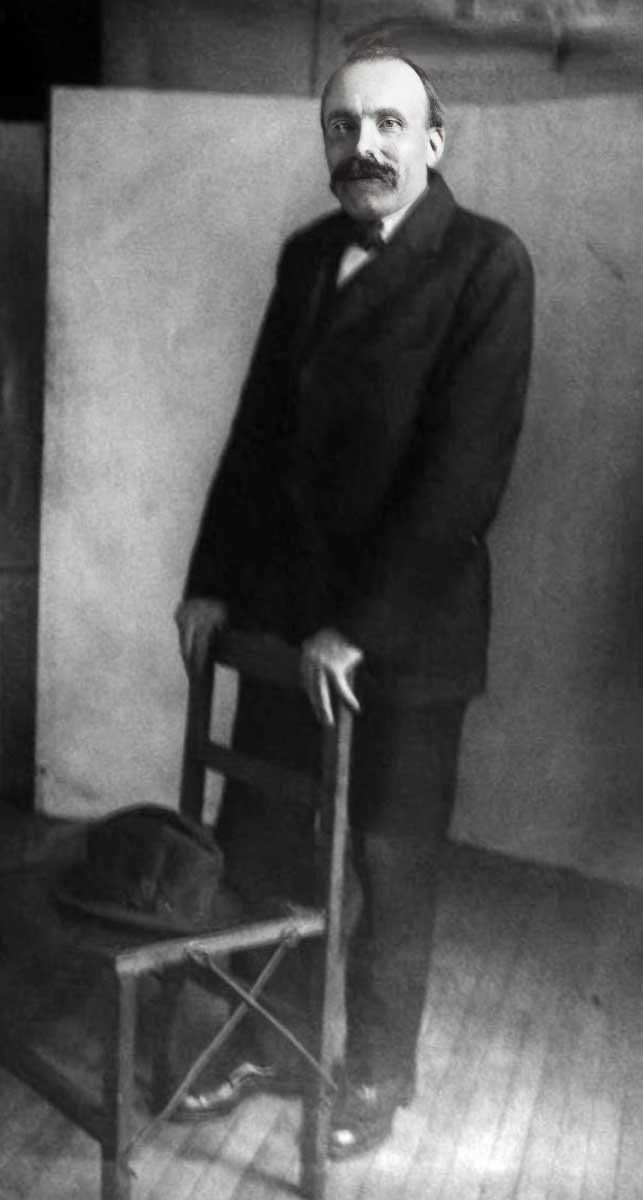
Sacco and Vanzetti emigrated to the US in 1908. However, their paths crossed only around 1916, when they were both involved with Galleani’s anarchist group. Bartolomeo Vanzetti was born in 1888 in Villafalletto, a small town in the Piedmont region, northern Italy. In his autobiography The Story of a Proletarian Life, published in 1923, Vanzetti wrote that he “loved study,” adding that “my earliest memories are of prizes won in school examinations.” After working for years in various pastry and bakery shops, Vanzetti left for the US following his mother’s death.
After he arrived at Ellis Island, Vanzetti worked several jobs. Then, he settled in Plymouth, where he joined the local anarchist group, taking part in rallies as a speaker. He also subscribed and contributed to Cronaca Sovversiva. In his biography, Vanzetti later described himself as an “anarchist-communist,” expressing his belief that “communism is the most humane form of social contract.” When he was not working, Vanzetti sought to further his education by reading a wide range of books, from political literature to Dante’s Divine Comedy.
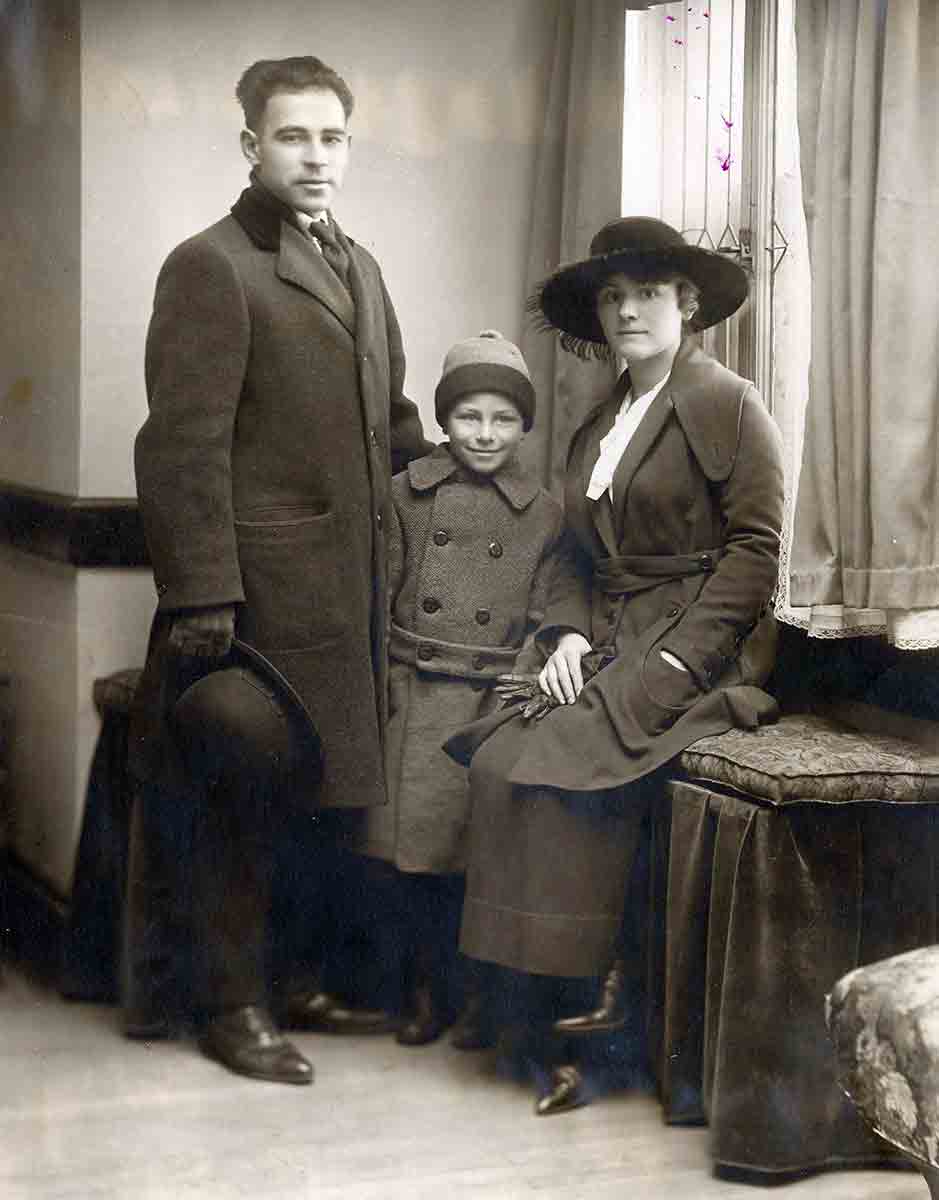
In 1917, Vanzetti fled to Mexico to avoid being drafted into the US Army. He crossed the border with other Galleanists, including Nicola Sacco. Born in Torremaggiore, a town in the southern Italian region of Apulia, as Ferdinando, Sacco emigrated to the US in April 1908, just two months before Vanzetti.
In 1909, after doing odd jobs, Sacco trained to become a skilled craftsman in the shoe industry. In 1912, he married Rosa Zambelli. Around the same time, he joined Galleani’s anarchist group, participating in fundraisings and distributing pamphlets. Sacco would later describe anarchism as a movement promoting “equality, justice, comradeship.”
The Trial of Sacco & Vanzetti
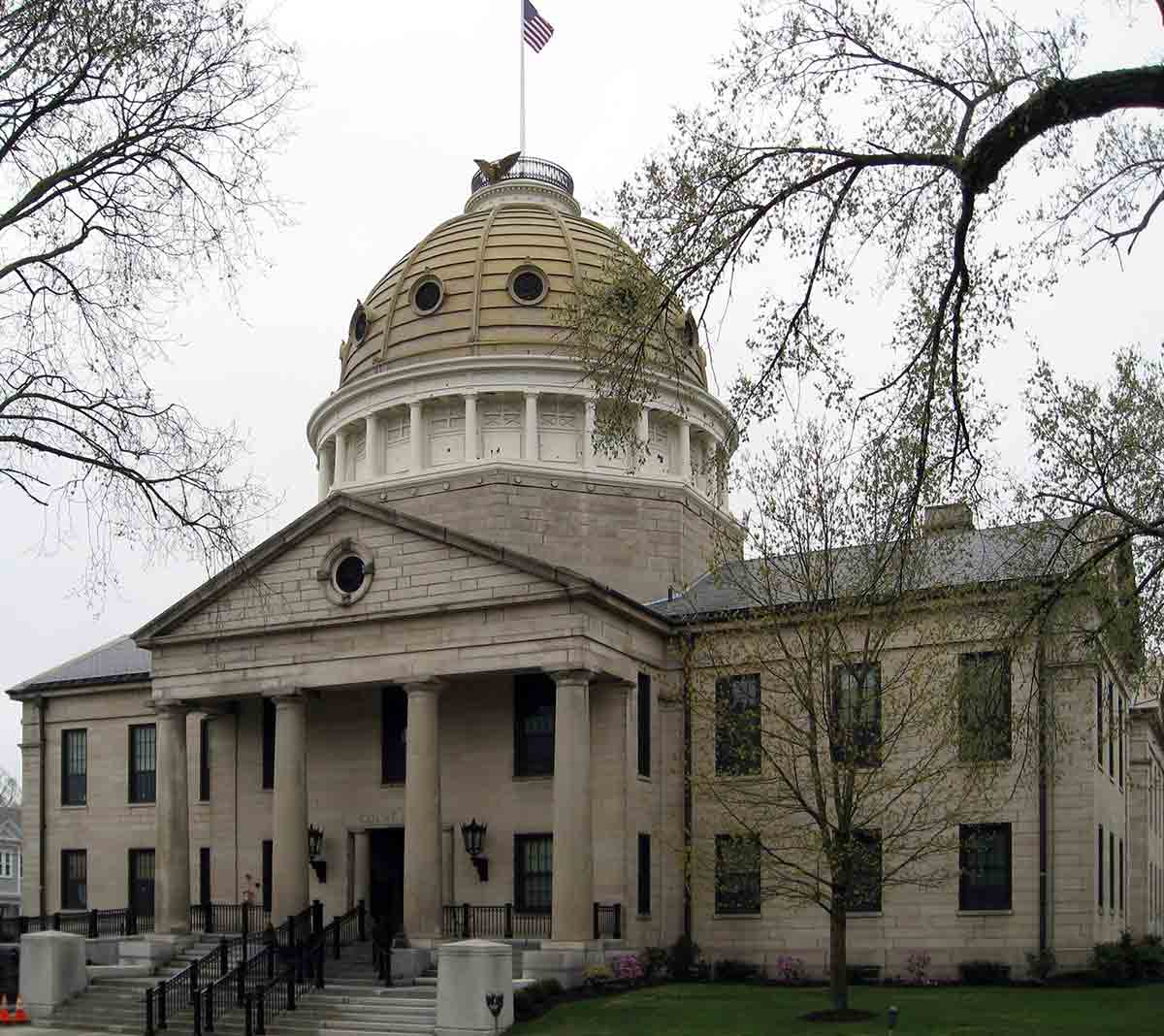
The trial against Sacco and Vanzetti began on May 31, 1921 at the Dedham Superior Court, the courthouse of Dedham prison where the defendants were incarcerated. In June 1920, Vanzetti had already been sentenced to twelve to fifteen years in prison for the failed robbery at the shoe factory in Bridgewater.
In the same years, when the investigators were still gathering evidence against the two Italian-Americans for the Braintree’s robbery and murders, the Boston America, a newspaper owned by William Randolph Hearst, quoting the prosecutors, announced that obtaining a conviction would be “comparatively easy.” The prediction turned out to be wrong.
As Frederick G. Katzmann, the prosecutor, and Fred Moore, the chief defense counsel, started questioning eyewitnesses, they provided conflicting and confusing statements about the whereabouts of the defendants on the day of the robbery. Indeed, Katzmann built his case primarily around ballistics evidence, calling to the stand Captain William H. Proctor, who maintained that the bullet that killed the security guard was fired from Sacco’s .32 Colt pistol. However, Captain Proctor later recanted his statement.
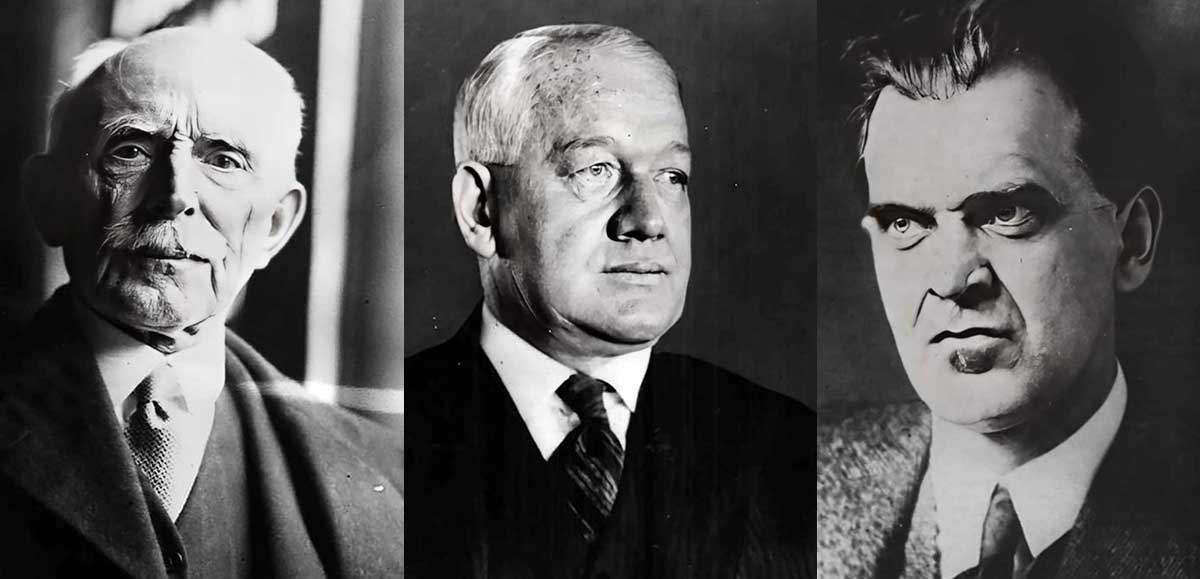
Besides presenting evidence against Sacco and Vanzetti, the prosecution also emphasized their political affiliation. Prior to the trial, the press had already highlighted the two men’s affiliation with the Galleanists, an anarchist group suspected of having carried out a series of bombings in 1919. Many newspapers, for example, reported that the police found “alleged Bolshevik literature” in Vanzetti’s bungalow. Reporters also announced that Vanzetti “admits to being a radical of the most pronounced form.”
At a time when xenophobia was widespread in American society, the defendants’ immigrant background was also at the center of the proceedings. In his final address to the jury members, for example, Judge Webster Thayer appealed to their “supreme American loyalty.” Several eyewitnesses also stressed the fact that Sacco and Vanzetti were “foreign looking.” In the previous trial against Vanzetti, a 14-year-old boy even claimed that “the way he ran I could tell he was a foreigner.”
From the Appeals to the Execution
On July 14, 1921, Sacco and Vanzetti were found guilty of robbery and murder. Over the following years, their defense team filed several motions asking for a retrial as new evidence began to surface.
In 1923, for example, William G. Thompson, the new defense lawyer, asked for a new trial after an acquaintance of Walter Ripley, the jury foreman, reported that his friend made biased remarks before the beginning of the proceedings: “Damn them, they ought to hang anyway,” reportedly exclaimed Ripley during a conversation. Two years later, Celestino Madeiros, an inmate at Charlestown, the prison where Sacco was held, confessed to the robbery and murders in Braintree. Judge Thayer, however, refused to grant the defense’s repeated requests to reopen the trial.
In 1926 and 1927, the Massachusetts Supreme Judicial Court supported the judge’s ruling against the defense team’s appeals. Thus, on April 9, 1927, Webster Thayer sentenced Sacco and Vanzetti to death.
“I am suffering because I am a radical and indeed I am a radical; I have suffered because I was an Italian, and indeed I am an Italian,” accused Vanzetti in his statement to the court.
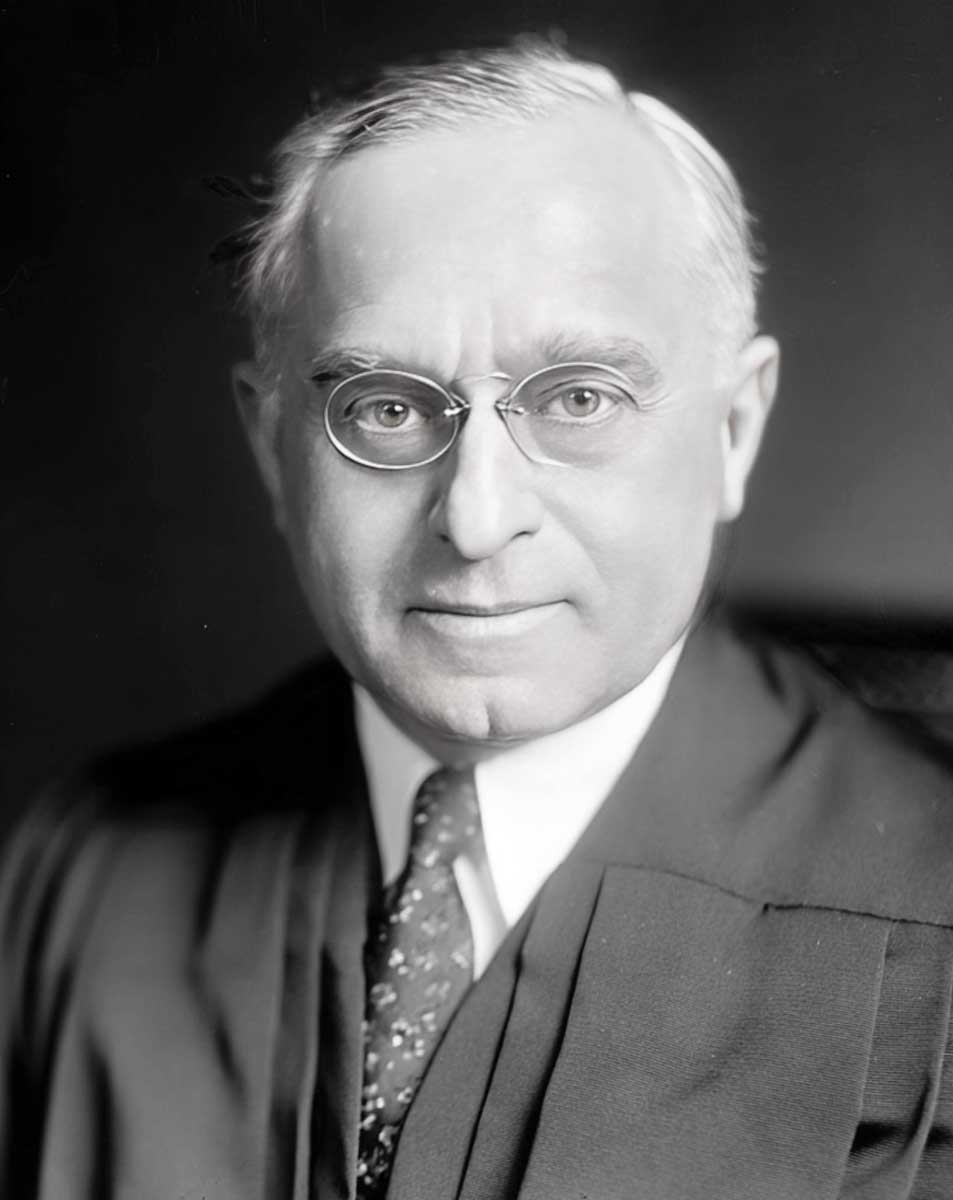
A month before, from the pages of Atlantic Monthly, Felix Frankfurter, a Harvard Law School professor and future Supreme Court judge, had also famously condemned Judge Thayer’s behavior, describing his written refusal of a new trial as “a farrago of misquotations, misrepresentations, suppressions, and mutilations.”
However, in the summer of 1927, a committee headed by Harvard President A. Lawrence Lowell cleared Judge Thayer of any wrongdoings and biases, claiming that his alleged dislike for the defendants, expressed in conversations outside the courtroom, “did not affect his conduct at the trial or the opinions of the jury.”
In the summer of 1927, the defense’s last appeals were denied. As a result, Sacco and Vanzetti were executed on August 23.
A Global Event
“This is our career and our triumph. Never in our full life can we hope to do such work for tolerance, for justice, for man’s understanding of man as we now do by dying,” declared Vanzetti in an interview in May 1927. Indeed, at the time of their execution, Sacco and Vanzetti were already working-class heroes.
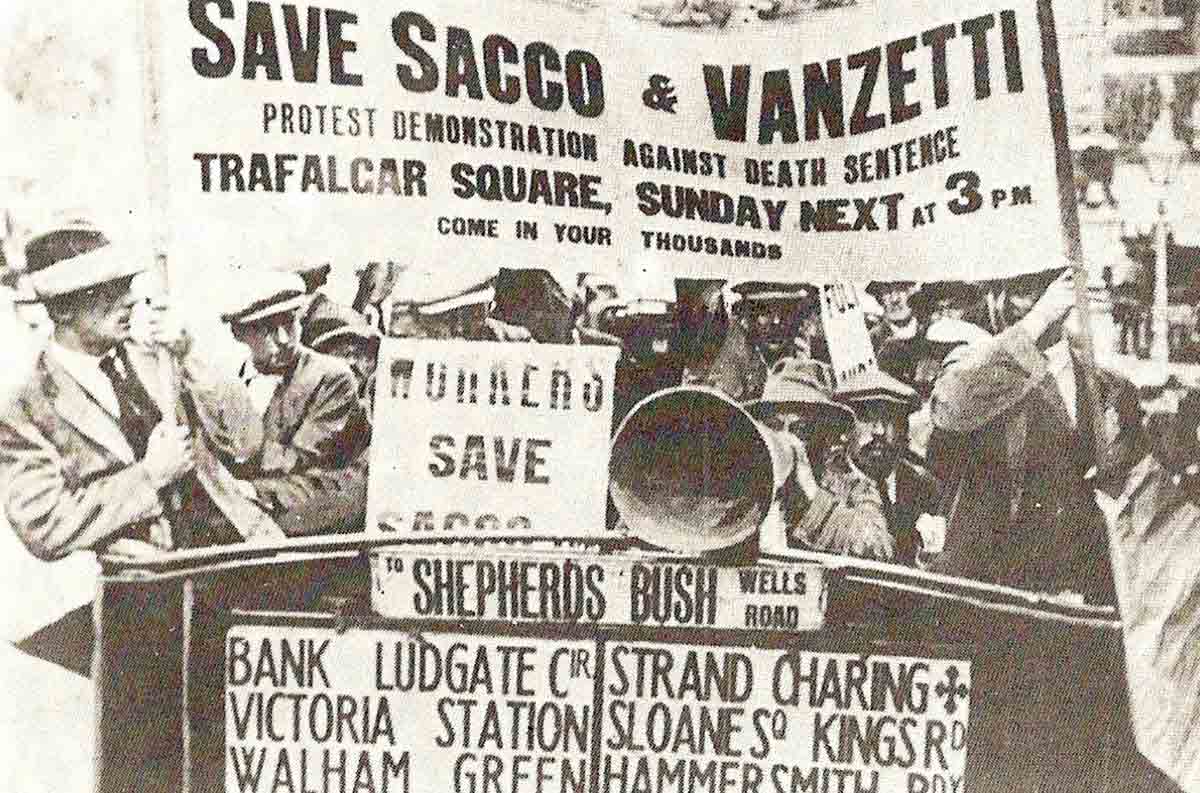
“There’s no story in it. … Just a couple of wops in a jam,” a New York Call reporter sent to cover the trial had written. He was wrong. Soon, the Sacco and Vanzetti case turned into a global event, with radicals, labor activists, workers, and intellectuals organizing rallies and demonstrations for the two Italian-Americans in the US, Italy, France, Germany, Mexico, Argentina, Australia, New Zealand, and even China.
Various factors contributed to transforming the case into an international cause célèbre and labor movement, including the geopolitical context, the increasing visibility of the masses and labor activists, and the size of the Italian diaspora. Carlo Tresca, an Italian activist, and Fred Moore also increased the Sacco and Vanzetti case’s visibility, reaching out to their vast network of radicals and union leaders.
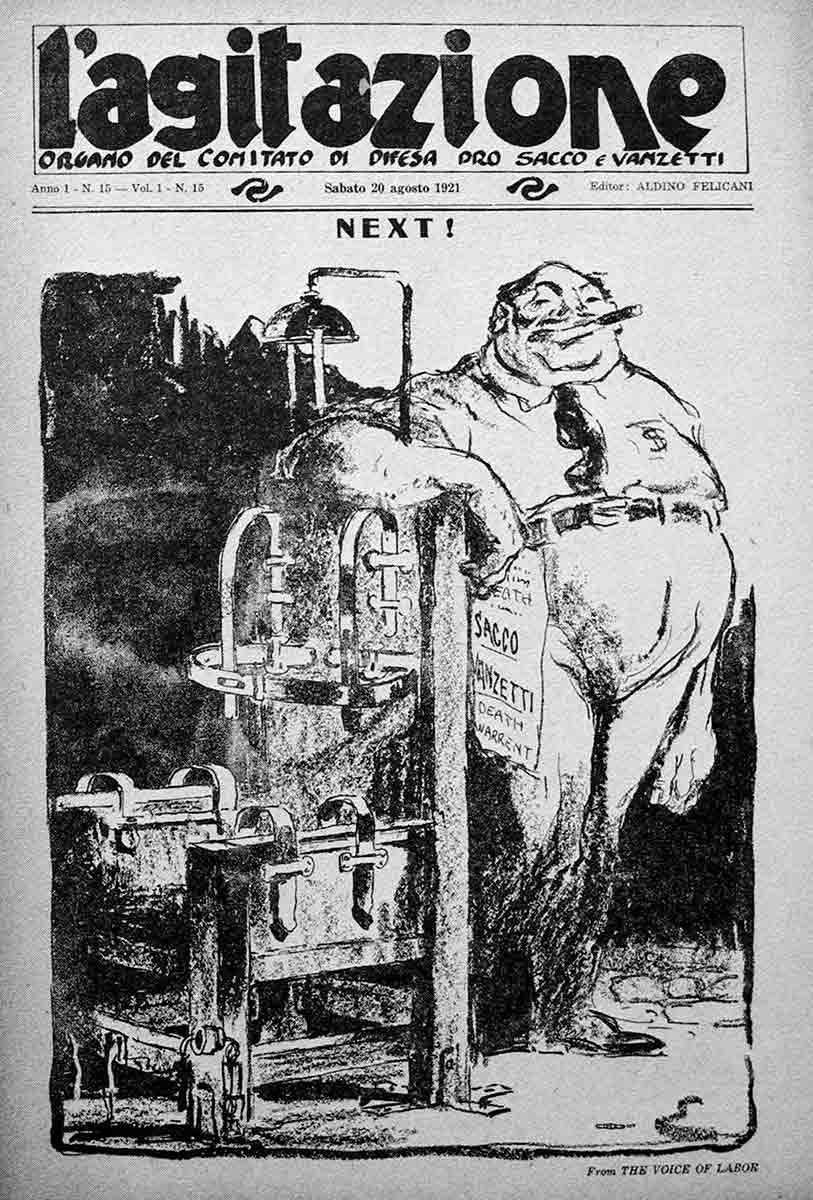
Over the course of the seven-year-long legal battle, several renowned intellectuals joined the Sacco-Vanzetti Defense Committee, founded by Italian-born anarchist Aldo Felicani in May 1920. Many others appealed to the American authorities. Among those who spoke in support of the two anarchists were John Dos Passos, Upton Sinclair, Ernst Hemingway, Marie Curie, Albert Einstein, Thomas Mann, H. G. Wells, George Bernard Shaw, and Diego Rivera. Even Benito Mussolini instructed the Italian ambassador to the US to negotiate the release of Sacco and Vanzetti.
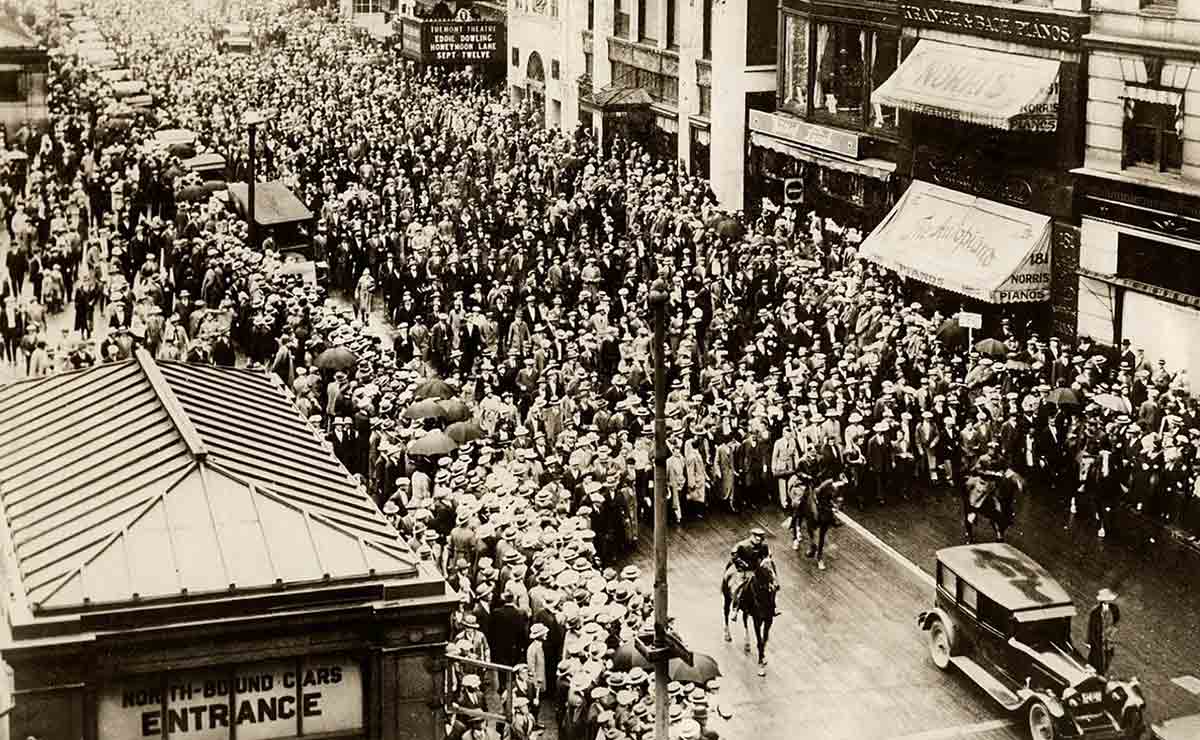
During and after the trial, a wave of protests broke out in many cities and countries. In October 1921, the American ambassador in Paris received a mail bomb. Huge crowds gathered in front of American consulates and embassies in London, Rome, Le Havre, Basel, and Santiago. In Latin America, the Sacco and Vanzetti case turned into a movement against American imperialism and Wall Street. In France, it was described as a second “Dreyfus Affair.” In August 1927, as the date of the execution drew near, the protests intensified.
“Here’s to You Nicola and John”: The Sacco & Vanzetti Case’s Legacy
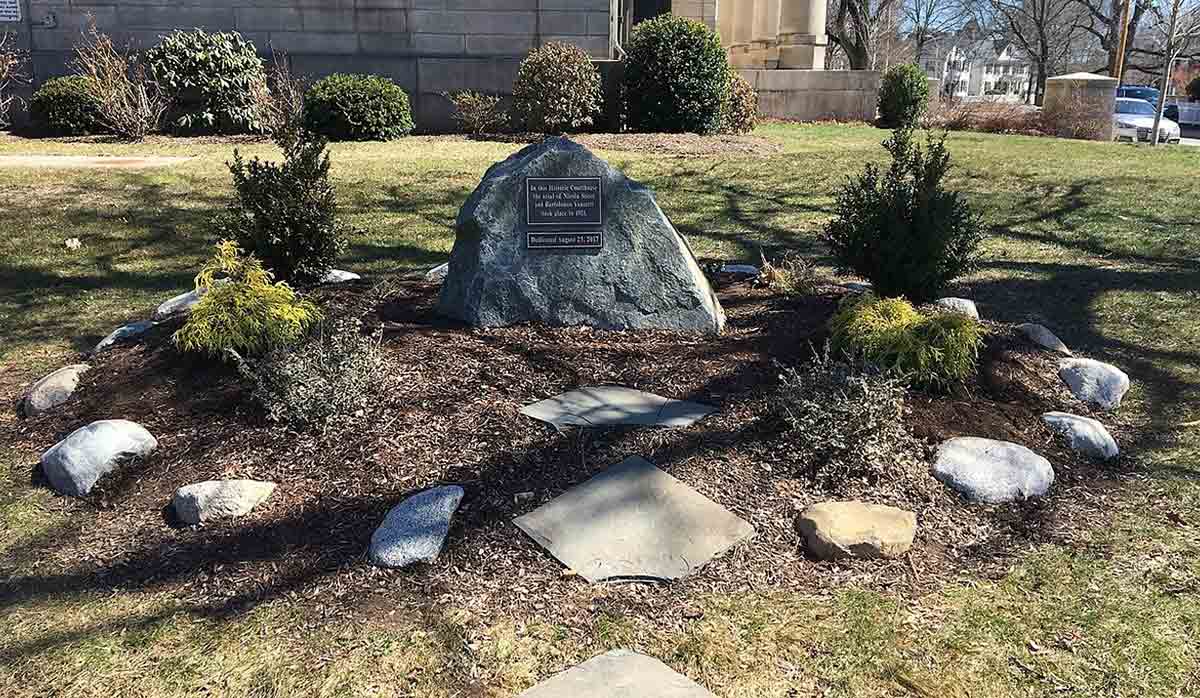
The resonance of the Sacco and Vanzetti case did not end with the two Italian-Americans’ execution. In the 1930s, numerous books, poems, plays, and songs were written about their trial in America, Latin America, and Europe. In 1929, Chinese writer Ba Jin, who had corresponded with Vanzetti, described him as his “mentor” in his novel Miewang (Destruction).
In the 1960s, as social and cultural movements challenged the status quo, the Sacco and Vanzetti case inspired a new generation of writers and artists. In particular, the Ballad of Sacco and Vanzetti, written by Joan Baez and Ennio Morricone, became an international anthem, especially after Italian director Giuliano Montaldo featured it in his 1971 movie Sacco e Vanzetti.
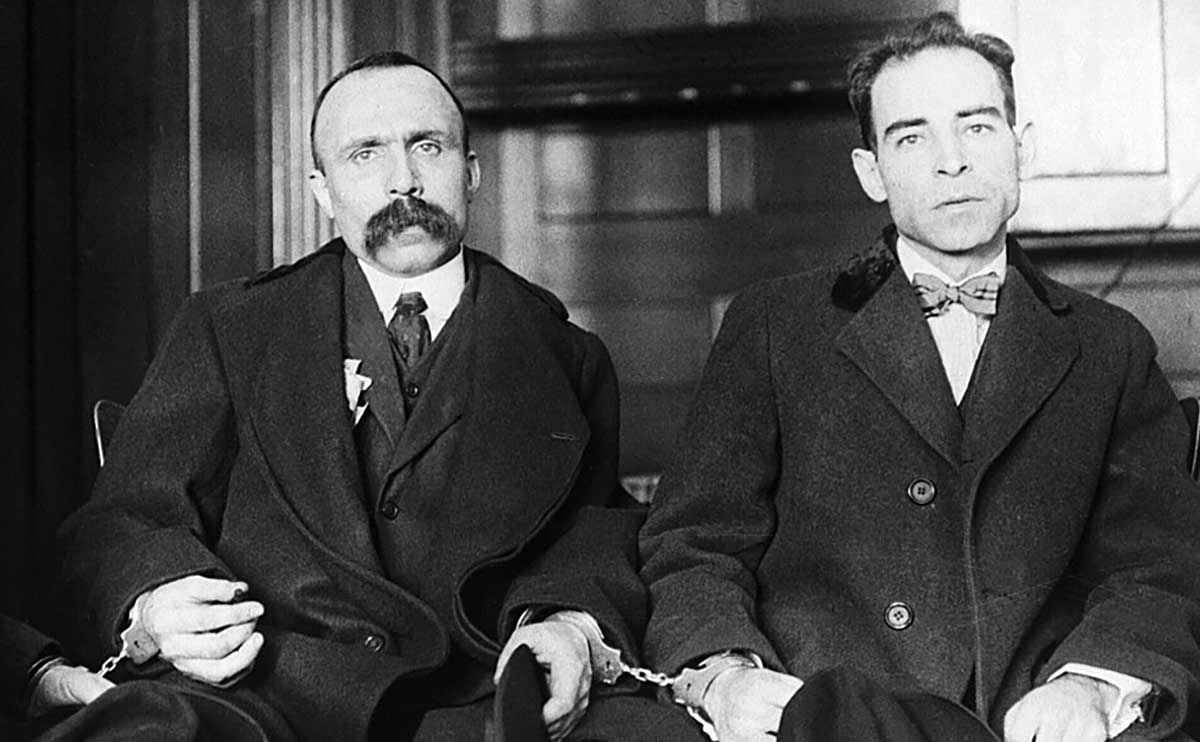
Over the years, the Sacco and Vanzetti case has also continued to be at the center of a heated debate among jurists, with experts trying to prove the innocence or guilt of the two men. Questioned on whether immortality was desirable, American writer Ferris Greenslet jokingly answered: “I almost think it is if only to get at the truth of the Sacco-Vanzetti case.”
Though scholars have yet to come to a consensus on whether the two men really were guilty, they agree that Sacco and Vanzetti did not receive a fair trial. In 1977, on the 50th anniversary of the execution, Massachusetts Governor Michael S. Dukakis issued a proclamation denouncing the biases of the American judicial system of the 1920s. In the late 1930s, the uproar caused by the Sacco and Vanzetti case led Massachusetts’ judicial council to introduce a series of reforms aimed at preventing miscarriages of justice.