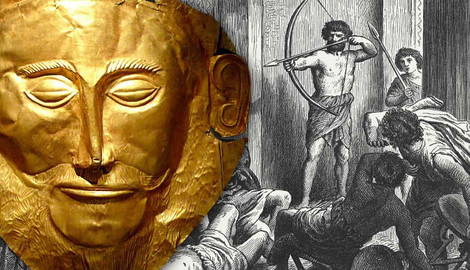
The Trojan War was the most destructive episode in Greek mythology, claiming the lives of countless Greek and Trojan heroes. But even when the war had ended, the trials of the Greek heroes did not end. For most, the journey home proved even more treacherous, and in some cases, fatal. These journeys were recorded in a now-lost epic called the Nostoi, meaning “returns.” These stories show how the war changed the heroes, and how their homes have changed in their absence. These are the nostoi stories of the Greek heroes.
Greek Nostos and Returning Home
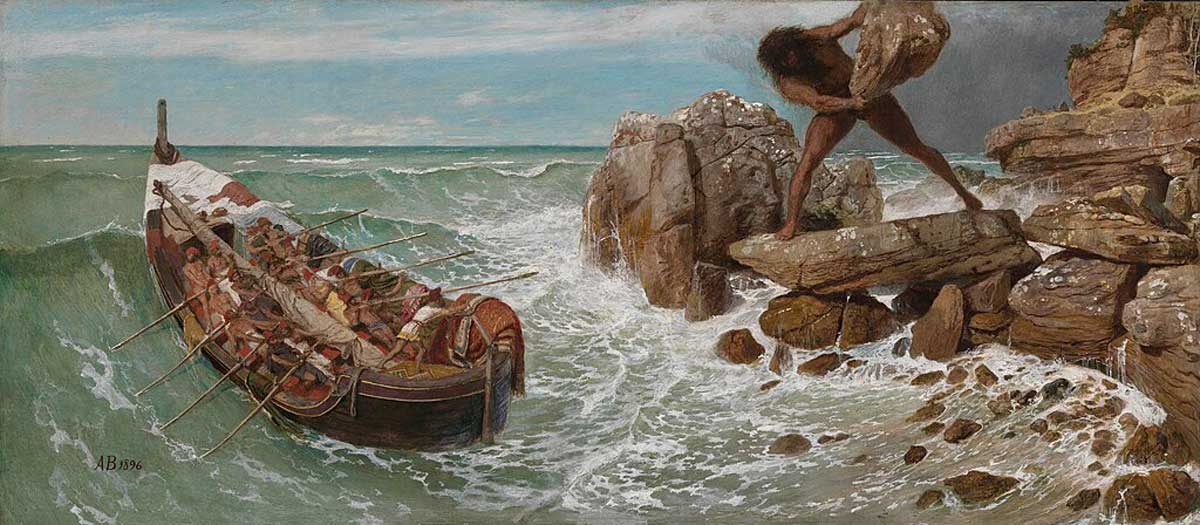
The returns are the journeys home of the Greek heroes after the Trojan War. These returns were recorded in a lost epic poem from the Epic Cycle called Nostoi. Only five and a half lines survive, and a summary written by Proclus in the 2nd or 5th century AD. While certain details are disputed, we understand the overarching narrative. The epic was said to have been written by Agias of Troezen and comprised five books, or episodes. Some of the Nostoi journeys are described in other works, such as in the Odyssey, Aeschylus‘ play Agamemnon, or the works of Apollodorus. They were an important part of the cultural patrimony of the ancient Greeks.
The Greek concept of Nostos referred not only to the journey home itself, but also to the poetic telling of that journey. As such, Nostos was a genre that incorporated several common motifs. The Nostos narrative had five stages. First, the hero goes to war, leaving his home behind. Then his return is interrupted, his wife is tempted by usurpers, and on resuming his journey home, he stops on an intermediate island. Finally, having returned home, he dons a disguise and retakes his household from the usurpers, thus regaining his honor.
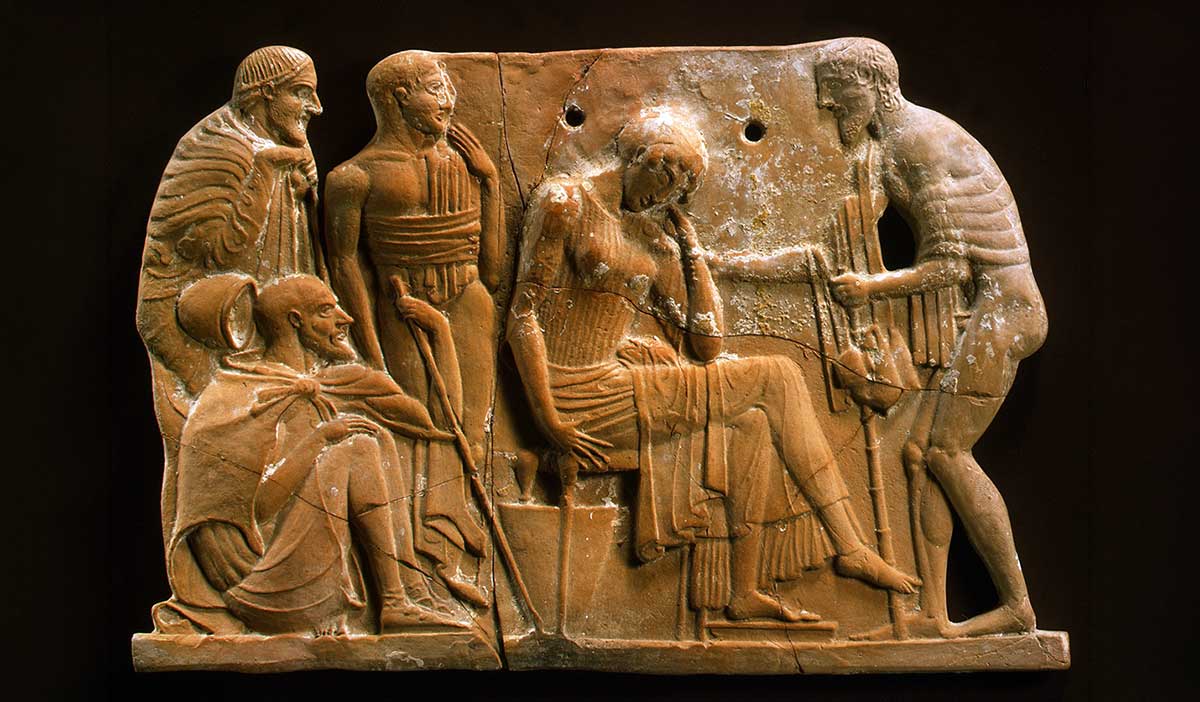
Nostos is a return to something familiar, but also a new beginning. Though generally understood to mean a journey home, Nostos can have the broader meaning of a journey towards a destination. This can be seen in the Homeric Hymn to Delian Apollo, when Cretan sailors are journeying from Crete to Pylos, but are instead led to Delos by Apollo. It also encompasses a yearning to reach a destination and the subsequent relief or joy at reaching it safely.
The Epic Cycle and the Returns: An Overview
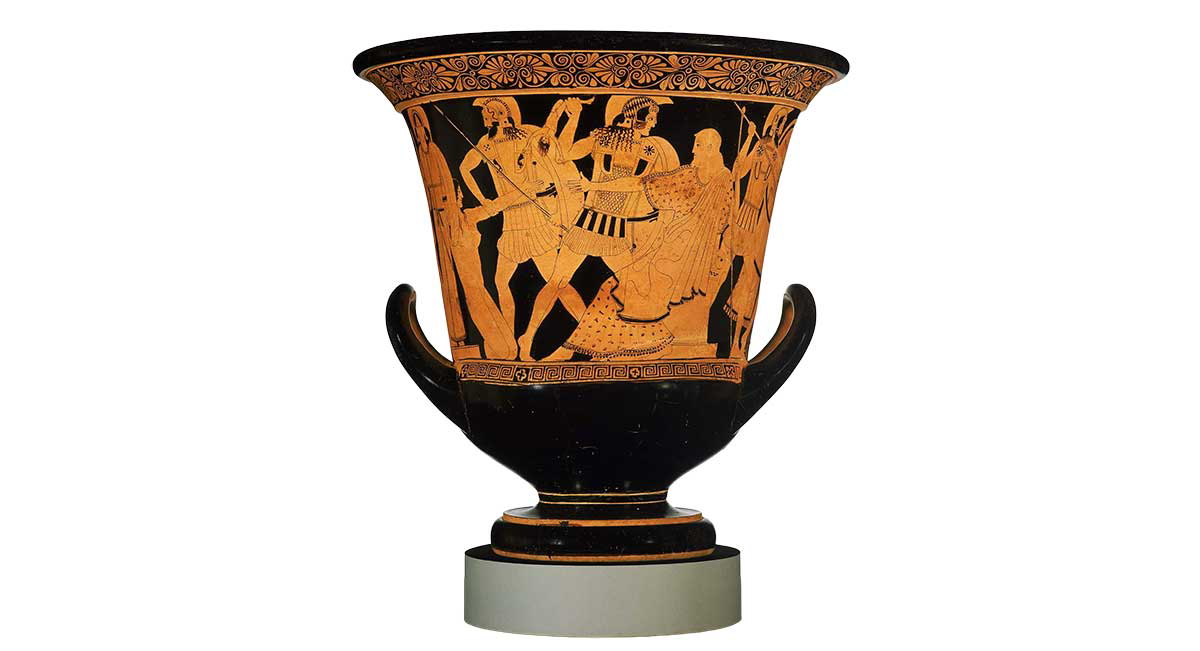
In the Nostoi, the first book described a dispute between Agamemnon and Menelaus, instigated by an angered Athena, over their return home. Agamemnon wanted to wait and appease Athena before leaving, while Menelaus wanted to leave immediately. The heroes Diomedes and Nestor sail home and arrive safely, as described in the Odyssey Book Three. Menelaus leaves soon after, but is driven off course by a storm and lands in Egypt.
Book Two relates to a group comprised of the seer Calchas, Leonteus, and Polypoites. They forgo sea travel and instead travel overland to Colophon, where the seer dies and is buried. Proclus named the deceased seer as Tiresias, but Apollodorus wrote that it was Calchas, which fits better with the narrative.
In Book Three, Achilles’ ghost appears to Agamemnon’s group and warns them of what will happen in the future. They set sail, and Agamemnon makes land at Tenedos. But the group with the hero Ajax is beset by a storm sent by Athena, and Ajax is drowned at sea.
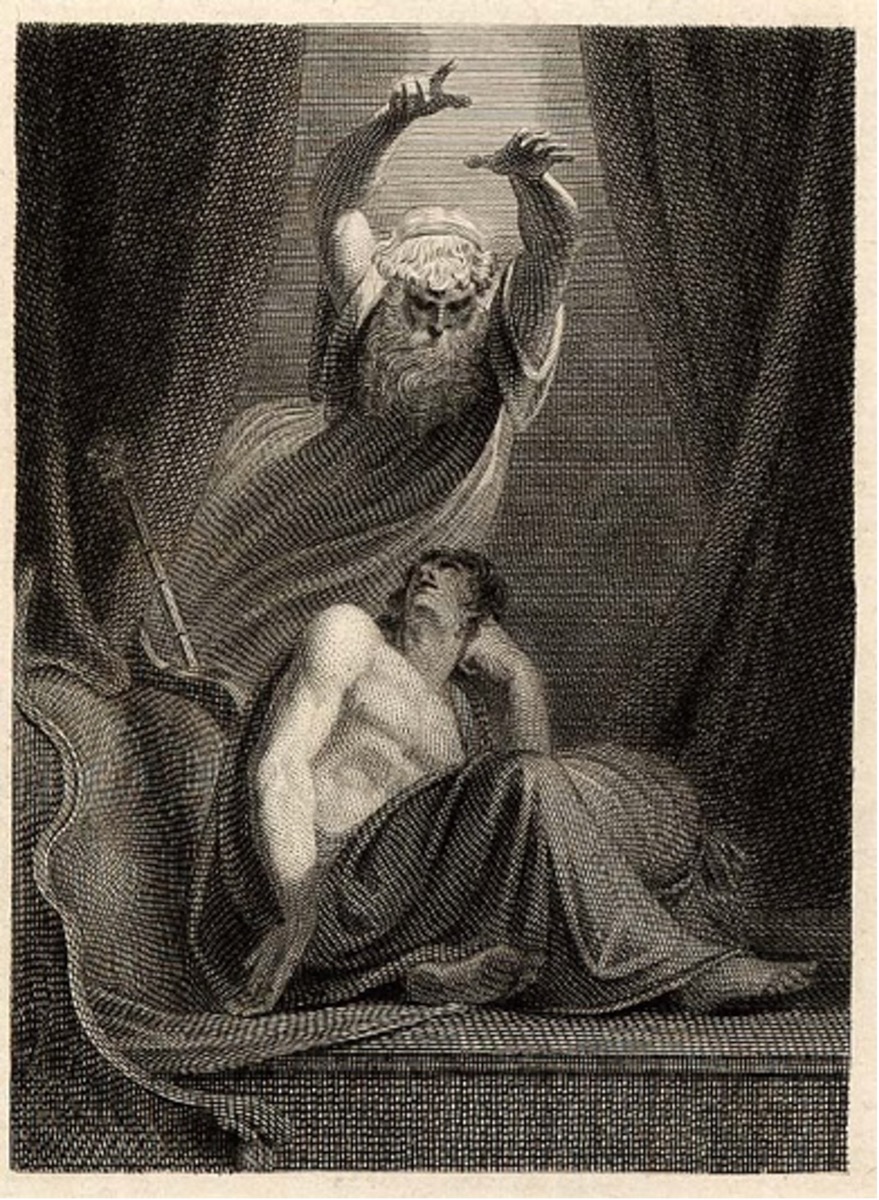
Book Four centers on Neoptolemus, the son of Achilles. He was advised by his grandmother Thetis to wait two days after Agamemnon left and then to make his way home by land. Neoptolemus did as instructed and travelled into Thrace, where he found Odysseus, though this event doesn’t occur in the Odyssey. He then continued his journey and arrived in the kingdom of the Molossians, thought to be Epirus. There he was recognized by his grandfather Peleus and eventually became king of the Molossians.
Book Five narrates Orestes’ vengeance against his uncle and mother for the murder of Agamemnon, and Menelaus’ return to Sparta.
While not mentioned in Proclus’ summary, in Pausanias’ Descriptions of Greece, he suggests that the epic also contained a journey to the Underworld, such as the one we see in the Odyssey.
The Bloody Fate of Agamemnon in Mycenae
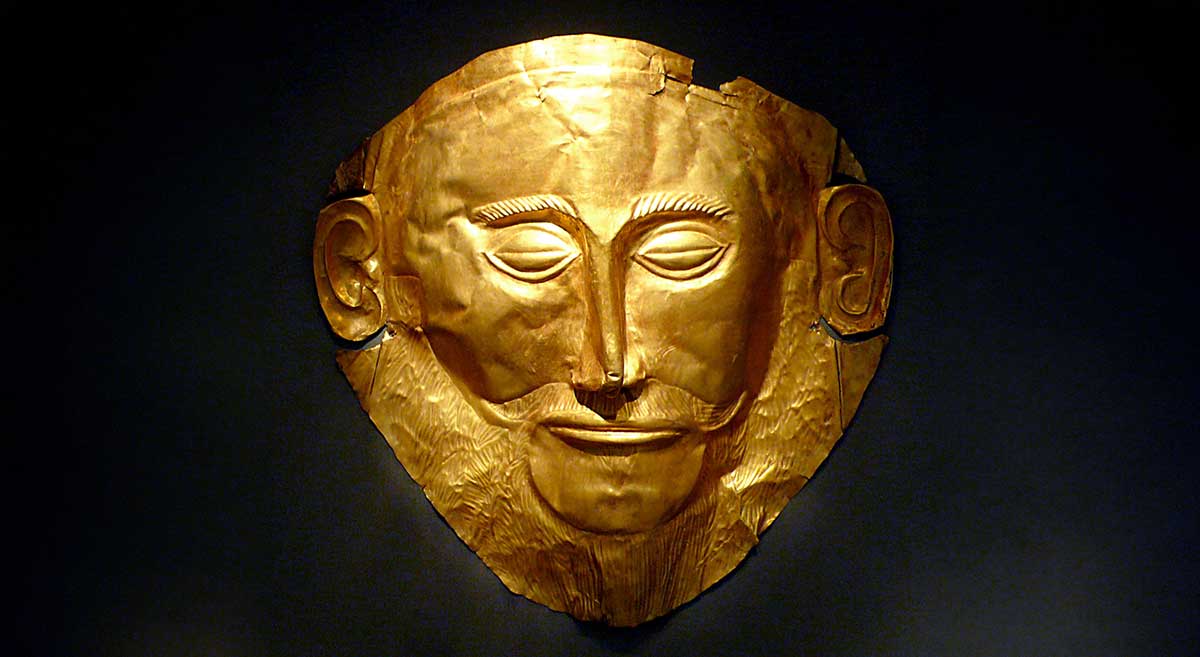
Agamemnon represents a negative Nostos for, while he returned home safely, his reintegration into society was ultimately unsuccessful. His journey home was described in the Nostoi epic as being marked by storms that blew him off course, but unlike his brother, Menelaus, he reached home without any extended stints in foreign lands.
The real trial for Agamemnon was what awaited him at home. Described in the Odyssey and dramatized by Aeschylus, Agamemnon was unaware that his cousin, Aegisthus, had taken over his household and had been having an affair with his wife, Clytemnestra. She was angry at Agamemnon for sacrificing their daughter, Iphigenia, at Aulis to obtain favorable winds for the Greek fleet before the Trojan War began. The lovers plotted Agamemnon’s demise, and the day he returned home, he was murdered in his bath.
The Wandering Years of Menelaus and Helen
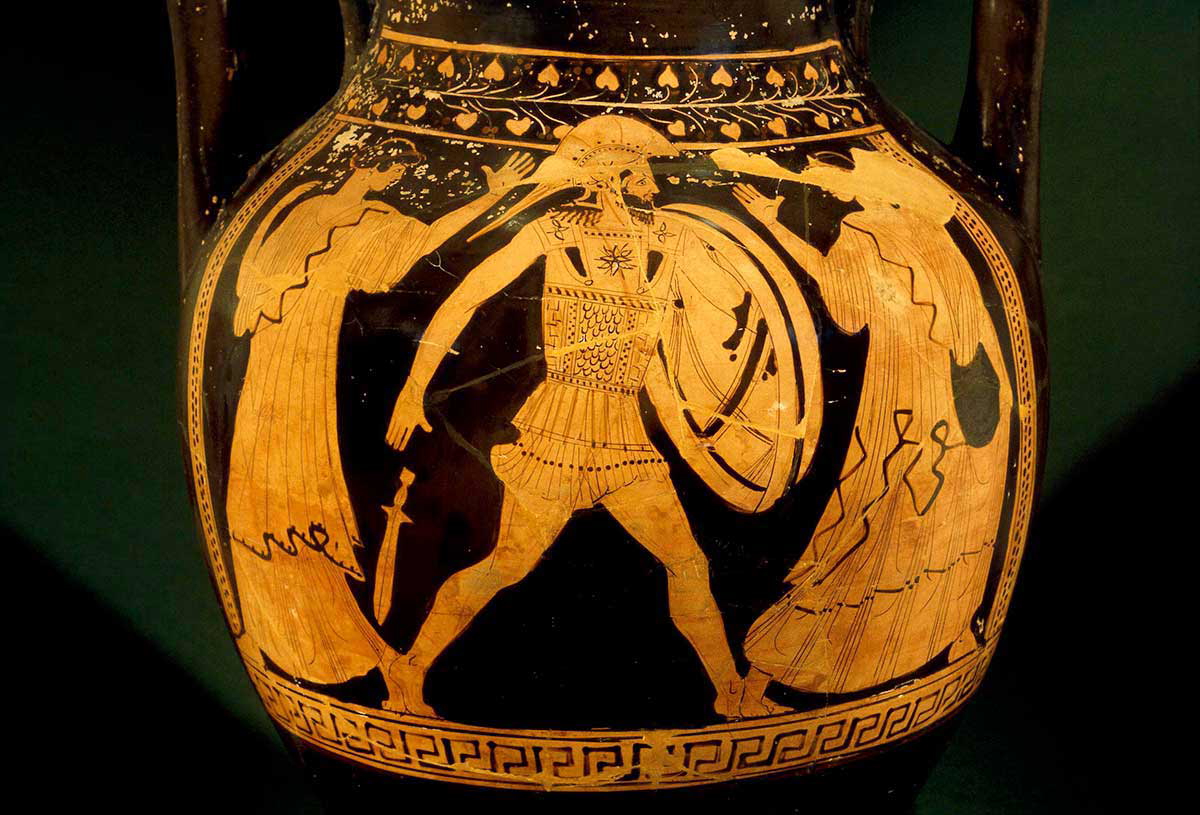
Menelaus represents a successful Nostos. He not only returned home but successfully reintegrated back into society. Part of Menelaus’ journey home was told to Telemachus during his visit to Sparta in Book Four of the Odyssey.
The first misfortune to befall Menelaus was the mysterious death of his helmsman, Phrontis, shot by an arrow of Apollo as they were passing Cape Sounion. He was then blown off course by a storm, which sent him and half of his ships to Egypt and the other half to Crete. In Egypt he encountered King Proteus, who told him of his future. He also found Helen, who had been in Egypt all along. The Helen he had recovered from Troy was only a phantom made from clouds.
Menelaus returned home to Sparta and was given immortality by Hera and allowed to live with Helen in the Elysian Fields.
Betrayal and Banishment for Diomedes and Idomeneus
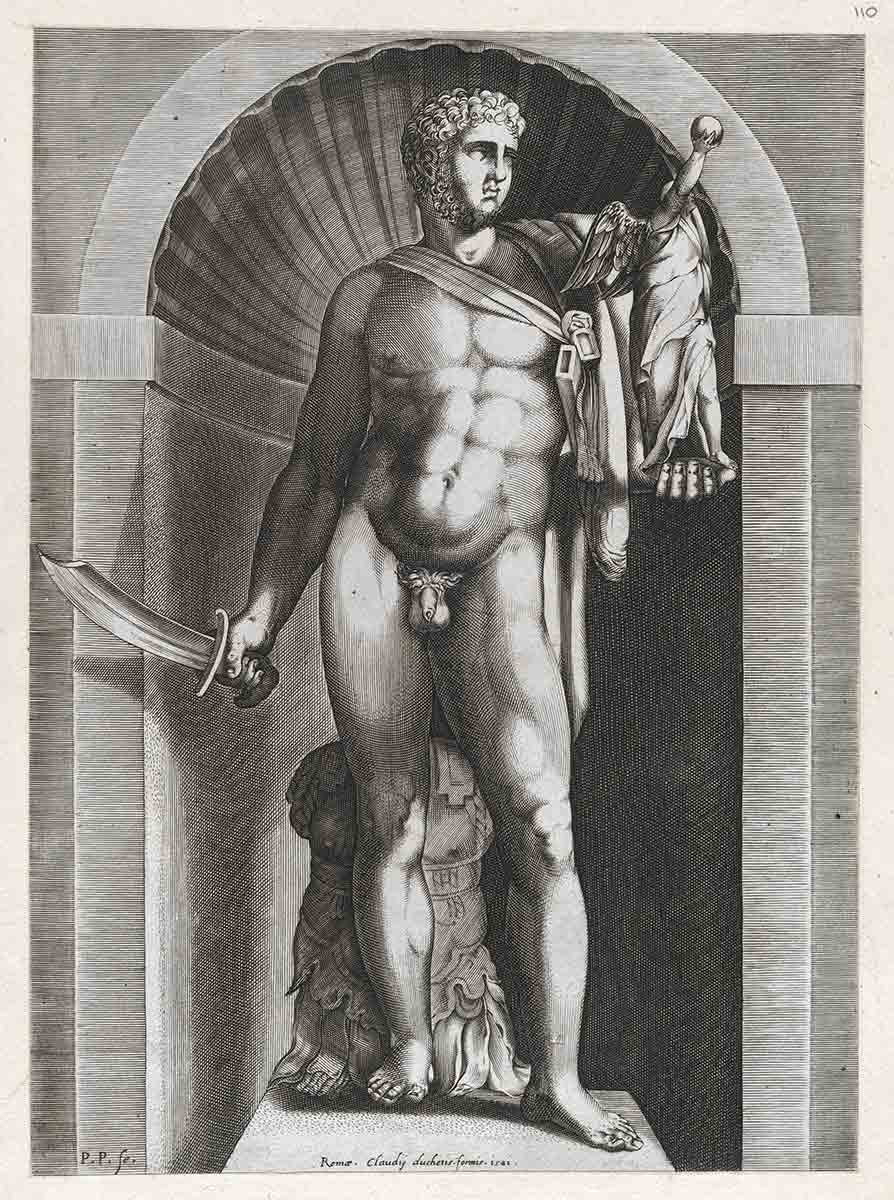
Diomedes’ journey home was rather peaceful. He encountered no storms and wasn’t waylaid. He arrived home safely, yet his home was not the same as when he had left it. Diomedes found that while he was away, a man named Nauplios had incited the women of Greece to be unfaithful to their husbands as a way of getting revenge on the Greek heroes that murdered his son. His wife took a lover, Cometes, and with him drove Diomedes out of Argos.
Diomedes fled to Italy, where he founded numerous cities. A reference to an epic called the Diomedeia by Iullus Antonius reveals that Diomedes also journeyed to Africa, where a princess fell in love with him. When he left, the princess killed herself. This mirrors Aeneas’ journey in the Aeneid, which took him to Italy via Carthage, where Queen Dido fell in love with the hero and killed herself when he left.
While Diomedes’ Nostos home was unsuccessful, he ultimately survived the trials and found a new home in Italy.
Neoptolemus and the Violent Legacy of Achilles
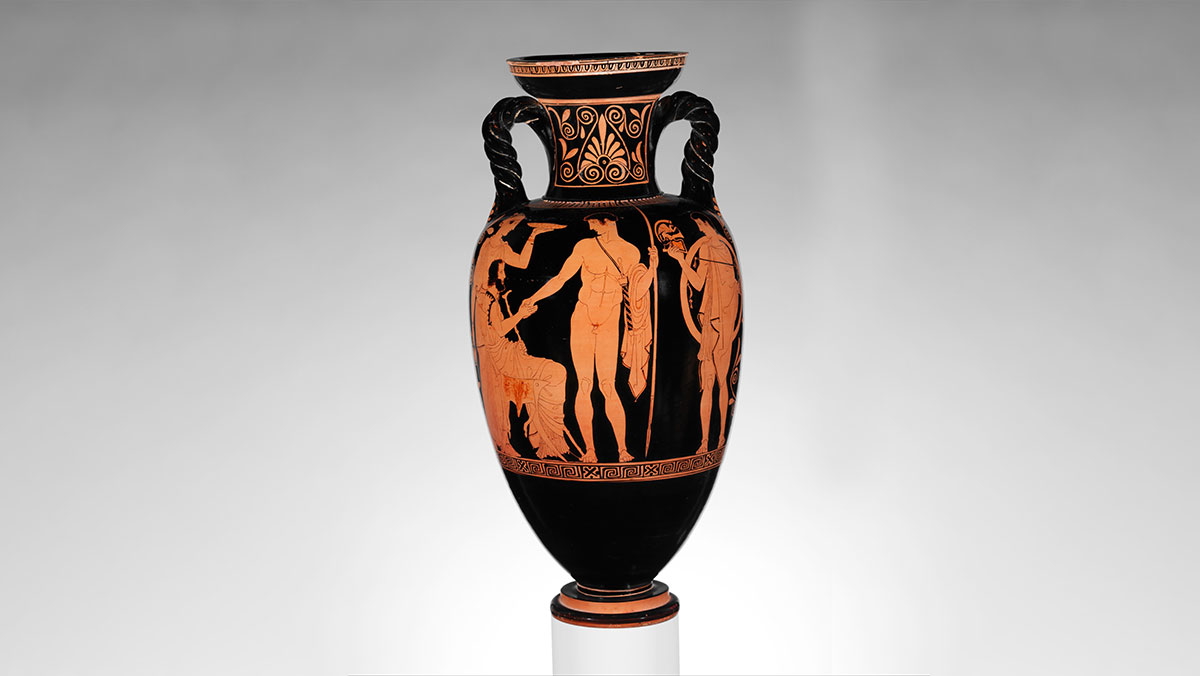
Neoptolemos sailed out with Agamemnon and put in at Tenedos with the fleet. When they all continued their journey home, Neoptolemos was visited by Thetis and advised to wait two days to offer sacrifice before leaving. He ended up in the kingdom of the Molossians, thought to be Epirus in northwestern Greece, where he became king after defeating them in battle.
He later returned and retook the kingdom of Phthia in Thessaly after his grandfather, Peleus, had been expelled by the sons of Acastos and died. When Orestes was driven mad by the Furies for murdering his mother, Clytemnestra, Neoptolemos abducted his wife, Hermione, because she had been promised to him at Troy. For this reason, Orestes killed Neoptolemus at Delphi.
Another account stated that Neoptolemus was killed at Delphi because he demanded reparations from Apollo for the death of Achilles, and that he plundered the treasures and set fire to the temple.
The Ten-Year Odyssey of King Odysseus
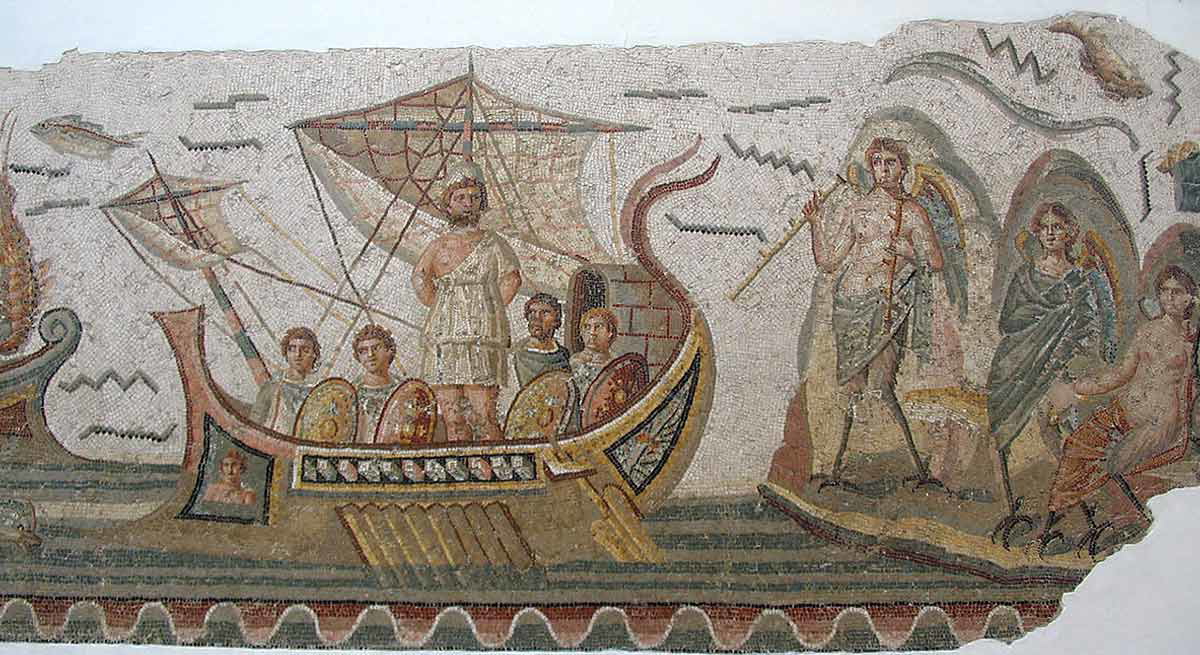
Odysseus is in all respects the quintessential Nostos hero, and the Odyssey contains several micro-Nostos tales in its narrative. Odysseus not only undergoes his own journey home, with all the trials and tribulations that accompany it, but also learns of the journeys of other Greek heroes. In this way, the audience can contrast the successful or positive returns of Nestor, Diomedes (his wife’s infidelity is not related in the Odyssey), and Menelaus, with the unsuccessful or negative returns of Agamemnon and Ajax.
When Odysseus finally arrives in Ithaca, he doesn’t even recognize his home. He doesn’t kiss the earth as Agamemnon was said to have done, for he knows that the arrival home is not the conclusion of his Nostos. To truly return, he must first reintegrate into the society that he left behind when he sailed for Troy. This takes the form of his slaughter of the suitors, thus reestablishing himself as the king of Ithaca, and the subsequent truce between himself and the surviving suitors.
Why the Myth of the Nostoi Still Captivates Us
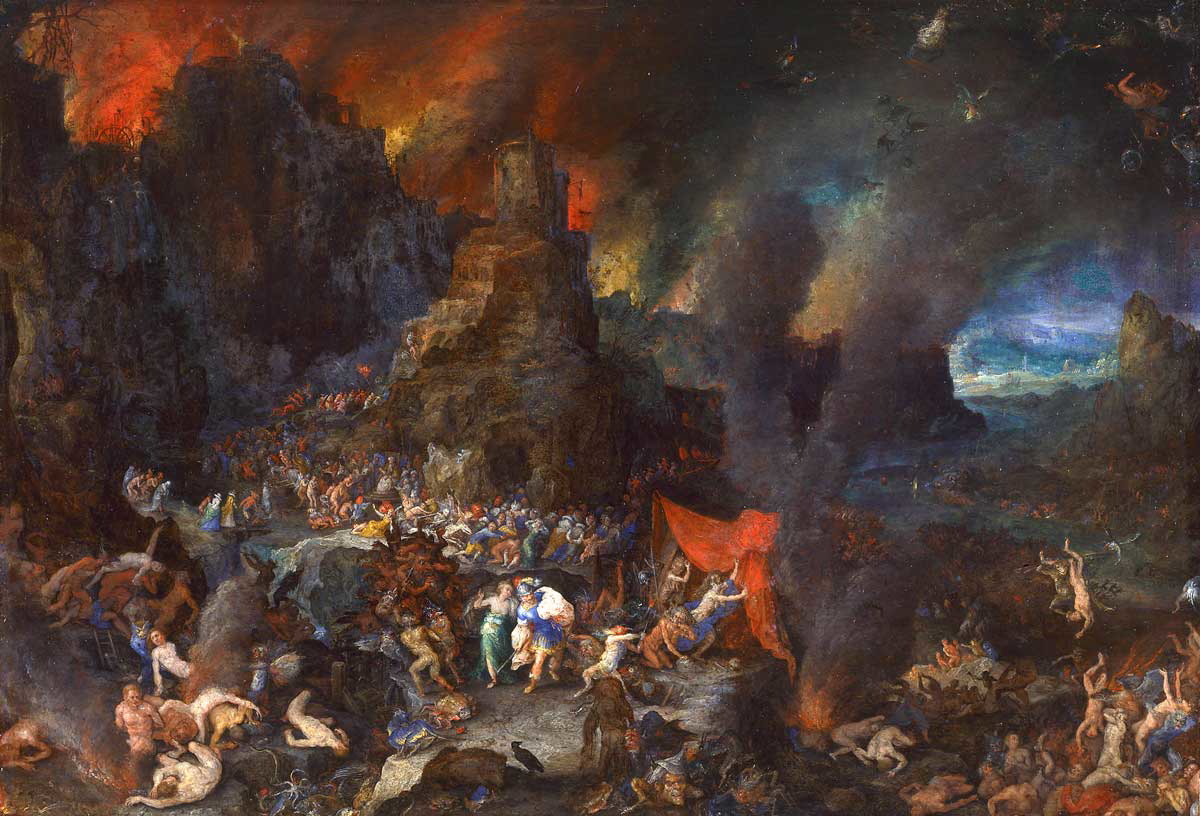
While the Nostoi epic poem may not have had as tight a grip on the cultural identity of Greece as the Iliad or the Odyssey, the theme of Nostos was central to many later works, particularly the tragic playwrights. Aeschylus’ Agamemnon tells of Agamemnon’s arrival home and his betrayal by his wife and cousin. Euripides’ Helen tells of Helen’s stay in Egypt, her discovery by Menelaus, and their escape from Egypt.
The theme of homecoming is also not limited to Greek epics or tragedy. Authors like James Joyce in his Ulysses, or Cormac McCarthy in The Road both contain themes of homecoming or a yearning to reach a destination, whether geographical or psychological. Nostos was more than a type of narrative structure; it was the framework by which the consequences of a journey into the unknown could be explored.
Select Bibliography
Bonifazi, A. (2009). “Inquiring into Nostos and Its Cognates,” The American Journal of Philology, 130(4), 481–510.
Fletcher, K. F. B. (2006). “Vergil’s Italian Diomedes,” The American Journal of Philology, 127(2), 219–259.