
The Tuatha Dé Danann, or the “Children of the goddess Danu,” are often described as the Old Irish gods. But while they are god-like in some ways, they are distinctly not in others. They are neither creators nor the first supernatural beings to occupy the Emerald Isle. They enjoy exceptionally long lifespans, but they are not immortal. They learned important arts, such as magic, blacksmithing, and science, which made them very powerful, but they do not exercise divine power over the elements. They were also defeated by a group of mortals, which saw them retreat into an underground world and become the fairy folk of Irish folklore.
Ireland’s Long Pre-History Before the Tuatha Dé Danann
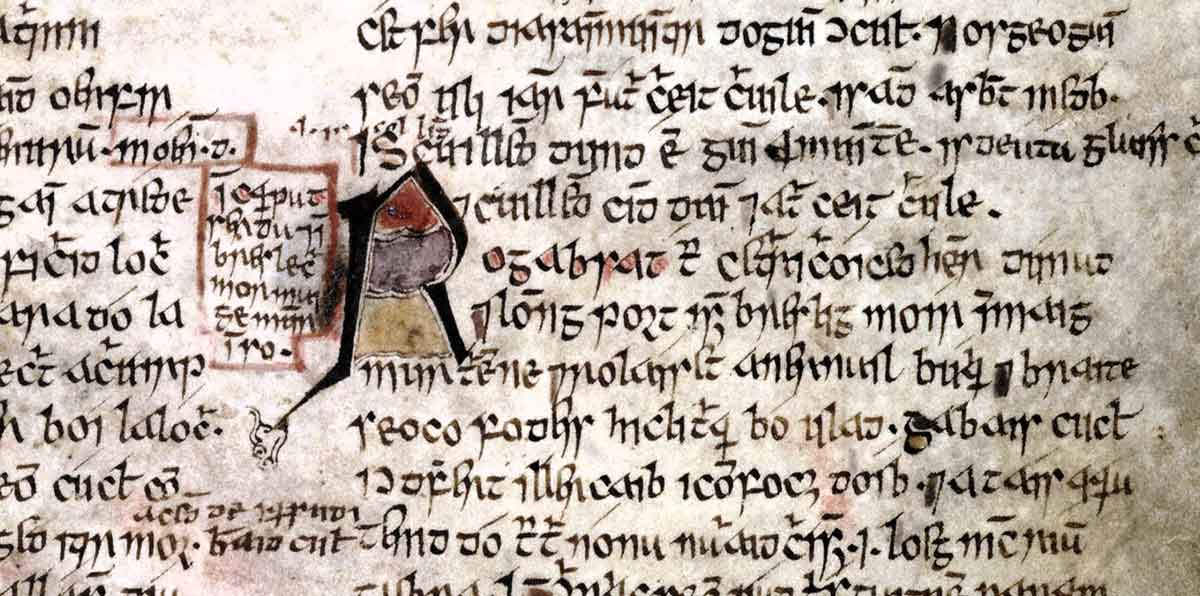
What we know of Irish mythology comes from oral histories that Christian monks recorded and modified in the Medieval era. It is unclear how much these Irish myths reflect older Celtic mythology.
According to Irish stories, in the earliest times, the Fomorians occupied Ireland, a hostile, monstrous supernatural race similar to the Jotun of Norse Mythology. They are described as living off fish and fowl, implying they are “uncivilized” hunter-gatherers rather than farmers. They can be considered primordial gods or personifications of the most dangerous natural elements.
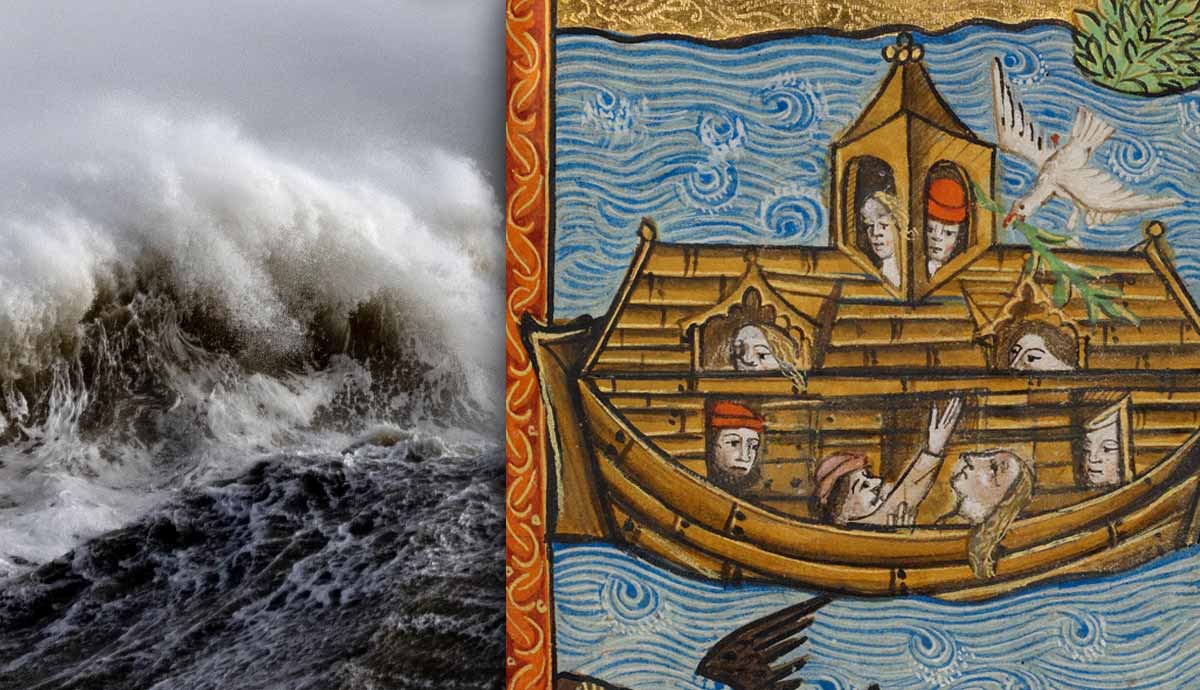
About 200 years after their arrival, after the great Biblical flood, the first people “invaded” Ireland. They were the followers of Partholon, a Greco-Scythian who traced his lineage to Noah and Japheth. He fled his homeland after murdering his parents in an unsuccessful attempt to seize his father’s throne. He then wandered the Mediterranean and Atlantic for years before landing in Ireland with his wife, three sons, and a band of followers. They defeated the Fomorians in battle, took control of Ireland, and introduced “civilized” practices such as farming, cattle husbandry, and ale brewing. But within 30 years, they had all died of plague.
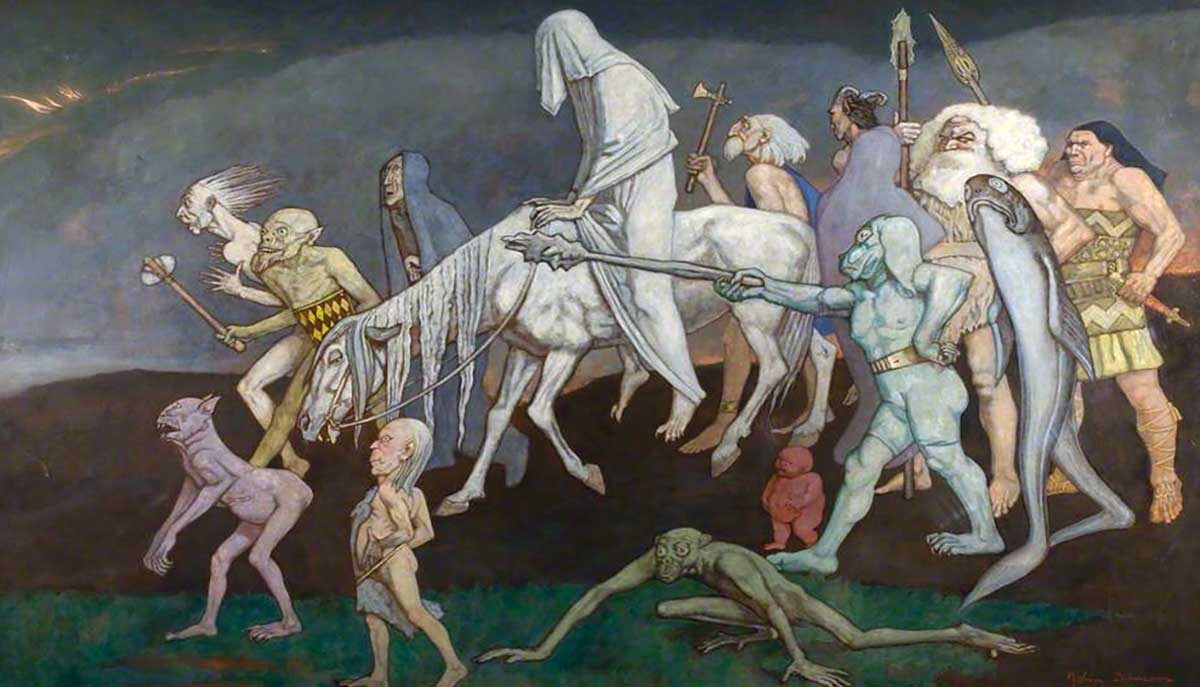
About 30 years later, Nemed and his followers arrived. The Nemedians also defeated the Fomorians in several battles and established a golden age. They cleared 12 plains of thick forest for agriculture, created four major lakes, and built two royal hill forts. The Fomorians regrouped and established domination after Nemed died of plague. The Fomorians demanded heavy tribute be paid every Samhain (November 1), including two-thirds of the Nemedians’ milk, harvest grain, and children born each year. Desperate to throw off this tribute, Nemed’s son Fergus Lethder led 30,000 men in rebellion. The ensuing battle was brutal, devastating both armies. Then, a great flood left Ireland virtually uninhabitable.
The survivors fled in three groups. One group settled on the neighboring island of Britain, becoming their mythical ancestors. The Fir Bolg fled to Greece, where they were enslaved for centuries before freeing themselves and returning to Ireland. The Tuatha Dé Danann fled to the northern islands of the world, where they mastered Druidry, science, and sorcery.
Shrouded in Mist and Smoke on the Mountains of Connacht
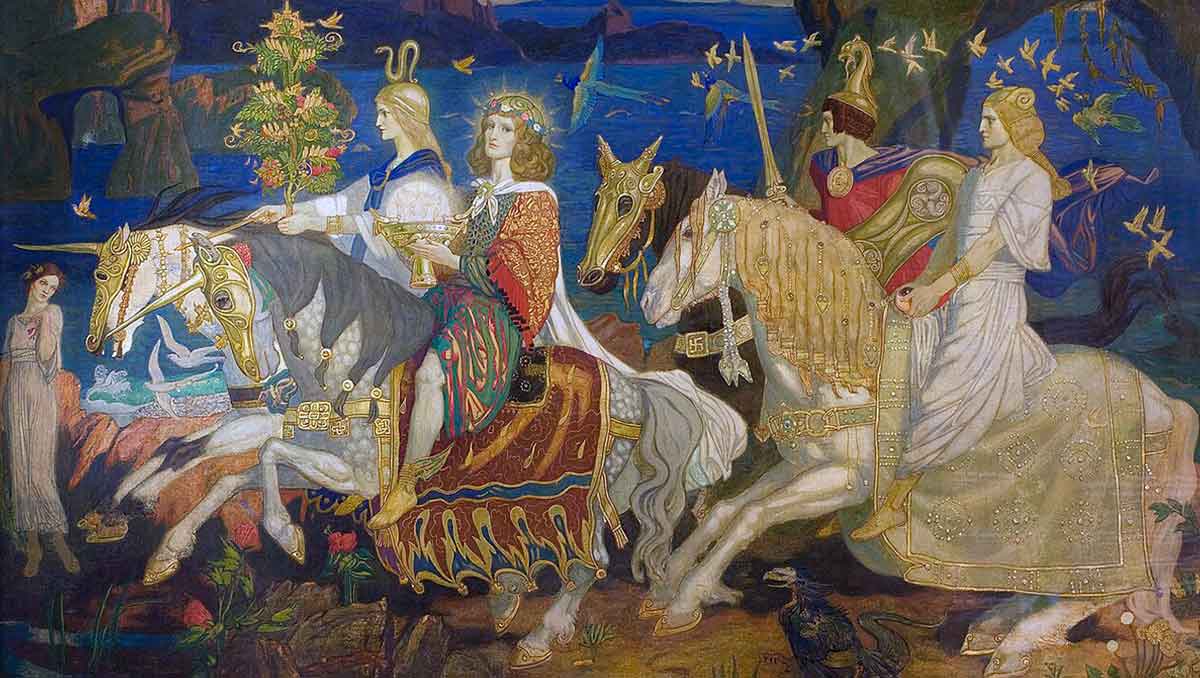
About four centuries later, believed to be around the mid-2nd millennium BC, King Nuada led the Tuatha Dé Danann back to Ireland on Beltane (May 1). They reportedly arrived in dense clouds that settled on the summits of the Iron Mountains, considered to be Sliabh an Iarainn, in modern County Leitrim. For three days and nights, an unnatural fog darkened the sun, concealing their numbers from the Fir Bolg. Later accounts that tried to explain this supernatural event suggest that the Tuatha Dé Danann set fire to their own ships so that retreat was impossible, creating the dense smoke.
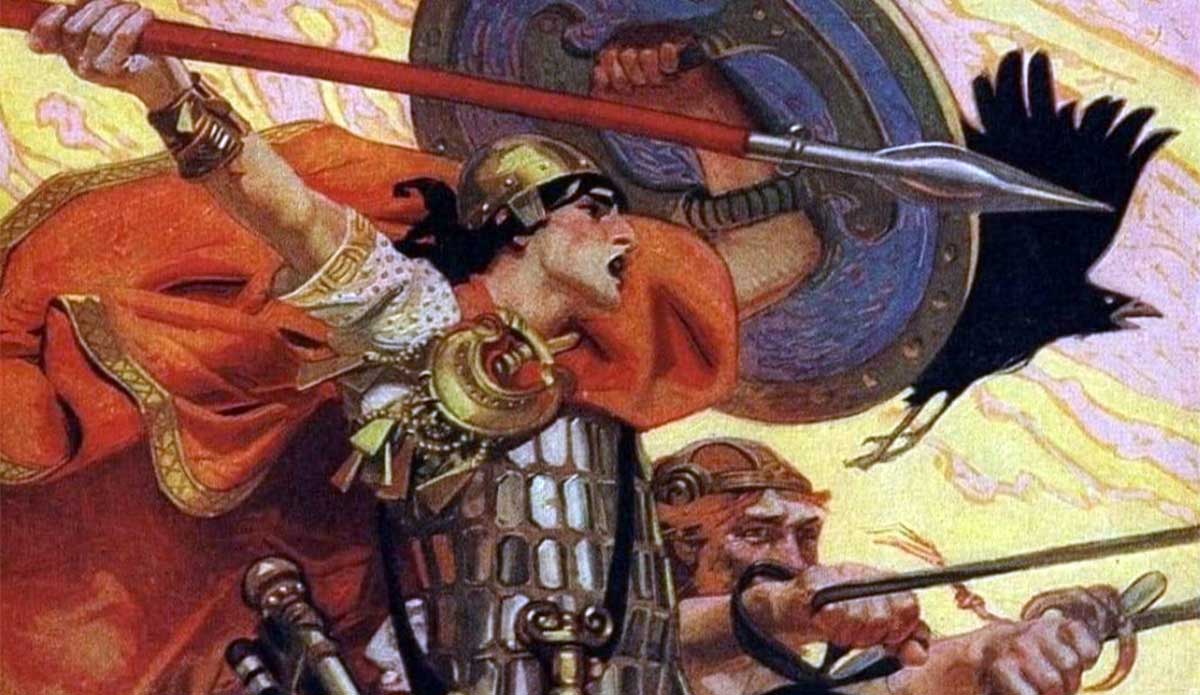
When the mist finally cleared, Eochaid mac Eirc, the king of the Fir Bolg, saw that an invading force was camped deep within his territory. Both sides sent their mightiest warriors to negotiate, Bres for the Tuatha Dé Danann and Sreng for the Fir Bolg. The two champions admired one another’s equipment. Sreng carried heavy, blunt, broad-headed iron javelins designed to bludgeon. Bres carried a light, slender, razor-pointed spear meant for swift, cutting strikes. They traded weapons and, on behalf of Nuada, Bres offered to divide the island evenly between the two nations.
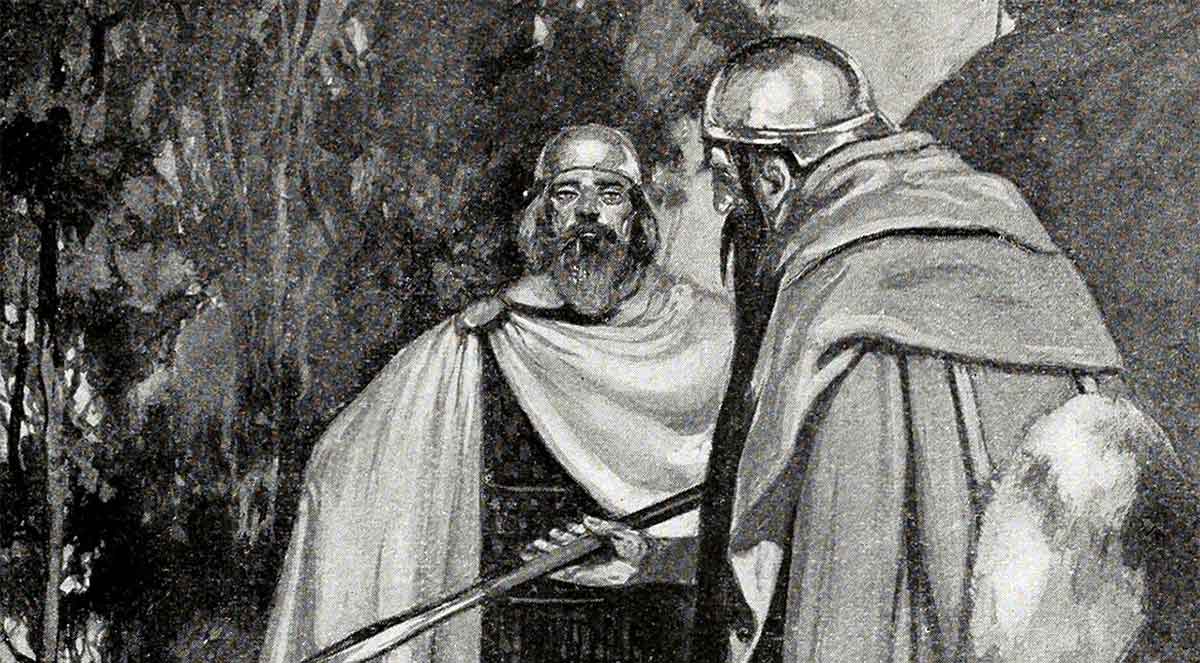
The Fir Bolg rejected the offer, and the two forces met on the plains of Mag Tuired (Moytura, near modern Cong, County Mayo). The battle lasted four days, with the Fir Bolg displaying brute strength and the Tuatha Dé Danann using sorcery. For example, the Dian Cécht enchanted a spring with medicinal herbs that could resurrect mortally wounded Danann warriors overnight. On the fourth day, King Nuada engaged in single combat with Sreng. With a sweeping blow, Sreng sheared off Nuada’s right arm at the shoulder. Nevertheless, the Tuatha Dé Danann broke the Fir Bolg lines and killed their king.
Sreng rallied the remaining 300 Fir Bolg warriors for a suicidal last stand. Admiring their courage, the Tuatha Dé Danann offered them peace. Sreng and his people were granted the western province of Connacht, which they retained for generations.
However, under ancient law, a king had to be physically unblemished to rule Ireland. With a severed arm, Nuada was unfit to retain the crown. Though Dian Cécht crafted Nuada a fully functional prosthetic made of pure silver, he still had to abdicate. This opened the throne to Bres, whose father was a Fomorian.
Four Sacred Relics From the Northern Cities of Wisdom

Before returning to Ireland, the Tuatha De Danann lived on four islands in the north: Falias, Gorias, Murias, and Finias. While living on these islands, they learned arts such as magic, philosophy, science, and smithing. They also brought sacred magical relics from each of these islands to Ireland.
From the island of Murias they brought the Cauldron of Dagda, from which no company would walk away dissatisfied. This could be related to the cauldron of the Norse Sea god Aegis. The Norse gods borrowed this cauldron to make enough mead for a feast for all the gods.
From the island of Gorias, they brought the Spear of Lugh. It was undefeatable, and whoever commanded the spear could not lose. This could be related to Odin’s spear Gungnir, which was perfectly balanced and never missed its mark.
From the island of Falias they brought Lia Fail, or the Stone of Destiny, which would cry out when the true sovereign of Ireland stood upon it. It was used to confirm the kingship of Tara.
From the island of Finias they brought Claiomh Solais, or the Sword of Light, which, once drawn, could not be avoided and would always kill its enemy. This can be related to the magical sword of the Norse god Freyr, which was unbeatable and could fight on its own.
Bloodshed at Mag Tuired and the Defeat of Balor
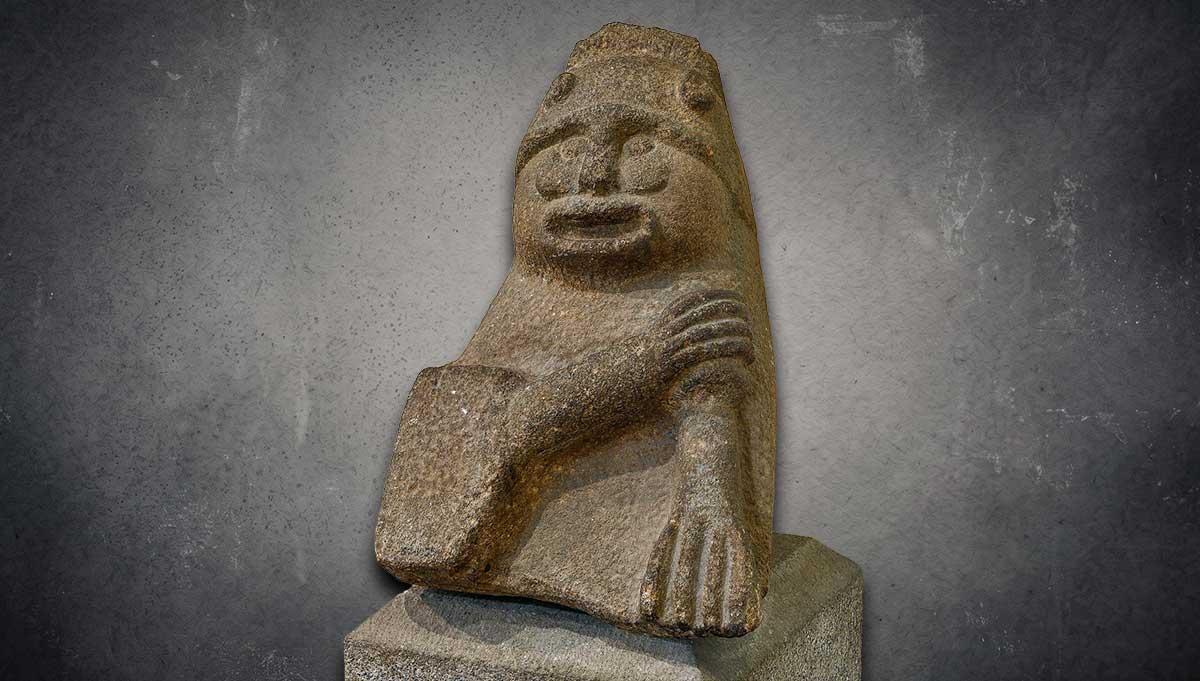
Bres was now the king of the Tuatha Dé Danann and ruler of Ireland. But his seven-year rule was oppressive because he favored his Fomorian kin. He allowed the Fomorians to impose tribute on the Tuatha Dé Danann again and forced many of the Danann to provide physical labor.
But Bres’ reign came to an end due to his lack of hospitality. This was considered a moral duty in Irish culture, and a king’s hall was expected to be an open sanctuary of abundance, music, feasting, and gift-giving to warriors and poets. But Bres was stingy and refused to share his wealth with his people. Because this broke a sacred covenant, it also made the land supernaturally barren.
The breaking point occurred when Cairbre, the chief poet of the Tuatha Dé Danann, arrived at Tara seeking customary royal hospitality. Instead of welcoming Cairbre to the banquet hall, Bres shoved the poet into a tiny, narrow, windowless shack. There was no fire, no bed, and the poet was served only three dry crusts of stale barley bread on a small wooden plate. The following morning, Cairbre rose, turned toward Tara, and cursed the king, causing red boils and blemishes to erupt over Bres’ body. Like Nuada before him, Bres could no longer be king.
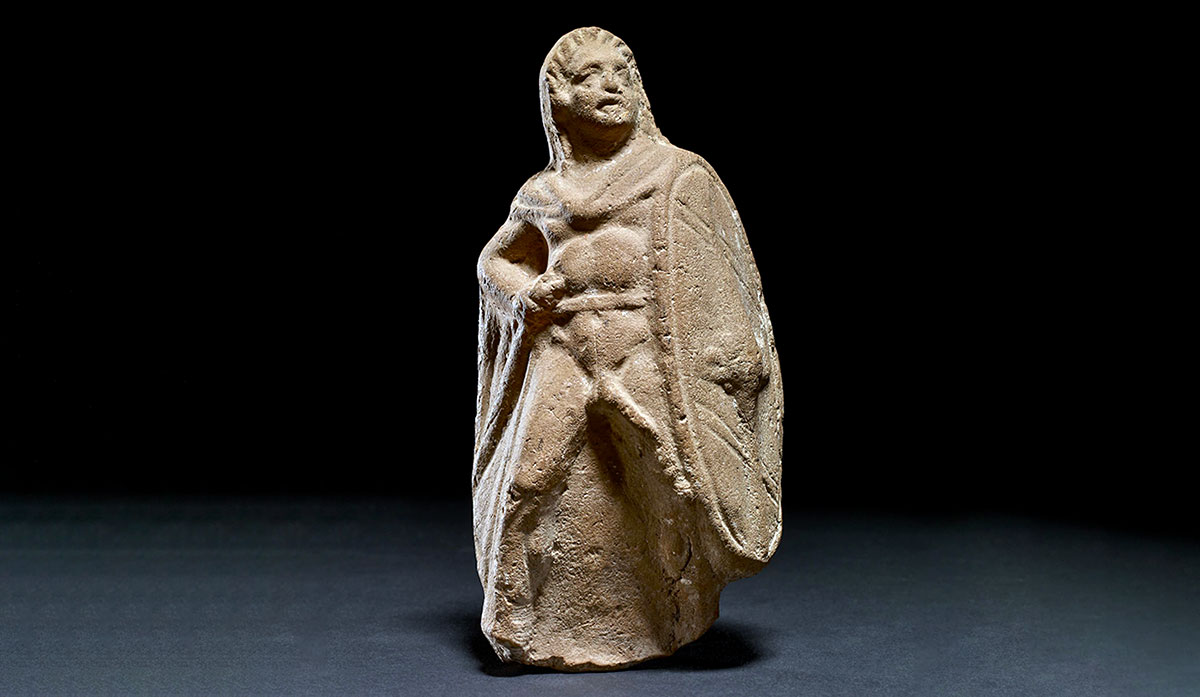
At the same time, Miach, the son of Dian Cécht, buried Nuada’s severed arm and used magic to regrow it from Nuada’s shoulder. Fully restored, he retook the kingship. The humiliated Bres went to the Fomorians and convinced the warlord Balor to forcibly retake Ireland from the Tuatha Dé Danann.
Meanwhile, another half-Fomorian, Lugh, had emerged. When he was born, he was given to Manannan to foster. He then made a name for himself at the court of Nuada because of his mastery of all arts. He was given leadership of the army in the battle against Balor, and he took seven years to prepare. Working with the other Tuatha Dé Danann, they created weapons that never missed and then instantly repaired when broken, and they created another magical spring that could revive the dead.
The battle began at Samhain, again on the plain of Mag Tuired. The conflict opened with individual duels and skirmishes. The Fomorians grew bewildered by the Danann’s endless supply of sharp weapons and revived warriors until a spy discovered the reviving water and filled it in with stones.
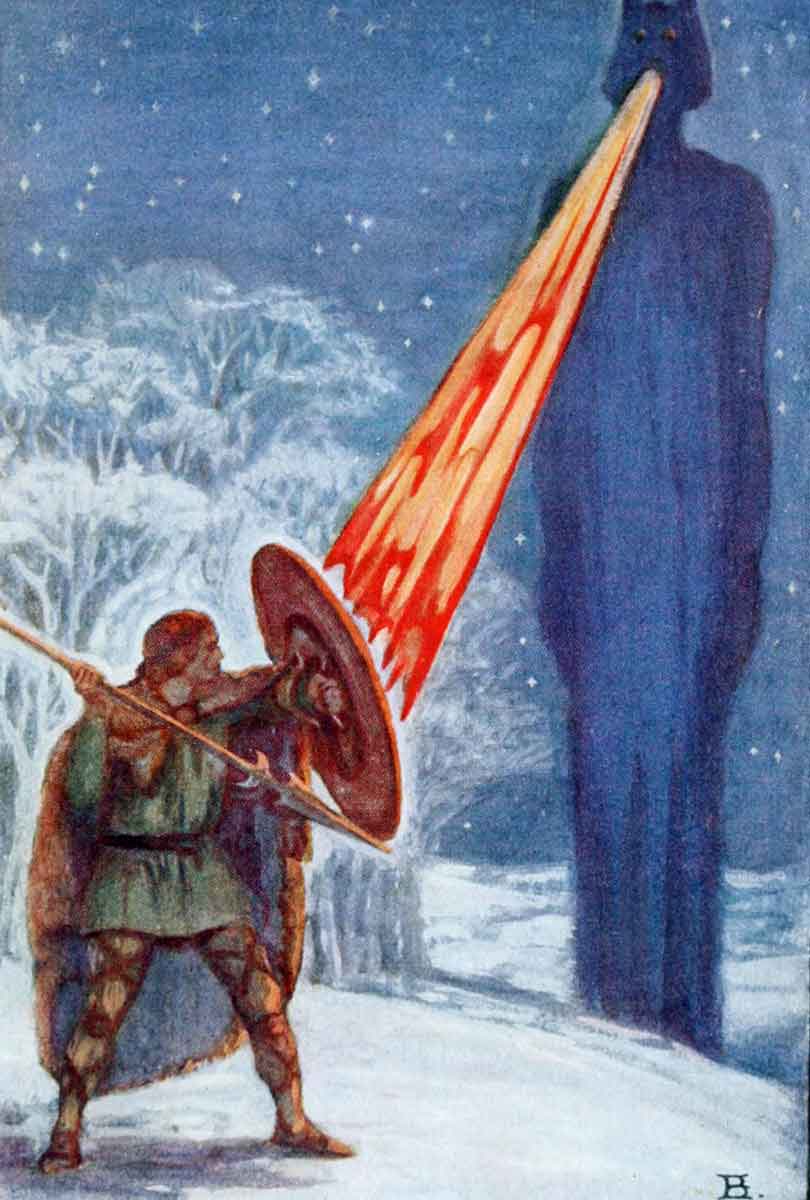
The full forces of both armies then engaged. Nuada was slain by Balor, who then turned to the field with his single, colossal eye that produced a lethal, withering gaze when opened. At this moment, Lugh stepped forward to face Balor, and just as the lid of the eye was being opened, Lugh hurled a sling-stone with such force that it drove the evil eye straight through the back of Balor’s skull. The gaze turned backward upon the Fomorian army behind him, instantly killing many of their soldiers. The surviving Fomorians fled to the sea.
Sovereign Masters of the Irish Celtic Pantheon
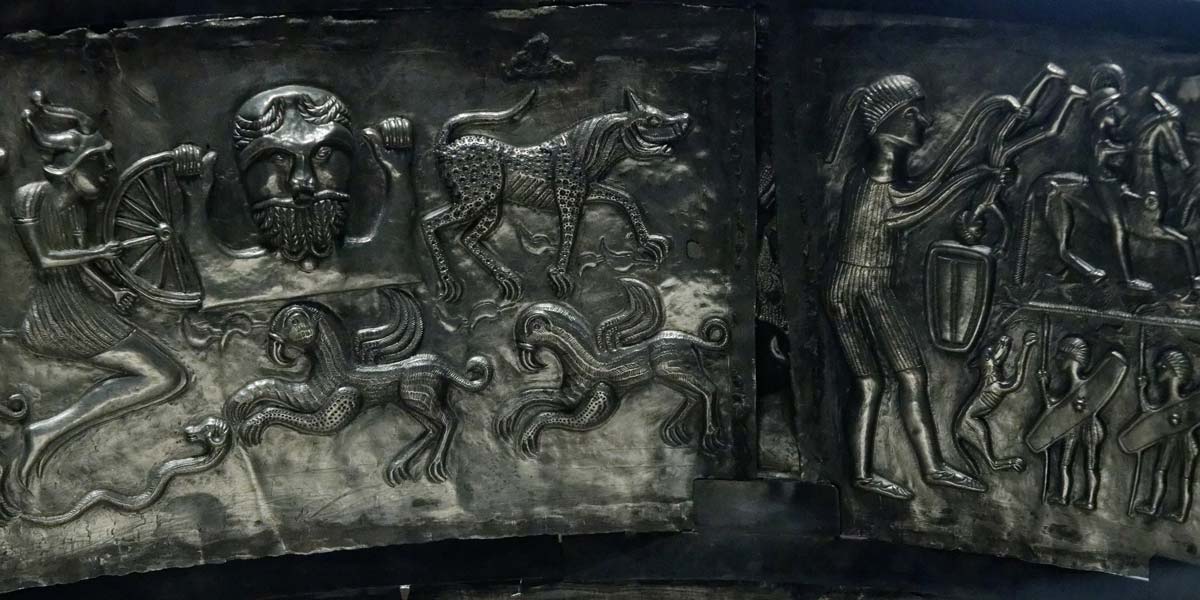
Alongside Lugh, there were many famous names among the Tuatha Dé Danann who came to be viewed as gods by the people of Ireland.
The Dagda, or “good god,” while not the king of the Tuatha Dé Danann, was considered their patriarch and protector. Like Lugh, he was also “good” at every art, making him omnipotent. He was associated with the earth, life, death, and seasonal time. Portrayed as a powerful man of the forest, he possessed a staff, one end of which killed and the other end of which restored life. He was also the owner of the bottomless cauldron and the Uaithne, a magical harp that could control the emotions of mortals, causing joy, sorrow, or sleep.
The Morrigan, which may mean “phantom queen,” was associated with war, fate, kingship, death, and prophecy. She was considered a triple goddess, but not in the form of the maiden, mother, and crone as often depicted in neopaganism. She was rather Badb or Nemain, the embodiment of the terror of battle, Macha, linked with kingship and fertility, and Anand or Anu, linked with the earth and prosperity. In early Medieval Irish law, the king had to participate in a symbolic marriage with The Morrigan, and she tested his martial excellence and stewardship of the earth.
One of the most familiar Irish gods was Brigid, considered a goddess of wisdom, healing, poetry, metallurgy, domestic warmth, and the arrival of spring. She was also considered a deity with multiple identities, often three manifestations of sacred fire: mental fire as the poetess, vital fire as the healer, and material fire as the smith. When Christianity came to Ireland, Brigid was such a popular goddess that she was adopted by the church as Saint Brigid.
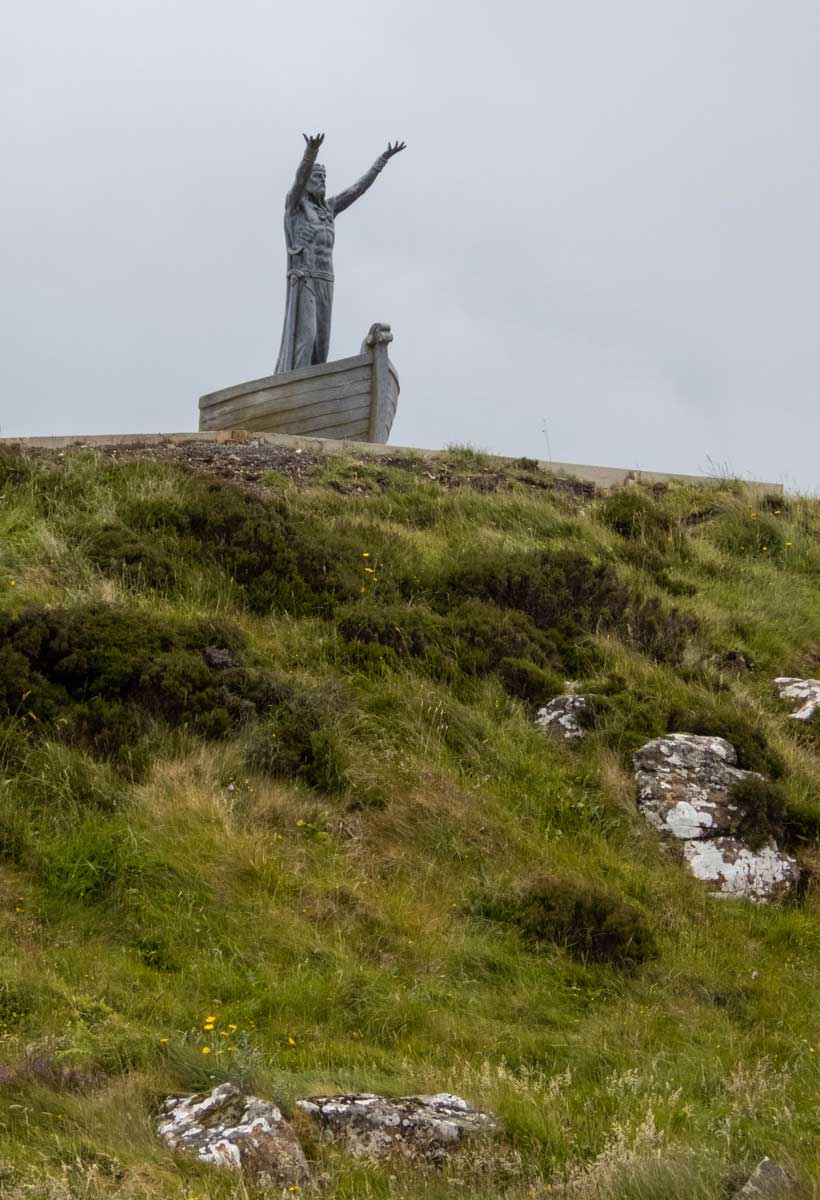
Manannán mac Lir was the god of the sea and storms but also passage to the Otherworld. While one of the Tuatha Dé Danann, because he is of the sea rather than the earth, he sits somewhat apart, which makes him ideal to govern movement between worlds. He was also the foster father of Lugh, who became the father of many heroes of later Irish legend. He was the Irish manifestation of the god Lugus in Gaul.
How the Mortal Milesians Forced a Subterranean Retreat
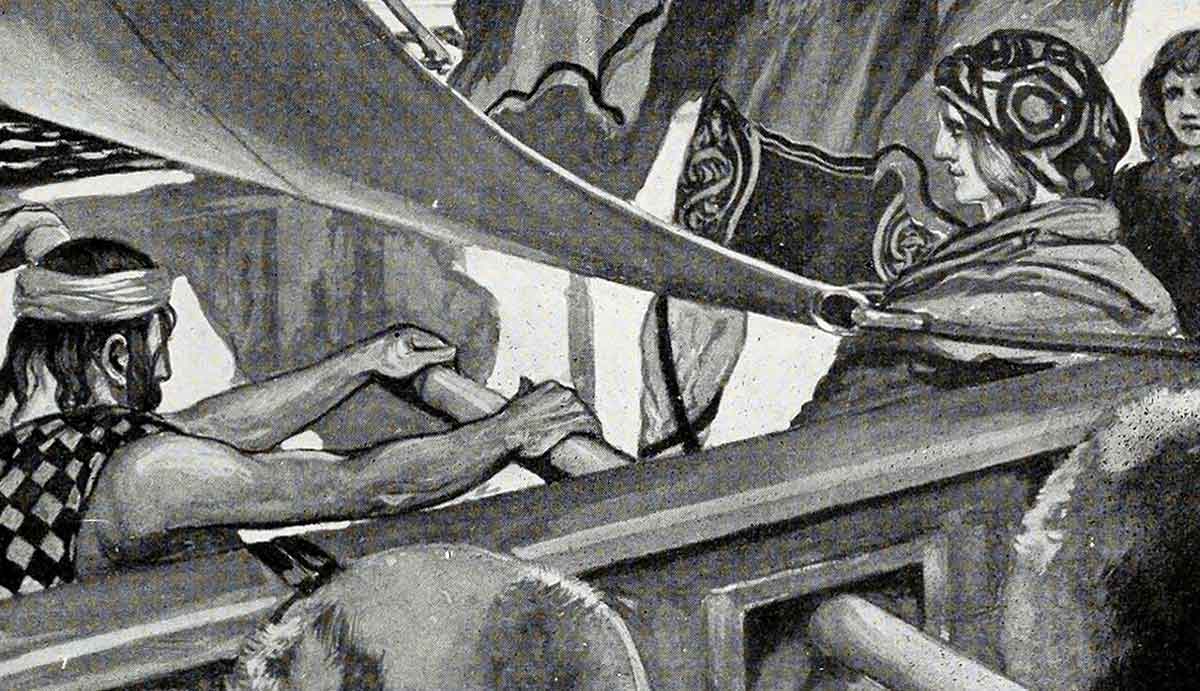
But the victory over the Fomorians was not the end of the cycle of “invasions” of Ireland, which had one final chapter. A chief named Íth in modern-day Galicia in Spain looked out from a tall tower and saw a green island in the distance. He sailed there with 90 followers and found the land ruled by three sons of the Dagda: Mac Cuill, Mac Cecht, and Mac Gréine. They were in a bitter dispute over part of their inheritance and asked the foreigner to arbitrate.
Íth settled the dispute justly, but then openly praised the island’s fertile soil, rich waters, and mild air. Suspecting that the foreigner intended to return home and bring back an invasion fleet, the Danann princes ambushed Íth as he journeyed back to his ship, mortally wounding him. His men took his body back to Spain, and his kinsmen organized an armada to get vengeance.
The Milesian host, led by the brothers Érimón, Éber Finn, Donn, and their chief poet-judge Amergin Glúngel, landed in the south and marched inland toward the royal seat of Tara. On their journey, they encountered three sisters, who were patron goddesses of the land and married to the three Danann kings. Amergin, speaking for the host, bound himself by oath to each queen.
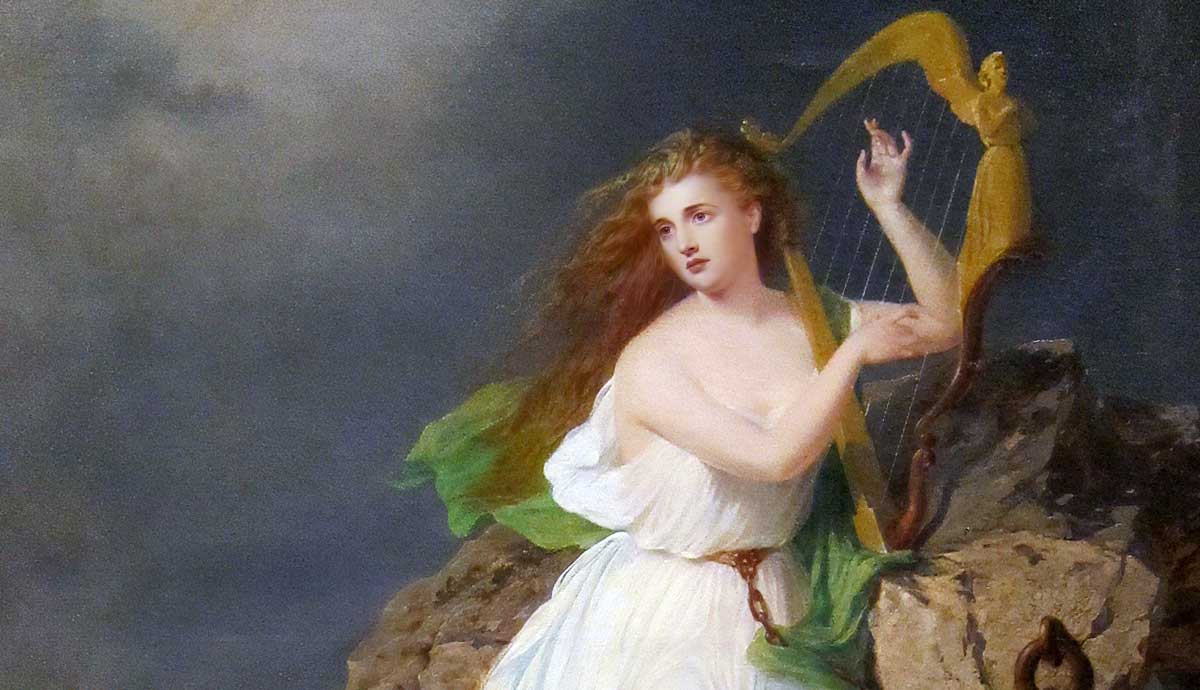
When the Milesians reached Tara, they demanded the immediate surrender of the Tuatha Dé Danann. The Danann kings protested that the invaders had taken them by surprise without giving them time to muster their forces, which violated ancient warfare conventions. The Milesians agreed to give them time and to retreat past the ninth wave. As soon as they were offshore, the druids of the Tuatha Dé Danann conjured a dense supernatural fog and a monstrous windstorm that churned the sea into fury, driving the Milesian fleet away from the coast and smashing ships against the rocks. While Donn was killed, Amergin recited an incantation that spoke directly to the spirit of Ireland. This caused the sea to settle, and the ships rowed ashore.
The two forces then clashed at the Battle of Sliab Mis, where the Milesians won, but lost their matriarch Scota, who was reportedly the daughter of an Egyptian pharaoh. They met again at the Battle of Tailtiu, and the mortal Milesians slew the three kings of the Tuatha Dé Danann and their wives. Defeated and leaderless, the remainder of the Tuatha Dé Danann fled into the wilderness.
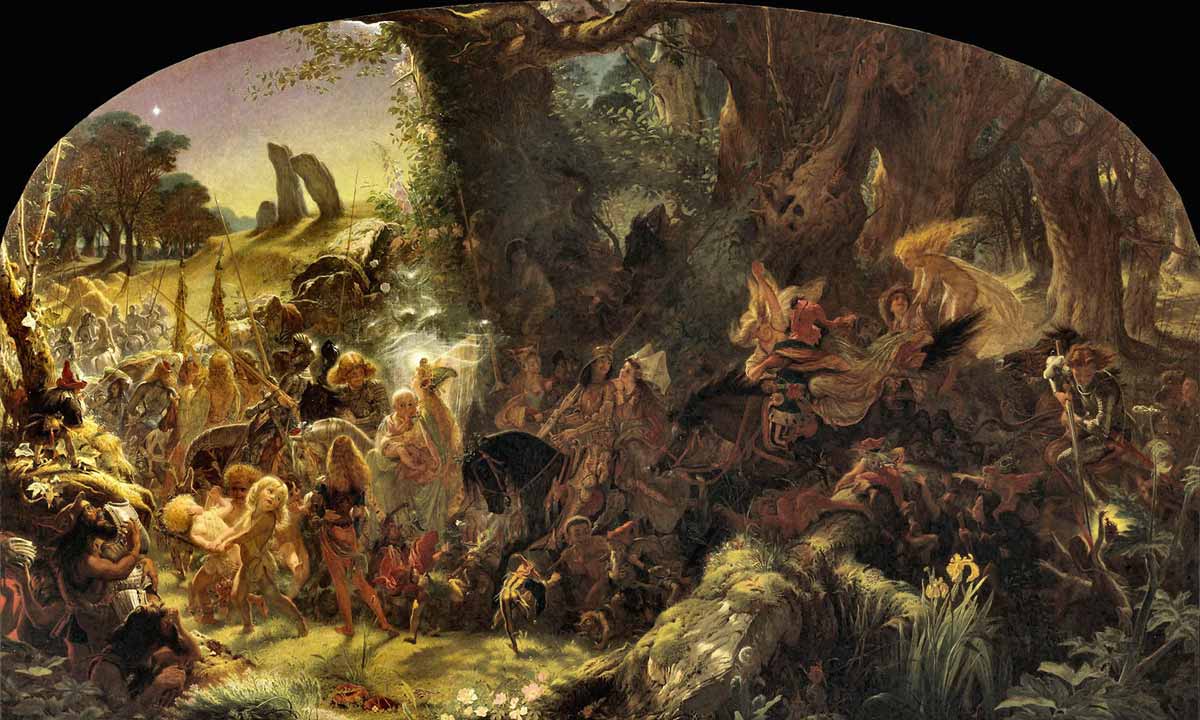
While the Milesians took control of Ireland, the Tuatha Dé Danann could not be entirely exterminated. To prevent endless skirmishes, a treaty of partition was struck. Ireland was split horizontally into two distinct worlds. The Milesians received the surface of the earth, the soil, the forests, the pastureland, and the mortal harvest. The Tuatha Dé Danann were given the subterranean realm beneath the earth, the caverns, deep lakes, and the ancient Neolithic passage tombs. Manannán mac Lir cast the Féth Fíada over his people, a magical glamour that rendered them completely invisible to mortal eyes, allowing them to walk alongside humans undetected. Thus, the Tuatha Dé Danann retreated from the mortal world to live in the shadows.
The Dagda assigned each great lord of the Tuatha Dé Danann their own underground palace within the ancient megalithic mounds, known as sídhe. Over time, they became known as the Aos Sí, or the Fair Folk of Irish legend.
Did the Tuatha Dé Danann Ever Walk Ancient Ireland
The stories of the Tuatha Dé Danann can seem confusing, as they are simultaneously presented as gods and ancestors. It is challenging to know how much of this comes from the original myths and how much was created by the Christian monks who recorded the stories to harmonize them with their own beliefs. For example, connecting many of the invaders with the descendants of Noah.
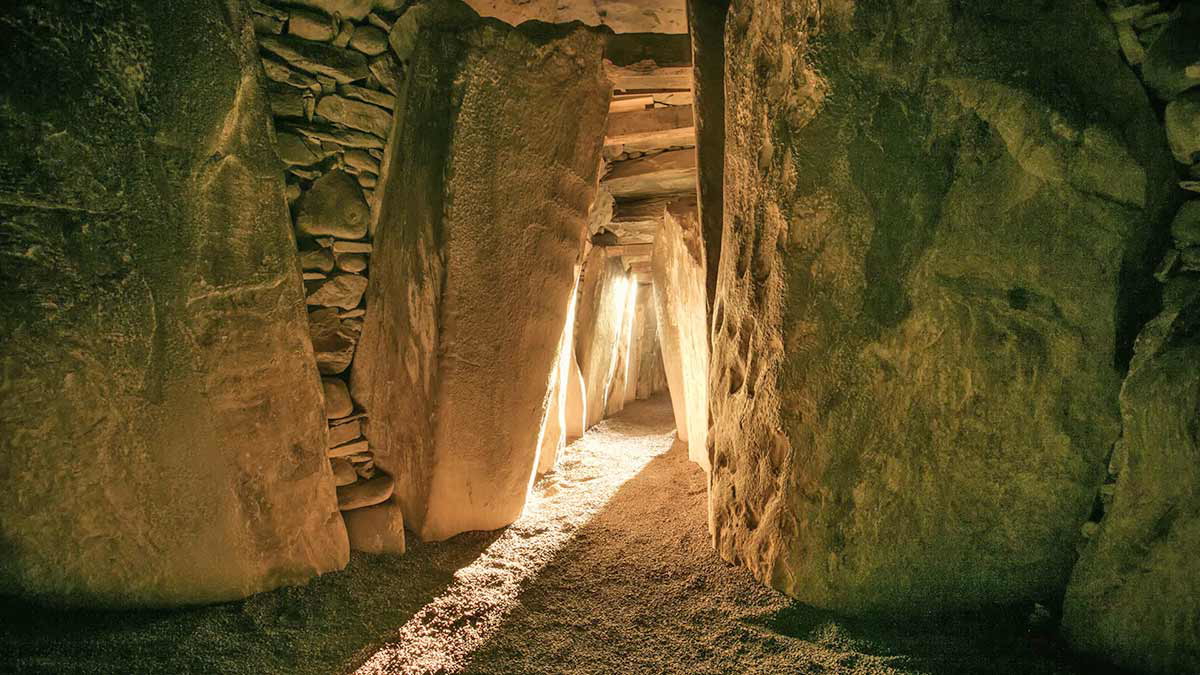
But these stories are not based on nothing. When Celtic peoples settled Ireland in the 1st millennium BC, they found colossal stone and earth chambers built thousands of years earlier during the Neolithic period. The island was clearly previously inhabited. One of the most famous is Newgrange in County Meath, a 5,000-year-old burial monument designed so that the rising sun illuminates the inner chamber on the Winter Solstice.
So, does the story of the Tuatha Dé Danann belong completely to myth? Or does it preserve a grain of truth about the ancient people who lived and died in Ireland before the Celts arrived?