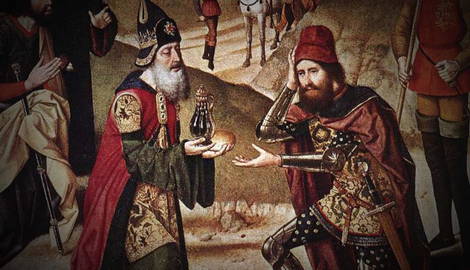

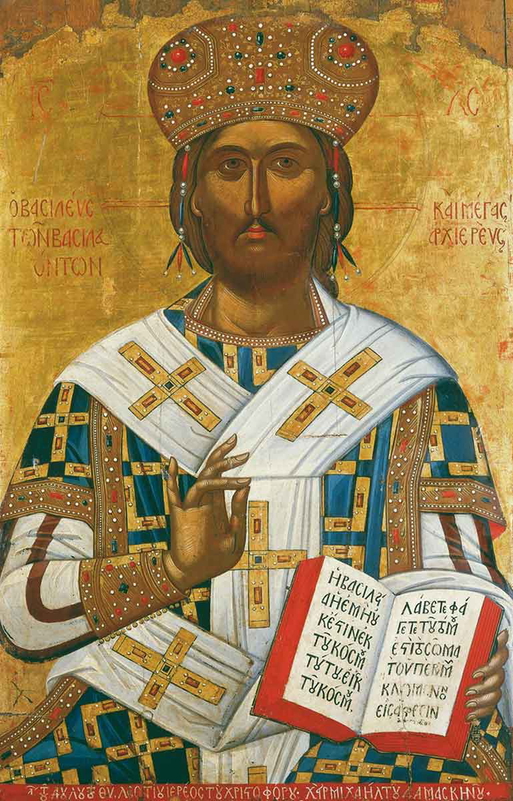
The mystery around the priest-king Melchizedek of Salem is one of the most fascinating details in Biblical history to this day.
He appears as a priest to El Elyon (God Most High) in Genesis and as a “priest forever” in Davidic Psalms. The Book of Hebrews likens him to Christ, and the 11Q13 Qumran Dead Sea scroll found in 1956 states that Melchizedek is a divine judge of God.
The Brief Genesis Appearance of a King Without a Past
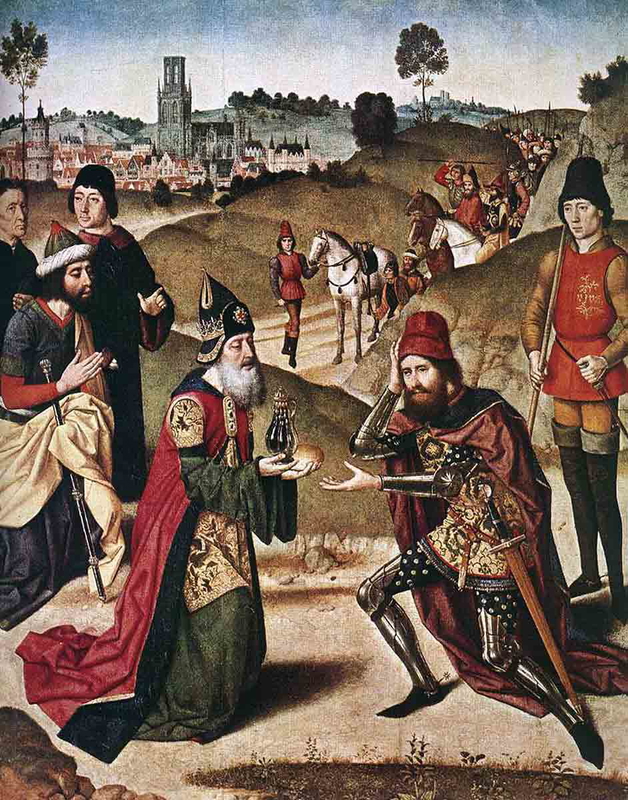
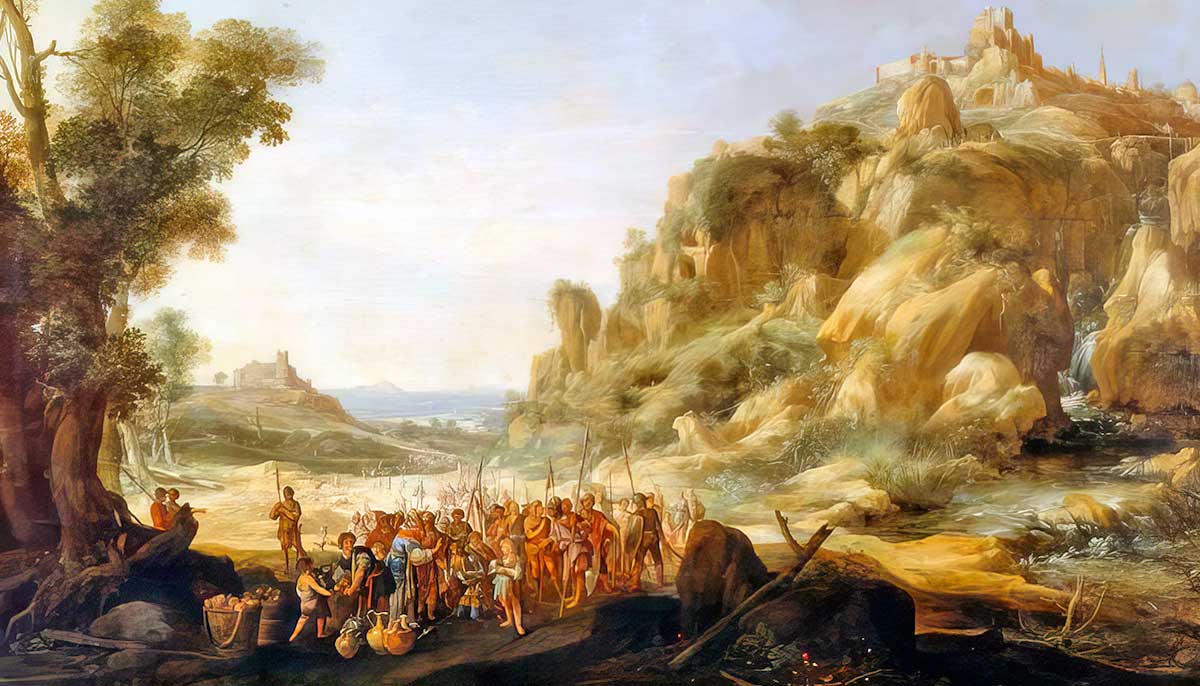
In the middle of an epic battle record between Abram (Biblical Abraham) and the surrounding armies, there are three verses that seem out of place:
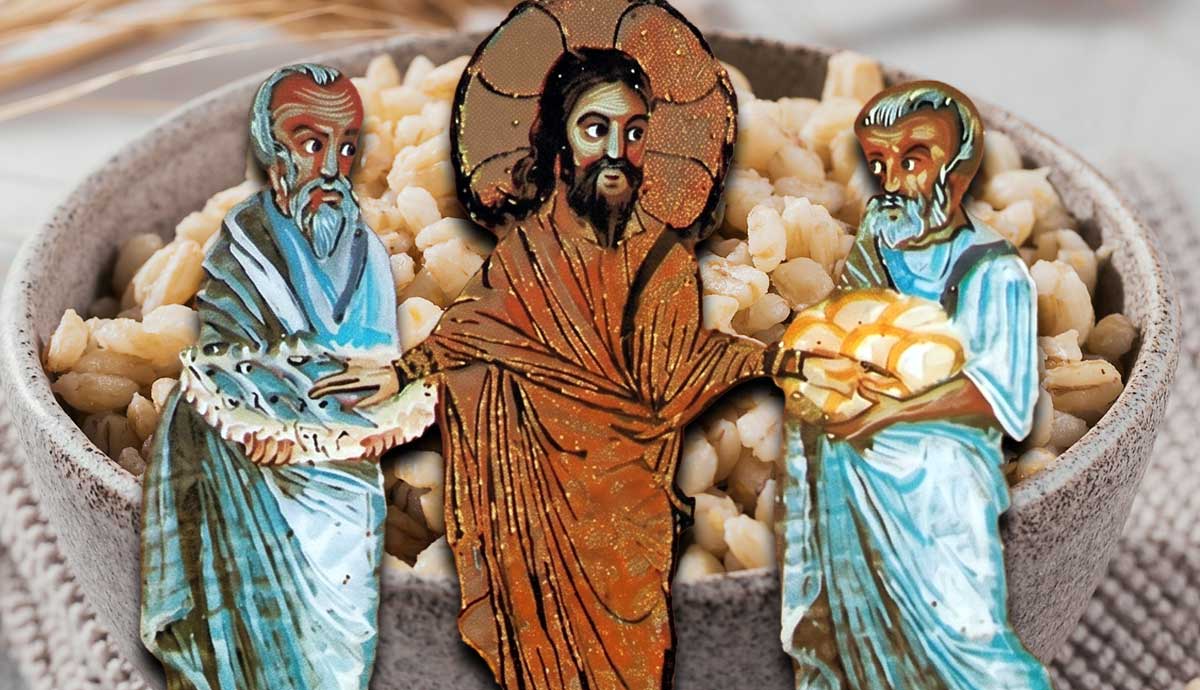
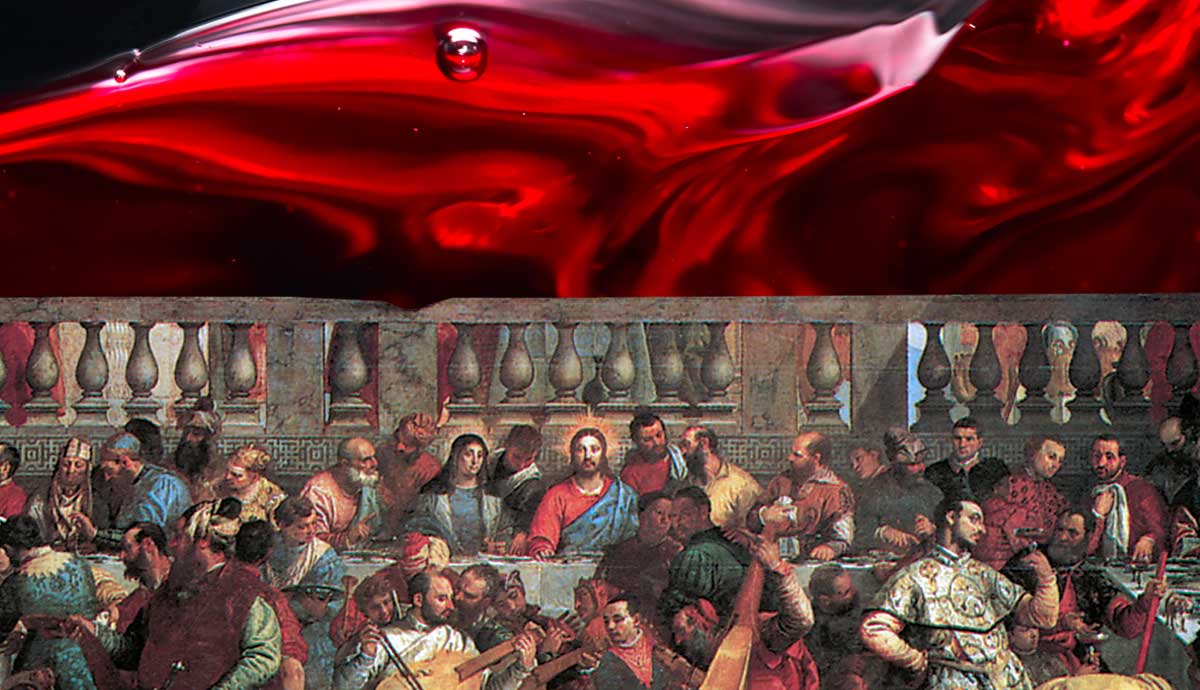
“Then Melchizedek king of Salem brought out bread and wine. He was priest of God Most High, and he blessed Abram, saying, “Blessed be Abram by God Most High, Creator of heaven and earth. And praise be to God Most High, who delivered your enemies into your hand.” Then Abram gave him a tenth of everything.”
– Genesis 14:18-20
What’s fascinating about this is that Melchizedek seems to appear out of thin air. There’s no lineage for him in a Biblical text that is filled with ancestral records (See Heb 7:3). He is also described as a priest of El Elyon (God Most High), and he shares bread and wine (the Eucharist) with Abram. After meeting him, suddenly Abram seems to have godly clarity.
How Melchizedek Signals a Royal Priesthood
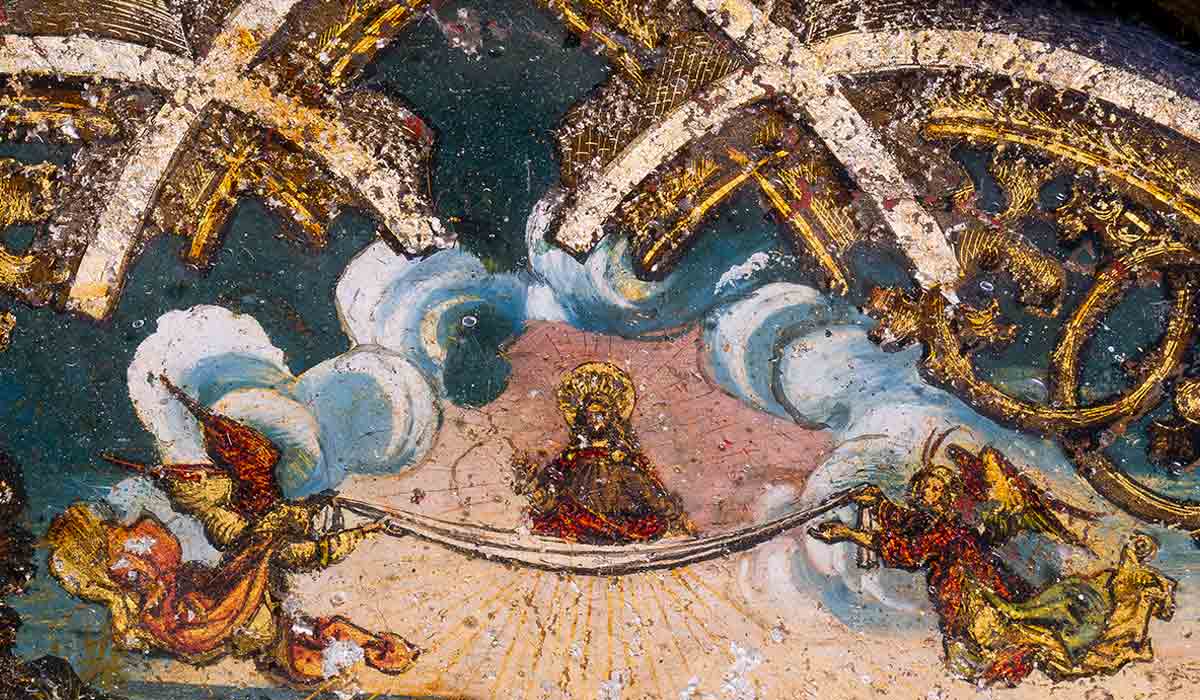
The only other mention of Melchizedek in the Old Testament is in Psalm 110. Here, the author seems to use Melchizedek as a metaphor in his poetic writing:
“The Lord has sworn and will not change his mind: “You are a priest forever, in the order of Melchizedek.”The Lord is at your right hand; he will crush kings on the day of his wrath.” (vv. 4-5)
Psalm 110’s understanding of Melchizedek shows us a few things:
- Melchizedek was a priest from the political and religious capital, Salem (traditionally identified with Jerusalem).
- By blessing Abram, as a priest of God, he took the position of “the greater” (a spiritual authority figure).
- Psalm 110 established a royal priesthood in the line of King David, from which the Messiah would come.
Why the Book of Hebrews Built a New Priesthood Around Melchizedek
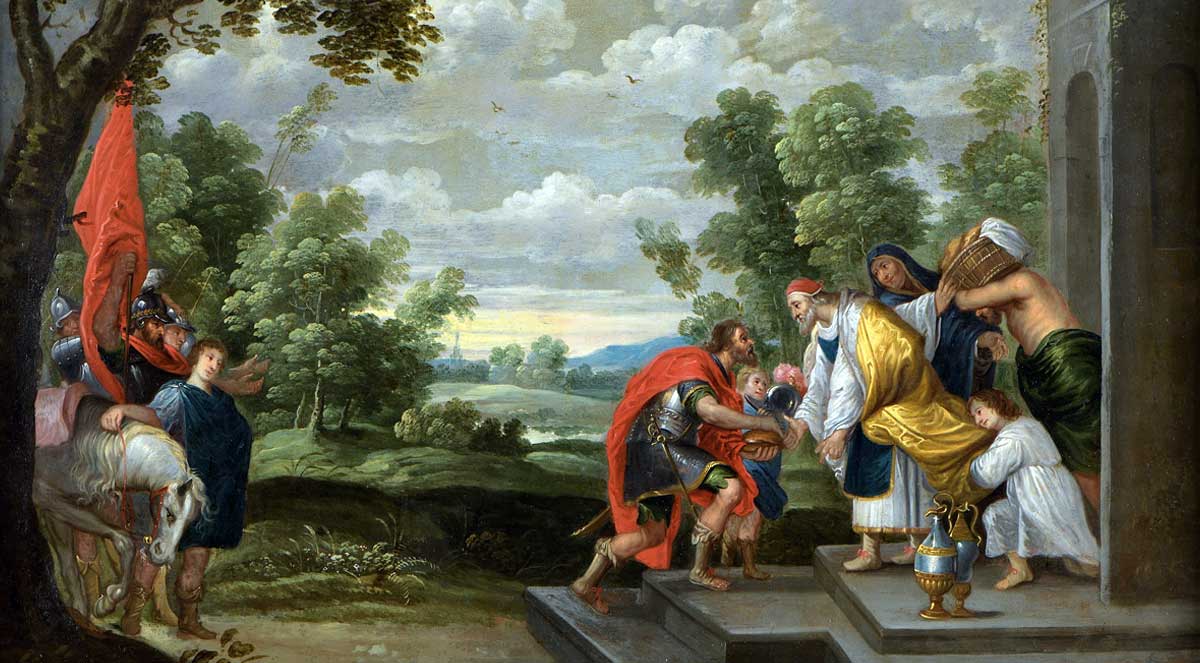
Centuries later, after Jesus Christ walked the Earth, the first Jewish followers of the Way were wrestling with how their new beliefs matched with the Old Testament. The author of Hebrews uses Melchizedek as a way to explain this:
In the ancient Jewish mind, a high priest was needed to make offerings to God on behalf of the people. He was the mediator. Then, in the Christian perspective, that position was filled by someone else:
“[Jesus] has become a high priest forever, in the order of Melchizedek.”
– Hebrews 6:20
The mystery of Melchizedek becomes tangible in the person of Jesus Christ, and the chapters-long argument in Hebrews indicates why “Jesus has become the guarantor of a better covenant” (v.22).
A high priest who is also a king is not a familiar concept, but this helped the initial audience understand the message of Jesus and its impact on their lives.
The Dead Sea Scrolls and the Transformation of Melchizedek Into a Deliverer
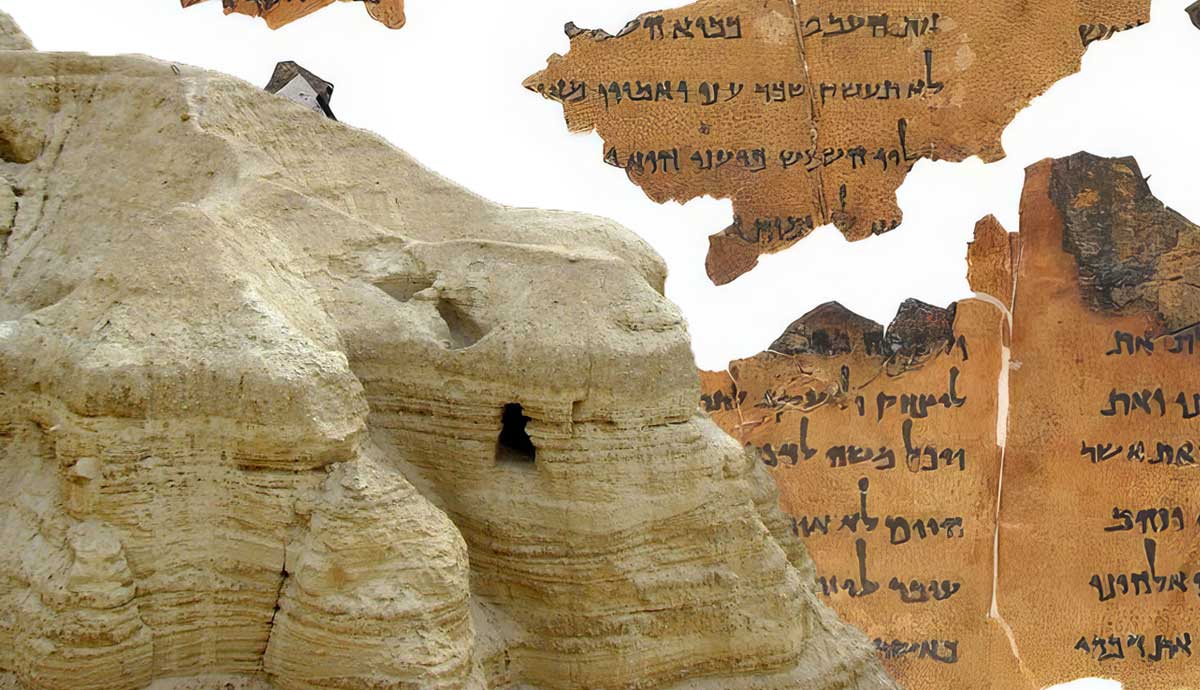
In 1947, Bedouin shepherds traversing the wilderness of Qumran discovered a cave filled with ancient scroll fragments. The Dead Sea Scrolls dating to the Second Temple period contain fragments that have given Biblical scholars important insight into the Qumran community.
Nearly a decade later, in 1956, Cave 11 revealed a scroll that mentions Melchizedek (scroll 11Q13), but it does not echo what Genesis and Psalms say about him.
It is written – at the end of time, Melchizedek will come as a divine cosmic deliverer or archangel, and judge to ultimately defeat Belial (evil). The scroll uses divine language for Melchizedek such as ‘El’ or ‘Elohim’ (God’s name).
The Enduring Mystery of the Ancient Priest-King
To this day, in Roman Catholic churches all around the world, the priest speaks this line with hands extended as part of the Eucharistic Prayer I:
“Be pleased to look upon these offerings with a serene and kindly countenance, and to accept them, as once you were pleased to accept the gifts of your servant Abel the just, the sacrifice of Abraham, our father in faith, and the offering of your high priest Melchizedek, a holy sacrifice, a spotless victim.”
Melchizedek is a seemingly simple character from Genesis who is surrounded by mysterious interpretations that continue to echo through literature, theology, and scholarly debate.