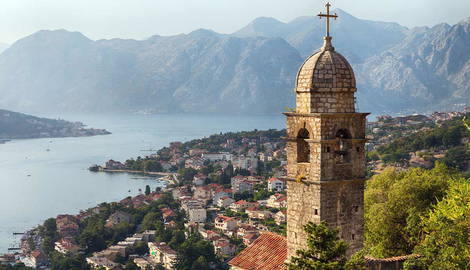
On April 15, 1979, an earthquake in southern Montenegro measuring 6.9 on the Richter scale devastated a host of towns along Montenegro’s Adriatic coast. In the small city of Kotor, the attractive Old Town and its Venetian walls suffered extensive damage. While Kotor received financial support from UNESCO in its rebuilding work, Montenegro experienced further instability with the collapse of Yugoslavia in the 1990s. Discover the history of Kotor and its extraordinary revival as one of Montenegro’s top tourist destinations.
Early History
The city of Kotor is located at the southeastern end of the Bay of Kotor, a secluded inlet on the Adriatic Coast. In antiquity, The Bay of Kotor was originally inhabited by the Illyrians, and the town of Risan at the northern end of the bay served as the base for Queen Teuta, who was known for leading a pirate fleet against the Romans in the late 3rd century BC.
Kotor itself is traditionally associated with the Roman settlement of Ascrivium or Acrivium, first mentioned in 168 BC when the kingdom of Illyria was conquered by the Romans and transformed into the province of Illyricum. Ascrivium was on the Roman road that connected Aquileia in northern Italy to Dyrrachium, present-day Durrës in Albania.
The Bay of Kotor was occupied by the Ostrogoths after the fall of the Western Roman Empire. Shortly after conquering the city, Byzantine emperor Justinian the Great built a fortress on the hill overlooking the city in 535 AD, which was known by the Byzantines as Dekatera. The city remained in Byzantine hands but was sacked by Muslim raiders in the 9th century. The local population took refuge in the hilltop fortress and the city was rebuilt by Slavic lords, who called the place Kotor.
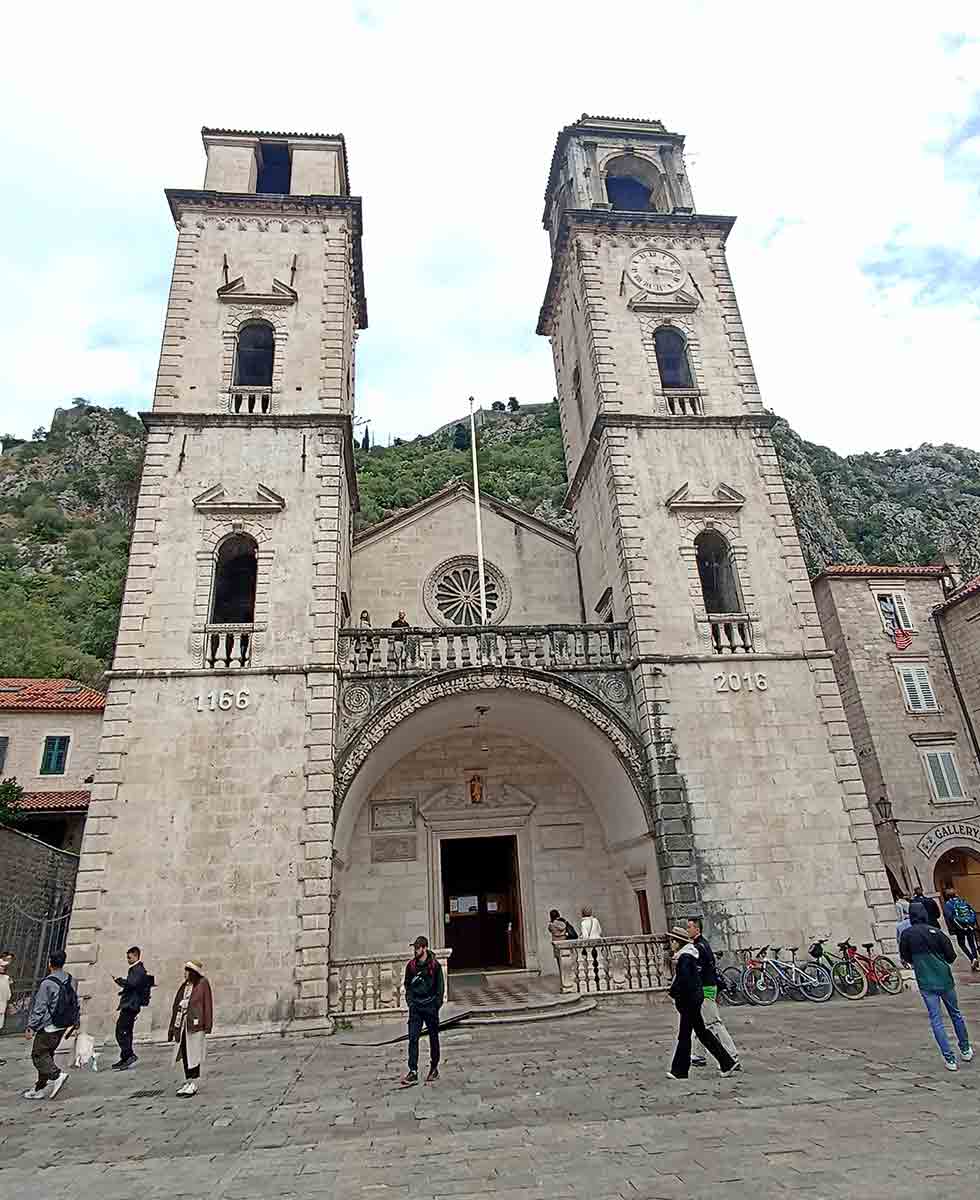
One of the oldest buildings in Kotor is the cathedral of St Tryphon, dedicated to a 3rd century Christian martyr. The first cathedral on the site was built in 809 after the remains of the saint were brought from Constantinople. The present structure was built in the 12th century and consecrated in 1166. After suffering heavy damage during an earthquake in 1667, the Romanesque cathedral was rebuilt with two towers adorning the façade.
The Venetian Golden Age
In the 11th and 12th centuries, Kotor was part of the Serb duchy of Duklja, whose allegiances switched between the Bulgarian and Byzantine empires. In 1185, Kotor was conquered by the Serbian prince Stefan Nemanja, whose son Stefan II Nemanjic founded the kingdom of Serbia in 1217. During two centuries of Nemanjic rule, Kotor was granted considerable autonomy and thrived as the most important trading port within the Serbian kingdom.
In the decades after the disintegration of the Serbian empire in 1371, Kotor changed hands between the Republic of Venice, the kingdom of Hungary, and the kingdom of Bosnia. Although Kotor regained its independence in 1391, the threat from the Ottoman Empire led city elders to seek protection from Venice. In July 1420, Pietro Loredan took possession of Kotor, which was incorporated into the Venetian province of Albania Veneta.
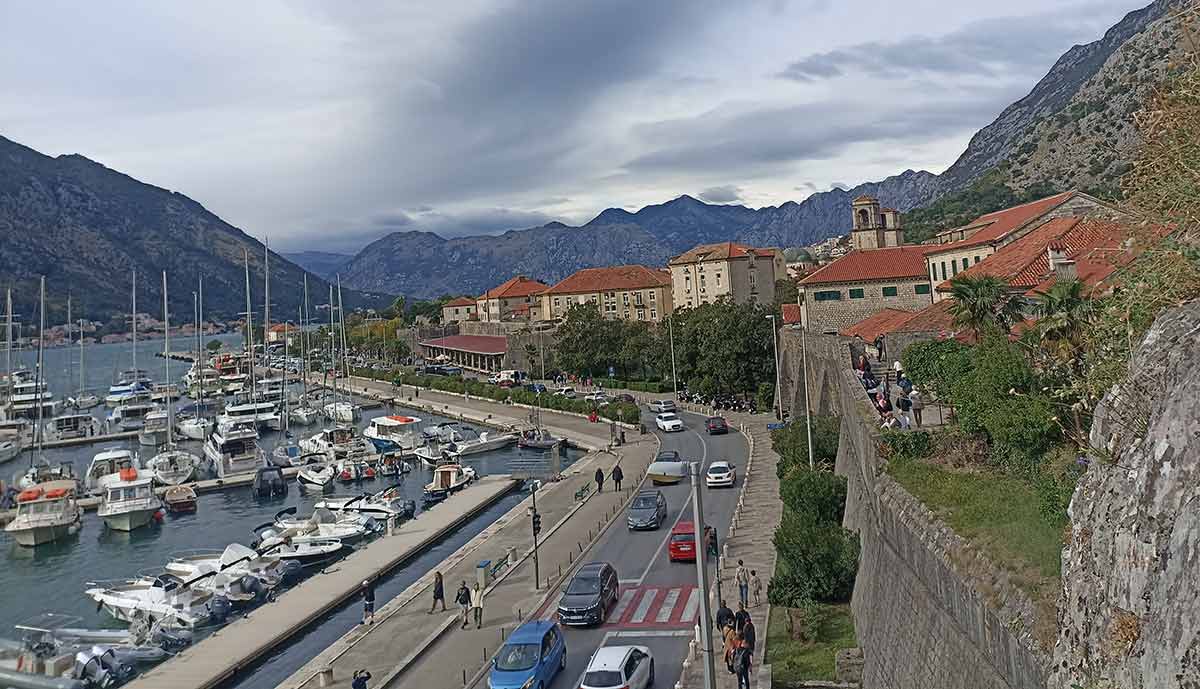
Kotor often found itself at the frontline of hostilities between the Ottomans and the Venetians, but Venetian rule also gave Kotor its iconic fortifications. Kotor’s walls resisted several Ottoman sieges in 1539, 1569, 1572, and 1657. After these walls were damaged by the earthquake in 1667, the Venetians refortified the city and raised fortifications up to the hilltop fortress of St John.
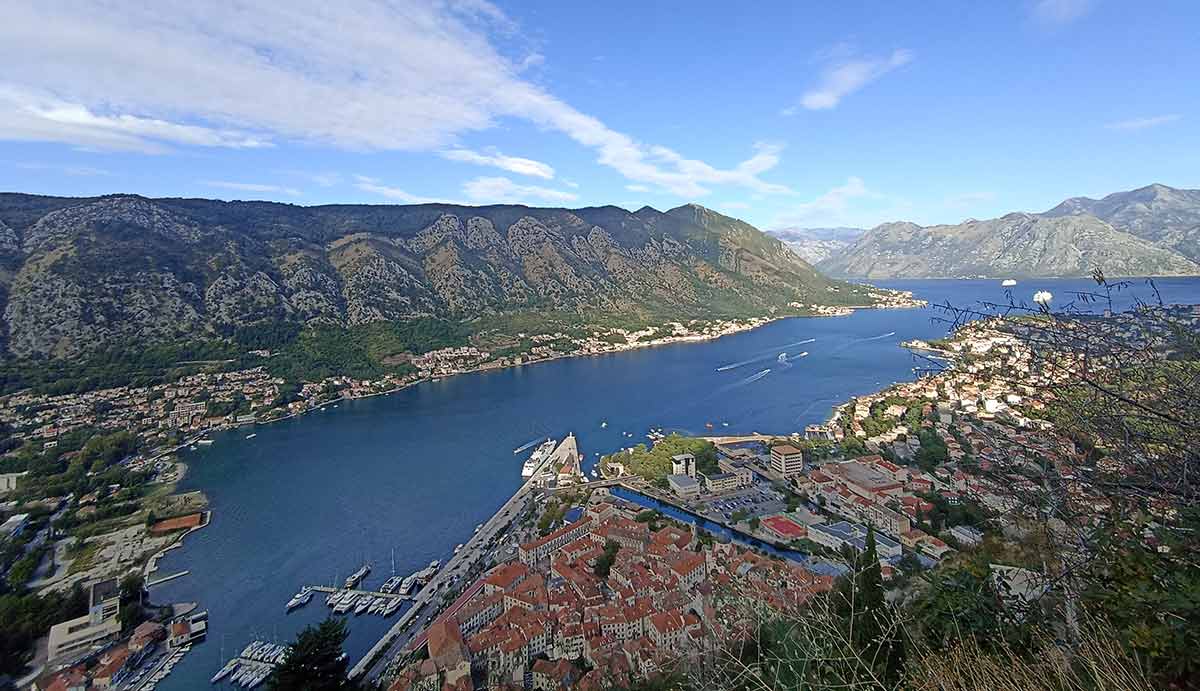
Kotor’s Old Town takes the form of a roughly equilateral triangle, nestled between the foothills of Mount Lovcen to the east, the sea to the west, and the River Scurda to the north. Together with the walls and the Fortress of St John, these natural features made Kotor a formidable defensive bastion, ensuring that it remained under Venetian control for almost four centuries.
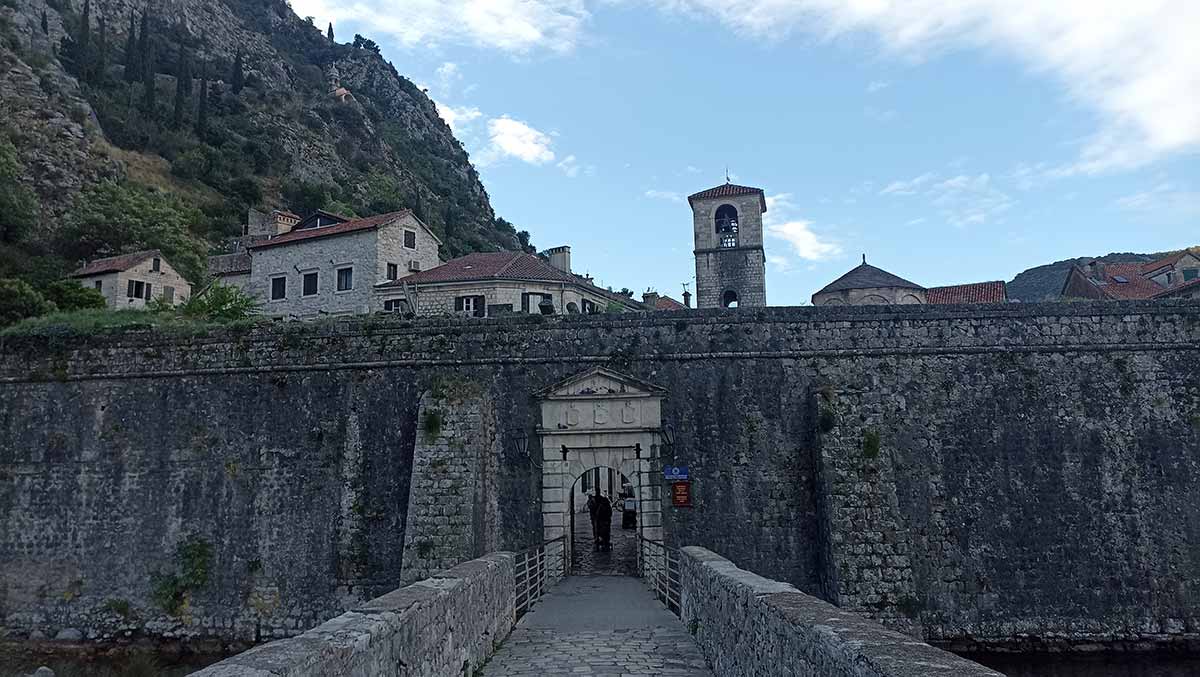
There are three gates built into the walls of the Old Town. At the southern tip of the triangle, the Gurdic Gate leads south towards Budva. The Sea Gate to the west leads to the waterfront and the port of Kotor, while the River Gate to the north leads to a bridge over the River Scurda.
A short distance from the River Gate is the start of a trail known as the Ladder of Kotor. This old mule track consists of dozens of hairpin bends snaking up the southern slopes of the Scurda Canyon. For centuries, the Ladder of Kotor was the only route connecting the Adriatic Sea with the Montenegrin heartland around Cetinje and Mount Lovcen.
Founded in the late 15th century, Cetinje was the capital of the prince-bishopric of Montenegro, a Serbian Orthodox realm that maintained significant autonomy from the Ottoman Empire. Under the rule of the House of Petrovic-Njegos, Montenegro became an independent principality in 1878 and a short-lived kingdom between 1910 and 1918 until it was absorbed into Yugoslavia.
Between Great Empires
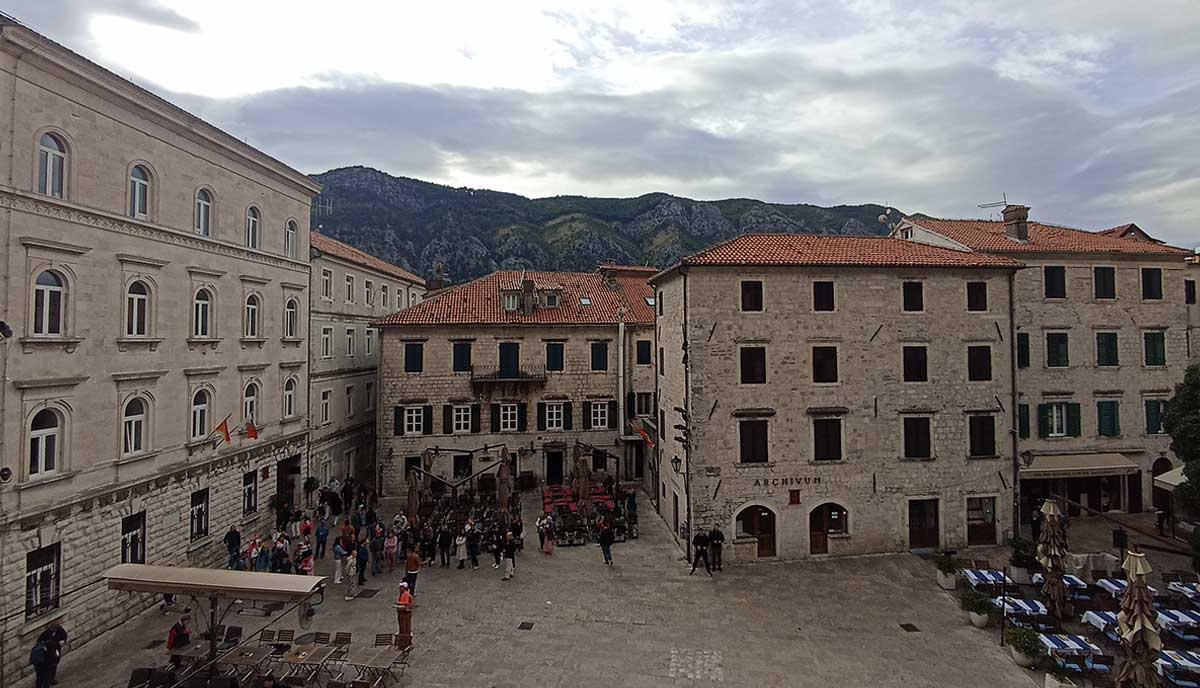
In 1797, the Republic of Venice was conquered by Napoleon Bonaparte. The French revolutionary general used Venice as a bargaining chip in his negotiations with the Austrian Habsburgs, and the Treaty of Campo Formio resulted in the transfer of the Venetian lands to the Habsburg Empire in exchange for Habsburg territories in northern Italy.
In 1805, after Austria was defeated at the Battle of Austerlitz, Napoleon annexed the former Venetian lands to the Kingdom of Italy, a satellite of the Napoleonic empire. Before Napoleon’s men could take possession, Russian admiral Dmitry Senyavin’s fleet occupied Kotor. The Russians were forced to withdraw in 1807 after the Franco-Russian Treaty of Tilsit.
Following an administrative reorganization in 1810, Kotor became directly subordinate to the French Empire as part of the Illyrian Provinces governed from Laibach, the present-day Slovenian capital of Ljubljana. In late 1813, a British naval squadron combined with a small Montenegrin army to besiege the French garrison in Kotor, which surrendered in early 1814. Kotor returned to Austrian rule as part of the kingdom of Dalmatia and continued to be known by its Italian name of Cattaro.
During more than a century of Austrian rule, Kotor expanded beyond the Old Town and became the base of the Austrian Fifth Fleet. The Austrians also built several forts in the mountains above the southern approaches to the city. In 1884, a few years after Montenegro formally obtained its independence from the Ottoman Empire, a modern road known was built to the south of Kotor to replace the Ladder of Kotor as the main road linking Kotor to Cetinje. Known as the Kotor Serpentine, the road contains 25 harpin bends and offers breathtaking views of the Bay of Kotor.
The World Wars
Austria-Hungary and Montenegro fought on opposing sides during the First World War. During the early stages of the conflict, French and Montenegrin forces attempted to attack the Austrian naval base at Kotor but decisively defeated. After Italy joined the Allies in May 1915, Austrian ships from Kotor steamed across the Adriatic to attack Italy’s east coast.
Further inland, the Serbian army had been overwhelmed by the Austrians and retreated into Montenegro in autumn 1915. In January 1916, Austrian forces launched a land invasion of Montenegro from Kotor. The Allied forces were defeated at the Battle of Mount Lovcen between January 7-11, and a few days later Austrian troops marched into Cetinje and forced King Nikola of Montenegro into exile.
While the Austro-Hungarian Navy remained largely intact up to 1917, as the war turned against the Central Powers, sailors in Kotor staged a mutiny in February 1918 which was suppressed within days. At the end of the war, Kotor was garrisoned by a multinational army of occupation under French command.
After the war, Kotor joined neighboring Montenegro in the kingdom of Serbs, Croats, and Slovenes, renamed Yugoslavia in 1929. During World War II, Kotor was occupied by Italian forces between 1941 and 1943. After the fall of Mussolini, the city came under German occupation until its liberation by Josip Broz Tito’s Partisan Army on November 21, 1944. Montenegro was one seven constituent republics of the Federal People’s Republic of Yugoslavia founded by Tito in November 1945.
An Award-Winning Destination
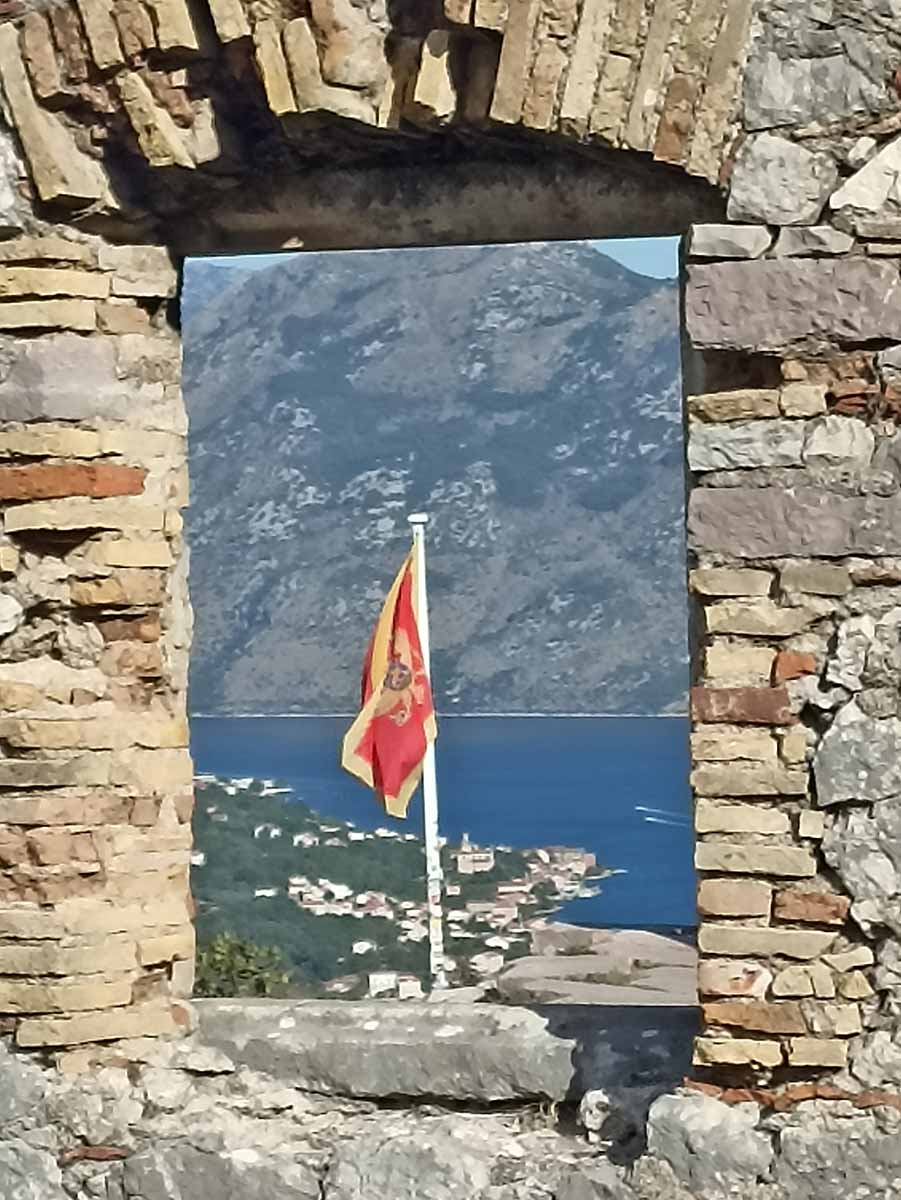
For Kotor, the second half of the 20th century proved to be as troubled as the first. Following the devastation of the 1979 earthquake, rebuilding work was supported by UNESCO, which recognized the Natural and Culturo-Historical Region of Kotor in its World Heritage list later that year.
During the Yugoslav Wars in the 1990s, Kotor served as a major naval base for the Army of the Federal Republic of Yugoslavia, which was reduced to Serbia and Montenegro. Although the town of Kotor saw little direct military conflict, it gained a reputation as a hub for smuggling and organized crime.
While Montenegro initially remained within the union with Serbia, in 1996 Montenegrin prime minister Milo Đukanović broke with Serbian dictator Slobodan Milosevic and began issuing demands for Montenegrin independence. Milosevic’s fall from power in 2000 facilitated the establishment of an independent Montenegrin state in 2006.
The end of the Yugoslav Wars and the rebirth of Montenegro as an independent state has encouraged the revival of Montenegro’s tourism industry. In 2017, Kotor received its second UNESCO World Heritage designation after being included among six locations under the inscription Venetian Works of Defence between the 16th and 17th Centuries: Stato da Terra – Western Stato da Mar.
Alongside the town walls and the Fortress of St John, Kotor’s major attractions include St Tryphon’s Cathedral and the Orthodox Church of St Nicholas. The Maritime Museum of Kotor has three floors of exhibits across three floors of exhibits including ship’s models, navigation instruments, maritime paintings, portraits, and uniforms. The exhibits are built around the collection of the Boka Navy, one of the oldest seafaring fraternities in the world.
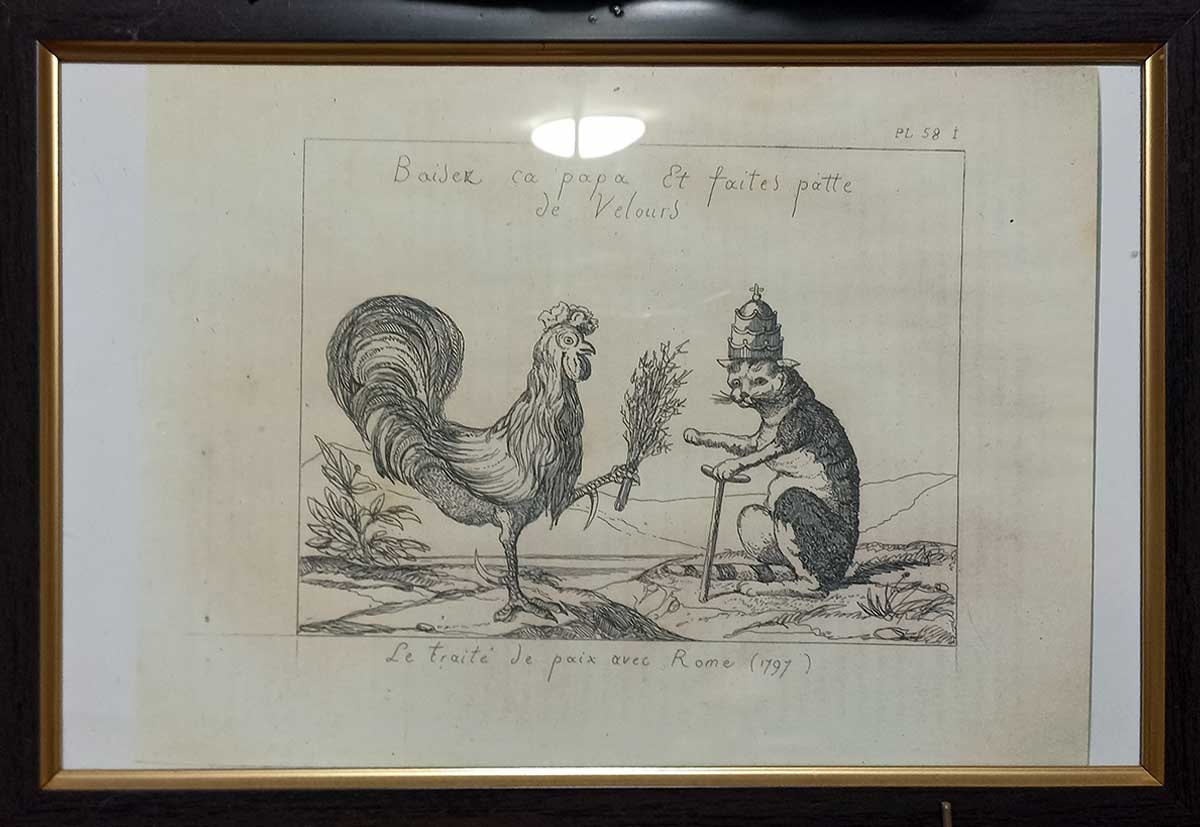
Beyond its historical charm and natural beauty, Kotor is also known for its obsession with cats. Its large feline population roam the streets, fed and cared for by shop and restaurant owners. In addition to several shops selling feline memorabilia in all its various forms, the Kotor Cat Museum consists of two small rooms with its walls adorned with hundreds of pictures and postcards of cats.
Kotor’s rich medieval history and its natural landscape have seen it become an award-winning travel destination. The city won the Lonely Planet “Best in Travel” award in 2016, and in 2024 Conde Nast Traveler named Kotor as “Best City Break.” Although Kotor is less crowded than nearby Dubrovnik in Croatia, the city’s popularity with tourists has contributed to heavy traffic around the Bay of Kotor, while large cruise ships which tower over the Old Town bring an influx of tourists on a daily basis.
While Kotor is the main attraction in the Bay of Kotor, visitors are also encouraged to explore other destinations in the bay. The small town of Perast boasts an impressive array of Baroque palaces, the old Illyrian capital of Risan includes a well preserved mosaic from a Roman townhouse, while Tivat combines centuries of history with modern luxury.