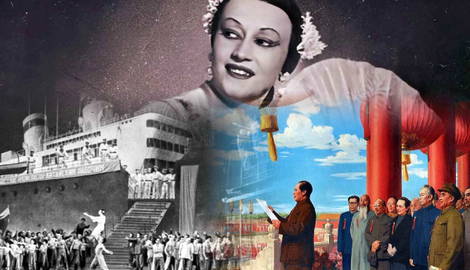

The Red Poppy premiered on June 17, 1927, at the First People’s State Theatre for Opera and Ballet (previously known as the Bolshoi Theatre) to celebrate the 10th anniversary of the October Revolution. The Red Poppy was the first ballet to reflect socialist ideals, depicting the anti-colonial struggles of Chinese workers. While the ballet enjoyed popularity within the Soviet Union, The Red Poppy had an unexpected result when presented to the Chinese delegation visiting the Soviet Union in 1950. The Chinese saw The Red Poppy as a mockery of the 1949 Chinese Communist Revolution, causing a diplomatic scandal between the two countries.
The Bolshoi Theater & The Creation of The Red Poppy
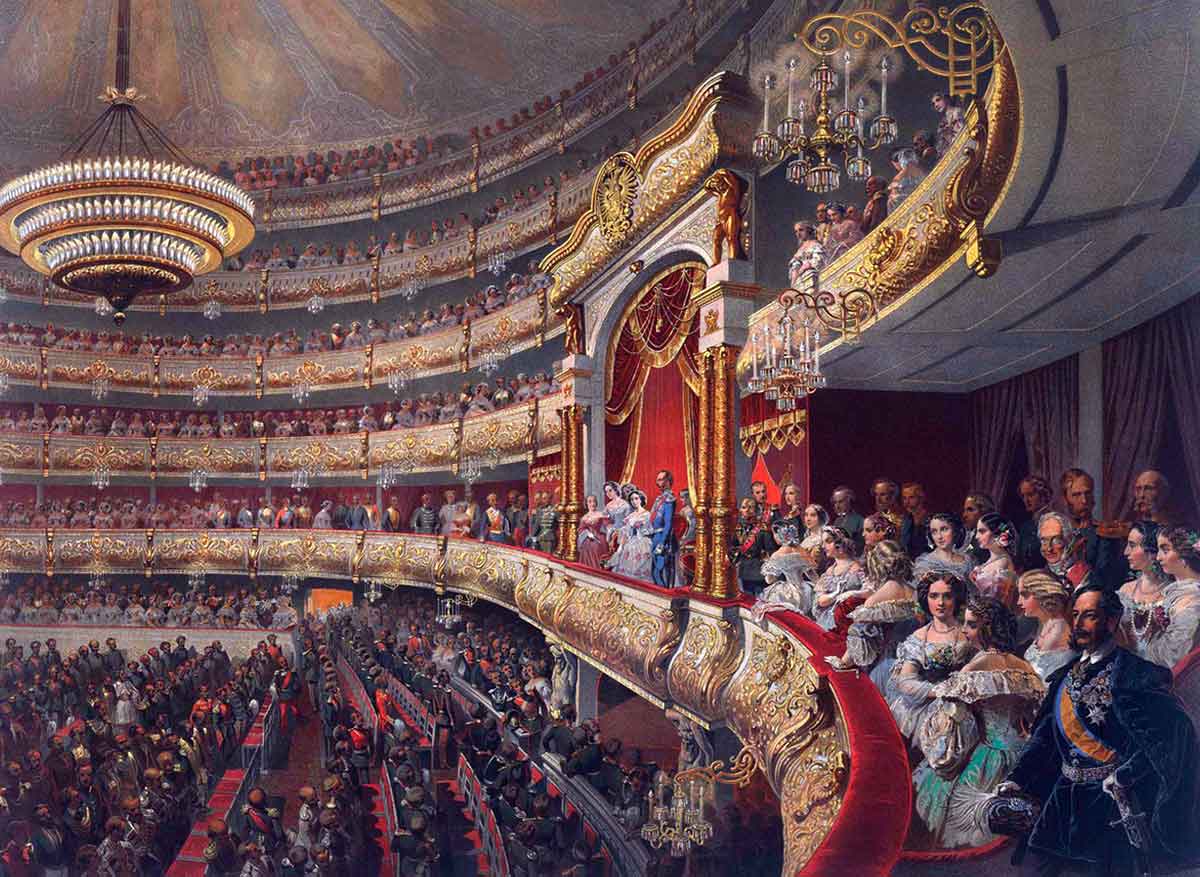
In 1917, the Bolshevik Revolution in Russia demanded not just “bread, peace, and land,” but also the availability of culture to the general public.
In this particular context, the revolution also aimed to transform the imperial theaters, as they were perceived as being only available to the elite members of Imperial Russia—a characteristic that the Soviets sought to eradicate. In particular, for the new regime, ballet “bore the largest quantity of ‘birthmarks’ of the exploitative society. That incontestable fact was preserved in the memory of everyone.”
At the same time, the Soviet government saw in ballet the potential to evolve into an art form that expressed collective ideals of life, cultural progress, and artistic excellence.
Thus, in the early 1920s, the government introduced ballet culture to the masses by subsidizing tickets, thus making the once-exclusive art form accessible to workers and peasants. Yet, the Bolshoi Theater was under the constant threat of closure and needed change to capture the spirit of the Russian Revolution.
In 1925, the Bolshoi Theater was granted permission by the Soviet Union to host a competition for the best modern ballet. Reinhold Glière, a Soviet composer of German and Polish descent, entered the contest with a specific vision. The vision was inspired by the story of a Soviet ship with food supplies impounded in China. Glière saw the news in the state-affiliated publication Pravda.
Librettist Mikhail Kurilko, closely communicating with Glière, wrote a scenario following the constraints and demands of socialist realism. The Red Poppy, an intersection of art and revolutionary ideals, was born out of this collaboration.
The Red Poppy: Chinese Struggle Against Colonialism?
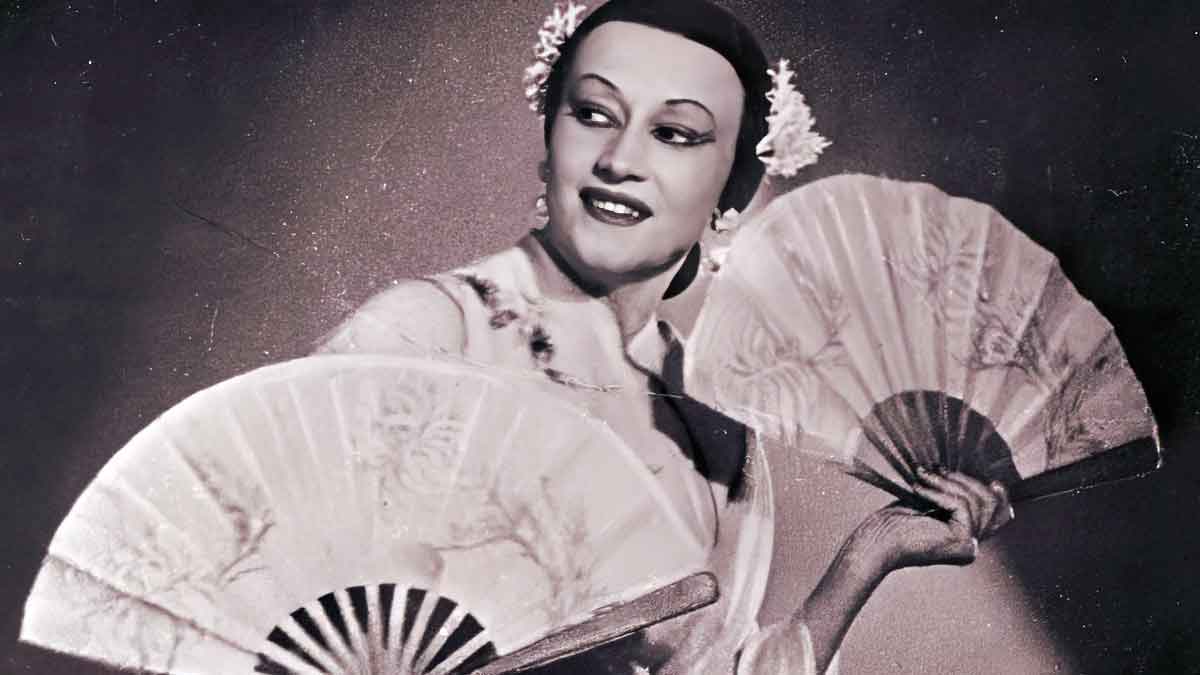
The Red Poppy consists of three acts, eight scenes, and an apotheosis. Acts I and III were choreographed by Lev Lashchiline, while Vasily Tikhomirov choreographed Act II. Reinhold Glière composed the music, and Mikhail Kurilko wrote the libretto.
The action in the ballet unfolds in the port of Kuomintang, China, in the 1920s. The seaport is portrayed as bustling with sailors coming from different countries, including the Soviet Union. The captain of one of the Soviet ships witnesses how the British harbormaster, Sir Hips, mistreats the so-called coolies—low-wage workers, typically of Chinese and Indian origins.
Disturbed by the injustice, the Soviet captain tries to rescue a collapsed worker from the English dockmaster. Taï-Choa, a beautiful Chinese dancer performing for the Englishs at a restaurant nearby, becomes fascinated with the Soviet captain’s efforts and his sense of justice. Taï-Choa gives the captain a red poppy as a symbol of her love, admiration, and youth. The color red also represents revolution and communism. Taï-Choa’s fiancé, the adventurer Li-Chan-Fou, becomes jealous and urges Taï-Choa to kill the Soviet captain. She stubbornly refuses. Tensions escalate into a riot on the dock, resulting in Taï-Choa’s tragic death, symbolizing her sacrifice for the Soviet captain.
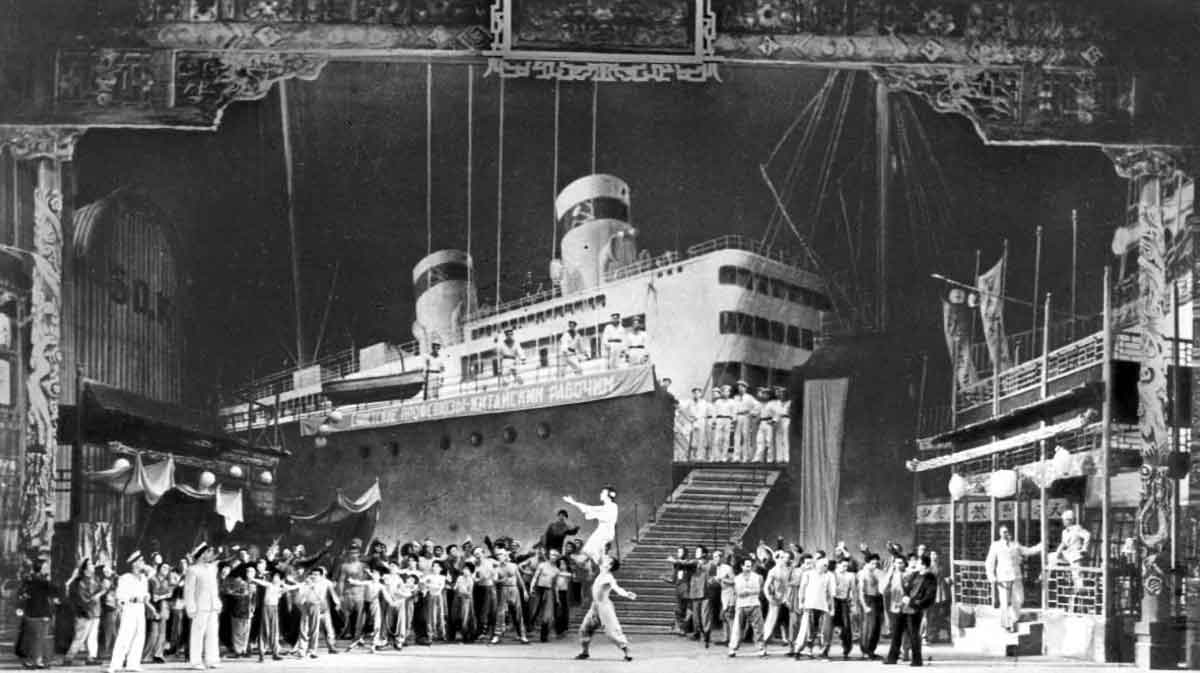
In her final moments, Taï-Choa hands over another red poppy to a young Chinese girl as an emblem of their fight for freedom. The scene concludes with the Chinese coolies joining the Soviet crew, along with sailors from Australia, Japan, and Malaysia, in a happy group dance, symbolizing solidarity against imperialism.
The Red Poppy premiered at the Bolshoi Theater on June 14, 1927, and enjoyed instant success, embodying what the Soviet government demanded: politics, Soviet heroes, and Western villains.
The Red Poppy was performed more than 200 times only within the first year and about 3,000 times throughout the Soviet Union.
Bolshoi Theater’s prima ballerina, Yekaterina Geltzer, received the Stalin Prize, the Order of Lenin, and the Order of the Red Banner of Labor from the Soviet government for her exceptional performance as Taï-Choa.
Glière acquired the status of People’s Artist of the Soviet Union for his conservative style of music, based on folk styles of the various Soviet republics.
Sino-Chinese Relations & Ballet
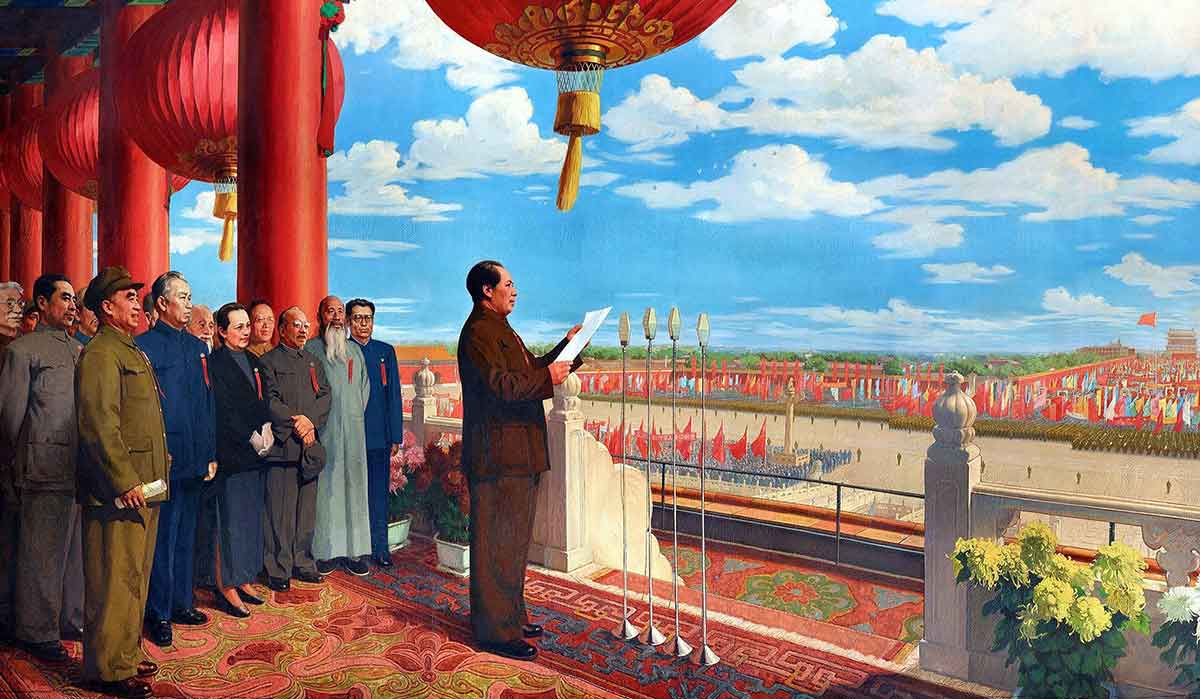
In 1949, on the 28th anniversary of the founding of the Chinese Communist Party, Mao Zedong, the founder of the People’s Republic of China and Chairman of the Chinese Communist Party, published an article entitled “On the People’s Democratic Dictatorship.” The article stated:
In his article, Mao also declared that China should “lean on one side” in its foreign policy to form “an international united front,” publicly declaring its loyalty to and friendship with the Soviet Union.
The People’s Republic of China and the Soviet Union’s cultural interchange was one of the essential components of the “leaning to one side” policy. It encouraged 20,000 Chinese to travel to the Soviet Union for training in a variety of professions. In exchange, 10,000 Soviet specialists would be sent to China for the same purpose.
Ballet was given political importance between the two communist nations since it was also part of the cultural exchange. The Soviet Union dispatched its famous ballet dancers to China to instruct the next generation of Chinese ballet dancers.
To implement his new foreign policy approach, Mao embarked on a journey to the Soviet Union on December 6, 1949. It was one of only two times in his life that Mao left China. The second time Mao Zedong left China was in 1957, again to visit the Soviet Union to celebrate the 40th anniversary of the Russian Revolution.
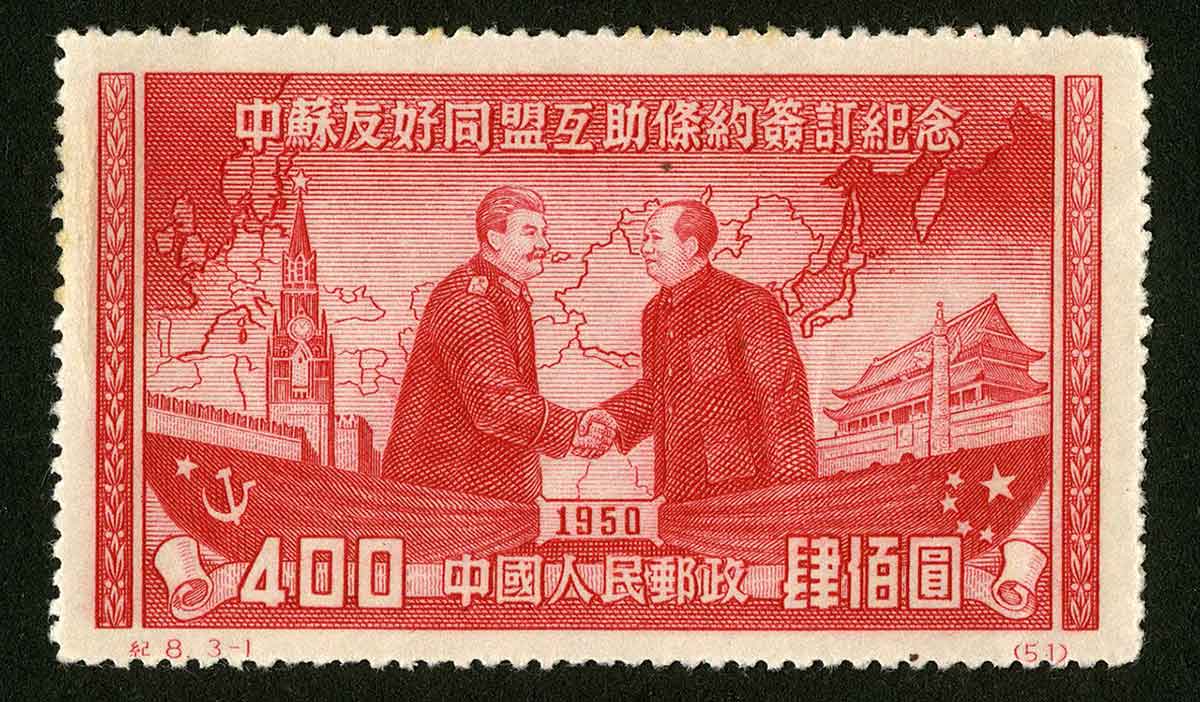
However, upon Mao’s arrival in Moscow in December 1949, tensions between the People’s Republic of China and the Soviet Union were high. While both were communist countries, Mao sought a more nationalistic approach, which clashed with Joseph Stalin’s internationalism and his idea of forming a global communist movement. Stalin perceived communist China as a potential ally in this regard. Mao, however, refused to simply follow the Soviet Union and planned to assert China’s dominance in the Asian region. In the wider context of the Cold War, this ideological divergence threatened Soviet influence in Asia, contributing to escalating tensions between the two countries.
Even though Stalin greeted the Chinese leaders on his day of arrival to Russia, intensive negotiations between the USSR and China stretched for nearly two months, forcing Mao to remain in the Soviet Union until February 1950.
These negotiations culminated in the “Sino-Soviet Treaty of Friendship, Alliance, and Mutual Assistance,” signed on February 14, 1950 in Moscow. The Treaty of Friendship marked a historic alliance, symbolizing mutual trust and cooperation between the two largest communist countries. It granted the People’s Republic of China military and material support from the Soviet government, while the Soviet Union received economic privileges in Asia, including access to vital natural resources as well as trading opportunities with China.
Sino-Soviet Diplomatic Scandal
Despite the initial success of The Red Poppy, by the 1930s, the flame of its popularity had died down as it was not resonating with the geopolitical context of that time. However, in 1949, the Chinese Communists won their long struggle against the Nationalists. Along with Mao Zedong’s new foreign policy approach of “leaning on one side,” the ballet was revived in the Soviet Union once again.
The Soviet government made various changes to the original plot to appeal to the visiting Chinese delegation. In the new version, the beautiful Chinese dancer, Taï-Choa, falls in love with a Chinese laborer, not the Soviet captain. However, the spirit of the performance remained the same: the Soviet Union was represented as bringing enlightenment to the Chinese workers, positioning itself as the revolutionary guide.
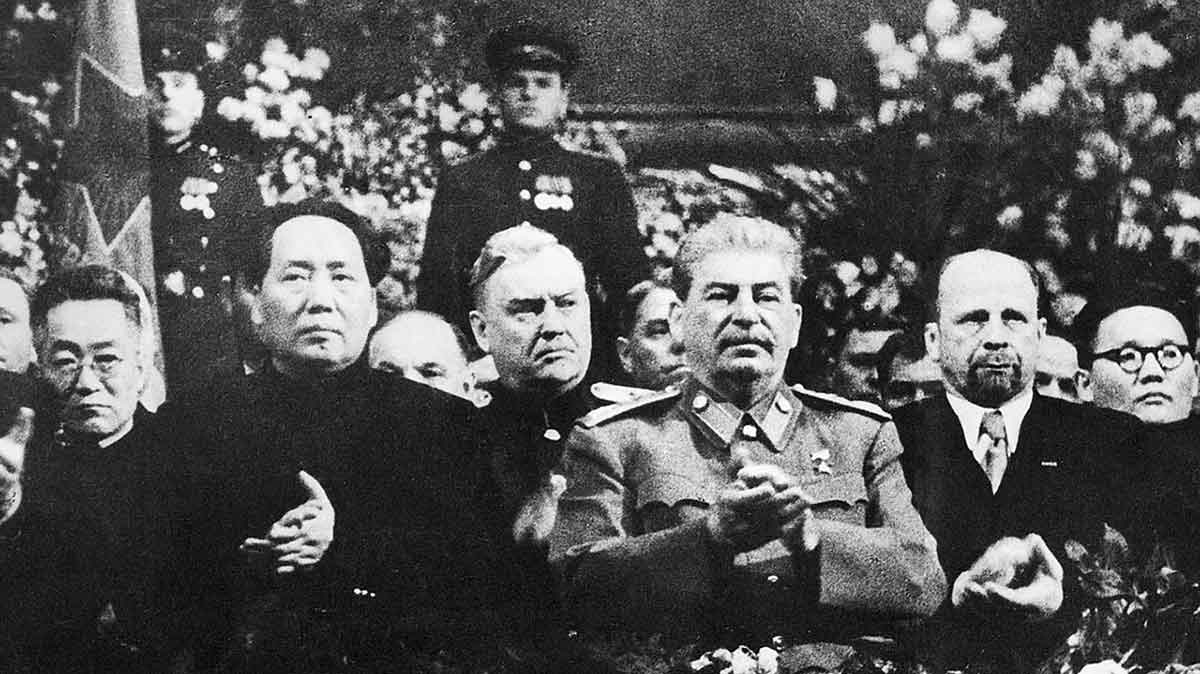
Mao Zedong and the rest of the delegation were invited to the Bolshoi Theater to attend The Red Poppy during their visit to Moscow in February 1950. However, Mao Zedong declined. Reportedly, he was advised against it by the wife of the Chinese Ambassador to the Soviet Union, who attended the rehearsal beforehand and perceived the ballet as degrading the importance of the communist revolution in China. Mao then notified the Russian interpreter that he found the ballet offensive.
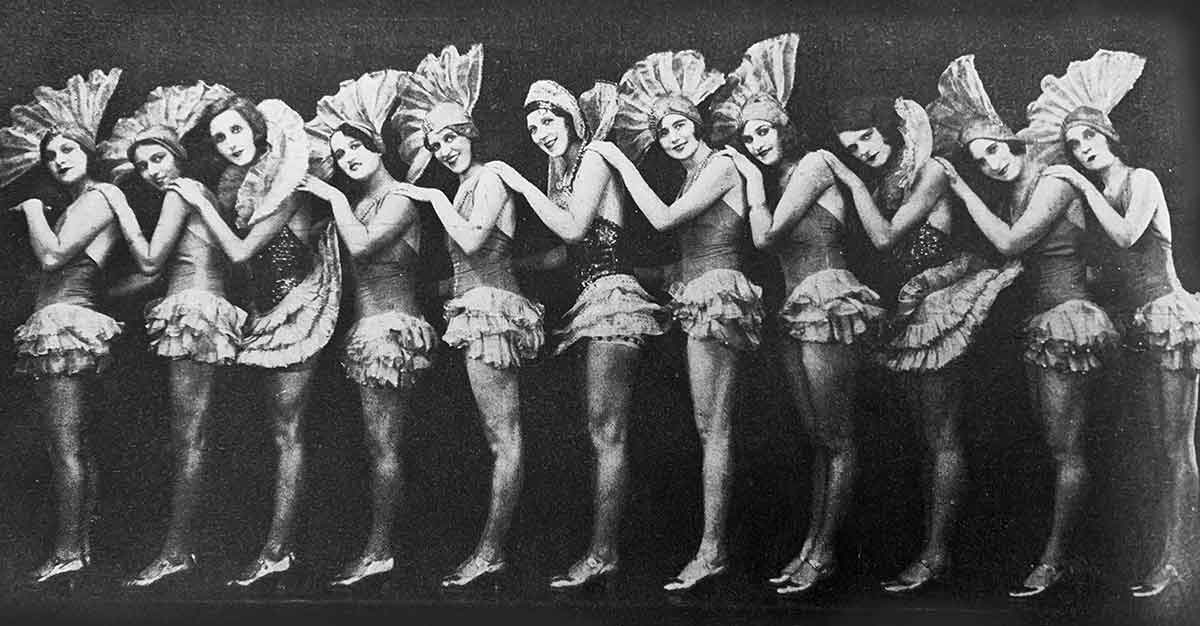
Particularly, the Soviet portrayal of Chinese dancers in yellow paint (a practice akin to blackface) was perceived as racially insensitive and disrespectful. Additionally, even though in the modified performance, Taï-Choa no longer smoked opium to fall asleep, the name of the ballet, The Red Poppy, was still associated with the opium made from the poppy flowers, thus reopening the wounds of the Opium Wars.
The first Opium War was fought between China and Great Britain from 1839 to 1842. In the second Opium War of 1856-1860, China fought against Great Britain and France. In both instances, China lost and was forced to cede its territories to the British Empire. The subsequent treaties became known as the “unequal treaties” and were considered one of the most humiliating parts of Chinese history.
Additionally, one of the characters wore a queue (a long, braided pigtail). The hairstyle had been banned in China since 1912 as a symbol of the subjugation to the Manchu conquerors of the 17th century. The Chinese delegation viewed the detail as reinforcing an outdated image of the Chinese people and disrespecting their historical struggles.
On a positive note, Mao Zedong did attend another famous ballet, Swan Lake, which he reportedly enjoyed.
Resonance of The Red Poppy
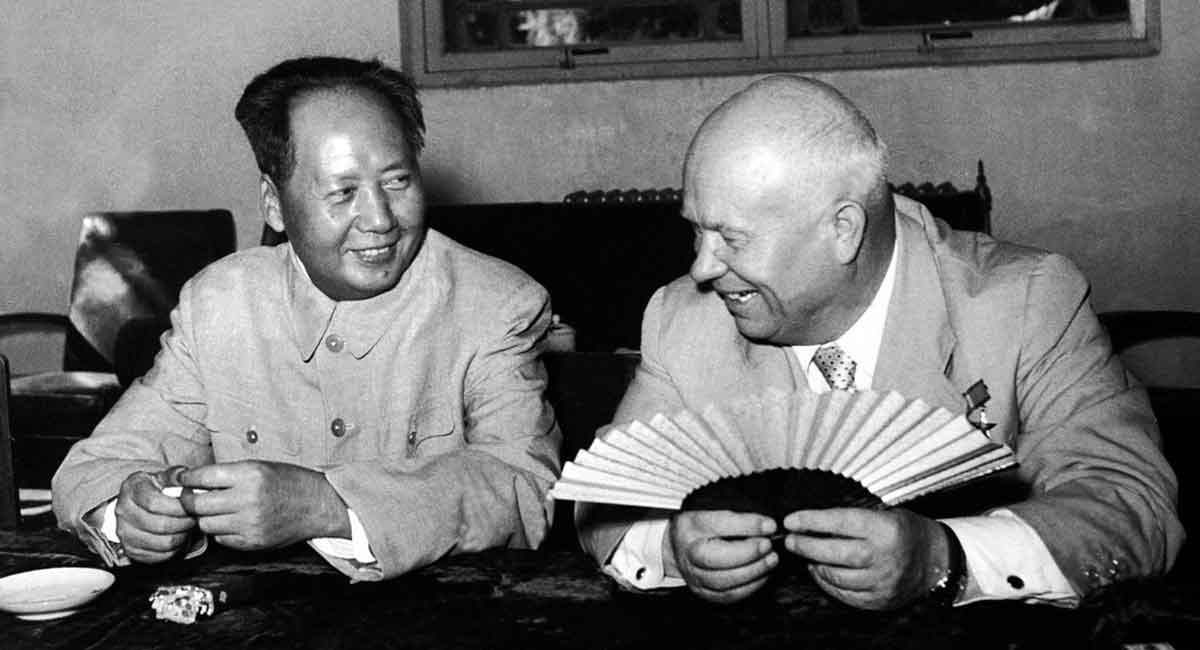
For the Chinese delegation, The Red Poppy reflected the colonial attitude of the Soviet Union towards the newly established People’s Republic of China. The ballet was in contradiction with the newly born Chinese national pride, China’s sense of independence, and its aspirations for equality on the global stage.
The diplomatic disturbances The Red Poppy caused are a clear illustration of how the tools of “soft power” can bear the opposite results. Instead of enhancing cooperation between the two communist allies, it became a source of tensions between supposedly friendly socialist nations.
In 1957, the Soviet government changed the ballet’s original name to The Red Flower, hoping to avoid all mistaken associations with the opium trade. Though, by this time, Sino-Soviet relations were already strained. Nikita Khrushchev’s policies of de-Stalinization and attempts to thaw relations with the West created an ideological and political gap in Sino-Soviet relations. Once again, in 1958, the title of the ballet was changed back to The Red Poppy. This small cultural shift reflected a more rooted ideological and political split between the Soviet Union and the People’s Republic of China, affecting the global politics of the Cold War.