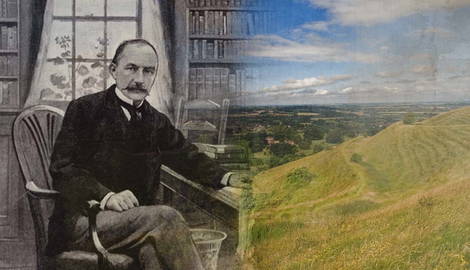

Like Charles Dickens and London, or the Brontës and Yorkshire, Thomas Hardy is one of those authors who is indelibly associated with a place: Wessex, the area of south-west England he memorialized in his novels. Hardy remains one of the best-loved authors in English literature. His elegiac treatment of country life has become woven into English history, despite his frank approach to some topics which shocked readers at the time and can still do so today.
Hardy’s Beginnings
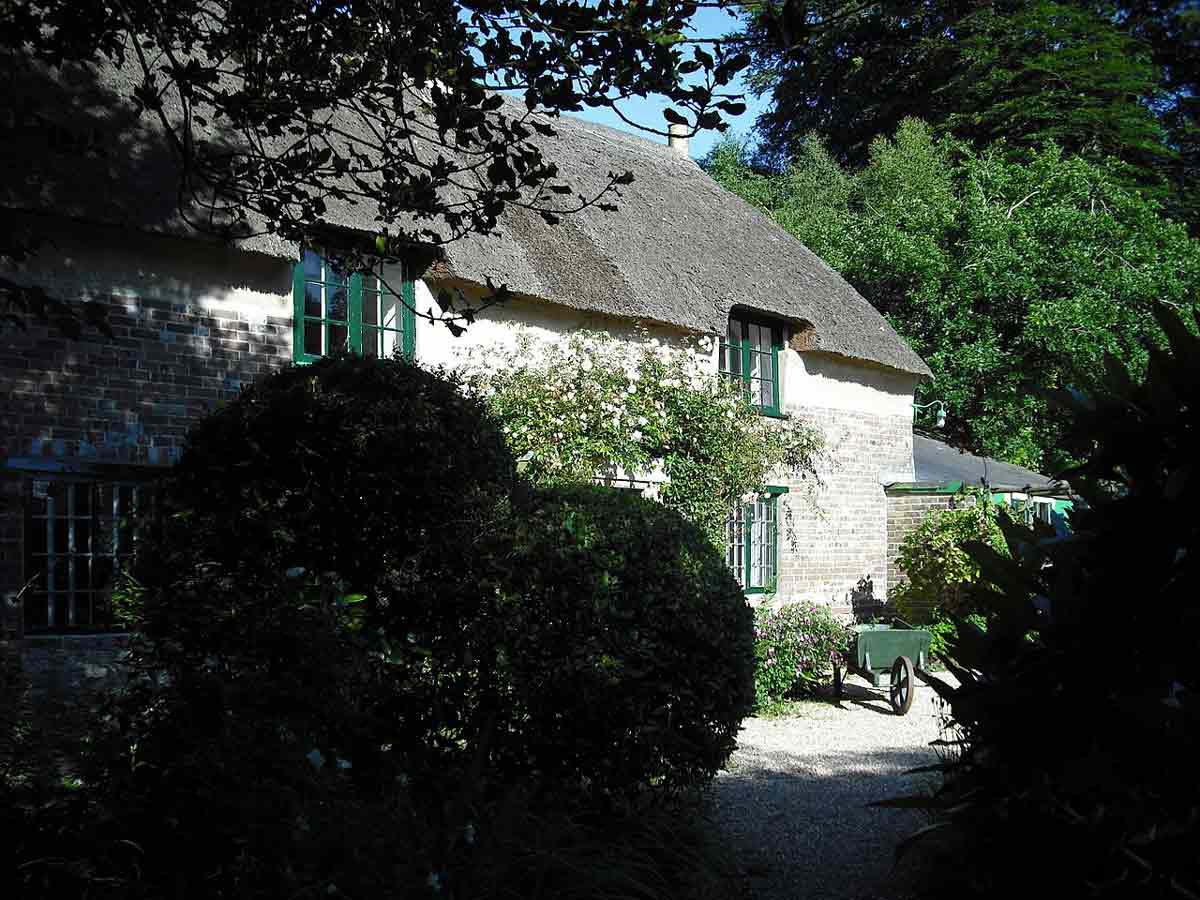
Although Wessex, the setting for most of Thomas Hardy’s novels and short stories, covered a vast swathe of southwest England, Hardy is particularly associated with the county of Dorset, where he was born in 1840.
At this time, such a rural area would have felt worlds away from the rapidly industrializing city centers of London and Manchester. As a boy, Hardy walked several miles a day to go to school in Dorchester, and his family lived in a thatched cottage on the edge of a vast heath. The local community was tight-knit, with a strong oral culture, where people mostly congregated around village pubs and churches.
Hardy learned to read at a young age and was interested in pursuing a career as a writer, preferably a poet. At mid-century, poetry could still have been considered a dominant form of literary production, just as widely read as novels, although the three-volume novel was rising in popularity and would prove far more lucrative for authors. However, since Hardy came from a humble background, pursuing any kind of literary career was risky, so he looked into a couple of alternative options.
First, Hardy thought of entering the church. He had been interested in ecclesiastical life from a young age, especially religious music. He had been taught the violin by his father, who played in the local parish music group. Church and village music-making would feature in a few of his novels, most prominently in Under the Greenwood Tree, published in 1872.
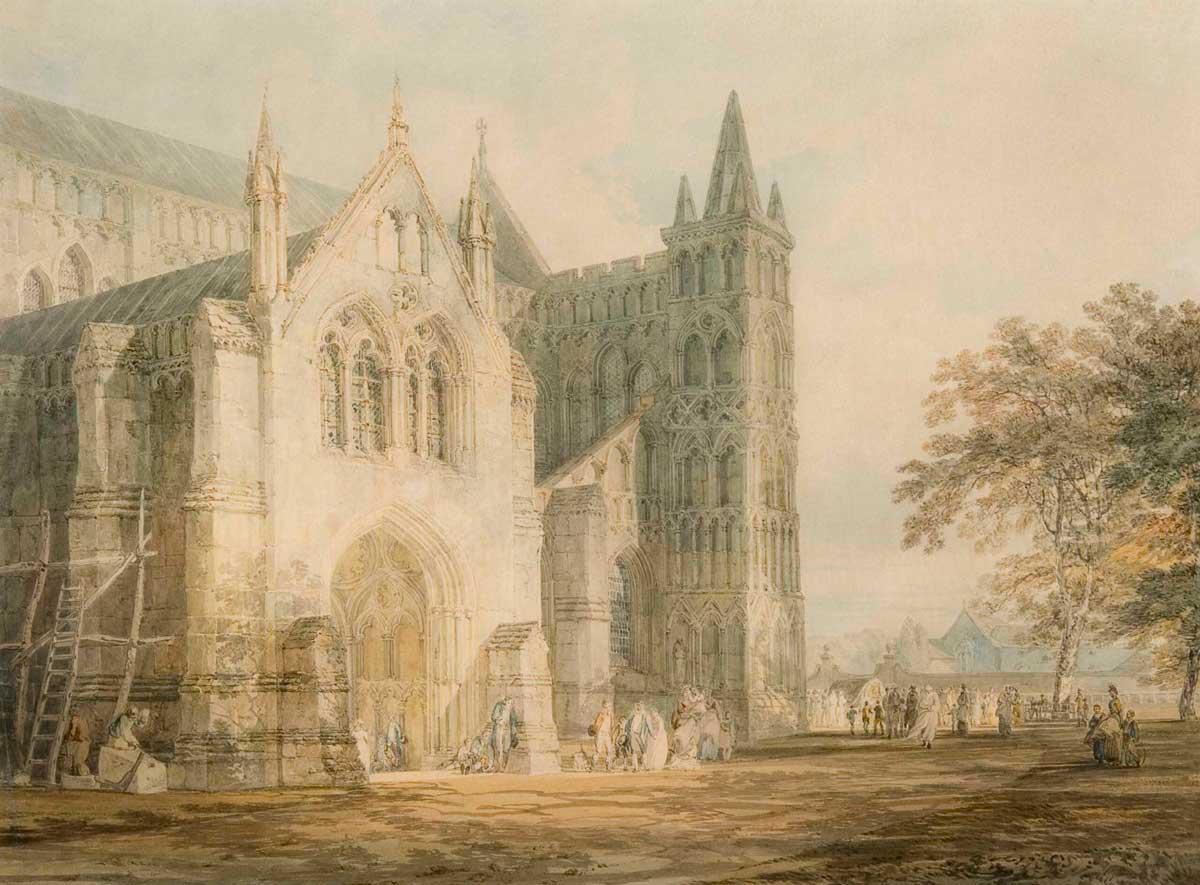
Hardy’s family, however, urged him towards architecture, and he worked for several years as an apprentice to an architect whose work involved a lot of church restoration. This work also influenced Hardy’s writing. He felt that much of this “restoration” was actually about destroying old monuments, and his novels are suffused with an idea of what country villages might once have been like. Hardy’s architectural career continued into his twenties, including a stint at a firm in London. However, by now, he was also devoting himself to writing novels.
What – And Where – Was Wessex?
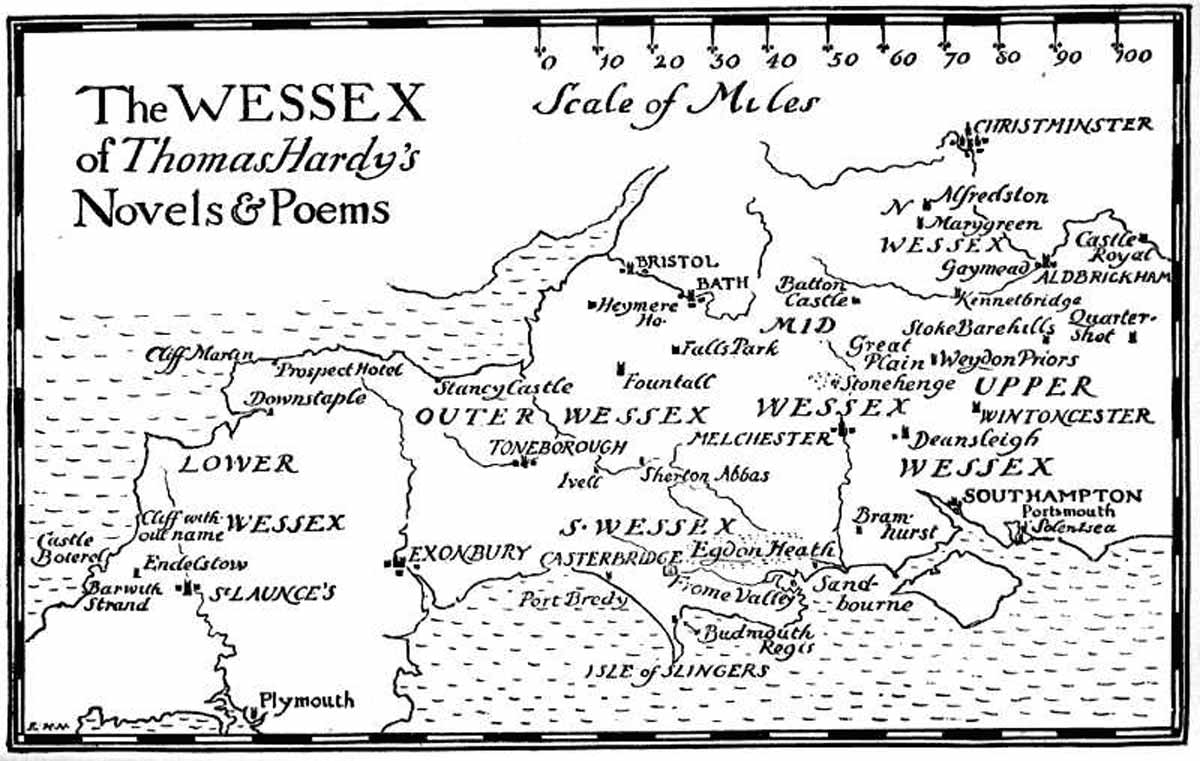
In a preface to Far From the Madding Crowd (1874), his fourth novel and his first major success, Hardy writes about his invention of an area called Wessex. Drawing on his upbringing, he wanted to write a series of novels with the same countryside setting. He did not want to confine himself just to his native Dorset, though, nor did he want to completely invent somewhere loosely based on this county. So, he landed on an approach halfway between realism and fantasy. Looking to “the pages of early English history,” he took the name of an “extinct kingdom,” Wessex, and transplanted it to Victorian England.
Wessex, in Hardy’s fiction, extends as far as Plymouth to the southwest, and to the northeast, Christminster, his fictionalized name for Oxford in Jude the Obscure (1895). It is a modern land, with “railways, the penny post, mowing and reaping machines, union workhouses, lucifer matches [mass-produced matches in boxes], labourers who could read and write, and National school children.” At the same time, its olden-time name grants it a feeling of pre-industrial simplicity and distinguishes it from any real locations Hardy might have used as inspiration.
What Hardy referred to as a “merely realistic dream-country” became, through his fiction, as real to readers as the actual towns and villages of southwest England. Thanks to his rendering of country life in his novels, readers could refer to typical “Wessex peasants” or “Wessex customs.”
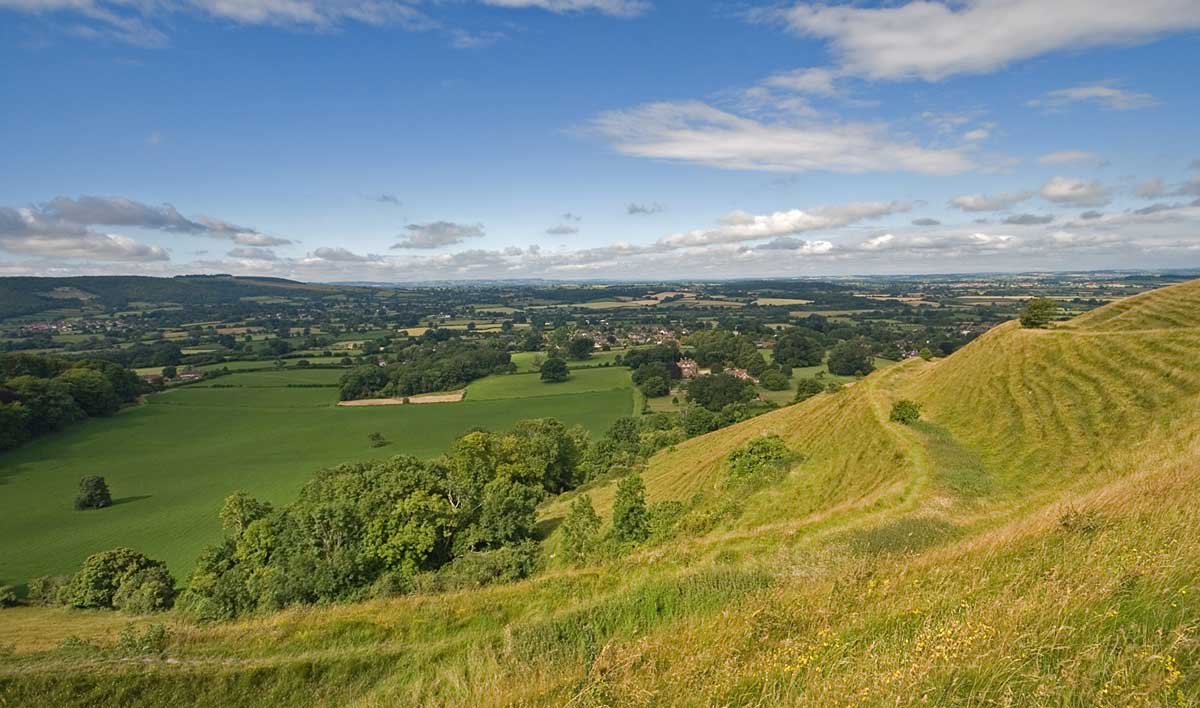
From Far From the Madding Crowd onwards (although Under the Greenwood Tree, a couple of years earlier, had been set in a yet unnamed Wessex), Hardy’s novels portrayed characters from humble backgrounds working in rural professions. There is a reddleman in 1878’s The Return of the Native (‘reddle’ is a dialect word for red ocher, which reddlemen would supply to farmers to mark their sheep). The Trumpet-Major (1880) focuses on a soldier in a local regiment during the Napoleonic Wars. The Mayor of Casterbridge (1886) begins in the mercantile context of a country fair, with its protagonist rising through the ranks to become mayor.
Generations of readers have been drawn to Hardy’s novels because of this combination of imagined and real geography. Like George Eliot‘s evocations of the Midlands in Silas Marner (1861) and Middlemarch (1871), we get a sense of encountering characters, speech, places, customs, traditions, and ways of life which might once have existed before the Industrial Revolution wrought its changes. The fact that both Eliot and Hardy invented names for their countryside locations captures the fact that this history is half-imagined, and its blend of the illusory and the factual makes it all the more alluring.
Thomas Hardy the Poet
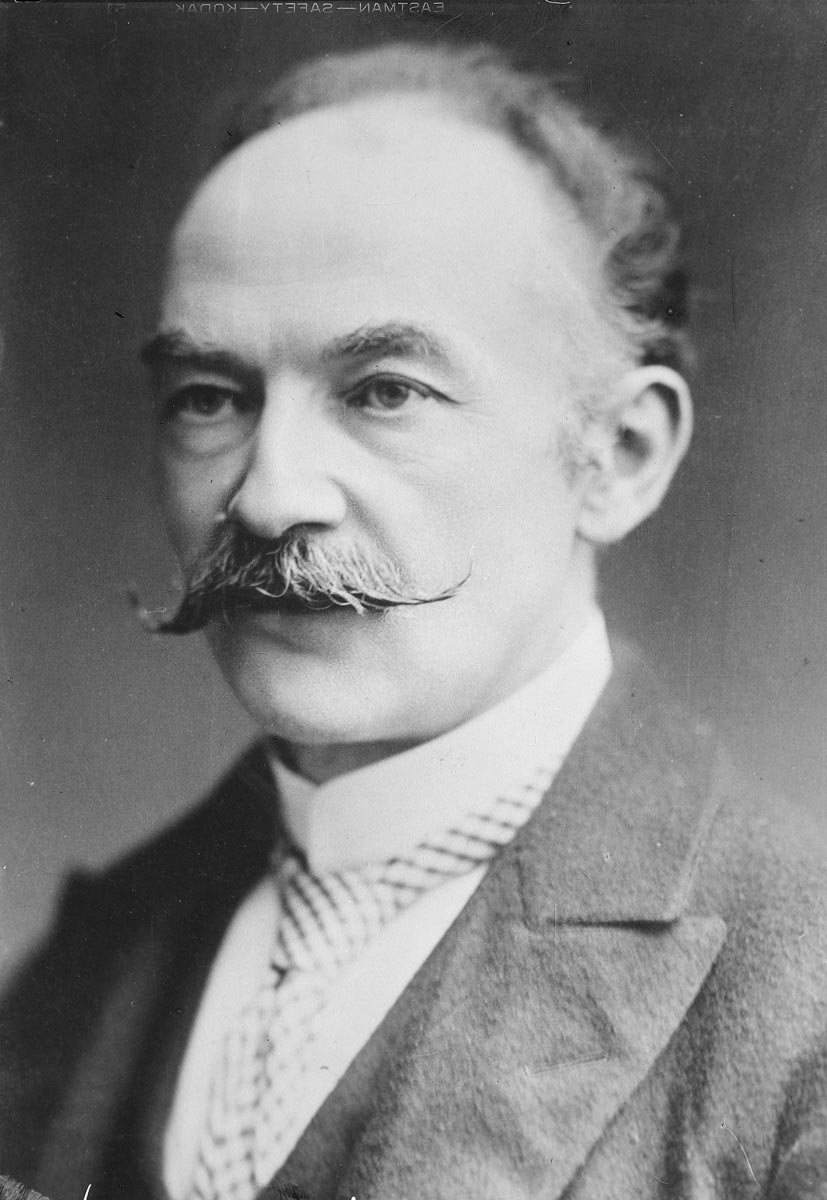
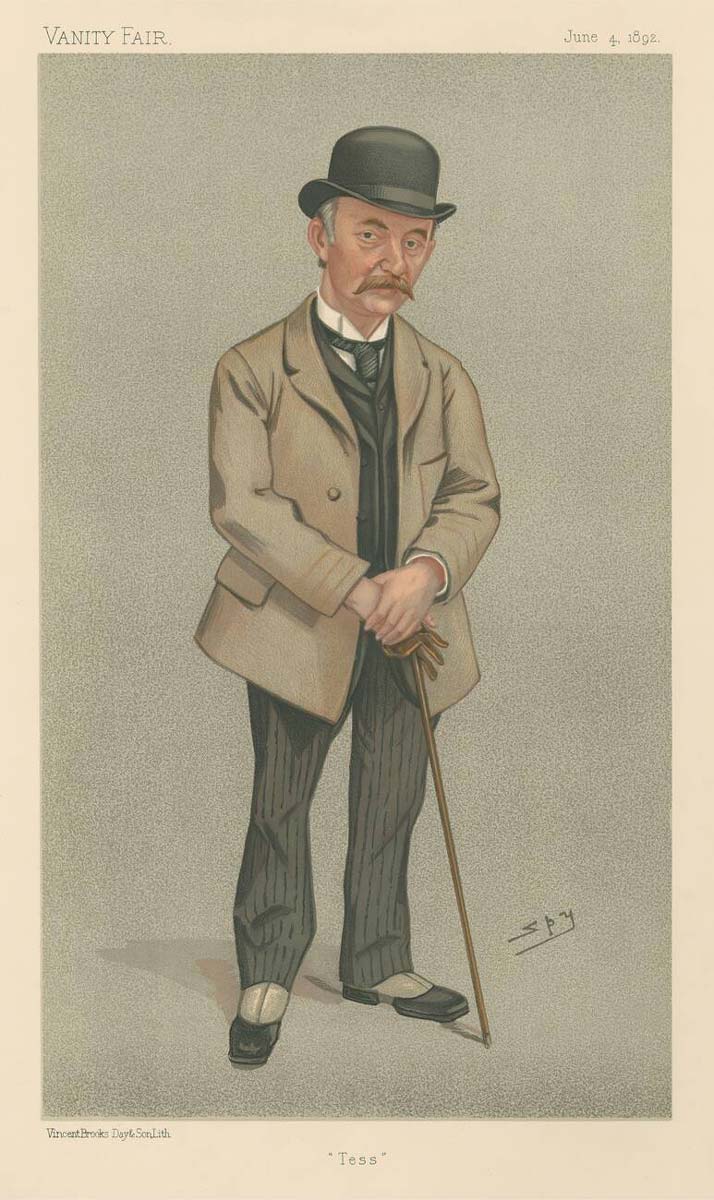
For almost the entire Victorian period, Hardy was known as a novelist. Far from the Madding Crowd had brought him a wide readership, which was cemented by The Return of the Native and The Mayor of Casterbridge. The controversial Tess of the d’Urbervilles (1892) and Jude the Obscure (1895) strengthened his reputation as one of the more challenging novelists of his day.
But Hardy had never stopped writing poems, and in 1898, once he had secured a steady income from writing serialized novels, he brought out his first volume of poetry, Wessex Poems and Other Verses. Like his novels and the short story collection Wessex Tales (1888), these were largely set in his imagined rural terrain, but the poems were not as well-received as Hardy’s prose.
In Wessex Poems and half a dozen other collections published before his death in 1928, Hardy covered a range of subjects and themes. Sometimes his poems are drily humorous, although his reputation as a pessimist is well-deserved, with poems that range from introspective to moody to bleak. He often covered topical subjects such as war. The Second Anglo-Boer War (1899-1902) is the context for the subdued irony of The Man He Killed (1902), and he lived long enough to qualify as a First World War poet with several of the verses in Moments of Vision (1917). The Convergence of the Twain (1912) was a response to the sinking of the Titanic and reflects on the futility of materialistic ambitions in the face of natural forces.
Hardy also wrote touching poems on family, aging, and death. He Never Expected Much (1928), written at the very end of his life, muses on how to sum up a life which, now he comes to think of it, has been far more mundane than he would have liked to think it would be, back at the beginning. To My Father’s Violin (1916) looks at Hardy’s late father through the lens of his now silent instrument, with the idea that the violin “must do without you now,” and that the instrument and player will never again be united, becoming an elegant way of expressing his own grief and loss.
Early experiences in architecture and fascination with churches also found their way into Hardy’s poetry. Poems such as The Church-Builder, The Abbey Mason, and The Levelled Churchyard are as revealing as Hardy’s fiction, if not more, regarding his feelings on organized religion, community, and the preservation of village life.
The Levelled Churchyard, spoken in the voices of ghosts issuing from disturbed graves, was prompted by a memory from his time as an architect in the 1860s, of removing the graves at Old St. Pancras Churchyard to a new plot to make way for a railway line. In a twist of literary fate, Hardy would have had to exhume fellow authors Mary Wollstonecraft and William Godwin, both buried there, had their bodies not already been moved to Bournemouth in 1851, to lie beside their daughter, Mary Shelley.
A great portion of Hardy’s poetry was romantic, inspired by various women, including (but not limited to) his first wife, Emma, and his second wife, Florence. Neutral Tones, published in 1898 but dating back to 1867, is a melancholy meditation on the end of a relationship. At the time the poem was published, Hardy had been married to Emma for 25 years. However, their relationship was strained by the pressures of Hardy’s career (an often solitary and stress-inducing pursuit) and their living circumstances. The latter involved moving between isolating rural existence and brief spells in London for the “season,” where Emma felt judged and out of place.
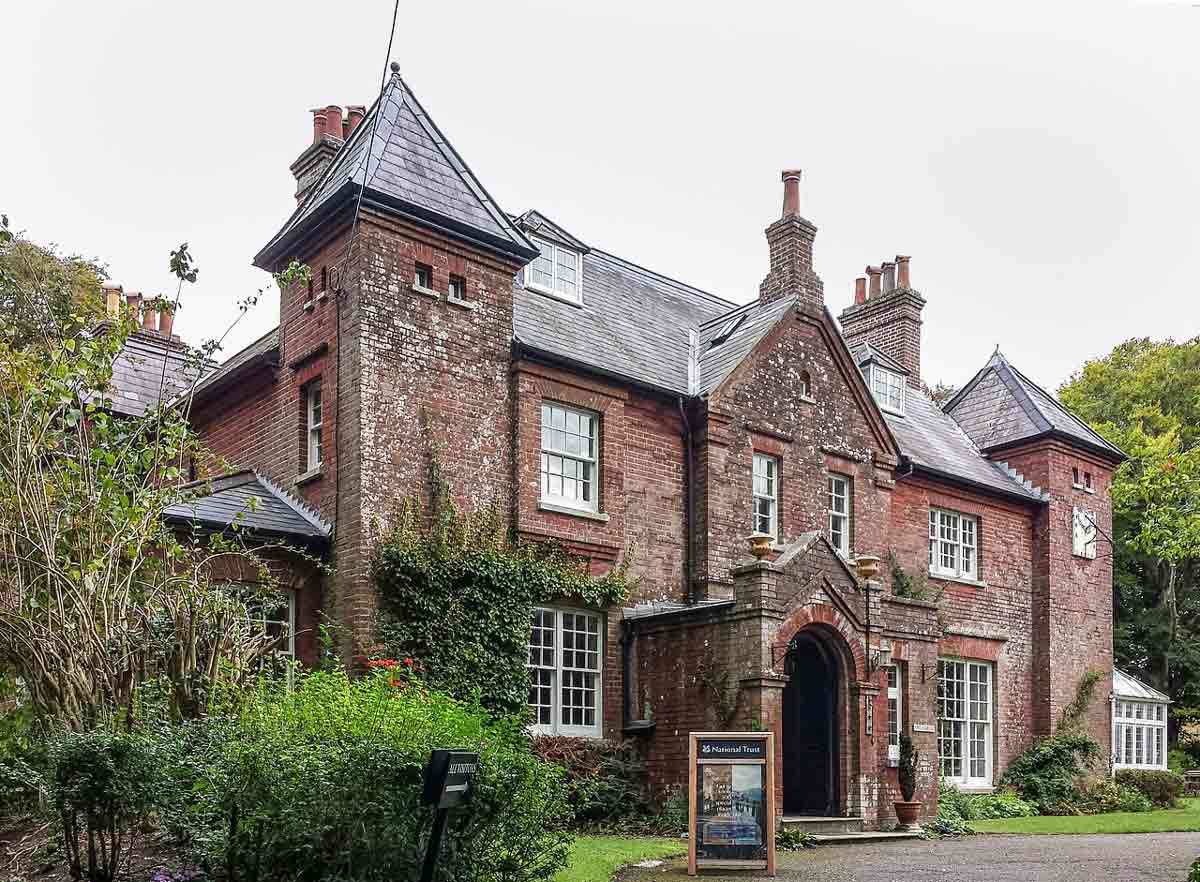
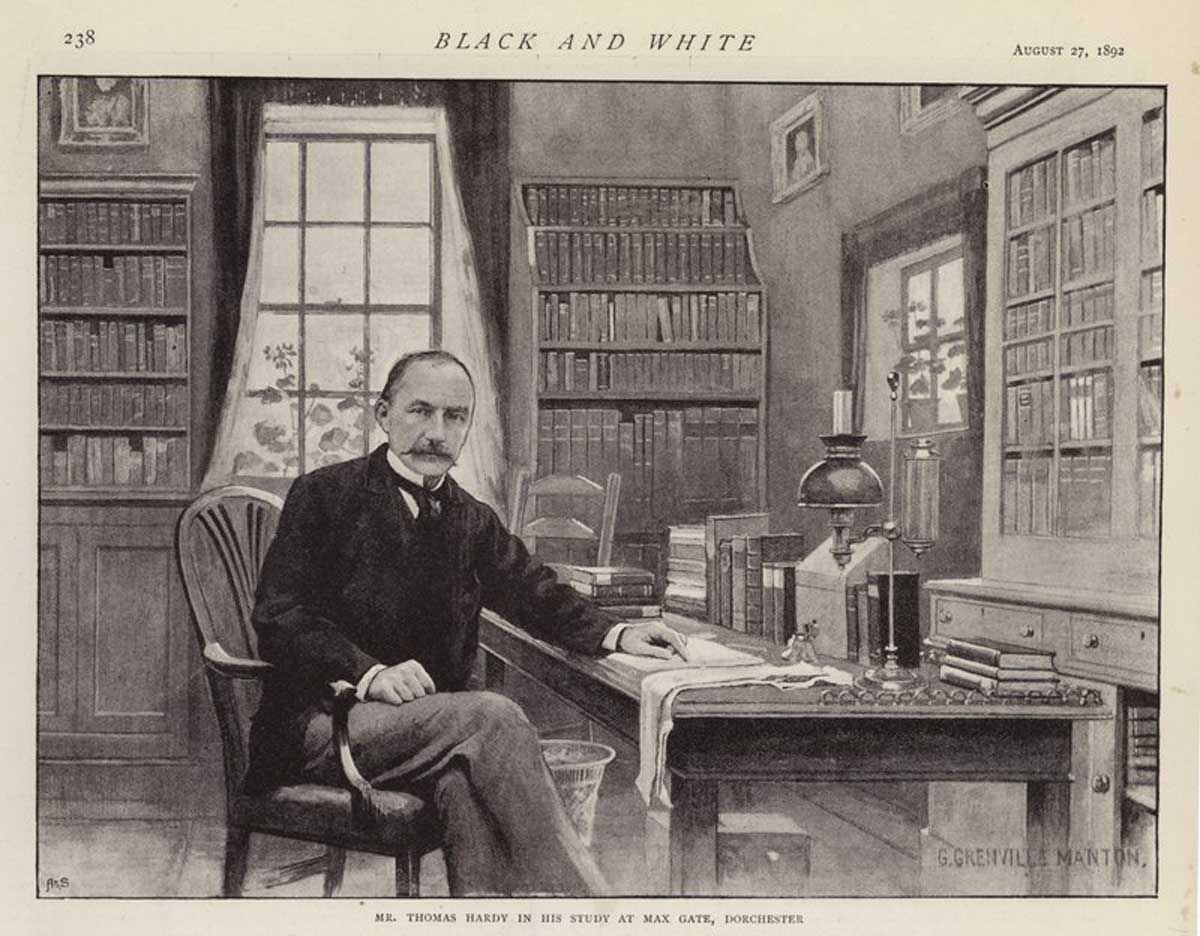
By 1910, the Hardys were living at Max Gate, Dorchester, in a kind of ménage à trois with Florence Dugdale, almost 40 years their junior, and a friend and amanuensis to both, thanks to her skills as a typist and reader. Hardy’s poems from this period feature both women. When Emma died in 1912, he wrote a sequence of elegies eventually published as Poems 1912-1913. Although prompted by grief, the poems are, like all of Hardy’s writing about relationships between men and women, honest about difficulties, imperfections, and regrets.
Hardy’s Heroines
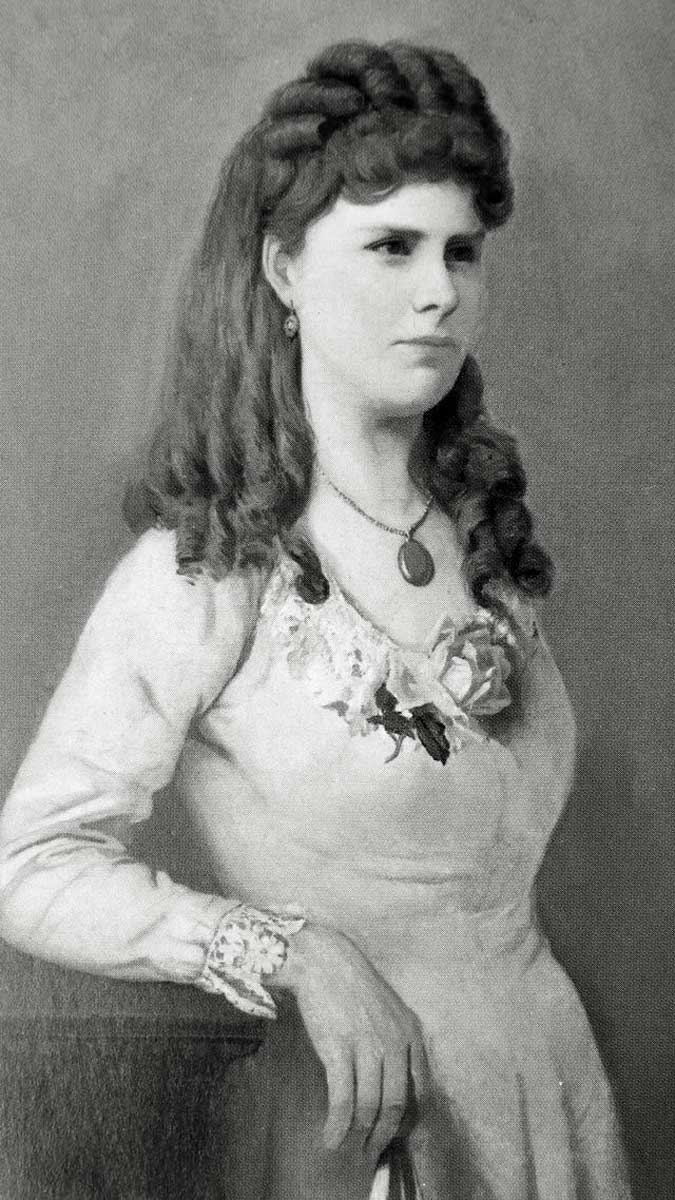
In addition to inspiring some of his best poems, Hardy’s wife, Emma, was the partial inspiration for his third novel, A Pair of Blue Eyes (1873). The novel is notable for giving rise to the term “cliffhanger.” In its serialized version, one of the installments ended with a character literally dangling from a cliff.
A Pair of Blue Eyes is also notable because it draws on the early days of Hardy’s relationship with Emma to create a dynamic that recurs throughout his fiction, in which a heroine (usually beautiful, charming, and well-meaning) is caught between multiple suitors of differing social status. Elfride Swancourt in A Pair of Blue Eyes must decide, as Emma had when Hardy was courting her, whether to risk condemnation by marrying the socially inferior man she loves.
Far From the Madding Crowd features a similar quandary, with Bathsheba Everdene having to choose between a soldier, a prosperous farmer, and a more humble shepherd. The Return of the Native splits the male characters’ interest between two contrasting heroines: the naive Thomasin Yeobright and the beautiful, adventurous Eustacia Vye, whose attitude towards sexual relationships makes her what Victorians called a “fallen woman.” Hardy had taken up a similar theme in the poem The Ruined Maid, published in 1901 but written in 1866, which satirizes the hypocritical attitudes of society towards women who had intimate relations outside marriage.
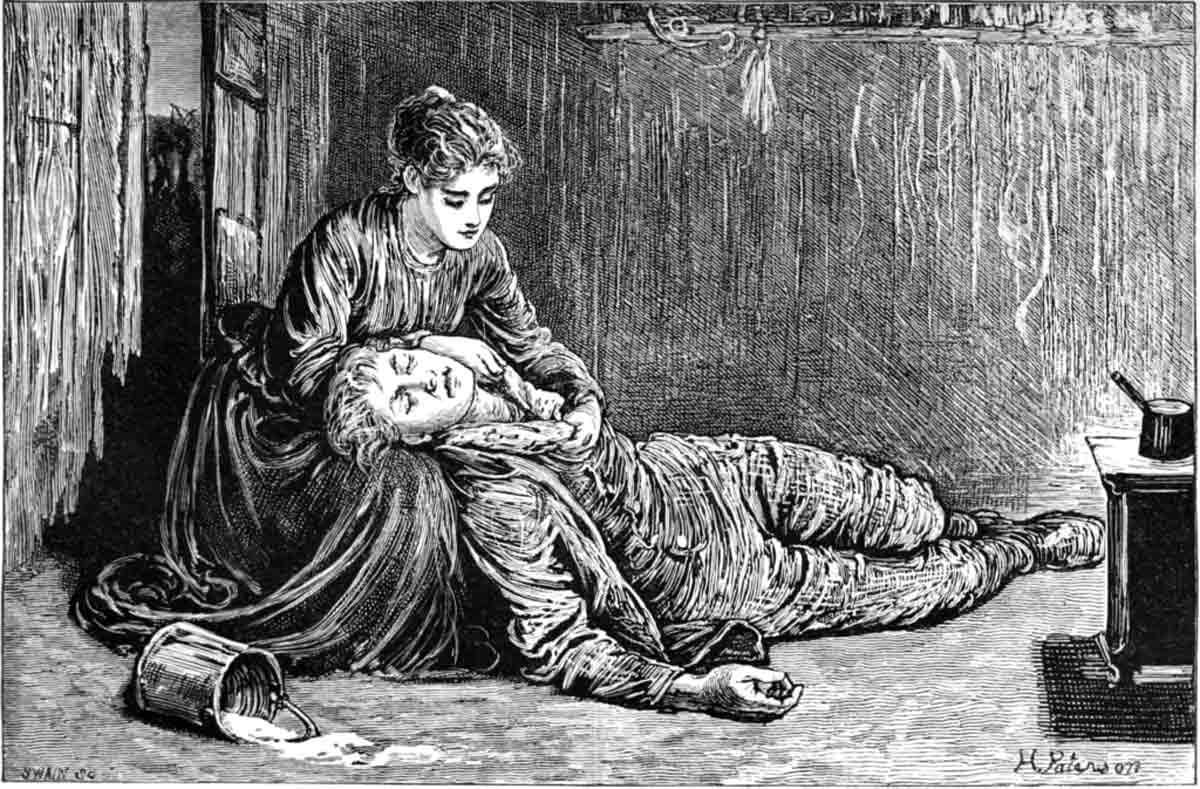
The plot of The Mayor of Casterbridge, too, is instigated by an event which reveals Hardy’s interest in women’s status and agency: a frustrated and drunken man auctions off his wife and their baby daughter at a country fair. Wife-selling was a surprisingly widespread custom, especially in rural communities where divorce was too costly an option for ending an unhappy marriage. Although it was on the decline by the 19th century, it was not unheard of.
Hardy’s best-known novels, Tess of the D’Urbervilles and Jude the Obscure, both have questions of women’s desires, agency, and purity (whether socially or morally defined) at their center. Tess is subtitled A Pure Woman, and contrasts the treatment received by women and men who have extramarital relations. Alec D’Urberville and Angel Clare, despite differing wildly in their kindness towards Tess, are similar in that they have affairs outside marriage and are not judged. Tess, on the other hand, is plagued by miserable consequences after she is seduced by Alec.
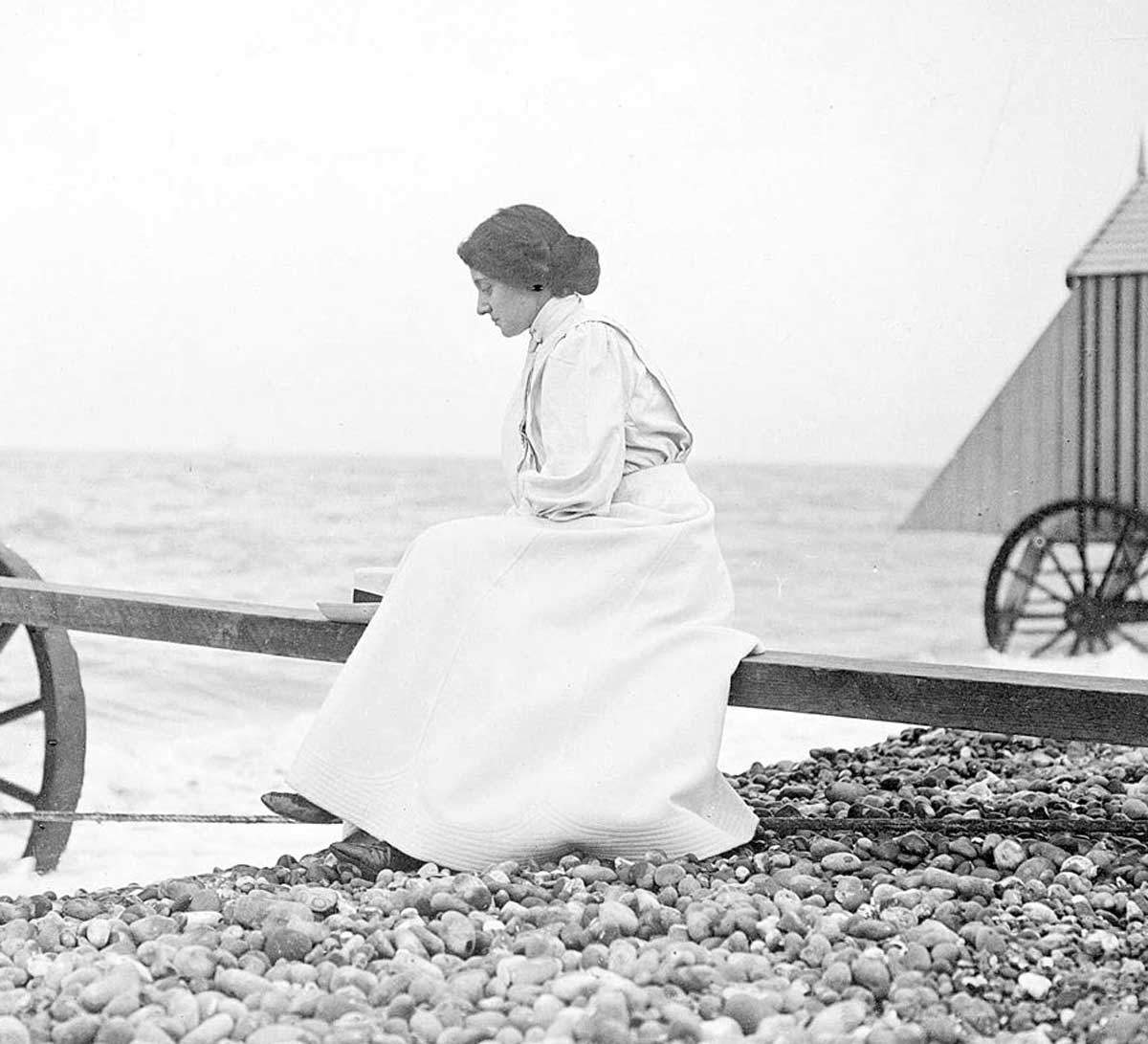
Jude the Obscure was similarly unflinching about behaviors not often represented in Victorian fiction. It features extramarital affairs, divorce, bigamy, and children born (and miscarried) out of wedlock. Its heroines, Arabella Don and Sue Bridehead, are again contrasting, particularly in their attitudes to sex.
All this frankness was bound up with the novel’s ambivalent representation of faith and religion, with questions raised over the social role of the church as an institution and how belief in the divine informs behavior. For this reason, the novel shocked readers, with reviews referring to “Jude the Obscene” and “Hardy the Degenerate” (Millgate 2006). Yet Hardy was a precursor to many 20th-century novelists (D.H. Lawrence, for instance, was a keen reader of Hardy) who placed the desires of both men and women at the center of their fiction, regardless of the ire they might attract.
Thomas Hardy’s Literary Legacy
When Thomas Hardy died in 1928, the only reason there were questions raised over his burial in Westminster Abbey was that he had been a fairly vocal agnostic. In terms of literary merit, there was no question. Over the course of his 88 years, Hardy had bestowed something incomparable upon British culture. Even if he had been a little daring in the way he presented women’s desires and suffering at the hands of men, he had woven himself into the fabric of the nation with his elegiac yet realistic landscapes of Wessex.
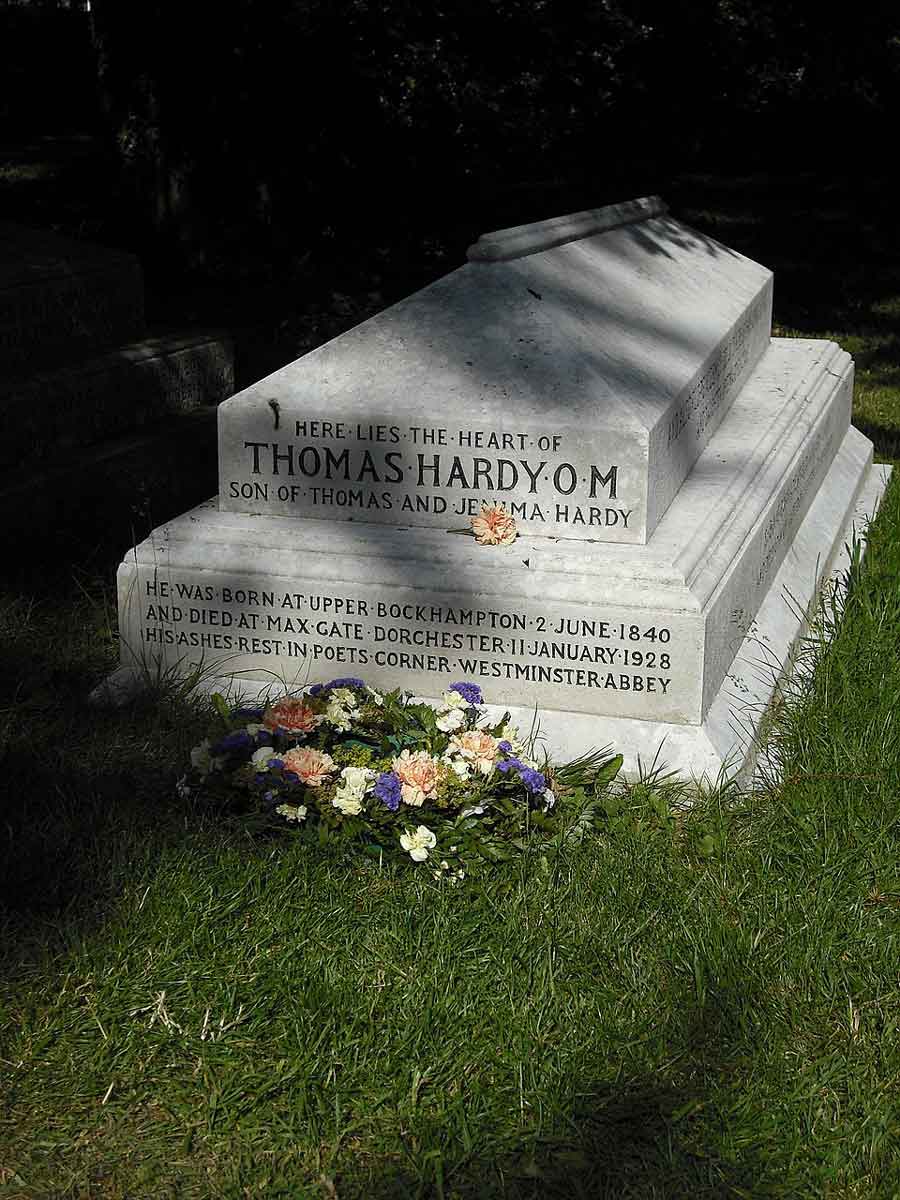
In fact, not all of Hardy was buried in Westminster Abbey. Before his body was cremated, his heart was removed and laid to rest in his native Dorset. This was a fitting conclusion to a life full of contrasts between the countryside and the city, contrasts that seeped into his fiction. His acute observation of class, which shaped the love triangles and courtship plots of several of the novels, came about because Hardy experienced society in various towns and villages across Wessex, as well as high society in London.
Hardy’s lasting reputation rests on the enduring appeal of novels like Tess, with its dramatic plot and its bucolic setting which seems just out of reach for the modern reader, as it did to the Victorians.
Hardy also remains compelling because he is a transitional figure, a product of the Victorian era who lived to see the first flowerings of modernism. Beloved as a novelist by Victorian audiences, he was not appreciated as a poet until the 20th century, when he published no more novels but several poetry collections.
Both his fiction and poetry, in fact, are preoccupied with this very question of how places and people change (or hardly change at all) when we move from one era to another. From his memorialization of countryside customs and church architecture to his scrutiny of the position of women, Hardy recognized that he lived through a period of constant flux, and turned to literature to explore what that meant for human nature and society.
Sources
- Hardy, Thomas (1994). Far from the Madding Crowd
- Millgate, Michael (2006). ‘Hardy, Thomas (1840–1928), novelist and poet.’ Oxford Dictionary of National Biography