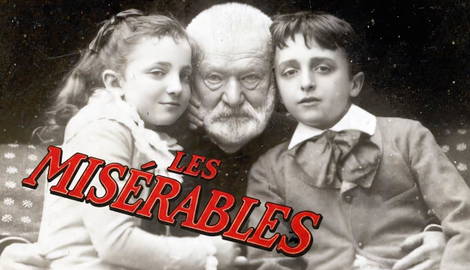
Victor Hugo was a towering literary figure and outspoken political reformer throughout his life. Originally a royalist, he later became a champion of republican ideals. His works (both fiction and journalistic) advocated for free education, universal suffrage and the abolition of the death penalty as well as supporting liberal political ideals. His outspoken critique of Napoleon III’s coup led to Hugo being exiled to the Channel Islands for 20 years, where he wrote some of his most political works and solidified his reputation as a national hero.
Youth and Political Awakening
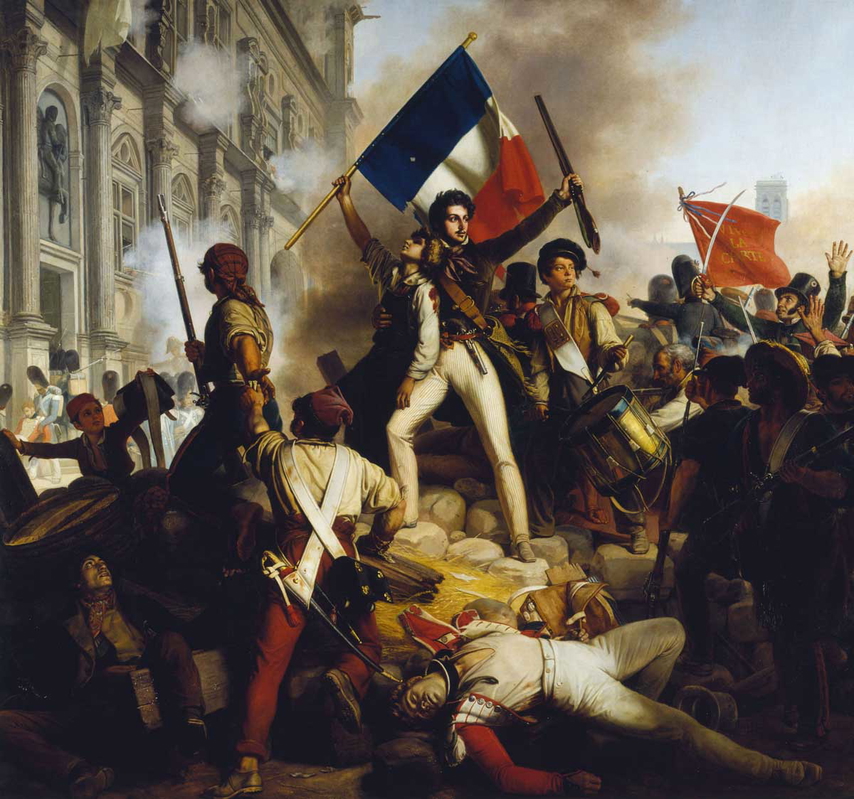
Victor Hugo’s literature consistently cast young characters as the moral compass of a fractured France, using idealism as a weapon against tyranny. In Les Misérables (1862), Marius and Gavroche embody political awakening: one through romanticized revolution, the other through raw defiance on the barricades. In The Hunchback of Notre-Dame (1831), the young poet Gringoire navigates a corrupt medieval society.
His novel about the Reign of Terror, Ninety-Three (1874), offers a brutal meditation on youthful conviction, as Gauvain sacrifices himself for a vision of justice that transcends partisan violence. Even The Man Who Laughs (1869) presents Gwynplaine as a tragic symbol of innocence. Across these works, Hugo positioned the youth not merely as victims or dreamers, but as agents of conscience, capable of confronting entrenched social injustice with courage and conviction.
Romantic Revolution in Writing
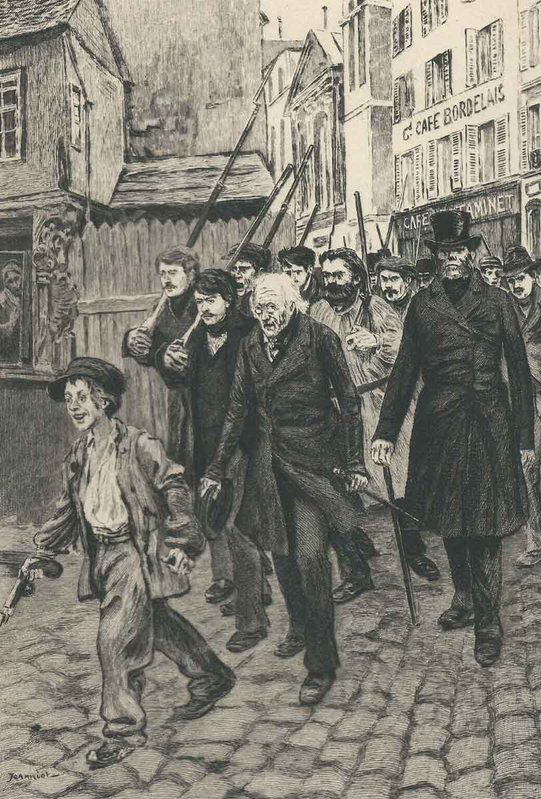
Victor Hugo’s Romantic revolution reshaped literature into a tool for truth and justice. Turning away from strict classical rules, he embraced emotion, imagination, and social critique. In the preface to his play, Cromwell (1827), Hugo argued for blending the grotesque with the sublime. This bold idea shaped The Hunchback of Notre-Dame (1831) and Les Misérables (1862). His writing gave voice to suffering and hope, using vivid characters and sweeping language to challenge injustice. For Hugo, Romanticism was not just style; it was a way to inspire change.
Les Misérables and Social Reform
Les Misérables (1862) is Hugo’s most powerful call for social reform, blending personal tragedy with systemic critique. Jean Valjean’s journey from convict to benefactor reveals the cruelty of a justice system that punishes poverty more harshly than crime. Fantine’s descent into destitution (selling her hair, teeth and, eventually, her body to support her child) exposes the brutal cost of economic inequality.
The suffering of the child, Gavroche, and the idealism of the student revolutionaries reflect Hugo’s belief in the need to uplift the vulnerable. The novel’s impact reached far beyond literature; it influenced debates on prison reform and social justice in 19th-century France and continues to resonate in modern discussions of inequality and access to justice. Through vivid storytelling, Hugo urged readers not just to feel compassion but to demand change.
Notre-Dame de Paris and National Pride
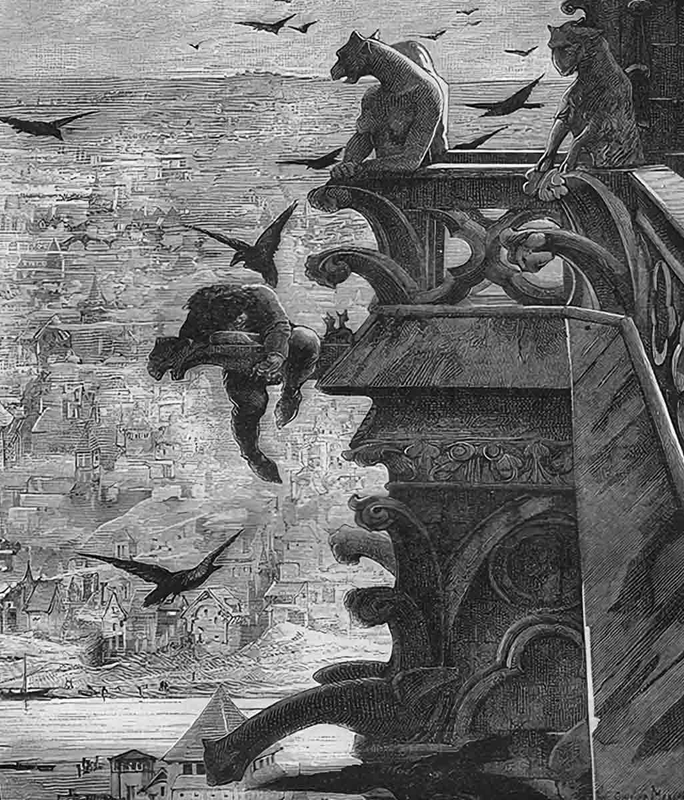
Notre-Dame de Paris (1831) was more than a novel; it was a rallying cry for national pride and cultural preservation. At a time when the cathedral had fallen into disrepair and faced possible demolition, Hugo’s vivid portrayal of its Gothic grandeur reignited public interest in France’s architectural heritage.
Through the tragic figures of Quasimodo and Esmeralda, he framed the cathedral as a symbol of collective memory and identity, urging readers to see it not just as a relic, but as a living monument to France’s past. The novel’s success directly influenced the 1844 restoration led by Viollet-le-Duc, proving that literature could shape public opinion and policy. Hugo’s passionate defense of historic buildings helped transform Notre-Dame into a national icon.
Exile and Legacy
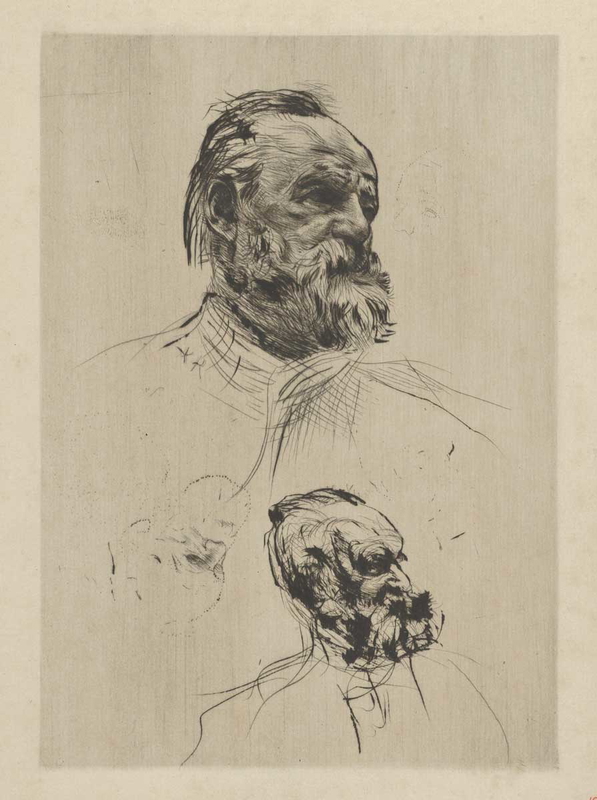
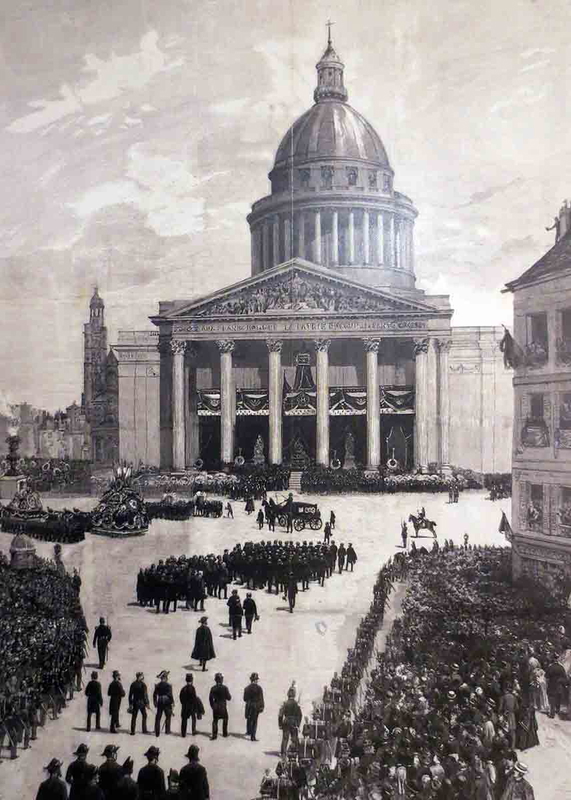
Victor Hugo’s exile from France between 1851 and 1870 became a turning point in his political and literary legacy. Forced out for opposing Napoleon III, he settled in Jersey and later Guernsey, where he wrote fierce critiques like Napoléon le Petit (1852) and Les Châtiments (1853), as well as reflective works like Les Contemplations (1856). Although Napoleon III granted amnesty to all political exiles in 1859, Hugo refused to return home, making his exile a statement of principle. When he returned after the fall of the Empire, he was welcomed as a national hero. His time abroad proved that literature could challenge power, defend liberty and shape public conscience for generations.