
There are few religious relics shrouded in as much mystery, secrecy, and conspiracy as the Ark of the Covenant. This biblical artifact, believed to carry the very presence of God and other significant miraculous symbols, has been “found” many times in what turned out to be unproven claims and hoaxes, with no verifiable physical evidence. There is, however, significant context found around it, confirming the perceived value of the Ark as one of history’s most sought-after relics.
The Sacred Chest in Biblical Memory
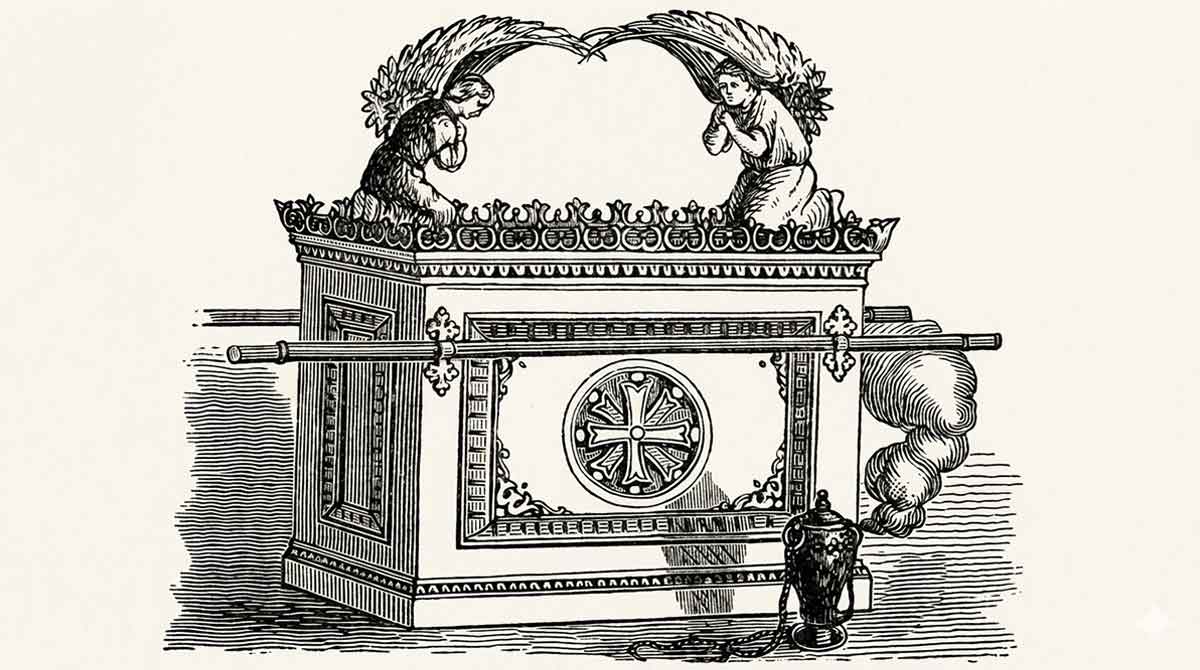
The Ark of the Covenant is an Old Testament artifact that is described as the dwelling place of God on Earth. It is a gold-plated wooden chest that held a collection of miraculous biblical items, including the stone tablets of the Ten Commandments given to Moses on Mount Sinai, a jar of the bread-from-heaven Manna, and Aaron’s wooden staff that flowered (Hebrews 9:4).
The Ark was designed by God (Exodus 25:10-22) and built by Bezalel (Exodus 37). It had a mercy seat on top, two cherubim, gold-covered acacia poles, and rings for carrying (a model pictured above).
What the Ark Did and Where it Traveled
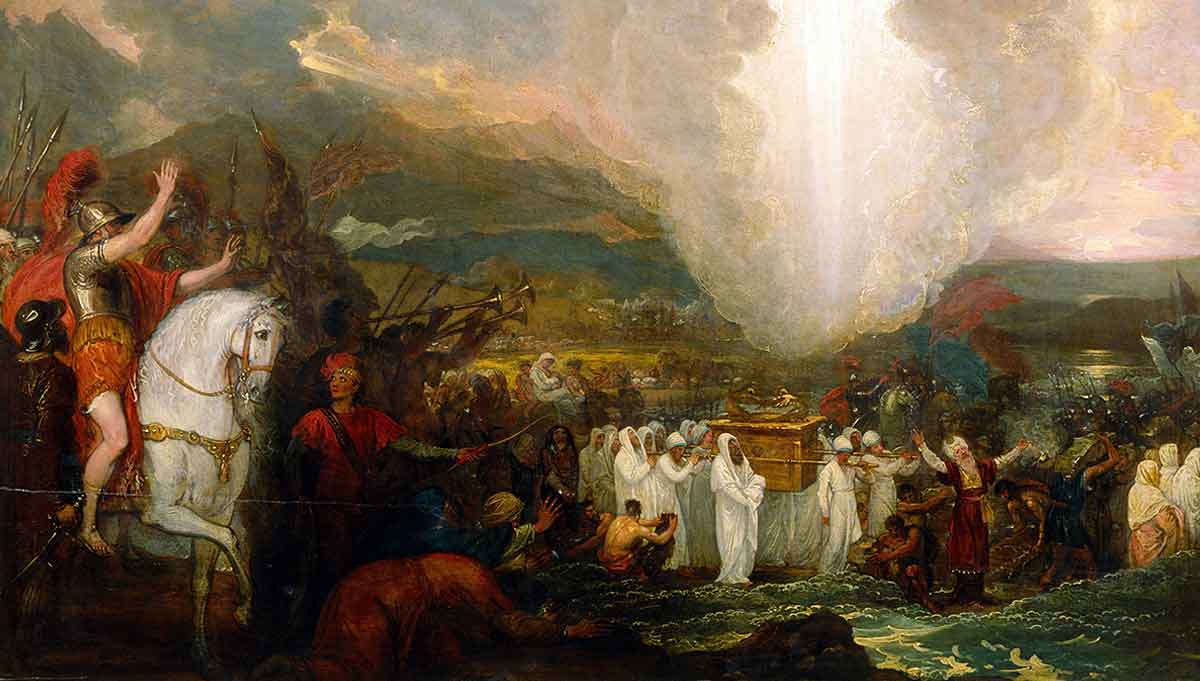
Centuries passed between the creation of the Ark and when it went missing. During this time, the Ark was used as a portable desert shrine (Numbers 10:33-34), a divine guide (Joshua 6:1-20), a place of worship in the Tabernacle (1 Samuel 1:3), and a holy presence during war (1 Samuel 4:1-11). At one point the Philistines captured the Ark, but it defeated their idols (1 Samuel 5:1-5) and brought plagues as far as it went (1 Samuel 5:6-12).
The Ark was sent back to the Israelites. Later it was taken to Jerusalem (2 Samuel 6:1-7) with massive feasting by King David (2 Samuel 6:12-17) and later formally installed in the innermost room of Solomon’s Temple (First Temple)(1 Kings 8:1-11), still containing the stone tablets.
The Biblical Silence and the Role of the Babylonian Siege

One last mention in 2 Chronicles 35:3 explains how righteous King Josiah had the Ark of the Covenant returned to its place, suggesting it was removed before. The Ark was not to be seen again. By the time the Second Temple was constructed, the innermost room was built, but there was no Ark.
Another aspect to consider is the Babylonian destruction of the city of Jerusalem in 586 BC, under Nebuchadnezzar II. After this siege, the whereabouts of the Ark and its contents became unknown. The Bible is silent. Both 2 Kings 25 and Jeremiah 52 detail all the temple treasures the Babylonians looted, but neither list mentions the Ark.
If the Ark was hidden before the Babylonians came, modern global politics and religious rights make it nearly impossible to excavate beneath the Ark’s ‘last known address’ in Jerusalem.
Let’s consider what contextual proof archaeologists have found.
Mobile Chests in the Ancient Near East, Excavating Kiriath-Jearim and the Historical Home of the Ark
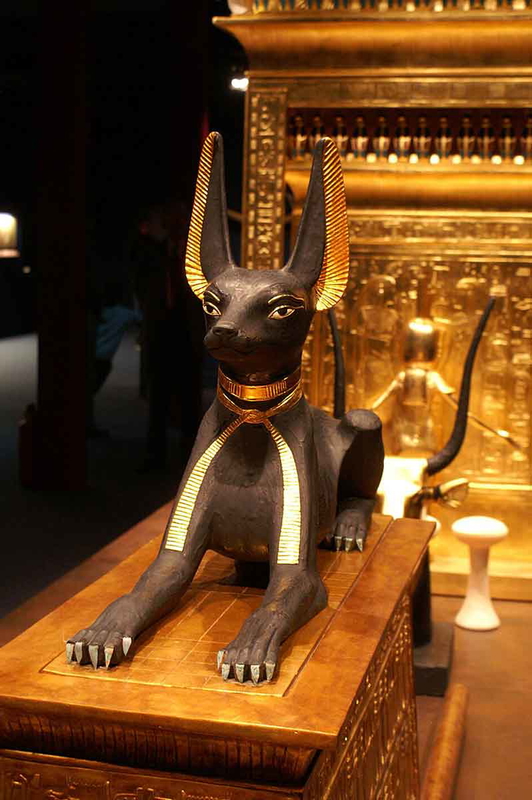
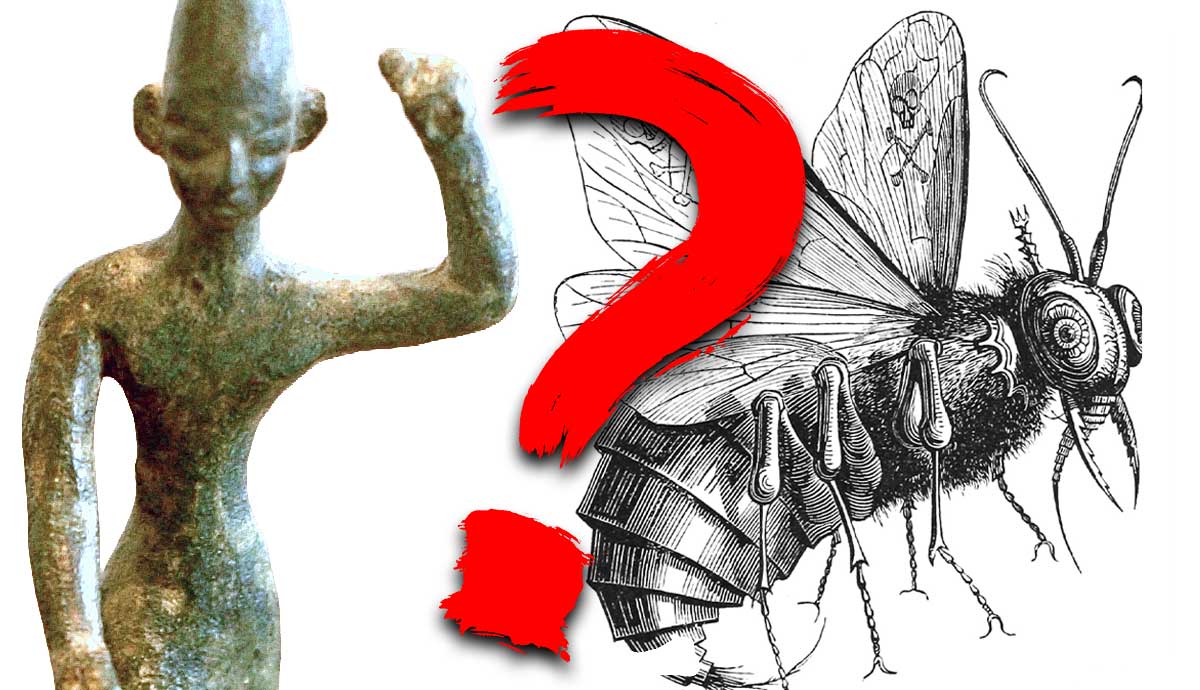
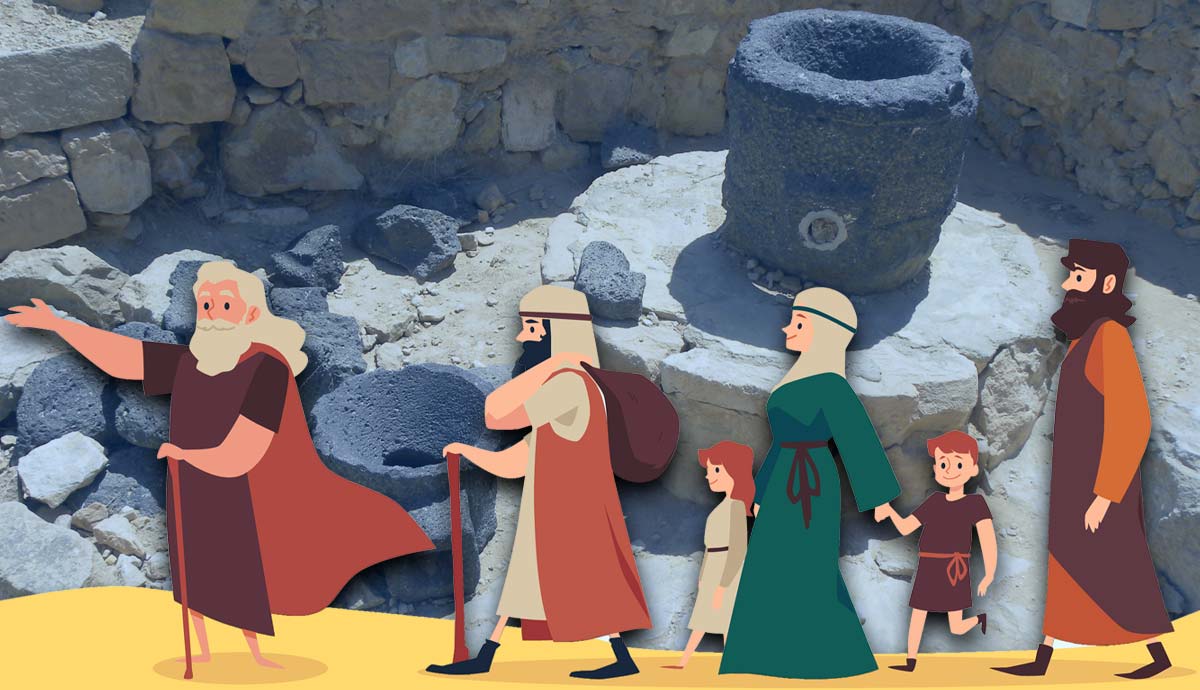
If we zoom out, we will remember that the Israelites came out of Egypt. Their leader, Moses, was raised in the Pharaoh’s household. Interestingly, the idea of the ark is paralleled in other portable sacred chests and shrines from ancient Egypt that archaeologists have found (pictured above). One earlier home of the Ark has provided more archaeological success: After the Philistines returned the cursed Ark to the Israelites, it was taken to a place called Kiriath-Jearim, where it lived for decades (1 Samuel 7:1).
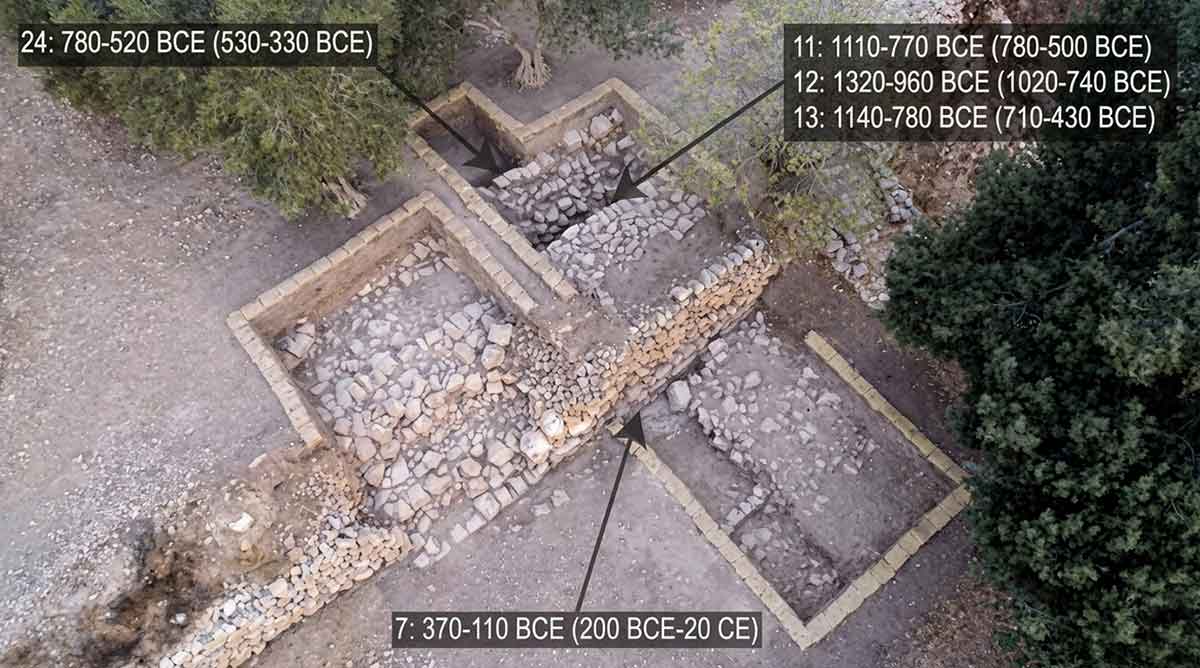
Kiriath-Jearim is in modern-day Deir-el-Azar (Tel Qiryat Yearim), located on a prominent hilltop just outside Jerusalem to the west. Led by Prof. Israel Finkelstein, archaeologists exploring the site found a massive monumental platform (pictured below) believed to support some sort of ancient temple or structure, but it dates to the 8th century (much later than the biblical timeline).
Assessing Mysterious Archaeological Claims and Legendary Locations
People looking for this priceless biblical artifact have come from all sides of the globe. Both the Church of Our Lady Mary of Zion in Axum and the Ethiopian Orthodox Tewahedo Church traditionally believe they possess the true Ark of the Covenant, but it has not been independently studied.
There are many fascinating theories and conspiracies about where it is now…
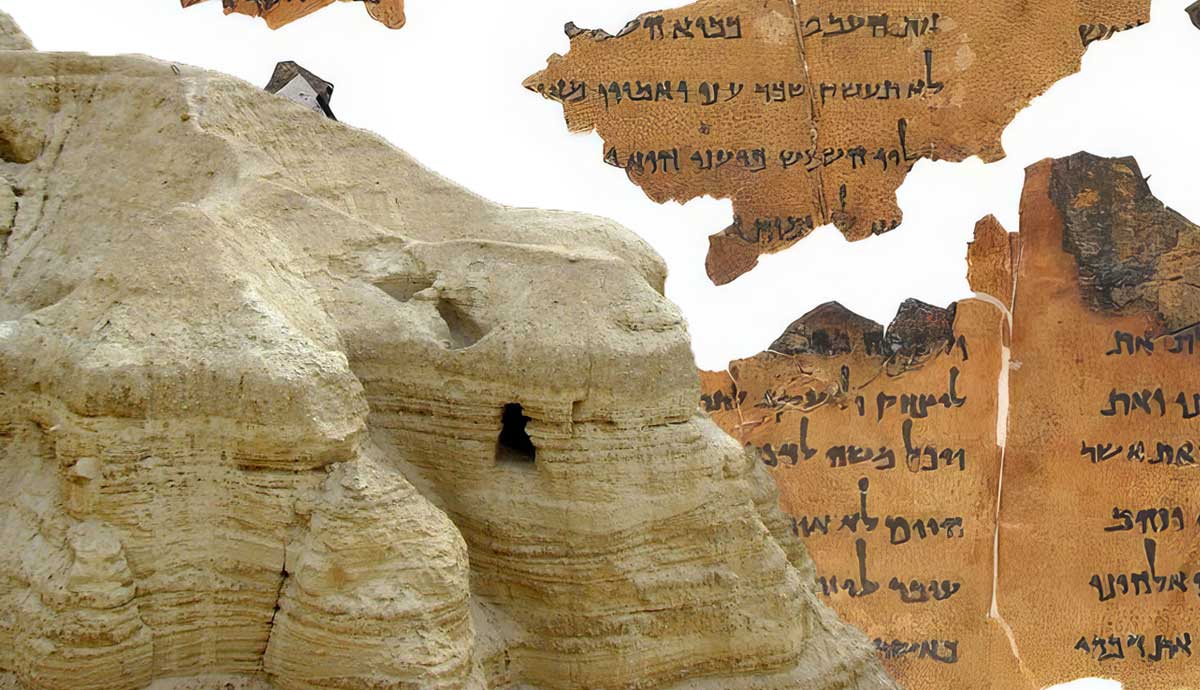
- Some believe that the copper treasure map found among the Dead Sea Scrolls will illuminate the path to finding the Ark.
- The ancient text of 2 Maccabees 2:4-8 claims that the prophet Jeremiah hid the Ark in a cave on Mount Nebo before the Babylonians came to save it from destruction.
While the Ark of the Covenant has not been found, the Bible gives an extraordinarily detailed account, and these interesting archaeological findings offer a glimpse into its world. Where the Ark is today remains a mystery.