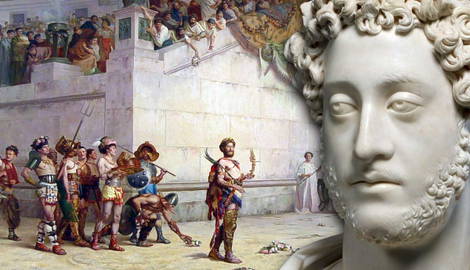

Over the course of the late 2nd century AD, the emperor Commodus was accused of progressively slipping into megalomania. Masquerading as a gladiator in the arena and presenting himself as the hero Hercules, he even had plans to rename the city of Rome after himself. Patience was running low. By 192 AD, Commodus had already survived two mutinies, but he would not escape a third.. By the end of the year, the emperor would be dead, meeting an ignominious end following one last trip to the bathhouse.
An Age of Iron and Rust: The Rise of Commodus
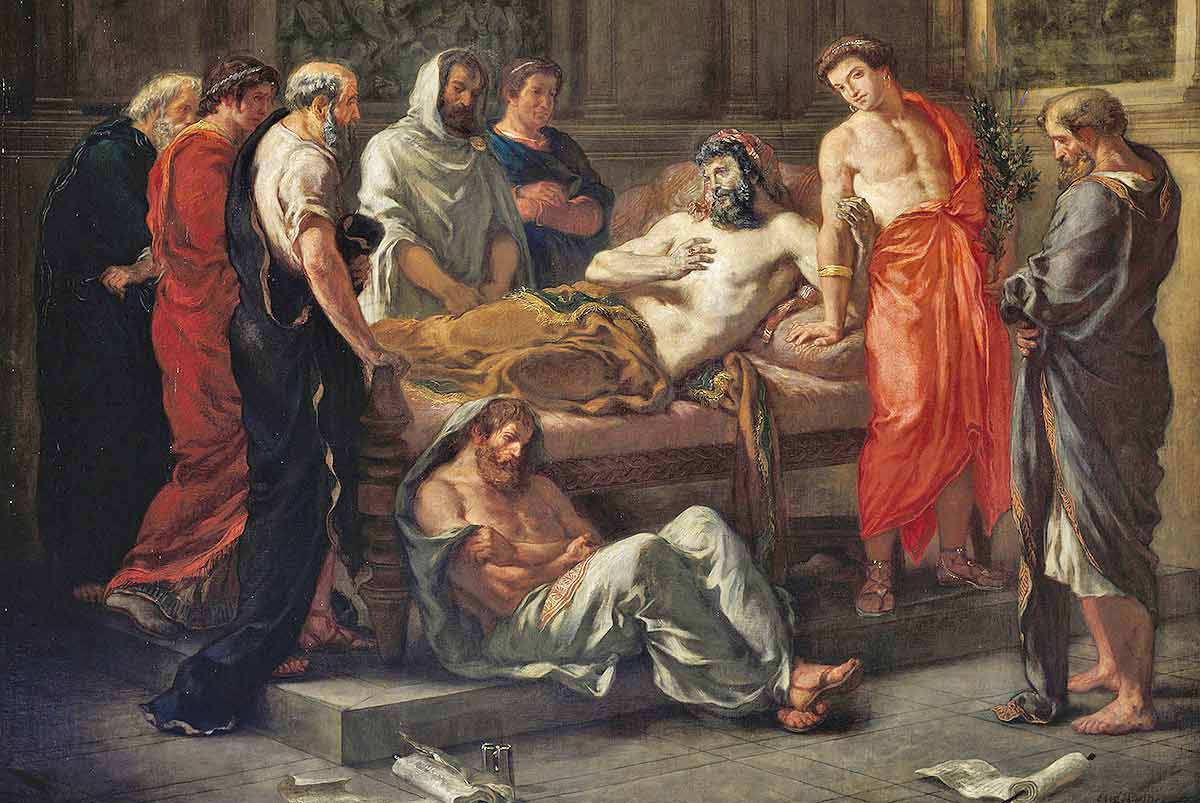
On March 17th, 180 AD, the Roman Empire was transformed. According to the 3rd-century senatorial historian Cassius Dio, it was at this moment that the empire degenerated from a kingdom of gold to a kingdom of “iron and rust.” The cause for this degradation was the death of the emperor Marcus Aurelius and the accession to power of his son, Commodus. Marcus Aurelius had been leading the Roman armies on the northern frontiers before he succumbed to old age and ill health at Vindobona (modern Vienna).
History remembers Marcus Aurelius, famed for his adherence to Stoicism, as the last of the Roman Empire’s so-called Five Good Emperors: Nerva, Trajan, Hadrian, Antoninus Pius, and Marcus Aurelius. These men had overseen a period of relative tranquility, in part thanks to the ordered succession of power. Because they did not have natural sons of their own, each man was obliged to nominate and adopt a successor, picking, in theory, the “best man” available for the job. In reality, most of the choices were still dynastic because they were all eventually adopted into the same family line. But Marcus Aurelius officially broke the chain by grooming his young son Commodus as his successor.
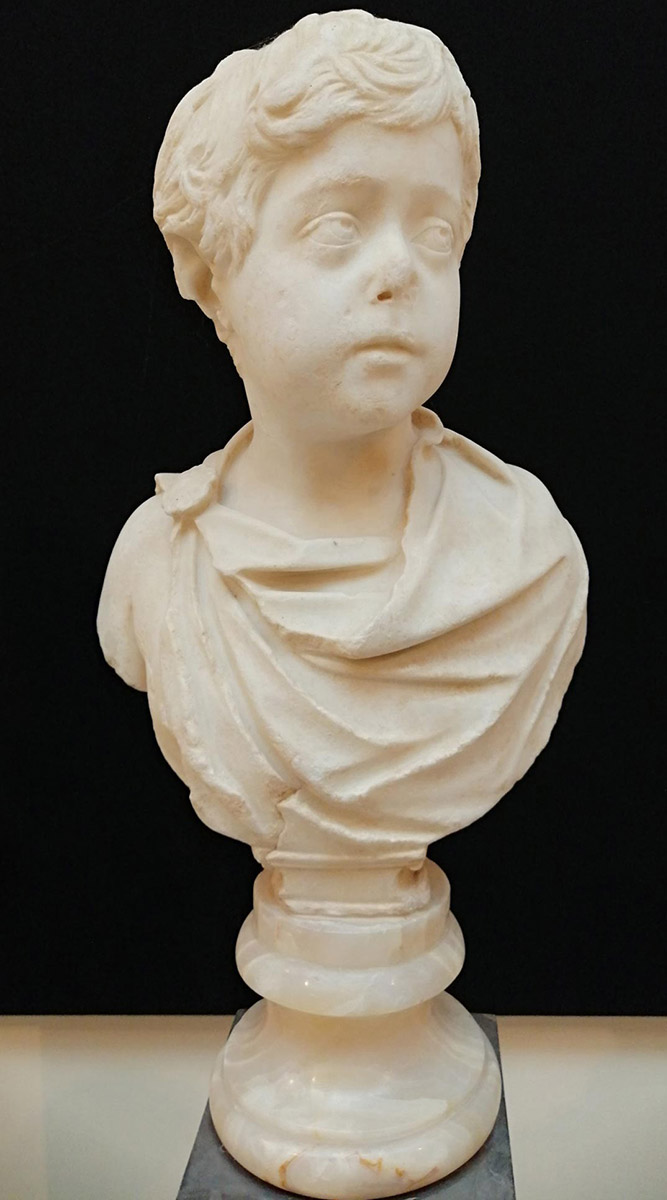
While Cassius Dio suggests that Marcus Aurelius was disappointed in his son, the reality is that he actively promoted his fortunes, even making him co-emperor in 177 AD, as Lucius Verus had been earlier in his reign. Upon his death, Marcus Aurelius left Commodus in the care of a retinue of capable statesmen and advisors.
It seems that Commodus quickly jettisoned these seasoned politicians in favor of his own favorites and acolytes. The rejection of sensible and suitable guidance was something of a hallmark of “bad” emperors: Nero had eventually got rid of Burrus and Seneca, for instance. Nevertheless, Commodus’ reported descent into depravity was a gradual process, despite what later sources like the Historia Augusta scandalously suggest.
Commodus had been well prepared for life as emperor. He rode north with his father to quell the northern insurgencies that became known as the Marcomannic Wars. This exposed him to the adulation of the soldiers he would one day rule over. Despite his tender years, he was even bestowed with the title Germanicus Maximus, a significant ideological link between emperor and army. In a speech recorded (or, more likely, invented) by the historian Herodian, Commodus reportedly presented himself to the soldiers at Vindobona as the very first “purple born” emperor in almost a century, and therefore destined to rule.
Mutinies: Commodus Under Threat
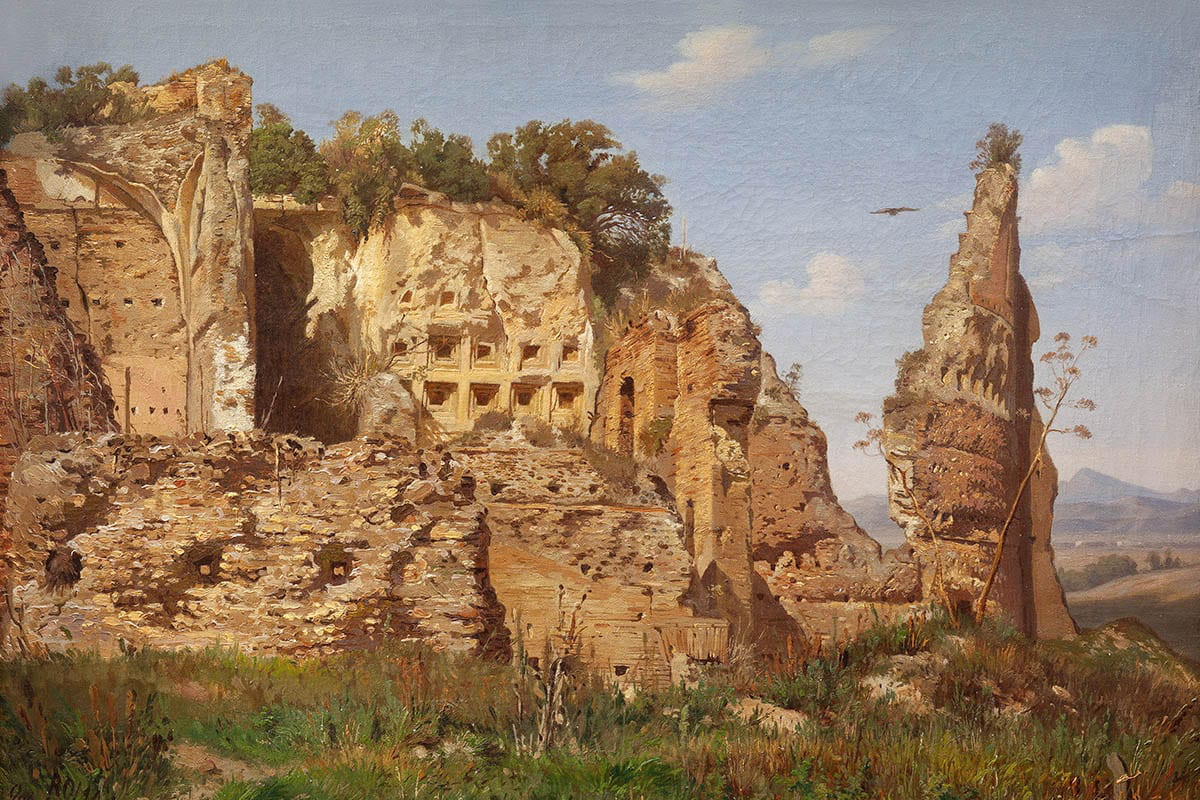
While there was no real challenge to Commodus’ succession, he was keen to return to Rome and confirm his position as soon as possible. Therefore, Commodus hastily paid off the Germanic tribes on the frontiers. Although using money to bring an end to fighting was not an unheard of strategy, it was not always popular. For Commodus, it risked undermining his status with the soldiers, by showing that his priorities lay in Rome. Consequently, it was not long before conspiracies against the new emperor began to emerge. As early as 182 AD, Commodus’ own sister, Lucilla, played a prominent role in attempting to orchestrate the emperor’s downfall. The plan had been to strike down Commodus as he attended the theater. However, the monologuing assassin, too busy declaiming with dagger in hand, spoiled the element of surprise. He was quickly overcome, and Commodus survived.
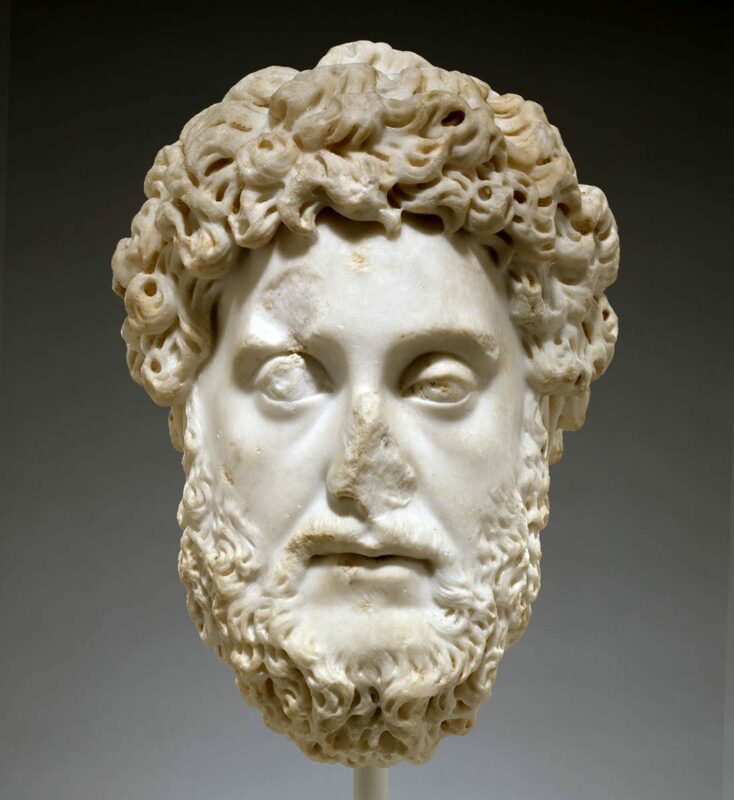
Nevertheless, the attempted plot irreparably soured Commodus’ relationship with the Senate, Rome’s diminishing ruling class. The reprisals were brutal, with victims killed and their confiscated property claimed by the emperor. The political bloodletting allowed new men to fill positions of power close to the emperor, generating further resentment. This culminated in a rebellion in the northern empire led by a charismatic bandit called Maternus. While it was ultimately unsuccessful, the cracks in imperial power were laid bare.
Megalomania: Emperor, Gladiator, Hercules
Commodus enjoys notoriety in the 21st century largely thanks to his portrayal by Joaquin Phoenix in the blockbuster movie Gladiator (2000). While the movie takes artistic license, its portrayal of Commodus is based on the ancient sources.
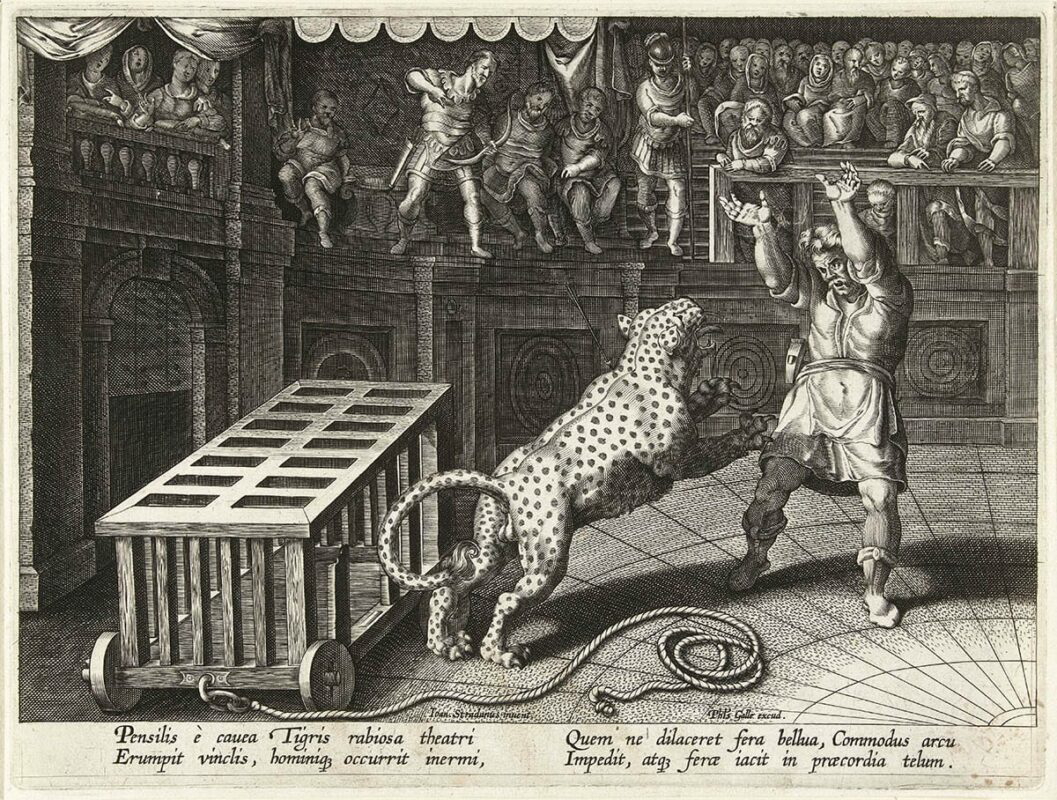
Commodus was reportedly enamored with gladiatorial contests and undermined the dignity of his office by fighting in the arena. Rather than acting as a patron of the games, like his predecessors, Commodus’ decision to fight, in rigged matches, allowed him to convey his strength, athleticism, and martial prowess. In theory, these were all desirable traits in an emperor, but the mode of representation was an inversion of socio-political norms. In Cassius Dio’s account, it is clear that Commodus’ gladiatorial spectacles belittled the Senate, compelled them to act as audience, and reinforced his power over them. They were obliged to chant to their performing emperor, “you are lord.”
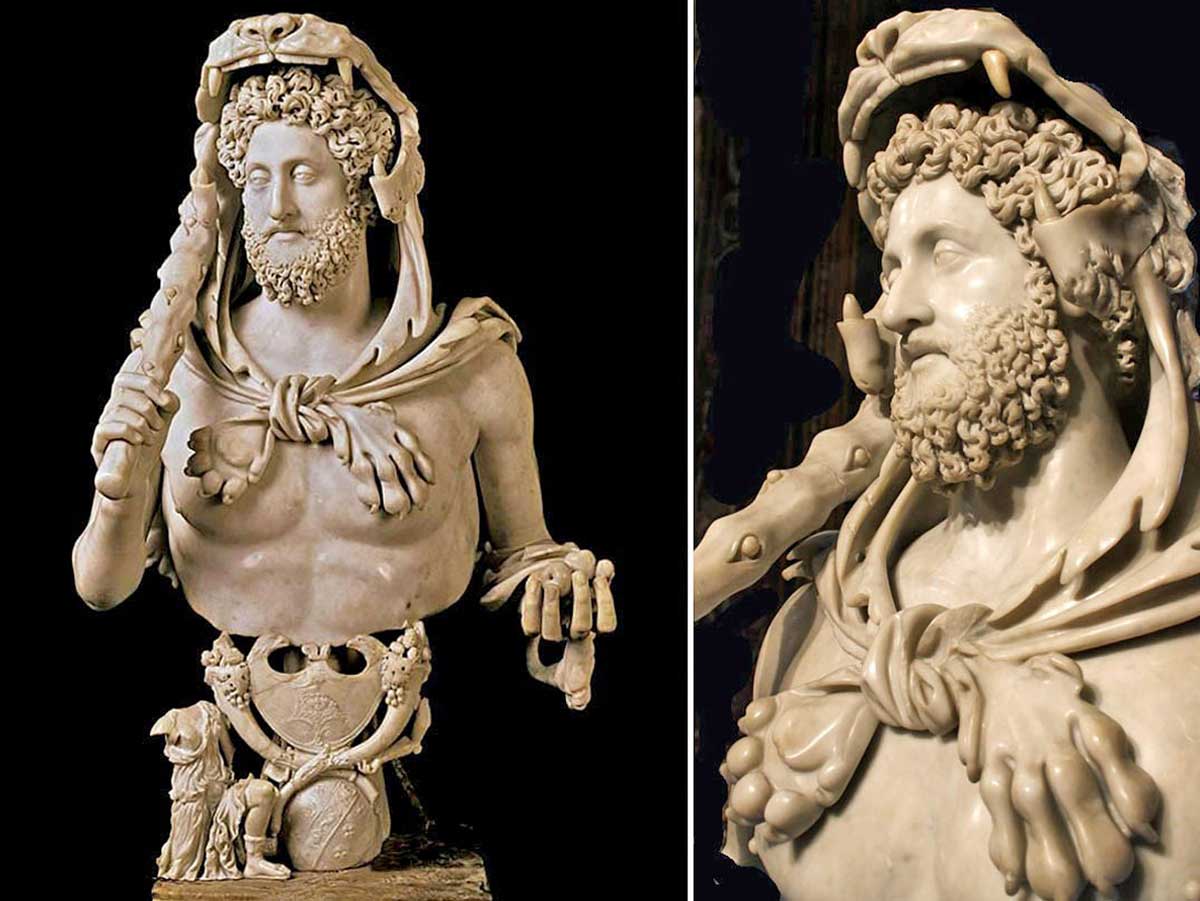
Commodus did not just masquerade as a gladiator. In the latter years of his reign, he started to liken himself to the demigod Hercules. The hero had a longstanding association with Rome, appearing in myths of the city’s earliest years, including Virgil’s Aeneid, saving the people of Latium from the fearsome giant, Cacus. Commodus was not, in fact, the first emperor to associate himself with Hercules. Trajan, the optimus princeps, had been likened to the hero by the sycophantic panegyrics of Pliny the Younger.
But Commodus took things further, adopting the title “Roman Hercules” as part of his nomenclature and adopting some of his iconography, such as the famous statue of Commodus draped in the skin of the Nemean Lion. Commodus also reenacted some of Hercules’ famous labors in the arena, making no secret of his divine aspirations.
The Senators’ Conspiracy
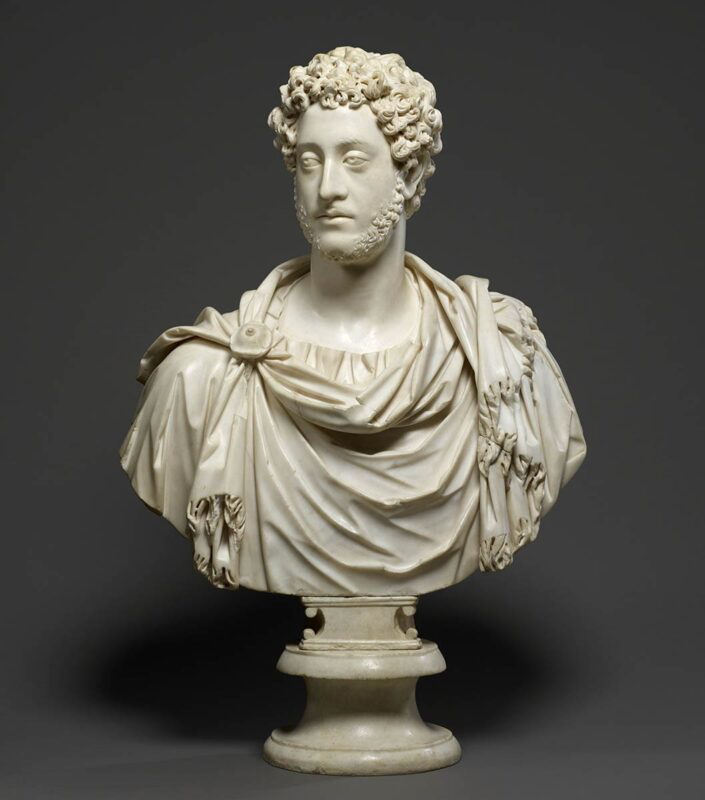
At the start of the year 192 AD, the consuls for the year were Commodus, for the seventh time, and Publius Helvius Pertinax, for the second time in his extraordinary career. One of these men would not see the dawn of the year 193, and the other would welcome in the new year as emperor.
The most reliable source for this period, Cassius Dio, is strikingly evasive as to how the conspiracy that toppled Commodus was conceived and enacted. The senatorial historian is similarly not forthcoming in identifying many of the men involved. Fundamentally, the plan would have required an extensive network of conspirators, so perhaps Dio is preserving the reputation of some of his senatorial colleagues. Ancient historians have used methods such as prosopography to try to identify the individuals involved. Although Pertinax is not identified by Dio’s narrative, it is extremely unlikely that he was ignorant of the plot. Three of the people who are identified as conspirators are Quintus Aemilius Laetus, the Praetorian Prefect in command of imperial security, Eclectus, the emperor’s chamberlain, and Marcia, Commodus’ mistress.
Late in 192, Commodus had been performing in the arena once again. This time, he massacred scores of beasts as part of the Plebeian Games. It was to be his final performance.
Commodus’ Final Bath
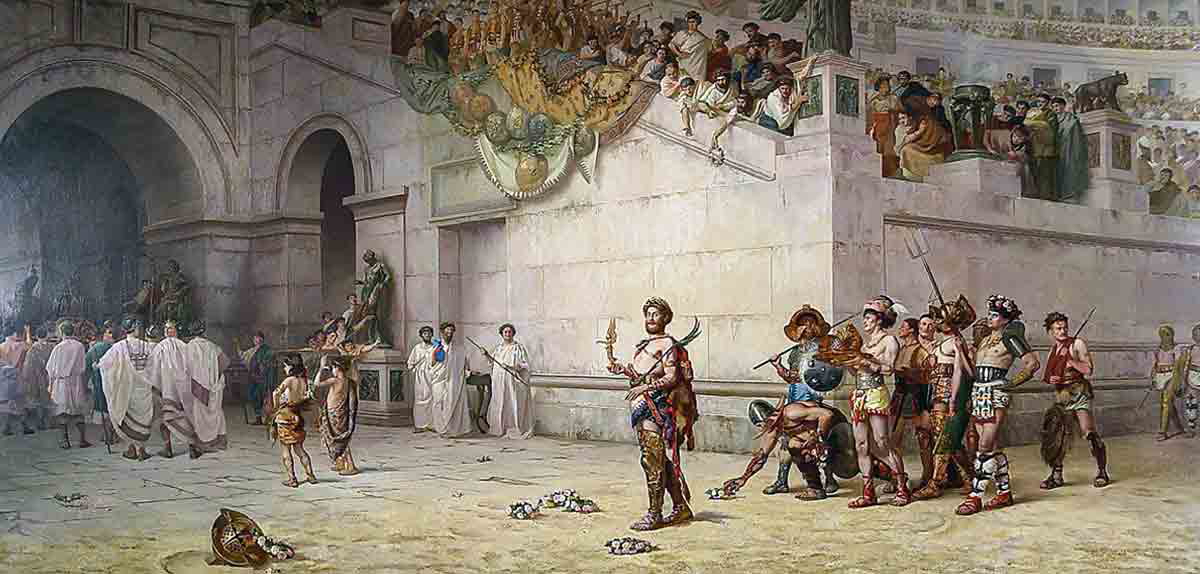
On New Year’s Eve 192, Marcia slipped a powerful poison into Commodus’ wine. The emperor then retired to his bath to relax. Like the previous conspiracies against the emperor, this one also almost failed. This time, the combination of the hot, oppressive atmosphere in the bath, coupled with Commodus’ prodigious ingestion of wine, caused the emperor to vomit. Because the emperor was prone to raucous behavior, the slaves in attendance did not pay too much attention. However, while he was purging his body of the alcohol, Commodus was also expelling the poison, jeopardizing the plot. If he survived the night, it was not just Marcia who would be in danger: a whole retinue of conspiratorial senators might be exposed.
Recognizing the danger that the upchucking Commodus represented, the conspirators acted quickly. Narcissus, the emperor’s favorite wrestler, was dispatched to the bathhouse. Still reeling from the effects of the poison, the enfeebled emperor was no match for the powerful young man. Narcissus strangled Commodus. To be murdered at the hands of the wrestler, naked and intoxicated, was an especially ignoble end.
Condemnation and Deification: Commodus’ Confused Legacy
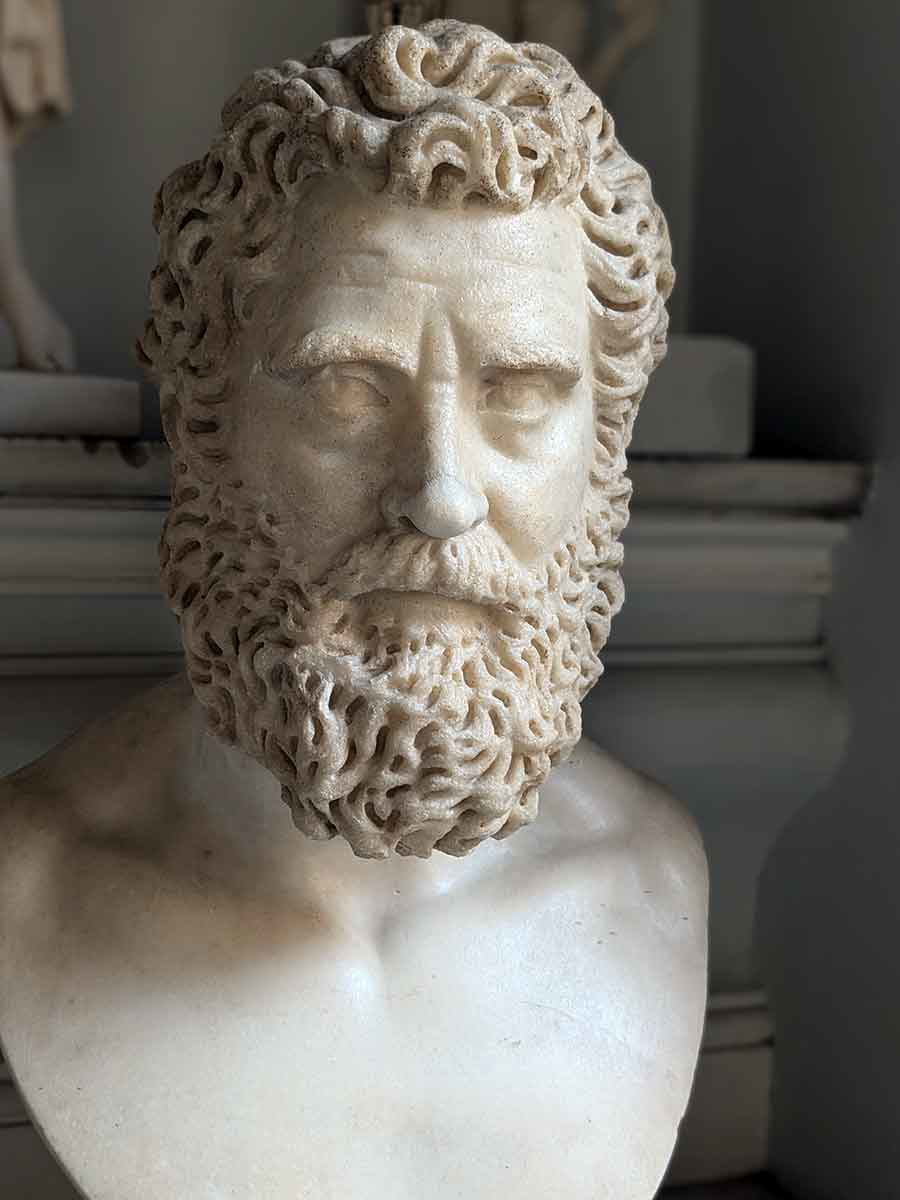
The indignity of his murder was not the final disgrace suffered by Commodus. Keeping the death of the emperor secret, Laetus and Eclectus went straight to Pertinax to alert him. Cassius Dio insists this is because of the man’s “excellence,” but perhaps protests too much. Pertinax was almost certainly in on the conspiracy. In the immediate aftermath, Pertinax was nominated as emperor by the Senate. As for Commodus, he was subjected to “damnatio memoriae,” the broad destruction of his name and images to “erase him from history.”
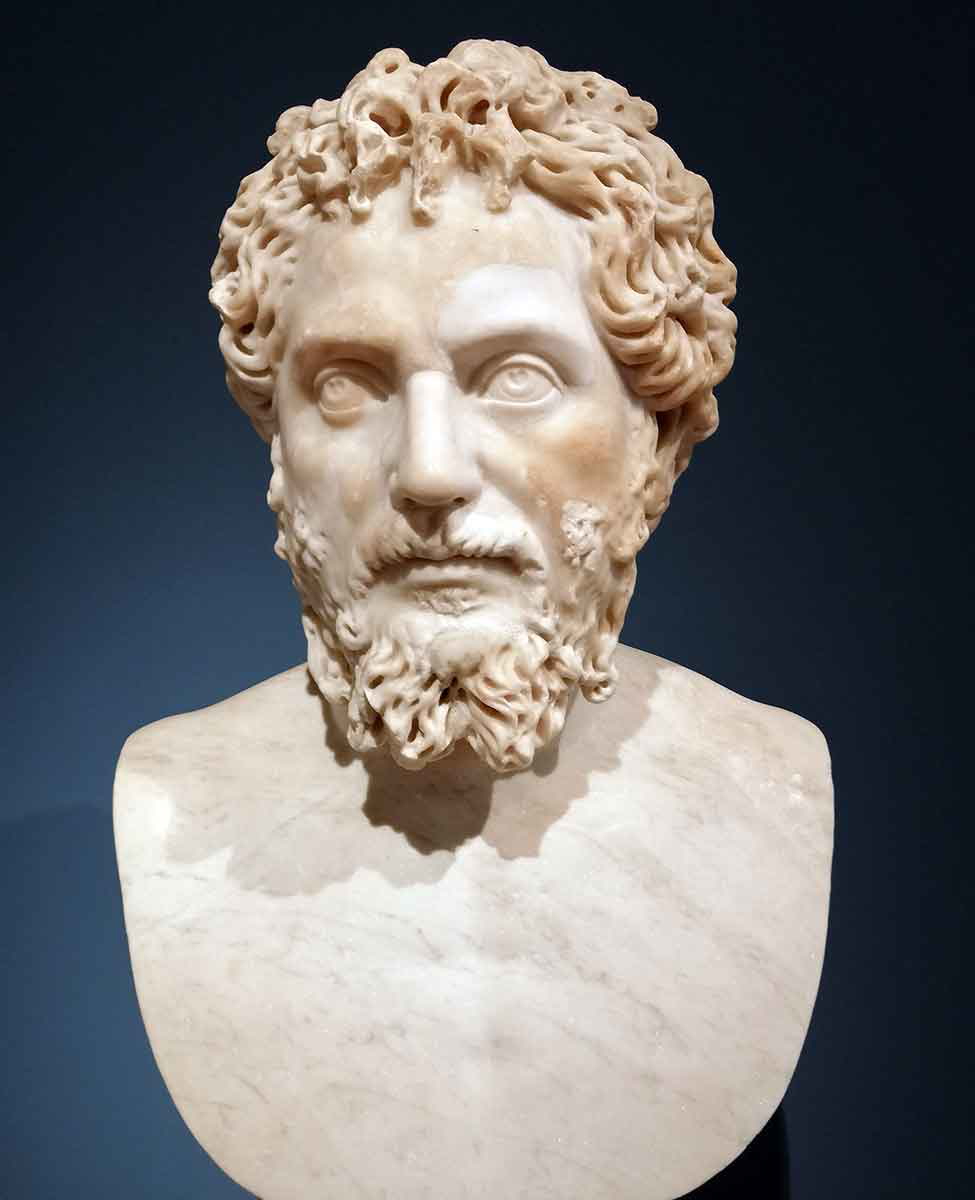
The euphoria at Commodus’ death was short-lived. Pertinax’s hold on power was tenuous, and soon, the empire slid into a protracted period of civil war. Pertinax was murdered after less than 90 days as emperor. When he was replaced by Didius Julianus, rival claimants rose up all over the empire. The Year of the Five Emperors began. In Syria, there was Pescennius Niger, and in Britain, the soldiers proclaimed Clodius Albinus. Across the Alps, in the province of Pannonia, the legions also proclaimed Septimius Severus.
It was Septimus Severus who would eventually emerge as the undisputed emperor in 197. Then, to the dismay of the Senate, he anchored his new dynasty in Rome’s glorious past. He claimed Marcus Aurelius as his father, thereby reviving Commodus’ memory as his brother. While it may seem farcical today, the “Antonine” names of Marcus Aurelius and Commodus provided Severus with an ideology of stability and continuity. While Commodus the man may have perished in the conspiracy of 192, the political importance of the “purple born” emperor long outlived that fatal night in the bath.