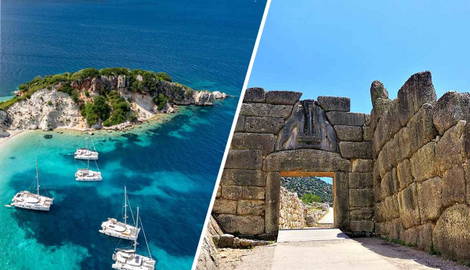

Homer’s Iliad is one of the oldest stories in Western literature. The epic poem revolves around the Trojan War, a legendary conflict between the people of Troy and the early Greeks. According to Homer, the warfare lasted ten long years and saw the involvement of meddlesome gods, a golden apple, duels between formidable heroes, and an infamous rage. Not all settings mentioned in the poem, however, exist only in myths. Discover ten places featured in the Iliad that you can still visit today.
1. Troy
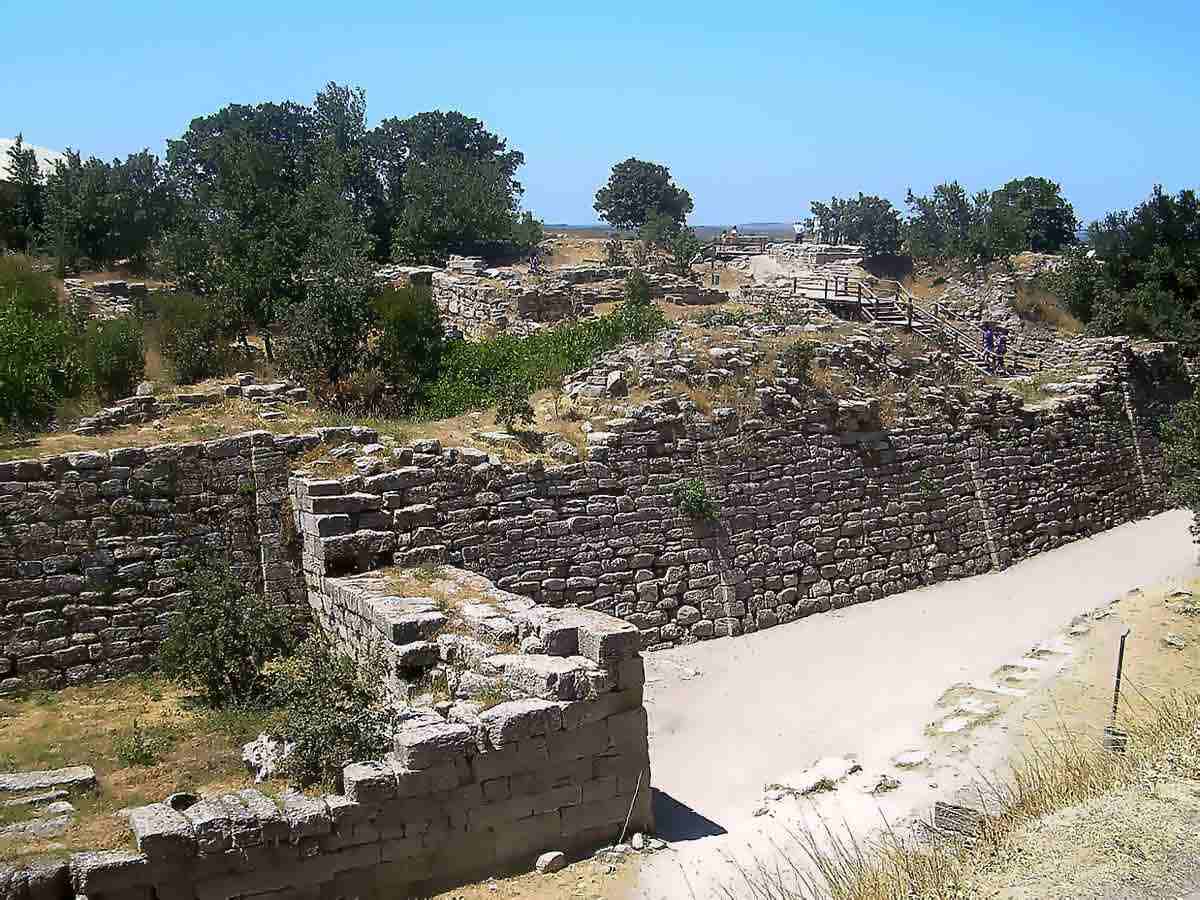
“The day shall come when sacred Ilios shall be laid low, and Priam, and the people of Priam.” — Iliad (6.448)
The quest for the real-life location of the city of Troy, also known by its archaic name Ilios/Ilion (hence the title Iliad, meaning “Song of Ilion”), has long fascinated historians and archaeologists. Today, the mound of Hisarlik in northwestern Turkey is generally considered the legendary city’s most likely location.
The first to dig here was German archaeologist Heinrich Schliemann in the 1870s, guided by the British scholar Frank Calvert. In Hisarlik, Schliemann, followed by others, found the remains of not one but nine layers of ruins, each belonging to a different period of Troy’s history. Archaeologists label them Troy I through IX.
The strata that are believed to best fit Homer’s poem, Troy VI and VIIa, date to a 13th-century BC fortified city ringed by thick limestone walls and towers. It was likely destroyed by a fire between 1240 and 1260 BC. In 2025, an excavation campaign led by Rüstem Aslan of Canakkale Onsekiz Mart University unearthed a pile of sling-stones outside the palace walls. Whether they were truly used as weapons during the conflict narrated by Homer, however, remains to be seen.
2. Mycenae
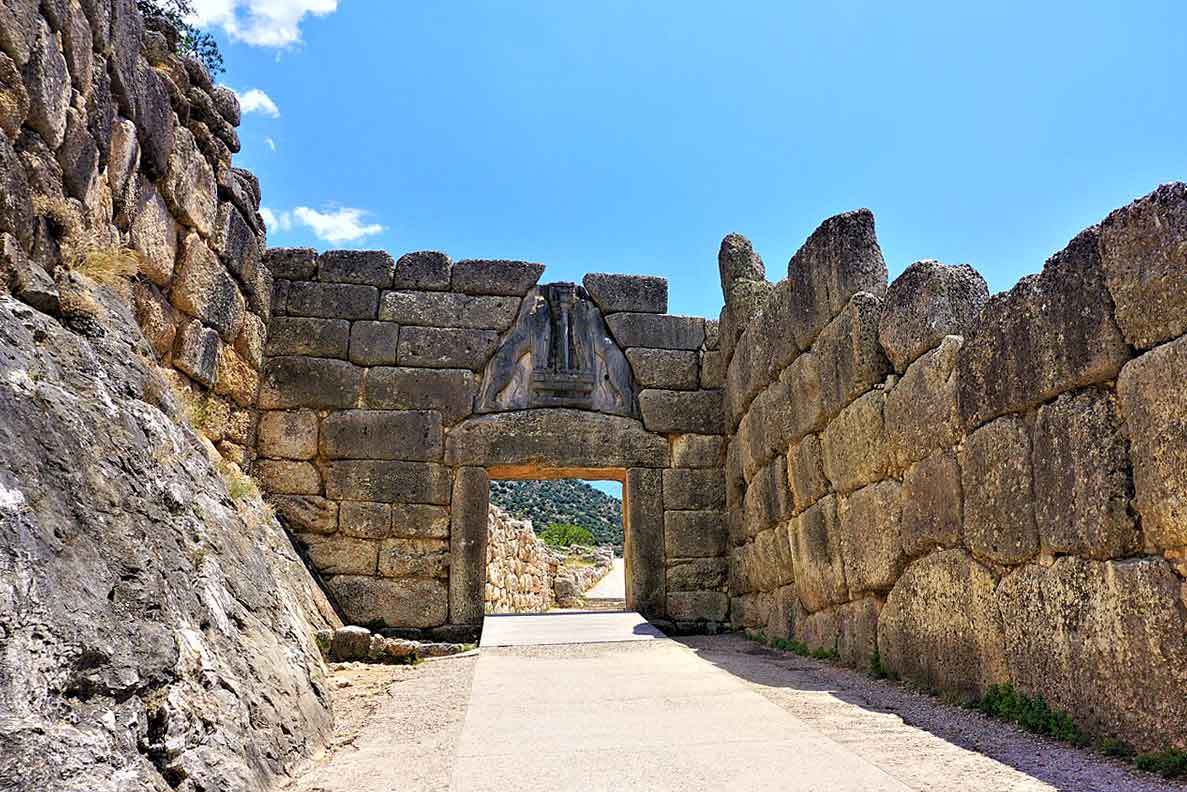
“Mycenae, rich in gold” — Iliad (7.180; 11.46)
In the Iliad, Mycenae is the stronghold of Agamemnon, the commander of the Greek forces and the elder brother of Menelaus, king of Sparta and husband of Helen, the most beautiful woman in the world. It was her elopement (or abduction) with the Trojan prince Paris that sparked the Trojan War.
Homer describes Mycenae as “rich in gold,” and the golden artifacts found in its ruins more than confirm this reputation. Perched above the plain of Argos in the northeastern Peloponnese, Mycenae was at the heart of the Mycenaean civilization. From 1600 to 1100 BC, the Mycenaeans were the dominant power in the Bronze Age.
Schliemann arrived at the site associated with Agamemnon in 1876 and unearthed the famous shaft graves of Grave Circle A, filled with gold diadems, weapons, and a beaten-gold death mask he named the “Mask of Agamemnon.” However, it was later discovered that the artifact predates the Trojan War.
Today, in Mycenae, visitors can pass beneath the Lion Gate and walk the so-called “Cyclopean” walls, built of stones so massive that later Greeks assumed only the Cyclopes, a race of giants, could have lifted them.
3. Pylos
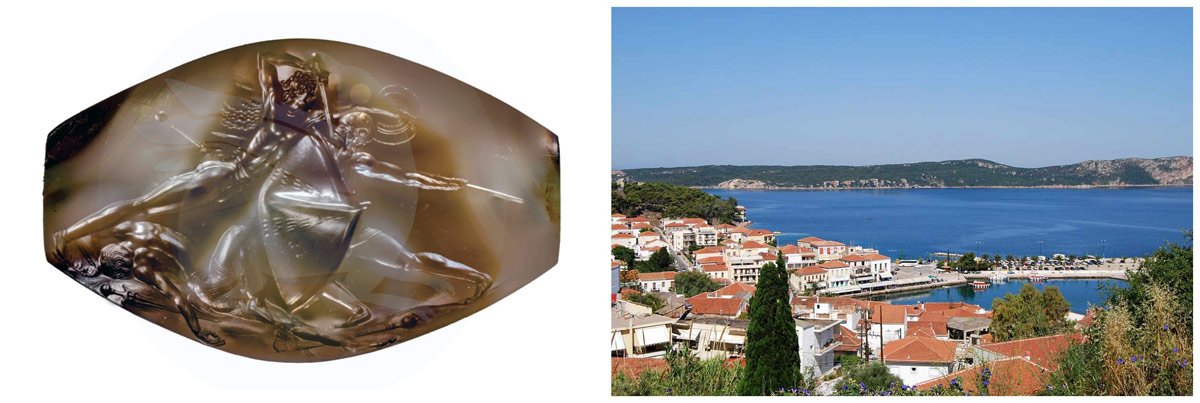
In the Iliad, King Nestor, the oldest and wisest of the Achaean leaders, rules “sandy Pylos,” and never tires of recalling his glory days. The real-life location of the capital mentioned by Homer has long been a matter of scholarly debate. In 1939, American archaeologist Carl Blegen found a Mycenaean compound at Epano Englianos, a hilltop in southwestern Greece. Later excavations in the 1950s and 1960s unearthed clay tablets inscribed in a Greek script known as Linear B, which had also been found in Crete.
In 2015, University of Cincinnati archaeologists Jack Davis and Sharon Stocker uncovered an undisturbed grave near the palace of Pylos. Inside lay the “Griffin Warrior,” a man buried around 1450 BC with bronze weapons, gold rings, ivory combs, and a seal stone dubbed “Pylos Combat Agate.” Named after an ivory plaque depicting a griffin found in the tomb, the discovery offers important insights into early Mycenaean civilization.
4. Sparta
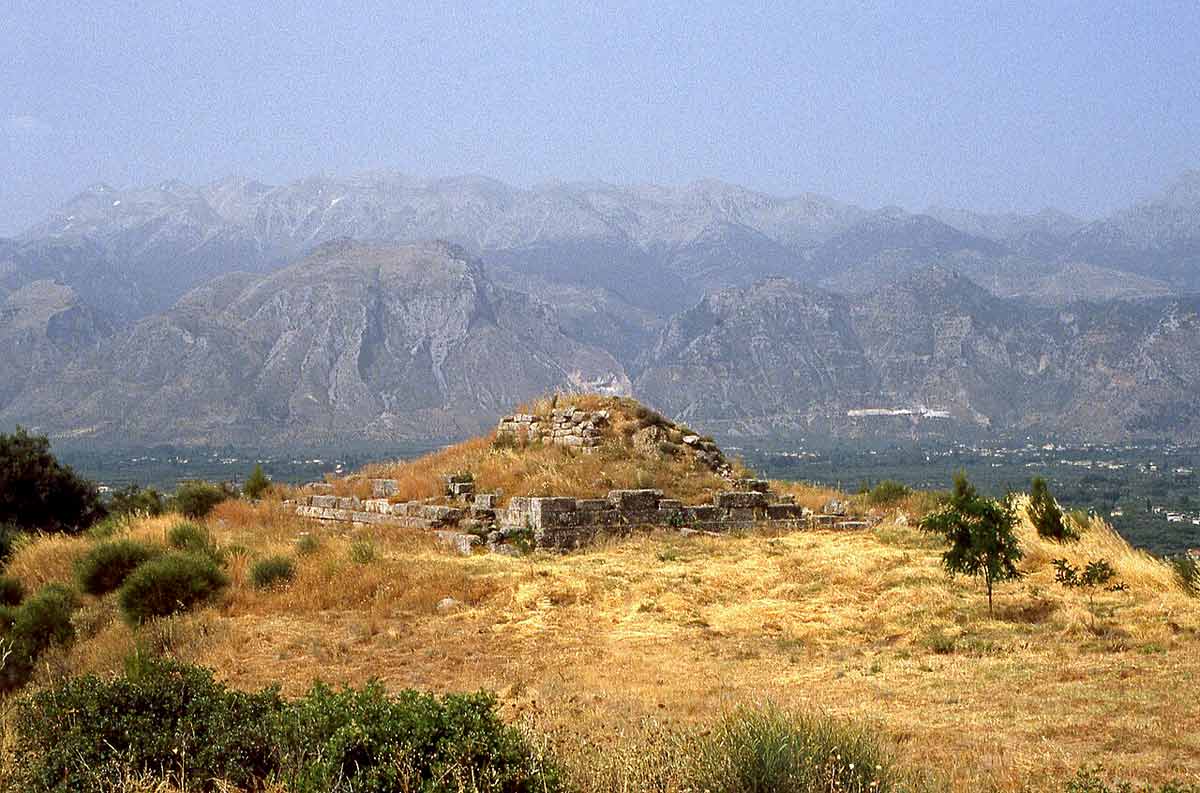
“And they that held the hollow land of Lacedaemon with its many ravines, and Pharis and Sparta and Messe, the haunt of doves… these were led by Menelaus.” — Iliad (2.581)
According to Homer, Menelaus, the younger brother of Agamemnon, rules a territory known as Lacedaemon and centered on Sparta. The ancient capital of Laconia, a district in the southeastern Peloponnese, is most commonly associated with the ruthless warriors of the later city-state (6th-2nd centuries BC).
Alongside the remains dating back to Classical Greece, archaeologists have also found ruins of Mycenaean palaces east of Sparta at Therapne, an ancient town within the Laconian city’s territory. There also sit the remains of the Menelaion: a shrine where Spartans worshipped Menelaus and Helen from the 8th century until the Hellenistic period. In the 1970s, the British School at Athens excavations at the site recovered votive offerings directly dedicated to the legendary king and queen of Sparta.
5. Tiryns
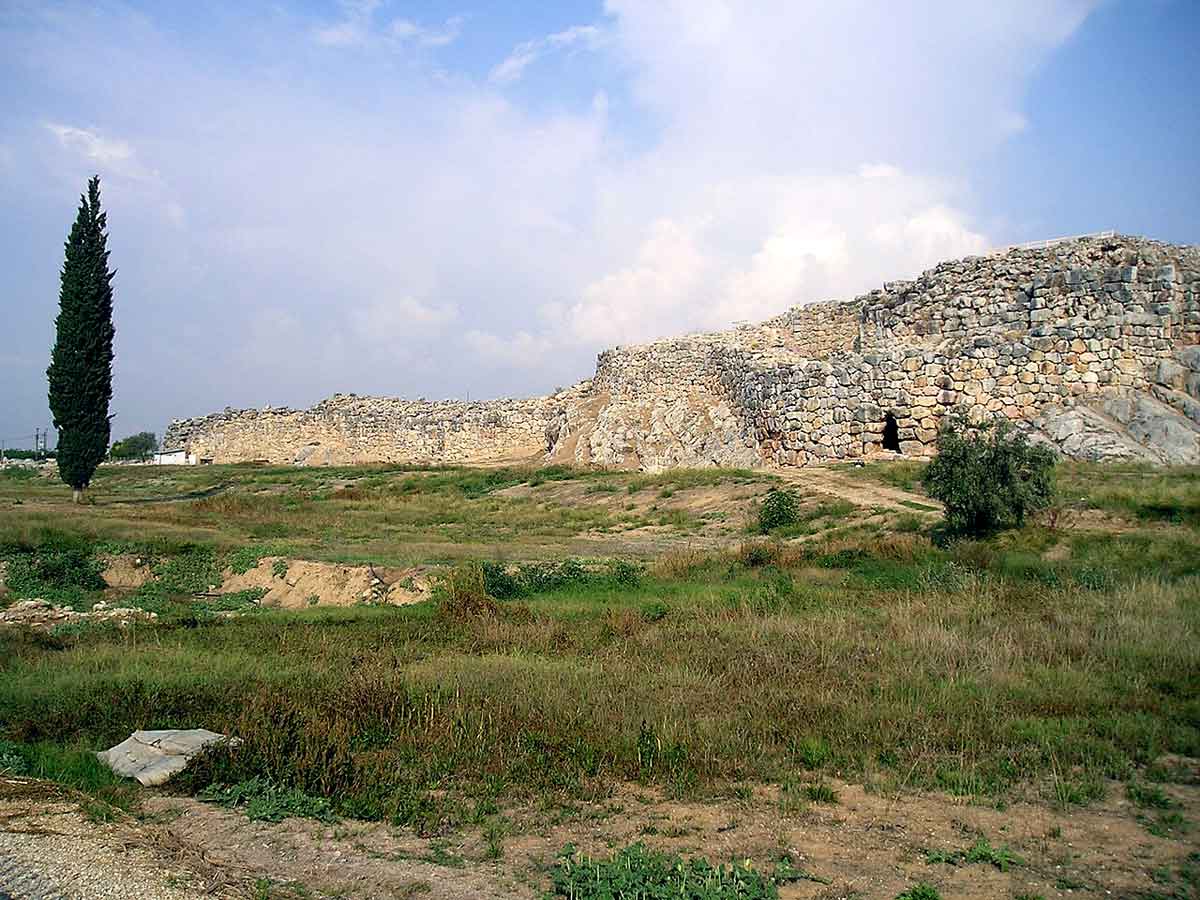
“But they who dwelt in Argos, or within the strong-walled Tiryns… over these brave Diomed bore sway.” — Iliad (2.559)
Diomedes, one of the fiercest Achaean warriors in the Iliad, commands the contingent from Argos and Tiryns. The latter, described as “the walled” (τειχιόεσσα, teichioessa), survives today as the site of one of the most imposing Mycenaean ruins in Greece.
A low citadel south of Mycenae, Tiryns features a fortification surrounded by thick walls that show off the marvels of Mycenaean military engineering, such as corbeled stone galleries tunneled through the ramparts. The ancient Greeks again credited the construction of the walls to the Cyclopes.
Today, Tiryns is protected alongside Mycenae as a single UNESCO World Heritage site, the twin centers of the world Homer and his audiences imagined when they pictured the kings who sailed for Troy.
6. Crete
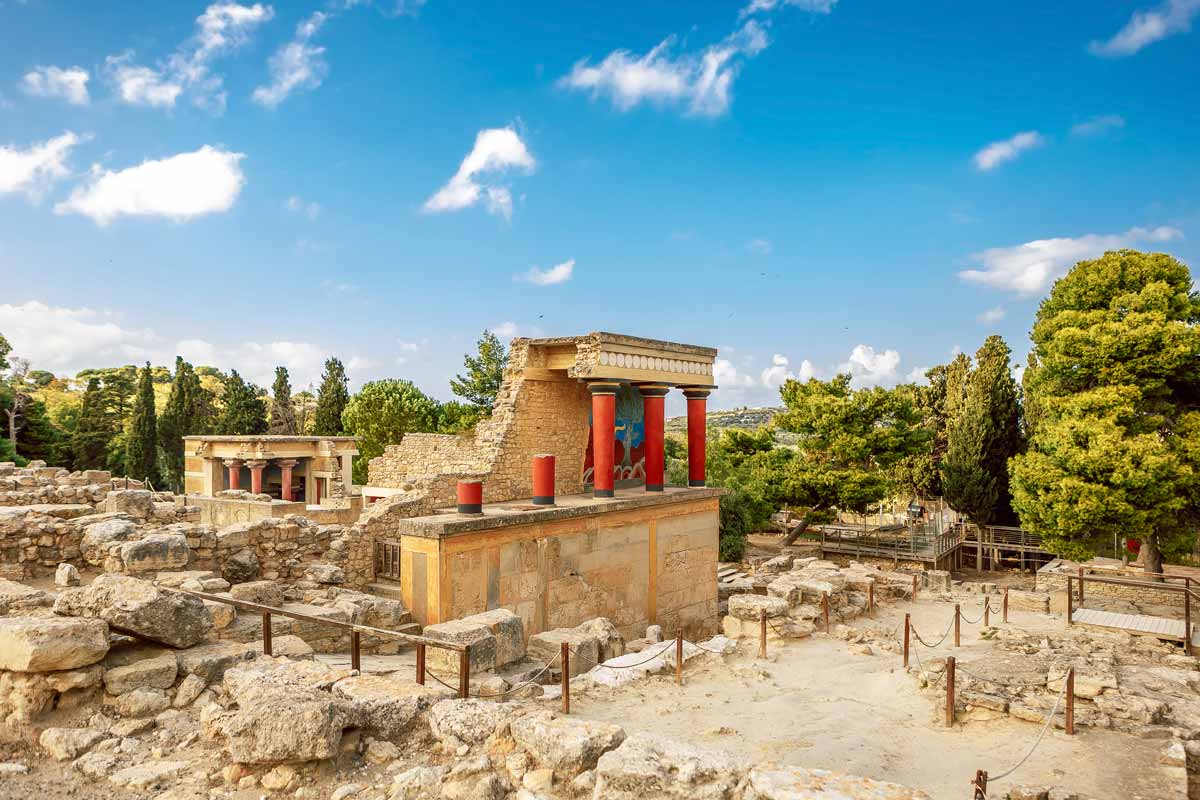
“The Cretans had as leader Idomeneus, famed for his spear, even they that held Cnosus and Gortys, famed for its walls… and the rest that dwelt in Crete of the hundred cities.” — Iliad (2.645–649)
Homer describes Crete as the island of a hundred cities that, under the leadership of the warrior-king Idomeneus, sends 80 ships to fight against Troy. Before the Mycenaean conquest in the 15th century BC, Crete saw the rise of the Minoan civilization, a Bronze Age culture named after the legendary King Minos.
Today, the most imposing ruin on the island is in Knossos, the site of a palace complex excavated by Oxford University scholar Sir Arthur Evans in the early 20th century. Alongside the ruins of the palace, whose complex plan suggested a connection with the legendary labyrinth of the Minotaur, Evans unearthed several tablets written in the Mycenaean Linear B script, the oldest known Greek dialect. Elements of the Linear B survived in Homer’s language.
7. Mount Olympus
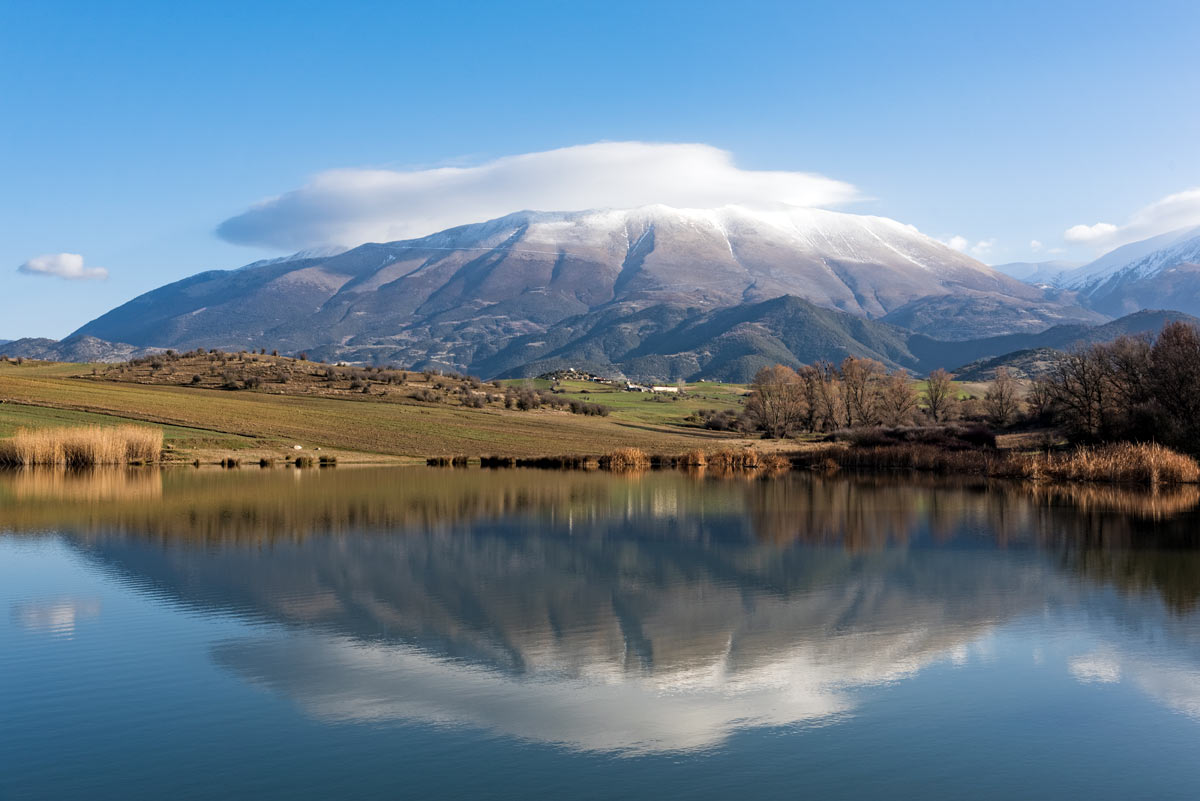
“Zeus that hurleth the thunderbolt made a gathering of the gods upon the topmost peak of many-ridged Olympus.” — Iliad (8.2–3)
The site of Zeus’ throne and home of the ancient Greek gods, who love to quarrel over the fate of mortals, Mount Olympus rises on the border of Thessaly and Macedonia. It is the highest peak in Greece, and its summit reaches 9,570 feet.
For ancient Greeks, the choice of Mount Olympus made sense: the massif’s peak is often wrapped in clouds, hidden from view, the obvious dwelling for their immortal gods. Homer pictures them feasting above the stormy clouds while battle rages below, gathering “upon the topmost peak of many-ridged Olympus.” Today, Mount Olympus is a national park.
8. Mount Ida
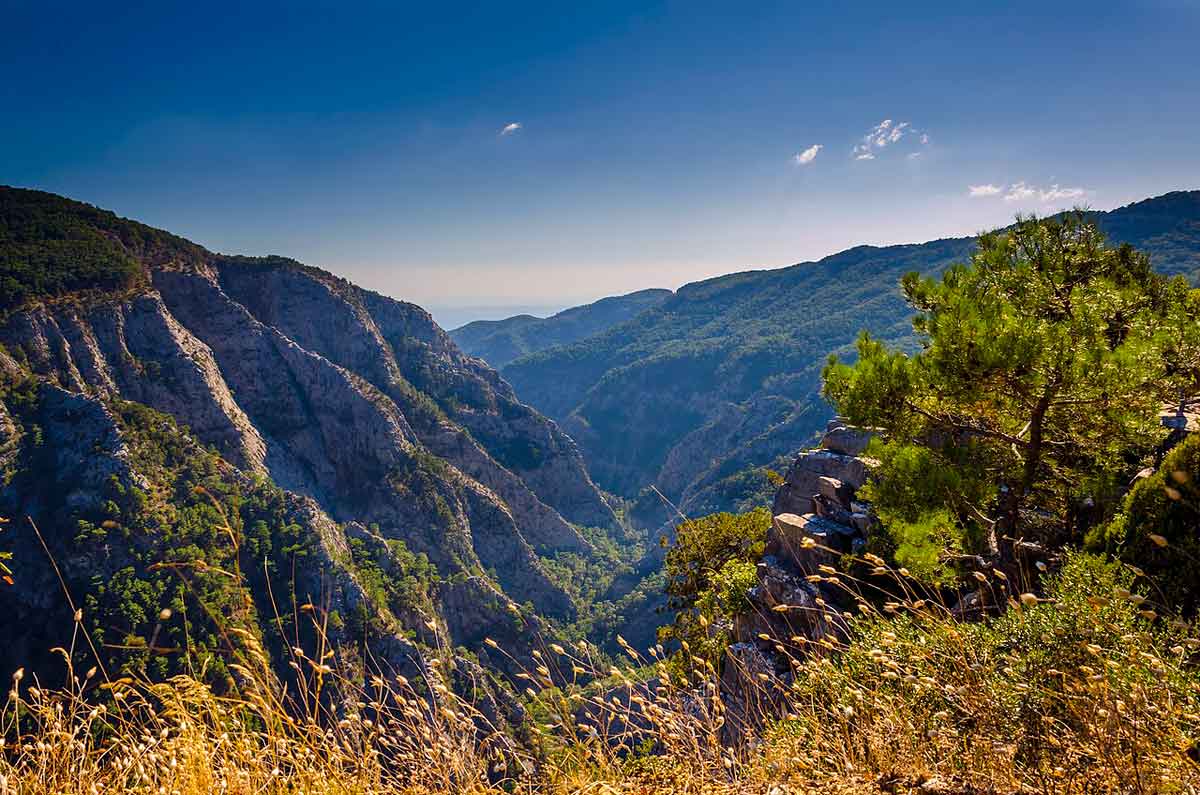
“But when father Zeus saw them from Ida, he waxed wondrous wroth.” — Iliad (8.397)
Looming over the Trojan plain in Homer’s epic poem is Mount Ida, where Zeus and the other Greek gods watch the war unfold and where, in the wider myth, the shepherd-prince Paris judged the beauty contest among three goddesses—Hera, Athena, and Aphrodite—that set the war in motion. Ida is also the name of the highest mountain in Crete, where, according to legend, Zeus was said to have been reared.
Known as Kaz Dağı in Turkish, Mount Ida is some 20 miles southeast of the ruins of Troy in northwestern Turkey. Its peak is about 5,800 feet high. Today, the mountain is the site of the Kaz Dağı National Park, a forested range drawing visitors for its waterfalls, biodiversity, and connection to the Homeric world.
9. The River Scamander
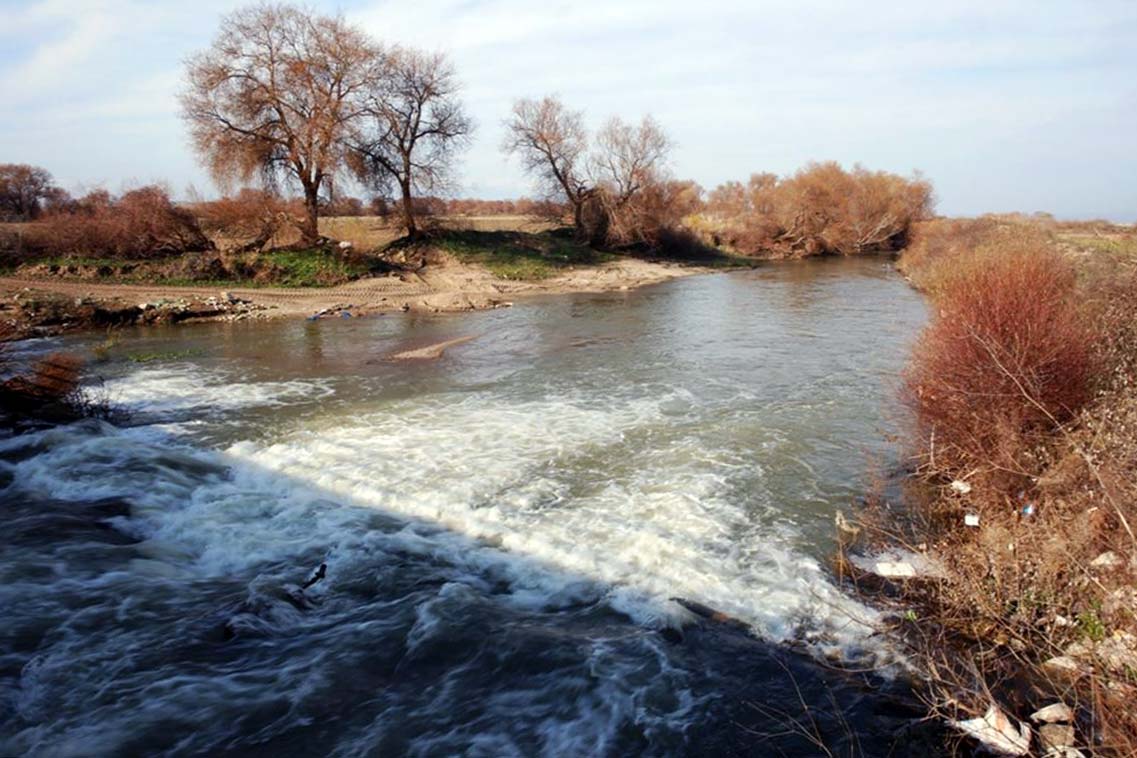
“…and against Hephaestus stood the great, deep-eddying river, that god called Xanthus, and men Scamander.” — Iliad (20.74)
In Book 21 of the Iliad, Homer narrates how the semigod Achilles, son of Peleus and the sea nymph Thetis, chokes the River Scamander (called Xanthus by the gods) with so many corpses that the river god himself rises up in fury and tries to drown the warrior. Only the fire of Hephaestus manages to beat the water of the river surrounding Troy back.
A river that fights a man sounds like fantasy, but the Scamander is a real watercourse. It is identified with the Karamenderes River, which flows from Mount Ida and winds across the Trojan plain, joined by a second stream, the Simoeis, and empties into the Aegean Sea. Over time, the plain’s rivers have shifted course, but the water that almost killed Achilles still flows today.
10. Ithaca
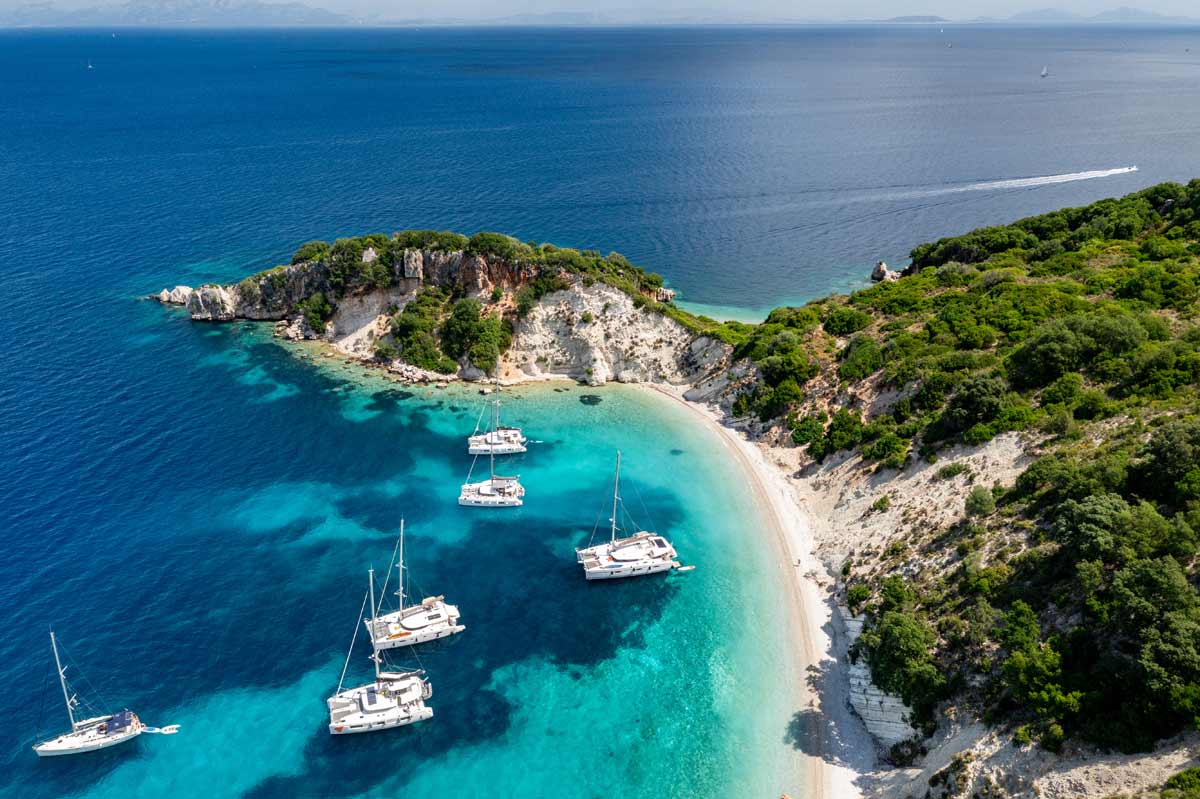
“And Odysseus led the great-souled Cephallenians that held Ithaca and Neritum, covered with waving forests.” — Iliad (2.631)
Odysseus, the most cunning of the Greeks, sails to Troy from his island home, Ithaca. Today, the Homeric location, and the home the Greek hero desperately tries to return to in the Odyssey, is commonly identified with the present-day island of Ithaki. However, some disagree with this theory, arguing that the mountainous Ithaki does not match the location described by Homer as the lowest-lying and furthest west in its island group.
The identification of Ithaca is one of the most debated puzzles in Homeric geography. Another suggestion is the Paliki peninsula of Kefalonia. Once a separate island, some argue, an earthquake filled in the channel separating Paliki from the mainland mass. Others identify Homer’s location with Lefkada, an island north of Kefalonia.
To this day, the debate is unresolved.