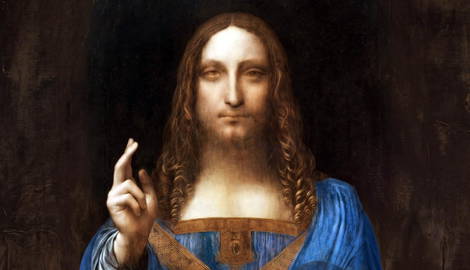

Few artists have inspired as much public excitement as Leonardo da Vinci. Yet despite his towering reputation as the ultimate Renaissance genius, only a small number of paintings are safely attributed to him. This scarcity has made the emergence of a new Leonardo a towering event, and none more so than the enigmatic Salvator Mundi. Read on to find out more about this fascinating work!
1. Only 20 Paintings Are Attributed to Leonardo
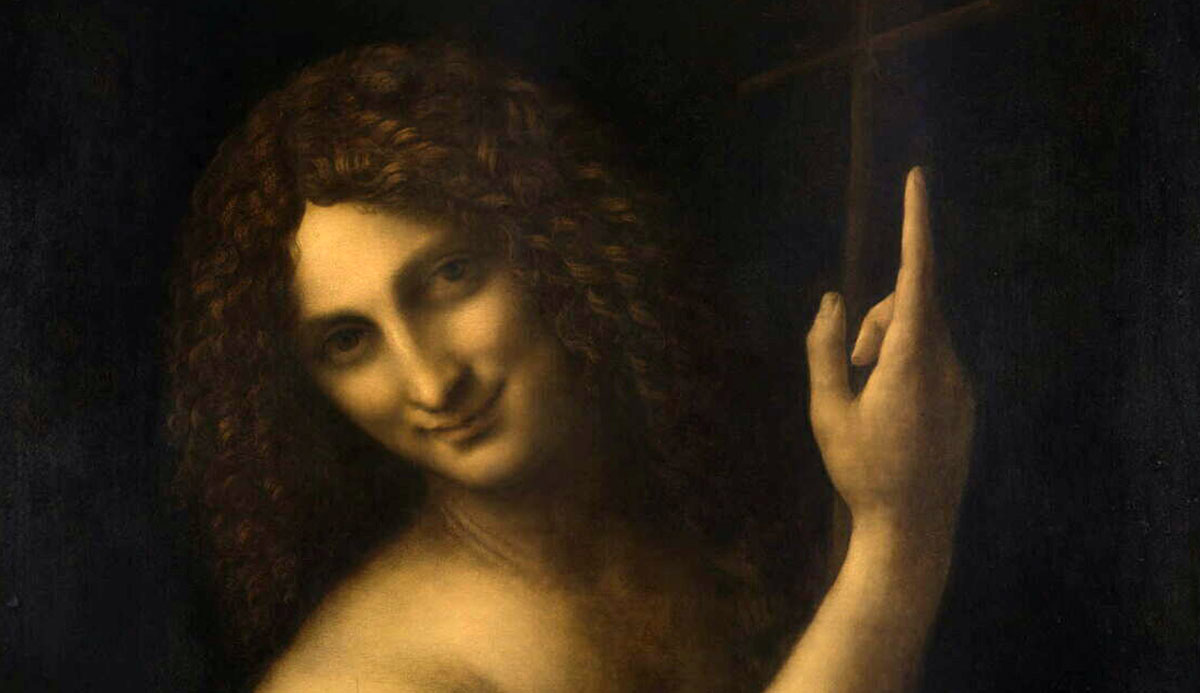
Leonardo da Vinci was a very prolific artist and engineer. However, he didn’t produce many paintings that we can certainly attribute to his hand. His painted oeuvre consists of around 20 paintings. Most of his works depict women or groups, female portraits being one of his strongest suits. Very few of his works depict a single male figure. Leonardo seems to have been interested in the complexities of depicting important religious figures over notable men from his time.
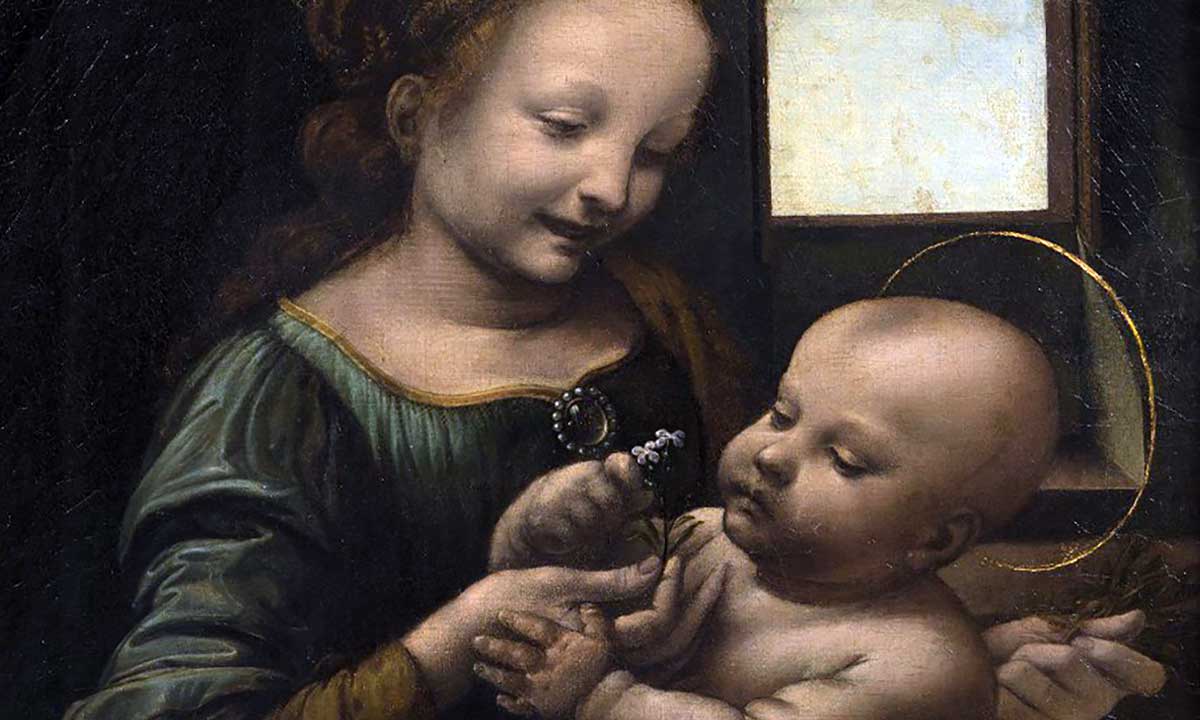
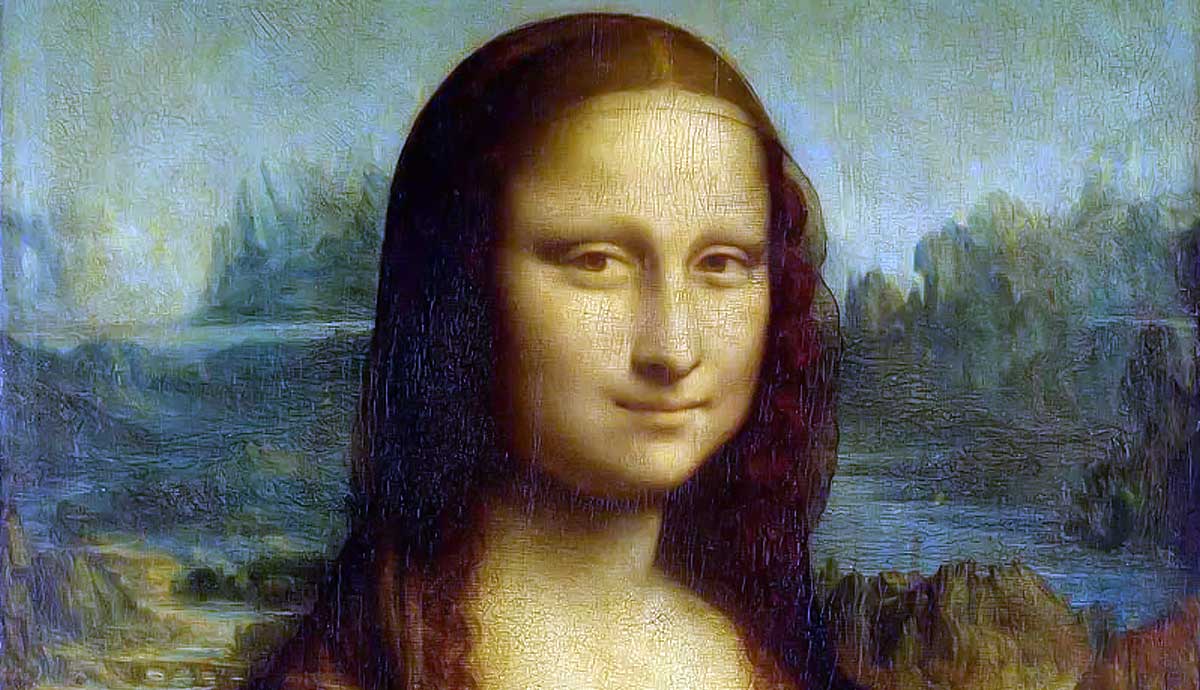
The sfumato technique he perfected in the Mona Lisa is also very visible in the Salvator Mundi, leading some art critics to call it the male Mona Lisa. When the painting first showed up on the market in 2005, no authentic Leonardo painting had emerged for over 100 years. The previous work, namely the Benois Madonna, made its public debut in 1909 and entered the Hermitage collection in St. Petersburg in 1914.
2. The Painting Passed Through Many Kings’ Hands
Beyond artistry, provenance adds another layer of pedigree to a work of art. The more prestigious the history of its ownership, the more sought-after a masterpiece becomes. In this case, its provenance is as mysterious and debatable as any other aspect of the painting.
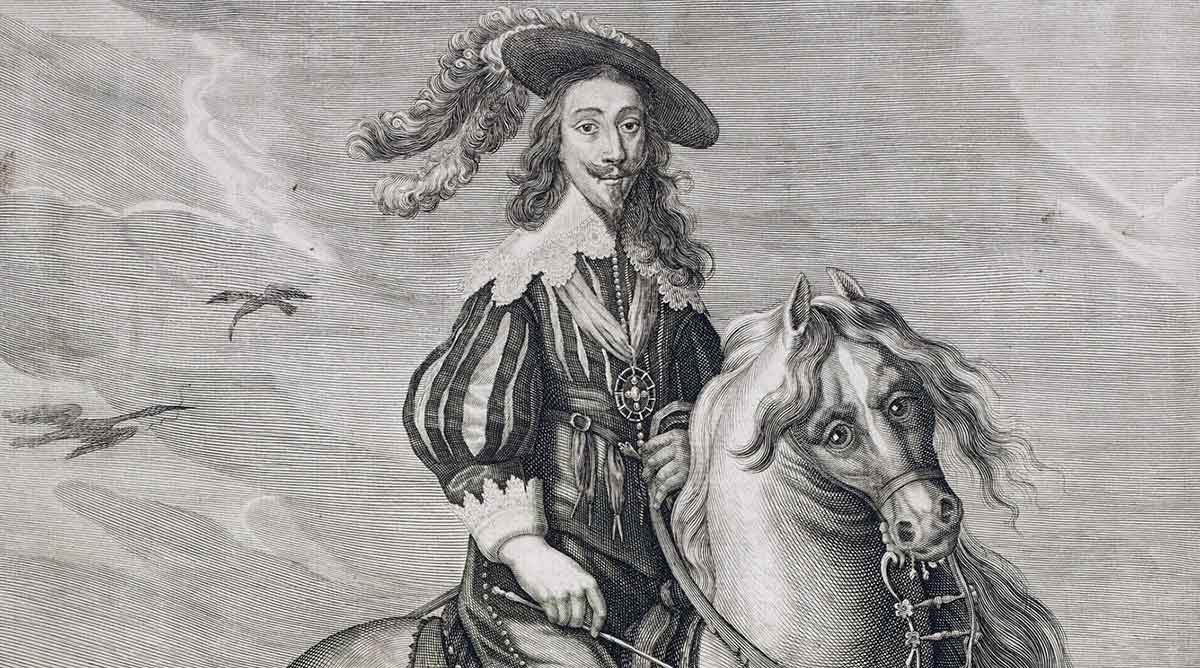
Luke Syson speculates that King Louis XII of France may have commissioned the painting around 1500 for his wife, Anne of Brittany, after the French conquest of Milan and Genoa. It may have then been passed to Henrietta Maria, the daughter of King Henry IV of France and Marie de’ Medici, who potentially brought it to England in 1625 upon her marriage to King Charles I.
While the commission’s history remains just a theory, the painting’s presence in Charles I’s collection is firmly documented. Charles I was an avid collector. Following his execution in 1649, the collection was dispersed, with many works sold to help settle his debts.
The Salvator Mundi appeared in the Commonwealth inventory as A peece of Christ done by Leonardo at 30-00-00/ Sold to Stone a/o 23 Oct. 1651. Its 30 Sterling valuation seems astonishing today, especially in light of its latest price.
Captain John Stone retained the painting until 1660, when it was returned to Charles II following the Restoration. It was subsequently recorded in the 1666 Whitehall inventory as Leonard De Vince O.r Savio.r with a globe in one hand holding up y.e. other.
3. There Are Several Versions of Salvator Mundi
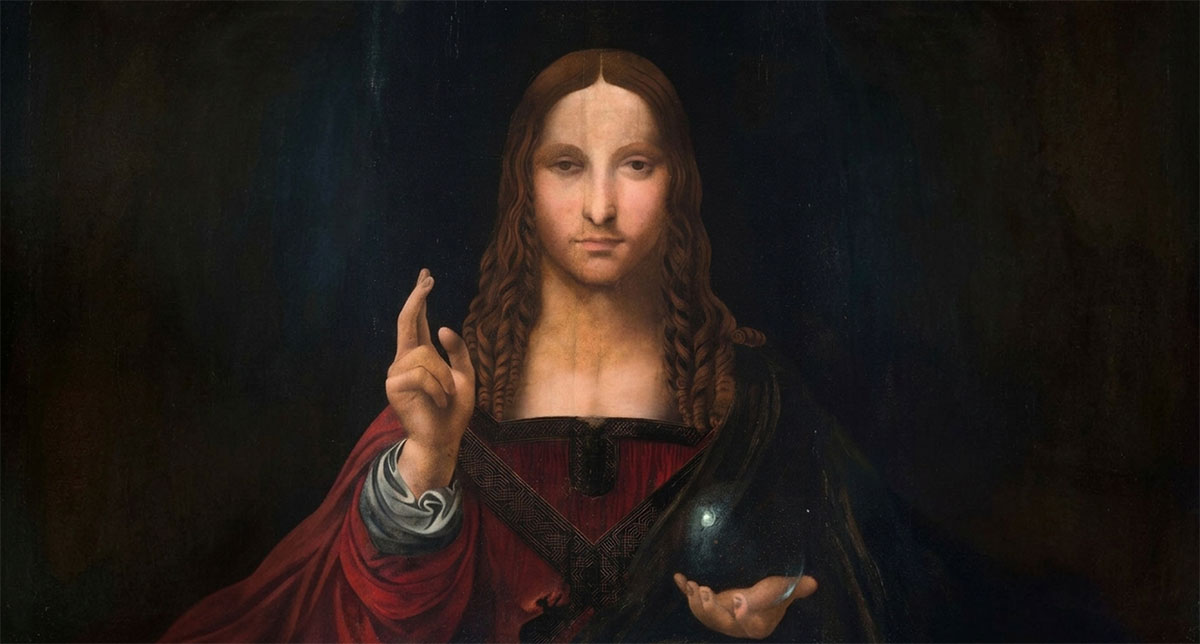
This is an important factor in understanding why Salvator Mundi became so difficult to identify. Numerous copies make the question “which one is the original?” particularly complicated. Leonardo da Vinci’s catalog raisonné, compiled by the renowned scholar Frank Zöllner, lists seven other variants. The paintings range in quality, but they are all indisputable Renaissance masterpieces.
The authorship of these many variants is either placed in the workshop or circle of Leonardo, as is the case with Giacomo Salaï, one of his most talented pupils. There is another Salvator Mundi, attributed, for instance, to Girolamo Alibrandi, the Raphael of Messina. The enthusiasm over Leonardo has led to a recent theft of the Alibrandi in Naples in 2020. The work was safely recovered by the Italian police the following year.
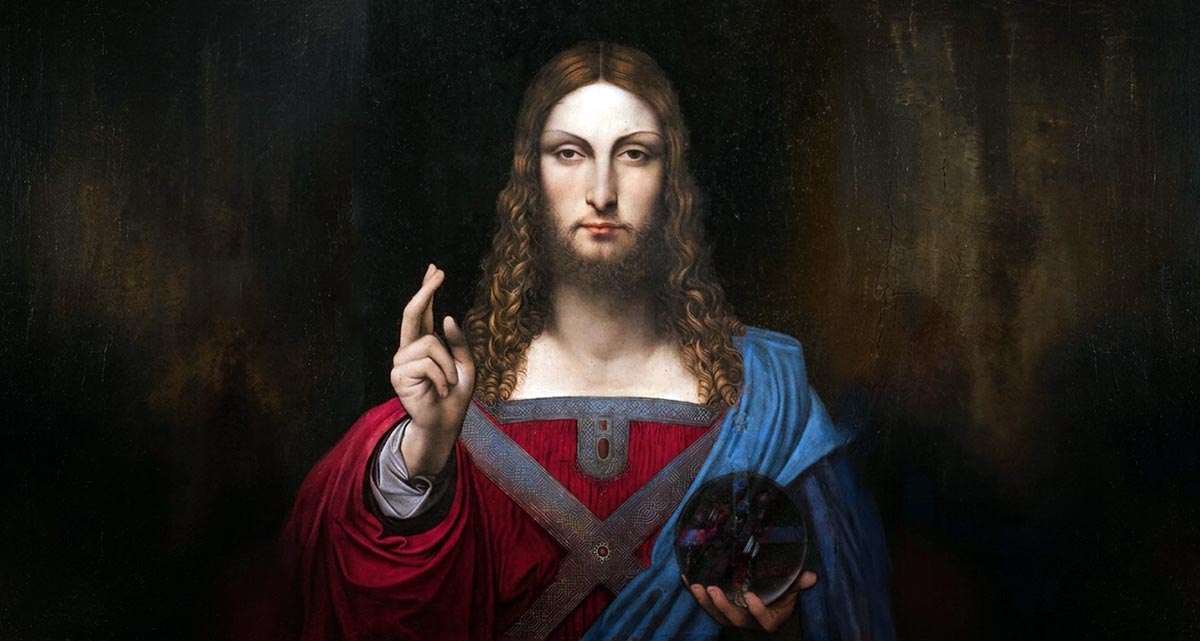
In light of their nearly identical costume and positioning of Christ, any of the works depicting this iconographical instance have been contenders for the title of original.
The provenance leading us back to Charles I is confounding. We know of only one Leonardo painting depicting the Savior, but without other characteristics in the description, it may still relate to any of the variants. What doesn’t aid specialists in drawing certain conclusions is that the painting displayed heavy overpainting, which virtually turned it into a new variant.
4. The Painting Was Hidden Beneath Layers of Overpaint
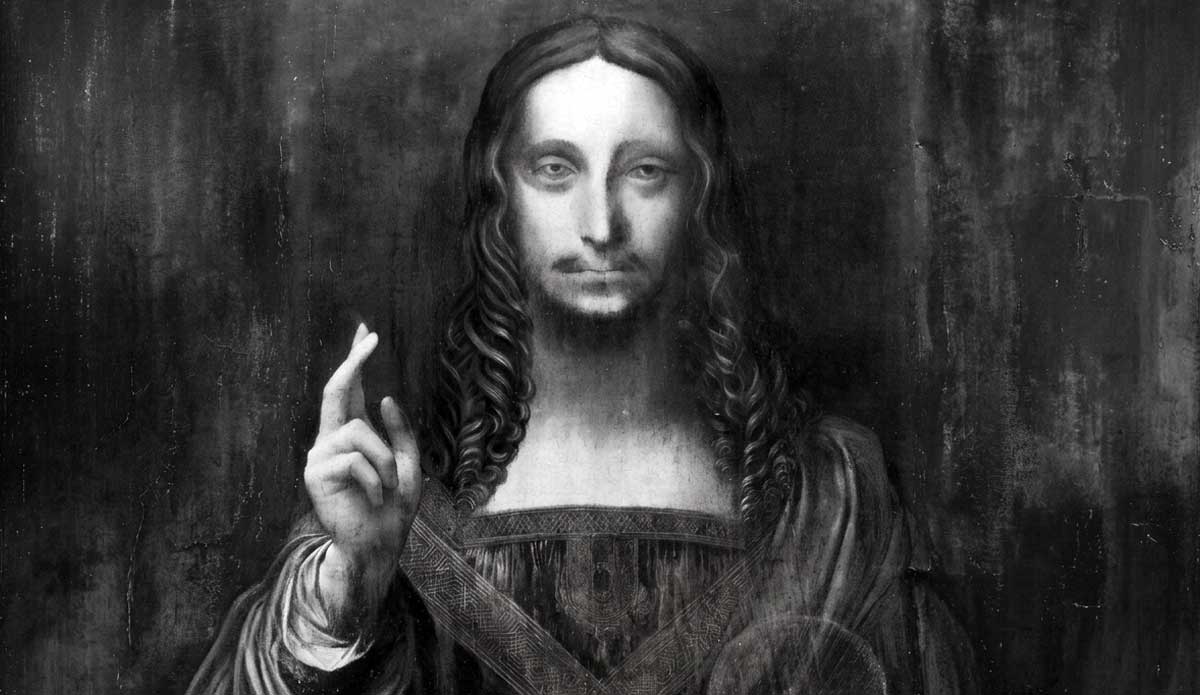
The first photograph taken of the Salvator Mundi, in 1904, shows us the state the panel was in prior to the radical removal of paint that took place in 2005, when it first resurfaced on the market. That year, it surfaced at an estate auction in Louisiana, as after Leonardo da Vinci. Its estimated worth was $1,200-1,800, and it sold for $1,175.
By 2008, when specialists were invited to examine the painting, the overpaint had been fully removed, showing only the badly damaged initial composition. Dianne Modestini, the painting’s restorer, recounts that the overpaint was obscuring the face and the curls of Christ, but it didn’t cover the hands, which were the main element that led her to attribute it to Leonardo.
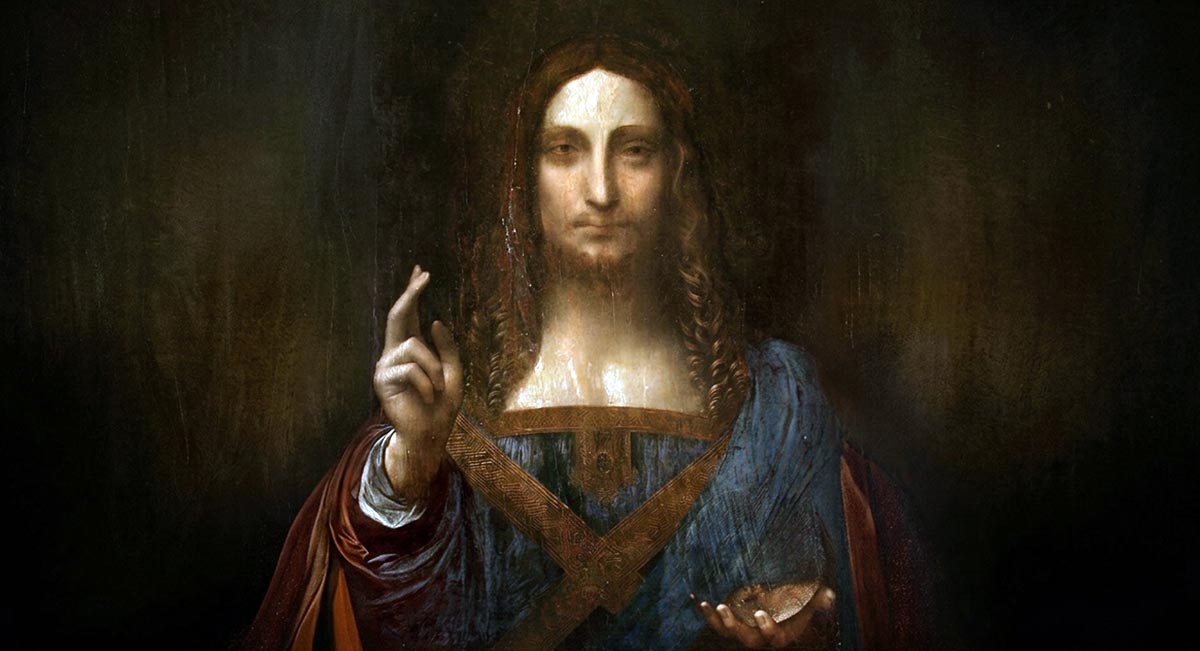
By the end of a three-year cleaning and restoration process, Modestini came to believe 100 percent that Leonardo painted it and that no one else could have done it because of the technique. One of the revealing details in the original layer of paint was a series of pentimenti on Christ’s right thumb (which we could translate as changes of mind) that, for Modestini and other connoisseurs, indicated the presence of the original.
5. Its Wooden Panel Was Nearly Falling Apart
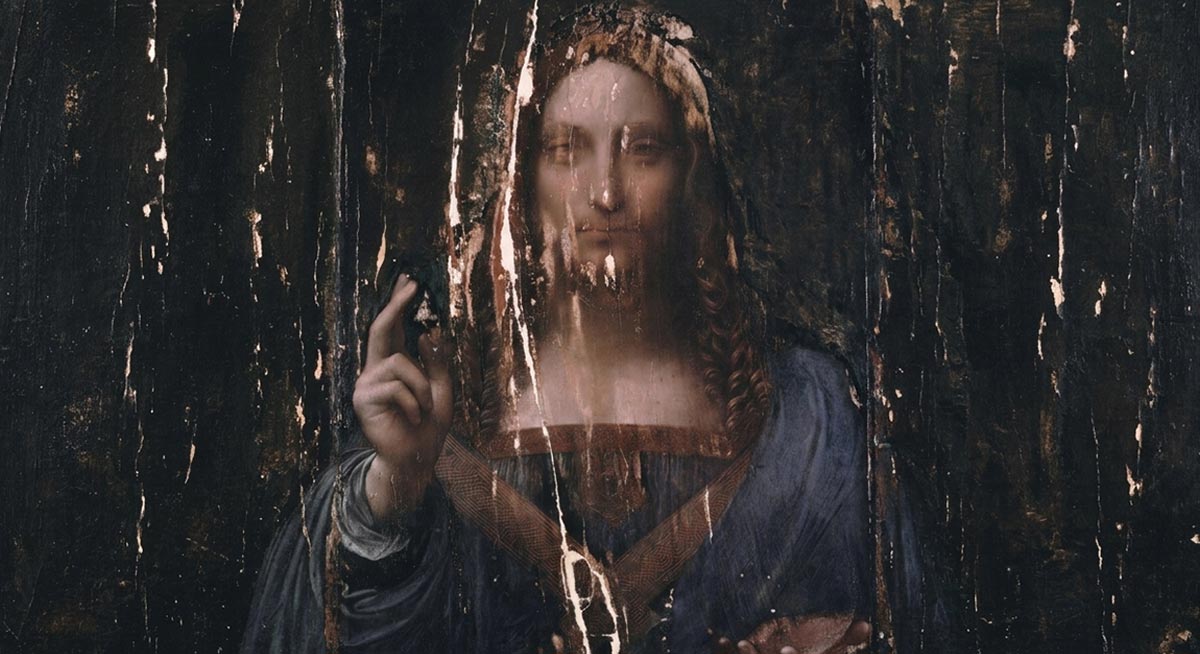
The state of the Salvator Mundi was deplorable at first glance. Most of its surface was covered in heavy grime and overpaint. The support, a thin walnut panel, was in an extremely precarious state as well. Once Modestini finished testing the surface, Monica Griesbach, a specialist in wood treatment, was enlisted for the second stage of the restoration.
Griesbach added fillets of aged walnut and treated the almost dismantled panel. By the time of her intervention, the painting was almost split into two fragments, with smaller snippets of the wood detaching by the hour. Monica and Dianne worked side by side for three years, ensuring that the painting and its support would be stable enough for their debut in the art world. This entailed the difficult and diplomatic filling of the areas that lost their pigment with readily soluble paint.
6. The Crystal Orb Holds Clues to Its Attribution

In the debate over the attribution, the orb becomes a fascinating piece of visual evidence. What does Leonardo’s treatment of it tell us? Martin Kemp, one of the most eminent specialists, suggests that the aspect of the orb is key to a positive attribution to Leonardo. Upon his first examination, Kemp concluded that Christ is holding a globe made of rock crystal.
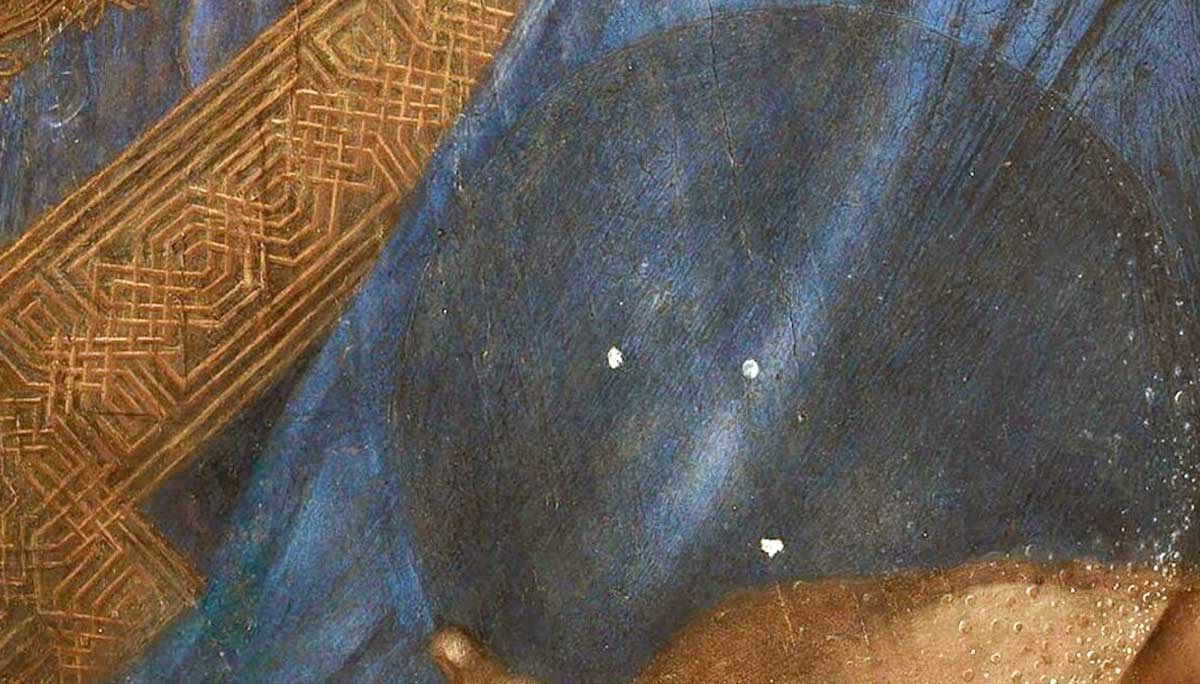
For some, the lack of optical deformation in Christ’s robe argues against Leonardo’s handling. While aware of refraction in various surfaces, Leonardo considered that depicting its effects belonged to the domain of speculators concerned with natural phenomena, not painting. Aiming to enhance rather than disrupt the effect of a devotional image such as the Savior, Leonardo opted for decorum, or pictorial good manners. While being preoccupied with visual effects of moving or static objects, Leonardo didn’t incorporate that in his sophisticated paintings.
7. Experts Still Disagree Over Whether Leonardo Painted It
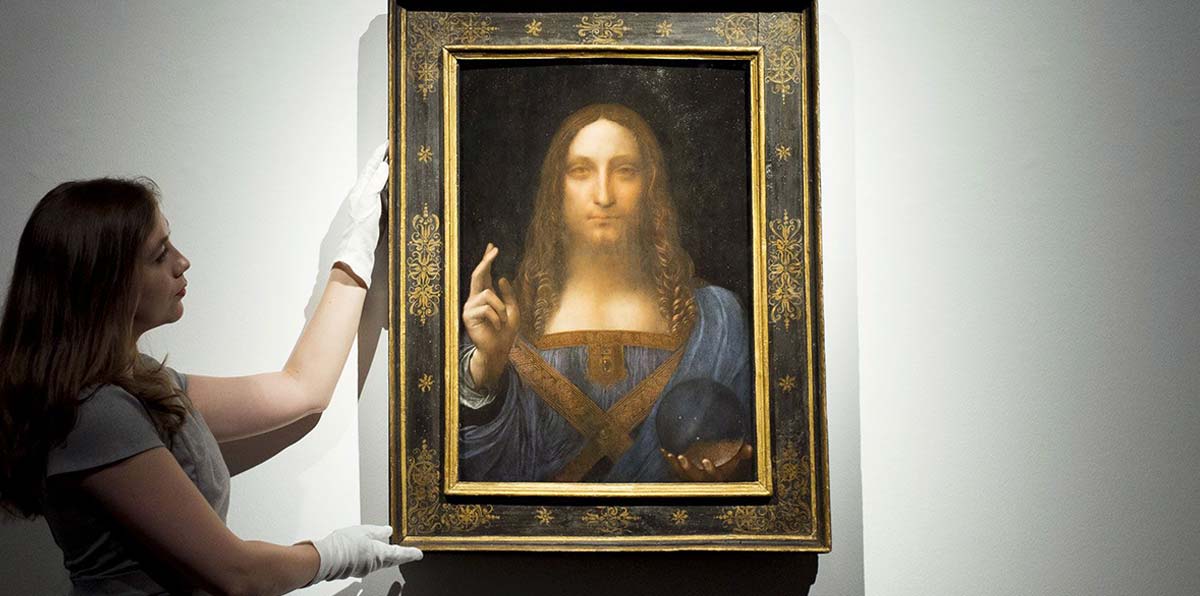
How can the art world then determine if this is a real Leonardo? Specialists are still split. Conservative art historians argue that Leonardo made only part of it, as a workshop production. That is an opinion that prefaces the definitive catalog of the oeuvre of Leonardo da Vinci, which was revised in 2020 to include a discussion of the Salvator Mundi.
Other voices are more adamant about accepting it as a full attribution. A major event that cemented the view that the painting is an autograph work by Leonardo was the 2011-2012 exhibition at the National Gallery in London: Leonardo da Vinci: Painter at the Court of Milan.
When a museum of the stature of the National Gallery decides to express its position through a blockbuster exhibition, it has the effect of silencing dissenting opinions. Moreover, it increases the market price of an art piece considerably. A prominent vote against the affirmative attribution came from Carmen Bambach, senior curator at The Metropolitan Museum of Art and one of the first specialists to analyze the painting. Bambach argued on several occasions that the Salvator Mundi was the work of Giovanni Antonio Beltraffio, an assistant of Leonardo. At best, she argued the master only made small adjustments.
8. It Sold for $450 Million and Then Disappeared
After the public debut in 2011, the painting went into private hands. The two competing buyers were the Dallas Museum and Dmitry Rybolovlev, a Russian oligarch eager to add an Old Master to his growing collection of A-listers. The broker was Yves Bouvier, an infamous Swiss art trader.
The Salvator Mundi sold for $80 million, and Sotheby’s New York arbitrated the transaction in 2012. The painting came again on the market in 2017, with Christie’s at the helm of the auction.
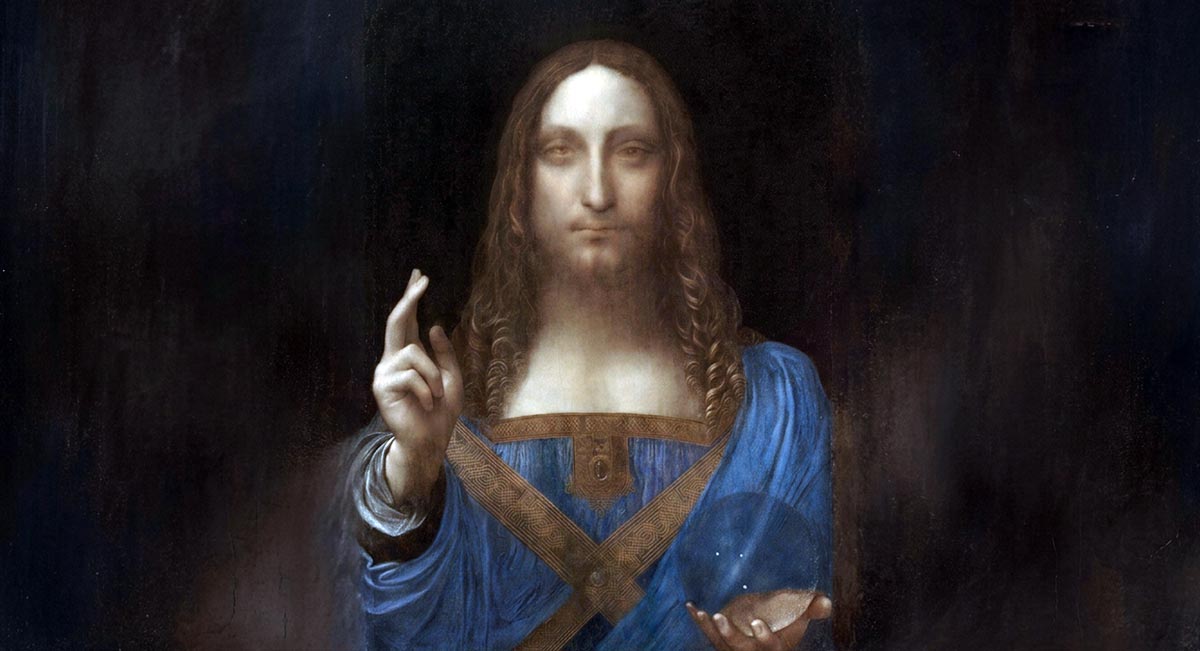
What went down made history. The world’s most expensive work of art, the presumed Leonardo da Vinci Salvator Mundi, sold for $450 million, shattering any previous records.
It was purchased by two Saudi princes, and it was meant to enter the display of the Louvre Abu Dhabi, next to another masterpiece by Leonardo, La Belle Ferronnière. That was the last we heard of the Salvator Mundi. Its prospects are now undefined, with rumors that it lies in storage in a free port in Switzerland.
Any aspect of the Salvator Mundi fascinates and captivates us. We can trace its possible journey through royal collections, decades of neglect, fastidious restoration, never-ending attribution debates, and a record-breaking auction.
The painting has an eerie quality, and an almost uncanny weirdness. As Martin Kemp has suggested, that element is what makes the painting feel like a Leonardo. The closer we look, the more elusive it seems to become. It is without a doubt a work of genius, even if we would never be able to declare whose. That genius attracts us and leaves us wondering.