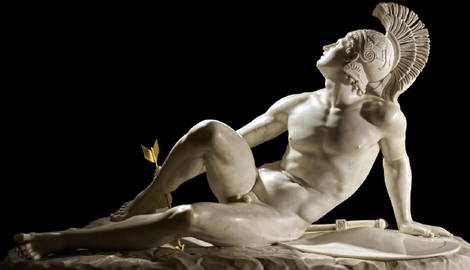
Perhaps the most famous story about the hero Achilles relates to his vulnerable heel. As an infant, the hero was dipped into the river Styx by his mother, the immortal Thetis, to grant him invulnerability. Yet the goddess held him by his heel, and thus it became his one weak spot. However, this story is not mentioned in Homer’s Iliad nor anywhere in Greek myth. Rather, it was the Roman poet, Statius, who recorded this legend centuries later.
The Origin of Achilles
The life story of Achilles was well known to the average Greek. Perhaps second only to Herakles in popularity, Achilles reflected the ideal hero in the warrior ethos of ancient Greece. Born of a goddess and a mortal father, Achilles exhibited incredible strength, bravery, and fighting prowess. Even before his birth, he was destined to shine.
Long before Achilles was born, his mother, the sea goddess Thetis, was courted by both Zeus and Poseidon. However, the gods were warned by a prophecy that Thetis was destined to give birth to a son greater than his father. Since neither god was willing to be deposed by a son, they withdrew their affections. Zeus passed Thetis off to the mortal Peleus, his own grandson. Peleus was the king of Phthia, a kingdom in the region of Thessaly, located north of the great cities of Thebes and Athens.
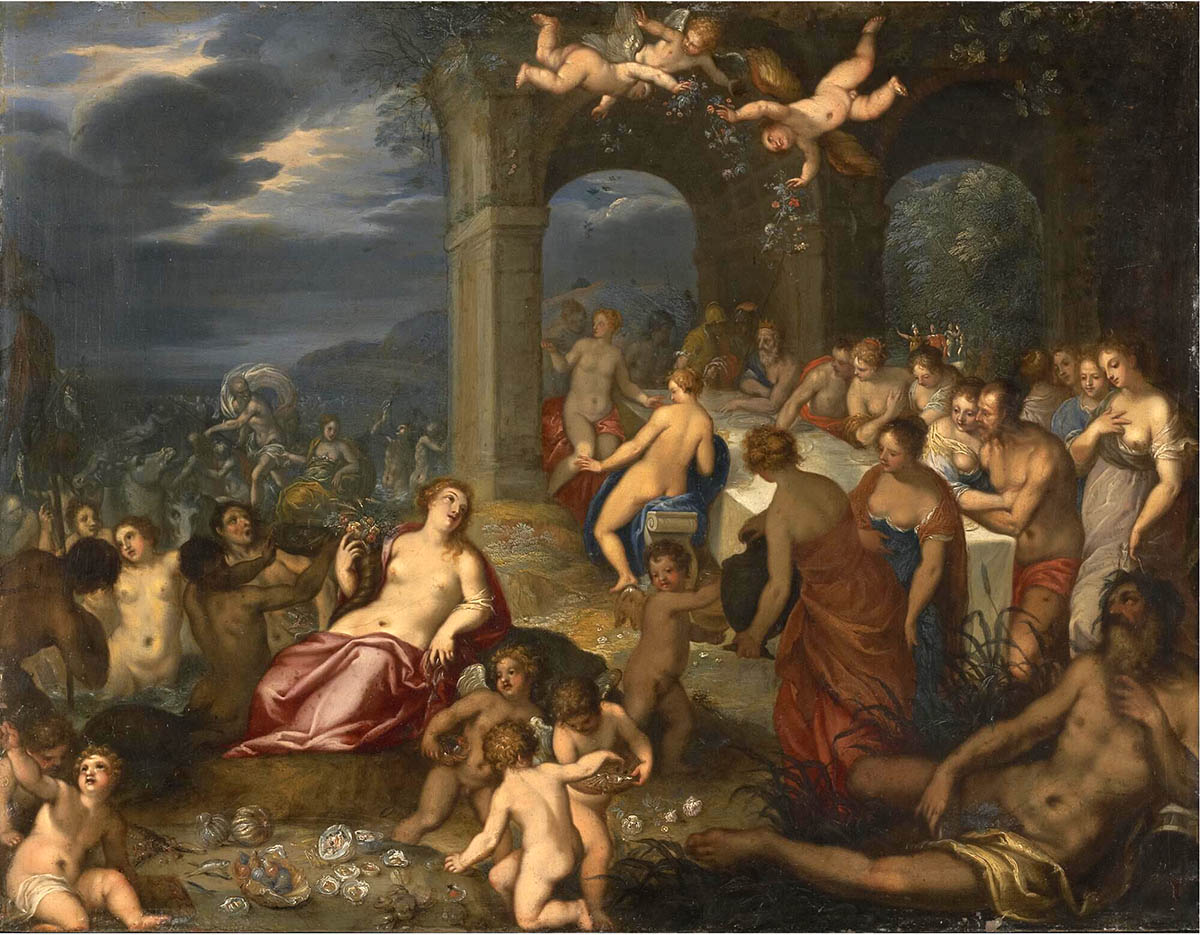
Despite Zeus’ plan, Thetis was not exactly thrilled with the notion of being wedded to a mortal. When Peleus came to collect her, the goddess tried to escape him by shapeshifting into various forms, including water, fire, and a snake. But Peleus had been advised to hold fast, no matter what form she took. She eventually resigned herself to her fate. Achilles was then born of their union, and while Peleus was a great hero and a member of the famed Argonauts, he was outshone by his demigod offspring. Thus, Achilles fulfilled the prophecy of being greater than his father.
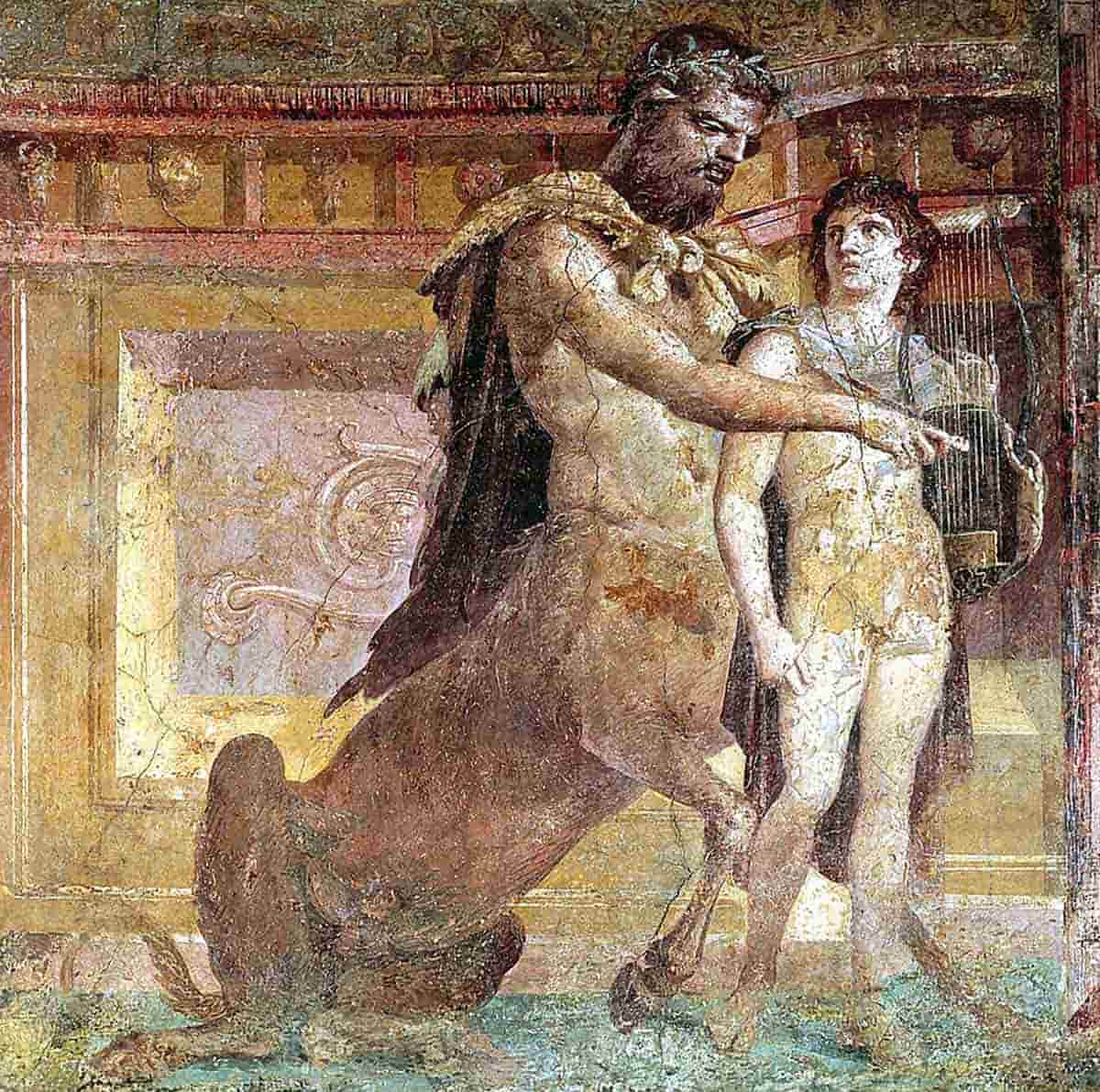
Later, Achilles was sent to be taught by the great centaur, Chiron, who was much different than his half-horse brethren. A half-brother to Zeus himself, Chiron was more civilized and renowned as a great mentor to the heroes, including Jason, Theseus, and even Herakles.
Before the Heel
While Achilles was fated to be great, nowhere in Greek legend is the story that Thetis dipped her infant son into the Styx, one of the rivers of the underworld. The original tales of Achilles make no mention of his invulnerability. He was simply the greatest warrior at Troy and so skilled with sword and spear that it seemed as if no other hero could touch him. Despite this aura of invincibility, Achilles is actually injured in Homer’s Iliad.
In Book 21, Achilles fights the Trojan warrior Asteropaeus, who is ambidextrous and able to fight with spears in each hand. He throws one spear that misses Achilles, yet:
“With the other spear, he grazed the elbow of Achilles’ right arm, drawing dark blood, but the spear itself went by him and fixed itself in the ground, foiled of its bloody banquet.”
(Homer, Iliad, 21.163-167)
Achilles slays his enemy, yet Asteropaeus has the distinction of being the only warrior in the Iliad to actually injure the legendary hero.
While the following epic in the Trojan Saga, the Aethiopis, describes Achilles’ death at the hands of Paris by an arrow, nowhere did it actually state he was shot in the heel. In fact, as Homer clearly states that Achilles bleeds from his elbow, not heel, during battle. The assumption was that he was as vulnerable as any other warrior.
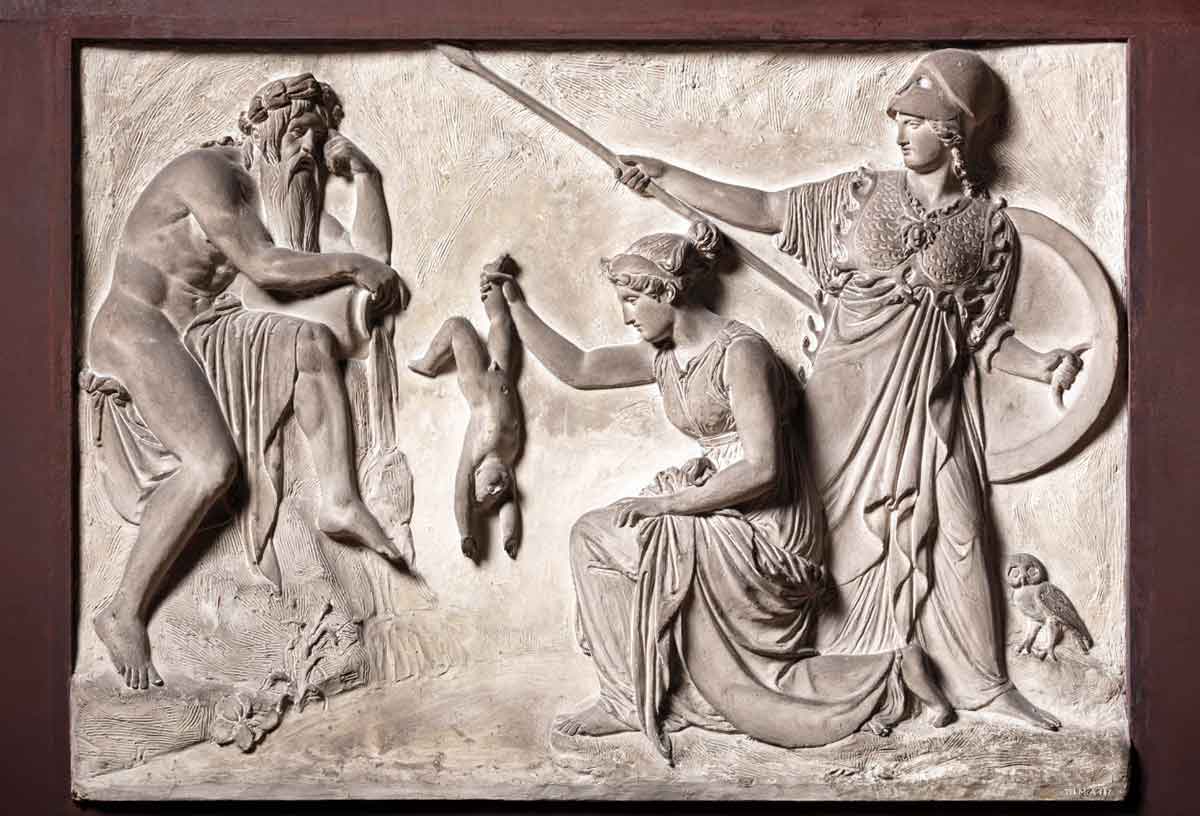
Homer does not refer to Achilles’ infancy narrative, but there is a fragment from a near-contemporary work in the 7th century BC, the now-lost epic prom Aegimius. In a brief mention, Achilles is thrown into a cauldron of boiling water as a baby by Thetis to determine whether he was mortal or immortal. Apparently, the goddess had done this with all of her previous children. Fed up with her method of bathing the children, Peleus snatched Achilles from the cauldron, rescuing Achilles before his mortality can be determined. Once again, there is no mention of his heel.
Out of the Frying Pan, into the Fire
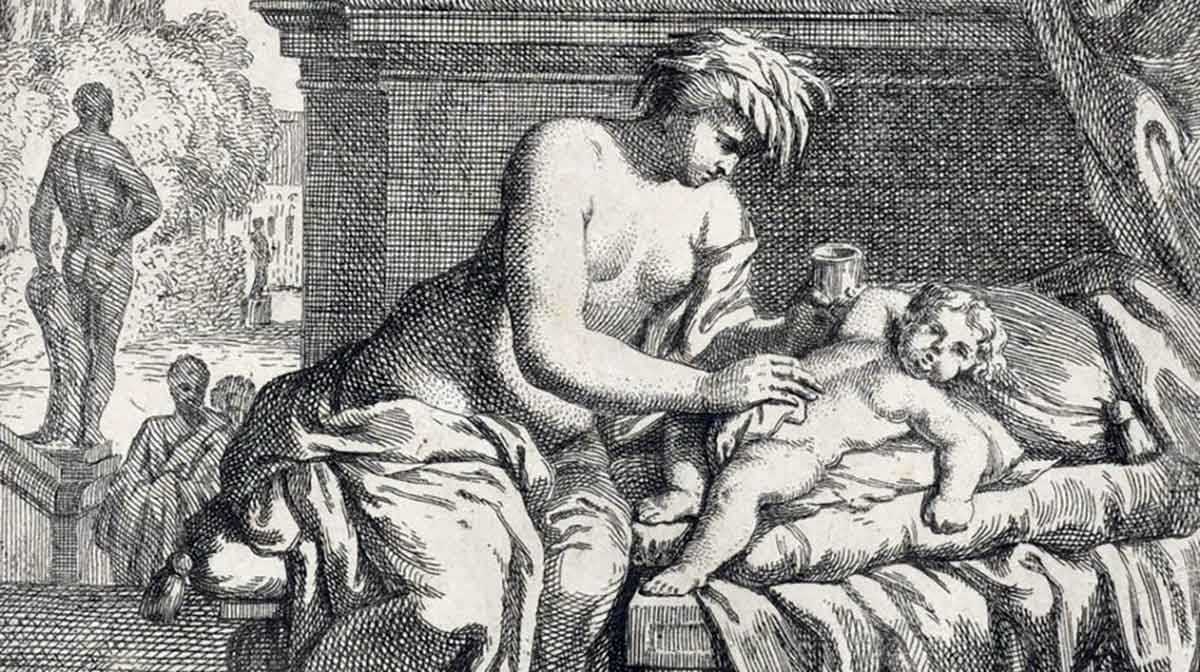
The first appearance of the myth of Achilles’ invulnerability makes no mention of the river Styx. Rather, the earliest recorded mention, in Apollonius of Rhodes in the 3rd century BC, indicates trial by fire rather than water. In that story, Thetis rubs her infant son with ambrosia, food of the gods, to make him invulnerable or, at the very least, immune to the effects of ageing:
“She ever encompassed the child’s mortal flesh in the night with the flame of fire; and day by day she anointed with ambrosia his tender body, so that he might become immortal and that she might keep off from his body loathsome old age.”
(Apollonius of Rhodes, Argonautica, 4.869-872)
One evening, as the goddess placed Achilles in the fire to burn away his mortal parts, Peleus, frightened by the sight, interrupts her process. Thetis abandons the attempt, throws Achilles down, and flees back to the sea, never to return. This explains why Achilles was never made fully invulnerable, as well as providing more evidence of her apparent lack of maternal instincts.
Contemporary and later Greek mythographers repeat this version of the tale. Thus, to Hellenistic Greeks, Achilles was seen as almost invulnerable, but there was still no emphasis on his heel.
The Achilleid: The Roman Epic That Never Was
To early Greeks, Achilles was a demigod and the greatest warrior of the Trojan generation. To later Greeks, he was seen as nearly invulnerable. However, his heel was never the central theme in poetry. Despite the lack of literary evidence, there are some visual suggestions.
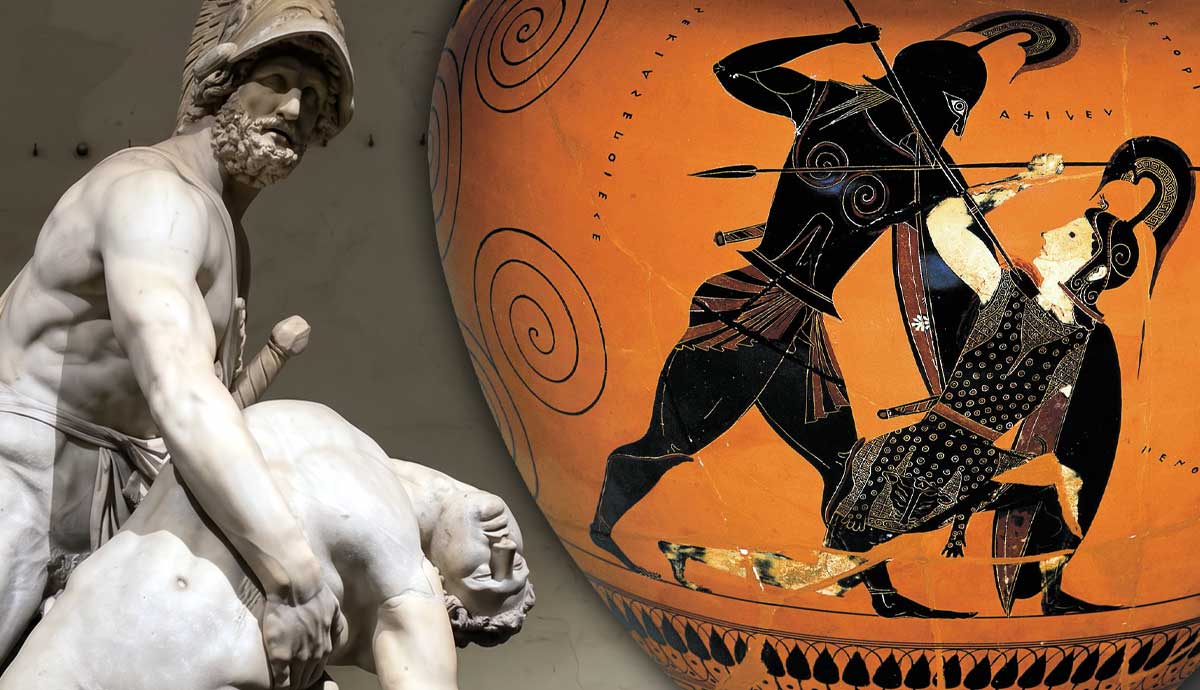
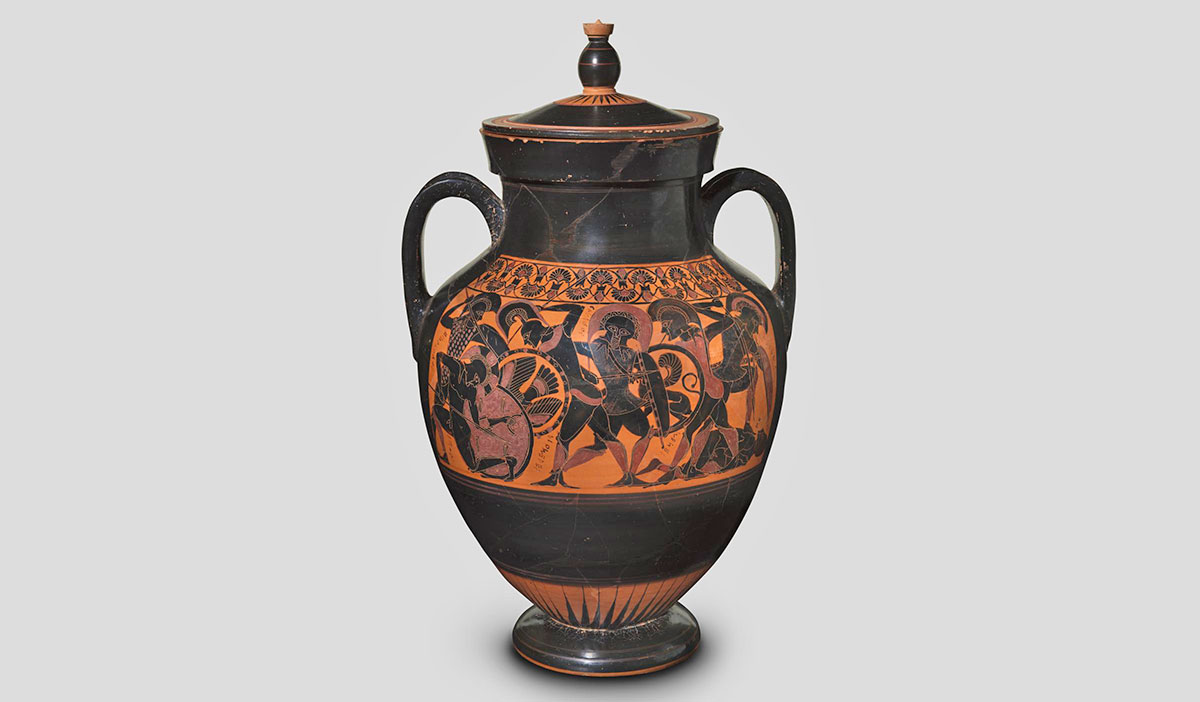
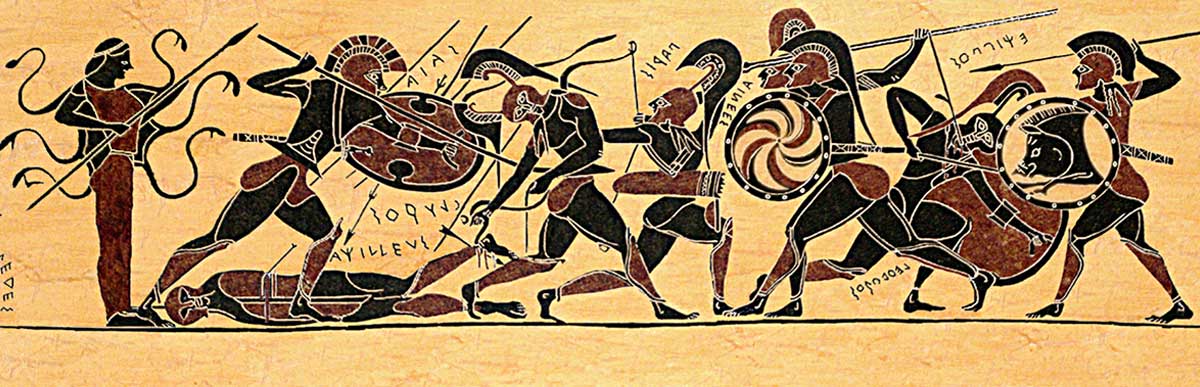
Images found on Greek pottery occasionally show a dead Achilles with an arrow in his heel, though they also depict arrows stuck elsewhere in his body. The assumption was simply that he was struck down by a barrage of arrows from Paris’ bow rather than a single, fated bolt that pierced his only weak spot. Nevertheless, the later notion of the “Achilles’ heel” myth would almost certainly have been influenced by vase images.
This innovation can be linked to Publius Statius, a Roman poet writing in Latin around AD 95/96. Comprised of a mere 1,100 dactylic hexameters (compared to the 140,000+ from Homer’s Iliad), the so-called Achilleid was meant to describe the entire life of Achilles, from his birth to his death at Troy. It was Statius who was the originator of the famed tale.
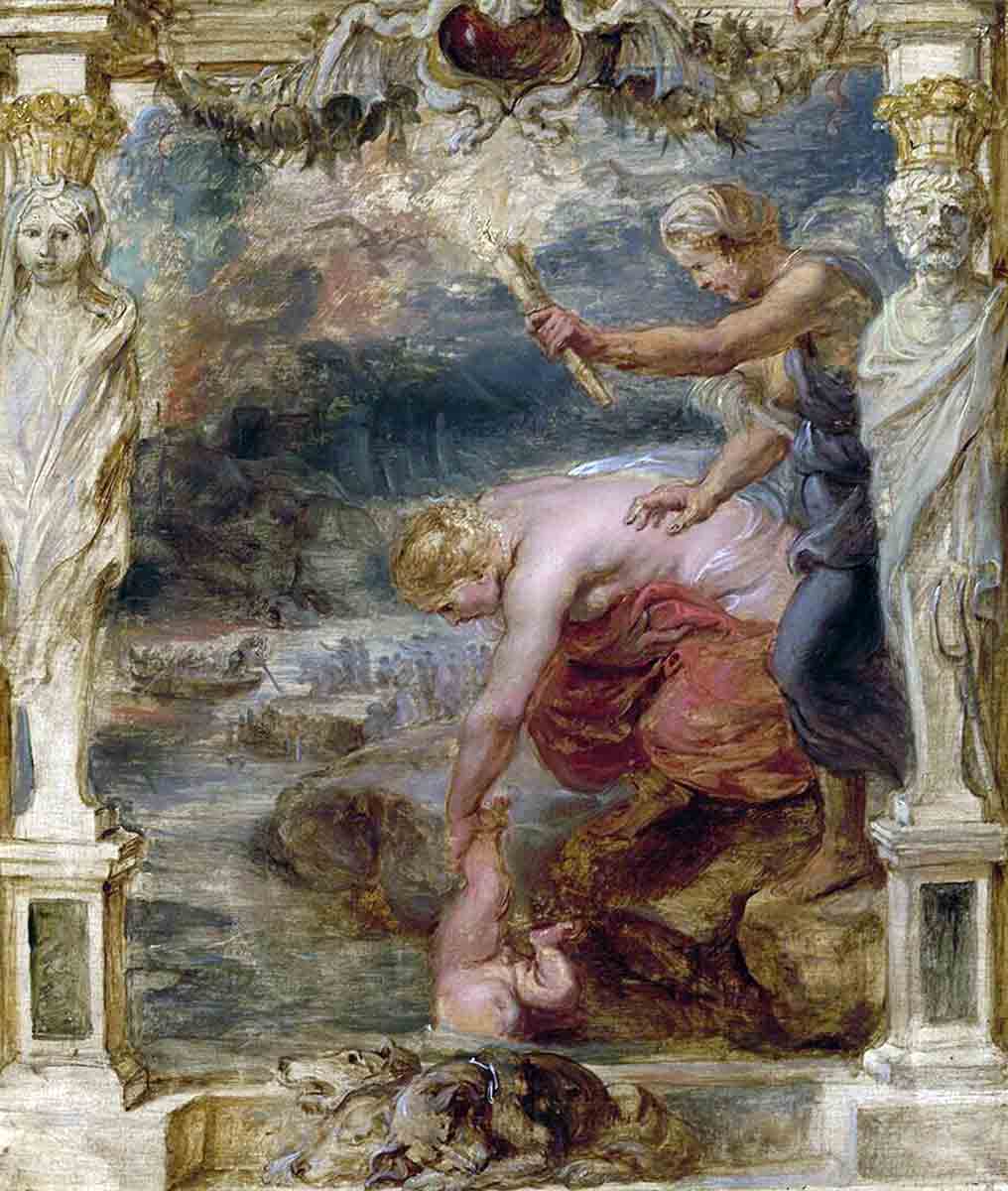
Thetis, knowing the fate of Achilles to die in the Trojan War, sought to make him invulnerable. She took him to the River Styx, the supernatural boundary between the earth and the underworld, and dipped her infant son into the river, holding him by his heel, thereby ensuring he has his one weak spot.
Of course, the logical question would be why Thetis did not simply turn him over or dip him twice, but myths are never intended to be logical. It would have defeated the purpose of having a weakness had she done it the “correct way.” Rather, Thetis realizes, being a goddess herself, that her mortal son cannot escape death. She simply made it more difficult for him to be killed.
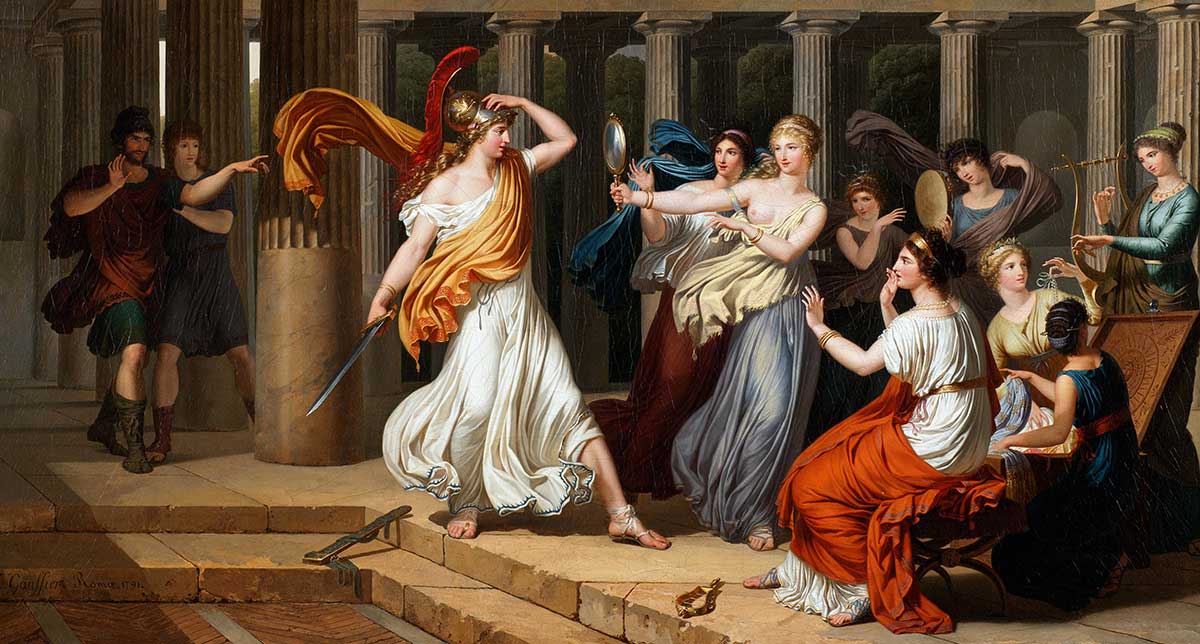
The Achilleid also includes details like Thetis hiding Achilles from the Greeks while they prepare to go to Troy. She dresses her son as a girl and hides him among the daughters of King Lycomedes on the island of Scyros. Yet clever Odysseus realizes something is amiss and devises a plot. He leaves out mirrors and womanly objects on one side of the room, while he places a sword, shield, and gleaming helmet on the other side. The disguised Achilles is attracted to the weapons. Odysseus then reveals he has discovered his comrade’s identity, and Achilles eagerly agrees to fight with the Greeks. The tale also includes Achilles’ relationship with Lycomedes’ daughter, Deidamia, who gives birth to their son, Neoptolemus. Later, the boy follows in his father’s path to Troy after Achilles’ death.
The unfinished epic ends with Odysseus and Achilles sailing off to Troy, exhcanging tales. While the Achilleid is often referred to as “lost,” it was never actually finished. The poet left it incomplete. Statius apparently admitted he suffered from writer’s block and lacked motivation on how to complete his epic tale. Thus, his poem is virtually unknown to most audiences today, yet arguably contained the most famous detail from Achilles’ legendary life.
On the Heel of Achilles

An “Achilles’ heel” is a common idiom that has entered today’s lexicon, referring to the single weak point in an otherwise seemingly invincible figure. Yet the figure in question, Achilles, grew in proportion from a powerful but mortal hero to the nigh-invulnerable god-like being. This is a common trope found in many superheroes today.
For example, when Superman first appeared in Action Comics #1 in 1938, he was a “super” man. He could move faster than a speeding bullet and leap tall buildings in a single bound. He could lift cars, and bullets bounced off his chest. However, large artillery shells injured him, and he could not fly. Rather, the cartoons of the 1940s introduced his power of flight. It was not until the 1960s that Superman could fly faster than the speed of light, survive nuclear blasts and the vacuum of space, and shatter planets with a single blow. He was virtually immortal and indestructible, except for one substance, kryptonite. Like Achilles, Superman’s myth grew over time, and as he became more powerful, it became difficult for writers to find a challenge for him. Thus, they needed an “Achilles’ heel” to limit his perfection and make his stories more interesting to the reader.
Today, everyone knows Superman’s kryptonite and Achilles’ heel, but just as with the creators of Superman, the Greeks did not develop the notion of the invulnerable warrior brought down by something as banal as tendonitis. To early readers, Achilles was a great warrior. To the Romans, he became more.