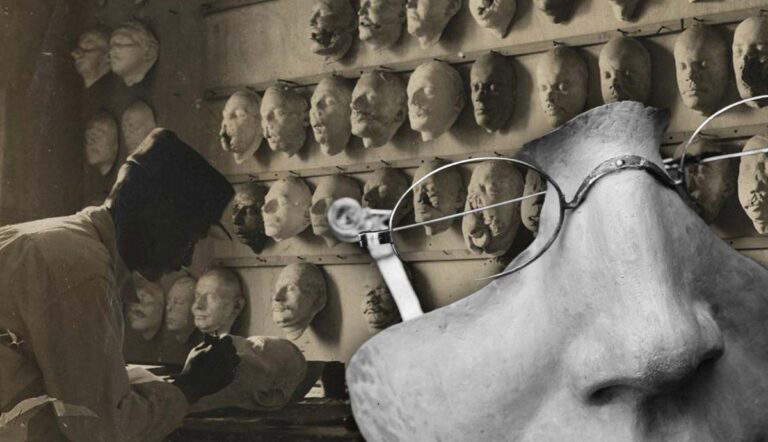
Anna Coleman Ladd was a Neoclassical sculptor from the US who made facial prosthetics for soldiers injured in World War I.
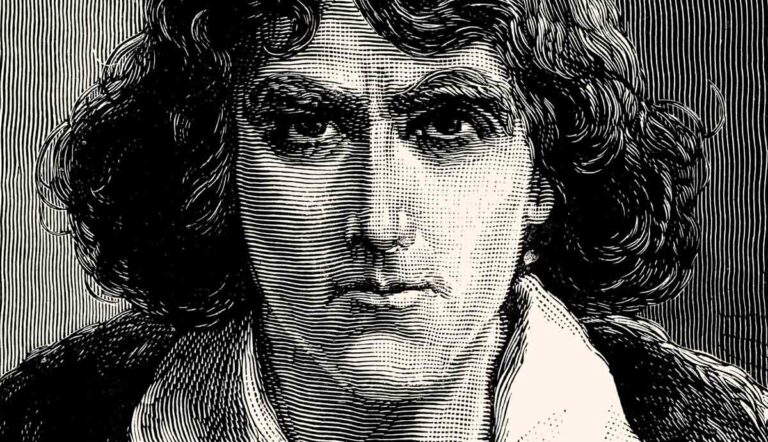
What do sphinxes and tombstones have in common? Silence, proverbially—though not when the two came together after the death of Oscar Wilde.
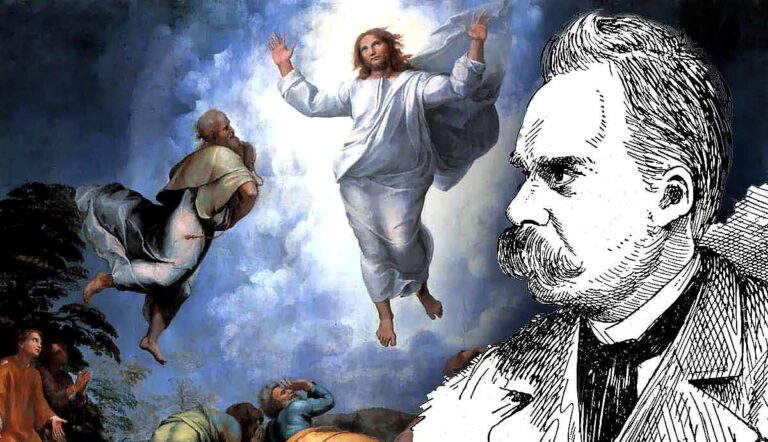
Nietzsche despised Christianity for, in his view, naysaying life. Yet he took great inspiration from a devotional painting of Christ.
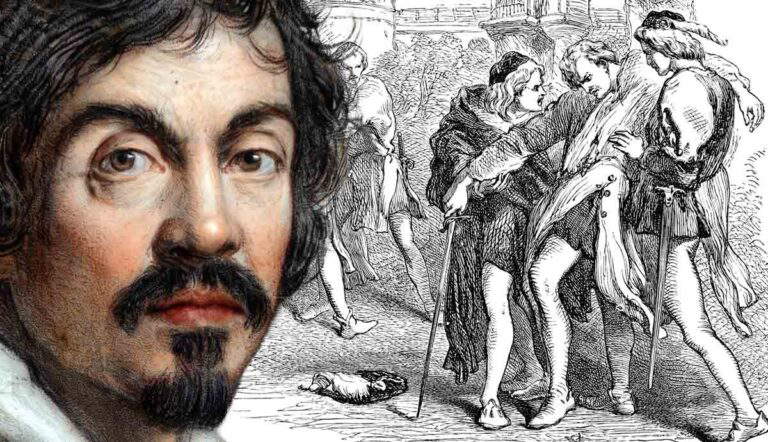
In 1606, Caravaggio killed a man in a street fight and spent the rest of his life on the run.

Mark Rothko’s late paintings and color fields reveal the pursuit of transcendence, presence, and human emotion beyond language.
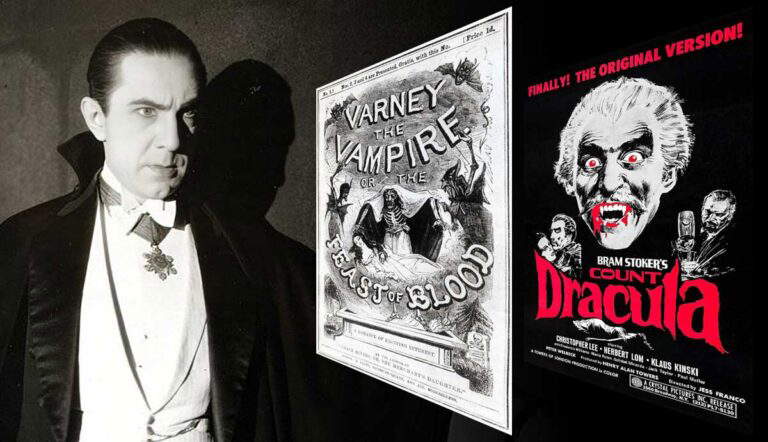
Not just Dracula: there were fictional vampires before Bram Stoker's, and they've only grown in popularity since. Why are we fascinated by these blood-sucking creatures?
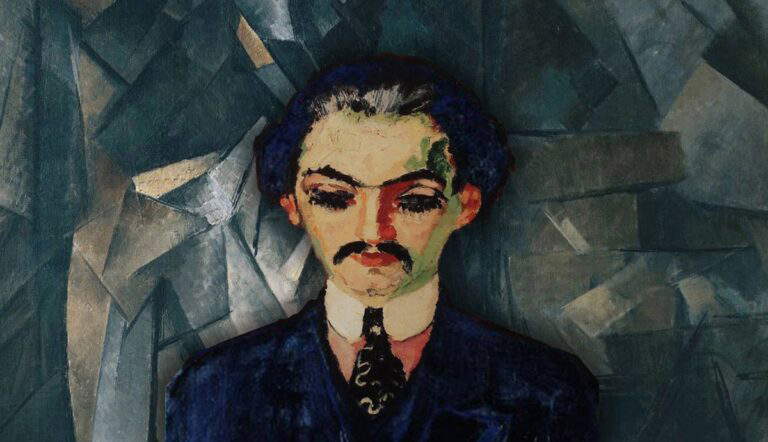
The Rise of Cubism by Daniel-Henry Kahnweiler was published in 1912 and is an important first-hand documentary account of the early Cubist thought.
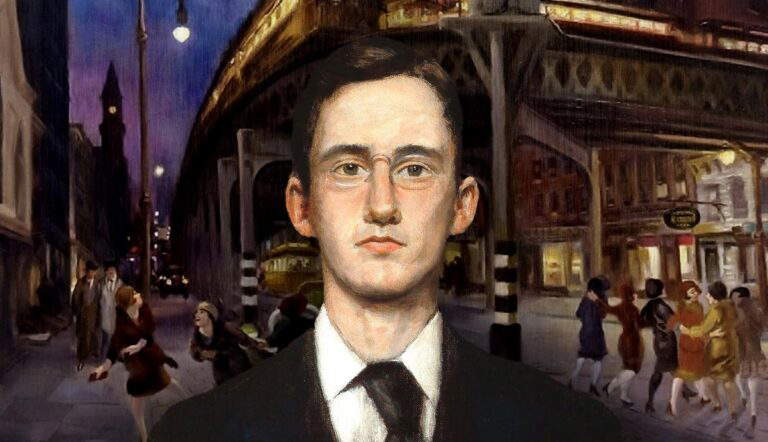
John Sloan, one of the famed Ashcan artists, depicted New York City at the turn of the 20th century without artifice or moralization.