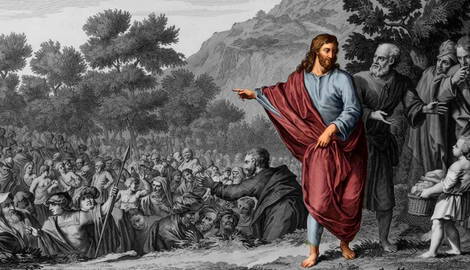

As Jesus of Nazareth moved from place to place, performing great miracles and teaching in a new way, large crowds formed who traveled with him. So it came to be that 5000 hungry people were sitting in the remote wilderness of Bethsaida, without food. Jesus’s disciples stressed: “What could be done?” Yet Jesus remained calm and went through four specific acts, a sort of ritual preceding the result, which was the multiplication of food.
Order Out of Chaos: Why the Groups of Fifty Mattered
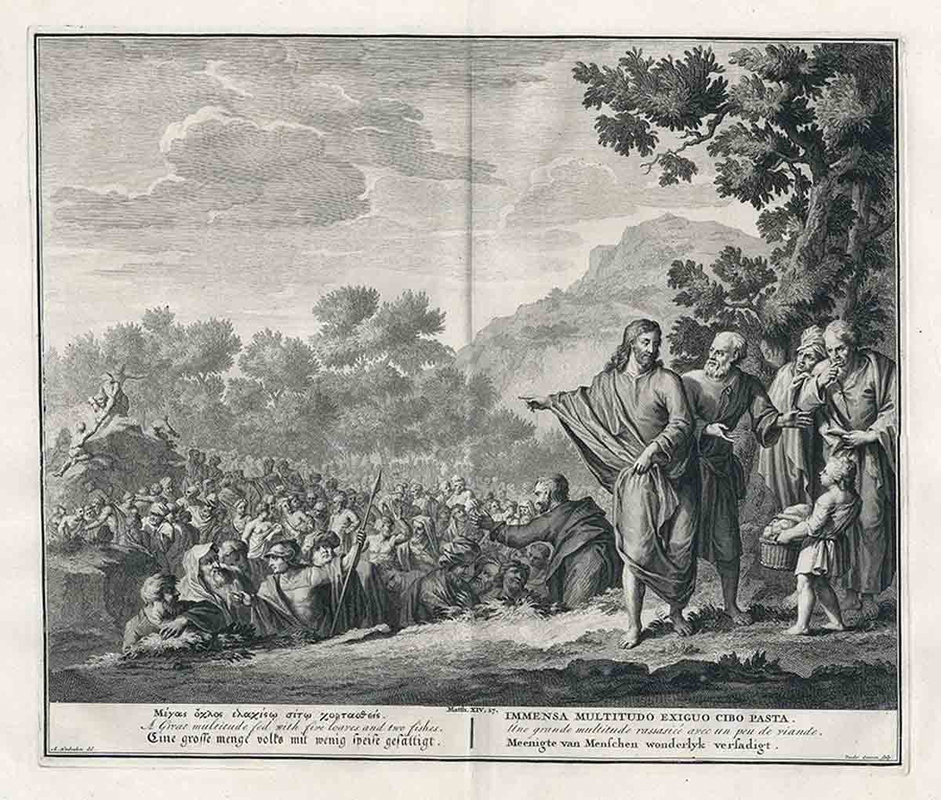
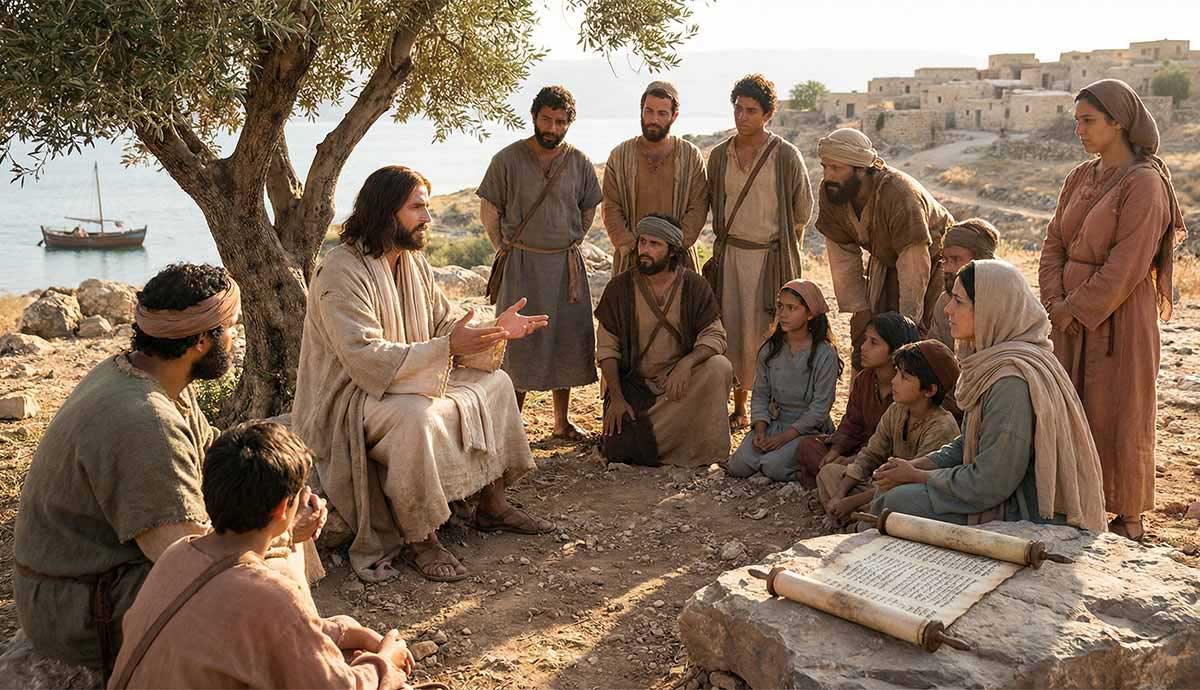
Thousands of people – men, women, children – followed Jesus to see what he did next and to learn from him. When the disciples told Jesus that the crowds complained of hunger, Jesus’ first response was a practical and prophetic one: He told the disciples to have the crowds sit down in “companies” of fifty and a hundred.
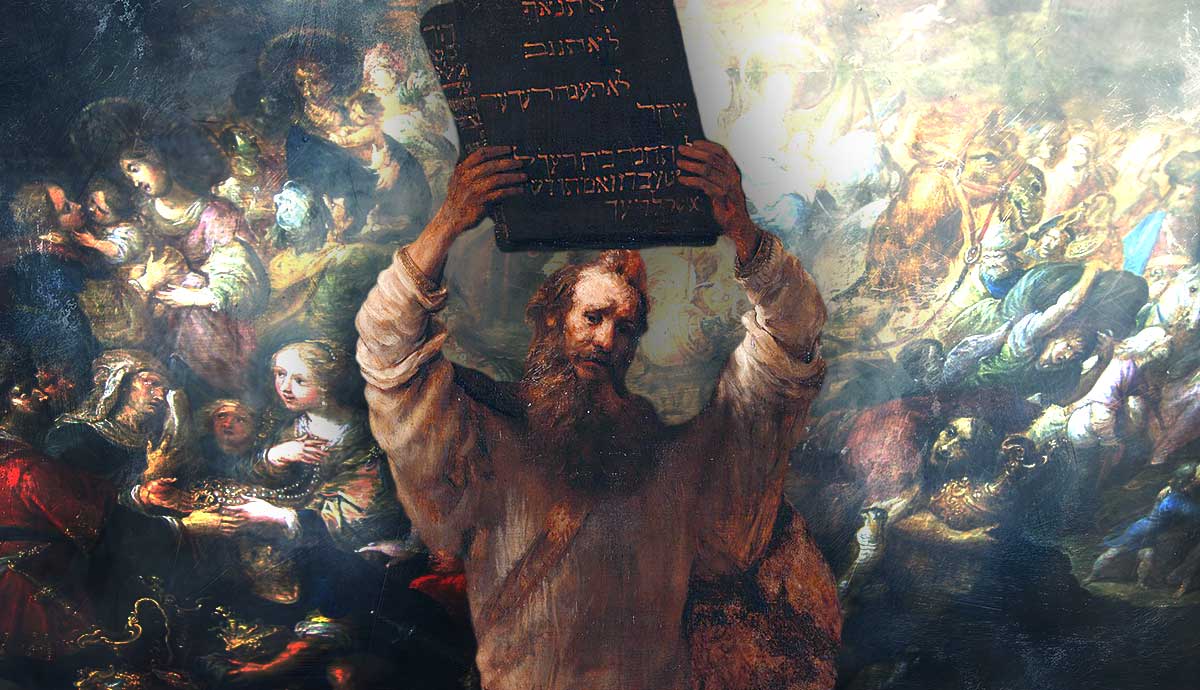
Firstly, this is a practical action: counting the crowd and creating a sense of order where there was none. Yet, secondly – and more importantly – in the ancient mind, this reflected the organization of Israel in the wilderness. Doing so framed Jesus as a “New Moses,” an echo of a deliverer.
Step One: Taking the Resources of the Poor
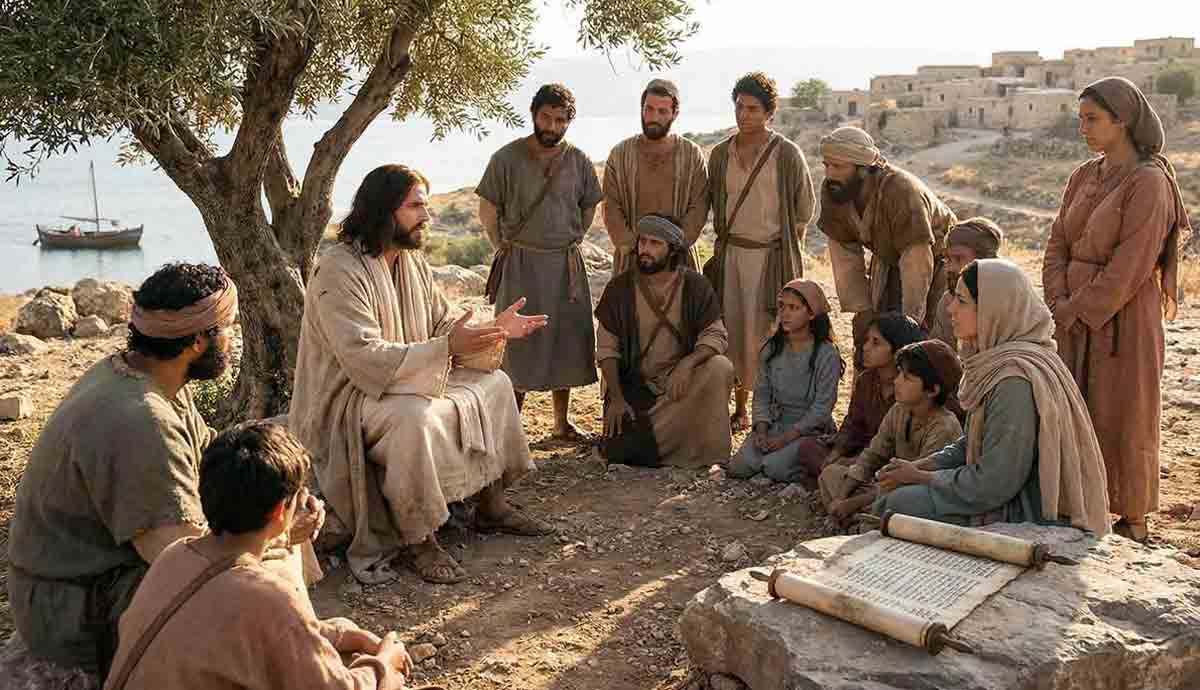
Among the crowd was a little boy with five barley loaves and two fish. Barley was the food of the poor, much cheaper and less prestigious than wheat. There’s something to be said about the act of “taking” what was insufficient—a boy’s lunch—and placing it in the center of the divine mission.
Jesus often pulled children into the middle of what he was doing, saying that adults must become like children to enter the Kingdom of Heaven. Yet, in this particular miracle, Jesus gently invited the child to co-labor and become part of the miracle. In doing so, he empowered the child, giving him agency as a valuable contributor.
The taking was the first step in the miracle. Who knows if Jesus could perhaps feed the crowd without the boy’s lunch? Probably. Yet he chose to ask, invite, open his hands, and receive.
Step Two: The Jewish Berakhah (The Blessing)
There’s a special kind of prayer or blessing called the Jewish Berakhah that is done before and after meals and throughout the day, in moments where one thanks God as the giver of all gifts. Upon receiving the child’s lunch in the wilderness, with 5000 hungry people watching him, Jesus paused, connecting the miracle to the Creator, and blessed the food. When Jesus “looked up to heaven” and gave thanks, he distinguished the miracle from pagan magic. While the first verb was receiving (asking & taking), the second indicates something profound: Gratitude or thankfulness precedes multiplication.
Steps Three and Four: The Breaking and the Giving
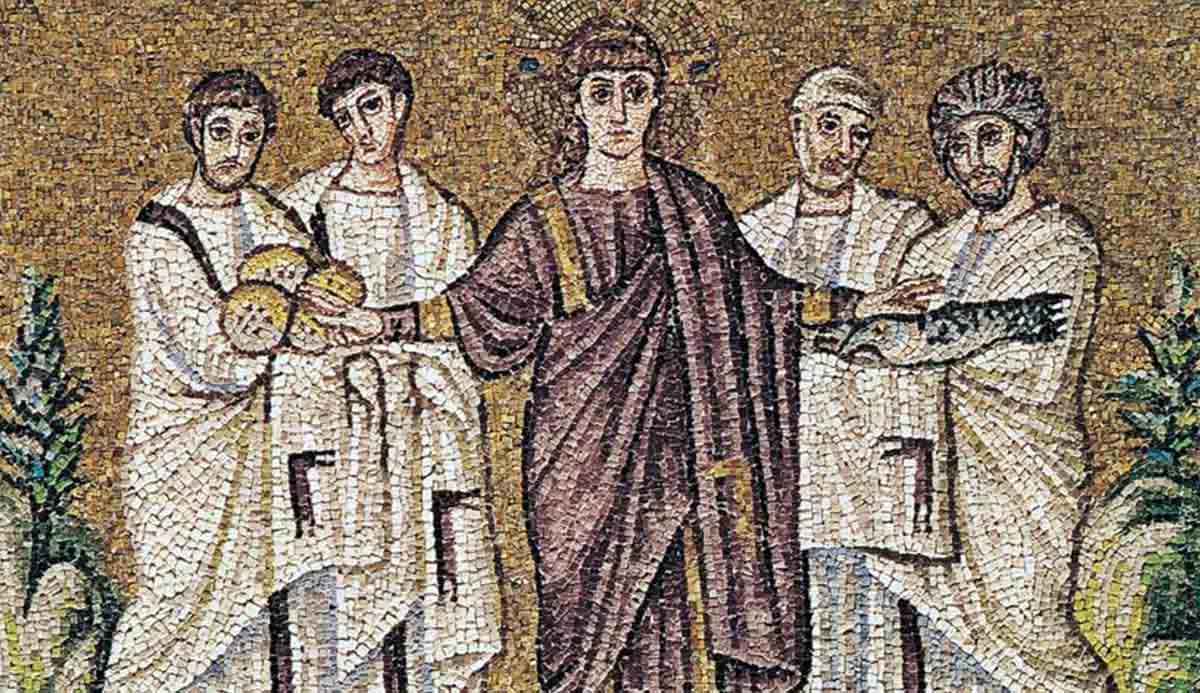
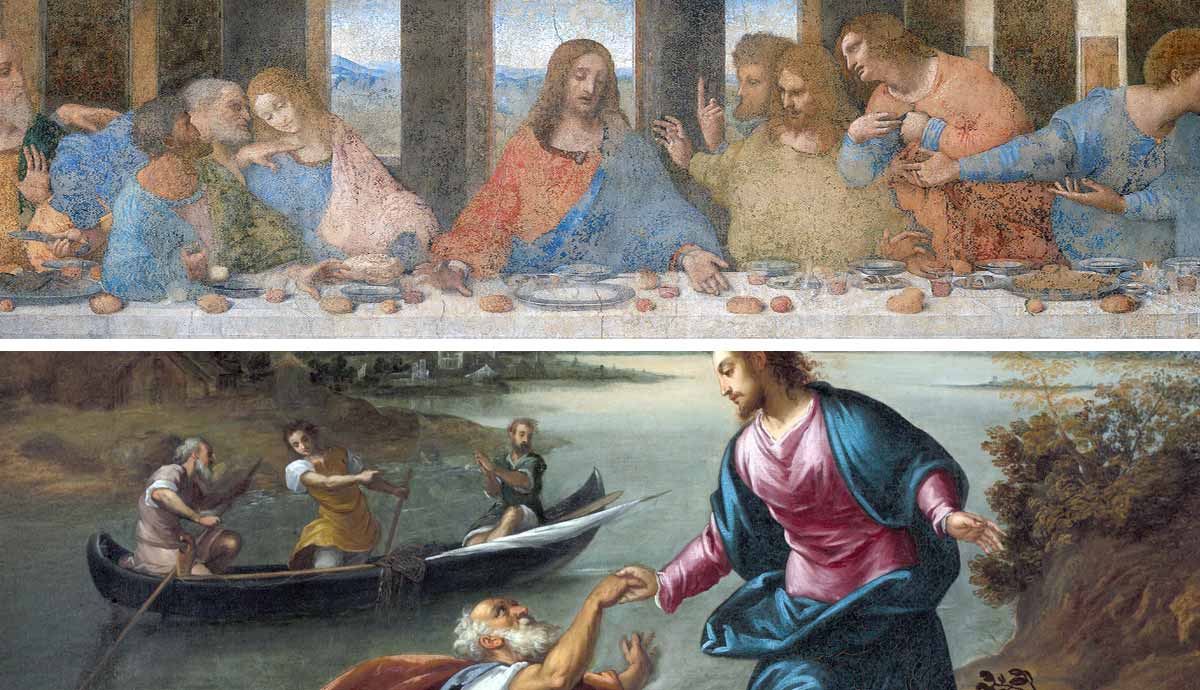
Jesus physically broke the barley bread, tearing it apart with his hands. Something interesting appears here in the Greek text since the imperfect tense is used, indicating a continuous ongoing action (ἐδίδου – edidou). The bread was multiplying in his hands as he broke it. An act of faith often precedes a miracle – like Peter stepping out of the boat and onto the water or the widow gathering jars before the oil multiplied.
After breaking the bread, there’s a transition from the hands of the Master to the hands of the disciples, highlighting the “delegated” nature of the miracle. Jesus included the disciples in the miracle’s action. Furthermore, generosity and sharing were the acts that led to multiplication. In a truly upside-down way, the Kingdom of God says: Give, and it will be given to you.
This amazing miracle, proclaiming Jesus’ identity, is the only miracle recorded in all four Gospels.
Twelve Baskets of Fragments: The Economy of Abundance
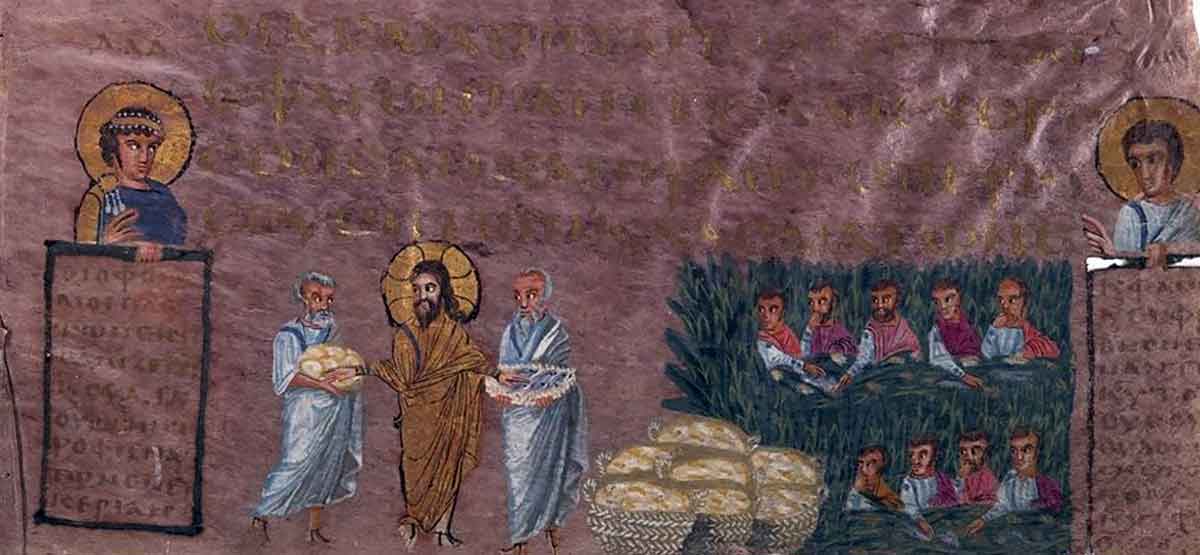
After the miracle, the crowds were satisfied, having eaten all they could, and 12 baskets of leftovers were gathered by the disciples. Some have indicated this connects to the twelve tribes of Israel mentioned in the Old Testament.
Others have suggested that each of the disciples used their personal travel basket to collect the leftover pieces. It was common practice for first-century Jews to carry a “kophinos” when traveling – this was a sturdy wicker basket used to carry clean food and hay for bedding. It held roughly two gallons (about 7.5 liters).
The Feeding of the Crowds in Christian Art
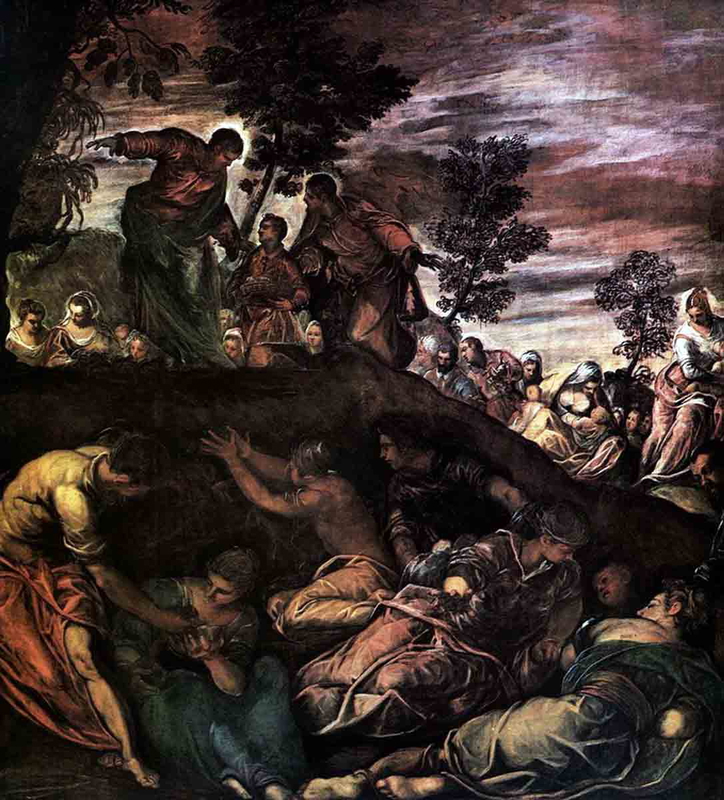
Turning to art history, the miraculous feeding of the 5000 became a coded symbol for the Eucharist (the Lord’s Supper) in the days of the Early Church, where simple loaves and fish signified communion bread and wine.
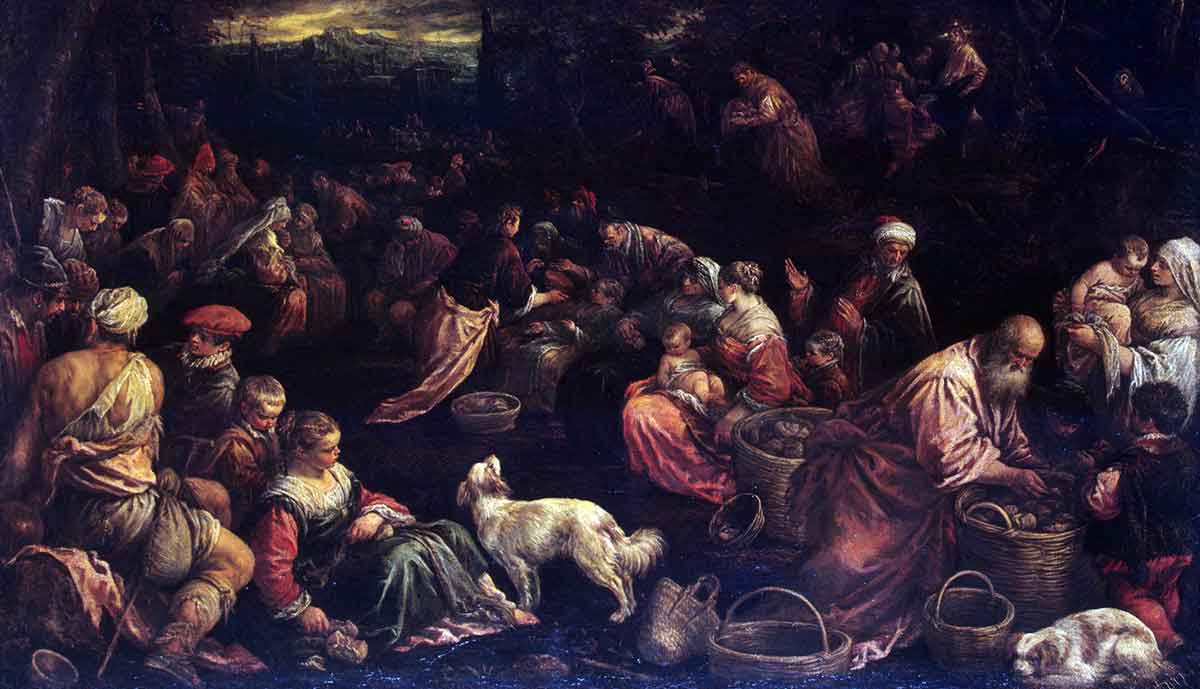
Yet in later years, such as during the Renaissance, the scene became panoramic, crowded masterpieces. Take, for example, Tintoretto’s depiction (above) that shows the hustle and bustle of the crowd compared to the boy’s composure as he holds his lunch.
The pre-miracle ritual found in these four verbs proves that this miracle was not an accident, but a deliberate act of creation and compassion.
From a religious perspective, the lesson found in the miracle of abundance is that what one desires, one must ask for and receive (taking), and if one remains thankful (blessing) and willing to surrender it in faith (breaking) or even share it with others (giving), one creates holy ground where miracles are possible.