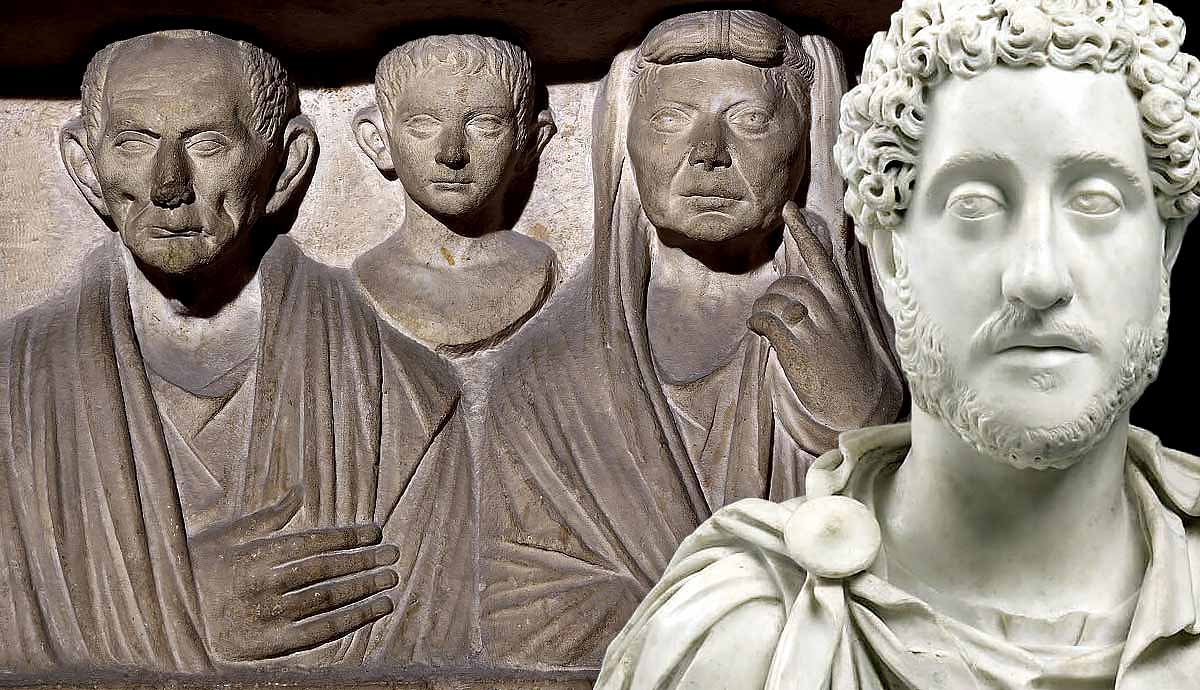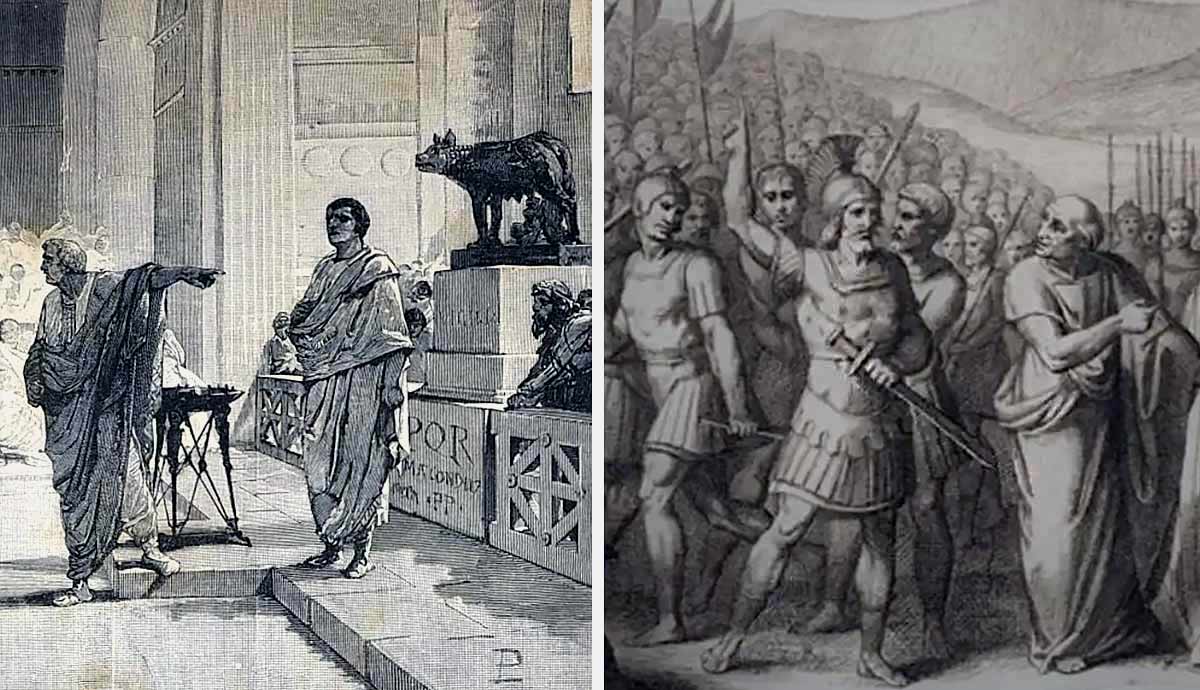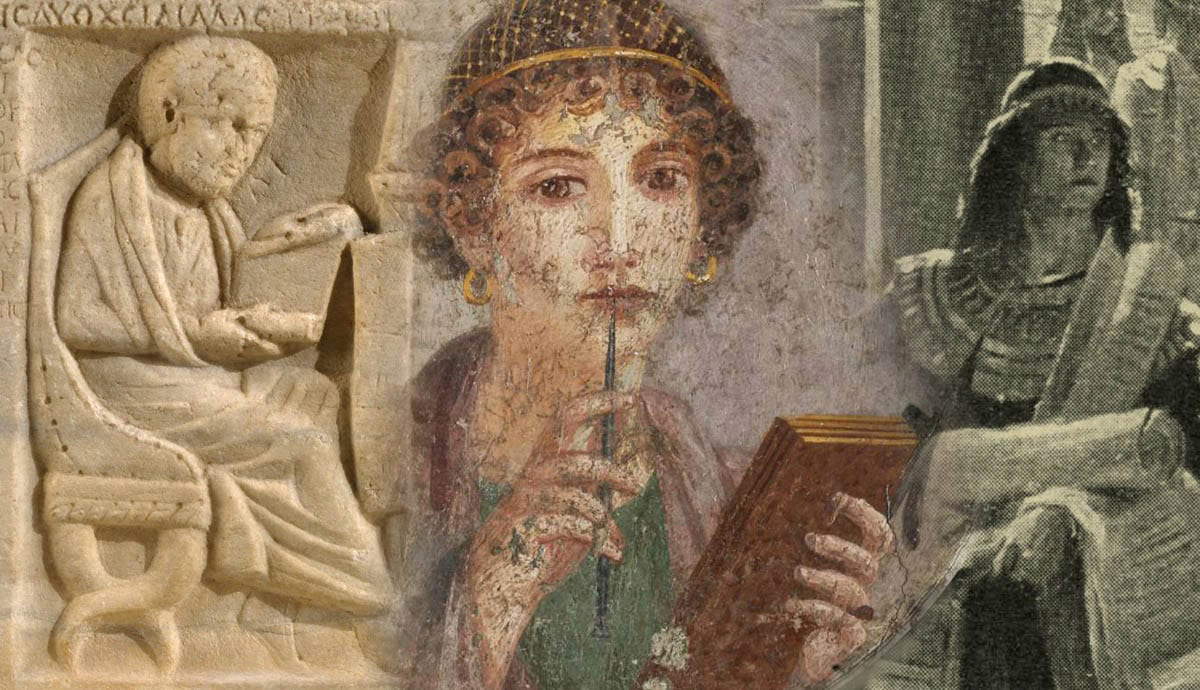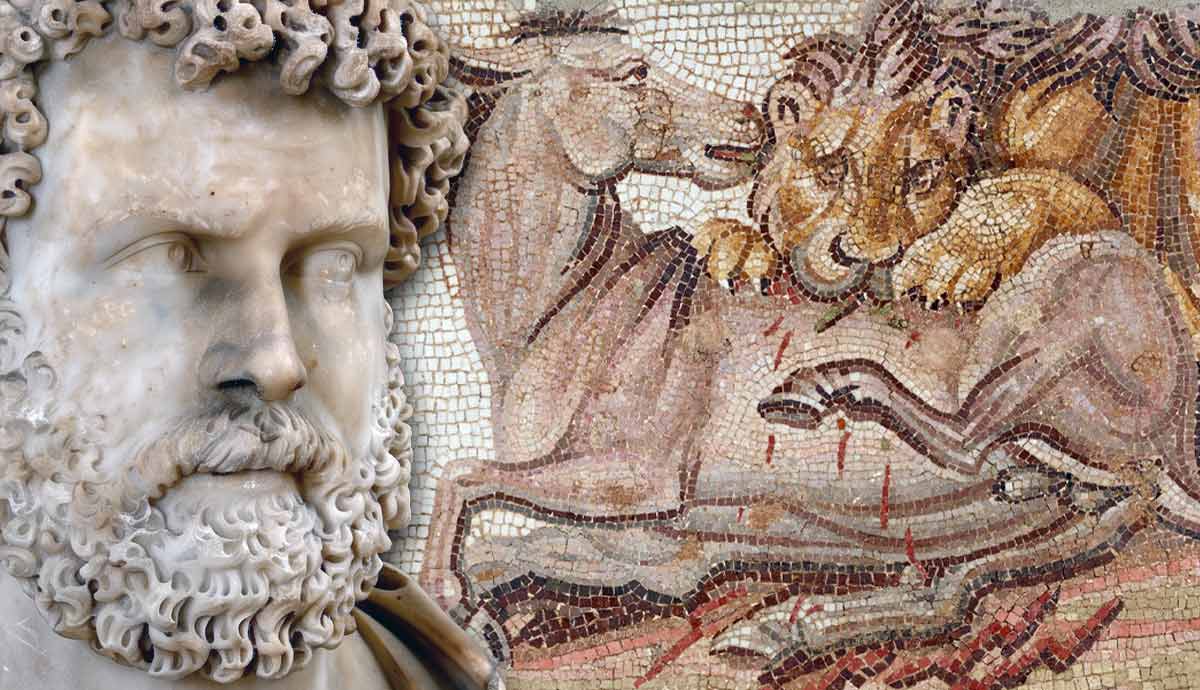

Beginning in the 1st century AD, and flourishing throughout the 2nd and 3rd centuries AD, there was a cultural movement in the Greek-speaking part of the Roman Empire known as the Second Sophistic. This was an intellectual and literary renewal of Classical Greek culture and thought. Provincial elites used classicism and performative orations to demonstrate their status and education, and assert their unique identity in an increasingly Roman world.
What Was the Second Sophistic?
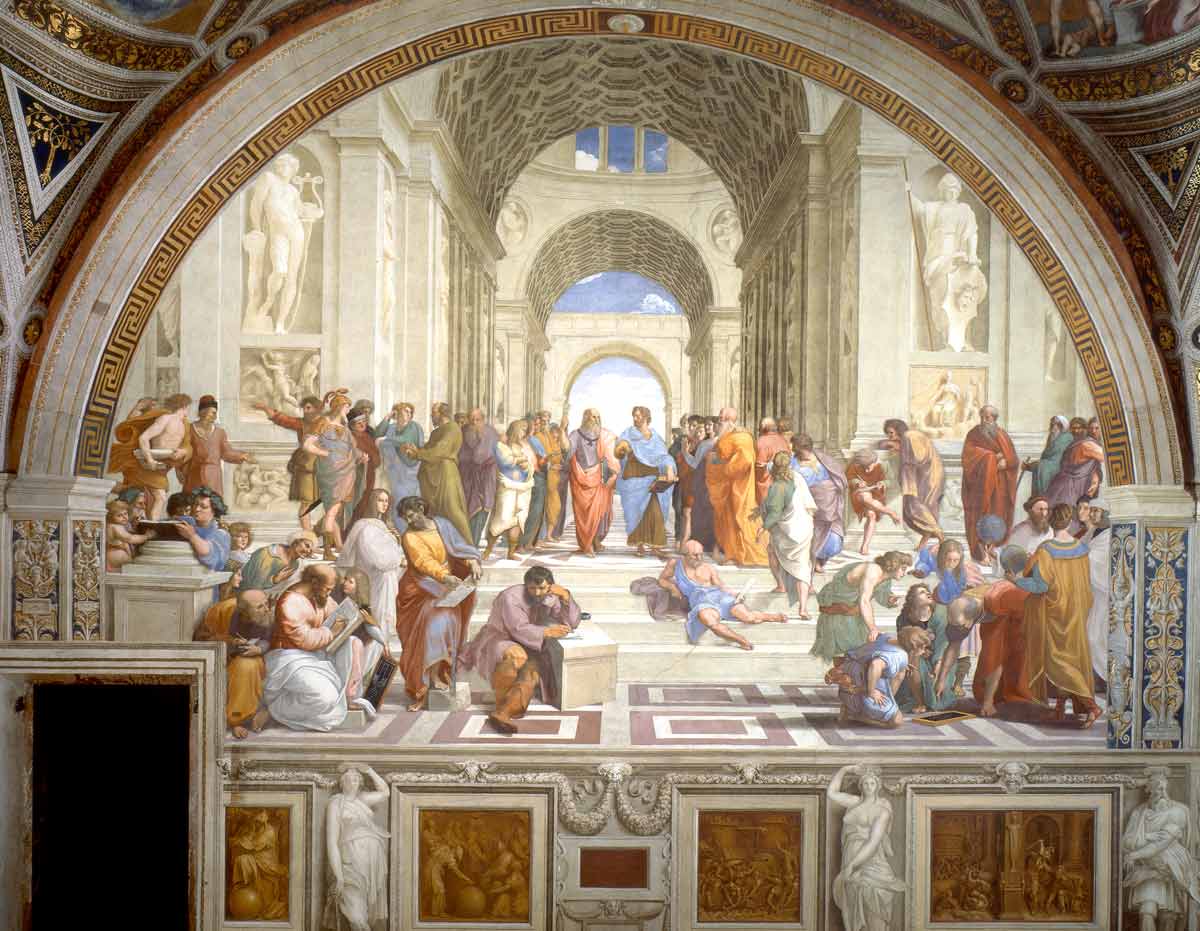
The term “Second Sophistic” was coined by the Roman author Philostratus in his Lives of the Sophists in the 3rd century AD. In it, he describes the lives of several figures. The book can be divided into two parts. The first deals with the ancient sophists of the 5th and 4th centuries BC, who were professional orators who traveled Greece and taught on various subjects. The second part of the book deals with the later resurgence of sophistry under the Roman Empire and the influential figures of the movement. This is why he named it the “Second Sophistic,” since he considered it a renewal of the sophistic movement that occurred centuries earlier.
Philostratus established the link between the “First Sophistic” and “Second Sophistic” through their shared eloquence. Thus, rhetorical excellence was at the heart of both movements. The differences were that the “First Sophistic” was focused on examining philosophical topics based on what they thought was true, while the “Second Sophistic” dealt with historical topics and was concerned with the art or technique of rhetoric.
There is reason to question Philostratus’ delineation of these two time periods, since the practice of sophistry and use of the term “sophist” never truly stopped. There is no evidence that the quality of speakers declined in the intermediate years. The eloquence he described could be applied to other public figures between the two periods. However, by the 2nd century AD, under Hadrian and the Antonine emperors, there was a flourishing of Hellenism that was unlike any since the time of Alexander the Great.
The Second Sophistic can be described not only as a rhetorical movement but also as a cultural and historical period. It can mostly be identified in the Greek-speaking parts of the Roman Empire, though it was not strictly limited to the Greek world.
What Is a Sophist?
Sophists were traveling educators who taught various subjects from philosophy to astronomy, but generally they taught rhetoric. Eventually, “sophistry” came to be characterized as a mastery of rhetoric, and being able to use language to entertain and persuade others. They were masterful speakers, often called upon to deliver orations for festivals or to welcome foreign dignitaries.
Ironically, this mastery came to be viewed negatively. Being called a sophist was often an insult used to mean that the speaker was being disingenuous and that there was no substance to their words. Especially in the spheres of political and legal oratory, accusing someone of sophistry was used to undermine their argument. It was accusing them of presenting no meaningful argument and instead trying to inflame emotions.
When defined against a philosopher, sophists were generally seen to be underqualified for any serious discussion on a topic. Compared with other professional orators, such as those who argued court cases or in council meetings, a sophist was seen to be more of a specialist. They were masters of their craft and, as opposed to other orators, they were the ones uniquely qualified to teach rhetoric. So while the term did have a pejorative meaning in certain contexts, it was not always an insult.
Rhetorical Performance
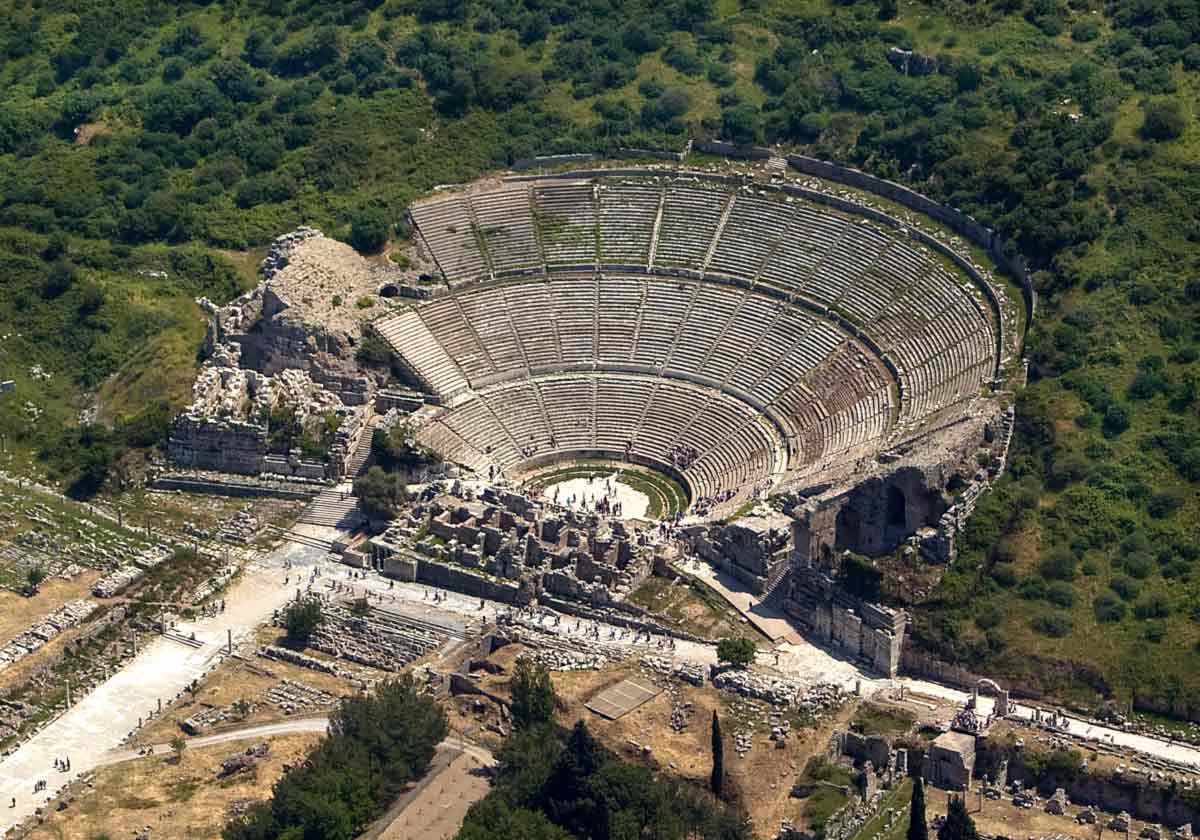
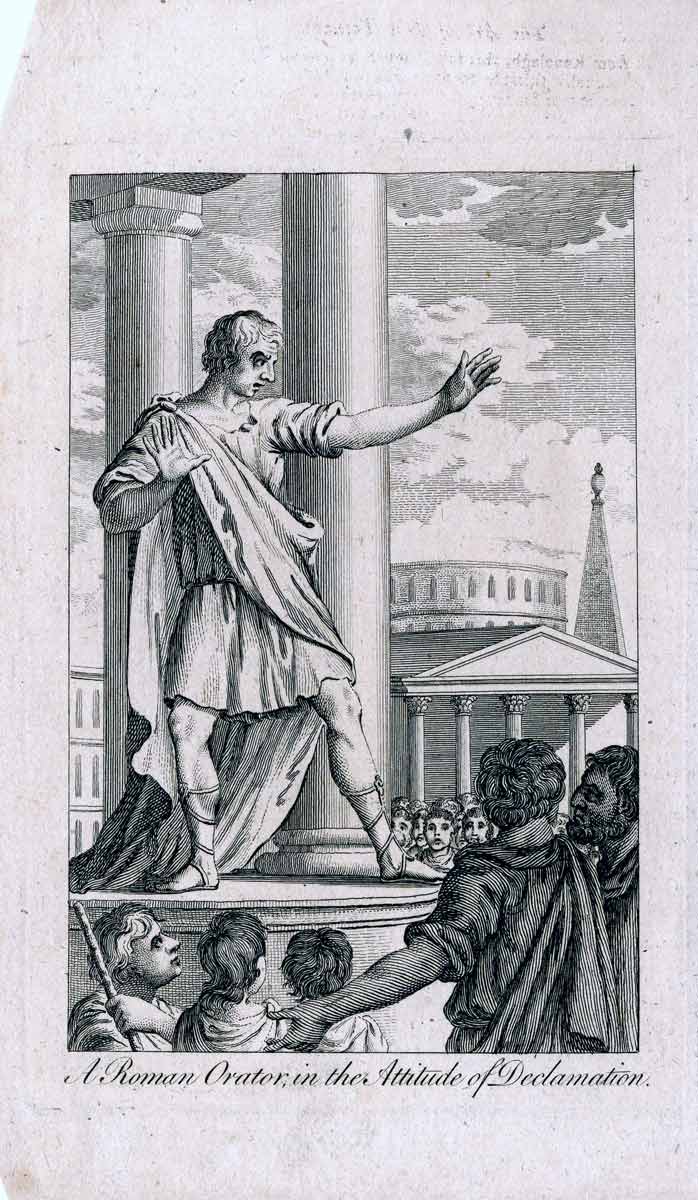
As discussed, sophists were professional speakers. Speeches would often be presented as improvised based on a theme suggested by the audience. The speeches were generally structured with a type of prelude, called the prolalia. This would give the speaker a chance to flatter the audience as well as glorify himself by displaying his repertoire of prepared material. Then came the speech, where the speaker would stand and deliver his oration with a physicality that, to a modern audience, might seem more appropriate in a theater performance. They were judged on their dress, their voice, their choice of words, and allusions. These rhetorical performances were a way of displaying one’s superior education and intelligence.
Due to the improvisational nature of the speeches, there was necessarily interaction with the audience. An example of this comes from a speech given by Alexander Peloplaton of Cilicia. It was held at the Theater of Agrippa in Athens, which could hold approximately 500 people. He was giving the speech when a contemporary of his, Herodes Atticus, arrived late from nearby Marathon. Alexander adapted his speech to take note of the man’s entrance, then asked if he wanted to hear this speech or propose a new one. Herodes deferred to the audience, who bid Alexander continue. Alexander then showed his mastery of the craft by restarting his speech in entirely different words, so that even those who had already heard it felt he had not repeated himself.
Language of the Sophists
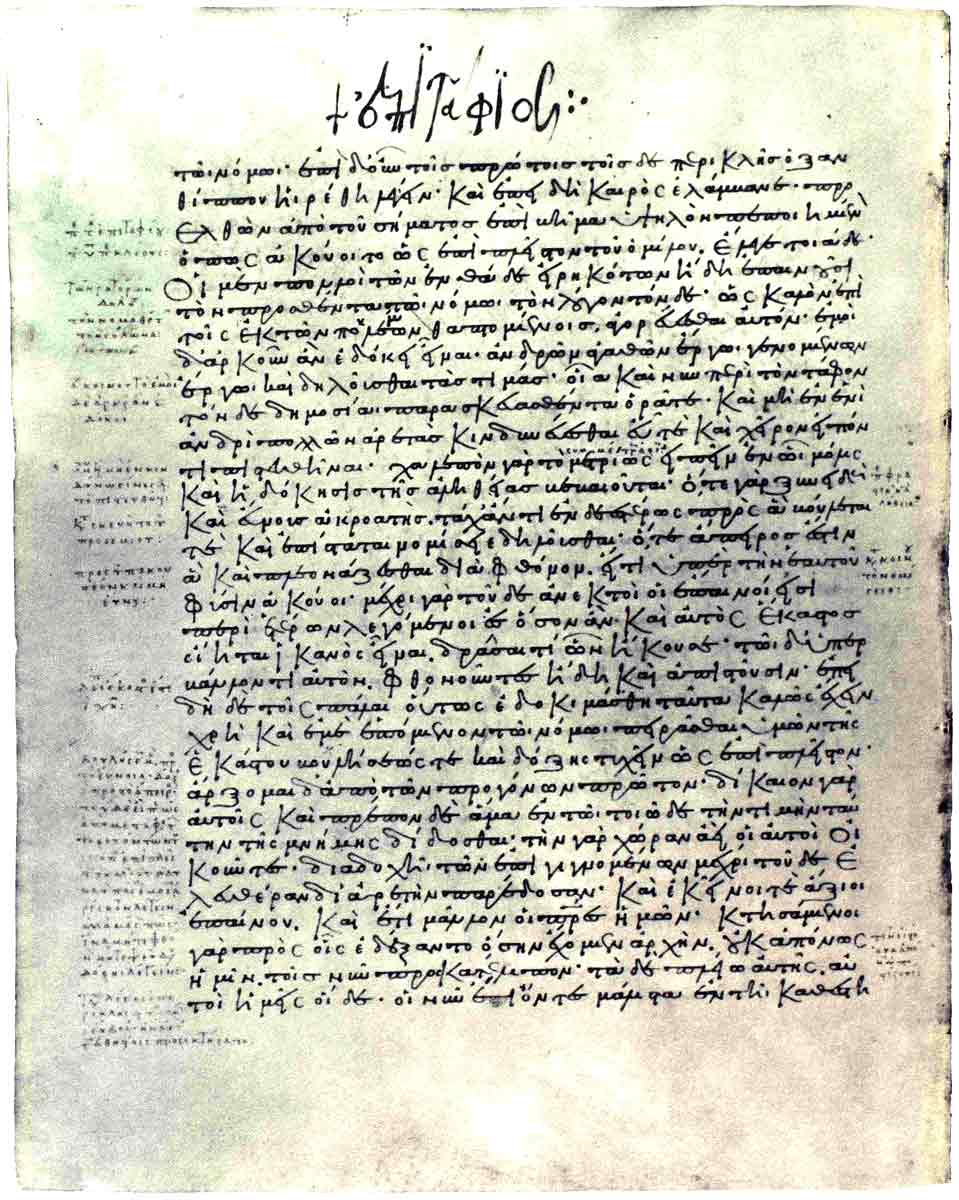
Language itself was part of the performance. It can be taken for granted that the sophists of the 2nd century AD spoke Greek. By that time, the common Greek spoke a relatively modern form of Greek known as koine. However, the speeches and writings of the Sophists were usually done in the archaic Attic Greek of the 5th and 4th centuries BC. The ability to speak and write in the Attic dialect was a distinct marker of the educated and the elite. In speeches, a sophist’s language was scrutinized for the slightest mistakes in grammar or word choice, and could be criticized as barbaric or rustic.
Some, however, chose to reject the Attic style, referring to it as needlessly frivolous. The 2nd century AD physician Galen wrote that he “considered it better to teach things clearly rather than to Atticize in an old-fashioned way.” Yet even he could not escape the need to demonstrate his ability in Attic Greek, as it was the method of demonstrating one’s intellectual superiority. Galen himself wrote multiple works on linguistics and even a lexicon of Attic words in 48 volumes.
Being Greek in the Roman Empire
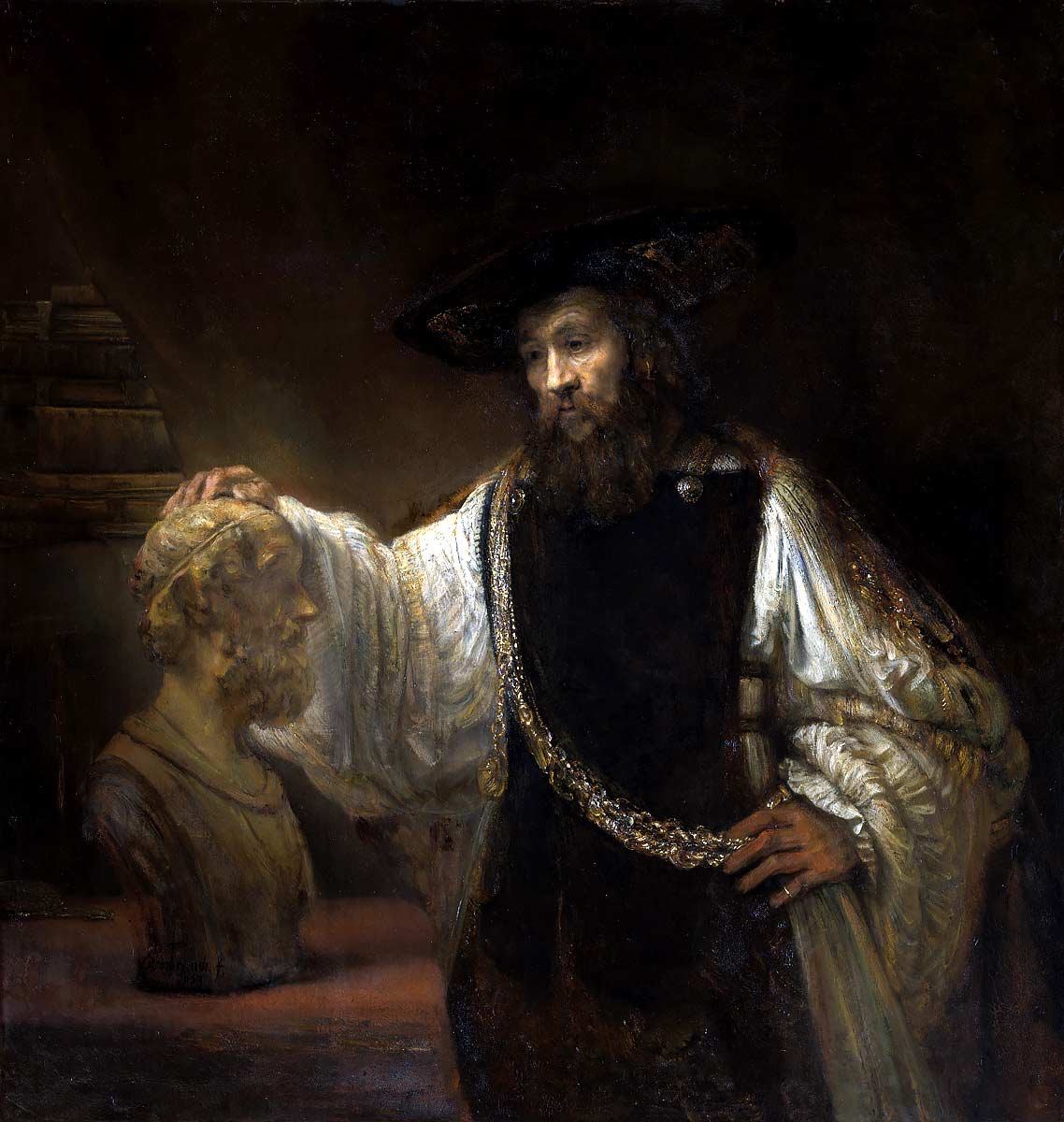
The resurgence of Hellenism was a reaction to the dominance of the Roman Empire. The Greeks, who in their past had been proudly independent or ruled by other Greeks, were now subjects of a foreign empire. This was also a time of heightened cultural exchange between Rome and Greece. Rather than resist, Greek elites responded by looking back to their glorious past and their cultural prestige to give themselves a sense of place and importance. This manifested as a focus on classicism in literature and public speaking.
Part of Greece’s cultural superiority came from its education, which comprised literacy, grammar, geometry, astronomy, and more. They were already well-practiced in using education to compete for status among their peers, but Roman imperial dominance opened up a new arena of contest, as Greek provincial elites could attain Roman citizenship and even earn a place in the Senate.
Education, Greek paideia, became a distinctly Greek practice. In Philostratus’ Lives of the Sophists, he describes the students of sophists as “Greeks” not because of their ethnicity, but because they studied under great intellectuals. The process of becoming educated involved learning the Greek archaic and classical texts, such as Homer, Hesiod, Herodotus, Thucydides, Plato, and Aristotle, as well as the tragedians, Euripides, Sophocles, and Aeschylus. This knowledge of Greek culture and thought was what made one Greek.
Influential Figures
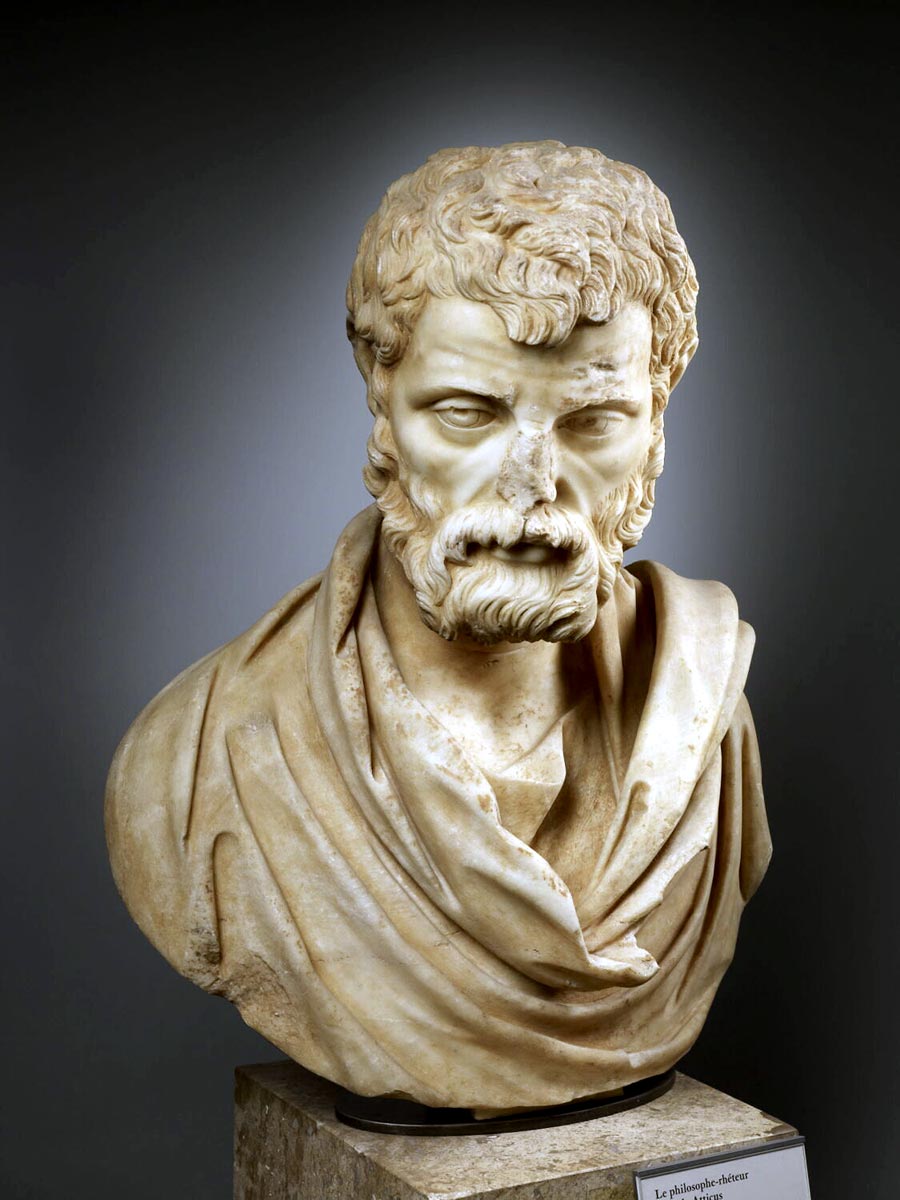
A prominent figure of the Second Sophistic was an orator and wealthy elite named Herodes Atticus. He was an Athenian and a Roman citizen, born around AD 101 to an aristocratic family. His education consisted of the Greek classics, as befit his social standing, and he also learned of Roman culture from the grandfather of Marcus Aurelius.
Herodes quickly rose to prominence, becoming archon in Athens in AD 126, then inspector of finances for the cities in Asia Minor, where he met the future emperor, Antoninus Pius. He eventually became consul in Rome in AD 143, and married a Roman wife.
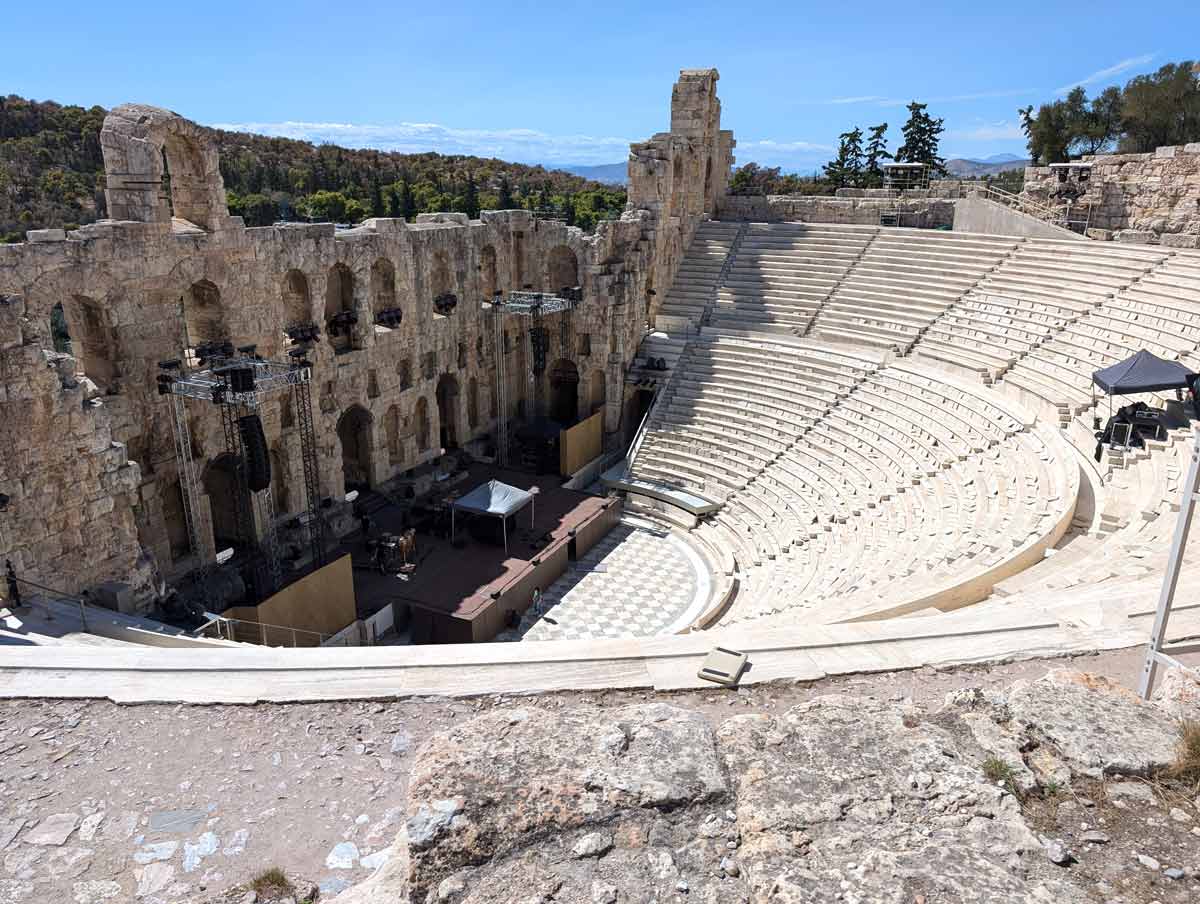
He funded the construction of several monuments in Athens, as well as the restoration of the aqueduct that fed water to Olympia. Philostratus described Herodes’ oratory in glowing terms, saying that his style gave the overall impression of gold-dust gleaming beneath the silver eddies of a river. Unfortunately, we don’t have any extant examples of his oratory, so we’ll have to take Philostratus at his word.
Another important figure of the period was Aelius Aristides. He was the archetypal sophist, someone who demonstrated higher education through writing and public speaking, even if he would vehemently reject the designation. He was born in AD 117 and was a student of Herodes Atticus. His adult life coincided with the reigns of Antoninus Pius and Marcus Aurelius, who himself was a student of Herodes Atticus.
Aristides became famous for his orations and considered it his divine mission to practice and refine his skill. Though one skill he lacked that Philostratus had lauded among the sophists was the ability to improvise. There are more than 50 extant orations written by Aristides, and his works on the art of rhetoric specifically help to define the period.
Defining Identity
The Second Sophistic was more than a rhetorical movement; it was a display of Greek identity rooted in its illustrious past. Starting as a reaction to the reality that Greece was now the subject state of a foreign power, it became a show of intellectual excellence and cultural superiority. The sophists turned education and linguistic purity into personal prestige that could be used as political capital. As was the case with Herodes Atticus, sophists could even attain the consulate. In this way, the Second Sophistic reveals how cultural identity under an empire could be negotiated not with violence or resistance, but through memory and language.
Sources
- Anderson, G. (1993). The Second Sophistic: A Cultural Phenomenon in the Roman Empire. Routledge.
- Borg, B. (2008). Paideia: The World of the Second Sophistic. De Gruyter.
- Bowie, E. L. (1970). “Greeks and Their Past in the Second Sophistic,” Past & Present, 46, 3–41.
- Goldhill, S. (Ed.). (2001). Being Greek Under Rome: Cultural Identity, the Second Sophistic and the Development of Empire. Cambridge University Press.
- Kennedy, G. A. (1994). “The Second Sophistic,” A New History of Classical Rhetoric (pp. 230–256). Princeton University Press.
- Richter, D. S. (with Johnson, W. A.). (2017). The Oxford Handbook of the Second Sophistic. Oxford University Press USA – OSO.