
The period from the rise of the first Roman emperor Augustus in 27 BC to the death of the emperor Marcus Aurelius in AD 180 is often referred to as the “Pax Romana,” as it was a time during which the Empire experienced unequaled prosperity. This Golden Age was fueled by global trade. Ships sailed the Mediterranean, transporting grain, olive oil, wine, and luxury goods between distant ports. An extraordinary network of Roman roads connected distant cities. But alongside valuable goods, something more dangerous traveled the Empire. A devastating pandemic, known as the Antonine Plague, began to spread in AD 165. Its consequence was the end of the Golden Age.
What Was the Pax Romana?
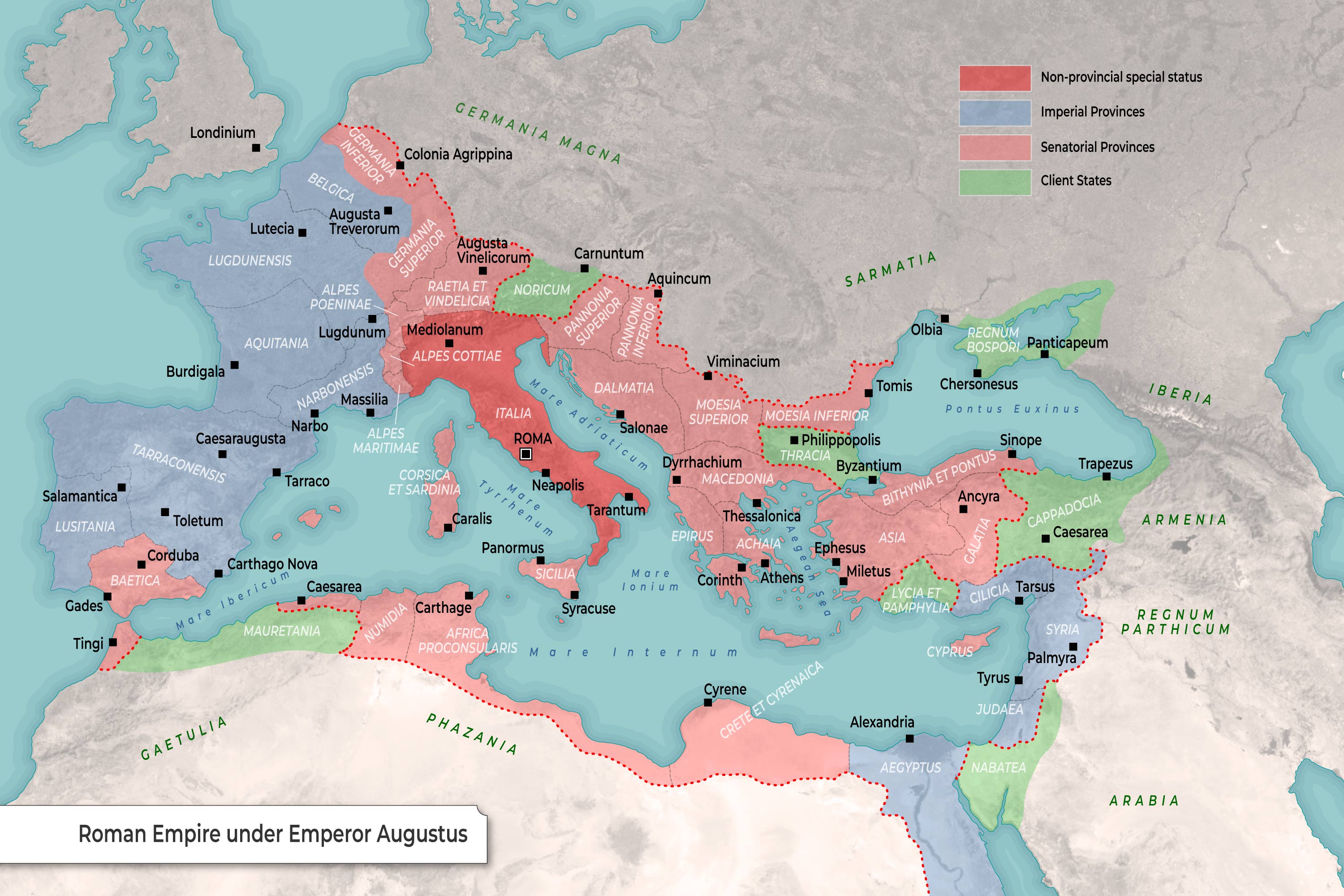
The Pax Romana, or “Roman Peace,” was a period of about 200 years during which the Roman Empire was relatively peaceful and stable. That is not to say there were no wars during this period. Fighting continued on the borders, territory expanded, and rebellions were suppressed. But the Pax Romana sits between the civil wars that led to the end of the Republic, and the imperial civil wars that characterized the 3rd century AD.
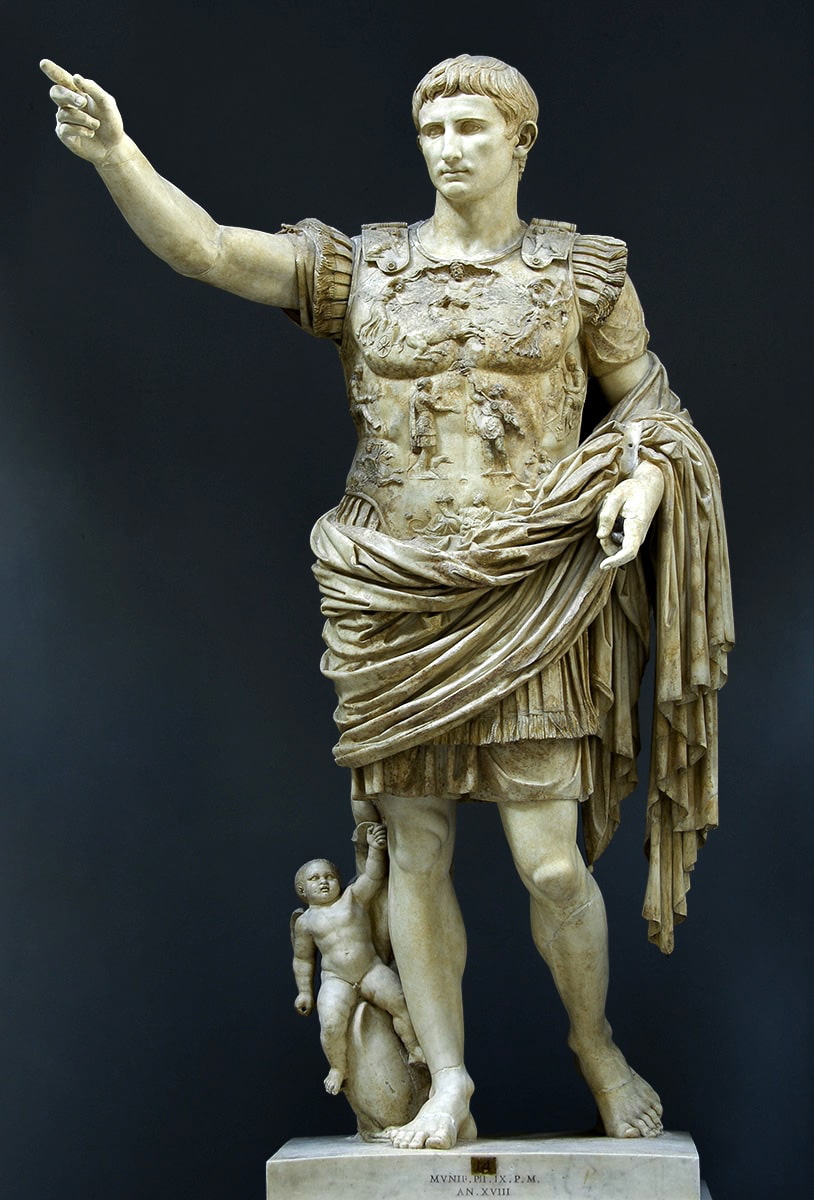
When Octavian emerged as the sole ruler of Rome from the chaos of the dying Republic, he established the Principate and adopted the name Augustus. While he was the autocratic leader of the Roman state, he characterized himself as princeps, or “first citizen,” and dressed his power in the trappings of the Republic. He also reorganized the army and the administration of the provinces to concentrate power in the hands of the emperor, known for centuries by the name-turned-title Augustus Caesar.
During the “peace” that followed, Rome completed the conquest of Spain, fought wars in the Alps and the Balkans, and expanded control in the Middle East. Emperors conquered Britain and campaigned against the Parthian Empire. There were also certainly rebellions within the Empire, notably the Great Jewish Revolt of AD 66-73 that destroyed Jerusalem.
However, compared to the previous century, the Roman world had stable political continuity that enabled prosperity. Aqueducts, roads, bridges, and temples were built. Monumental architecture reached new heights.
The Golden Age of Maritime and Overland Commerce

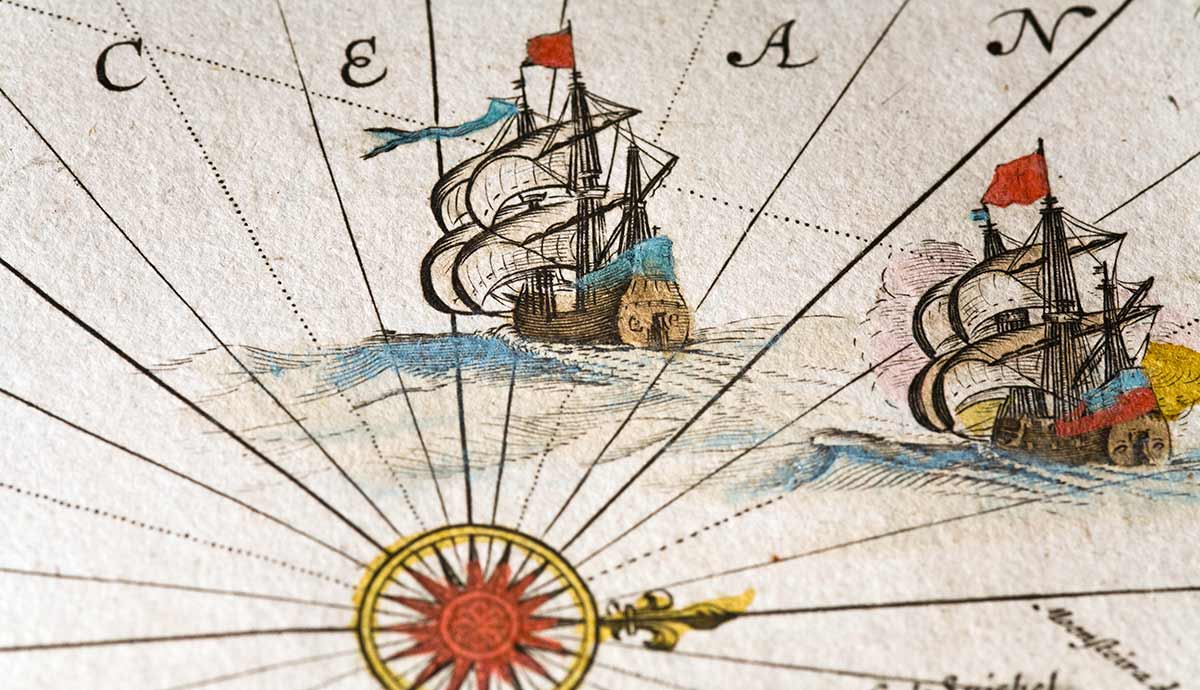
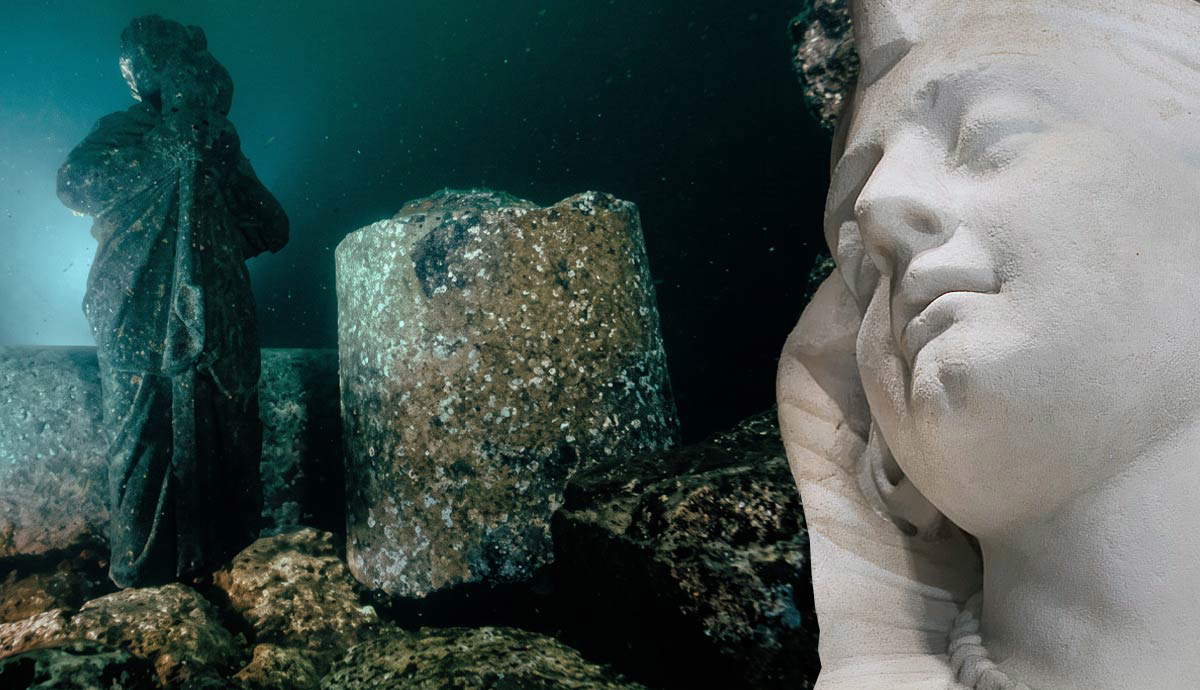
Political stability was accompanied by the expansion of trade networks linking the Mediterranean with distant regions. Egypt was particularly important. When Rome gained control of the Nile, it could then move on to Arabia, the eastern coast of Africa, and India. The Mediterranean, the Red Sea, and the Indian Ocean now shared a common trading world.
The scale of this maritime trade was considerable. The geographer Strabo recorded that about 120 ships sailed from Egyptian ports to India, much more than in earlier periods. Although we cannot confirm the extent of trade, archaeological remains at the Red Sea port of Myos Hormos indicate trade through the Indian Ocean. Archaeologists have also found large quantities of Indian cotton, black pepper, precious stones, and other eastern goods around the Mediterranean.
Currency facilitated trade around the world. The spread of Roman coins reflects the extent of trade, but did not completely replace barter or local exchange systems. Land routes were equally important. However, no regular caravans went from Rome to China because the distance was too great. Instead, silk and other goods moved through a series of separate but interconnected trade routes through Central Asia. The famous Silk Road was not just one route, but a network of trading communities. But as goods moved along these routes, so did not-so-nice things like disease. This is how the Antonine Plague spread.
How the Parthian War Unleashed the Pathogen
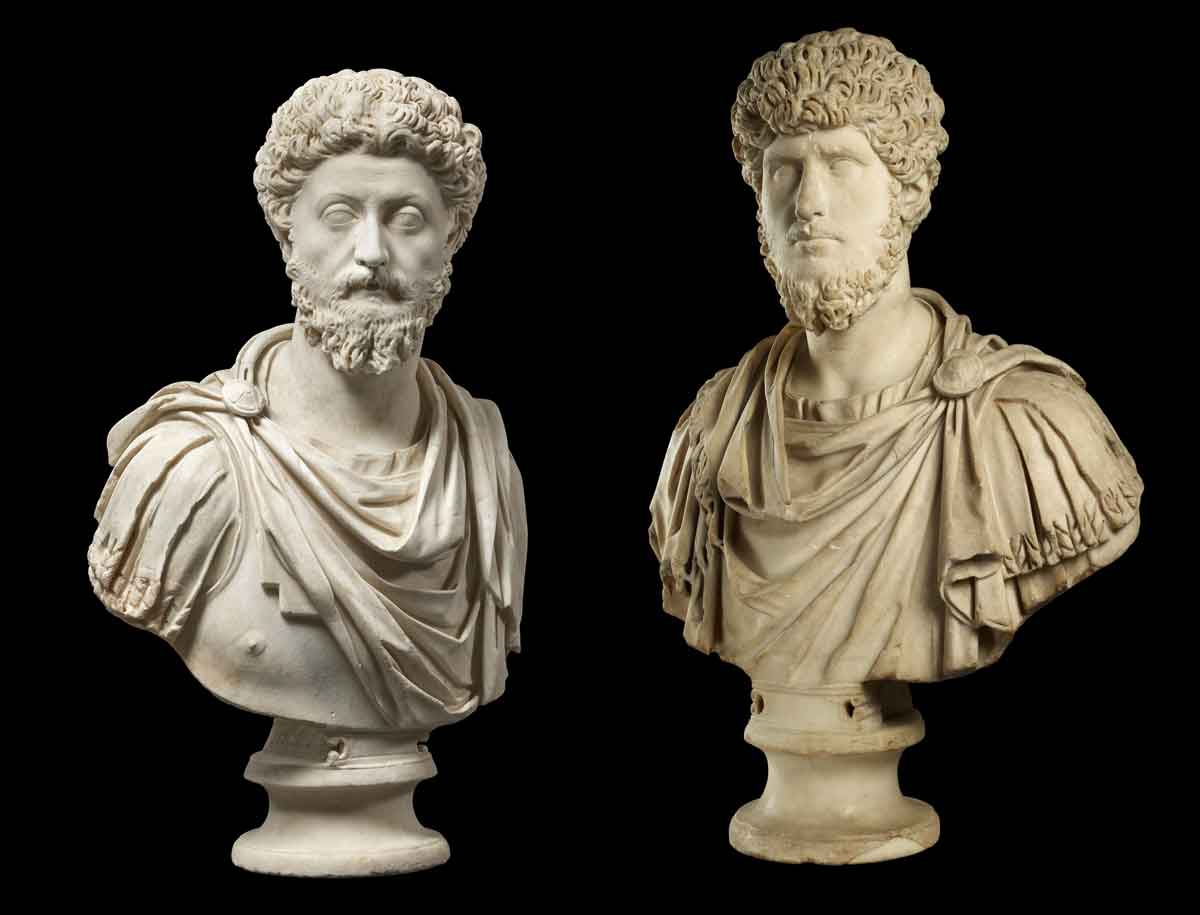
The Antonine Plague appeared as the Roman Empire was ending its war with the Parthians. The conflict began in AD 161 when Marcus Aurelius and Lucius Verus became co-rulers. The conflict was over control of Armenia. Initially, the Parthian king Vologases IV had more success in Armenia and defeated the Roman troops. A turning point came in AD 163, when Roman forces captured the Armenian capital Artaxata and installed their preferred king.
The campaign continued, taking town after town. The Romans then reached the big cities on the Tigris River, Seleucia and Ctesiphon, which the Romans took. After that, the Romans advanced further to the very capital of the Parthian Empire, which was destroyed and looted.
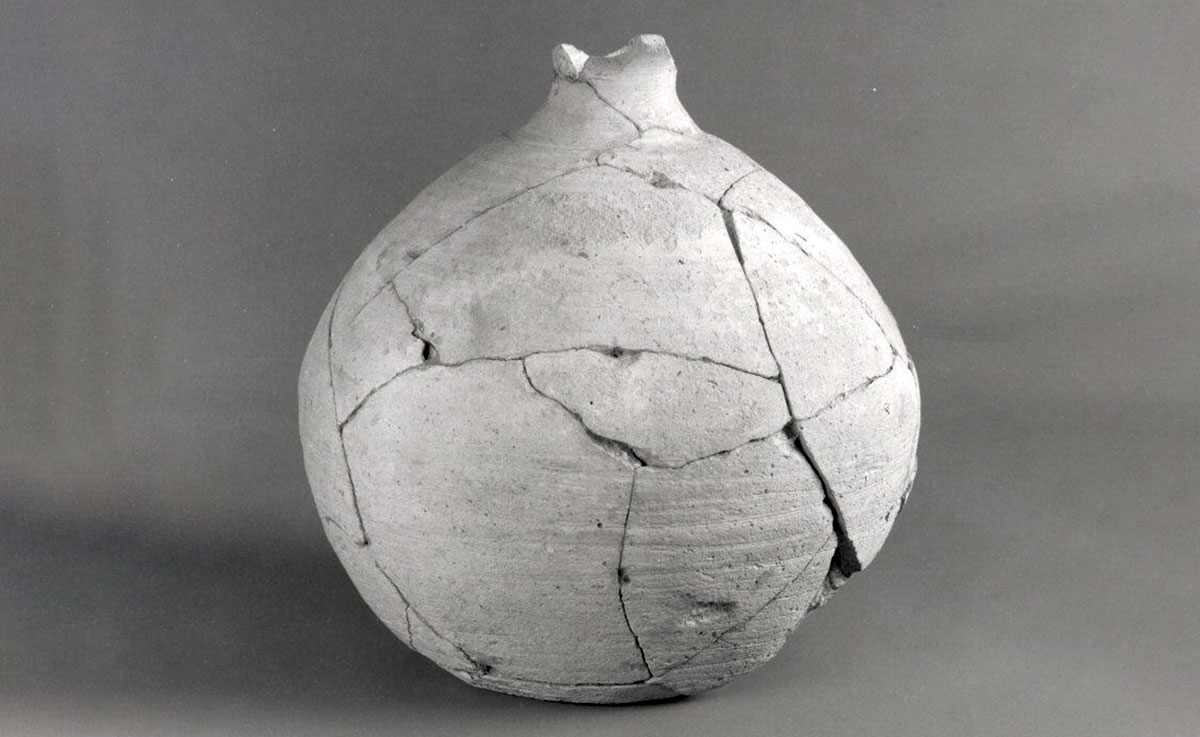
Although this campaign looked like a great success for the Romans, a deadly disease appeared that changed the whole picture. The exact place where the disease first appeared cannot be determined. Some traditions say that a Roman soldier opened a sealed container in a temple in Seleucia and released a deadly substance. Of course, this tradition cannot be proven.
An epidemic of an unknown disease severely crippled the Roman army. Cassius Dio later recorded that the Romans suffered from disease and famine as they retreated from Mesopotamia. Had they remained in Mesopotamia, the disease might not have spread. However, many units continued their retreat to the western provinces, leading to a massive spread of the disease.
Grain Ships and Supply Chains as Pandemic Vectors
The global trade that flourished during the Pax Romana played a major role in the spread of the Antonine Plague. The grain trade was the most prominent. Rome was a large city even by today’s standards, with over a million inhabitants. As a result, grain had to be imported from distant regions such as Sardinia, Sicily, and especially Egypt.
Every day, dozens of ships sailed from Alexandria to Rome and back. The goods were unloaded at the port of Portus and then transported to Rome on smaller ships down the Tiber. Thus, a ship did not need to be carrying a large number of infected people to spread the disease. Sailors, merchants, travelers, dock workers, and other people moving through the port provided opportunities for transmission of the deadly pathogen.
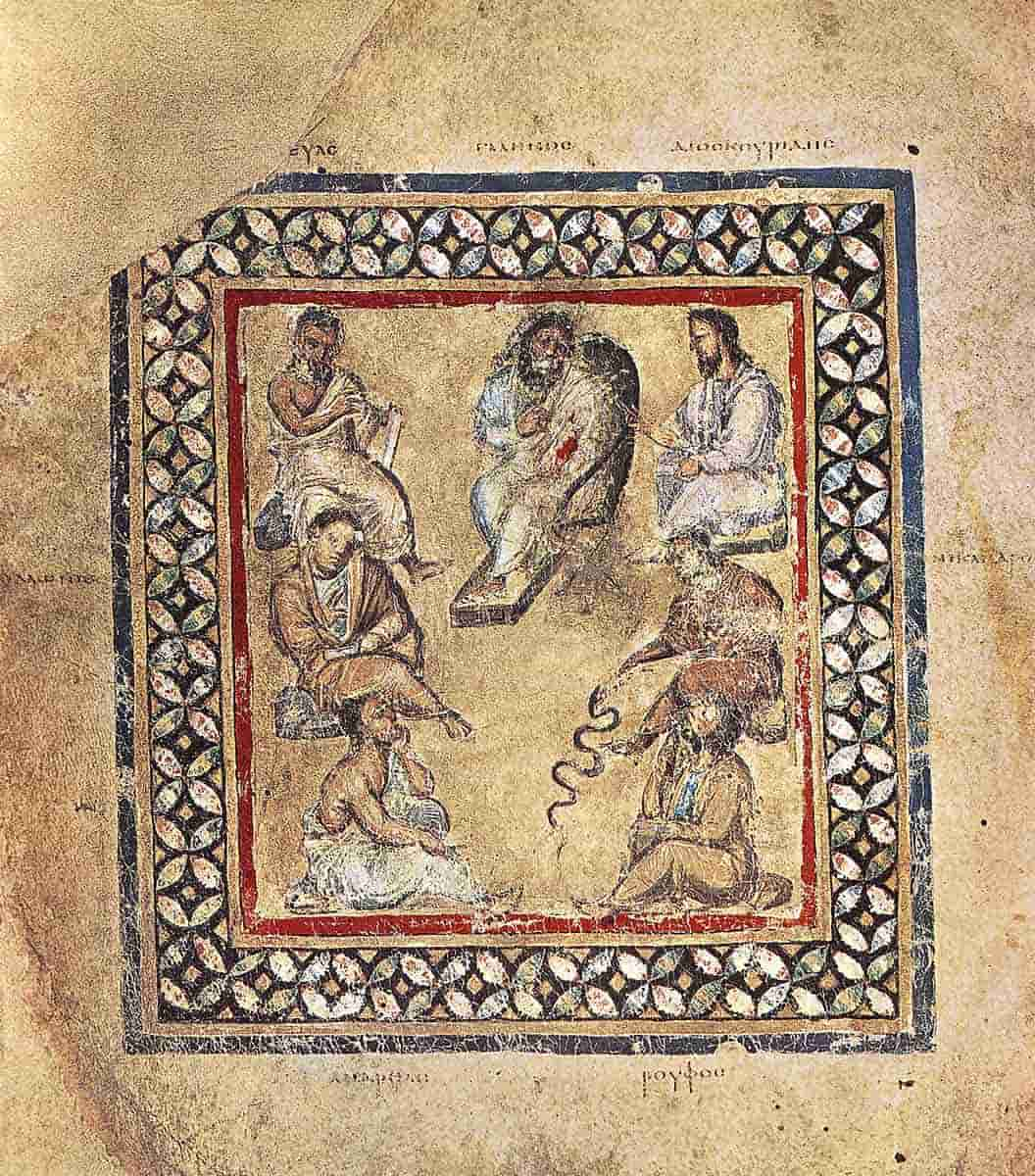
The imperial physician Galen described the symptoms of the disease when it arrived in Rome in AD 166. Symptoms included fever, diarrhea, sore throat, and skin lesions that developed into scabs. Modern researchers are inclined to believe that it was smallpox.
Why the Antonine Plague Devastated the Population
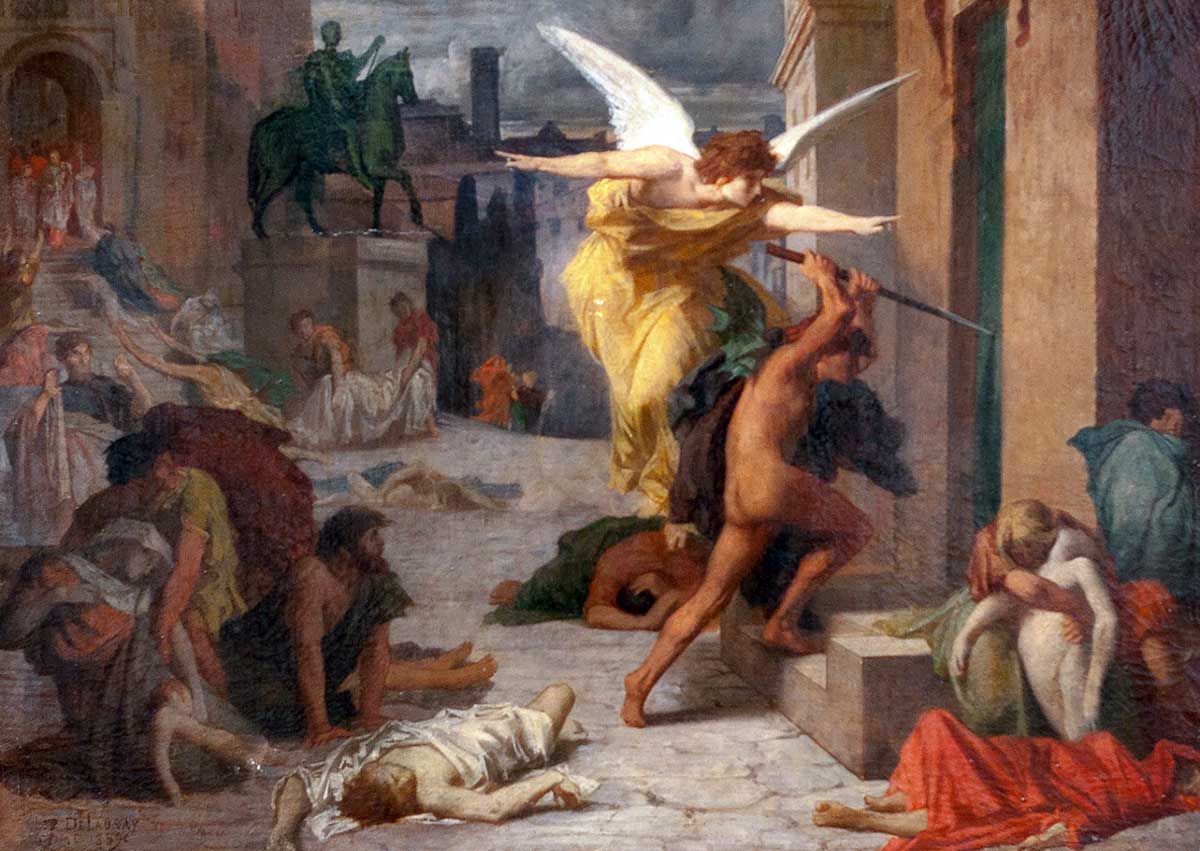
Epidemics were common in ancient times, but not on this scale. The Antonine Plague was the first recorded international pandemic of the Roman Empire. The results were shocking in terms of demographics. Some estimates suggest that there were between five and ten million deaths, which was 10-15% of the total population. Of course, it’s impossible to know the exact numbers.
The urban population was particularly vulnerable, primarily due to the dense occupation of Roman cities. Similar conditions existed in military camps. Roman soldiers lived in concentrated communities and often moved from base to base.

The emperors were not spared. Lucius Verus died from the pandemic in AD 169. Some sources suggest that Marcus Aurelius was also infected, but he survived and lived another eleven years.
The pandemic devastated Roman agriculture, which depended mostly on human labor. Production came to a standstill in many parts of the Empire. Those who survived the disease also had to survive famine. Fewer inhabitants meant lower taxes collected, impoverishing the imperial treasury.
How the Antonine Plague Ended the Pax Romana
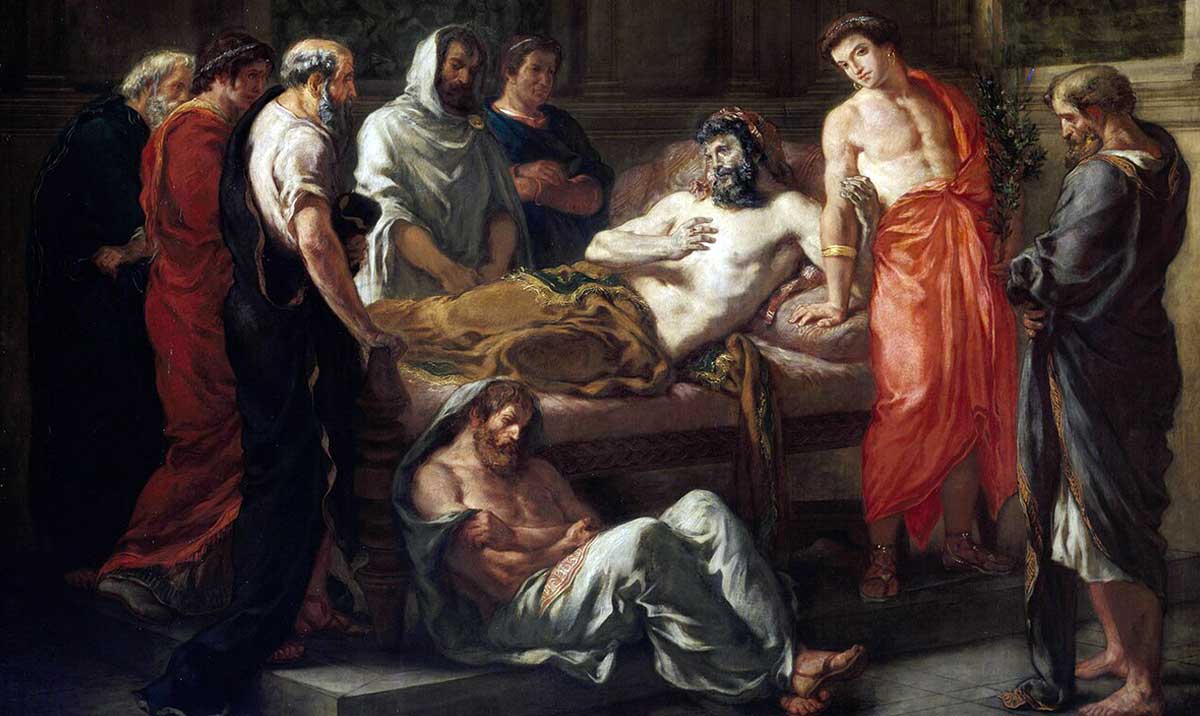
The Antonine Plague is one of the major reasons for the end of the Pax Romana. The official end of the Pax Romana is considered the death of Marcus Aurelius in 180 AD, but changes can already be seen in his lifetime. In AD 166, Germanic and Sarmatian peoples began to threaten the Danube border. This led to the so-called Marcomannic Wars.
The pandemic reduced the number of soldiers and made it more difficult to defend the borders. Despite a depleted treasury, Marcus Aurelius had to finance long-term campaigns. He even resorted to selling imperial property. His biological son, Commodus, ruled alongside his father and inherited sole rule in AD 180. His reign was marked by increasing conflicts between the emperor and members of the senatorial elite. Commodus was assassinated in AD 192, and another civil war followed his death. By AD 193, the Pax Romana was a distant memory. Politics again returned to the competition of several pretenders to the throne, including Septimius Severus, who eventually established a new dynasty.
Thus, the Antonine Plague weakened Rome to such an extent that political tensions returned. The Pax Romana could only survive if the things that constituted it remained in place. These included a large population, extensive global trade, a strong and functional economy, reliable taxation, and internal peace. The Antonine Plague took these things away.