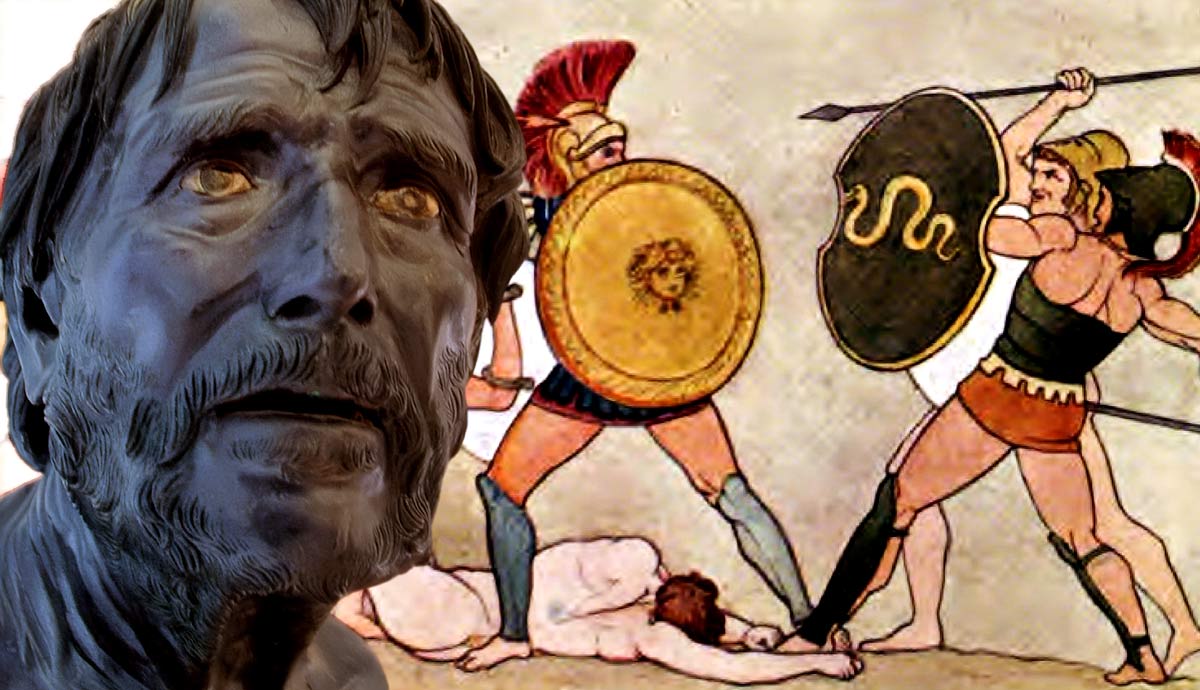

Long before written history existed, ancient Greeks remembered their past through legendary poetry. That changed in the 5th century BC, when traveling researchers began interviewing witnesses and documenting military conflicts they participated in. From the epic tales of the Trojan War to the firsthand accounts of Alexander the Great’s campaigns, Greek chroniclers invented the discipline of history. These 15 historians did more than record events; they defined how we view the past.
1. Homer (c. 8th Century BC)
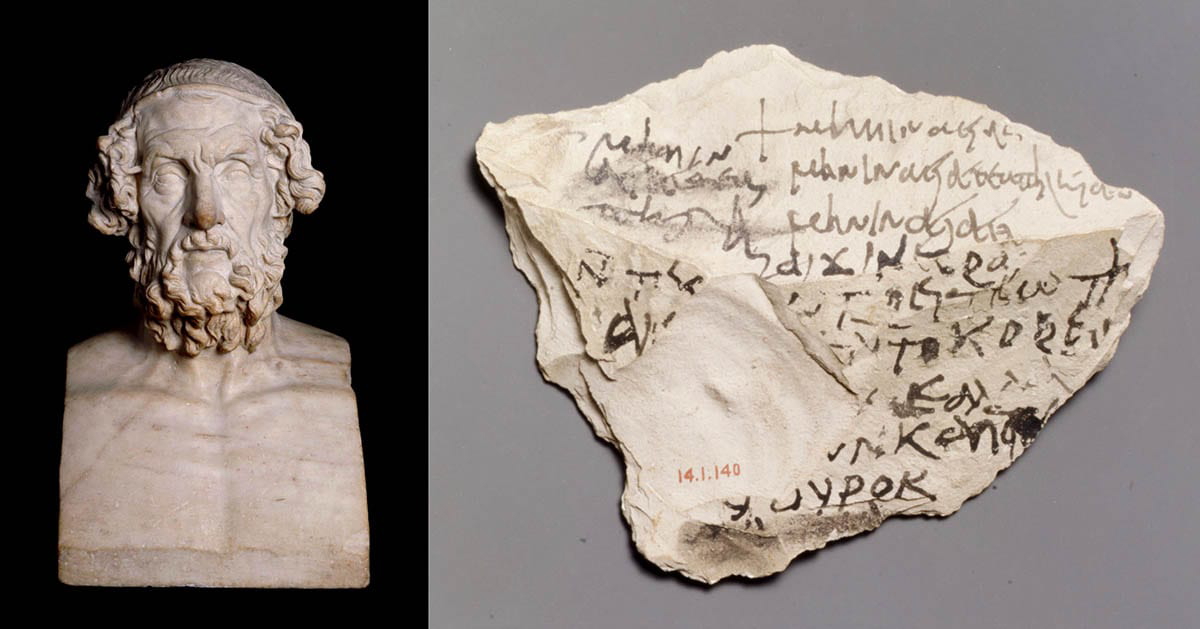
Almost nothing is known of Homer, the legendary author of the Iliad and Odyssey, epic poems that tell the story of the Trojan War and its aftermath. Homer’s identity, the period during which he lived, and the circumstances in which he composed these poems have been hotly debated for centuries. Some even go so far as to question his very existence. What cannot be questioned is the influence that his works have had on Western historiography and the development of Greek history.
In antiquity, the Trojan War was the first “historical event” recorded, and it was considered a national foundation myth. Homer’s works were widely performed and were incorporated into the educational systems of many schools of philosophy. As a result, numerous Greek historians drew inspiration from Homer when they composed their own histories.
The Trojan War also served as a starting point for ancient Greek historians, as it was often the earliest event in the “historical age,” rather than the age of heroes and gods. The heroes of the war were tied to the foundational myths and legends of various tribes, dynasties, cities, regions, and kingdoms.
2. Herodotus (c. 484-425 BC)
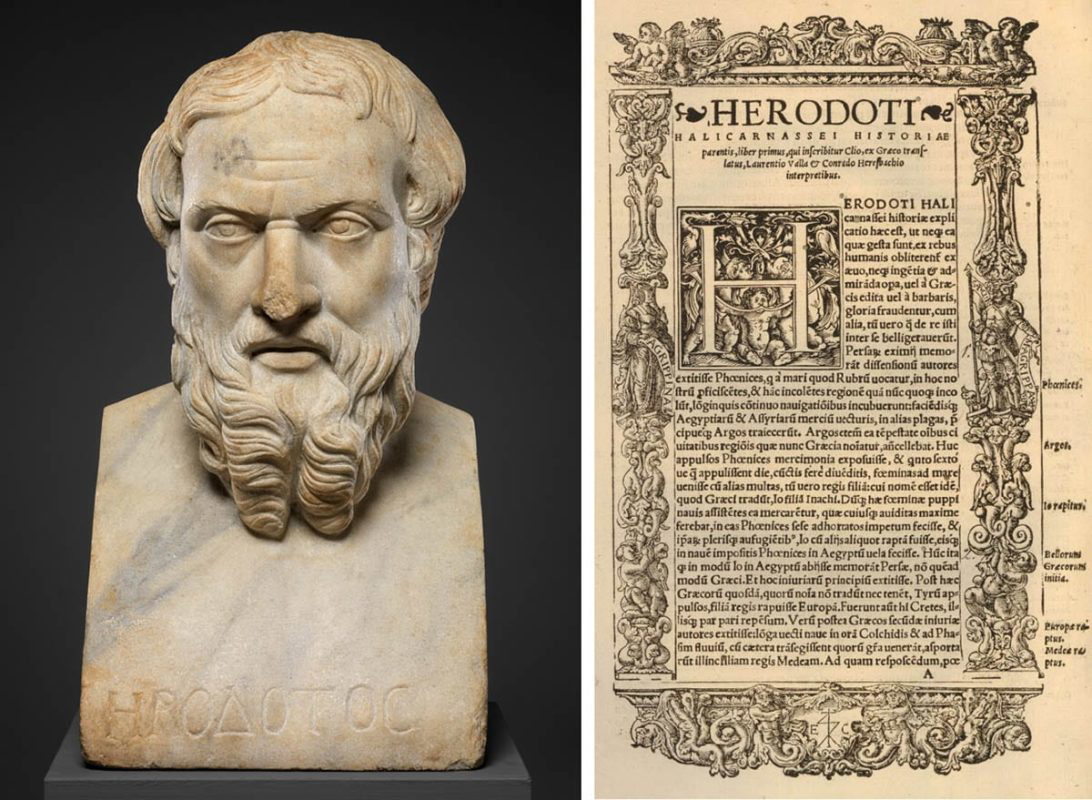
Herodotus, the so-called “Father of History,” was born in the Greek city of Halicarnassus, which was then part of the Achaemenid Persian Empire. For unclear reasons, but were perhaps motivated by local politics, Herodotus traveled extensively throughout the Near East and Eastern Mediterranean and is known to have visited Samos, Egypt, Tyre, Babylon, Athens, Magna Graecia, and Macedonia. His great work, The Histories, was conceived as an attempt to explain the origins of the Greco-Persian Wars. This work, which begins in the mythical period, focuses on the years between 550-479 BC and spans 9 books.
Herodotus included a wealth of information in The Histories, and he offers long digressions on anthropological and ethnographic matters. Although his work inspired many later historians, Herodotus himself remains controversial and has been called the “Father of Lies.” His work contains many legendary and fanciful accounts that later historians accused him of making up for entertainment value. However, Herodotus himself states that he merely reports what he has been told and even notes when he does not believe his source. Today, a number of the more fanciful aspects of The Histories, such as the Amazons, have been confirmed through archaeology.
3. Thucydides (c. 460-400 BC)
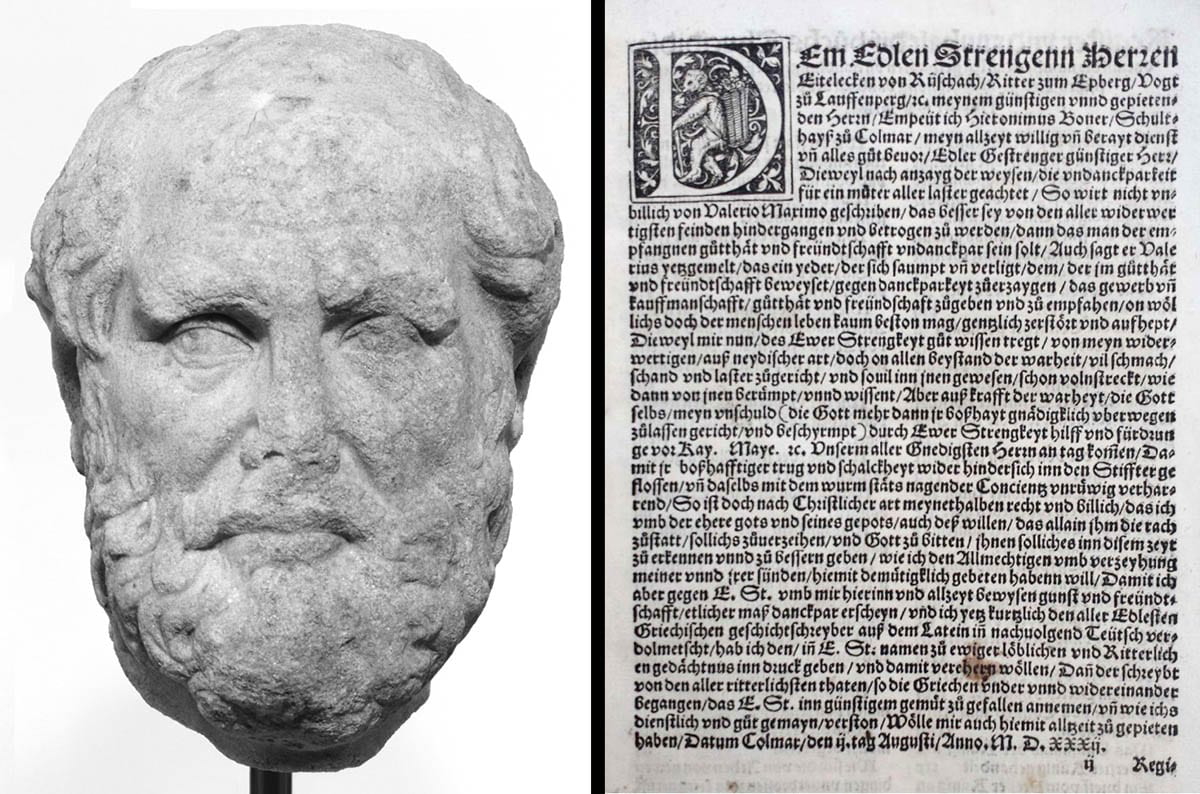
A well-connected Athenian aristocrat, Thucydides owned a gold mine, served as a general during the Peloponnesian War, survived the Plague of Athens, and was eventually exiled from Athens for the failure of a military campaign in Thrace. He is best known for his History, which is today commonly rendered as The History of the Peloponnesian War. This work spans 8 books and describes the events of a period that roughly encompasses 438-411 BC. As the work ends rather abruptly, it is believed that Thucydides died suddenly and unexpectedly.
Thucydides is, along with Herodotus, regarded as a “Father of History.” His more scientific approach, which did not acknowledge divine intervention, along with his non-judgmental style, which sought to report events in an unbiased manner, has led to him also being regarded as the first “true historian.” However, he also freely acknowledges making up appropriate speeches for the figures in his History, based on what he felt that they ought to have said.
4. Xenophon (c. 430-354 BC)
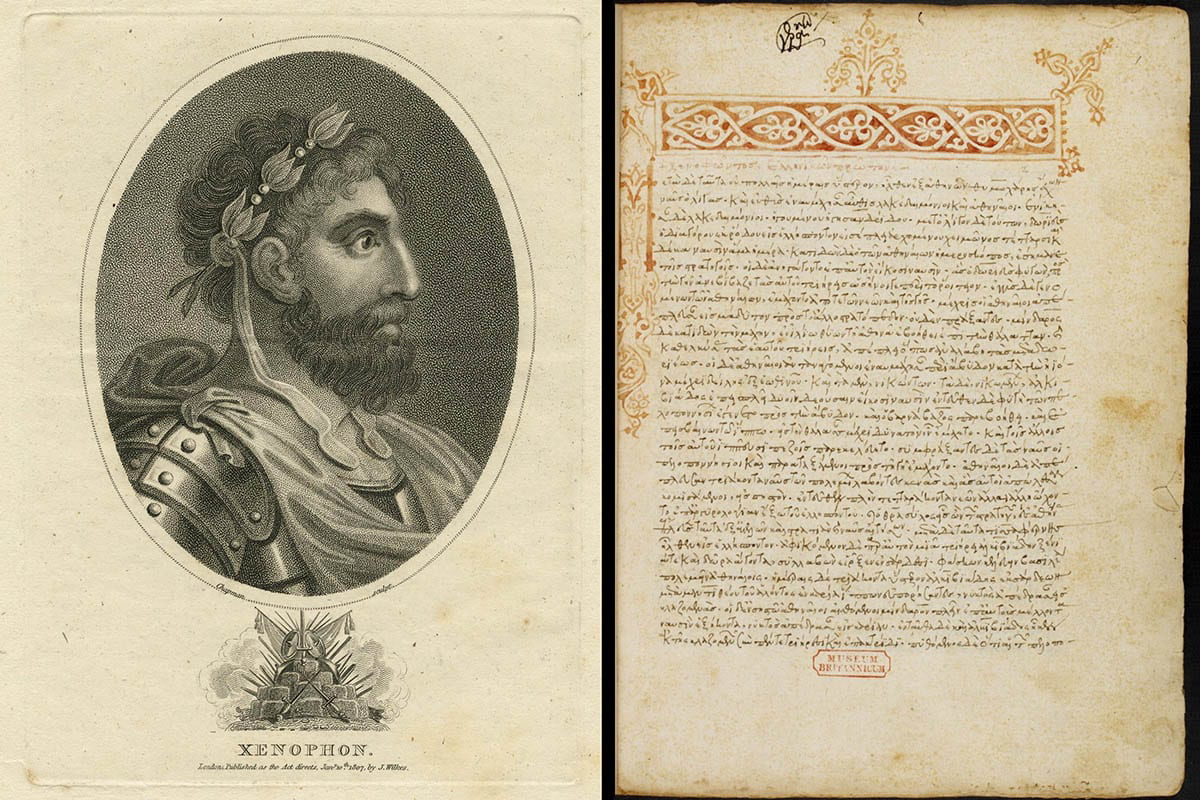
Born in Athens, Xenophon was an ancient Greek historian, soldier, and philosopher who marched an army of 10,000 Greek mercenaries out of Persia, associated with Socrates and Plato, and had close ties to Sparta. His work as a historian reflects his experiences. It includes: The Anabasis, which details the March of the 10,000; The Cyropaedia, which describes the early life of Cyrus the Great; Agesilaus, a biography of Agesilaus II, a powerful king of Sparta; and Polity of the Lacedaemonians, a history of Sparta and its institutions.
Xenophon’s most important work, however, was the Hellenica or “writings on Greek subjects,” which covers the years 411-362 BC and spans a total of 7 books. This history picked up where Thucydides left off and was primarily intended to be read by Xenophon’s friends, who had participated in the events described. As such, the Hellenica literally begins after Thucydides’ final sentence. Overall, the Hellenica was for Xenophon a deeply personal project, and although he follows Thucydides stylistically, his pro-Spartan and anti-democracy bias is noticeable.
5. Ctesias (c. 5th Century BC)
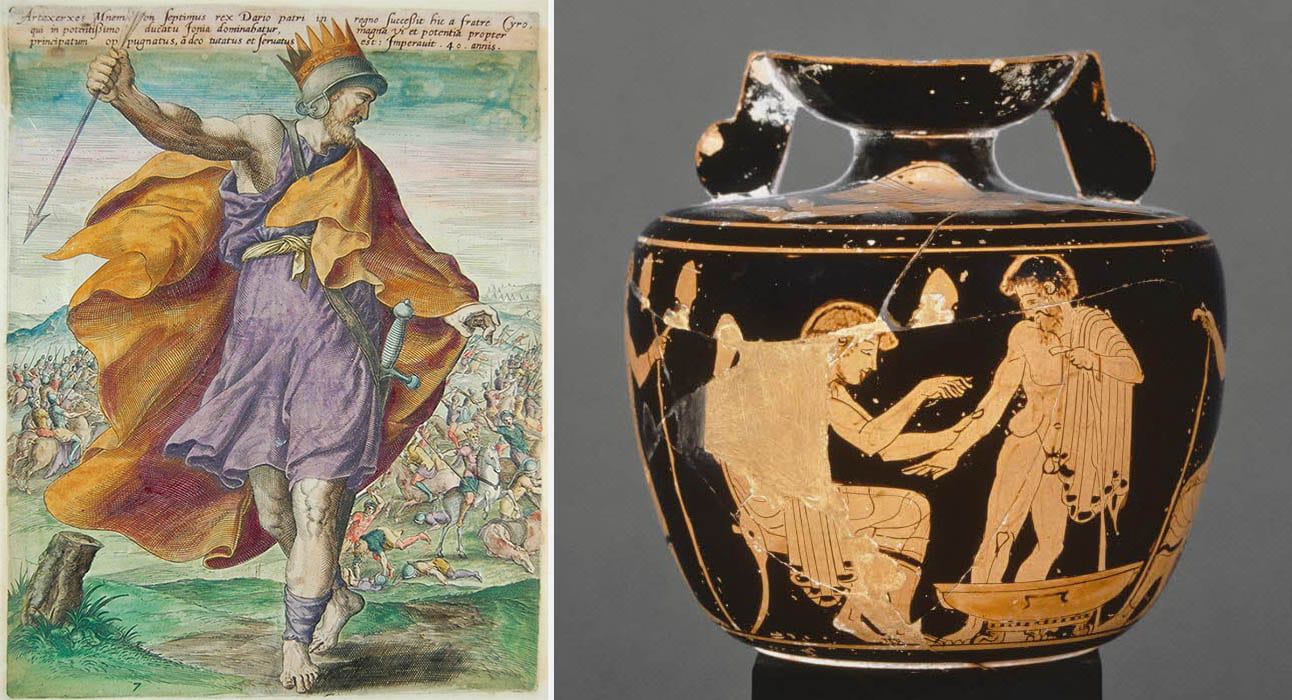
Ctesias was a Greek living in Cnidus, a Carian city in Anatolia, living under the Achaemenid Empire. A royal physician to the Achaemenid king Artaxerxes II, he accompanied the king on various expeditions and treated his wounds. Ctesias had access to the royal archives of the Achaemenid Empire, which he drew upon to construct his histories.
He is known for two works, the Persica and the Indica. The Indica reflects Achaemenid knowledge and beliefs about India and is known only as fragments and quotations preserved in the works of other historians. Ctesias’ other work, the Persica, spanned 23 books and was originally written in opposition to Herodotus and his account. The Persica was highly valued and widely quoted in antiquity, although even then there were doubts about its reliability.
6. Theopompus (c. 380-318 BC)
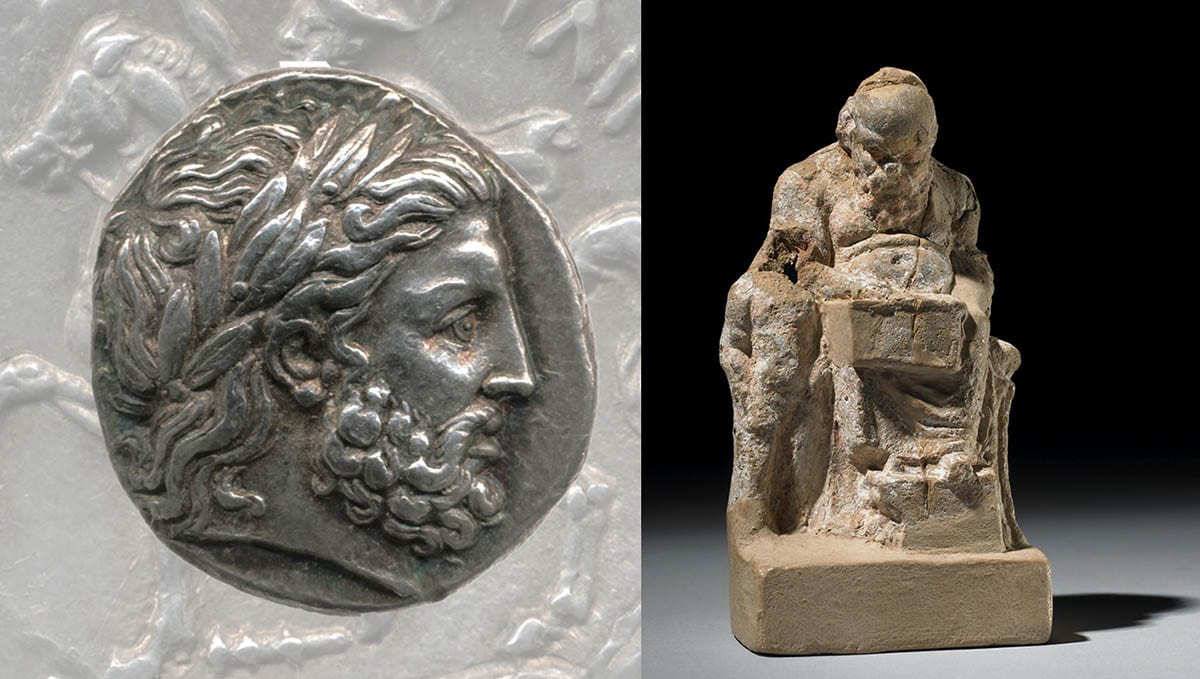
Theopompus was born on the island of Chios and spent time in Athens after his father was exiled, where he studied rhetoric and built a network of contacts. With the support of Alexander the Great, he was able to return to Chios, but was again exiled and went to the court of Ptolemaic Egypt. With his training, contacts, and relative wealth, Theopompus was well equipped to be a historian.
His chief works were the Hellenica, which deals with the history of Greece from 411-394 BC, and the Philippica, which describes the reign of Philip II. Both works are known as fragments, but the Philippica was widely quoted by later historians. Theopompus was also criticized for his lengthy digressions, love of incredible or romantic stories, and the lengths he would go to in censuring his subjects for what he perceived as their failings.
7. Cleitarchus (c. mid-late 4th Century BC)
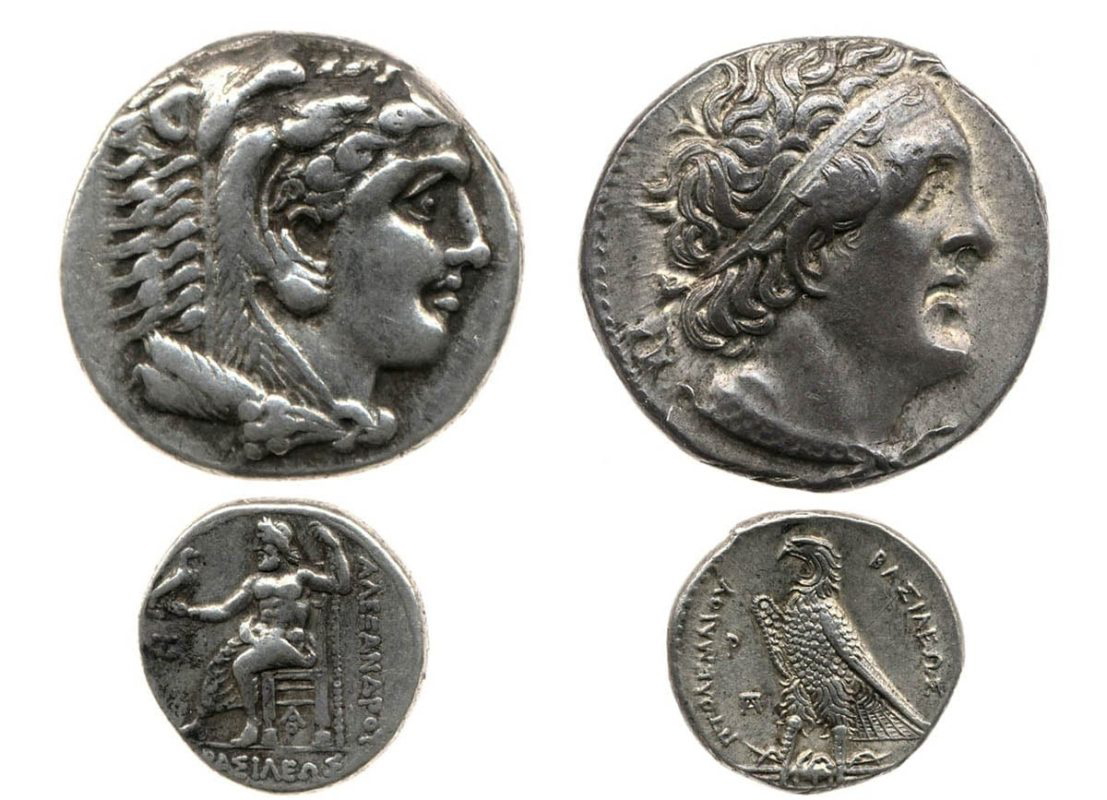
Cleitarchus was one of the earliest ancient Greek historians of Alexander the Great; he may have even accompanied the Macedonian army during its campaigns. Later, he remained active at the court of Ptolemy I Soter, founder of the Ptolemaic dynasty in Egypt. As such, he was able to witness firsthand or access witnesses to the events he described. His only known work, the History of Alexander, has survived in the form of 30 fragments.
Cleitarchus’ work, though now lost, was very popular during antiquity and was widely read. It was the most famous history of Alexander the Great. Many later historians, such as Plutarch, Aelian, Strabo, Quintus Curtius, and Justin, quote it in their works. It also served to inspire what became known as the Alexander Romances. However, it also received its share of criticism for Cleitarchus’ exaggerated writing style, which impinged on its trustworthiness.
8. Marsyas of Pella (c. 356-294 BC)
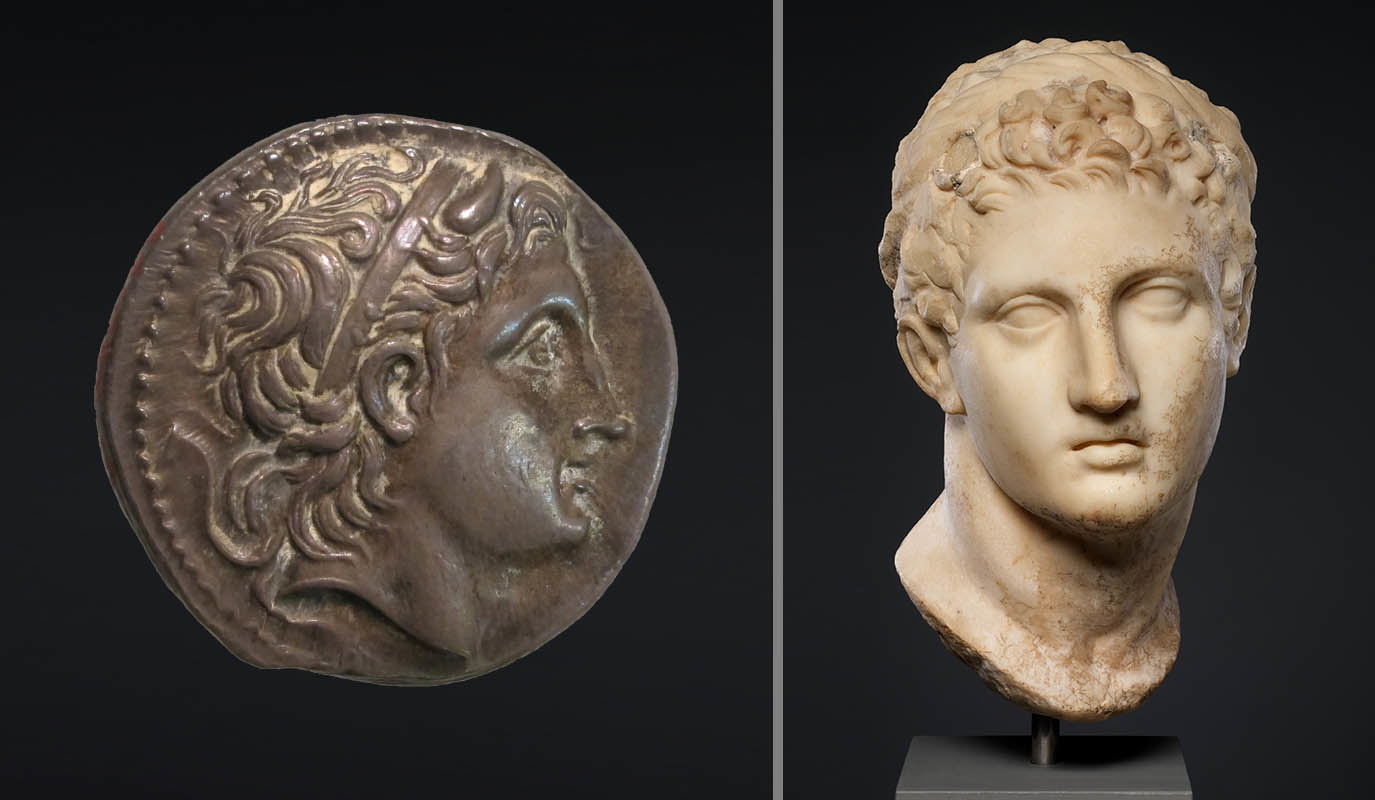
Marsyas was a Macedonian of noble birth and a relative of Antigonus I Monophthalmus (One-Eyed), a general of Alexander the Great’s who ruled large parts of Asia. It appears that Marsyas and Antigonus were stepbrothers. Later, Marsyas commanded a division of Demetrius Poliocretes’ (The Besieger) fleet at the Battle of Salamis in 306 BC. No mere armchair historian, Marsyas took an active role in public affairs.
His major work was the Makedonika, which consisted of 10 books and described the history of Macedonia from the earliest times to about 331 BC. This work was repeatedly cited by later Roman and Byzantine authors. He is also credited with writing a history of Alexander the Great’s education, and possibly a treatise on the antiquities of Athens.
9. Duris of Samos (c. 350-281 BC)
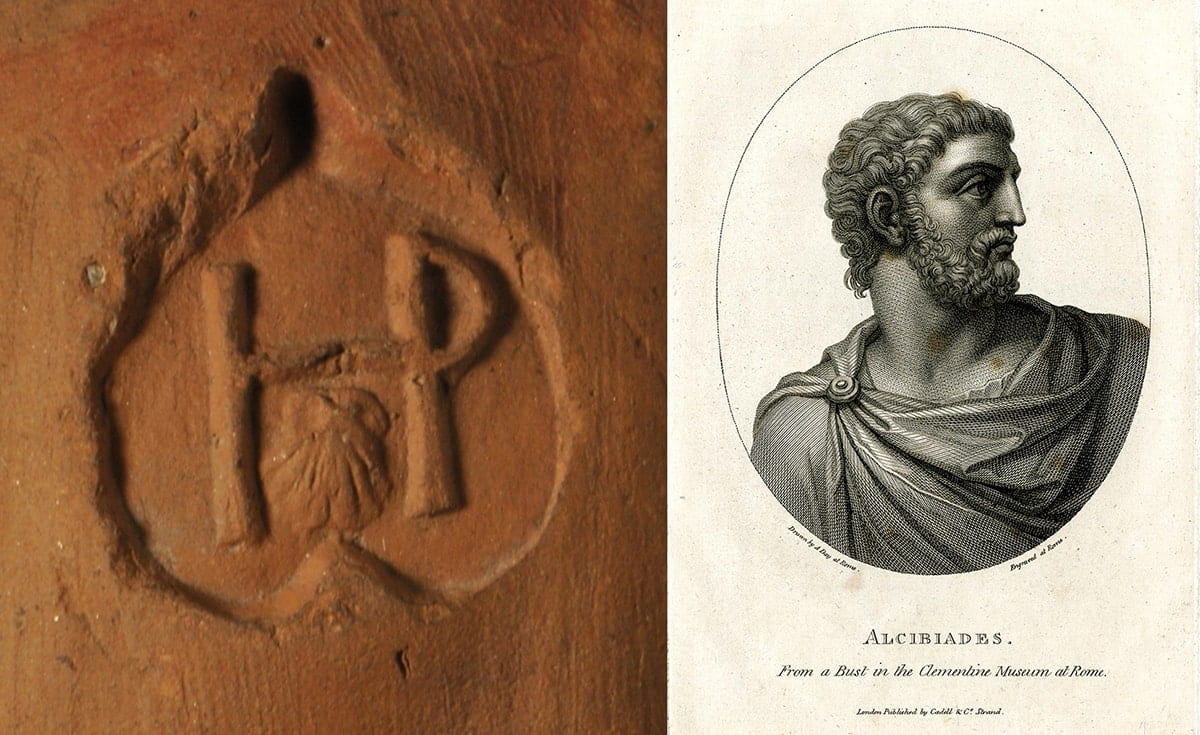
Claiming descent from the infamous Alcibiades of Athens, Duris was an ancient Greek historian and at some point the tyrant of Samos. His main work was the Histories (also known as Macedonica and Hellenica), which describes the history of Greece and Macedonia from 371-281 BC. His narrative was continued by the later historian Phylarchus.
Duris was an exemplar of “tragic history,” a new style or school of historical writing which placed a greater value on entertainment and excitement rather than factual reporting. During antiquity, few later historians praised Duris, rather disparaging his style, his composition, and doubting his trustworthiness. However, many still utilized his work. Today, his historical work is known only in fragments and includes his Histories, On Agathocles, and the Annals of Samos.
10. Timaeus (c. 345-250 BC)
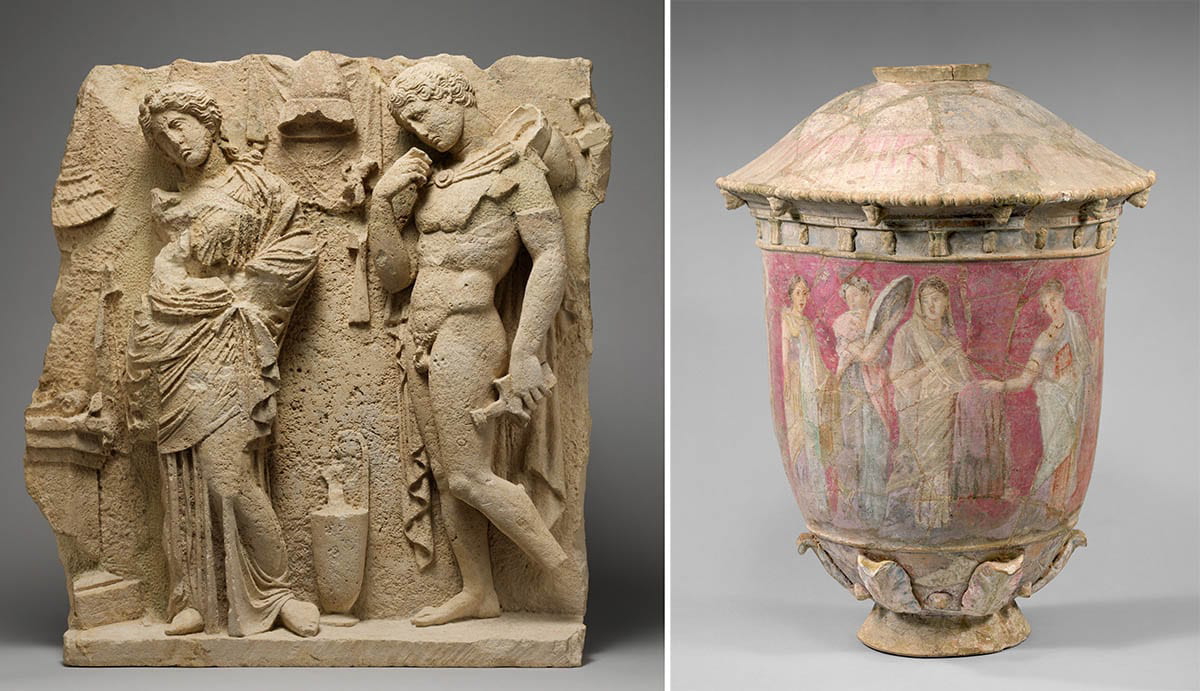
Born in Sicily, the ancient Greek historian Timaeus was forced to flee to Athens, where he studied under the philosopher Isocrates. His greatest work, his Histories, spanned an estimated 40 books. It focused primarily on Greece, but also discussed events in Magna Graecia (Italy and Sicily), covering the earliest history of Greece to the time of the First Punic War. He worked diligently to develop a method of reckoning chronology based on the Olympiad cycle, the Archons of Athens, the Ephors of Sparta, and the priestesses of Argos, which was used by many other historians.
Timaeus’ work circulated widely during antiquity and was utilized by many other historians. He was, however, criticized by later historians, such as Polybius, for being unfair towards his predecessors, showing bias towards his subjects, being an armchair researcher, obsessing over trivial matters, and a general frigidity. On the other hand, others, like Cicero, praised his work. Today, only fragments of the 38th book of his Histories, and a reworking of its last section, On Pyrrhus, have survived; along with a reference to a history of the cities and kings of Syria, and The Victors at Olympia, a chronological piece that probably functioned as an appendix.
11. Phylarchus (c. 3rd Century BC)
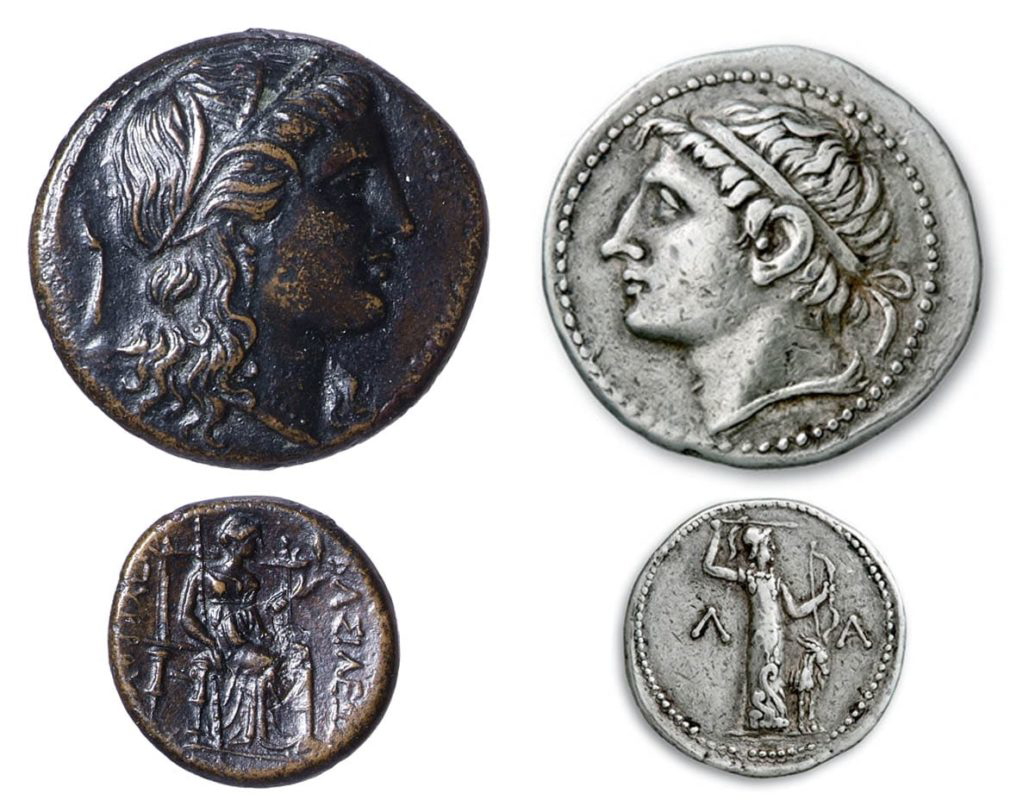
Three different cities are given as the birthplace of the ancient Greek historian Phylarchus: Athens and Sicyon in Greece and Naucratis in Egypt. His greatest work, his Histories, spanned an estimated 28 books. It is known to have covered 52 years beginning with Pyrrhus of Epirus (died 272 BC) and ending with the death of Cleomenes III of Sparta (220BC); though based on fragments, it may have actually begun with the death of Alexander the Great. Phylarchus described events in Greece, Macedonia, Egypt, Cyrene, and elsewhere.
Much of what we know of Phylarchus as a historian comes from criticisms that were leveled against him. Polybius and much later Plutarch charge him with bias and falsifying history through partiality. He was also accused of trying to sway readers through his overly graphic descriptions of war and violence. Nonetheless, many ancient historians borrowed from his work. His works are known to include the Histories, The Story of Antiochus and Eumenes of Pergamum, which described a war between monarchs, Epitome of Myth on the Apparition of Zeus, On Discoveries, Digressions, and Agrapha, which probably dealt with obscure mythological aspects.
12. Polybius (c. 200-118 BC)
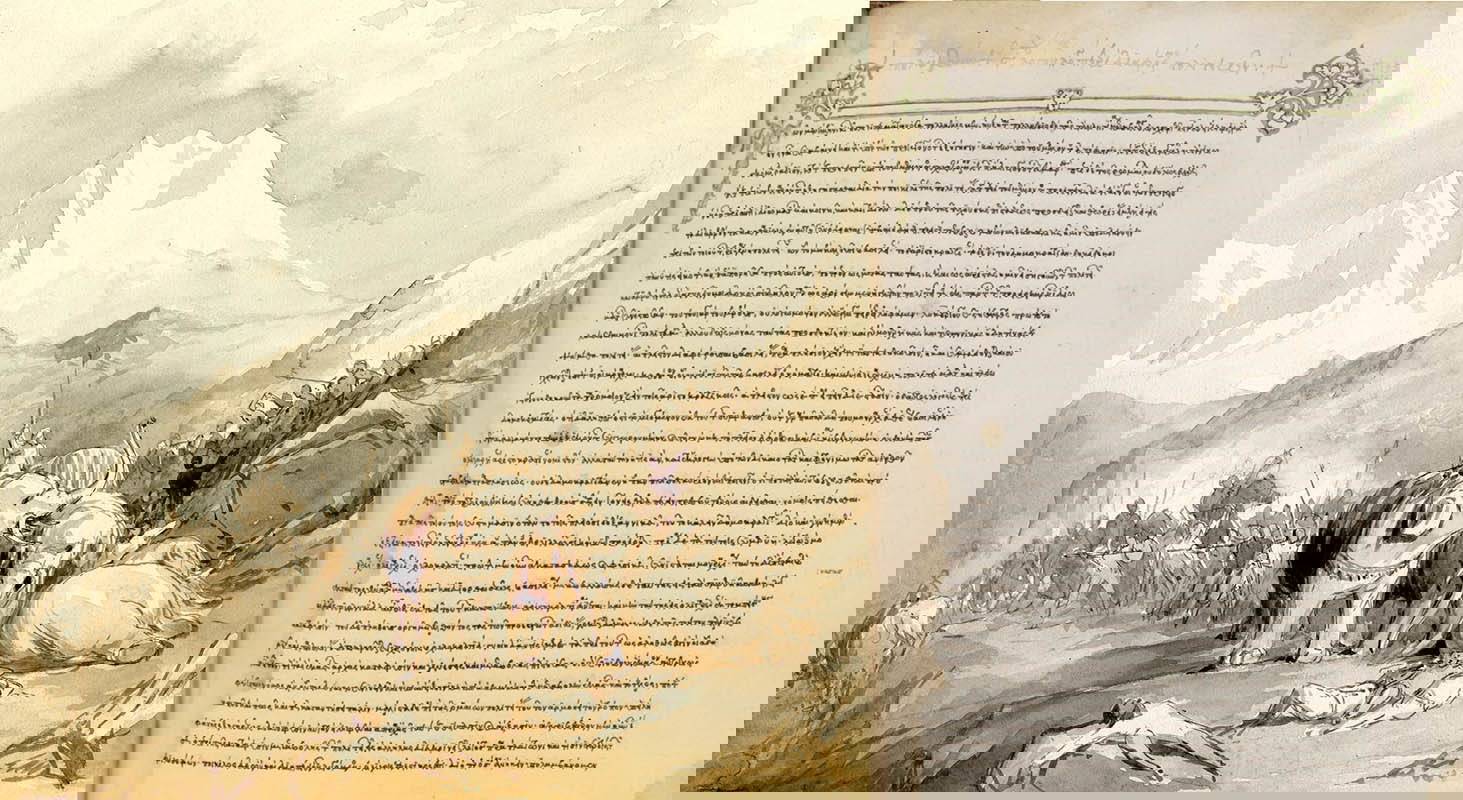
Polybius was born into a prominent family from the city of Megalopolis in Greece. He was an active member of the Achaean League before he was taken to Rome as a hostage. Whilst in Rome, Polybius was able to gain entry into the most elite social circles, where he made many friends and contacts. As a result, he was able to witness and participate in many of the most important political events of the period; even accompanying and advising his Roman friends on military expeditions.
With his unparalleled access, Polybius was able to write a number of historical works, the most important of which was the Histories. Originally spanning some 40 books, today only 5 exist in their entirety. The Histories cover the period of 264-146 BC and mainly focus on Rome’s rise as a world power and its conflict with Carthage. Polybius also wrote several other works, which are now lost, and is considered one of the founding fathers of Roman historiography. His works were widely utilized by later historians, though he was often criticized for his dense writing style.
13. Agatharchides (c. 2nd Century BC)
Agatharchides was born in Cnidus, a Carian city in Western Anatolia; he appears to have been a sort of assistant of servile origin. His major work is On the Erythraean Sea (Red Sea), which, besides providing historical, geographical, and anthropological details about the region, advocates for a military invasion from Ptolemaic Egypt. The work was never finished, as a rebellion or purge prevented Agatharchides from accessing official records in Alexandria.
On the Erythraean Sea spanned 5 books, of which almost the entire fifth book has survived. Agatharchides was praised for his clear, dignified writing style, so that his work saw continued use even when it was superseded by more up-to-date material. It was quoted by numerous later historians such as Diodorus Siculus, Strabo, Pliny the Elder, Aelian, and Josephus. Agatharchides also wrote other works, Affairs in Asia (10 Books) and Affairs in Europe (49 Books), which were not widely known and only survive as fragments.
14. Posidonius (c. 135-51 BC)
Nicknamed “the Athlete” as a result of his intellectual prowess in many fields, Posidonius was considered the greatest polymath of his age. Born in the Hellenistic city of Apamea in Syria, he was educated in Athens and traveled across the Mediterranean World. His travels brought him to Greece, Hispania, Italy, Sicily, Dalmatia, Gaul, Liguria, North Africa, and the Adriatic Coast. His historical work, again called Histories, continued where Polybius’ world history left off. He covered the period of 146-88 BC, supposedly over 52 books. Today, almost all of Posidonius’ Histories have been lost.
The Histories of Posidonius continued the narrative of Roman expansion and dominance, begun by Polybius. Yet although Posidonius, like Polybius, was sympathetic to Rome, he viewed historical events through a more psychological lens. He saw and understood human passions and follies but did not pardon or excuse them in his writings. As a result of his philosophical training, Posidonius also considered environmental or climatic factors, which he believed influenced how people acted or behaved.
15. Diodorus Siculus (c. 90-30 BC)
Diodorus Siculus was a Greek from the city of Agyrium in Sicily. Almost nothing else is known about his life. His great historical work was the Bibliotheca Historica or Historical Library. This was an immense work that originally spanned some 40 books. To complete this epic work, Diodorus Siculus drew upon the research of numerous earlier historians. However, much of the Bibliotheca Historica has been lost to time, so that only books 1-5 and 11-20 survive, along with some fragments and quotations preserved in the works of later historians.
The Bibliotheca Historica was intended to be a universal history; that is, it attempted to present the history of all mankind in a single coherent unit. As such, it was divided into three parts. The first section dealt with mythic history up to the destruction of Troy. The second and third sections covered the periods between the destruction of Troy and the death of Alexander, and from the death of Alexander to the beginning of Caesar’s Gallic Wars. Geographically, his work spanned the known world and included Egypt, India, Arabia, Scythia, Mesopotamia, North Africa, Nubia, and Europe.