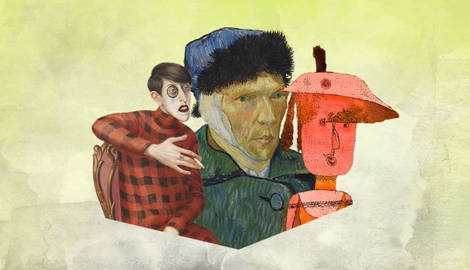

Adolf Hitler considered himself a man of culture. However, his taste in art was narrow, rigid, and ideologically driven. He believed that art should serve the state, glorify the Aryan race, and reflect only moral and racial purity. Anything that deviated from realism, did not glorify the human figure in heroic ways, or was created by Jewish or politically opposed to Nazism artists, was considered degenerate, corrupt, and dangerous.
Adolf Hitler’s Disdain for Modern Art
Hitler’s personal disdain for modernist and avant-garde art grew from his own frustrations. Before politics, he had tried to become a painter, applying unsuccessfully to the Vienna Academy of Fine Arts. He favored classical forms, technical precision, and clear representation, and he judged all other styles as morally and culturally inferior. This personal bias became state policy after 1933, when the Nazis systematically suppressed art they considered subversive.
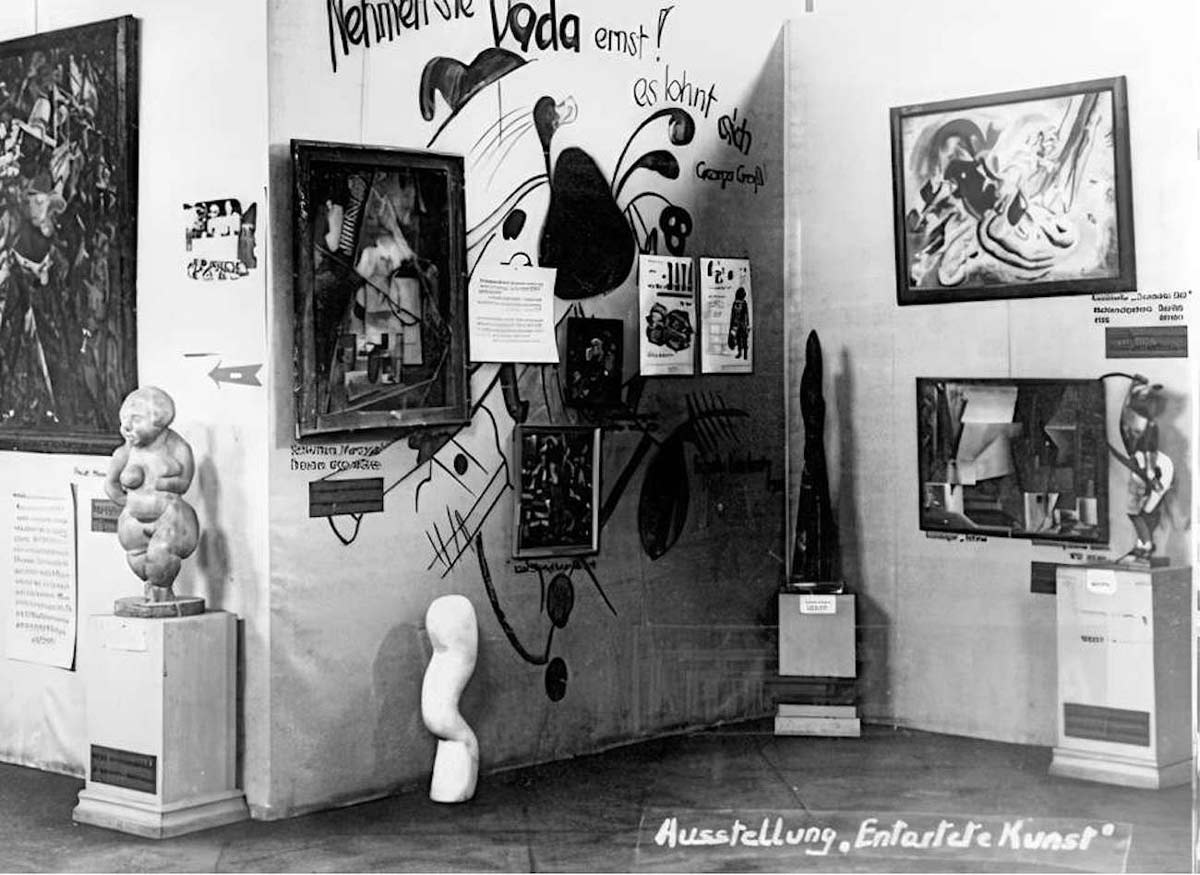
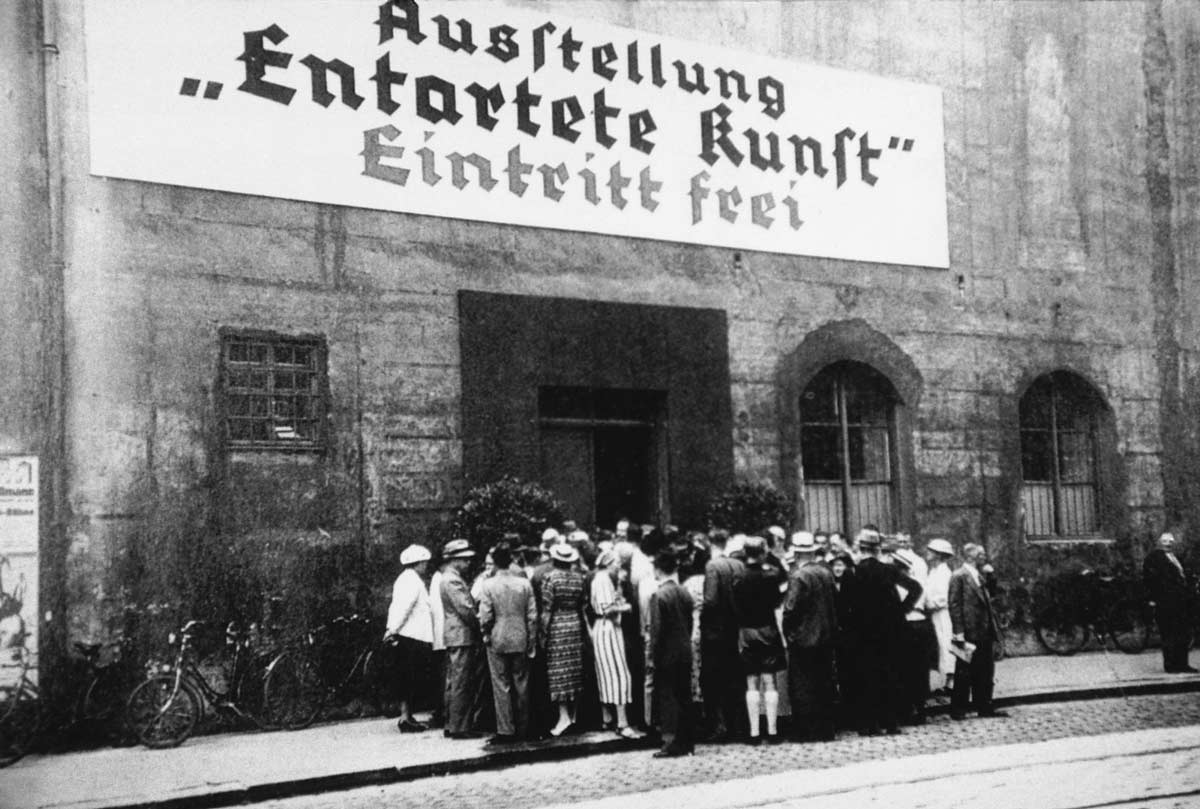
In 1937, the infamous Entartete Kunst (Degenerate Art) exhibition took place in Munich. The Nazis had confiscated thousands of artworks from museums across Germany. In the exhibition, nearly 650 were all displayed cramped up, almost one onto the other, in order to condemn modern art as something that represented the decline of society and morality. It mocked movements such as Post-Impressionism, Cubism, Expressionism, and Surrealism, among others. The artists included in the exhibition were humiliated, vilified, and lost any sort of recognition within the German state. Some were even forced into exile. Entartete Kunst had another goal, though: to warn the German citizens that art should match the Nazi ideals. Otherwise, it would be doomed.
The works of the following ten artists represent the range of creativity that Hitler despised the most. Each of these artists challenged his vision of art in its own way, whether through abstraction, emotional intensity, political engagement, or the exploration of human vulnerability.
1. Pablo Picasso
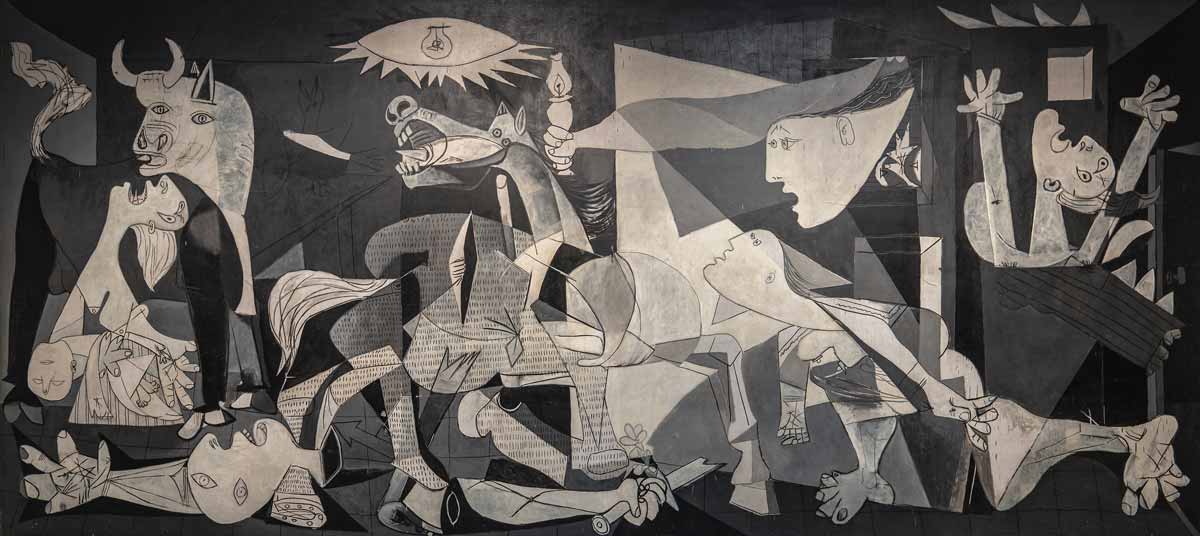
One of the artists Hitler hated the most was Pablo Picasso. The Spanish artist was one of the pillars of Cubism and he had revolutionary ideals. Cubism broke any ties with traditional art and figurative representation. It transformed forms into geometric shapes and showed multiple perspectives of an object or a person at the same time. One of his paintings that the Nazis hated was Guernica (1937). It depicted the bombing of the Basque town during the Spanish Civil War. The chaotic composition, the disjointed human figures, and, of course, the harsh criticism of the political regime went in the exact opposite direction of the heroic and Aryan ideals that Hitler stood for. Naturally, the entire work by Picasso was condemned by the Nazis as corrupted and obscure.
The pamphlets that accompanied the Entartete Kunst exhibition wrote that Cubism was a symptom of society’s decay. Hitler valued order and a clear, realistic representation. He and Nazi cultural officials repeatedly framed Cubism and many modern movements as degenerate, claiming they reflected moral or mental decay and warning they could negatively influence the public. Picasso’s political engagement and international stature made him particularly symbolic to Nazi critics; his works were among those confiscated and ridiculed in the campaign. Specifically, the Nazi regime believed that through his influence, Picasso could legitimize modernism abroad and weaken Germany’s “higher” cultural ideals. They feared that widespread admiration for his visual experimentation would undermine their campaign to restore academic realism, which they believed essential to national regeneration.
2. Vincent van Gogh
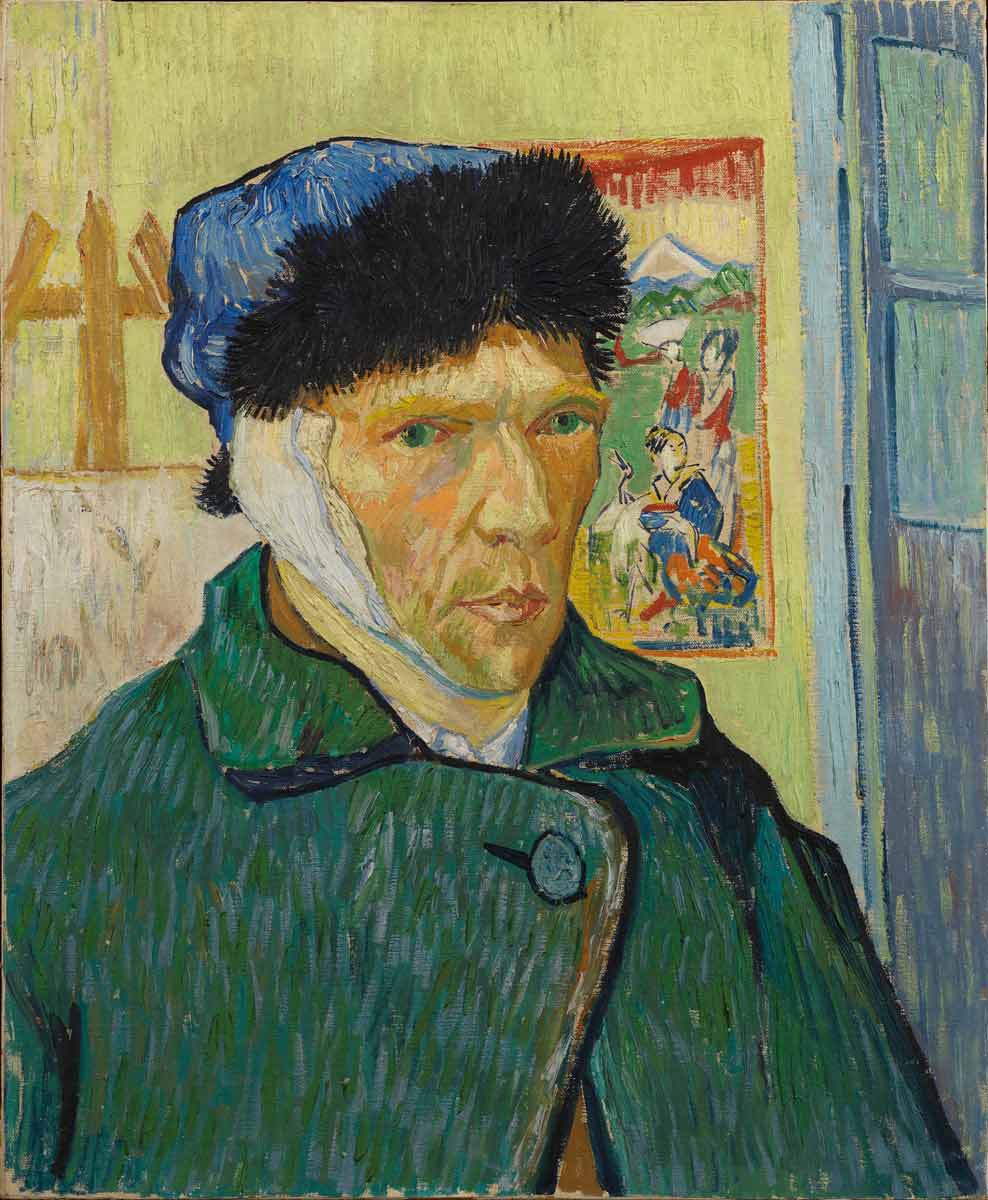
Although Vincent van Gogh died decades before the Nazi era, his bold, emotionally charged canvases were singled out as symptomatic of the “degenerate” aesthetic the regime loathed. Van Gogh’s surfaces carry the artist’s hand: thick impasto, visible, agitated strokes, and jagged lines that communicate psychic intensity. Colors are unstable and expressive rather than descriptive. For Hitler, an admirer of measured draftsmanship and clear representation, Van Gogh’s visible struggle with form and color read as instability or moral pathology rather than innovation.
The criticism was about both his technique and his subjects. Van Gogh painted scenes of daily life, peasants, and poverty. All these clashed with Hitler’s propaganda. Several publications and the exhibition text framed his work as symptomatic of mental weakness and cultural decline. Thus, he was setting an example that needed to be avoided. The visible elements of his distress, vulnerability, and inner turmoil made him repulsive to the Nazis. Van Gogh was too messy and intimate to serve their heroic narratives. Furthermore, the Nazis found that his emotional and mental fragility were a psychological danger to the public, claiming that his paintings could awaken similar feelings and thoughts. His personal biography was misused as propaganda to argue that creative instability produced cultural degeneration.
3. Marc Chagall
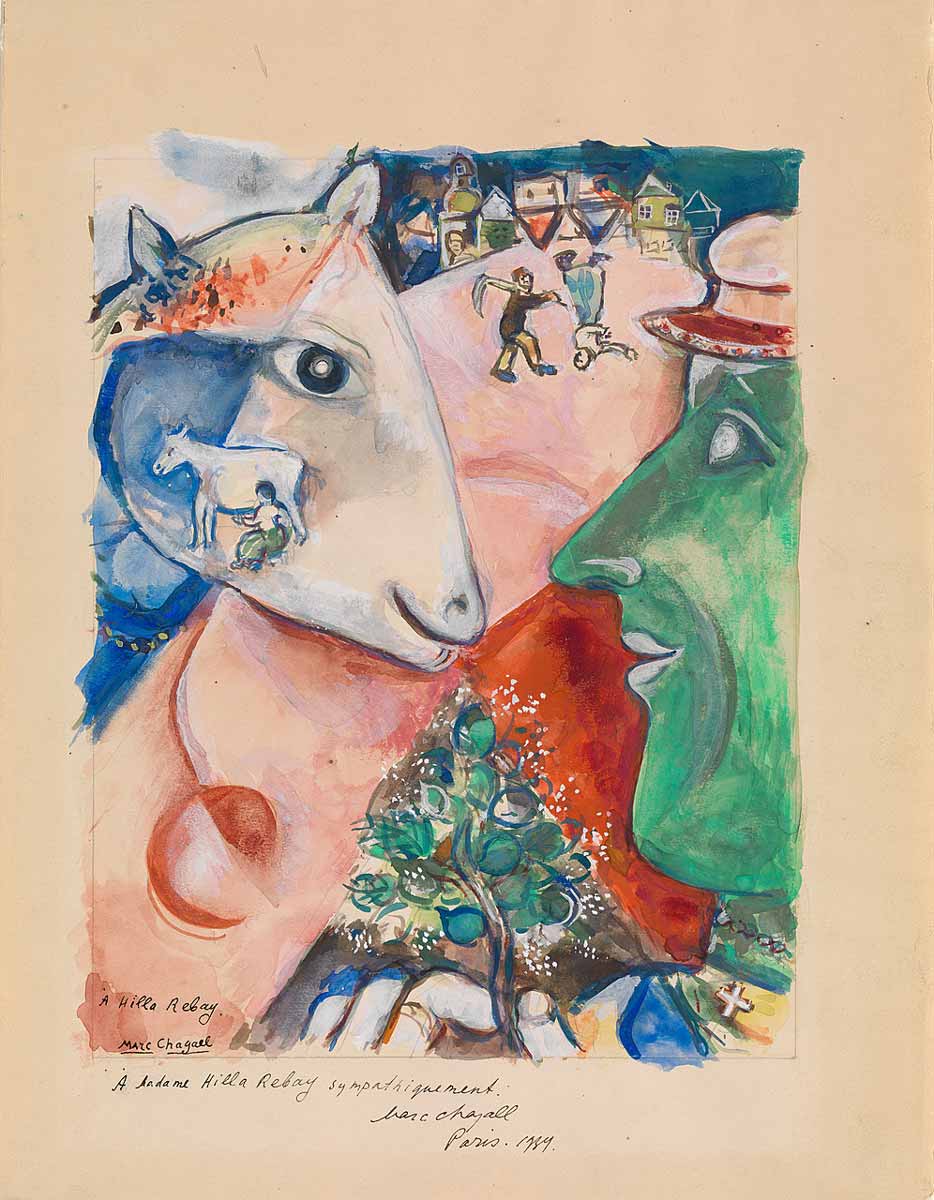
Marc Chagall’s paintings, saturated with folkloric memory, floating figures, and dreamlike juxtapositions, ran headlong into the Nazi worldview. Chagall’s art did not prioritize nationalist heroics; it celebrated fragile, private worlds, Jewish cultural markers, and a tender, at times surreal, humanism. For Hitler’s cultural censors, that combination was doubly offensive: it was explicitly “foreign” and explicitly Jewish, two categories the regime equated with subversion.
Chagall’s works were seized and displayed in Entartete Kunst under captions that mocked their lack of realism and alleged moral vagueness. Nazi materials framed the dream imagery as evidence of cultural decadence and racial otherness. The whimsical figures and floating lovers meant something deeply human to viewers who knew his cultural references; to Nazi ideologues, those same qualities signaled rootlessness and spiritual corruption. Chagall’s persecution illustrates how Nazi aesthetics were inseparable from racial policy; content that expressed Jewish life or diasporic memory was treated not merely as an aesthetic threat but as a target of ethnic exclusion. His frequent depiction of village life, musicians, and religious symbols was portrayed by Nazi commentators as a reminder of the cultural pluralism they sought to erase, intensifying their determination to suppress his work from German public consciousness.
4. Paul Klee
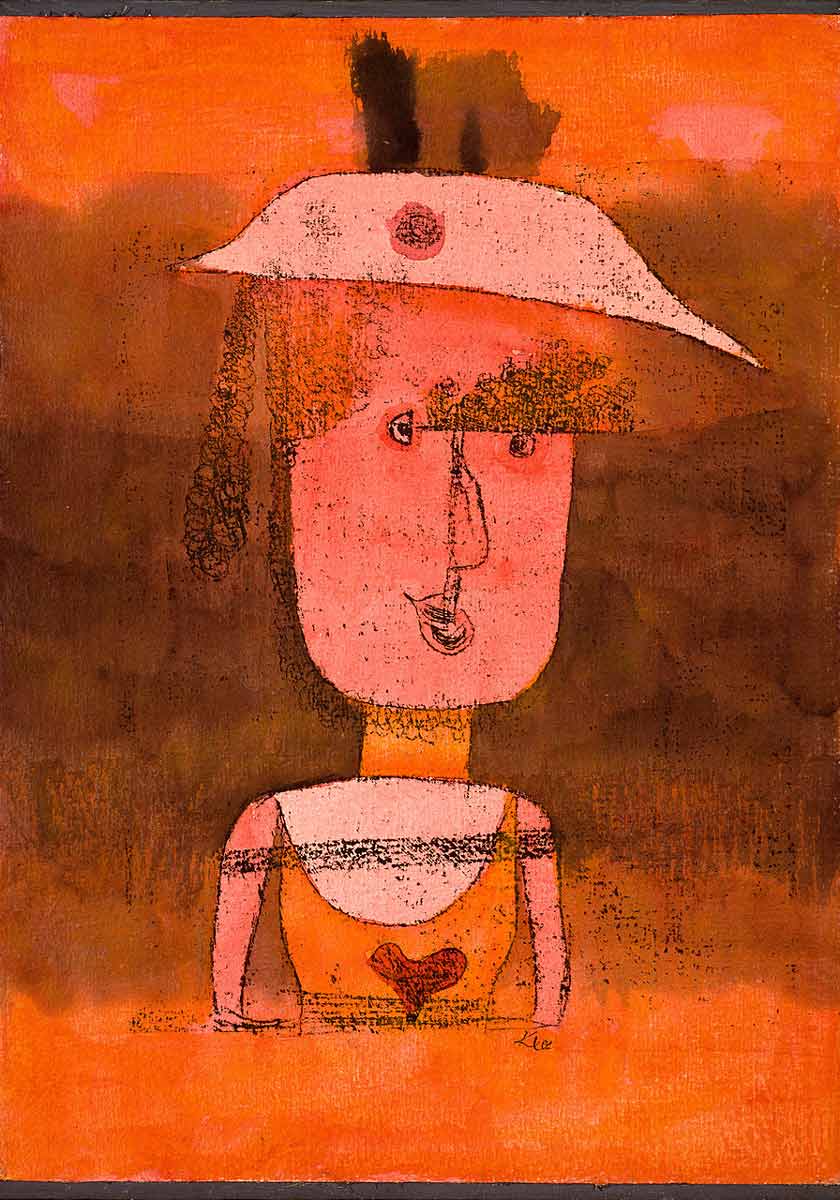
Paul Klee’s deceptively spare, symbolic paintings challenged the Nazis not through shock but through elusiveness. Klee worked with simplified signs, cryptic glyphs, and subtle color relations that read like a private visual language. His works showing animals, masks, and playful mechanistic forms asked for interpretation rather than supplying an obvious didactic message. That interpretive openness was intolerable to Hitler’s cultural program, which sought immediate, legible visual instruction.
Klee also had institutional influence; he taught and shaped younger artists’ thinking about abstraction and form. The Nazi leadership feared this pedagogical reach. In the Entartete Kunst show and its press, Klee’s pieces were presented as evidence of artistic decay and incomprehension. Critics charged that his “childlike” forms and symbolic ambiguity undermined the national moral project. Hitler’s hostility to Klee thus combined aesthetic distaste with anxiety about cultural transmission: a teacher who normalized ambiguity threatened the regime’s control of narrative and taste. Moreover, Klee’s blending of scientific diagrams, musical structure, and poetic metaphor was depicted as intellectual elitism, something the regime condemned as inaccessible to the “healthy German.” His refusal to create straightforward allegories made him a direct ideological obstacle.
5. Wassily Kandinsky
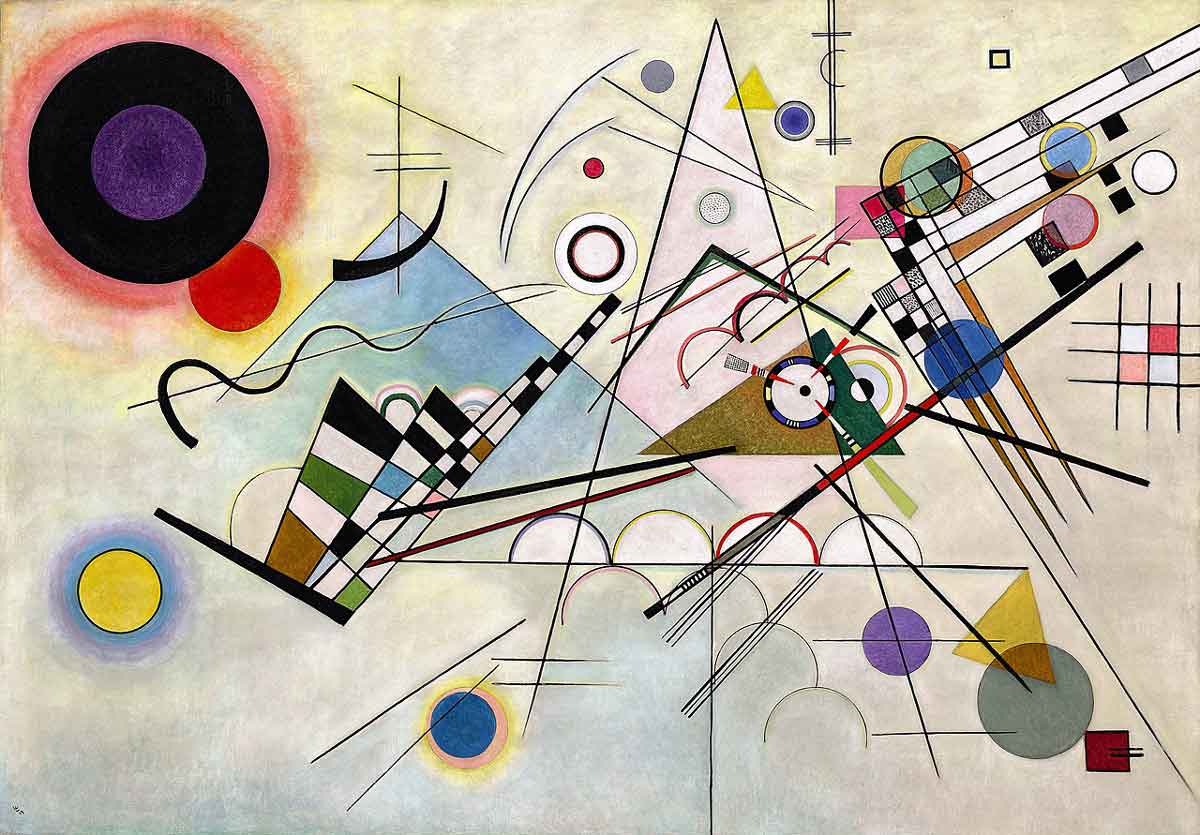
Wassily Kandinsky was particularly repulsive to the Nazis. The artist was deeply intellectual and wrote about the spirituality of art and how it was not associated with representation. This philosophy was a direct hit to the Nazi insecurities. Hitler favored only art with would support his political regime; art that would be inspiring and supportive of his nationalist virtues. Kandinsky’s inward, spiritual aims were fundamentally at odds with that.
Abstract art was another genre condemned by the Nazi regime. Kandinsky was one of the genre’s pillars, so consequently, his art was heavily criticized for promoting social decay. Moreover, there wasn’t any figuration explanatory of his work, making it even harder for the Nazis to understand; not that they wished to, it made it easier for them to label the paintings as signs of moral chaos. Officials used such artworks to, in their own way, prove that modern art could destabilize social cohesion.
Beyond mere dislike, Hitler’s apparatus framed Kandinsky’s work as a symptom to be remedied; a cultural ailment to be removed from public institutions and replaced with art that served state narratives. Kandinsky’s associations with the Bauhaus further deepened Nazi hostility, as the school was already targeted for promoting internationalism and experimental thought. His color theories were condemned as mystical nonsense unfit for a disciplined, collectivist society.
6. Otto Dix
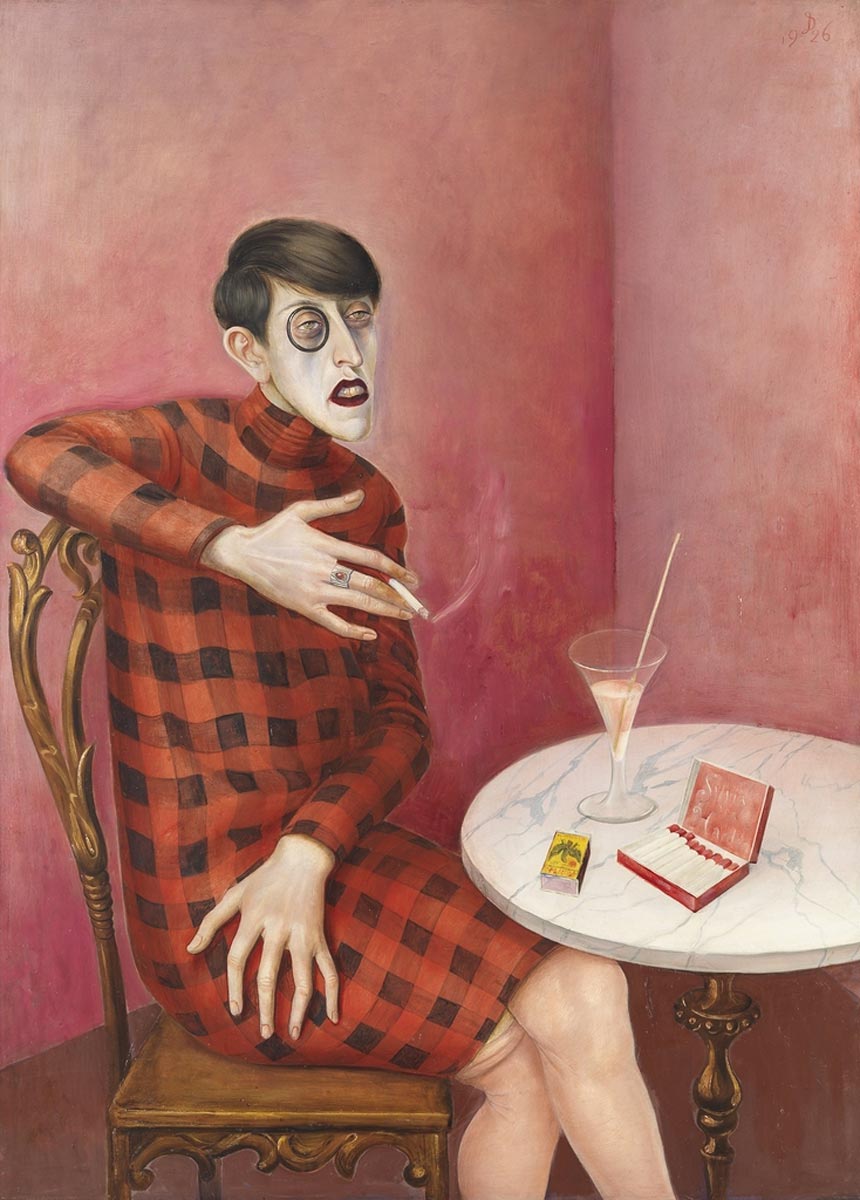
Otto Dix provoked Hitler’s wrath because Dix refused to flatter. His visual vocabulary—raw, clinical, often grotesque—confronted viewers with the physical and moral wreckage of modern life. Dix’s experience as a soldier informed canvases that showed maimed bodies, trench mud, sex work, and the social wounds of the postwar period. In Hitler’s schema, art should make citizens proud, not force them to look at humiliation and human frailty.
Dix’s pieces were loudly denounced in Nazi propaganda as proof of cultural degeneration. The Entartete Kunst texts singled out his realism as ugly and corrosive, while regime curators physically removed his paintings from museums. Hitler’s problem with Dix was not mere taste: he feared the social effect. If art made people aware of suffering, doubt, or moral complexity, it threatened the neat heroic story the regime needed. For that reason, Dix’s empathy and forensic honesty made him a target for persecution. His war triptychs, which exposed the cost of conflict in unvarnished detail, were seen as especially dangerous to a government dependent on militaristic pride. Dix’s refusal to mythologize Germany’s past made him a permanent ideological enemy.
7. Ernst Ludwig Kirchner
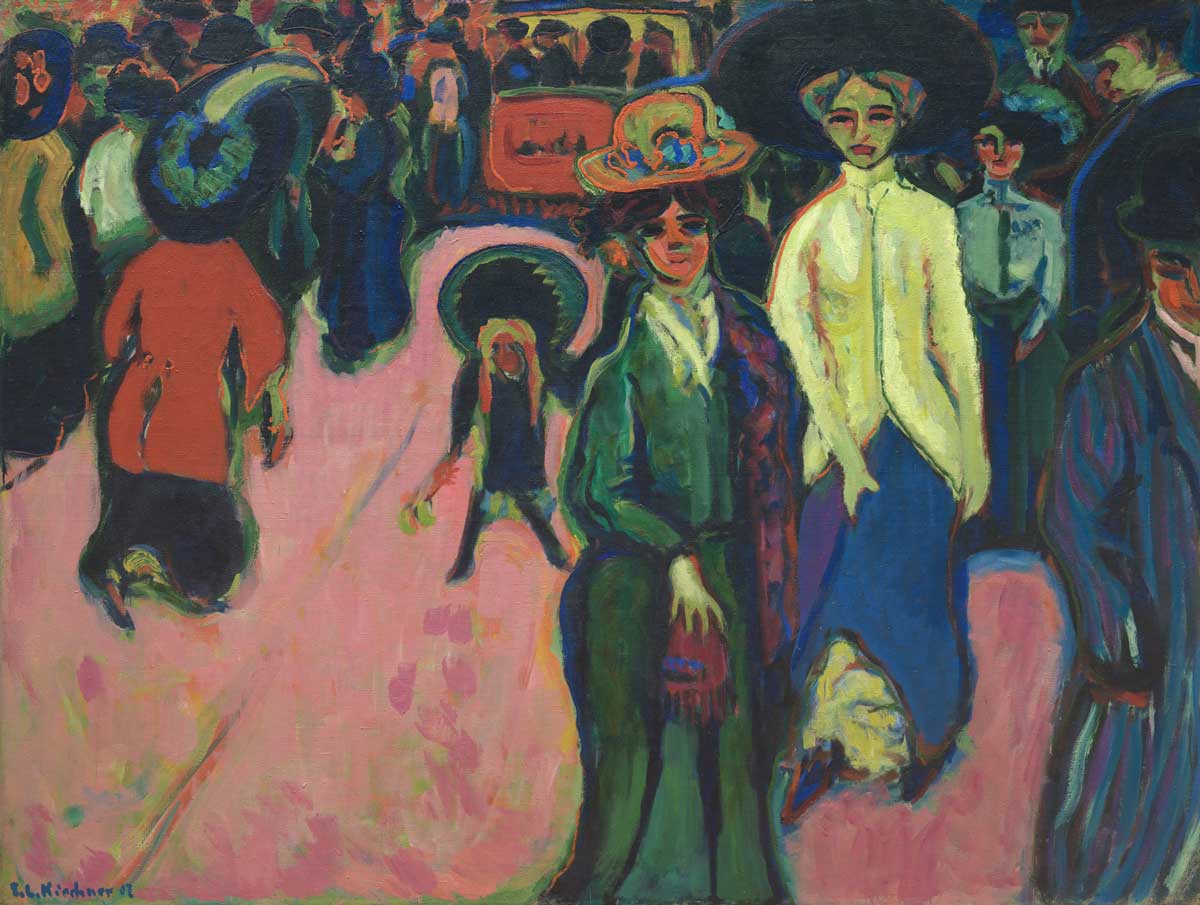
Ernst Ludwig Kirchner’s Expressionist canvases show modern nervousness: urban crowds, stylized nudes, and jolting color that conveyed anxiety and dislocation. His figures are often angular and taut, as if the modern city were reshaping the human body. To Hitler and his cultural apparatus, those distortions were signs of decay; not psychological nuance but moral and physical deterioration.
Kirchner’s work was seized and publicly lampooned: critics accused Expressionism of attacking traditional beauty and of encouraging social disorder. The rhetoric around Kirchner often veered into the personal, painting his art as symptomatic of a broader cultural collapse. Beyond the art, the campaign affected Kirchner’s life: public censure, shrinking exhibition opportunities, and the knowledge that one’s work was being used as evidence of a supposed national crisis. For the Nazi project, the artist’s emotional honesty and urban critique were intolerable. His association with Die Brücke, a group already linked to left-leaning cultural reform, intensified official suspicion, and Nazi critics frequently used Kirchner as an example of “sick modernity” when arguing for purges in museum collections.
8. Max Beckmann
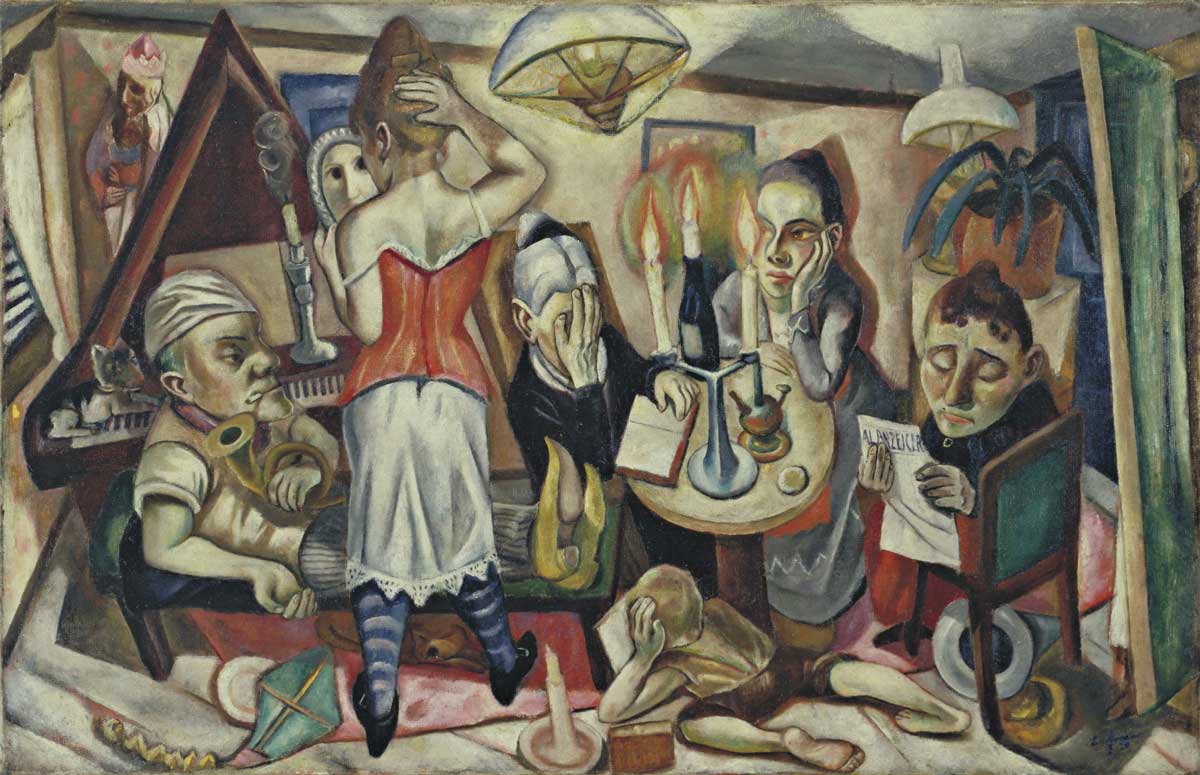
Max Beckmann’s paintings are dense with symbolic tableaux, theatrical poses, and uneasy compositions. These are visual narratives that resist simple interpretation. He painted scene after scene of social ritual gone awry: processions, interiors, figures whose faces seem to hide moral ambiguity. Beckmann refused to create easy, inspiring myths; instead, he presented society as complex, sometimes menacing, and morally ambiguous.
Hitler’s cultural critics branded Beckmann’s ambiguity and psychological intensity as corrosive. The Entartete Kunst exhibition used his work to argue that modern art made public taste decadent. Officials treated his grotesqueness as a moral failing rather than an artistic exploration. Beckmann’s treatment under the Nazis reveals a key fear: any art that complicates the viewer’s moral response, or suggests frailty beneath civic facades, undermines the neat, edifying narratives authoritarian regimes want to tell. His layered religious references and cryptic symbolism were cited as elitist and “anti-German,” and several of his major works were paraded as examples of cultural sabotage in Nazi cultural journals.
9. Gustav Klimt
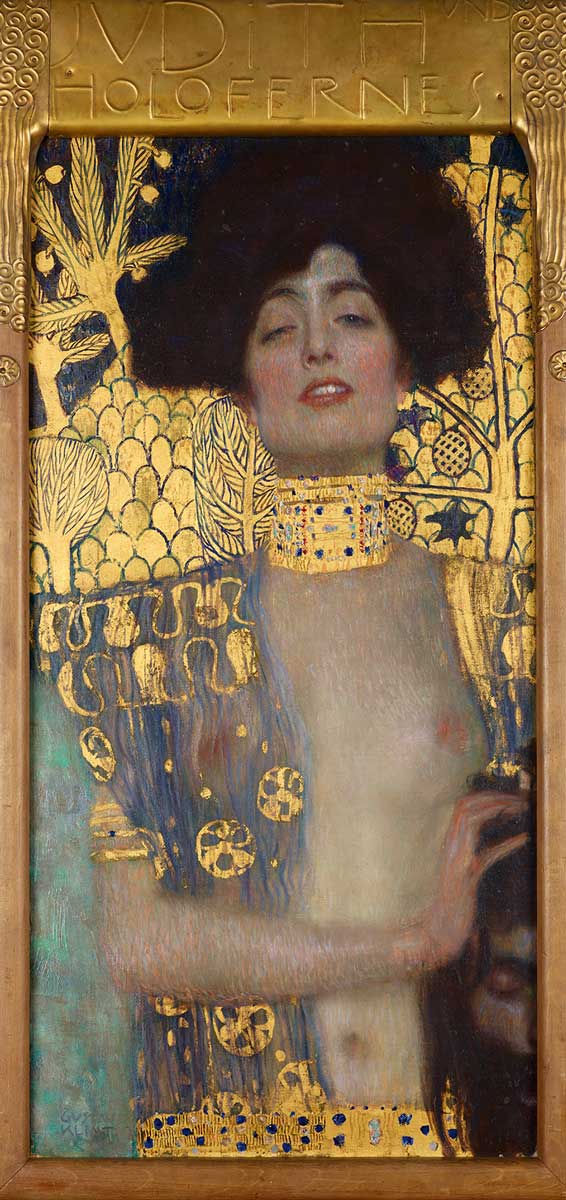
Gustav Klimt’s gilded surfaces and erotic, ornamental paintings confronted Nazi moralism with sensuality. Klimt foregrounded the body and desire in tableaux rich with pattern and intimacy. The Nazis judged such frank eroticism as moral laxity, especially dangerous because Klimt’s bourgeois patrons made his taste visible to the cultural elite.
The accusations against Klimt were framed in moral terms (corrupting sensibility, undermining discipline) but they were also political: an art that celebrated private passion on lavish, public stages did not reinforce nationalist stoicism. Nazi officials removed Klimt’s works from public collections and deployed them in Entartete Kunst to contrast “degenerate” sensuality with the austere, supposedly wholesome ideal they promoted.
The attack on Klimt’s art showed how eroticism and decorative richness were seen as threatening to the “purified” version of culture. His interest in powerful female figures was considered destabilizing for the traditional gender roles that Nazism stood for. Klimt’s depictions of female mythological characters, such as Judith or Danae, were seen through the prism of the celebration of female autonomy and sexual freedom. This kind of imagery came into conflict with the Nazi ideal woman, who self-sacrificed herself to Volk and motherhood.
10. Egon Schiele
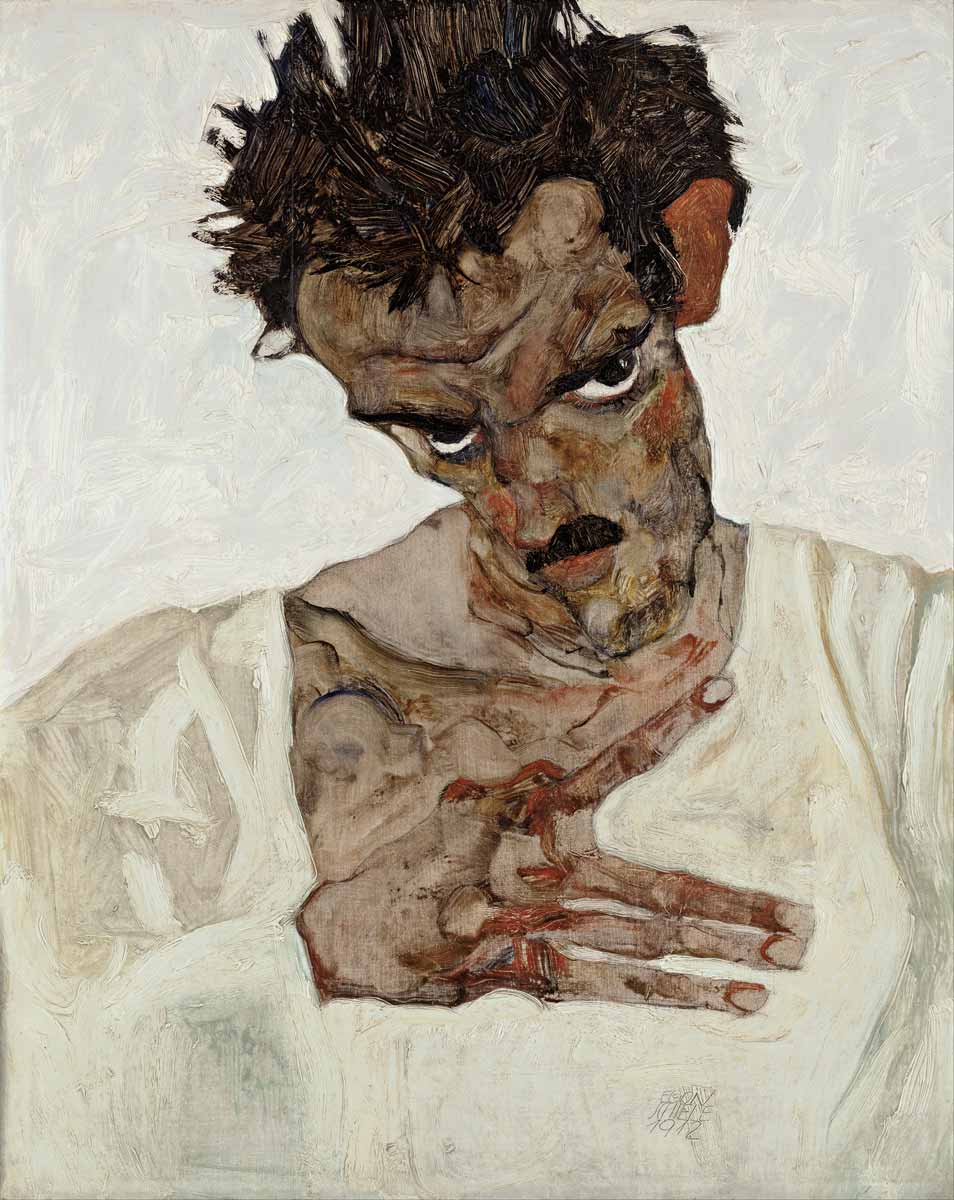
Egon Schiele is known for his distorted figures and overt eroticism. As seen with the aforementioned artists, this was not acceptable in the Nazi art doctrine. While the painter pursued psychological exposure and vulnerability, the Nazis condemned such erotic content and the slightest sample of weakness. Such things were so far away from perfection, and the “superhuman” Hitler stood for.
Schiele’s work was prominently featured in Entartete Kunst materials as examples of sexual decadence and national contamination. The public framing presented him as evidence that modern culture had lost moral bearings. Again, the denunciation combined prudishness with political motive: art that dissected inner life and displayed bodily particularity undermined the regime’s ideal of a unified, healthy national body. Schiele’s raw honesty, therefore, made his art a target not merely of taste but of political suppression. His stark self-portraits were highlighted by Nazi commentators as pathological, and his exploration of sexuality outside marital norms was portrayed as a direct affront to racial and moral discipline.
Adolf Hitler and the Limits of Artistic Control
The artists Hitler despised provide a map of what his regime feared: inwardness, ambiguity, bodily vulnerability, political critique, spiritual inquiry, and cultural diversity. The attack on modern art was, thus, deliberate; it did not align with the regime’s propaganda. All the confiscations, the staged mockeries, and even the schoolroom purges had one goal: to replace art that promoted critical thinking and political and social critique with simple, heroic images that instructed obedience and pride.
His personal frustrations, combined with institutional power, produced a campaign that humiliated artists, emptied museums, and attempted to cleanse public life of certain modes of seeing. But even framed only through his hatred and attempts at control, these artists’ diversity demonstrates why Hitler’s program had to be so aggressively repressive: the forms he targeted were powerful precisely because they invited thought, feeling, and dissent. That, ultimately, was what he feared most.