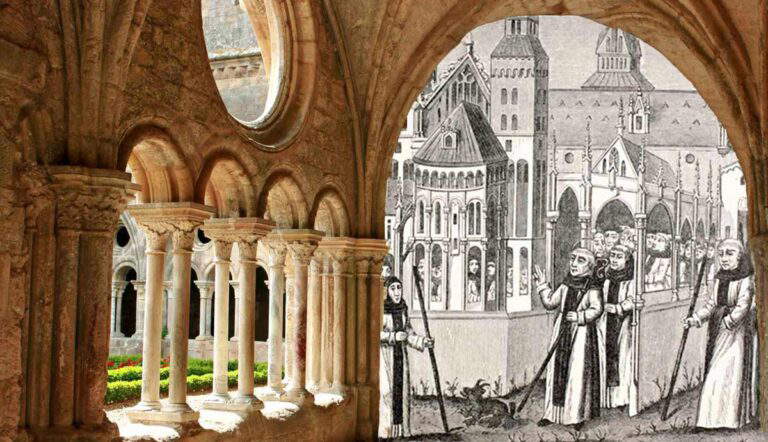
Founded to find austerity and simplicity, many abbeys turned into influential power centers in the Middle Ages. Here are 7 of them.
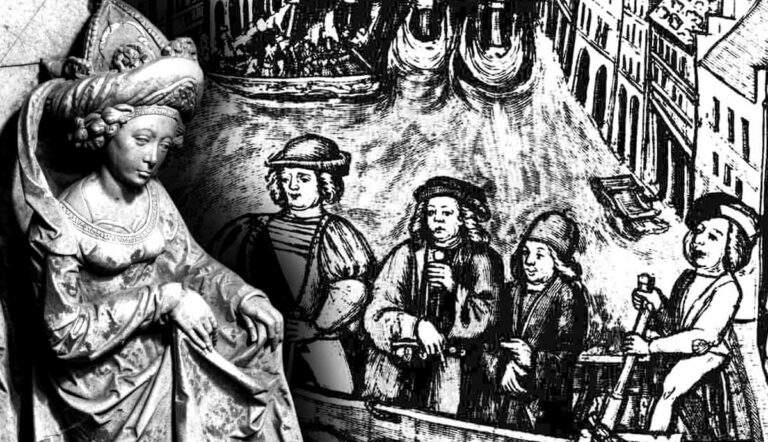
In medieval Europe, those suspected of crimes often had to endure horrific physical pain to determine their innocence or guilt.
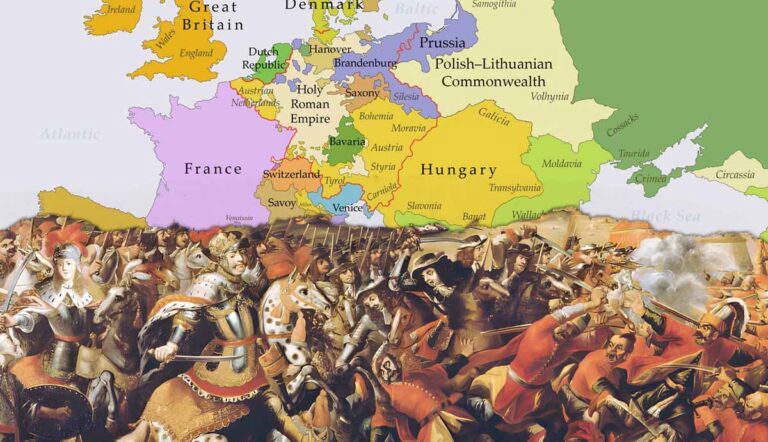
The Siege of Vienna in 1683 was a turning point in European history that led to the emergence of new national borders.
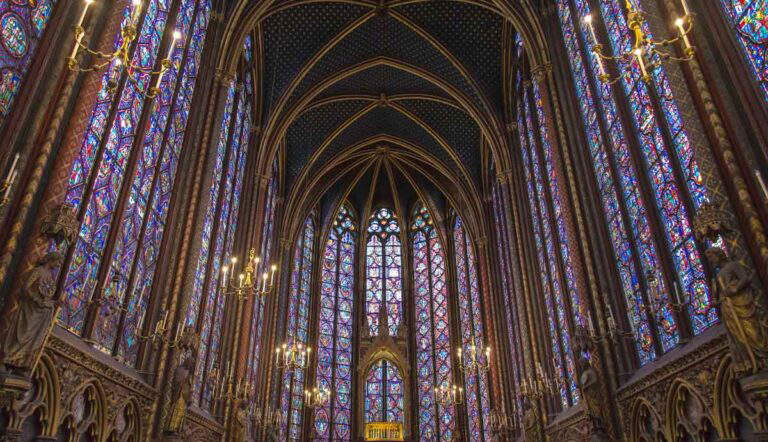
Sainte-Chapelle, an iconic medieval chapel built for the kings of France, is closely intertwined with many important events in the history of France.
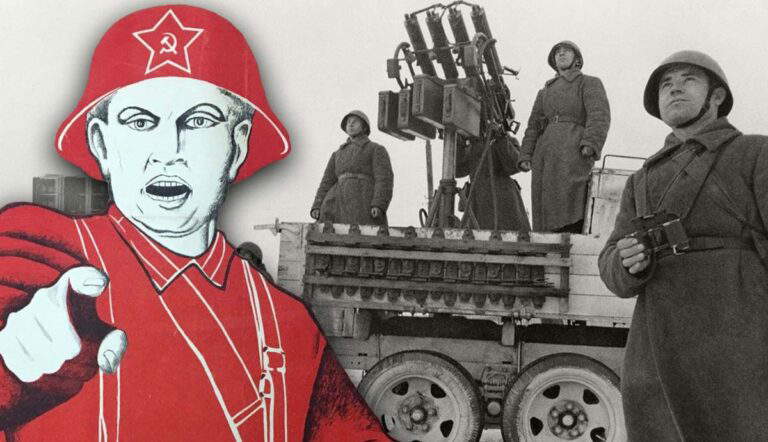
A key objective for the German war machine, Moscow resisted its onslaught and guided the Soviet Union to ultimate victory.

One of the world’s most contentious areas, Crimea has long been a battleground for empires and is still a contested territory.
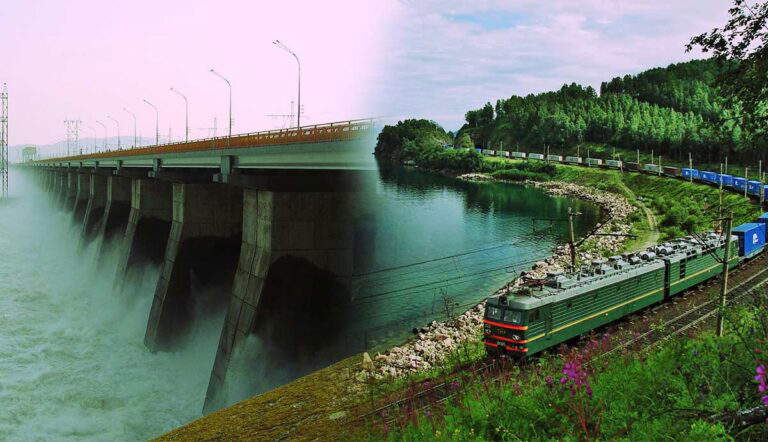
From railways to space stations, the Soviet Union built monumental feats of engineering over the course of nearly seventy years. What did they build, and why?
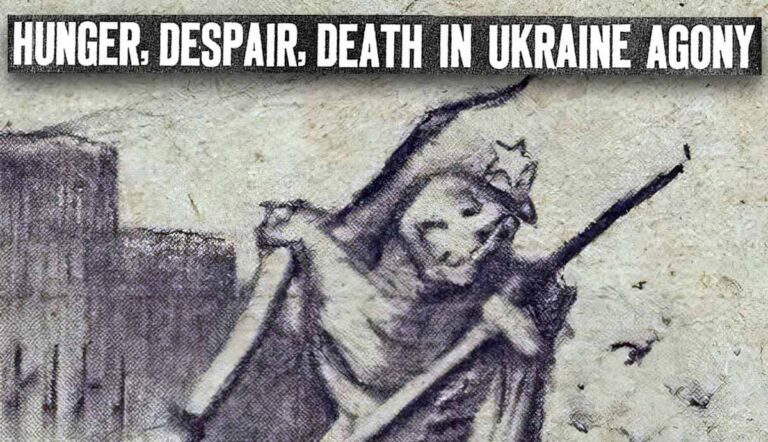
One of the Soviet Union’s horrendous tactics for enforcing its rule and eliminating adversaries, the Holodomor was a dark time for the Ukrainian people.