
Performance art took shape in the 1960s as a radical alternative to the commercial art market and to museums’ power to decide what counted as art. From Dada cabarets to artists who locked themselves in with a coyote or turned plastic surgery into art, it has produced some of the most shocking moments in modern art. This guide traces where performance art came from, who shaped it, and how to watch it.
How Did Performance Art Emerge?
The roots of performance art in its contemporary sense can be traced back to the Dada performances of the late 1910s, which began at Zurich’s Cabaret Voltaire in 1916. Dada poets and artists like Tristan Tzara and Hugo Ball recited nonsensical poetry and staged absurd artistic performances intended to question the boundaries of art and good taste. However, performance art truly emerged as a creative concept in the 1960s, with Allan Kaprow’s Happenings and the events staged by the Fluxus group.
A particularly important aspect of the early performance art pieces was the inability to capitalize on them. Initially, performance was a way to protest the expanding art market and the institutional practices of keeping and displaying art. Performance could not be sold, transported, or loaned for a temporary show. It represented pure artistic energy outside the boundaries of industries or institutions.
The Ancient Origins of Performance Art
Performance as a series of publicly demonstrated actions has a long history that dates back to humanity’s earliest days. There, ritualistic movements and interactions were part of religious, shamanic practices in various parts of the world in almost every culture. A shaman, or a person possessing a certain spiritual gift, is connected to the other worlds and beings through rituals in order to communicate and affect the human world. Performance art follows a similar logic, in which the artist’s actions, however bizarre they may seem, are meant to transform their body, the space, or the audience around them.
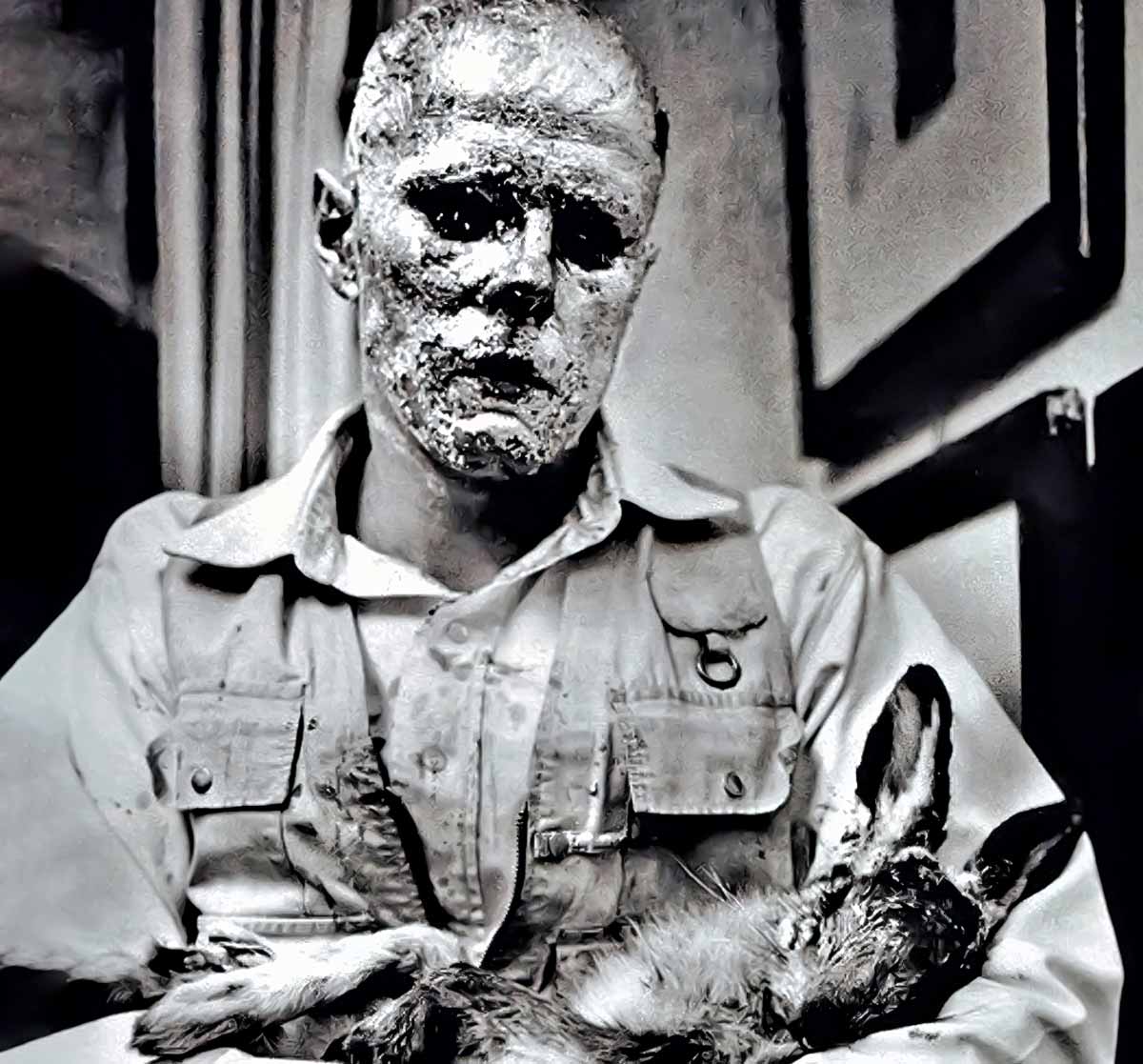
In particular, the German artist Joseph Beuys highlighted the importance of the history of shamanic practice in his work. He often used materials such as felt, fat, and honey, which he believed had healing and transformative powers, and staged his actions as rituals that could reach the higher spiritual levels of human existence.
Who Are the Most Famous Performance Artists?
Marina Abramović
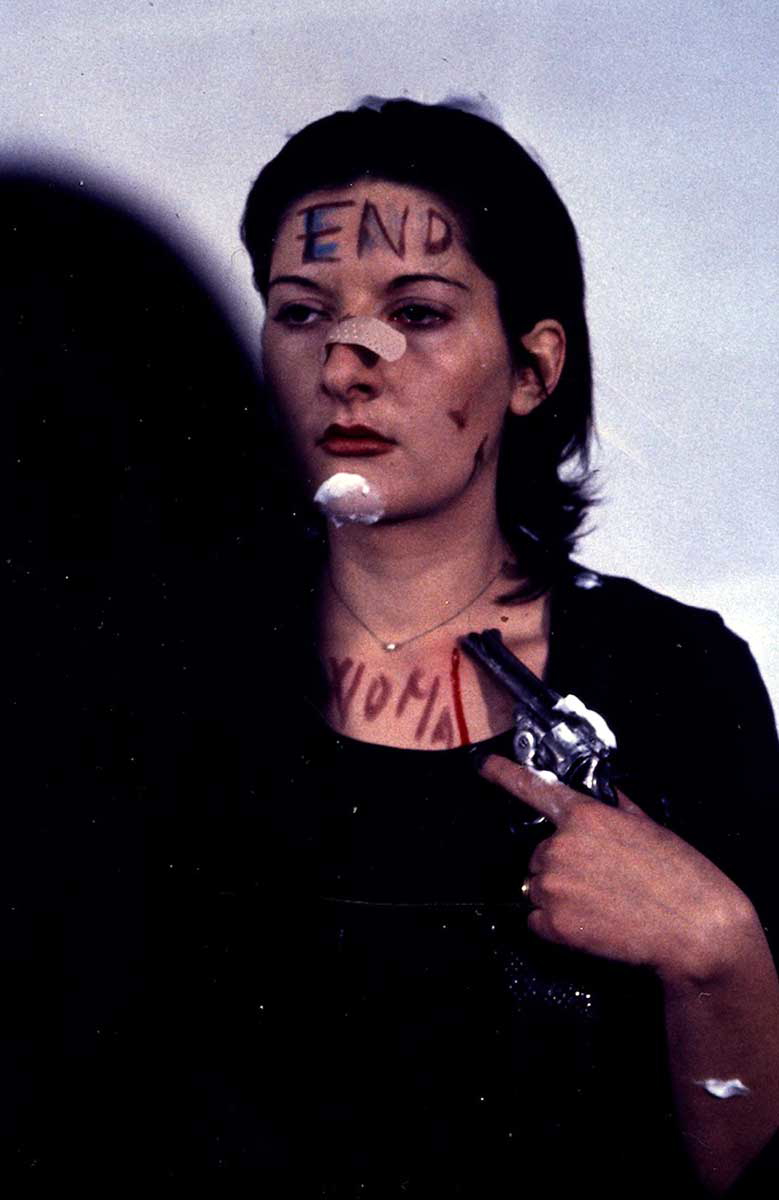
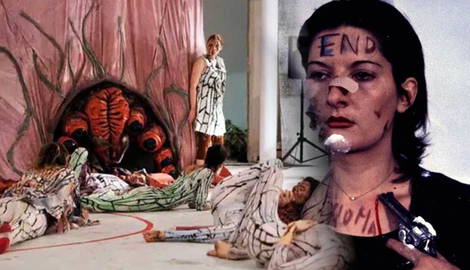
One of the best-known pioneers of performance art is Marina Abramović, born in Belgrade in 1946, who calls herself its “grandmother.” Today, she is one of the most revered yet controversial figures in the global art world. Abramović’s performances stretched her body’s physical limits and involved her audience, who were not always ready for the degree of interactivity they offered, most notoriously in Rhythm 0 (1974), when she let visitors use any of 72 objects on her, including a loaded gun.
Yoko Ono
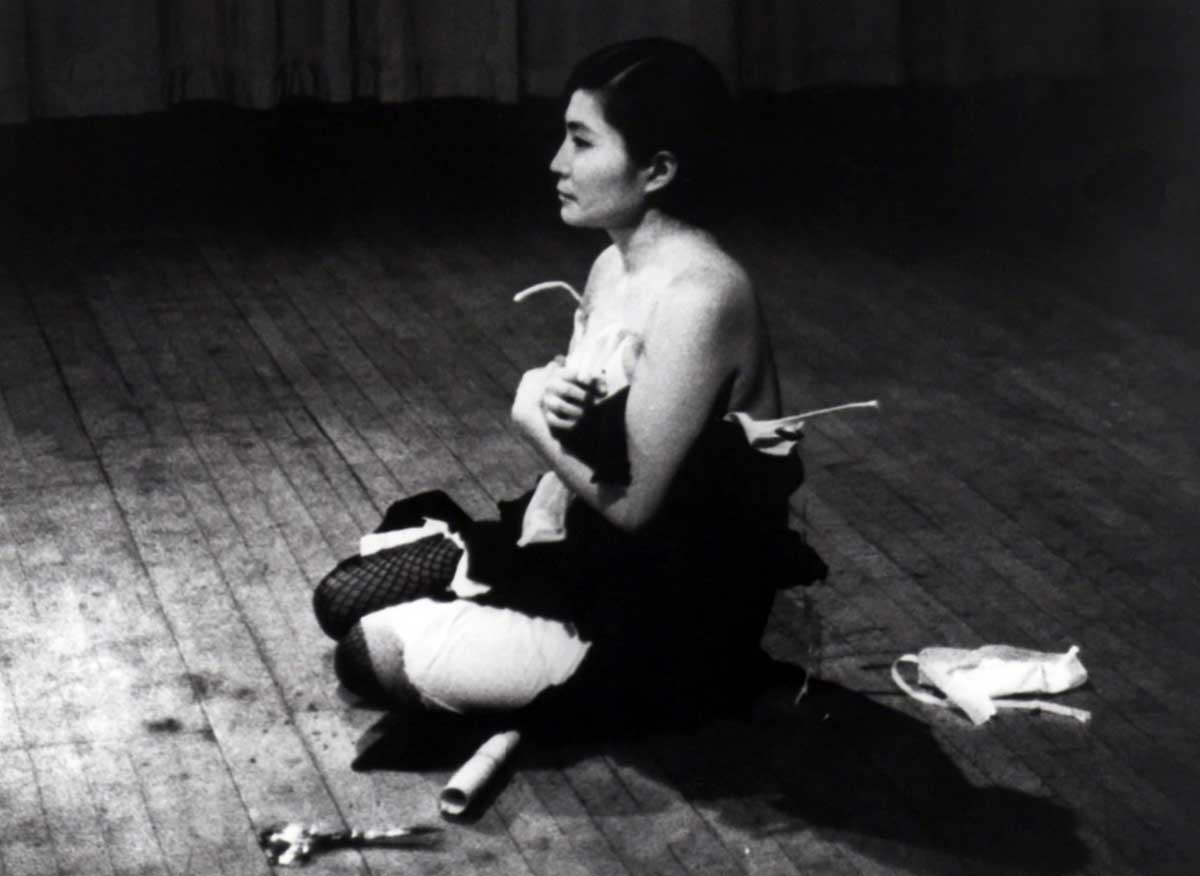
The reputation of Yoko Ono as an artist was greatly diminished and overpowered by her partnership with John Lennon. Still, even before their meeting, she was already an influential performance artist. Her most famous work was Cut Piece, first performed in Kyoto in July 1964 and later restaged in Tokyo, New York, and London. Yoko Ono sat silently in front of her audience with a pair of scissors next to her. The audience was invited to cut a small piece of her clothing as a souvenir. As the performance went on, some participants grew aggressive, cutting away her clothes until she was left nearly undressed.
Fluxus
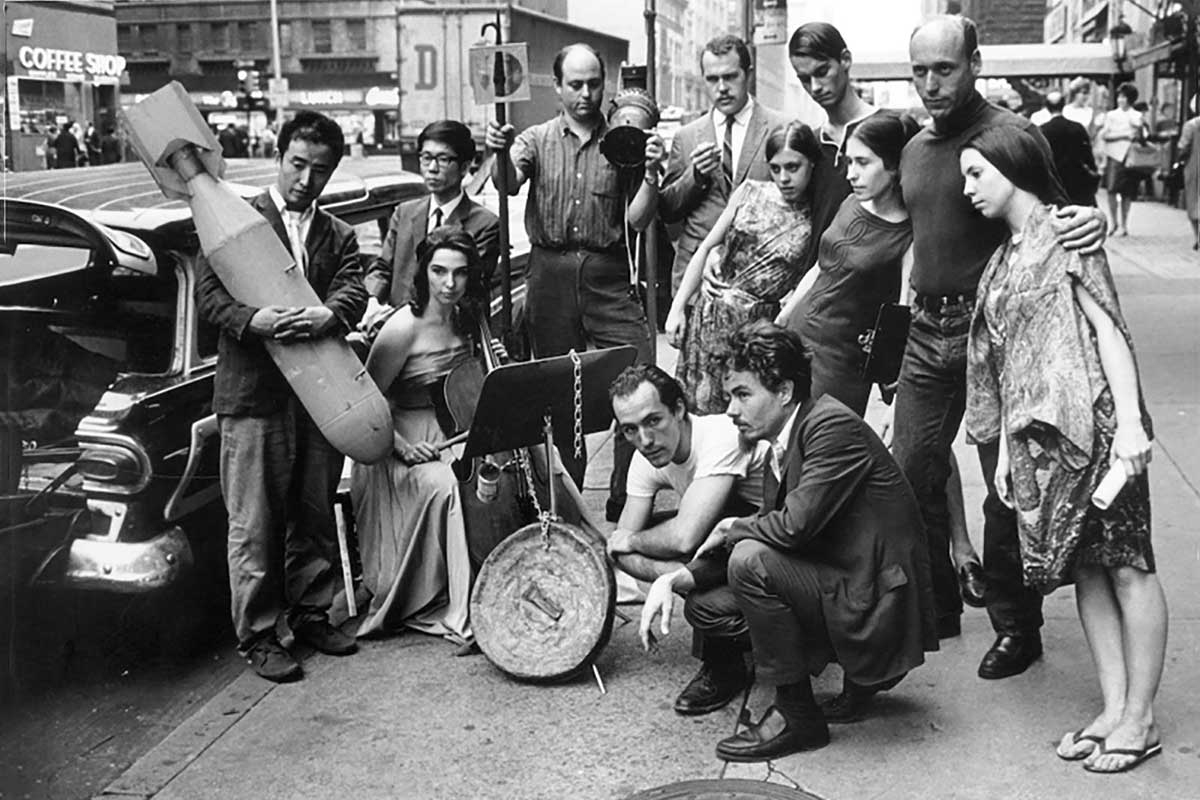
Fluxus was a movement that celebrated anti-art, focused on multi-disciplinary actions, and explored absurdity and simple creative gestures. In a way, Fluxus artists were heirs to Dada and Marcel Duchamp, though they cared little for a shared style, even after their organizer, George Maciunas, wrote a Fluxus Manifesto in 1963. Among the best-known Fluxus artists were George Maciunas, George Brecht, and Nam June Paik, while Yoko Ono and Joseph Beuys were closely associated with the group.
What Were the Most Influential Performances?
The Artist Is Present
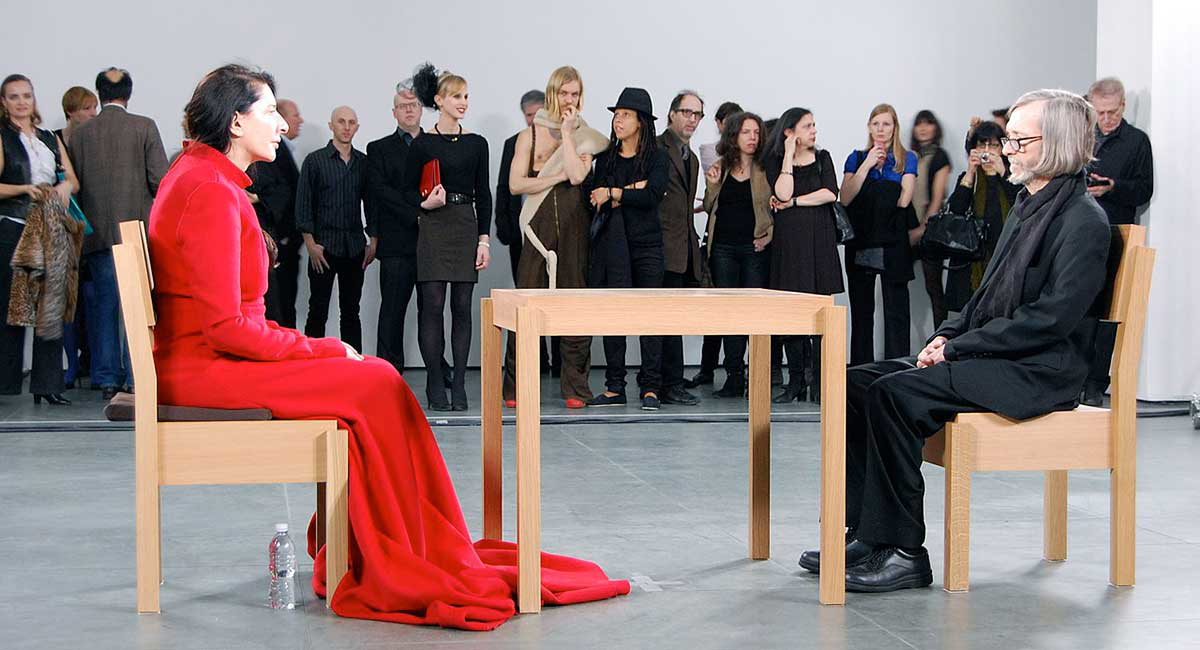
Staged at the Museum of Modern Art in New York in 2010, The Artist Is Present is one of Marina Abramović’s most famous performances. For more than 700 hours over nearly three months, she sat silently at a table, inviting visitors one at a time to take the chair opposite her and hold her gaze. One session of the performance was particularly emotional. It happened when one of the visitors turned out to be Ulay, Abramović’s former partner and collaborator, who had ended their relationship 22 years earlier with The Lovers, a performance in which they walked from opposite ends of the Great Wall of China to meet and say goodbye.
I Like America and America Likes Me
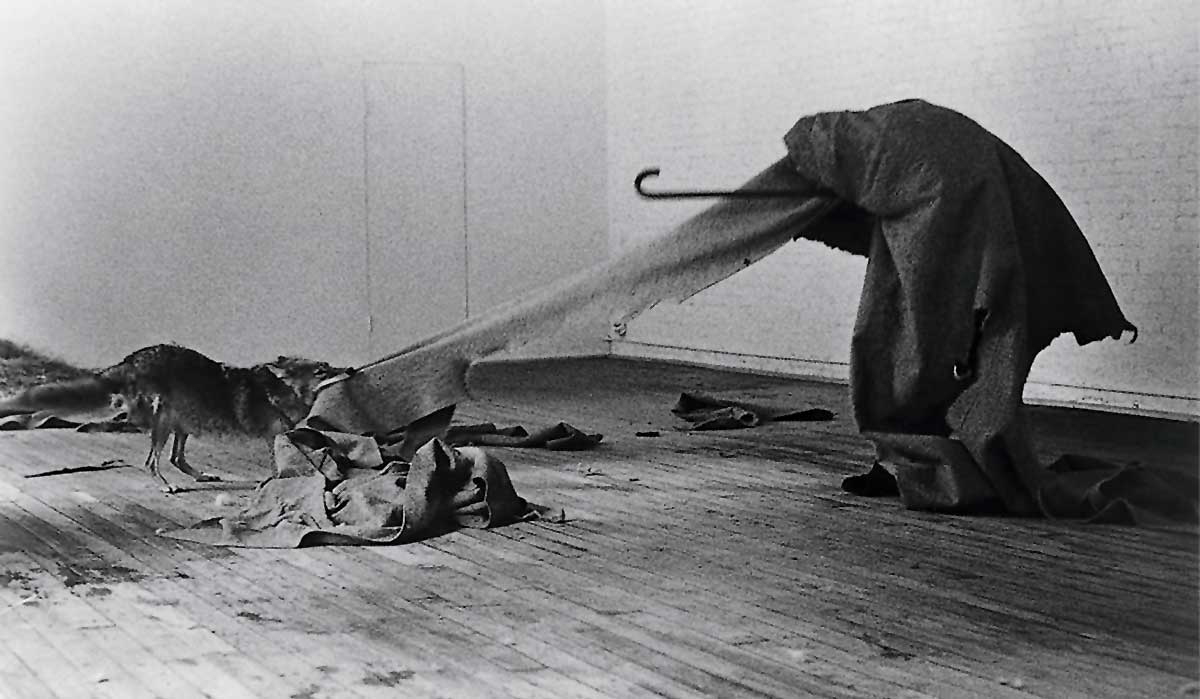
One of the most famous performances by Joseph Beuys took place in New York in May 1974. Beuys stated he wanted to experience America as authentically as possible. Instead of setting foot on American soil, he moved from the plane directly to an ambulance. The driver brought him to the René Block Gallery, where Beuys spent three days sharing a room with a wild coyote, which he saw as a symbol of America’s spirit and of the wrongs done to Native Americans. After three days, Beuys left the scene in the same way he arrived, without actually interacting with American land or urban life.
Reincarnation of Saint ORLAN
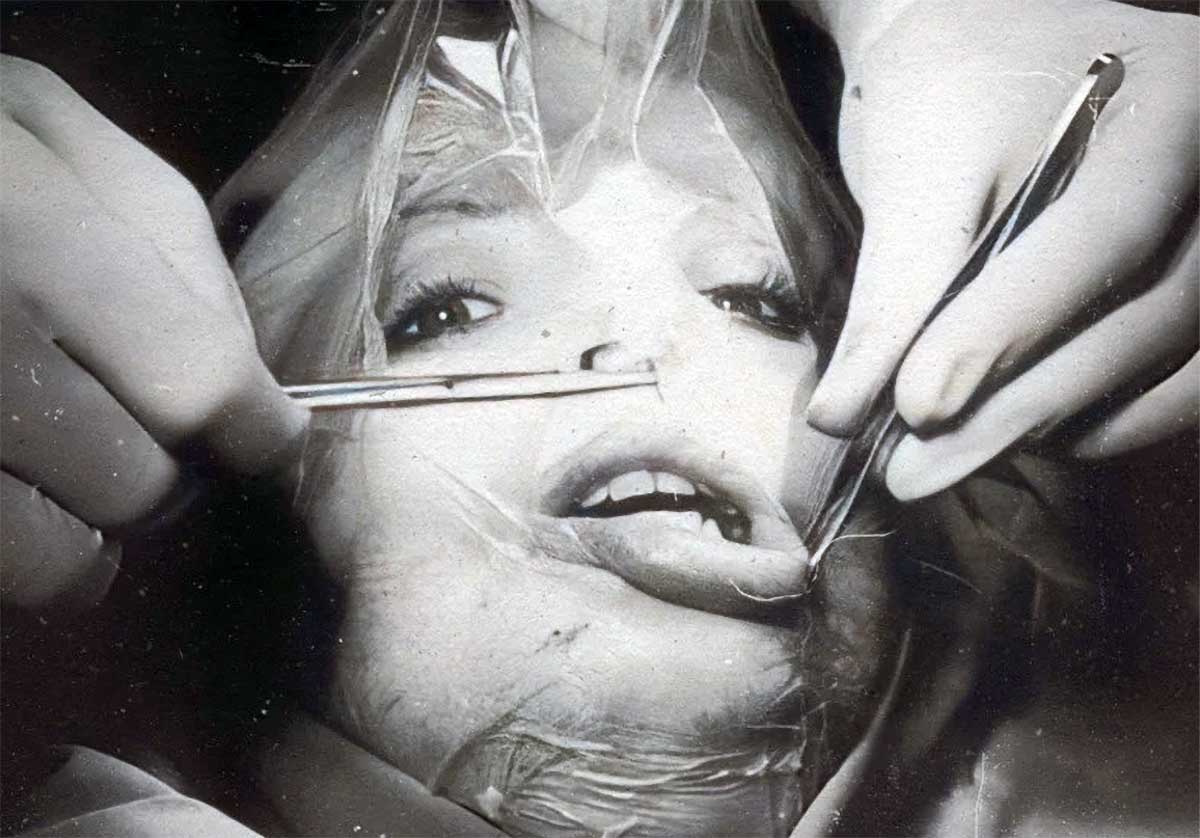
ORLAN is a French conceptual artist who demonstrated a radical approach to performance. While other artists usually focused on reversible actions, ORLAN underwent nine plastic surgeries between 1990 and 1993, filming them and in 1993 broadcasting one live by satellite to galleries around the world. She asked her surgeons to give her features borrowed from famous artworks, such as the chin of Botticelli’s Venus and the forehead of Leonardo’s Mona Lisa, turning herself into a work of art and challenging society’s beauty standards. Under local anesthesia, ORLAN remained awake during the operations and read philosophical and literary texts aloud.
Performance as Activism
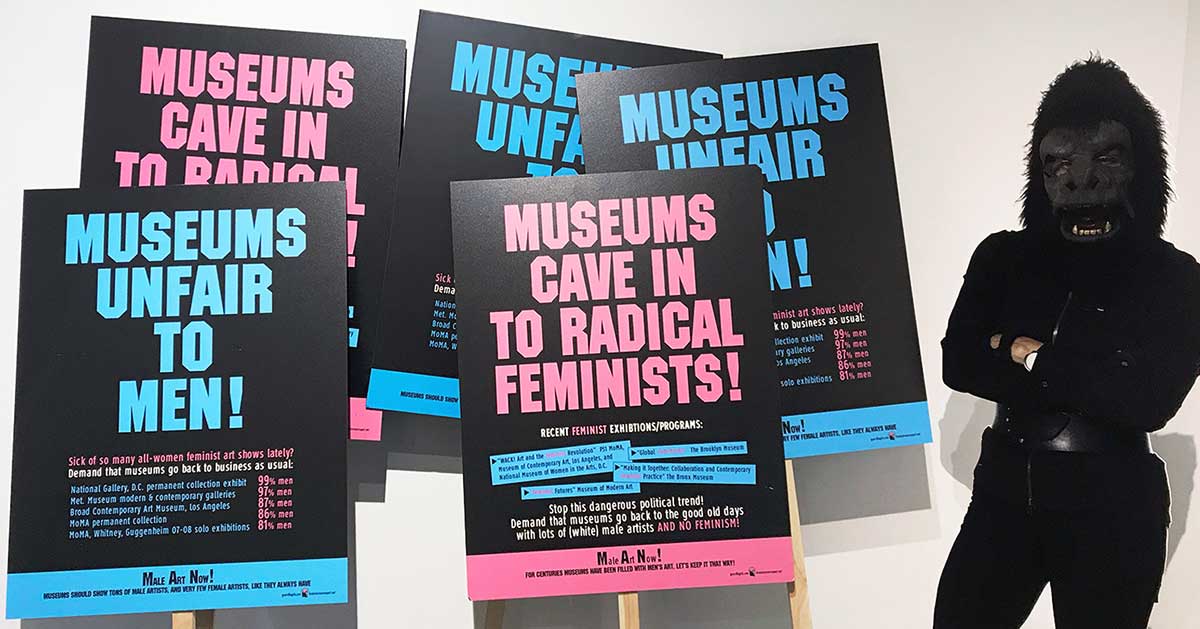
Performance art occasionally collides with political activism and uses artistic language to convey messages of support and protest. The most famous case of such a hybrid is the anonymous collective of women artists known as the Guerrilla Girls. Founded in New York in 1985, they appear in public in gorilla masks and spread their message through posters, billboards, and bus ads, such as their 1989 poster asking, “Do women have to be naked to get into the Met. Museum?” Mostly, the performances of Guerrilla Girls concern the rights of women artists and the fact that museums chose to represent women mostly as a subject matter explored by male artists.
Can an Artist Repeat Someone Else’s Performance?
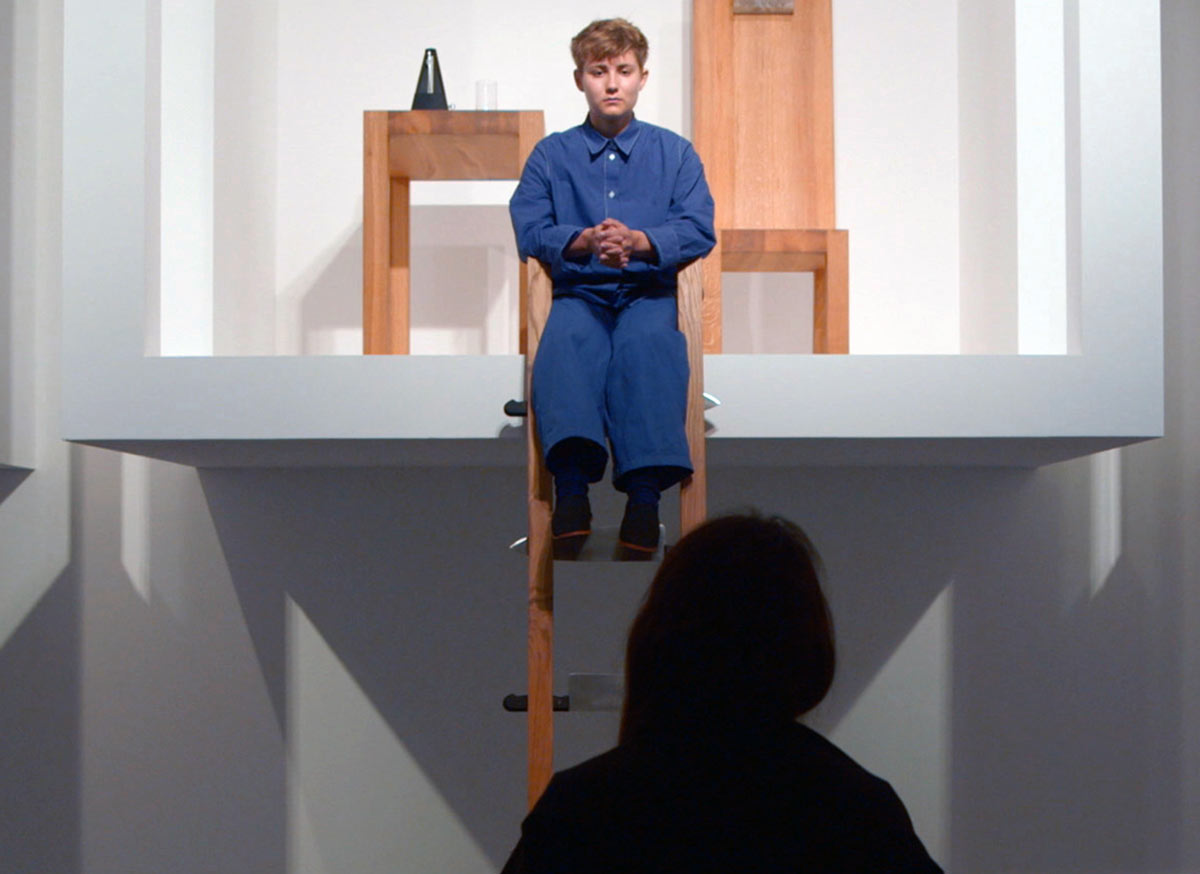
By definition, performance art is fleeting and impermanent, leaving nothing but a scattered collection of artifacts after it ends. It is strictly tied to the context of its original demonstration and the uniqueness of experience for both the artist and their audience. However, recently, artists and art historians began exploring the concept of Re-Performance and its ethical and cultural implications.
Marina Abramović believes that re-doing performances can strengthen their cultural impact, transform meanings, and affect new audiences. In 2005, at the Guggenheim in New York, she performed Seven Easy Pieces, re-staging five landmark works by Bruce Nauman, Vito Acconci, VALIE EXPORT, Gina Pane, and Joseph Beuys, along with one of her own and a new piece. For her retrospectives, from MoMA in 2010 to the Royal Academy in London in 2023, Abramović has trained younger performers to re-perform her works live in the galleries. Still, some art historians see this practice as an attempt to commercialize performance art and force it to fit into the mold of reproducible popular culture.
How to Watch Performance Art
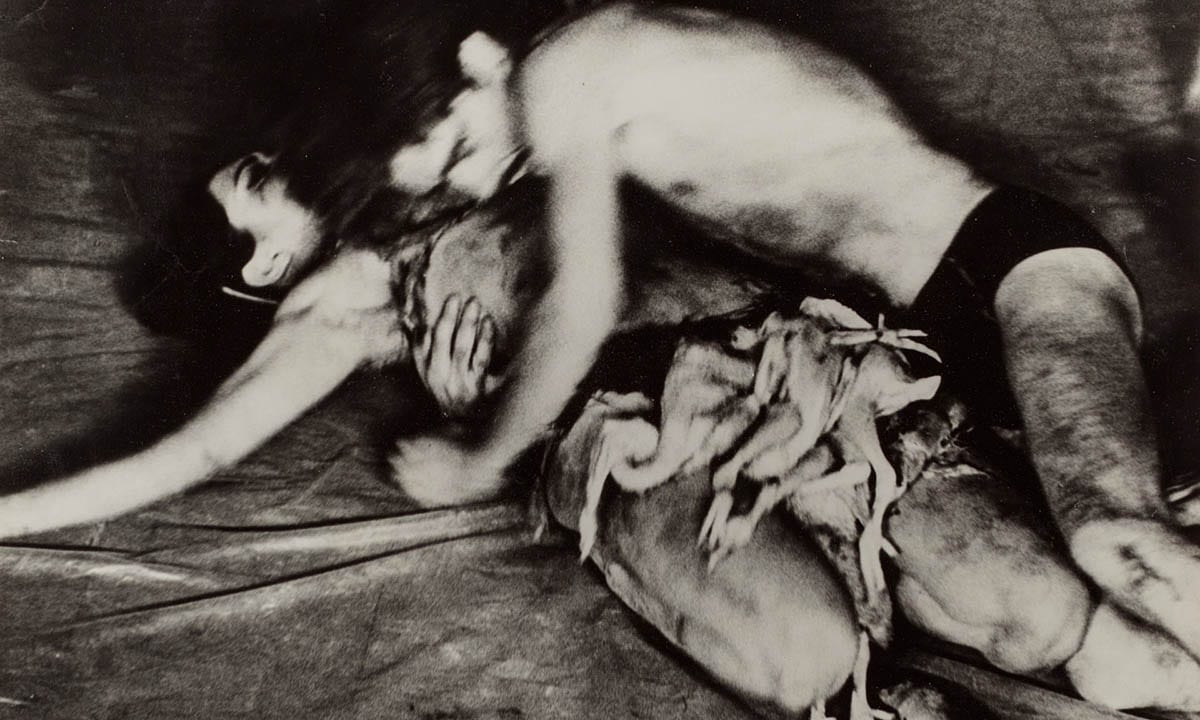
- Learn more about the artist. Often, the scenario of a performance is based on the artist’s experiences, relationships, and identity. Carolee Schneemann’s Meat Joy, for example, grew out of her lifelong exploration of the body.
- Consider the space where the performance is happening. Sometimes, location and setting can give you important clues on what exactly the artist is trying to achieve. Site-specific performances are tied to particular physical spaces and lose part of their meaning outside of them.
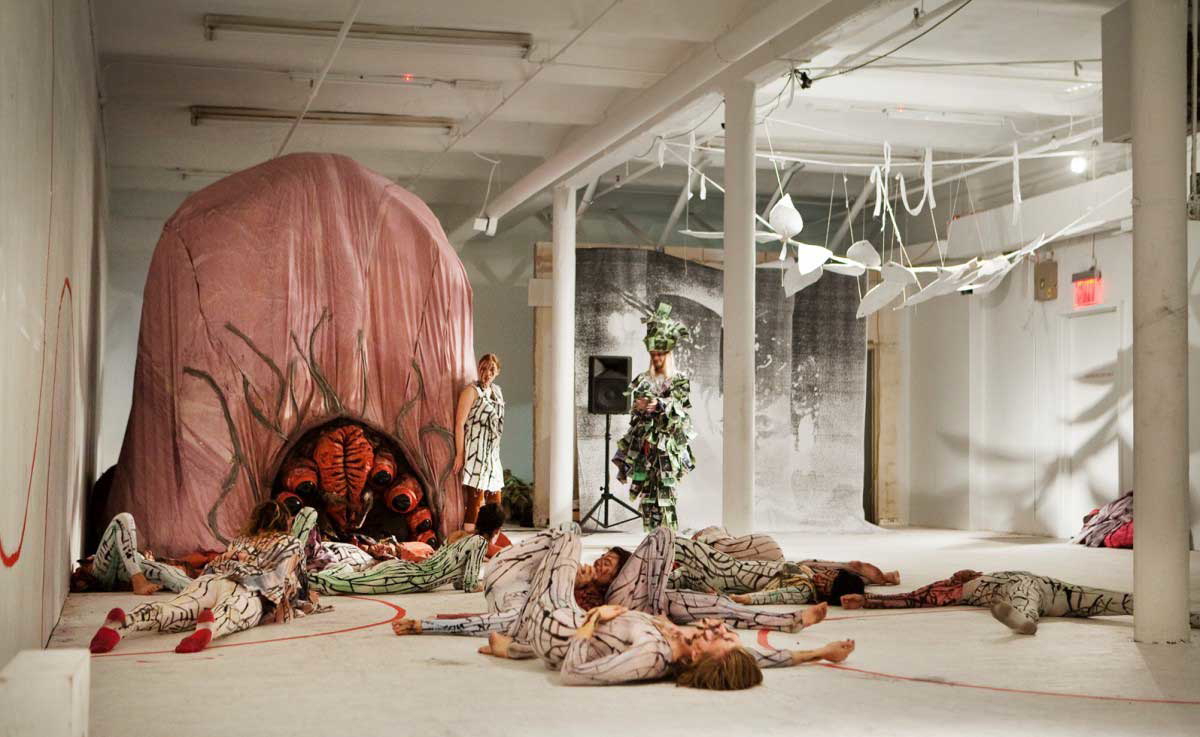
- Don’t be afraid to interact with the artist. If the artist invites you to become part of their performance, do not hesitate. Many performances are interactive or spontaneous, meaning their course can be changed depending on the viewers’ reaction. That being said, try to respect the artist’s boundaries and focus on their work first and on yourself second.
- Don’t overthink. Performances often rely on intuitive responses from the audience. If you are lucky enough to see a performance in real life, focus on your feelings first and leave intellectual analysis for later.