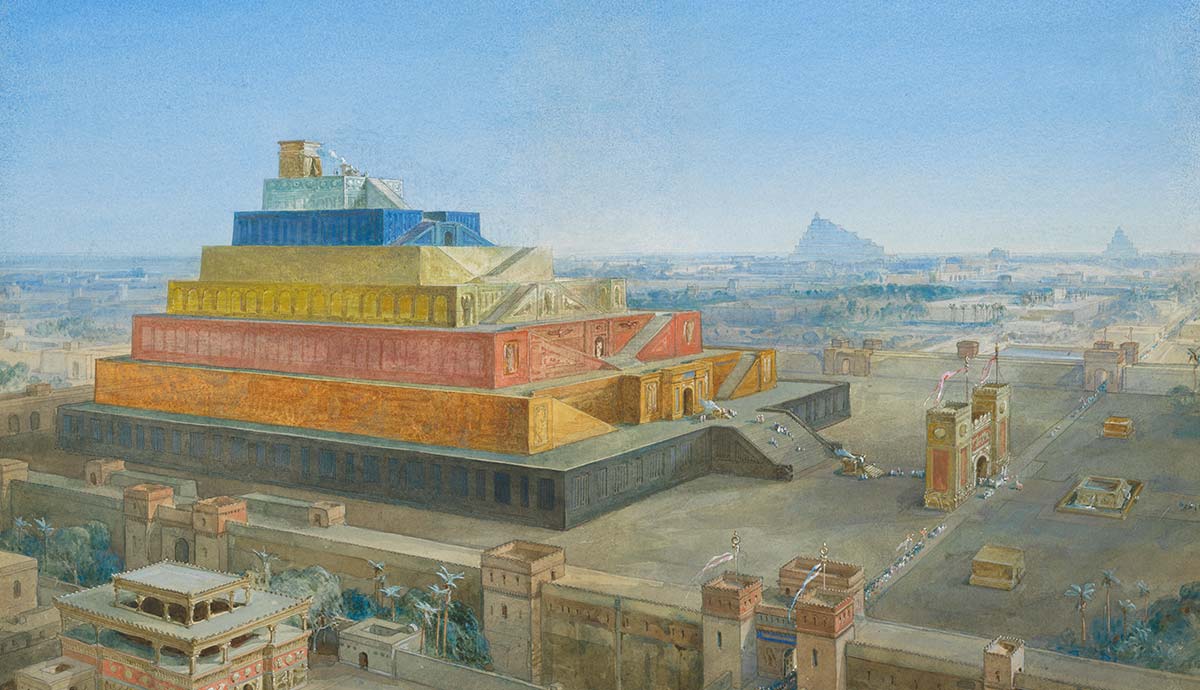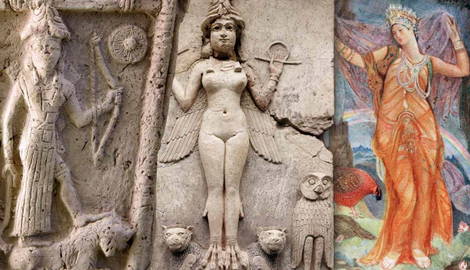

Ancient Sumer is known as humanity’s earliest civilization (c. 4500-1900 BC). Its religion was ruled by a complex pantheon of principal gods. Perhaps the most renowned of these was Inanna, the goddess of love and war, who also played an interesting role in royal ideology and ideas of ascension and deification. Inanna was one of ancient Sumer’s most powerful deities, carrying the title of Queen of Heaven.
Inanna Was Sumer’s Goddess of Love and War and Patron of Uruk
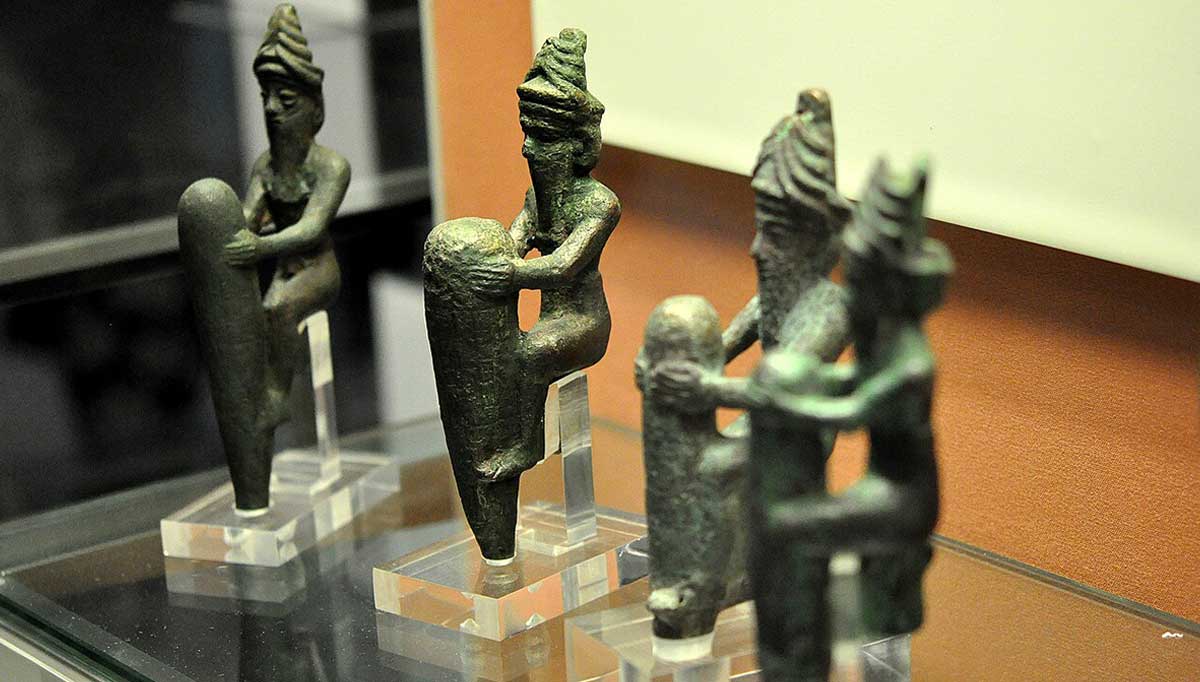
Inanna was the goddess of love and war. In ancient Sumer, every city, like the famous cities of Nippur, Lagash, Ur, and Uruk, had a patron deity who guarded its people and had a hallowed residence in the city’s main temple. Inanna was the patron goddess of Uruk, but was worshiped all over ancient Sumer.
The Sumerian cosmos was portrayed as a four-part divine empire, ranging from the deep waters to the celestial realms. The ruling pantheon was a complex family web consisting of a few main deities. An, as god of the sky, possessed the top authority. Enlil ruled over the winds and storms, Ereshkigal ruled the Netherworld, and Enki ruled the waters. Other major deities include Ninhursag, the goddess of fertility, Nanna, the god of the moon, Utu, the god of the sun, and Inanna.
Inanna’s sphere was distinctive as she combined sexual love with warfare, and her title, “Queen of Heaven,” denoted her command over the celestial realm in the Sumerian cosmos. She was also linked to the planet Venus, whose appearance and disappearance in the sky offered a powerful image of transition between realms.
Inanna Merged With Ishtar and Likely Influenced Aphrodite
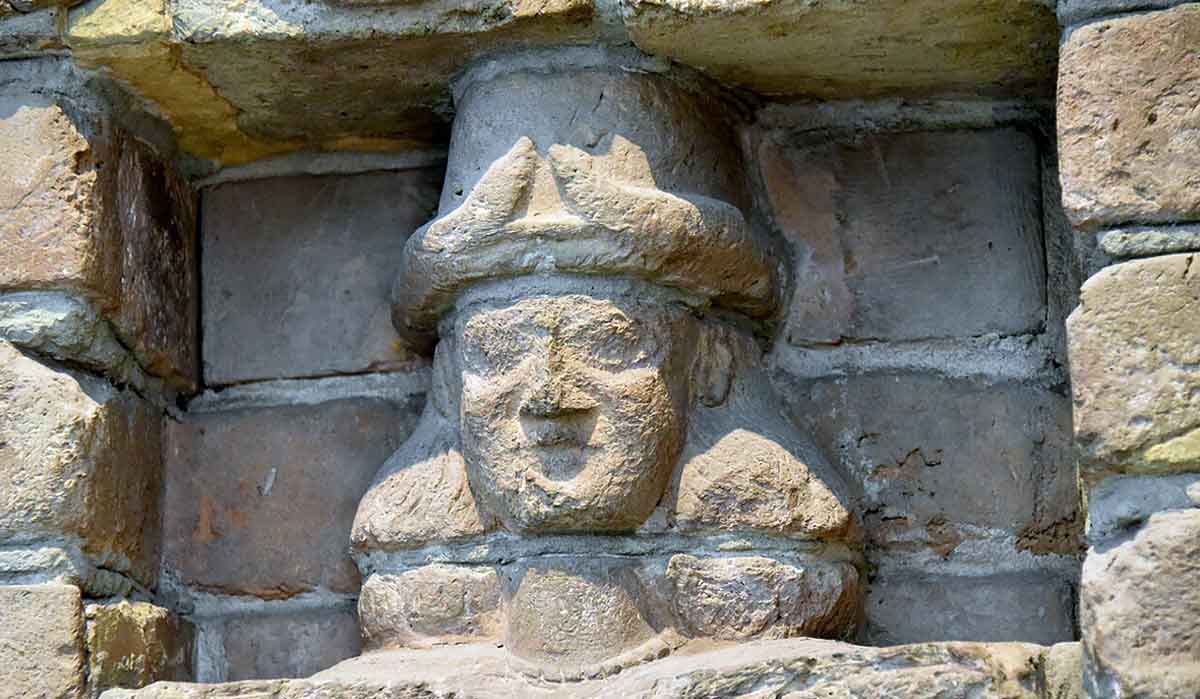
Inanna likely influenced other goddesses, notably Ishtar and Aphrodite. The Akkadian goddess Ishtar, although thought to have had separate origins, later merged with Inanna. It was under Sargon of Akkad, the first ruler of the Akkadian Empire from c. 2334 to 2279 BC, that Inanna became Ishtar.
Inanna is also thought to have heavily influenced the Greek goddess Aphrodite, who rose to prominence much later. Aphrodite’s associations with sexuality and procreation, plus her being known as heavenly, correspond to Inanna. They also have similar artistic portrayals. Both were represented with sacred nudity, an aspect that was unusual for Aphrodite among the major goddesses in Greek art. Aphrodite, a goddess rarely associated with war, was also represented with arms, like Inanna, in more archaic images.
Inanna’s Descent to the Underworld Is Her Most Famous Myth
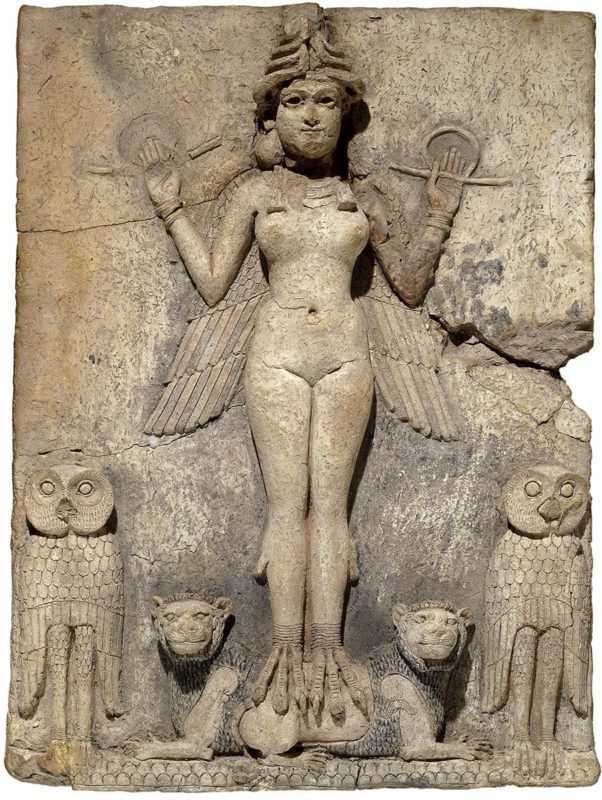
The most famous myth related to Inanna was her descent to the underworld. A Sumerian poem tells the story of Inanna’s journey from the sky to the underworld to visit her recently widowed sister, Ereshkigal, Queen of the Underworld.
As Inanna has to leave her realm to visit the underworld, she instructs her faithful servant, Ninshubur, on how to help if she does not return within three days and nights. To enter the underworld, Inanna has to pass through seven gates, and at each gate, the gatekeeper demands she remove a piece of her royal attire, stripping her of her identity and power. Upon reaching her sister, Inanna is “naked and bowed low.”
Some scholars suggest Ereshkigal blames Inanna for the death of her husband, Gugalanna, often identified with the Bull of Heaven. In the Epic of Gilgamesh, Gilgamesh and Enkidu slay the Bull of Heaven, sent by Ishtar (Inanna) to punish them. Ereshkigal unleashes her rage on Inanna, kills her, and hangs her corpse in the underworld. After three nights, as Inanna had failed to return, Ninshubur, following Inanna’s instructions, enlists the gods to help free her. Enki, the god of wisdom and waters (after Enlil and Inanna’s father, Nanna, refused to intervene), sends two beings to the underworld.
Inanna eventually comes back to life and returns to the upperworld. This cycle of descent and ascent shows Inanna’s liminal qualities, as a being who can pass the boundaries between life and death, and links her to the planet Venus, which also seems to pass between realms on the horizon.
Sumerian Kings Linked Their Rule to Inanna Through Royal Hymns
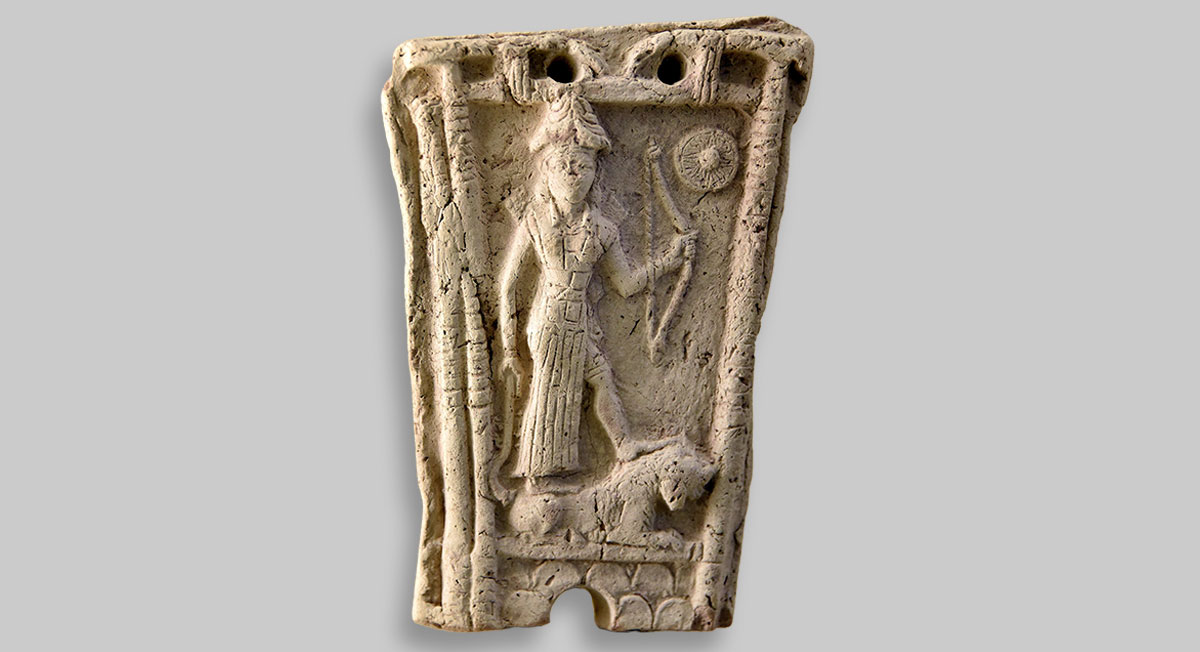
Inanna was a major part of Sumerian royal ideology. Royal hymns and literary compositions sometimes describe the king as Inanna’s partner, linking political rule to the goddess. Traditional Sumerian kingship emphasized divine connections, including with Inanna.
Inanna’s divine partner was usually Dumuzi, the god of shepherds. This relation was expressed in many Sumerian sources, particularly in Dumuzi-Inanna love songs (Alster, 1985). These are a group of literary pieces about Inanna and Dumuzi’s often-tumultuous marriage. One way Sumerian kings identified themselves with Dumuzi was by portraying themselves as shepherds.
The Sacred Marriage to Inanna Legitimized Sumerian Kingship
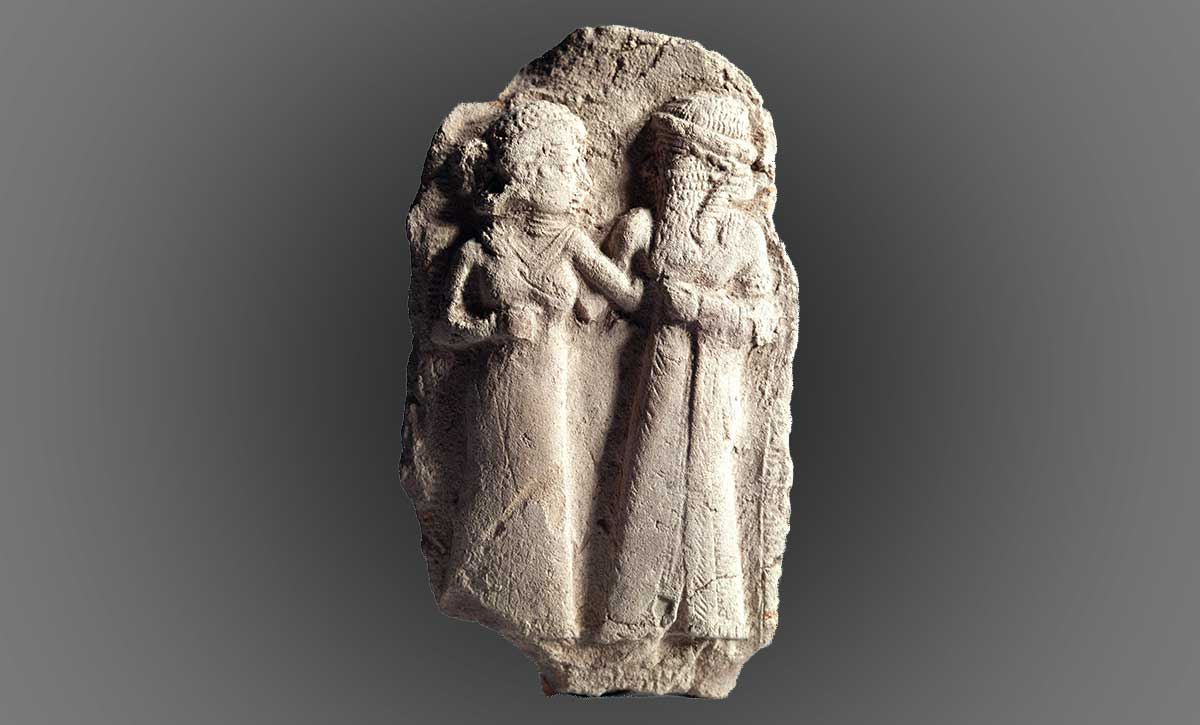
The main purpose of the sacred marriage between kings and Inanna was to legitimize kingship, binding the king to the divine. The marriage ritual is known from hymns to the Isin kings, a dynasty which ruled Sumer from c. 2017 to 1794 BC. Other Sumerian dynasties, such as the Ur III kings, also referred to Inanna as their spouse in royal hymns.
Although the specifics of the sacred marriage ritual have been debated, the ritual itself, which was likely symbolic, is less important than what it represented. However, the purpose seems to go deeper in the Ur III period.
Ur III King Shulgi Followed Naram-Sin in Claiming to Be a God
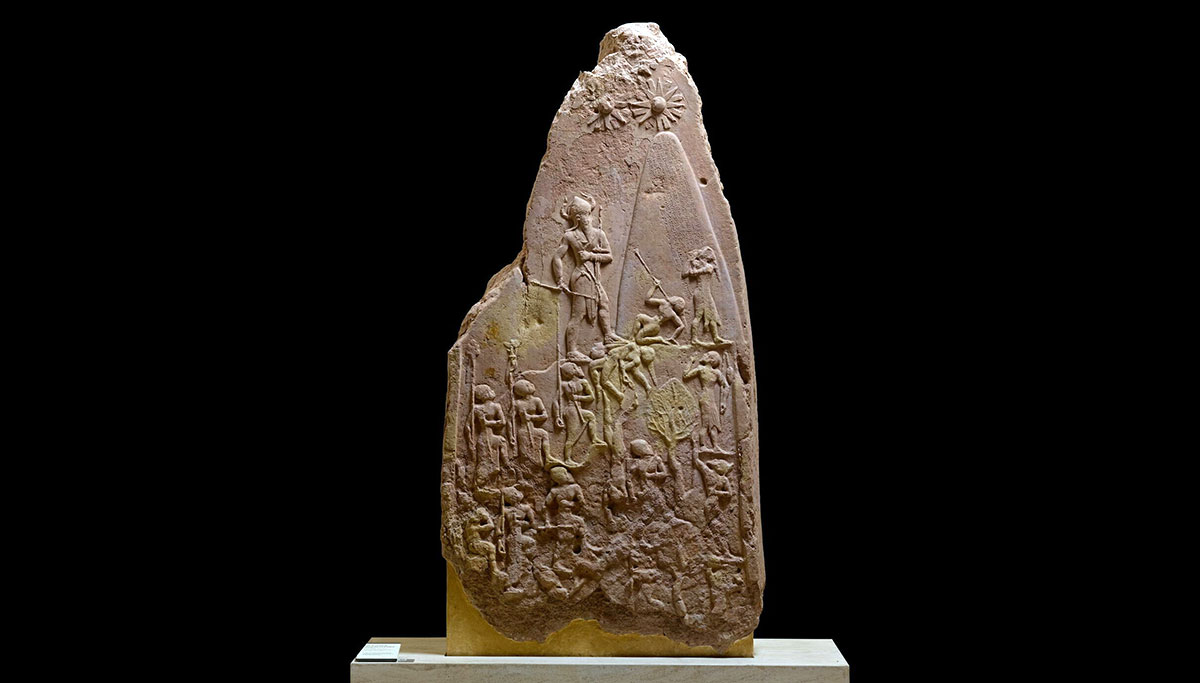
It is during the reign of Shulgi (c. 2094-2046 BC), the second king of the Ur III state (c. 2112-2004 BC), that we see the dingir symbol 𒀭, which denotes a god, being used before a king’s name. The Ur III state holds an important place in modern historical reconstructions of ancient Iraq. The Sumerian King List, an ancient document listing the Sumerian kings, refers to this period as the Third Dynasty of Ur, as it was the third royal line from Ur to rule. Ur III started one of the most thoroughly documented periods of ancient Near Eastern history. Although the dynasty governed for only a little over a century, it left thousands of cuneiform tablets as a record of its achievements, many from the later years of Shulgi and his successors.
Divine kingship is distinct from the common phenomenon of rulers indicating their closeness with divinity, as it instead refers to the king as a god himself. This was not a common practice for Sumerian kings. Before Shulgi, only one other ruler had done this. Naram-Sin, king of Akkad from c. 2255 to 2218 BC, was the first Mesopotamian ruler to claim this status as a god. There are significant royal representations of Naram-Sin as divine, most notably his Victory Stele. It depicts Naram-Sin, using divine iconography, leading the Akkadian army to victory. The signs of divinity include horns, his larger size, and his gazing up at the solar discs above him. These were all symbols normally reserved for the gods.
As well as being represented as divine, the Ur III kings were linked to Inanna, who seems to have been used to answer the tricky question of what happened to these god-kings when they died.
Inanna and Venus Explained the Dead King’s Ascension to Heaven
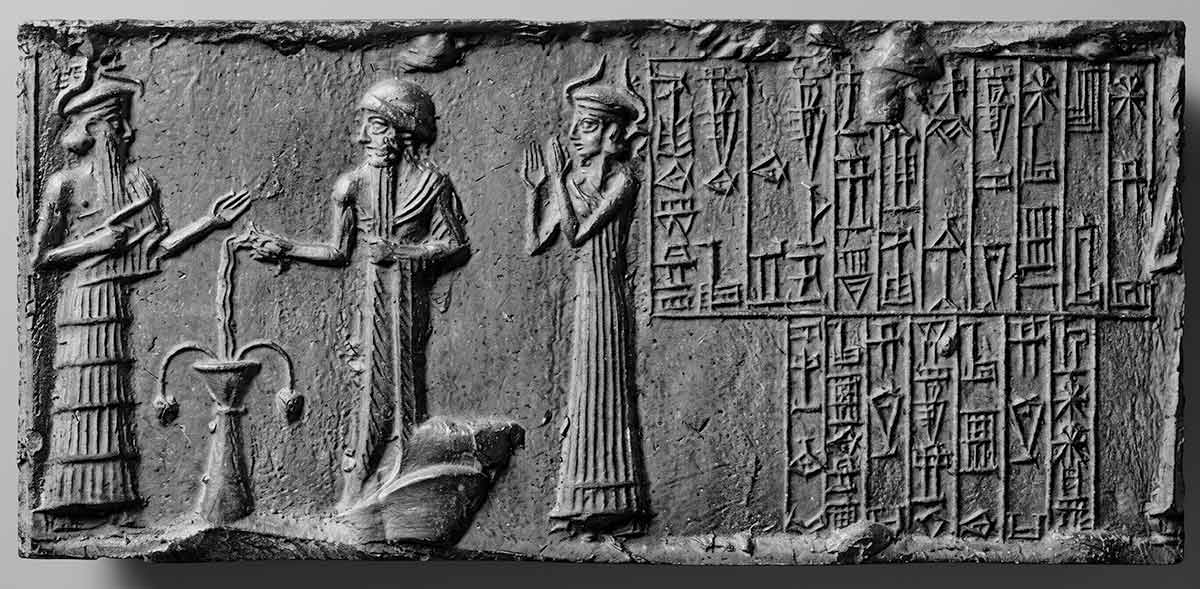
The timing of the king’s ascension rituals was probably linked to Venus’s invisibility phases, where Inanna/Venus is thought to have descended to the netherworld.
The Ur III kings explained what happened to the god-king after death on an administrative tablet from the final year of Shulgi’s reign. The tablet records that slave women were given a seven-day break “when Shulgi ascended to heaven.” Linked to this, other Sumerian sources grant Shulgi an astral position. Lexical texts from the Old Babylonian period record the star of Shulgi and heavenly Shulgi (Horowitz & Watson, 1991). Sumerian Temple Hymns also allude to Shulgi’s astral status (TCS 3 24 line 132). There are accounts of additional uncommon rites and sacrifices performed after the death of Shulgi and the later Ur III kings, such as Shu-Suen. The timings of these rituals after the king’s death are likely linked to Inanna.
Inanna was linked to the morning and evening star Venus, as recorded in hymns, omens, and astronomical texts. For example, in the Sumerian tale “Inanna and Shukaletuda,” Inanna seeks revenge on a gardener who assaulted her. Many scholars have suggested that this tale describes Inanna in her astral manifestations and her movement, described as across the sky like a rainbow, is related to celestial phenomena (Cooley, 2008). This liminal quality of Inanna is present in other myths, namely the story of her descent to the underworld and her subsequent rebirth, which mirrors Venus’s cycle of disappearance and reappearance.
Inanna Shaped Sumerian Mythology, Kingship, and Ideas of the Cosmos
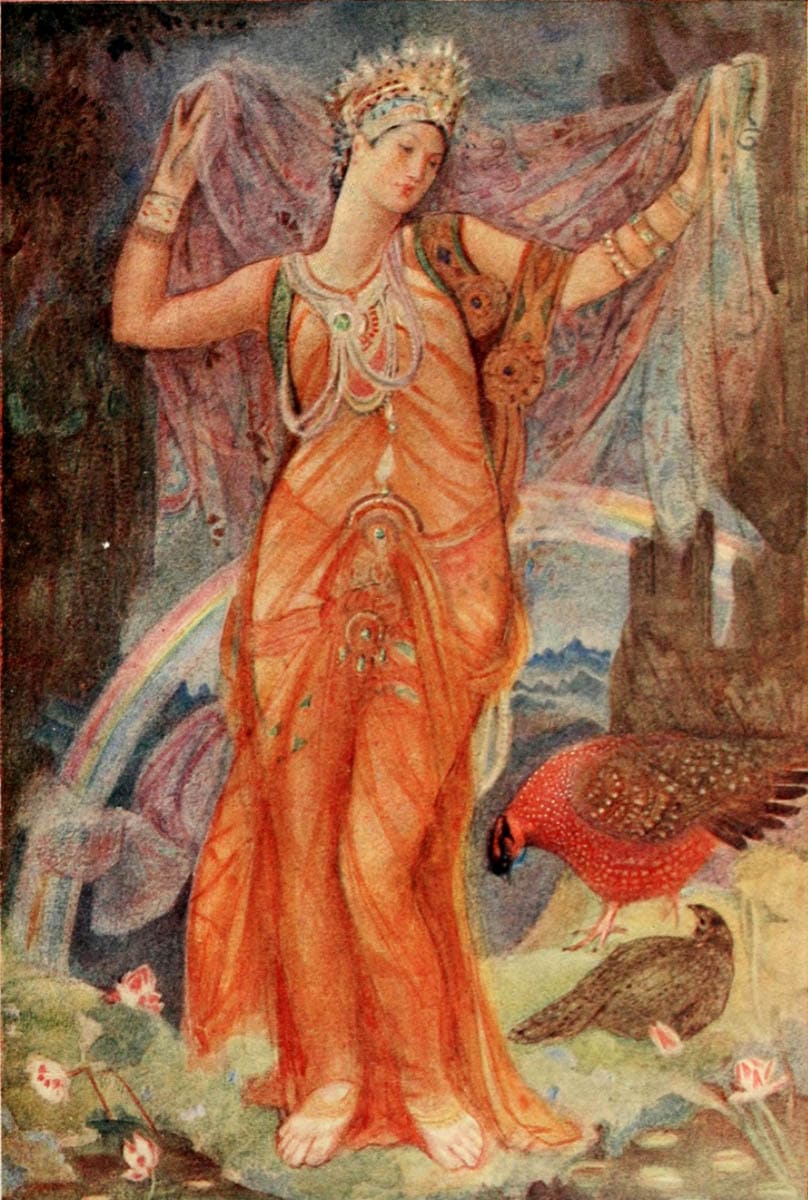
Inanna’s importance in ancient Sumer rested on the breadth and complexity of her powers. She was associated with love and war, and held the title of Queen of Heaven. Her descent into the underworld gave her liminal qualities and the ability to cross boundaries between realms, also connected to her link to the planet Venus.
Inanna was also used to reinforce the right of kings, who were often represented as her spouse and even married the goddess in elaborate rituals. In the Ur III period, when the king presented himself as divine, his relationship with Inanna helped explain his ascension to the heavens upon death. Inanna was therefore not only a central figure in Sumerian mythology, but also a powerful presence in the political and cosmic ideas of ancient Sumer.
References
- Alster, B. (1985) “Sumerian Love Songs,” Revue d’Assyriologie et d’archéologie orientale, 79(2).
- Bidmead, J., Love, M. (2018) “Ištar’s Journey: Above and Below,” Culture and Cosmos, 22(1).
- Cooley, J. L. (2008) “Early Mesopotamian Astral Science and Divination in the Myth of Inana and Šukaletuda,” Journal of Ancient Near Eastern Religions, 8.
- Frayne, D. et al. (2021) A Handbook of Gods and Goddesses of the Ancient Near East, Pennsylvania.
- Garfinkle, S. J. (2022) “The Kingdom of Ur,” in K. Radner et al. (eds.), The Oxford History of the Ancient Near East, Volume II: From the End of the Third Millennium BC to the Fall of Babylon, Oxford.
- Horowitz, W., Watson, P. J. (1991) “Further Notes on Birmingham Cuneiform Tablets Volume 1,” Archiv für Orientforschung / ASJ 13.
- ORACC. “Inana/Ištar (goddess)” Ancient Mesopotamian Gods and Goddesses.
- Reiner, E., Pingree, D. (1975) Babylonian Planetary Omens 1, Malibu.
- Sjöberg, Å. W., Bergmann, E. (eds.) (1969) The Collection of the Sumerian Temple Hymns: Texts from Cuneiform Sources 3.
- Steinkeller, P. (2013) “How Did Šulgi and Išbi-Erra Ascend to Heaven?” in Literature as Politics, Politics as Literature: Essays on the Ancient Near East in Honor of Peter Machinist.
- Vacin, L. (2009) “On the Solar Aspect of the King in the Ur III Royal Ideology,” Chatreššar 171-179.
- Wolkstein, D., Kramer, S. N. (1983) Inanna, Queen of Heaven and Earth: Her Stories and Hymns from Sumer, Harper & Row.