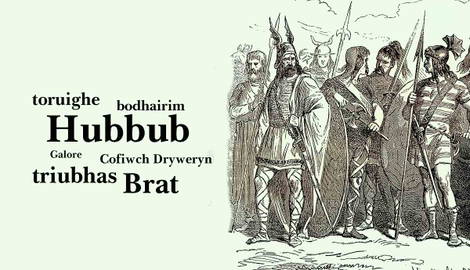

Although the word ‘Celtic‘ denotes a group of people who arrived on the British Isles in the first millennium BC, when we refer to Celtic languages today, we do not just mean the language spoken and written by the early Celts. Following their settlement in Britain and Ireland, the ancient Celtic language developed into six modern Celtic languages, whose geographical spread indicates the areas into which the Celts moved as the Anglo-Saxons took over: Irish, Scottish Gaelic, Manx (the Isle of Man), Welsh, Cornish, and Breton (northwestern France).
How Did English Gain Words From Celtic Languages?
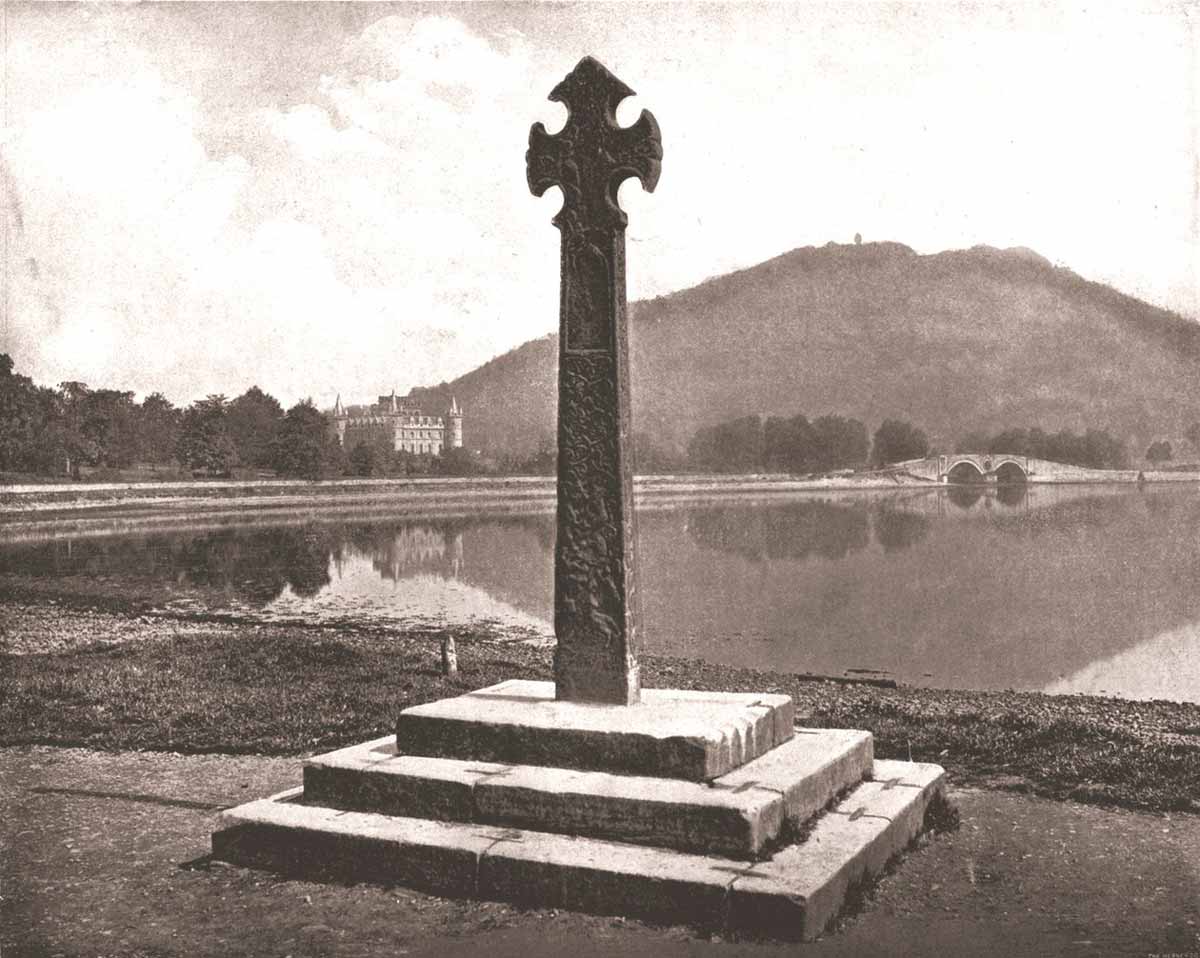
Despite the rising cultural and sociopolitical dominance of English over the centuries, including attempts by British colonial powers to stamp out minority languages, the Celtic languages have persisted and remain in use today, to greater or lesser degrees.
Constitutionally, Irish is the first language of the Republic of Ireland, although in practice, English is most people’s first language. Only 2% of the population lives in the region called the Gaeltacht, where Irish is the first language. However, many more Irish people have some knowledge of the language: nearly 2 million as of 2022.
Per the latest census, 17.8% of the population of Wales speaks Welsh, but far more come into frequent contact with it, given that it is taught in primary school and used alongside English in all official documentation. Welsh is considered the least endangered of the Celtic languages, while Manx has dwindled to a purely second-language existence, and Cornish even went through a period of extinction.
Despite these fluctuations, largely caused by the dominance of English at critical moments of standardization, when a combination of developing technologies and legal restrictions shaped the way people spoke and wrote, the Celtic languages have exerted an influence of their own, lending the English language more words than you might expect.
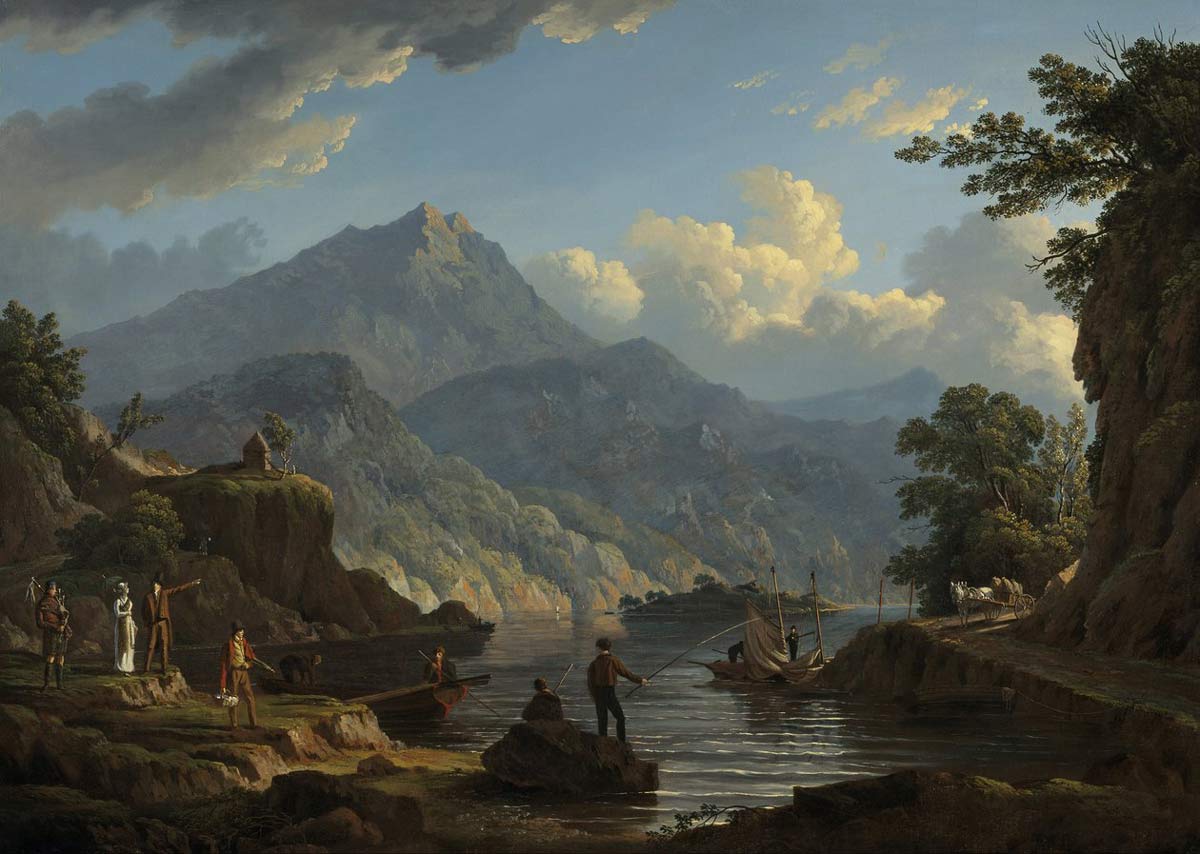
Much of this transference comes through cultural exchange. For instance, English speakers began to use Scottish Gaelic-derived words such as whiskey and Argyle because of their acquaintance with, respectively, the drink and the fabric hailing from areas of Scotland. We know words such as ceilidh, leprechaun, banshee, and shamrock because of interest, particularly from the 19th century onwards, in the culture, history, and legends of the isle of Ireland.
But some of the words the English language has gained from the Celtic language are more surprising and have less obvious histories. Here are ten of them.
1. Trousers
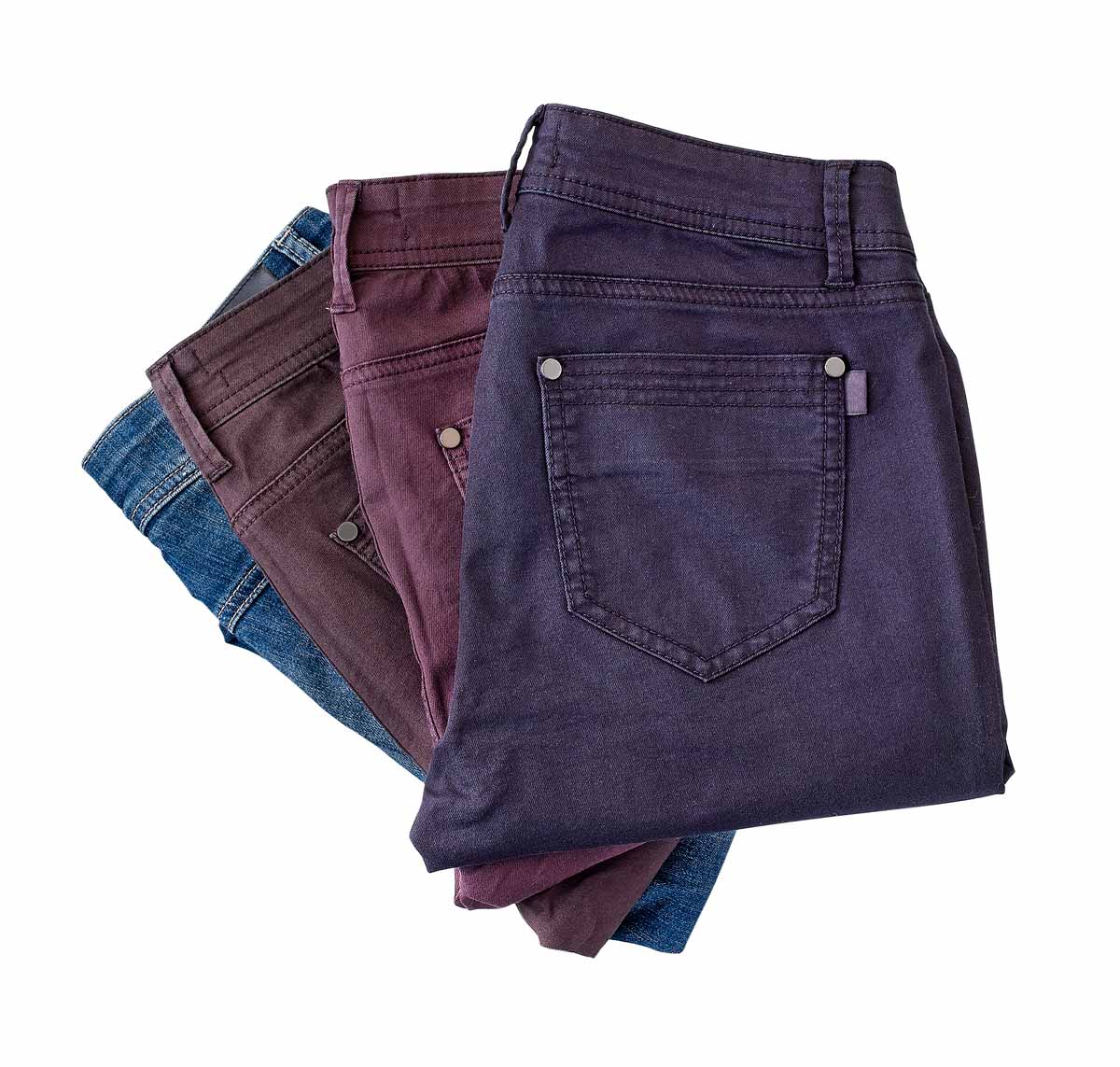
This word came into English along with the garment it referred to, as fashions changed. As Englishmen in the late 16th century began to adopt long lower-body clothing which covered each leg separately, they borrowed the Irish word for close-fitting shorts, triubhas.
Triubhas became trouse or trouze, and as often occurred with words referring to plural items (such as ‘scissors’ or ‘tweezers’), it acquired the -ers ending, becoming trossers by the early 17th century. The additional r may have come from the related word ‘drawers,’ and it’s possible that the verb ‘truss,’ meaning to dress or package up, had an influence on the word along the way too.
2. Slogan
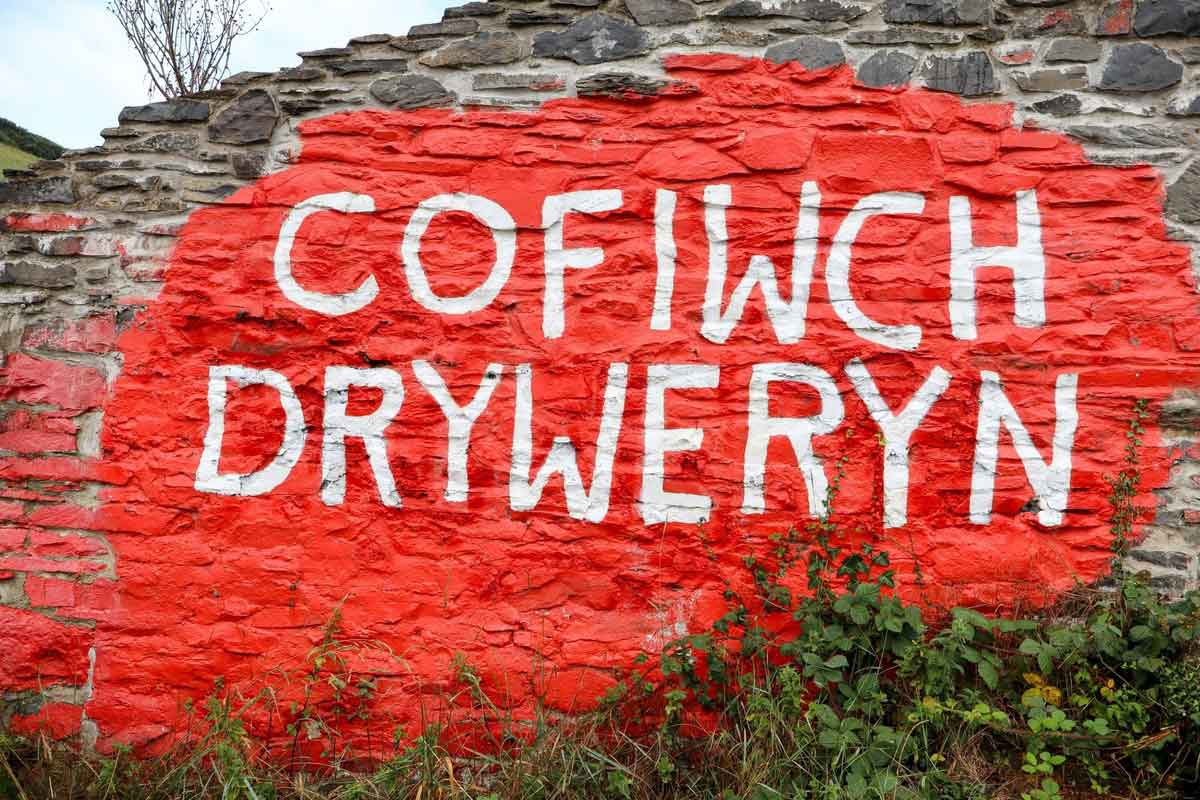
Given the tumultuous history of the various peoples jostling for control of the British Isles over the past two thousand years, including the Celts, Anglo-Saxons, and Romans, it is not too surprising that English has gained words via warfare.
‘Slogan’ is a descendant of the word slogorne, meaning battle cry, itself deriving from the Gaelic sluagh-ghairm. Clans in Ireland or the Scottish Highlands would send out a sluagh, or army, which would let out an almighty roar, or gairm (a word whose Proto-Indo-European root also gives us the word ‘garrulous,’ or excessively talkative).
By the beginning of the 18th century, this word was being used to describe political catchphrases, though it was more commonly spelled slughon. It could also be spelled slughorn, though this is no relation to the word for the misshapen horn of a cow or an ox.
3. Tory
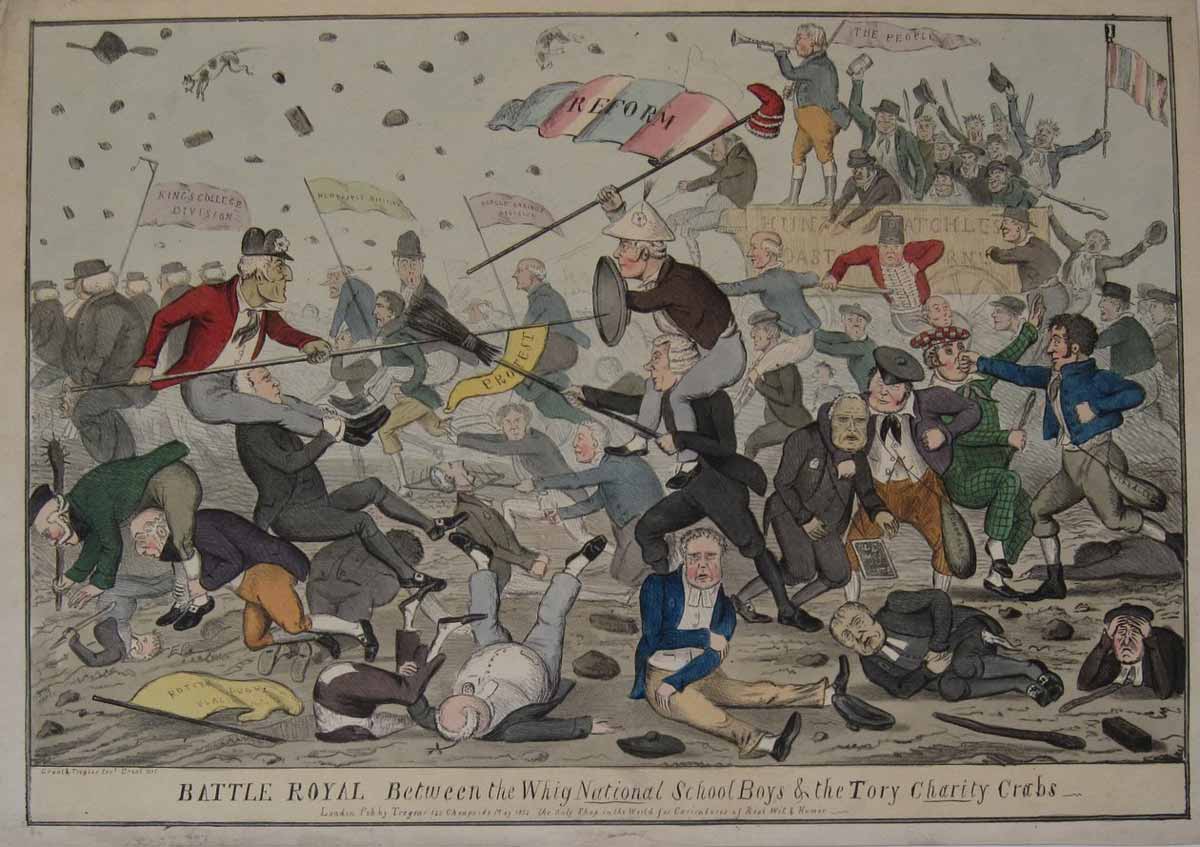
No stranger to slogans, the Tory party has existed in the United Kingdom since the late 17th century, just after the English Civil War. The Tories were Royalists, while their opponents, the Whigs, supported Parliament. For the next century, commentators spoke of Whigs and Tories, until the Victorian period, when the terms ‘Conservative’ and ‘Liberal’ became more commonly used.
Throughout this period, the British royal family claimed dominion over Ireland. So, it is perhaps surprising that the name for the Royalist party comes from Irish and originally referred to people displaced by this very claim.
‘Tory’ comes from the Irish word toruighe, which has its roots in the idea of pursuit, and came to mean ‘plunderer.’ By the 17th century, the meaning of toruighe was inflected by the sociopolitical landscape of Ireland, referring to Irish people who took revenge on English settlers by plundering their land. It came to denote Irish Catholics who turned to robbery and outlawry after English settlement laws deprived them of their rights to own land on religious grounds.
Through this latter usage, ‘Tory’ came to be applied to supporters of the Catholic James Stuart, later James II, in his claim to the English throne. After his deposition in 1688 in favor of the Protestant monarchs William and Mary, a party was formed consisting of former Royalists and other supporters of the former Catholic monarchy, including a group called the Yorkshire Tories. Now completely divorced from its context across the Irish Sea, the name for the English party stuck.
4. Bother
A word arising not long after Tory is ‘bother,’ which similarly comes from contact between the English and Irish, although in the world of literature rather than politics.
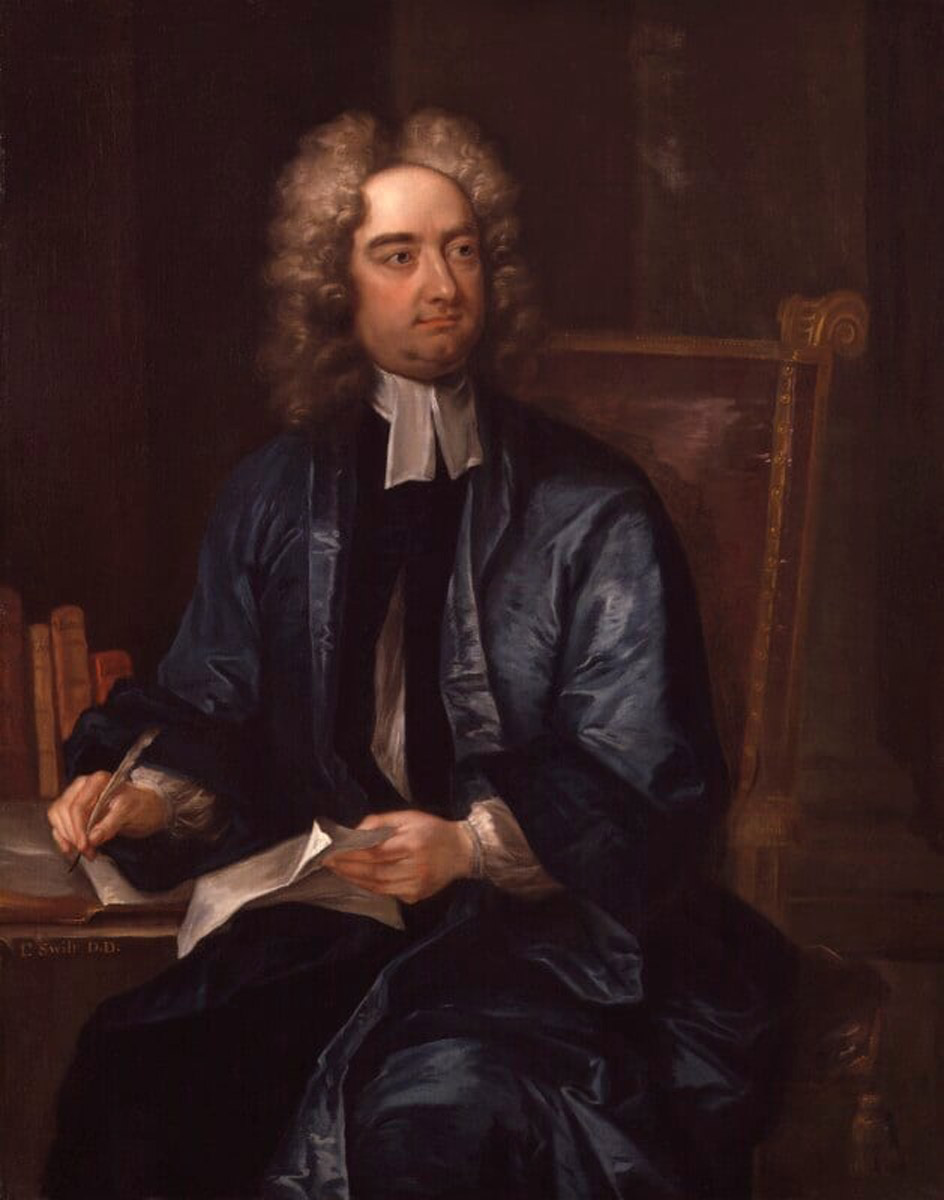
The 18th century produced a handful of writers from Ireland who made their names writing in English, but used the language in particular ways that were typical of English speakers in Ireland. These included the playwright Thomas Sheridan, novelist Lawrence Sterne, and the satirist, essayist, and dean of St. Patrick’s Cathedral in Dublin, Jonathan Swift.
One word Sheridan, Sterne, and Swift used was ‘bother,’ a verb meaning ‘to bewilder, confuse, or give trouble to.’ It’s possible that this word was formed through a modification of the noun pother, connoting trouble or disturbance, and that both came from the Irish bodhairim, meaning ‘I deafen.’
5. Hubbub
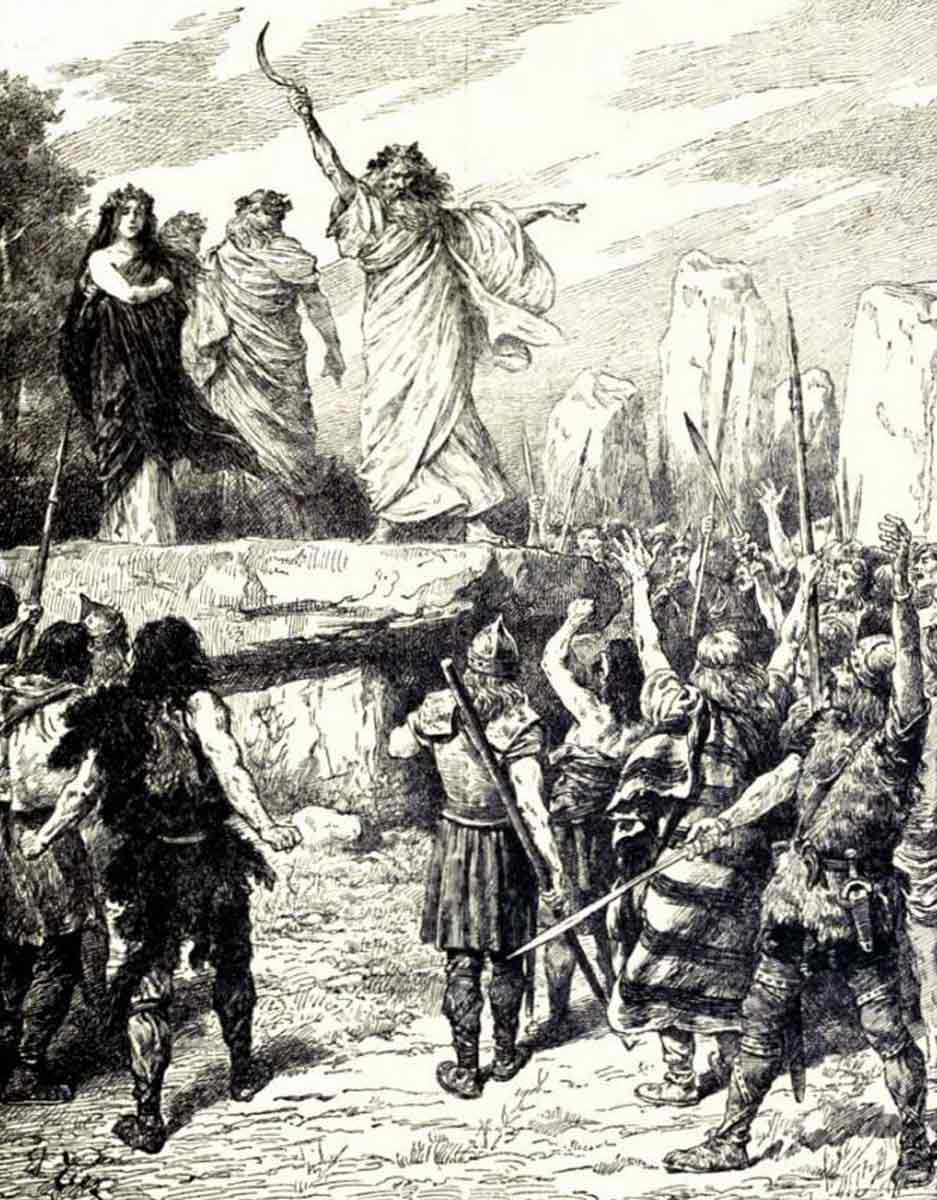
Etymologists are not entirely certain of the origins of the word ‘hubbub,’ which has been used since the mid-16th century to describe chaotic noise or commotion. Some suggestions are that it comes from the Gaelic ub, a negative word expressing aversion, or the Irish abu, which, like slogan, relates to battle.
Buide in Old Irish meant ‘victory,’ and abu was a victorious battle cry. Hubbub could then be a derivation based on the raucous shouts of the winning side in a battle, though it is now generally used in more trivial contexts.
6. Galore
Used to express abundance, ‘galore’ suggests having plenty of something, perhaps even more than you can manage. Think, “the ceremony had prizes galore,” or, “there’ll be drinks galore at the party.”
First appearing in English in the 17th century, the word has equivalents in Irish, go leór, and Scottish Gaelic, gu leóir. Both phrases come from the Old Irish word roar, meaning ‘enough.’ With the particle go or gu, it becomes an adverb; as in, to ‘have galore’ of something.
7 & 8. Penguin and Puffin
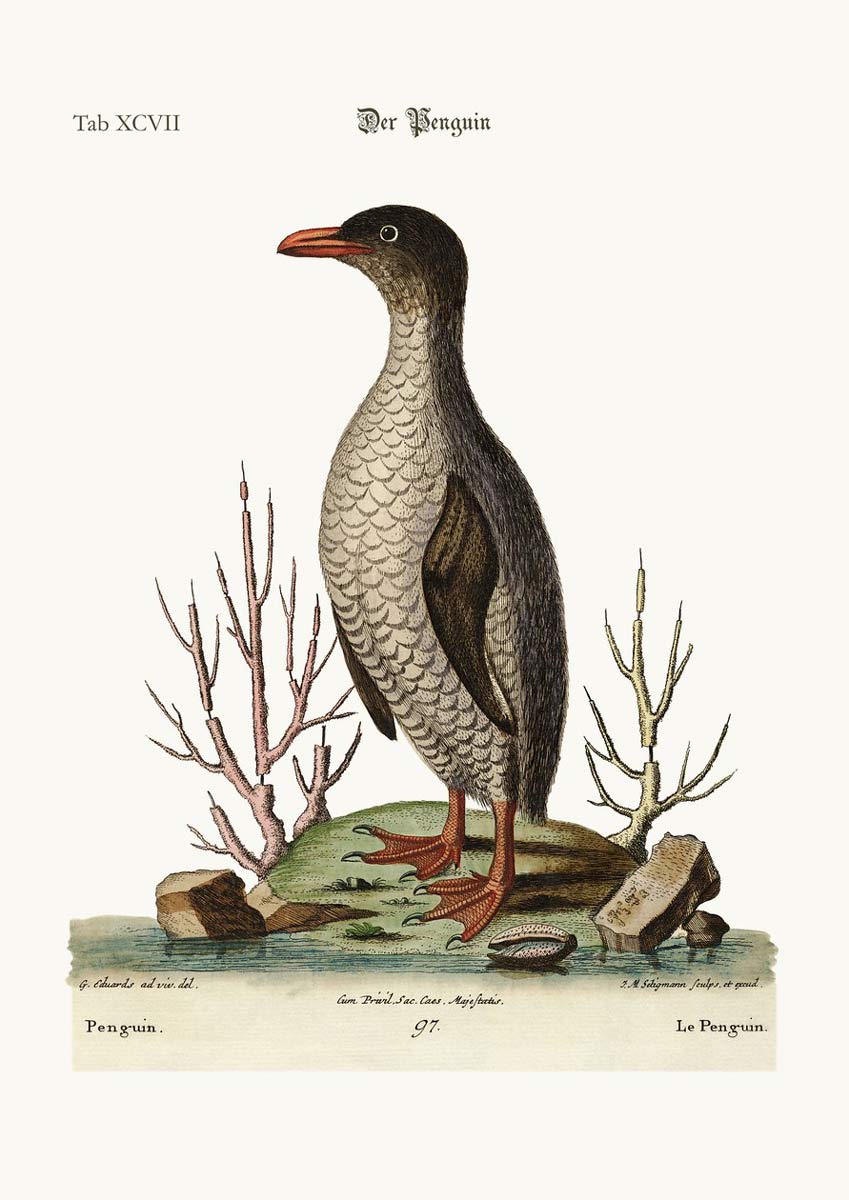
Both of these bird names have unclear origins, but may come from Celtic words, despite the fact that penguins are not found in the British Isles, while the word ‘puffin’ was originally applied to a different and unrelated bird.
‘Penguin’ arose as a synonym for a now extinct bird called the great auk. According to some dictionaries, Welsh-speaking explorers observed this bird (black, with a white belly; flightless, but a good swimmer) on an island in northeast Canada called White Head Island.
Pen is Welsh for ‘head,’ while gwyn means ‘white.’ This explanation has been disputed since penguins’ heads are black, not white. It is possible, though, that the ‘white head’ idea came from the white rings around some penguins’ eyes, or the alternative usage of pen to mean ‘front,’ meaning the pen gwyn is a bird with a white front.
‘Puffin,’ meanwhile, may have Manx or Cornish origins. The Manx shearwater is a seabird that was known as the Manx puffin in the 17th century. It bears the binomial name Puffinus puffinus, despite not being related to the birds we call puffins today (the most common being the Atlantic puffin).
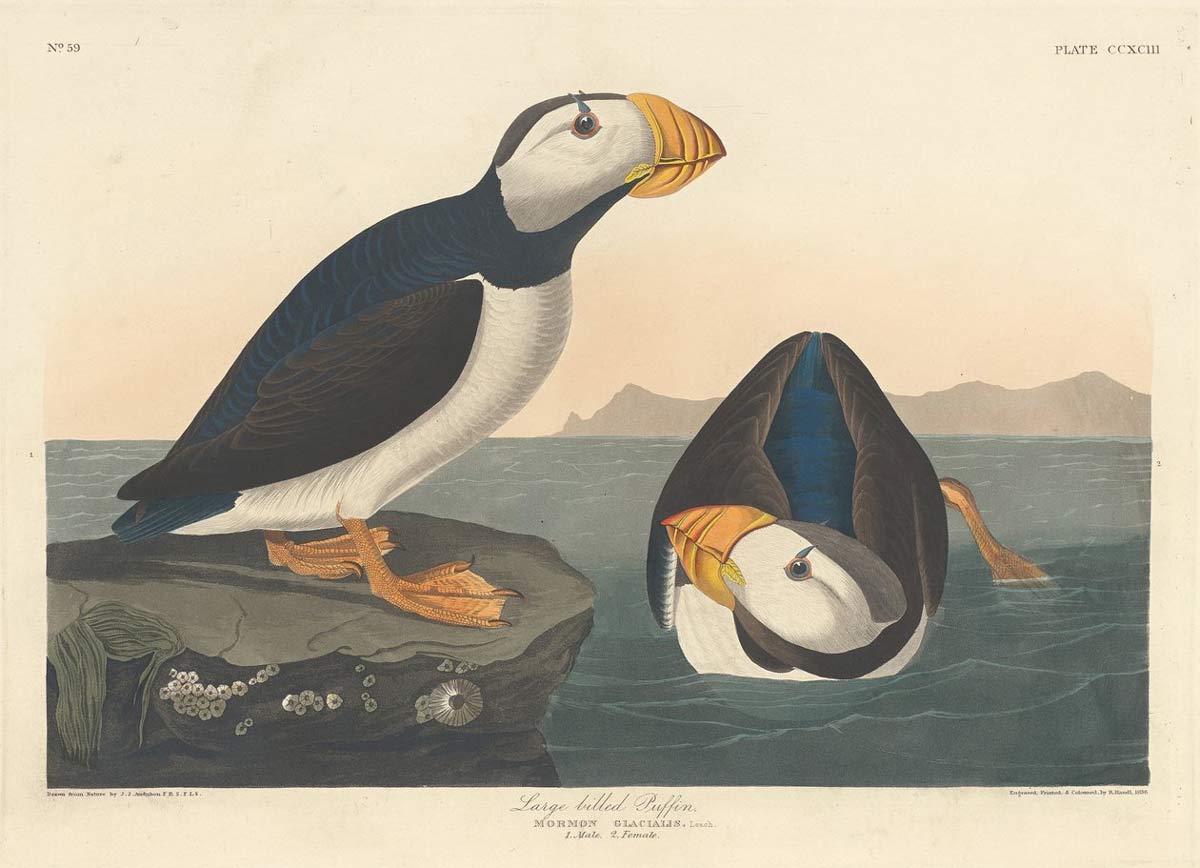
Why was the Manx bird called a puffin? The Latin binomial name seems to come from earlier variants (possibly originating in a Celtic language such as Cornish), such as pophyn, poffin, and puffing, which may have been influenced by the verb ‘puff.’ The nestlings of the shearwater were a delicacy until the late 18th century, especially the fatter ones, which looked puffed-up.
Atlantic puffins, which can be seen off British shores, acquired the name of the unrelated Manx seabird in the 18th century. Its Latin name, Fratercula arctica, meanwhile, refers to the similarity between a puffin’s plumage and a monk’s habit, frater coming from the Latin for ‘friar.’
9. Pixie
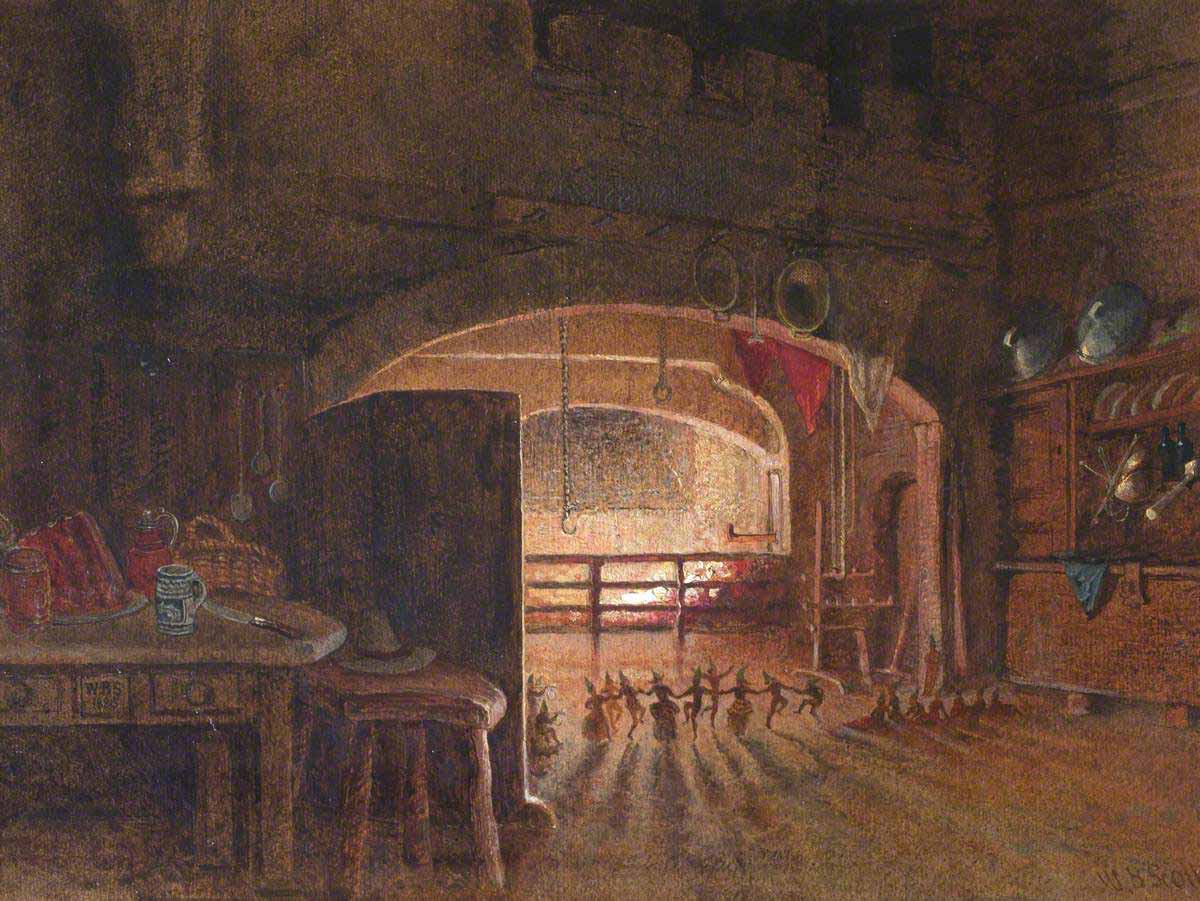
There are records in English of pixies, small fairy or sprite-like creatures believed to inhabit woodlands and moorlands, dating back to the 16th century. Early references connect these creatures to ideas of bewilderment or being led astray, as in ‘pixy-paths’ and being ‘pixie-led.’
The etymology of ‘pixie’ is not clear. The Oxford English Dictionary suggests it was formed from the word ‘puck,’ for a mischievous sprite (as in the Shakespeare character), and the diminutive ending ‘-sy.’ The word is documented across large parts of Southern England, but the highest concentration of references to pixies was in Devon and Cornwall, where they were believed to be particularly prevalent. It’s possible, then, that the word ‘pixie’ is of Cornish origin. Similar creatures exist in the legends of other Celtic-derived cultures (Irish, Manx, Welsh, and Breton), but the names vary widely depending on location.
One word with more definite Cornish origins, although it is a local dialect word rather than a widely used English word originating in the Cornish language, is ‘dumbledore.’ Any buzzing insect was a dore in Middle English, while ‘dumble,’ like the ‘bumble’ part of ‘bumblebee,’ seems to refer to its movements.
10. Brat
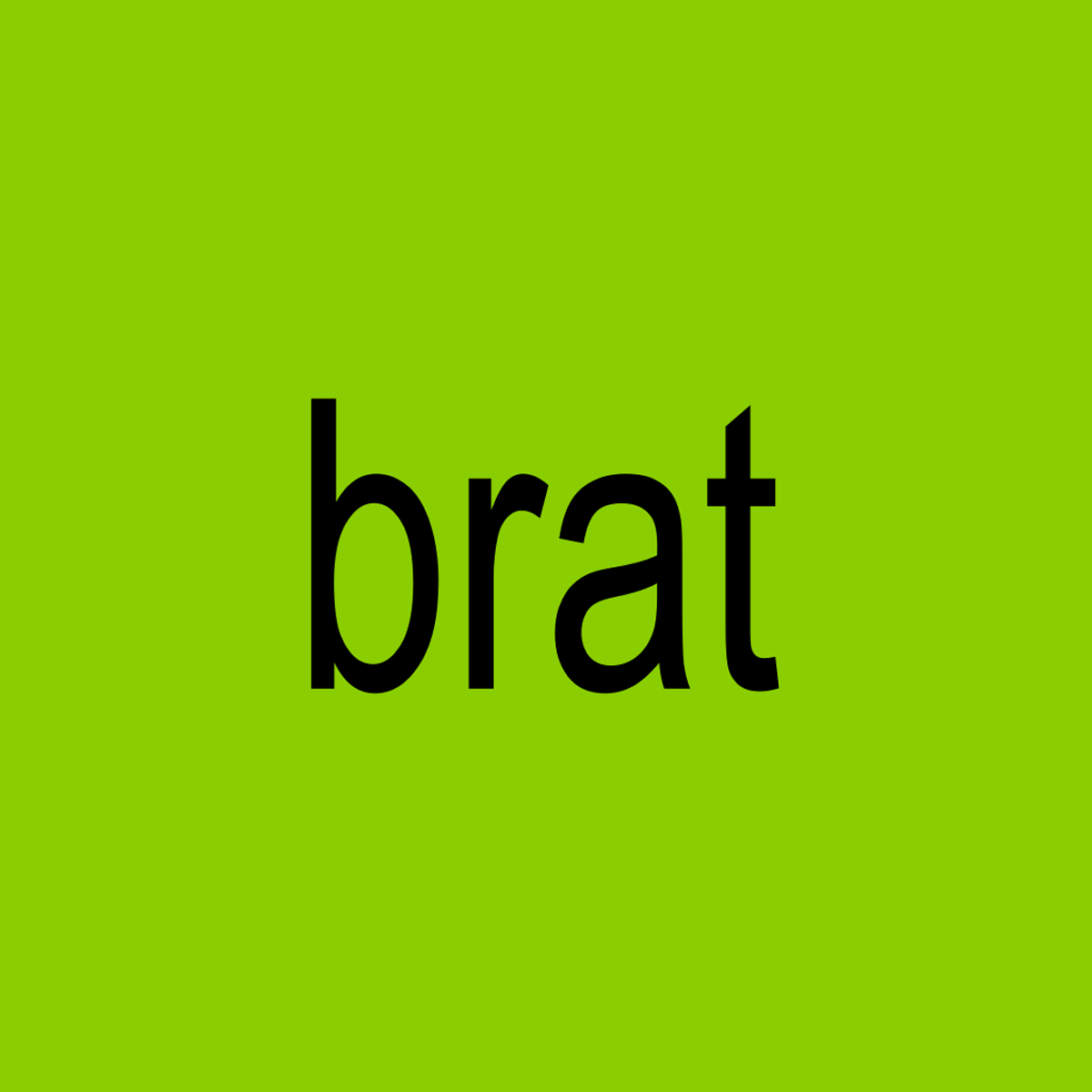
Before it meant an assertive if messy party girl, courtesy of popstar Charli XCX, ‘brat’ was a mischievous or annoying child, but long before that, it was a kind of cloak or apron.
In the 14th century, Geoffrey Chaucer’s writing includes the word bratt, for a cloak of coarse cloth, and this has Celtic roots: Old Irish has the same word for cloak or cloth.
By the 16th century, the word had come to refer to a child, possibly one who was unplanned or unwanted (differing from ‘bastard’ in that a married couple, especially perhaps a poorer couple, might find themselves burdened with a ‘brat’). This may have had something to do with the clothing that a child might wear: a ‘brat’ could be a poor, neglected child, dressed in the cloak or apron once known as a bratt.
‘Brat,’ by the 19th century, suggested lower-class children for whom the parents struggled to provide, and might have to dress in the cheap clothing denoted by the former meaning of bratt. From there, the word gained its modern connotations of bad manners, via the idea of being poorly bred, shedding its connection with the idea of wearing rags. Only in very recent years has the word gained positive connotations, still disconnected from its Celtic origins, but now with a tinge of glamor and fun.