
In the surviving pages of ancient history, many authors mention famous artworks that inspired contemporaries and changed the course of Western art. Sadly, most of these artistic treasures have been lost to history, destroyed by fires and earthquakes, stolen by foreign powers and melted down, or just eaten away by slow natural decay. Here are ten of the most celebrated ancient artworks that have sadly been lost, from a 4,500-year-old richly decorated Egyptian sarcophagus to elaborate murals buried by the following generation, only to be rediscovered in the Renaissance and decay all over again.
1. The Sunken Royal Sarcophagus of Pharaoh Menkaure
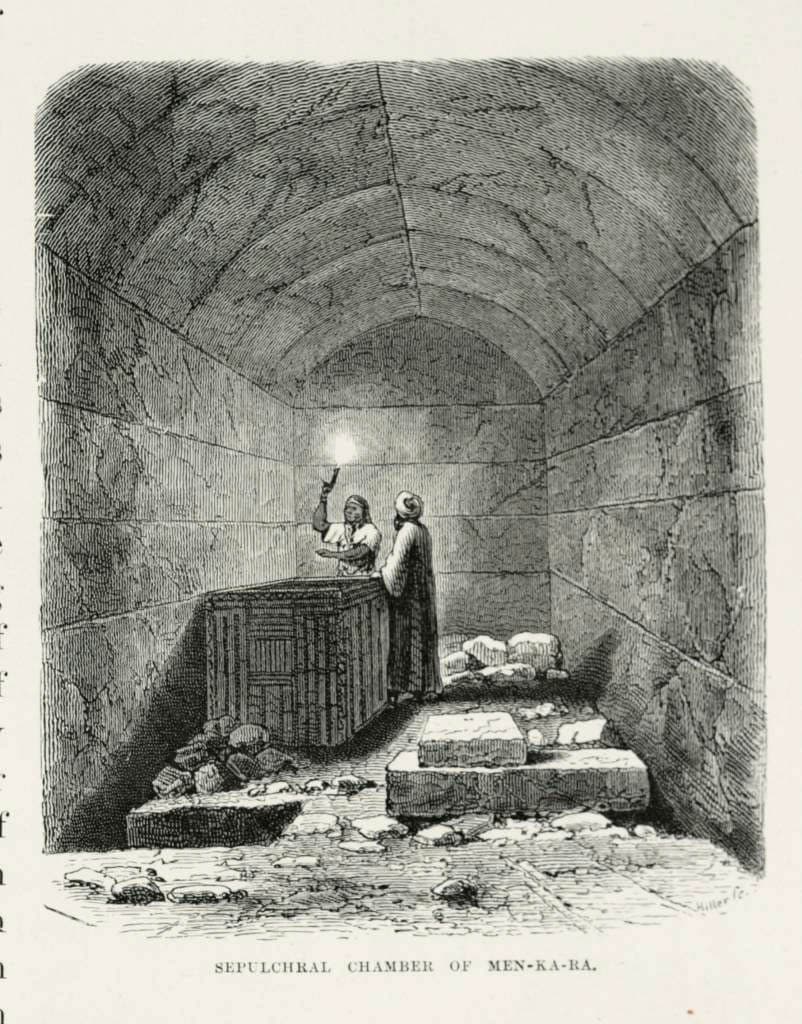
Pharaoh Menkaure built the third and smallest tomb at Giza, which served as his final resting place following his death in c. 2504 BC. Before this time, the sarcophagi of the pharaohs were usually unadorned stone boxes. Menkaure had a more elaborate coffin, setting a new precedent that would culminate in the stunning golden sarcophagi known from the Valley of the Kings over a millennium later.
Carved from a massive three-ton block of dark basalt, the exterior of the sarcophagus was carved to look like a palace façade, featuring recessed paneling, niched walls, and symbolic false doors that functioned as spiritual portals that allowed the pharaoh’s ka to pass in and out of his sarcophagus.
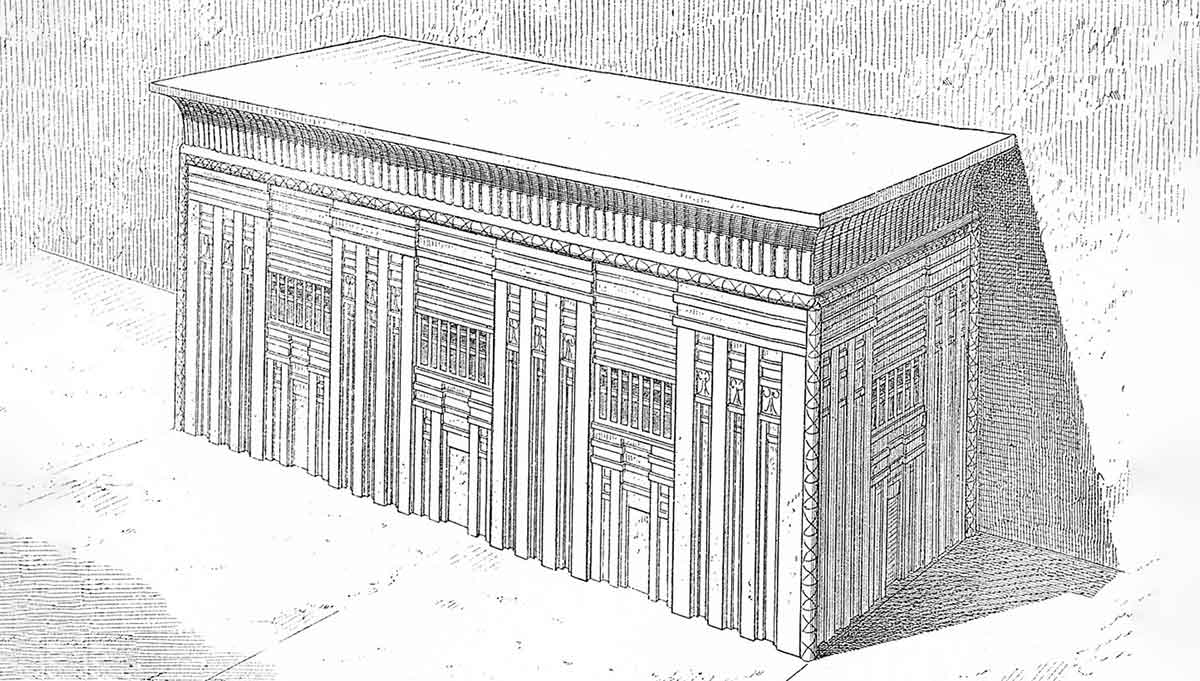
Menkaure’s sarcophagus was found inside his pyramid when his burial chamber was opened, using gunpowder, in 1837, roughly 4,300 years after it was placed there. It was empty and lidless, but still a spectacular find. Work immediately began to remove the sarcophagus from the tomb and transport it to the British Museum.
In September 1838, it was placed on the British merchant ship Beatrice to travel from Alexandria to Malta and then on to Liverpool in England. But as the ship left Malta, it encountered a severe storm and sank to the bottom of the Mediterranean. Neither the ship nor the sarcophagus has ever been located. But basalt is highly resistant to seawater erosion, so it may still be lying intact at the bottom of the sea.
2. Phidias’ Chryselephantine Statue of Zeus at Olympia
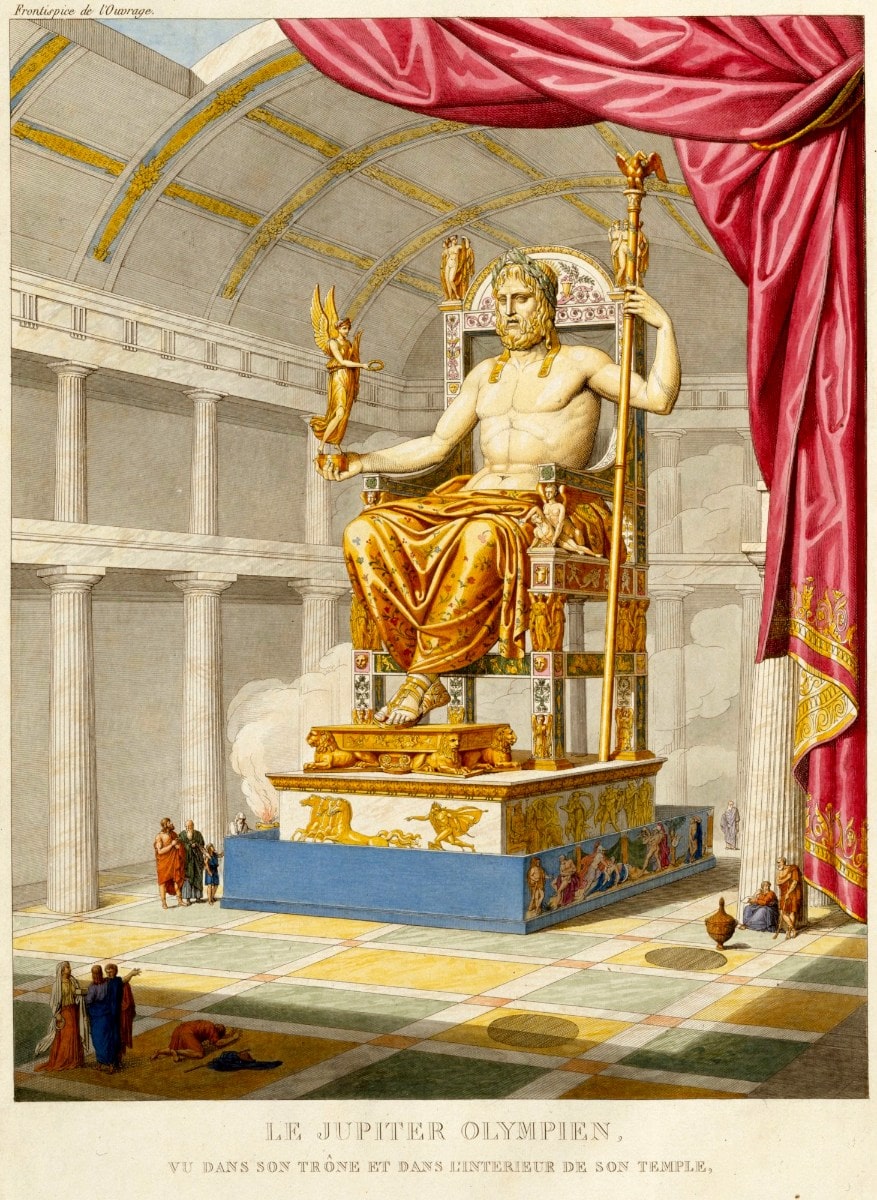
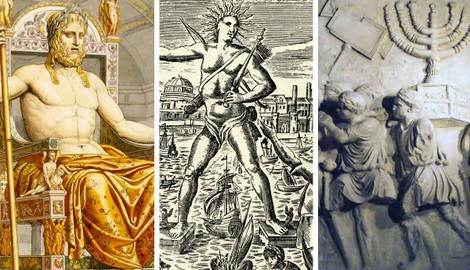
The famous master Greek sculptor Phidias was commissioned to create the statue of the god Zeus for his temple at Olympia around 435 BC. He crafted a chryselephantine piece, made of wood and embellished with ivory and gold. It stood 40 feet tall, so that his head almost touched the roof of the temple, giving an imposing presence. The geographer Strabo noted that if Zeus were to stand, he would take the roof off the temple.
The statue was so impressive that ancient Greek travelers numbered it among the Wonders of the Ancient World. The statue also served as the focal point for the Olympic Games. To preserve the statue for centuries, Phidias had a shallow pool of olive oil installed at the base of the statue. The oil was rubbed onto the statue daily to preserve the ivory and make it shine. Phidias established the image of Zeus as a bearded god.
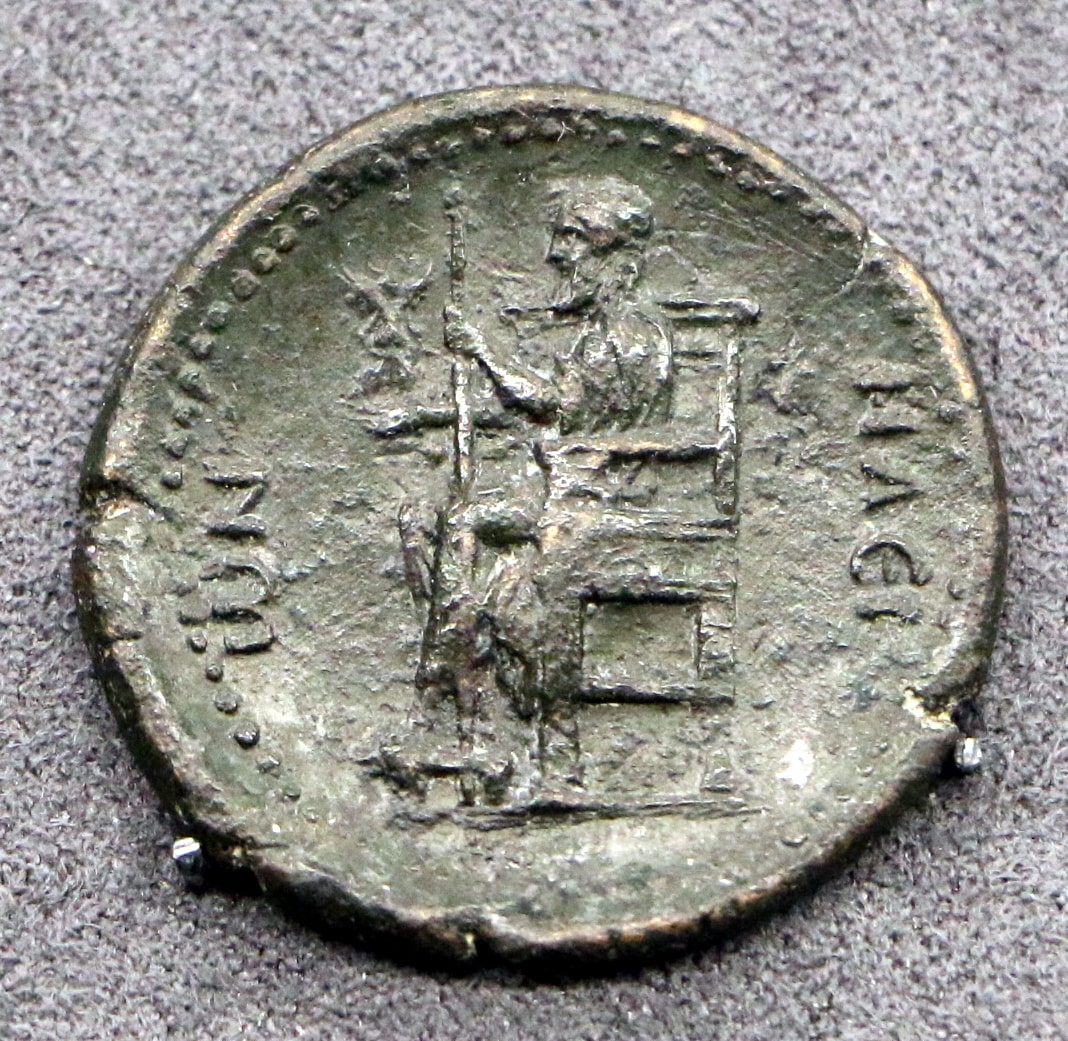
Today, the statue is lost without a trace, and there are multiple theories about what happened to it. One is that when the Olympic Games were banned by the Roman Emperor Theodosius I in the late 4th century AD, the statue was transported to Constantinople and placed in the Palace of Lausus. It was then destroyed when the palace burned down in AD 475. Another theory is that it was destroyed at Olympia when Theodosius II ordered the temple burned in AD 426.
3. Phidias’ Gold and Ivory Statue of Athena Parthenos

Phidias was also commissioned to create the statue of Athena Parthenos to stand on the Parthenon on the reconstructed Athenian Acropolis in c. 447-438 BC. Pericles commissioned the work as a symbol of renewal after the Acropolis was destroyed by the Persians.
This was another chryselephantine statue that may have been as tall as the one of Zeus at Olympia. The wooden frame was reportedly covered with ivory for her skin and 1,000 kilograms of gold for her robes and armor. In her right hand, the goddess reportedly held a statue of Nike, the goddess of victory; her aegis bore an image of the head of Medusa; while her shield depicted the Amazonomachy, during which the Athenians defeated the Amazons. The pedestal of her statue featured a relief of the creation of Pandora.

The statue, made of wood, ivory, and gold rather than marble, disintegrated over time. It was reportedly first stripped of its gold by the Athenian tyrant Lachares in 296 BC, but was later restored. It was then badly damaged in the Parthenon fire of AD 267. Finally, the statue was likely removed in the 5th century AD when the Parthenon was converted into a Church dedicated to the Virgin Mary. It may have been transported to Constantinople, but then did not survive the sack of the city during the Fourth Crusade.
4. Lost Masterpieces of the Classical Painter Apelles
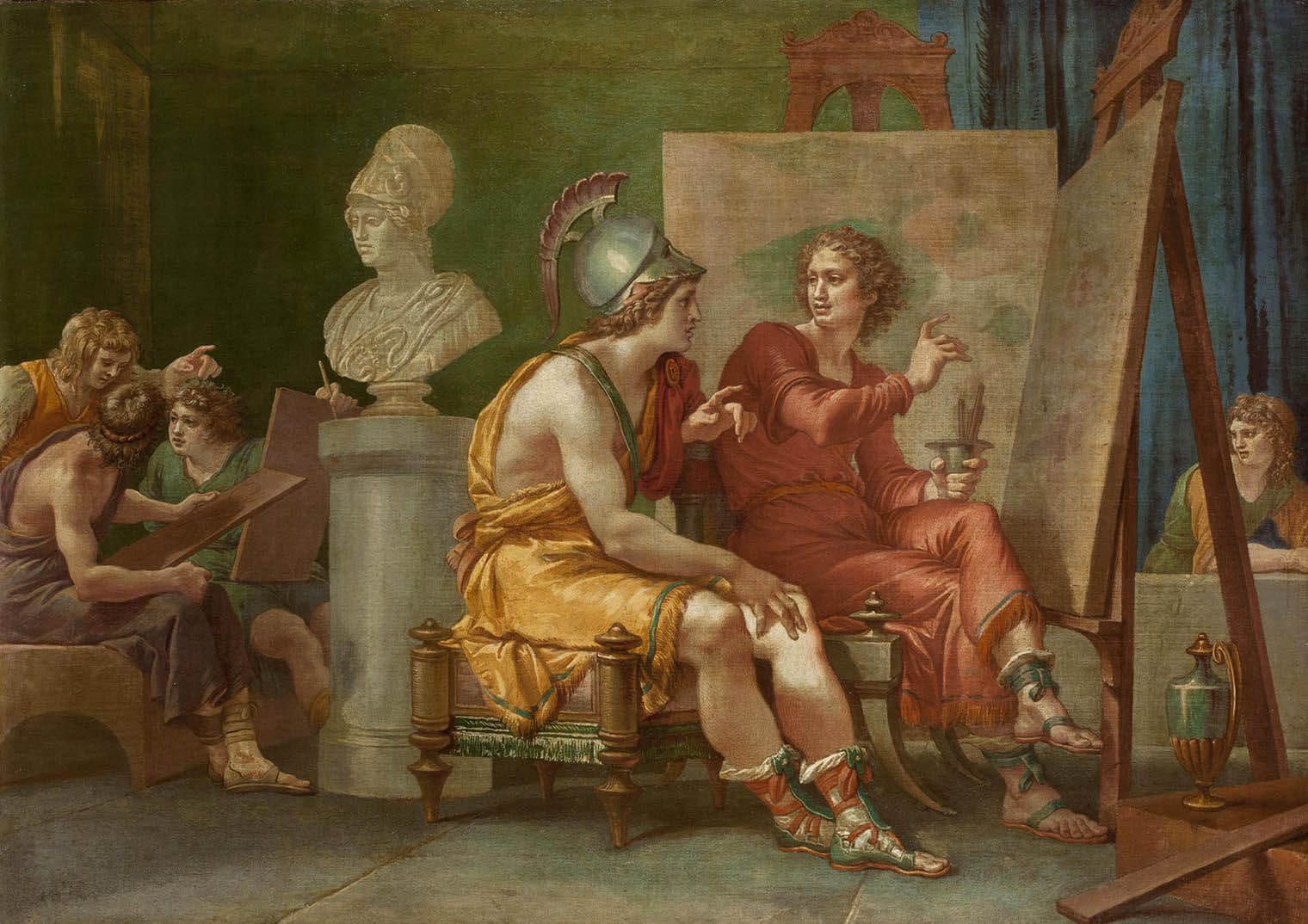
The 4th-century BC painter Apelles of Kos was universally acclaimed as the greatest classical painter in antiquity. He served as the official court painter of Alexander the Great, capturing his achievements in works that reportedly set new standards for life-like realism, three-dimensional depth, and proportion.
His most famous work was one of Alexander holding a thunderbolt, like Zeus. Alexander was so pleased with Apelles’ work that he reportedly forbade any other painters from rendering his likeness. When he was asked to paint a portrait of the one-eyed general Antigonus Monophthalmus, he depicted him in three-quarter profile to conceal his lost eye, no doubt pleasing the sitter, and providing the first recorded use of this framing in Western art.
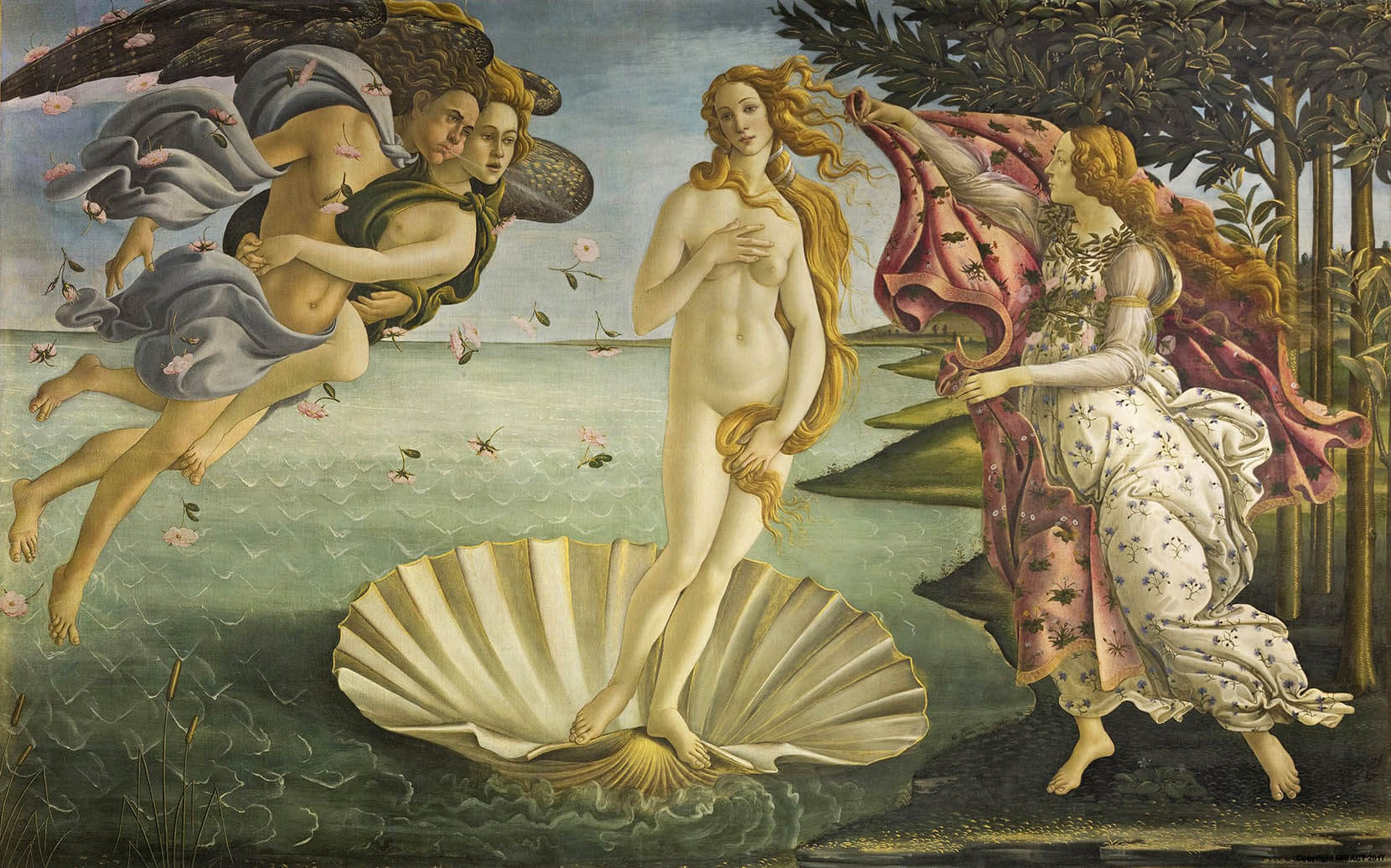
While the ephemeral nature of paintings without modern conservation techniques meant that they were lost in antiquity, Renaissance masters like Botticelli, Raphael, and Titian still held Apelles as the gold standard from descriptions of his paintings. They often tried to recreate his works, resulting in masterpieces such as Botticelli’s The Birth of Venus, inspired by Apelles’ Aphrodite Anadyomene.
5. Vanished Monumental Reliefs of the Mausoleum of Halicarnassus
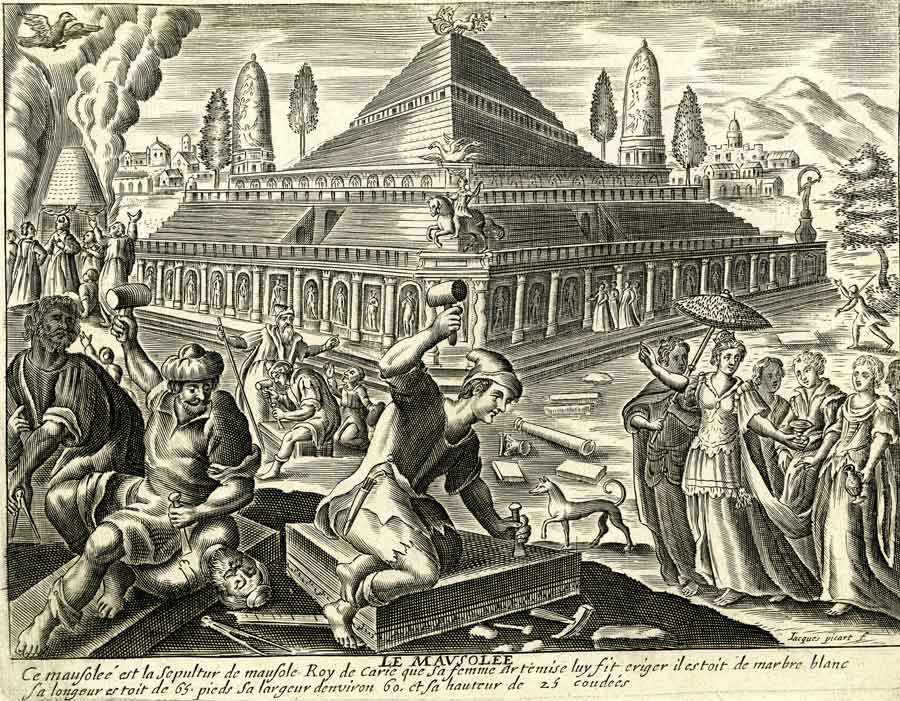
The Mausoleum of Halicarnassus was built c. 350 BC as a monumental tomb of Mausolus, the satrap of Caria, and his sister-wife Artemisia II. Considered one of the Wonders of the Ancient World, its exterior was famously decorated with incredibly fine high relief sculptures. The structure was so famous that it coined the word mausoleum.
There were reportedly four major friezes showing the Amazonomachy, the legendary battles between the Greeks and the Amazons, the Centauromachy, the fight between the Greeks and the Centaurs, and a chariot race frieze, probably showing races held as part of Mausolus’ funeral games. The fourth scene is unknown. Pliny the Elder and Vitruvius claim that Greece’s four most famous sculptors at the time were each assigned a wall: Scopas, Leochares, Bryaxis, and Timotheus.
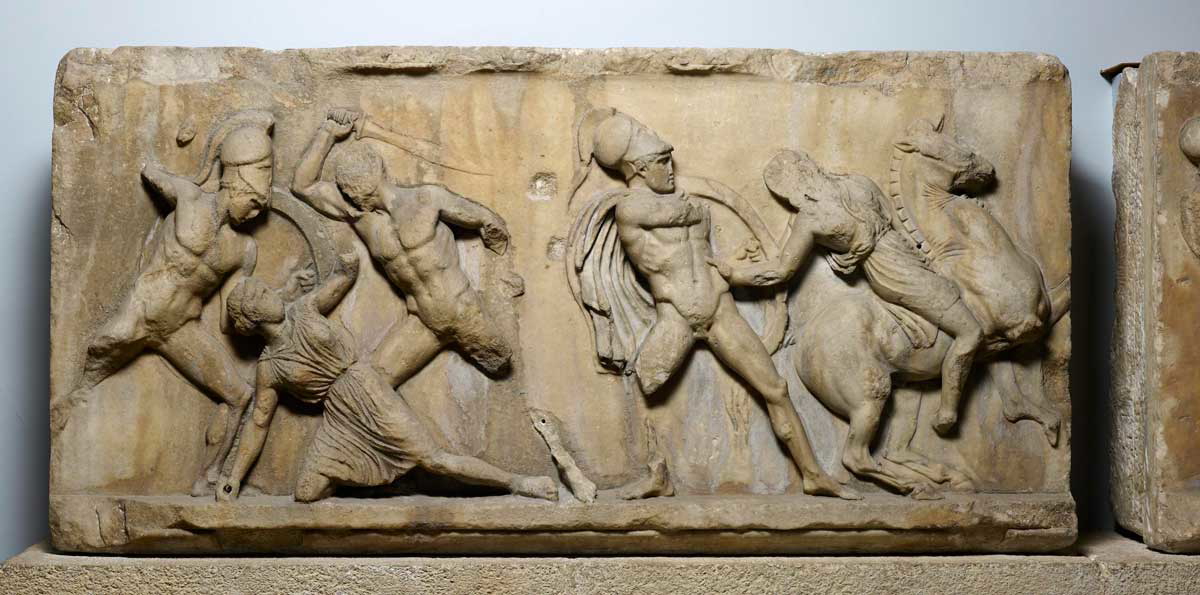
The friezes were notable because they moved away from the serene and idyllic sculptures of previous centuries to show motion and violence. It paved the way for more realistic Hellenistic art.
Remarkably, the mausoleum remained intact for around 1,600 years until it was rocked by severe earthquakes between the 12th and 15th centuries. These caused the roof, columns, and friezes to collapse. The rubble was then used by the Knights Hospitaller to construct Bodrum Castle. Some of the relief slabs were preserved by the mortar of the new castle, and starting in the mid-19th century, relief slabs have been removed from the castle to reveal the original artwork.
6. Alexander Bronzes by the Imperial Court Sculptor Lysippos
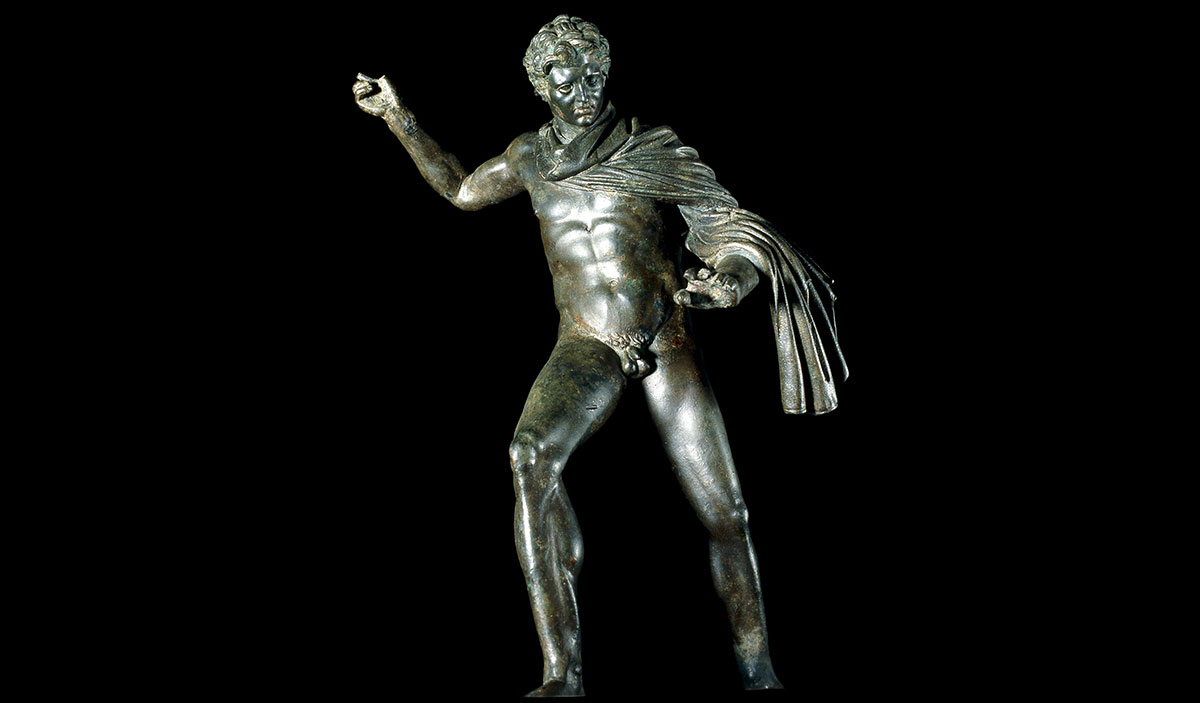
Lysippos of Sicyon was the official court sculptor of Alexander the Great, who traveled with an entourage of artists and historians. He created the definitive visual image of the conqueror with his bronzes of Alexander, made using the lost-wax technique. Like with Apelles and his painting, Alexander was so impressed with how Lysippos represented him that he forbade any other sculptor from casting his image in bronze.
It is said that Lysippos captured unique quirks of Alexander’s appearance, including his slight tilt of the neck towards the left shoulder, an upward-turned gaze to the heavens, parted lips, and swept-back locks. He also abandoned the standard 1:7 body ratio in favor of a 1:8 ratio, making Alexander a longer, leaner, and more imposing figure. Plutarch noted that, beyond physical traits, Lysippos captured his divine ambition.
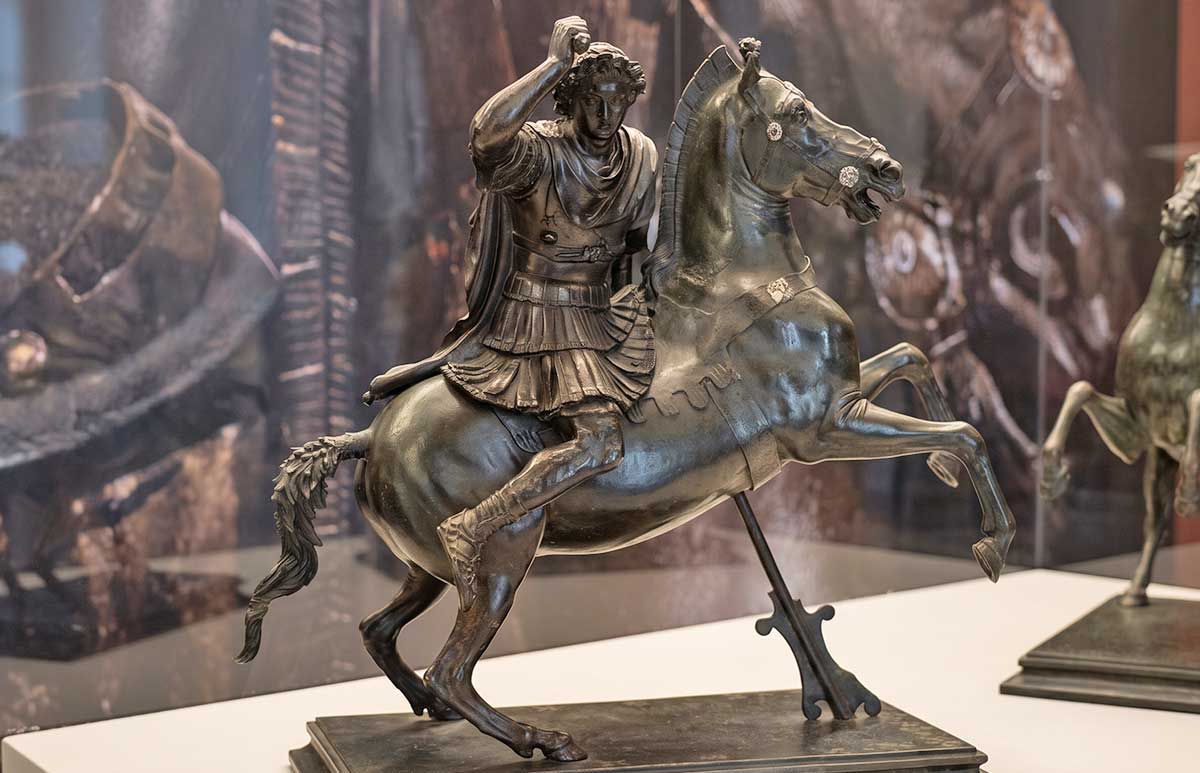
Several specific Alexander bronzes by Lysippos are known, including Alexander Lanceophoros, showing Alexander with his hand on a spear, gazing skyward, and the Granicus Cavalry Monument, a colossal group of 25 bronze equestrian statues of the Macedonian Companion Cavalry.
Sadly, not a single one of his bronzes survives. When Rome conquered Macedon in 148 BC, the Roman general Quintus Caecilius Metellus Macedonius seized the whole Granicus group and shipped it back to Rome. Similar things probably happened to his other works. When the Roman Empire’s economy took a downturn, they were probably melted down for the bronze.
7. How a Massive Bronze Colossus of Rhodes Collapsed Into the Harbor
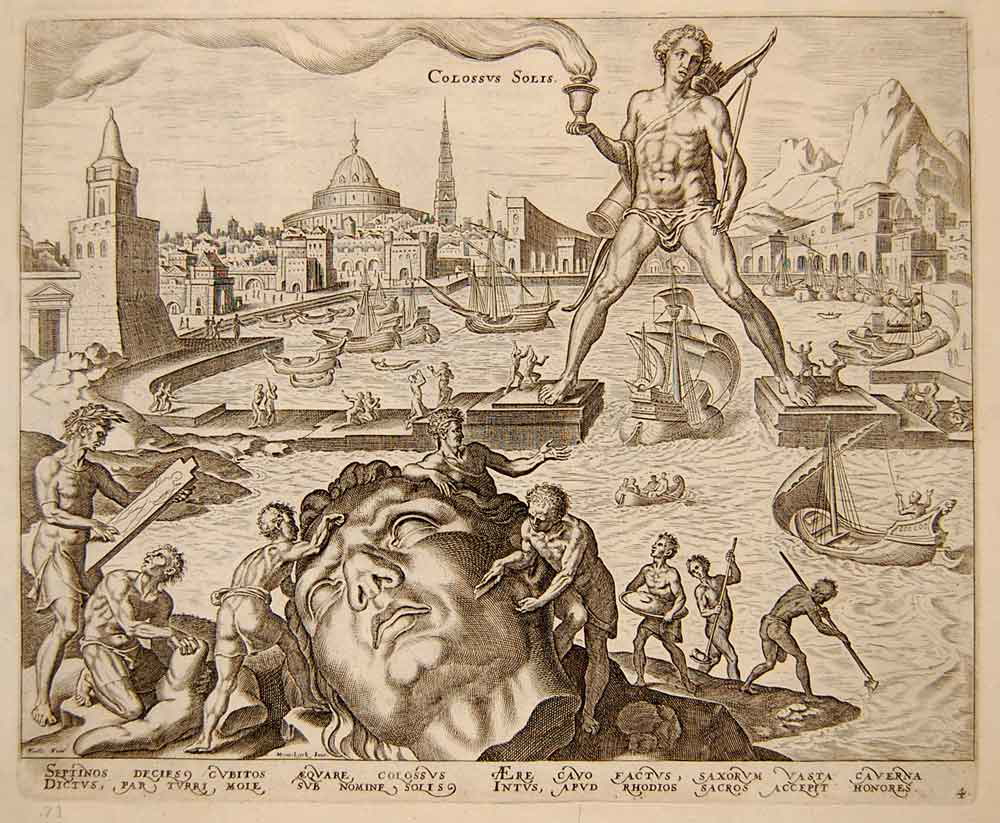
The Colossus of Rhodes was an enormous 108-foot statue of the god Helios erected in the city of Rhodes between 292 and 280 BC to commemorate the successful defense of the city against a siege by Demetrius Poliorcetes. Designed by Chares of Lindos, a student of Lysippos, it was quickly named among the Wonders of the Ancient World. It was funded entirely by selling the siege equipment left behind by Demetrius and his army.
The statue was cast in hollow bronze and erected in tiers from the ground up, using a massive dirt ramp to scale upwards. Inside, the statue had a skeleton of iron beams and stone masonry pillars to provide the necessary structural support for the bronze plates that were riveted together. It became the blueprint for colossal statues to come.
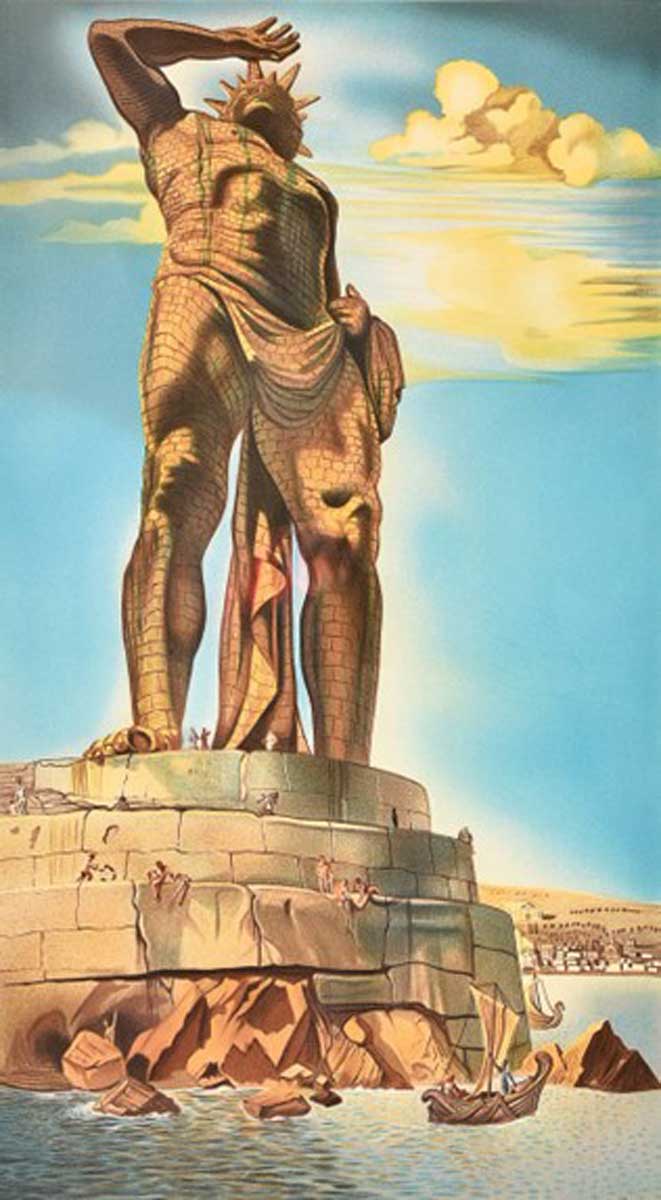
The statue stood for just 54 years, as it was toppled by an earthquake in 226 BC, buckling at the knees and breaking up into massive fragments. Ptolemy III of Egypt offered to finance reconstruction, but the Rhodians, following the advice of the Oracle of Delphi, decided to let the fragments lie undisturbed. They were still impressive, and travelers made their way to Rhodes just to see the fragments. They were only sold for scrap after Arab forces took Rhodes in AD 653.
While modern drawings of the lost masterpiece often show it straddling the harbor, with ships sailing between its legs, the statue almost certainly stood on a pedestal on one side of the city’s harbor, looking out over the sea.
8. The Radiant Statue of Nero That Renamed the Colosseum
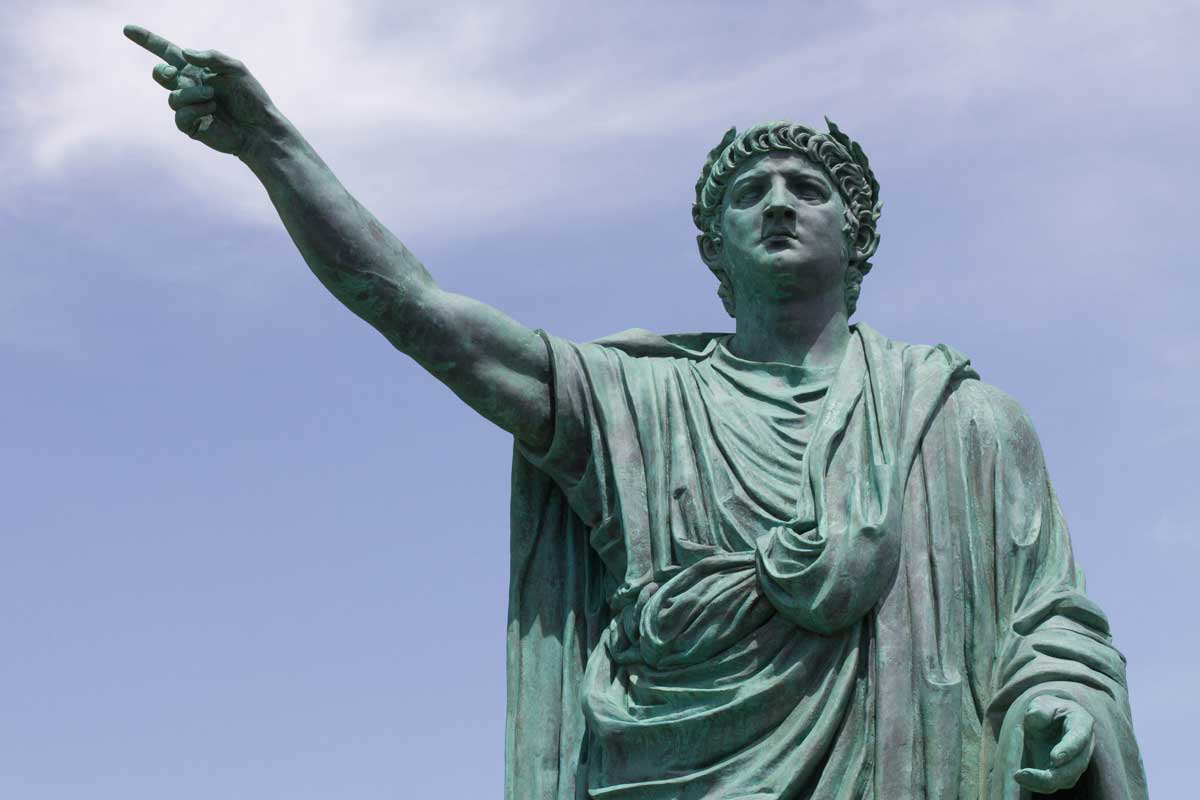
While the emperor Nero lived more than two centuries after the destruction of the Colossus of Rhodes, when he decided to erect a massive bronze statue of himself in Rome on land made vacant by the Great Fire of Rome in AD 64, he based it on the Colossus of Rhodes.
Standing 100 to 120 feet tall, which is about the size of the Statue of Liberty, it was designed by the sculptor Zenodorus. It was also hollow bronze, but with more advanced Roman engineering. Rather than showing Helios, it showed Nero himself as a god holding a globe and a ship’s rudder.
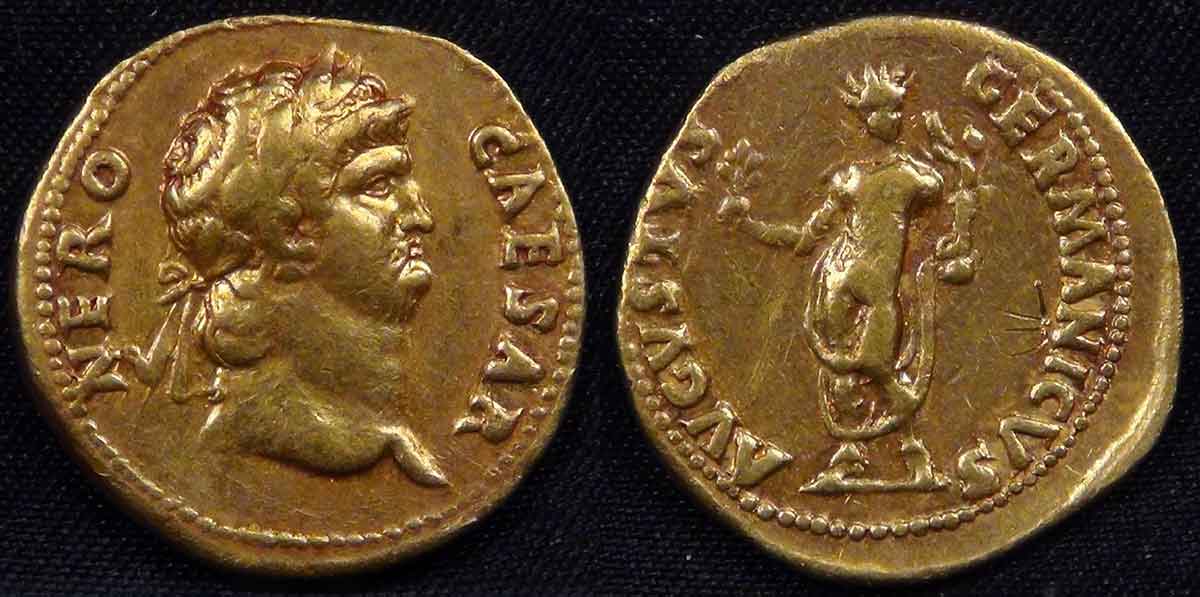
After Nero’s suicide and the fall of the Julio-Claudians, the new Flavian emperor Vespasian had the statue altered to represent the god Sol Invictus, adding a radiant sun crown. Later, under Hadrian in AD 128, it was moved to a new position alongside the Flavian Amphitheater. Centuries later, during the Middle Ages, the proximity of this colossal statue led to the amphitheater being widely known as the Colosseum.
The statue disappears from the historical record sometime between the 5th and 8th centuries AD, probably due to earthquakes that struck the area. The remains were probably melted down to make coins, weapons, and other tools. While the statue is gone, the concrete and brick masonry pedestal, which was originally clad in marble, still stood beside the Colosseum until Mussolini ordered it demolished in 1936.
9. Buried Murals of the Domus Aurea That Inspired Renaissance Masters
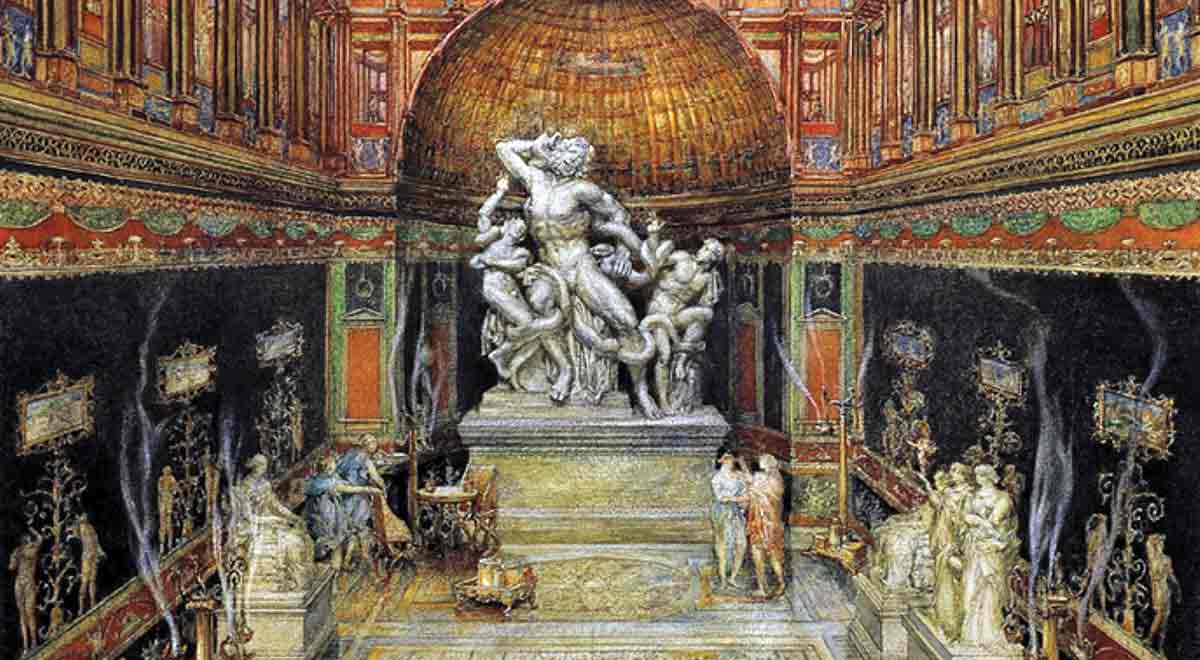
At the same time as Nero built his colossal statue, Nero also built a new palace for himself on land cleared by the fire. It was built on such a grand scale that it was known as the Domus Aurea, or Golden House.
One of its most decadent features was its interior design, with murals mostly painted by the master, Famulus. Pliny the Elder described the artist as solemn and dignified, even wearing a toga while painting. He also called the Domus Aurea the “prison of his art,” as he spent almost his entire career painting its murals.
The murals defined what is known as the Fourth Style of Roman wall painting. It was characterized by delicate candelabras, floating mythological figures, and vibrant backgrounds of white, red, and gold leaf. In this way, rather than creating solid wall images, the murals made the wall surfaces look like airy vistas.
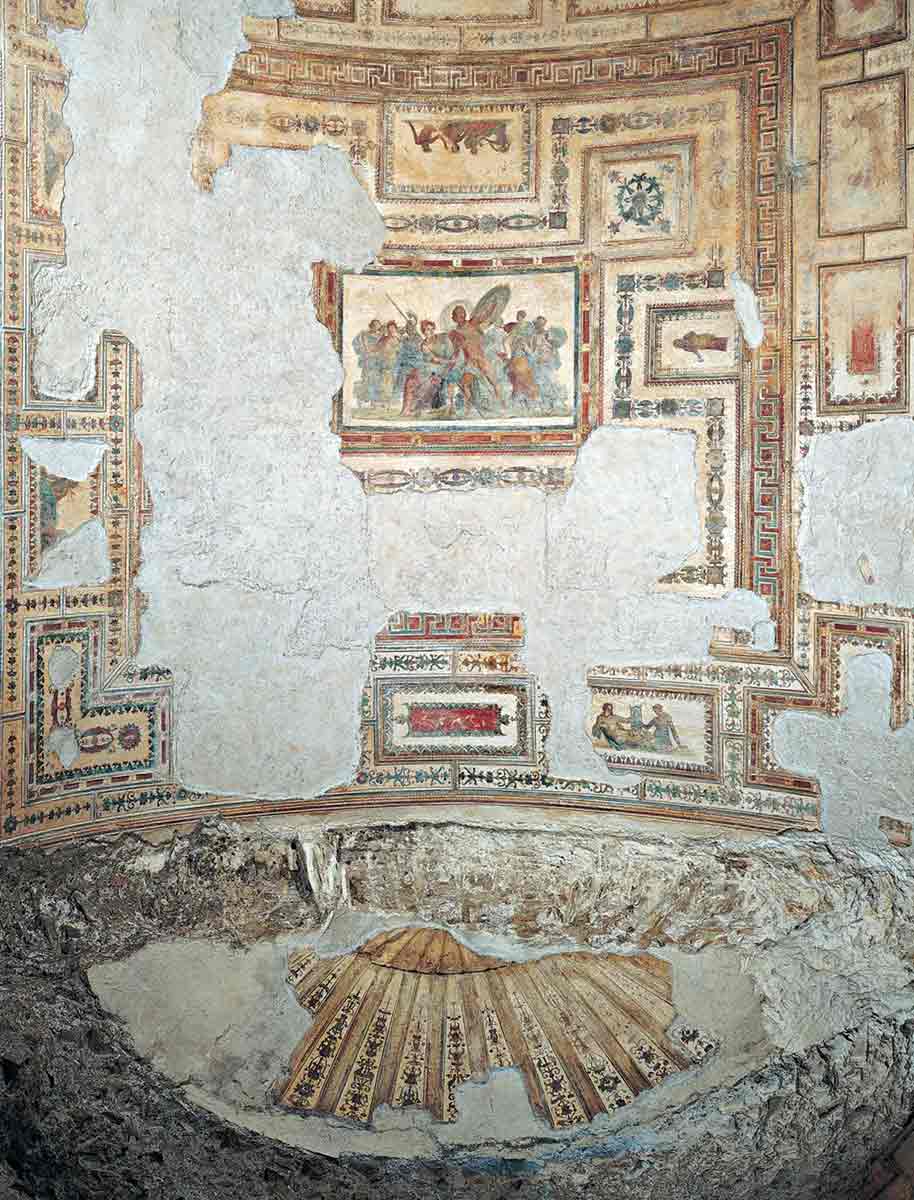
The palace was abandoned shortly after Nero’s fall from grace, and the emperor Trajan stripped it of its precious metals and marbles, knocked down the vaulted ceilings, and filled in the rooms with soil. He then built the Baths of Trajan directly on top. But burying the palace in this way protected the murals until they were rediscovered accidentally in the 1480s.
Renaissance artists such as Raphael, Pinturicchio, and Michelangelo visited the site and copied many of the images, coining the term grotesque to describe them. Raphael recreated these ancient motifs on the walls and ceilings of the Vatican Loggias and the Villa Madama. But as soon as the original murals were exposed to the elements, a new wave of destruction began. Today the once-vibrant murals are faded ghostly outlines.
10. The Sacred Golden Menorah Captured by Roman Conquerors

The Second Temple of Jerusalem held many treasures, but one of the most important was the Golden Menorah. According to Jewish tradition, the Menorah was forged from a single solid talent of pure beaten gold. Its central shaft and six branching arms were adorned with intricately carved motifs depicting almond blossoms, calyxes, and petals, terminating in seven oil lamps. More than a light fixture, the Menorah represented the divine presence resting upon Israel, burning continuously as a perpetual witness to the covenant.
The Romans, led by the future emperor Titus, captured and destroyed the Second Temple of Jerusalem in AD 70, following revolts across the province. The Menorah was among the treasures taken by the Romans and paraded in the triumph celebrating the victory. The Menorah featured prominently on the Arch of Titus, which celebrated both the victory and the subsequent posthumous apotheosis of Titus.

Around AD 75, the emperor Vespasian constructed a Temple of Peace in the Roman Forum that also acted as an imperial museum, showing spoils from across the Empire. According to the contemporary Jewish historian Josephus, the Menorah was displayed there. But in AD 192, a devastating fire spread through the Forum and may have destroyed the Menorah along with the temple.
Some sources suggest that the Menorah survived and was later carried off by King Genseric of the Vandals in AD 455. Then, when the Byzantine general Belisarius reconquered North Africa from the Vandals in AD 534, he reportedly recaptured the treasures of Jerusalem and took them back to Constantinople. The 6th-century historian Procopius of Caesarea recorded that the emperor Justinian received a warning detailing that holding the treasures of the temple carried a curse, so Justinian ordered the treasures returned to Jerusalem, where they were placed in the Nea Church of the Theotokos. From there, the Menorah was probably destroyed when the Sasanian Persians sacked Jerusalem in AD 614, or when Muslim forces captured the city in AD 637.