
We often imagine knowledge in the ancient world as held in oral tradition and rare handwritten texts passed down within specific groups. But many ancient rulers were obsessed with record-keeping and collecting “the world’s knowledge” in great archives and libraries. And more than just actively collecting texts from far and wide, scholars came up with systems to catalog collections so that they could be explored and studied. Unfortunately, the six greatest libraries of the ancient world have all been lost to destruction and decay. But what knowledge was held in these libraries that has been lost to humanity, and what has been rediscovered through archaeology?
1. The Royal Library of Ashurbanipal and the Birth of the Archive
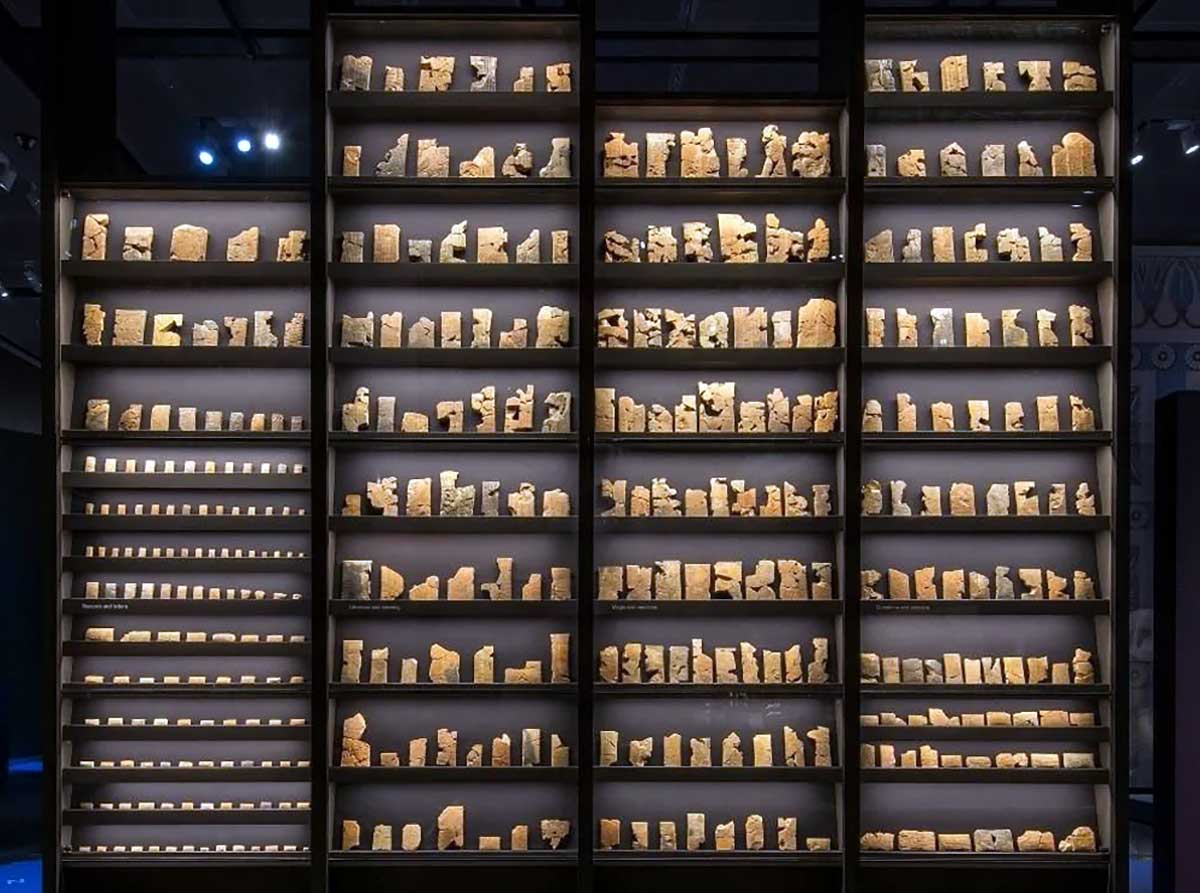
In the 7th century BC, King Ashurbanipal assembled a library of cuneiform tablets at the Neo-Assyrian capital of Nineveh. It is considered one of the world’s oldest proper libraries because tablets were categorized with colophons or tags that indicated their contents, such as government records, omens, or literature, plus the name of the scribe, the title of the series, the tablet number, royal ownership stamps, and curses against theft or erasure.
This was apparently a passion project for the king who, unlike most ancient monarchs, was literate, having trained for the priesthood before the death of his older brother resulted in his unexpected succession. He was proud of his intellectual abilities. In one royal inscription, he boasted that he had mastered the scribal arts and that he had “read the cunning tablets of Sumer and the dark Akkadian language.”
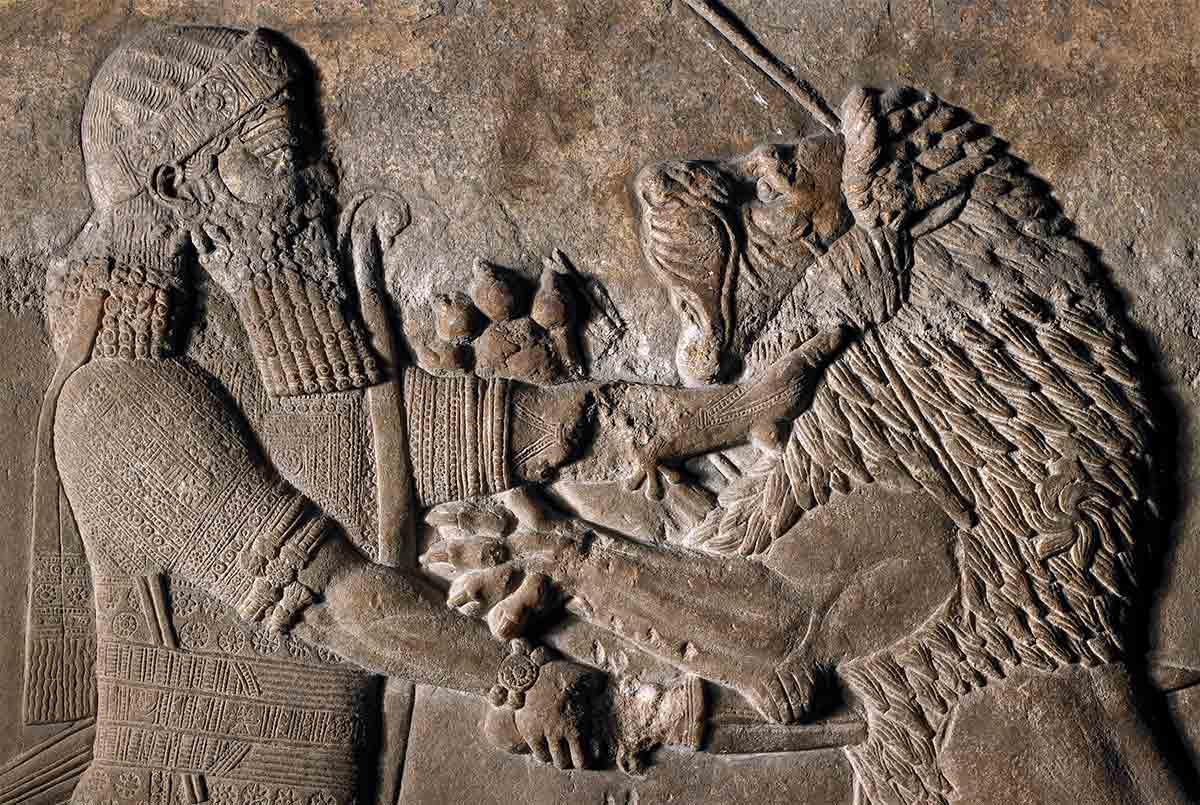
For his passion project, he sought to gather every significant text in the known world under one roof. Therefore, he issued royal decrees commanding that functionaries across Babylon and Assyria seize, purchase, and copy texts for the library. This massive undertaking resulted in royal scribes standardizing spelling and grammar.
Among the treasures in the collection were mythology texts, including a copy of the Epic of Gilgamesh and the Enuma Elish, the Babylonian creation epic. The library also contains a massive series of omens, divination manuals, medical treatises, and, usefully, bilingual dictionaries, sign lists, and grammatical guides for scribes.
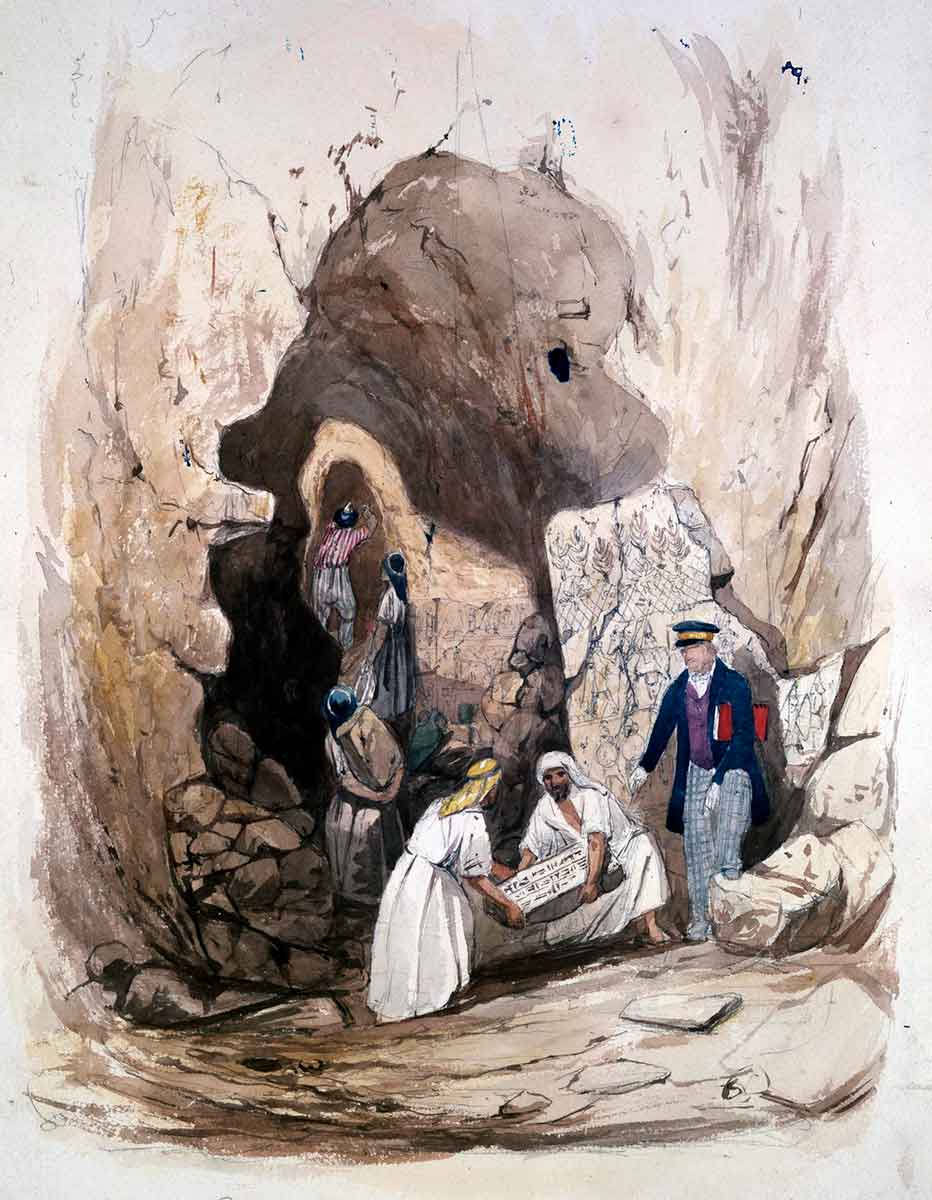
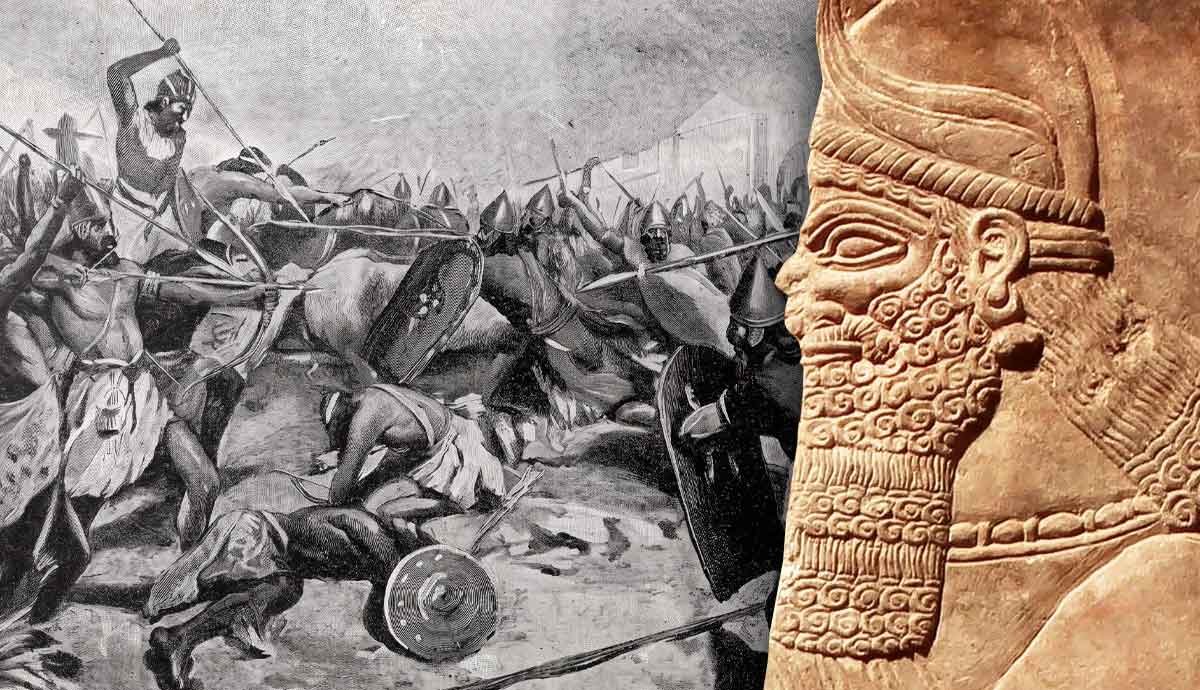
Sadly, in 612 BC, a coalition of Medes, Babylonians, and Scythians sacked Nineveh and set the royal quarter, including the great library, ablaze. But while this would be catastrophic for a library of papyrus or paper, because texts were recorded on clay, the intense heat of the fire baked the clay tablets, turning them into durable ceramic and preserving them for archaeologists to uncover in 1849.
The tablet fragments were shipped to the British Museum, where there is still an ongoing project to piece together, translate, and 3D scan the tens of thousands of fragments to reconstruct the library.
2. The Hattusa Tablet Archive and the Diplomacy of the Hittites
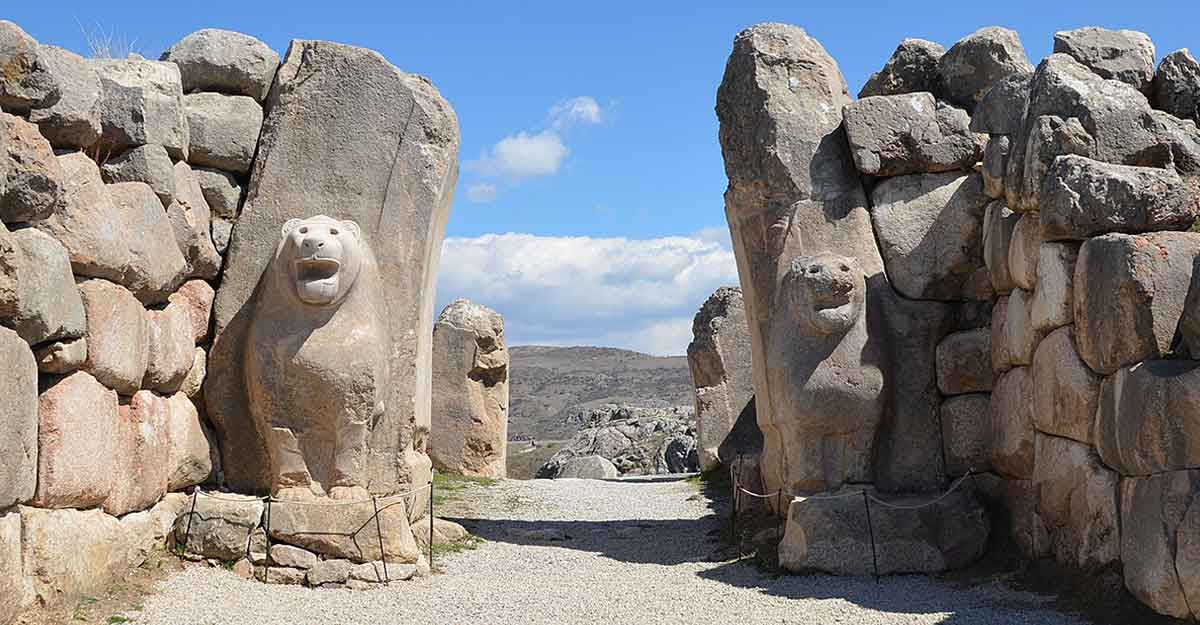
Even older than the Assyrian library was the Hattusa Tablet Archive, which was a vast collection of more than 30,000 cuneiform tablets at Hattusa, the capital of the Hittite Empire in the Late Bronze Age between the 16th and 13th centuries BC. Hittite scribes used Mesopotamian cuneiform to record at least eight distinct languages.
But these tablets were not organized in a single library. Instead, tablets were deposited in various locations around the city. The Royal Citadel had state treaties, royal correspondence, historical annals, and dynastic edicts. The Great Temple had administrative records and religious texts. At the House on the Slope, which served as a scribal school, there were copies of literary and lexical texts.
Tablets had colophons with the tablet number in a series, the scribe’s name, and whether the text was complete. Separate shelf-list tablets served as master library catalogs, providing opening shelf lines, shelf locations, and physical descriptions of damaged or incomplete tablets.
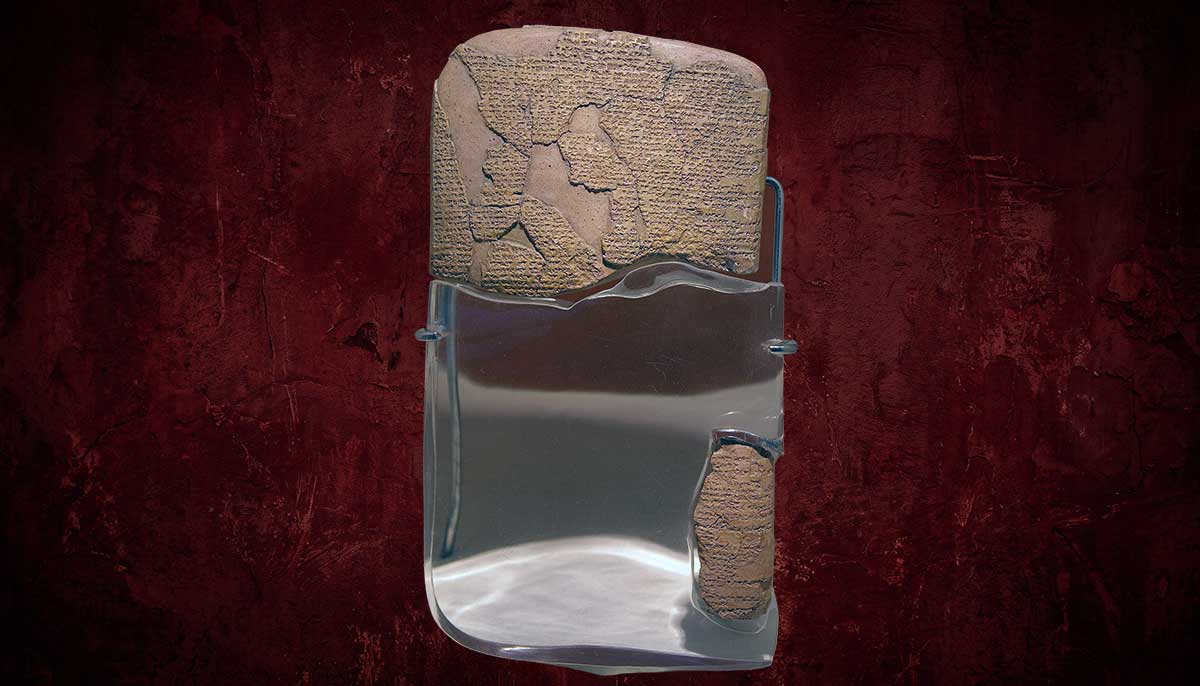
Important documents in the library included the Treaty of Kadesh, the world’s oldest surviving peace treaty concluded between the Hittite King Hattusili III and Egyptian Pharaoh Ramses II following years of conflict over Syria in c. 1259 BC. It also contained the Code of the Neselim, a Hittite law code with 200 clauses, the Kikkuli Text, a comprehensive text on training and conditioning chariot horses, and the Thousand Gods of Hatti, detailed descriptions of state religious festivals, prayers for times of plague, and omen manuals.
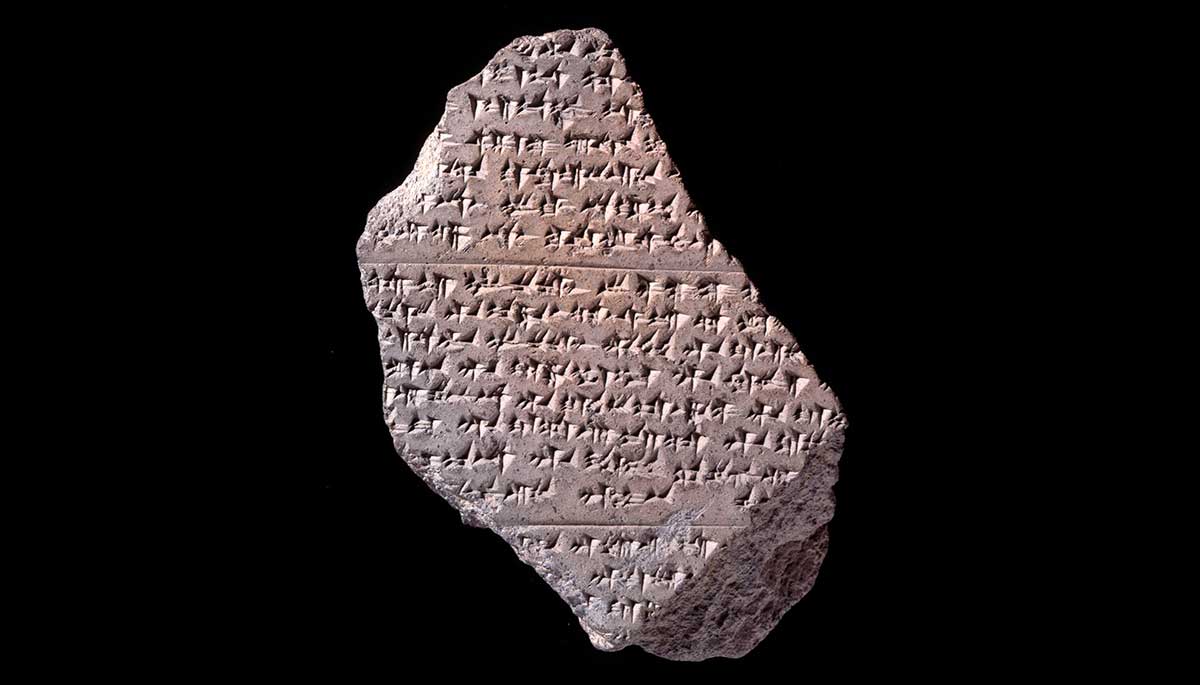
The archive was lost during the Late Bronze Age collapse at the start of the 12th century BC. Hattusa was abandoned, then nearby mountain tribes ransacked the abandoned city and then burned it. The wooden shelves holding the clay tablets burned, and the tablets crashed to the ground, breaking multi-page tablets into thousands of jagged sherds. But just as at Nineveh, the fires cooked the sherds, preserving them.
While the site of Hattusa was resettled by a small group of Phrygian farmers in the 8th century BC, and later as a Hellenistic outpost, the settlers never dug deep enough to disturb the Bronze Age layers. The site of Hattusa was discovered by archaeologists in 1834, and serious excavations began in 1906, revealing the lost and broken tablets.
3. The Library of Alexandria and the Dream of Universal Knowledge
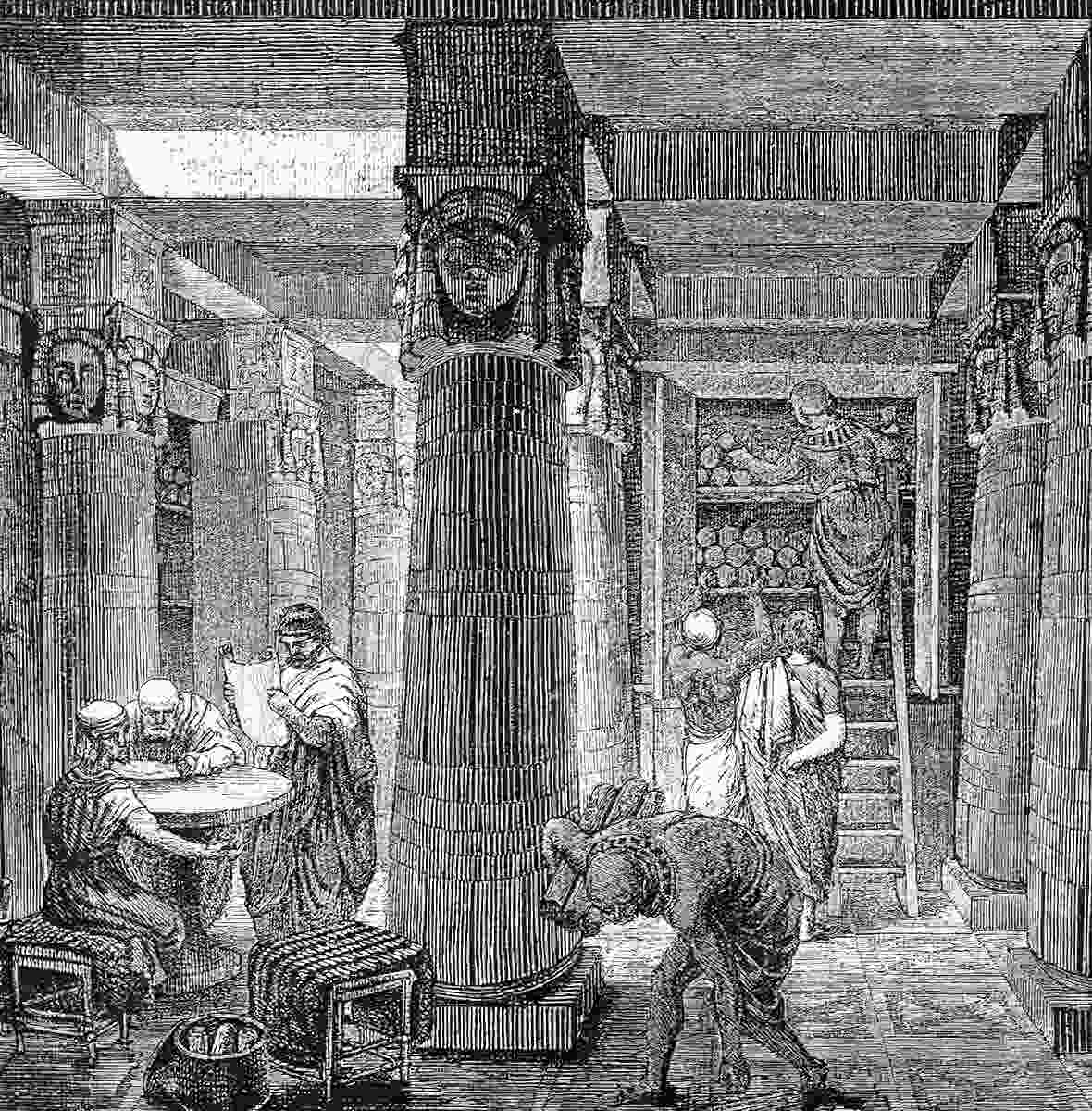
When Ptolemy took control of Egypt following the death of Alexander the Great, he set about making his new capital, Alexandria, a cultural and intellectual powerhouse. This included plans for a great library that would gather all recorded human knowledge under a single roof. Starting around 300 BC, collecting began, building up to a collection of as many as half a million scrolls covering a range of topics from the Mediterranean, Persia, and India.
Ptolemy and his successors pursued an aggressive collecting policy. Under royal decree, every ship docking in Alexandria had to surrender its books. Scribes copied them, gave the copies back to the ship owners, and kept the originals for the library. Ptolemy III famously paid a massive deposit to Athens to borrow its official master copies of the great Greek playwrights, and forfeited the money to keep the originals.
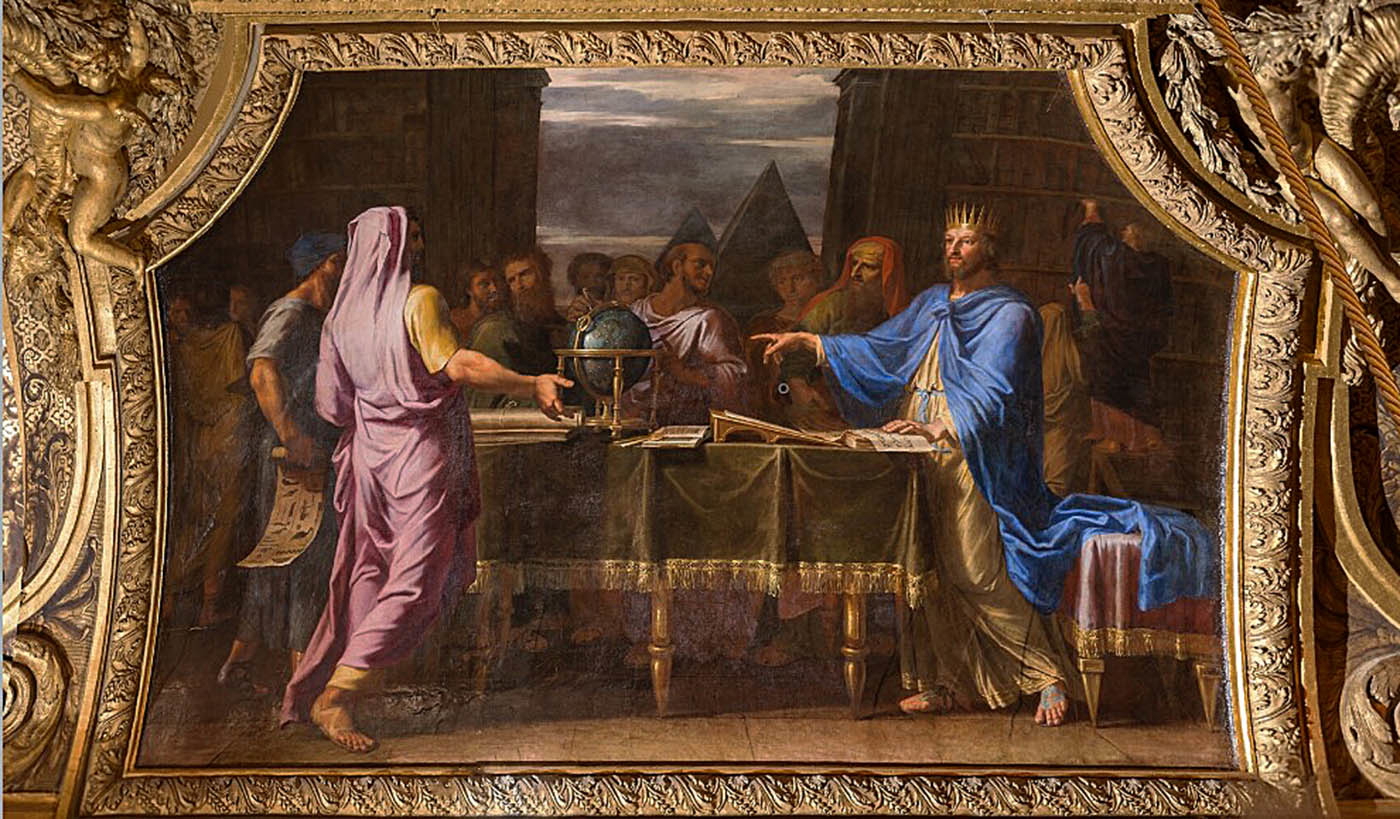
The scholar Callimachus created Pinakes, a 120-volume catalog that categorized texts by genre, author, date, and opening lines. This was the first systematic bibliographic system. The collection held some of the world’s most important scientific texts, including the first-known heliocentric model of the solar system and a map of the human nervous system. Scholars also pioneered textual criticism by cross-referencing different copies of major works like Homer’s Iliad, establishing authoritative editions, and inventing editorial punctuation marks. It was at the library that the Hebrew Torah was translated into Greek.
Located in the heart of Alexandria, the library was vulnerable to world events. During the Alexandrian War of 48 BC, Julius Caesar besieged the city and burned warehouses holding extensive collections, though he did not damage the library itself. The library itself was damaged between AD 270 and 275 when Aurelian fought to reclaim Alexandria from Queen Zenobia of Palmyra. A century later, after pagan worship was outlawed in AD 391, Christians destroyed the Serapeum, a temple that had housed a ‘daughter’ library. Whether the main library still existed by then is unclear. A much later legend claims that whatever remained was burned after the Arab conquest of AD 642, but historians widely reject the story.
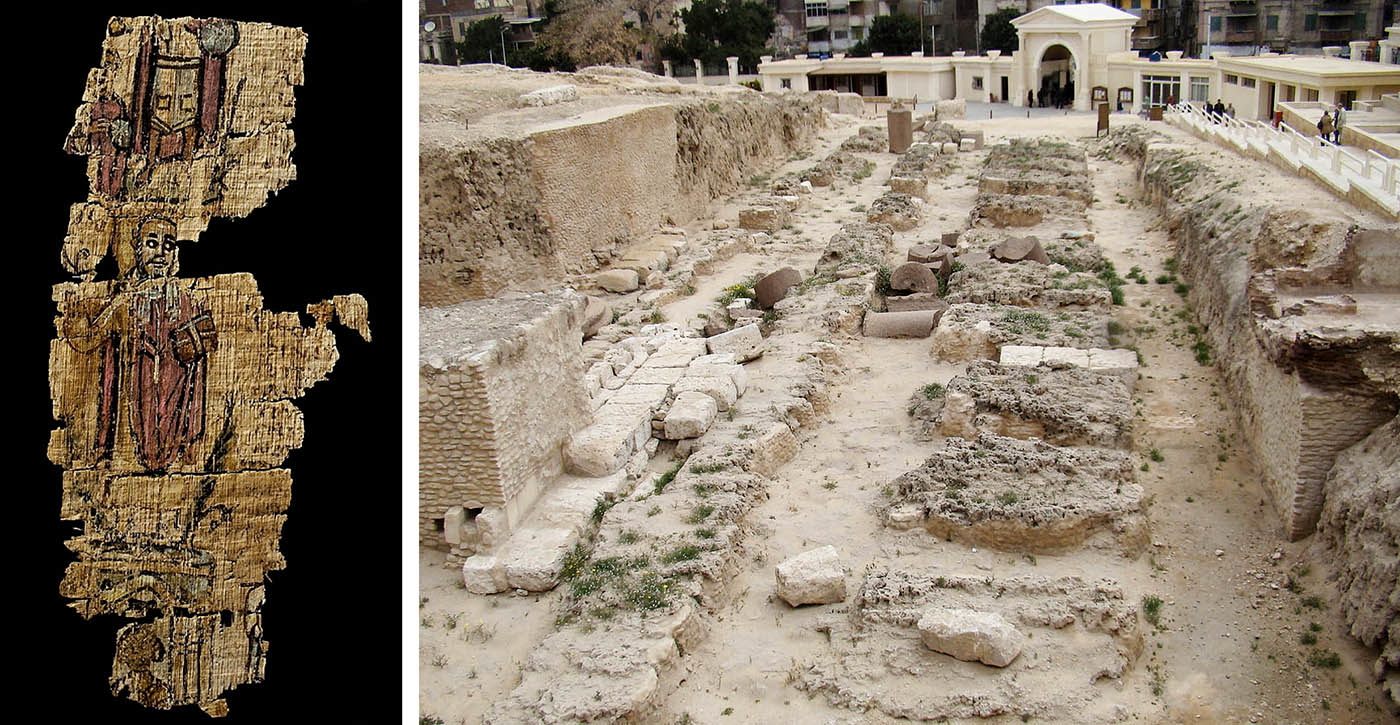
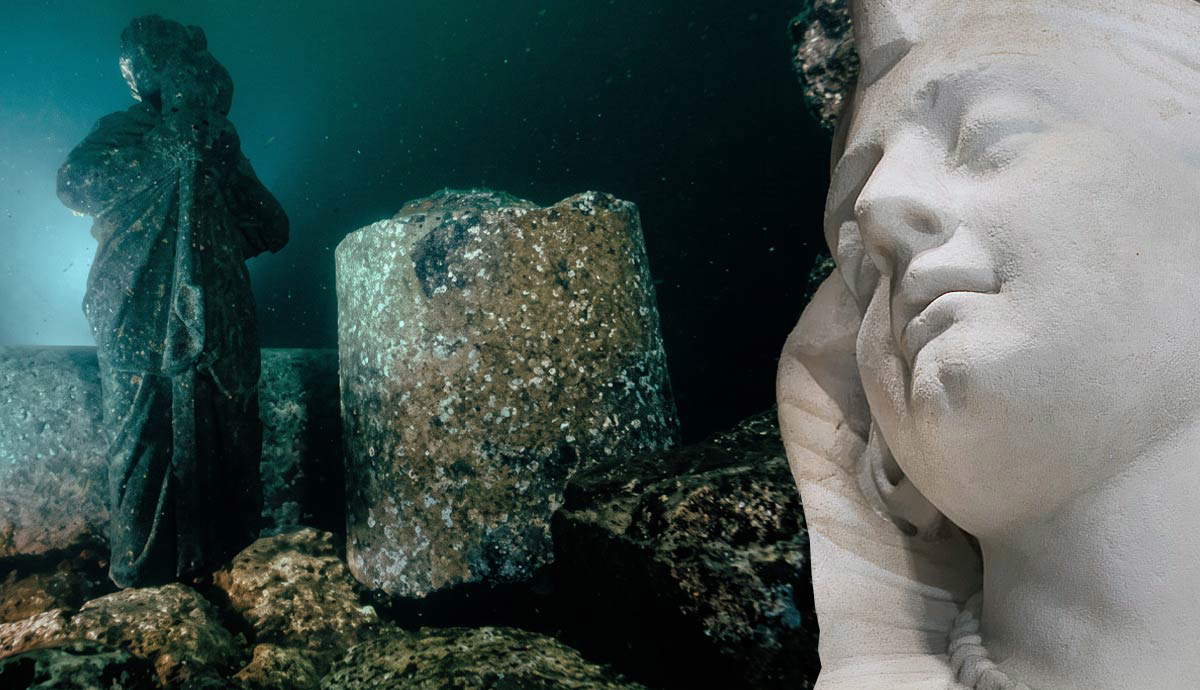
The Library of Alexandria has never been found, as the city has been continuously occupied since ancient times, and the modern city sits on top of the ancient city, making excavations difficult. Moreover, the section of the city where the library probably stood now lies underwater due to earthquakes, tsunamis, and soil liquefaction. Even if the building is found one day, any remaining fragile papyrus texts are probably lost forever.
4. The Library of Pergamum and the Invention of Parchment
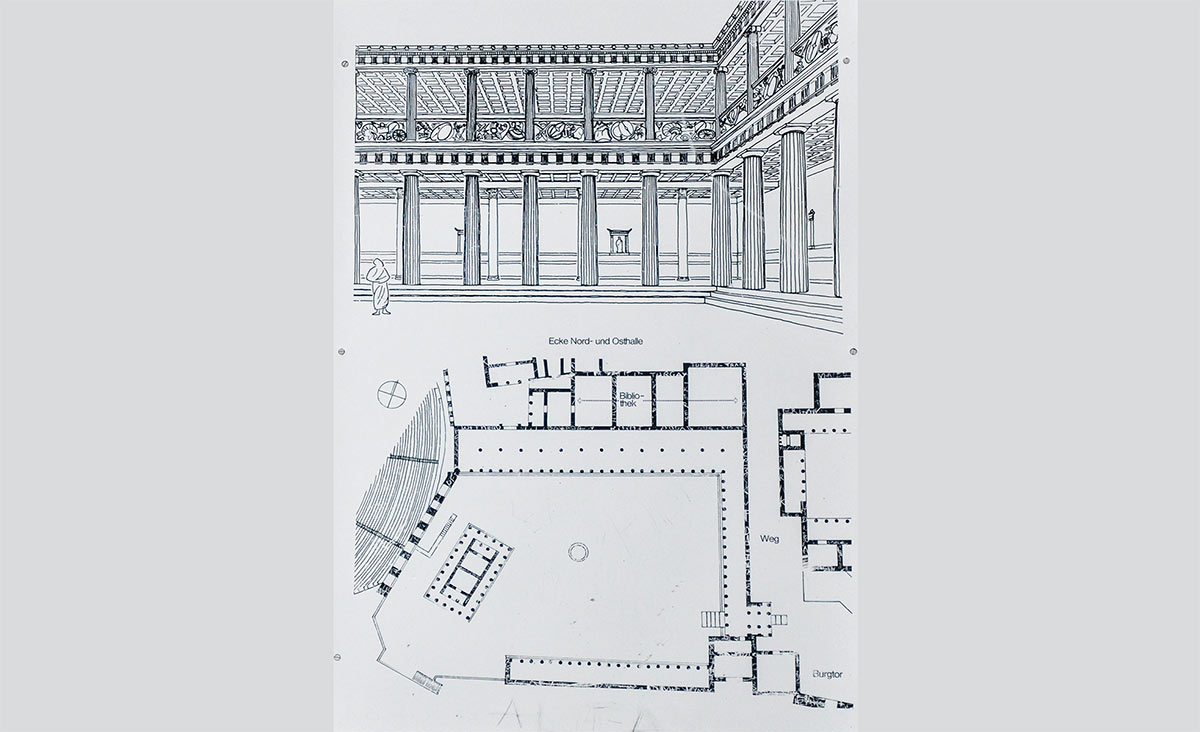
Ptolemy was not the only Hellenistic king to establish a grand library. King Attalus I Soter (241-197 BC) began collecting books in his capital at Pergamum. His successor, King Eumenes II (197-159 BC), then built the physical library to hold the collection.
Remains of this building still survive, standing directly adjacent to the Sanctuary of Athena Polias, placing it within the sanctuary of the goddess of wisdom. The complex had a large central reading room surrounded by several storage rooms. To protect the collection, the architects built a double wall cavity between the interior shelving walls and outer stone structure to ensure circulation.
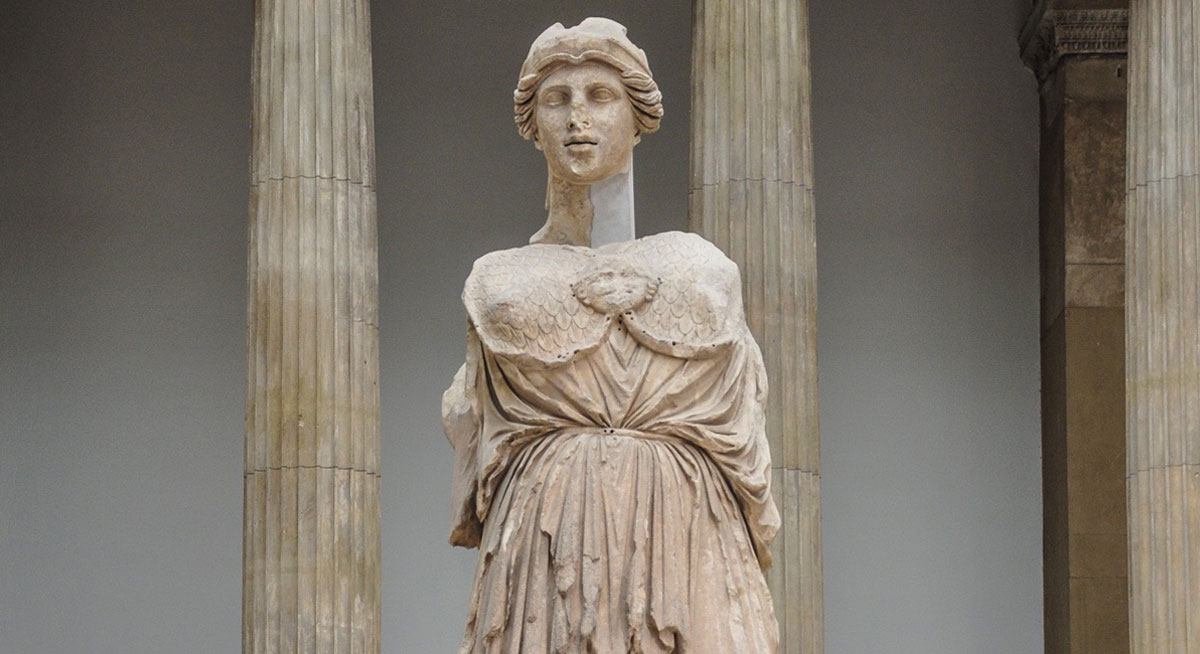
According to Pliny the Elder, the rapid growth of the competing library at Pergamum alarmed the Ptolemies, so they placed an export embargo on Egyptian papyrus to stifle their production. In response, the Attalids developed a process of treating and smoothing animal skins to write on, taking an existing process to an industrial level. This durable material became known as parchment in English.
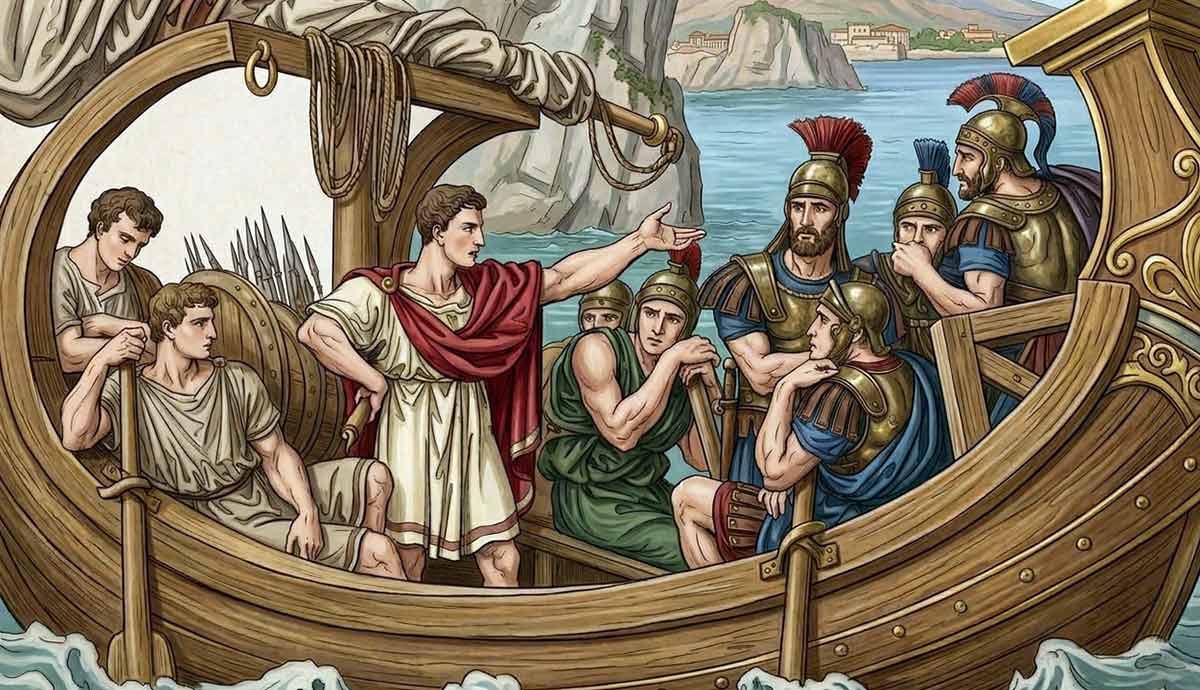
When Attalus III died in 133 BC, without an heir, he left his kingdom to the Roman Republic, and Pergamum became the administrative capital of the Roman province of Asia. Then, around 40 BC, Mark Antony reportedly seized 200,000 scrolls from Pergamum and gave them to Cleopatra as a gift for the library in Alexandria, though modern historians largely dismiss this tale as Augustan propaganda. The scrolls left behind decayed over the centuries with the Roman Empire itself.
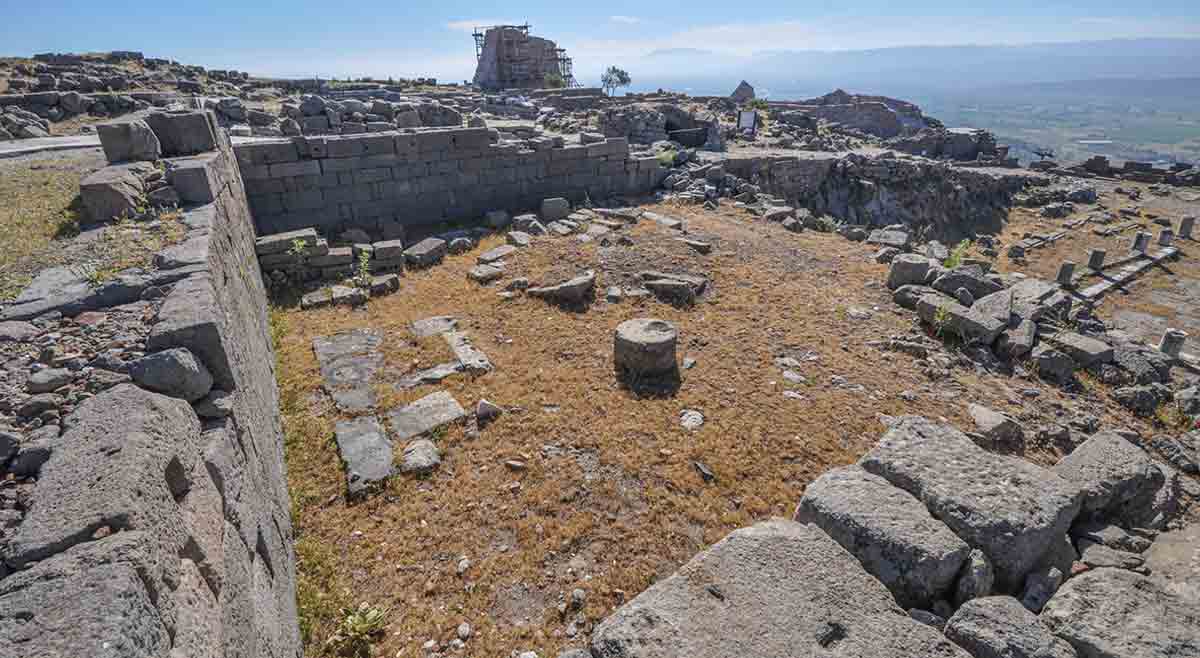
The remains of the library building were found at the end of the 19th century when a German civil engineer, Carl Humann, noticed ancient marble sculptures being burned in local kilns. He alerted German authorities, and excavations in the area began. While the texts have been lost, the building itself is a monument to knowledge.
5. The Library of Celsus and the Architectural Masterpiece of Ephesus
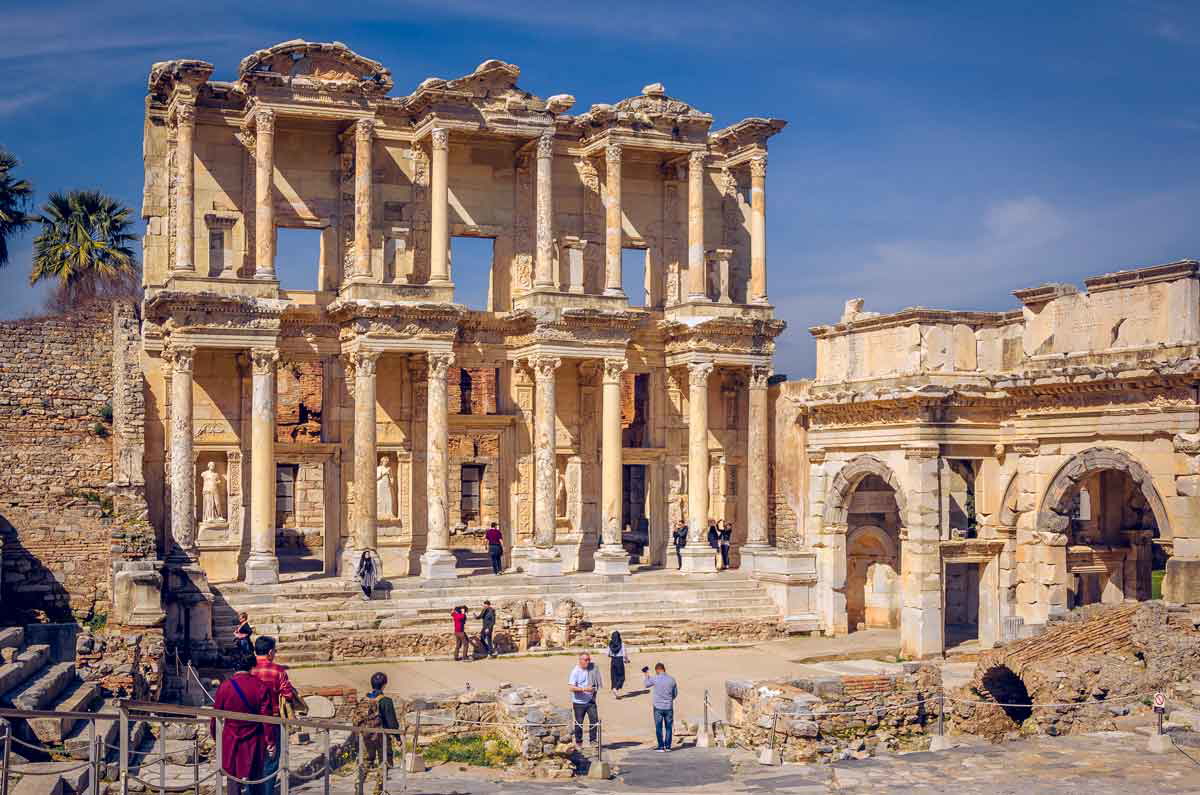
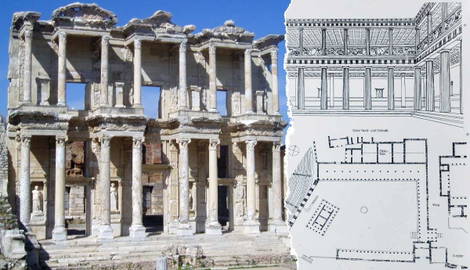
The Library of Celsus in Ephesus was built about several centuries later, between AD 114 and 135, when the region was already part of the Roman world. It was built by the city to honor Tiberius Julius Celsus Polemaeanus, a local who rose to become the first Roman citizen of Greek origin to serve as Roman consul in AD 92 and later served as proconsul of Asia. When he died, his son, another Roman consul, Gaius Julius Aquilia, funded the project and bequeathed 25,000 denarii to purchase books. The library had an estimated 12,000 scrolls.
The surviving façade of the building is considered a masterpiece of Roman imperial architecture in the Baroque style, which blended Greek column orders with Roman facades. The architects designed the façade with intentional optical corrections. The podium and horizontal architraves curve slightly upward toward the center, and the central columns are spaced farther apart and sized slightly thicker than the outer columns, making the building appear wider and more monumental from the narrow street below.
Four niches on the lower façade held statues of Celsus’ civic virtues: Sophia (wisdom), Arete (morality), Ennoia (intelligence), and Episteme (knowledge).
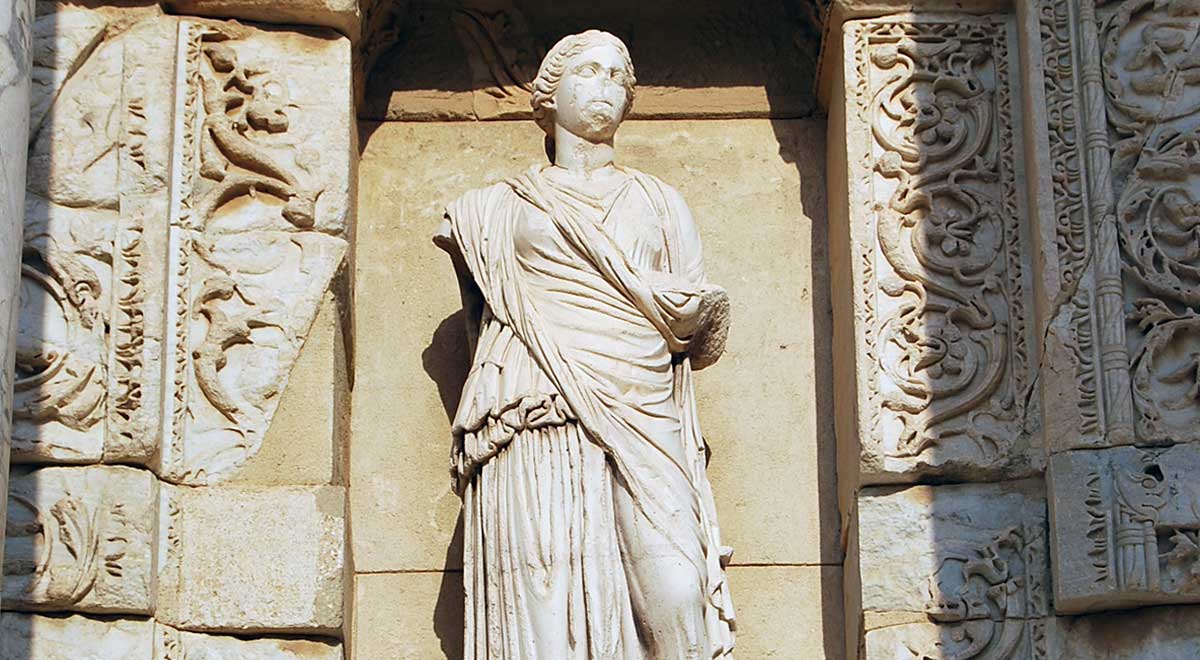
Sadly, the Goths invaded Ephesus in AD 262, destroying the Temple of Artemis. A fire also swept through the library, gutting the interior and destroying the collection. While the façade withstood the flames, in AD 400, the front plaza of the remains was turned into a monumental waterfall. Then, sometime in the 10th century, a massive earthquake brought what was left of the building down. Over time, the remains were buried under layers of silt from the nearby Cayster River and forgotten.
The remains of the building were discovered by Austrian archaeologists at the start of the 20th century. Elements, such as the statues of the virtues, were transported to Austria. But in an eight-year project starting in 1970, the library façade was rebuilt, using the original stone components wherever possible and casting missing structural sections in contrasting modern material.
6. The Ulpian Library and the Heart of Imperial Rome
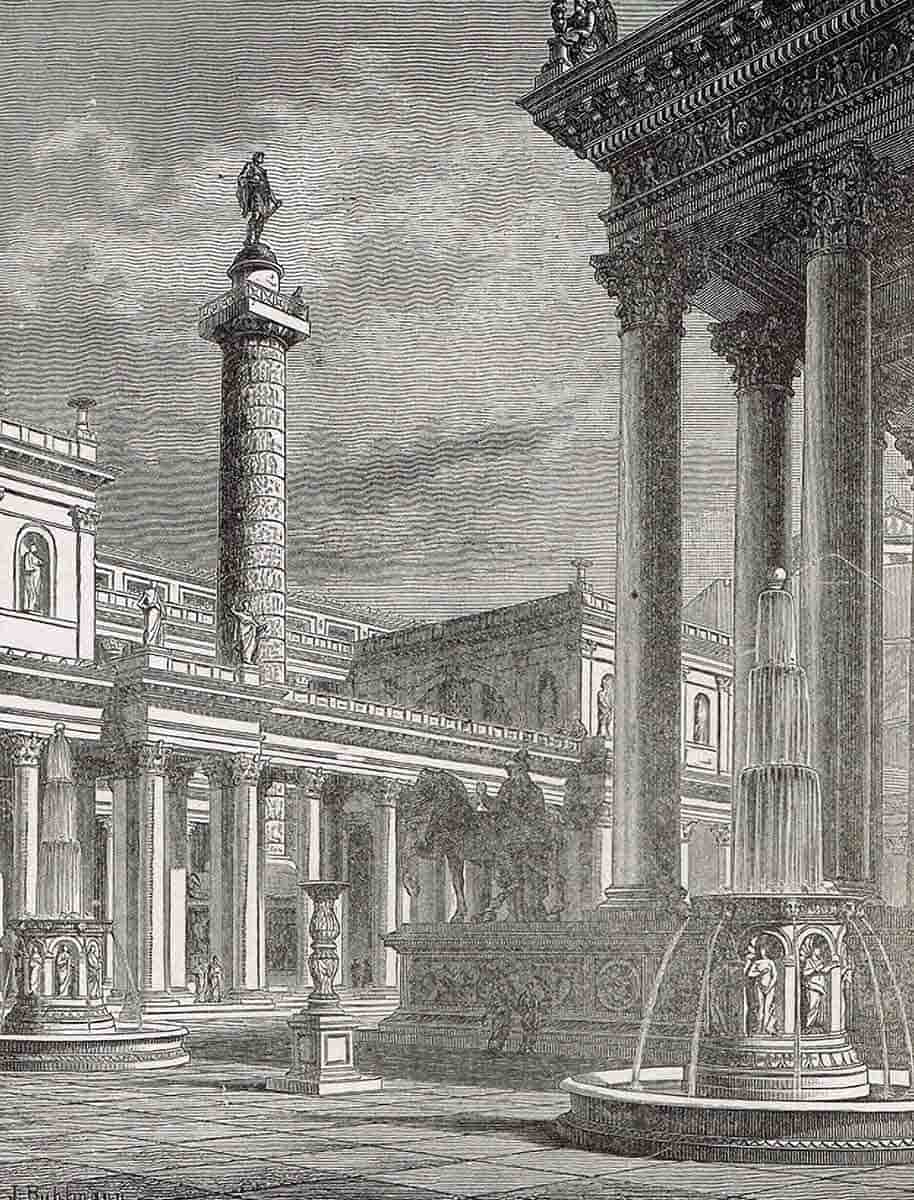
The emperor Trajan built the Ulpian Library in the heart of Rome around AD 112-114 as part of his monumental forum project with the spoils from his Dacian Wars. It became the Roman world’s most prestigious library, especially following the decline of the library in Alexandria. The library reportedly had between 30,000 and 40,000 scrolls and codices.
As well as housing literature and philosophy, the library contained official records including imperial decrees, Praetorian edicts, magistrate lists, and Trajan’s lost military diary, the Dacica. Writing in the 2nd century AD, author Aulus Gellius wrote about consulting rare decrees and ancient commentaries in the library. The Historia Augusta also repeatedly cited the library as a source.
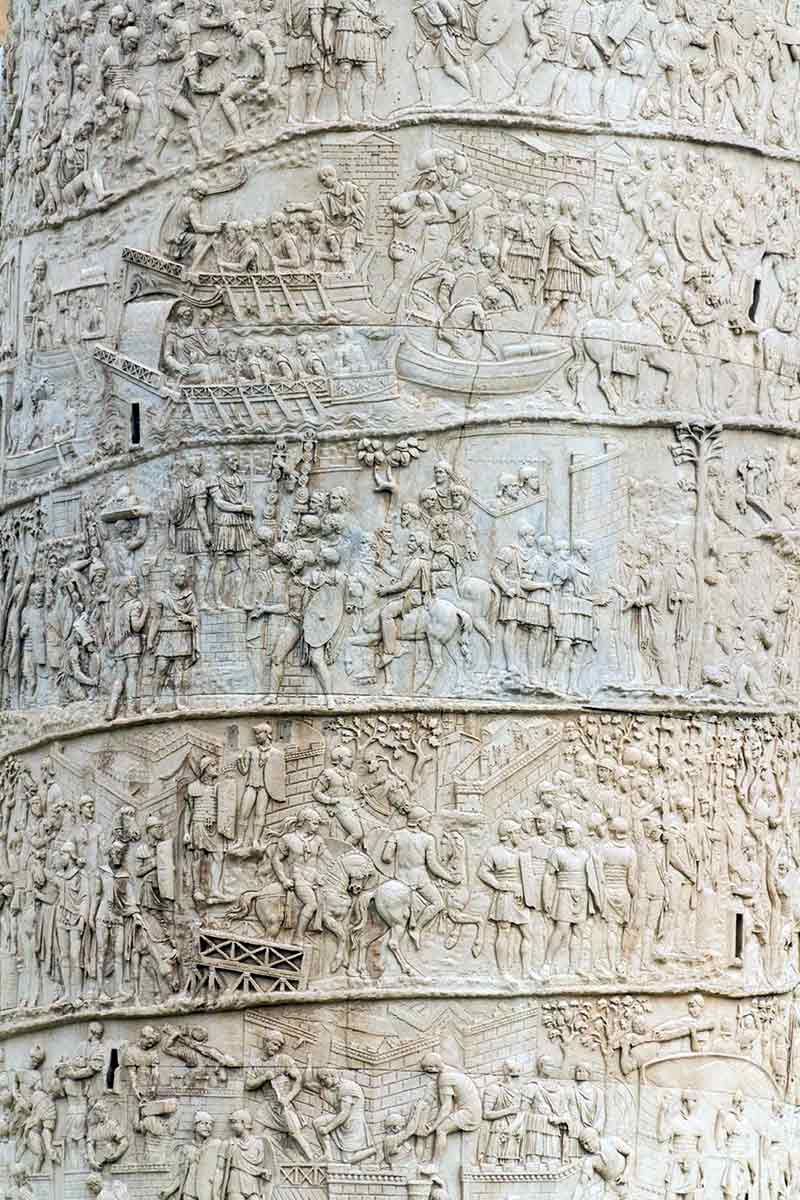
Designed by master architect Apollodorus of Damascus, the library had a two-wing layout, one dedicated to Latin texts and the other to Greek. Trajan’s Column, celebrating his Dacian triumph, stood between the two buildings. The library had viewing platforms so that visitors could follow the intricate helical marble relief of the column that told the story of the wars.
The library continued to function even as Rome lost its importance as the emperor of the West moved his capital to Ravenna, and was then deposed, in the 5th century AD. However, it was damaged during the Gothic Wars (AD 535-554), during which Rome lost what remained of its administrative infrastructure and was left without the resources to care for its public institutions. The contents of the library rotted or were transferred to church monasteries, where they were scraped down and reused as palimpsests.
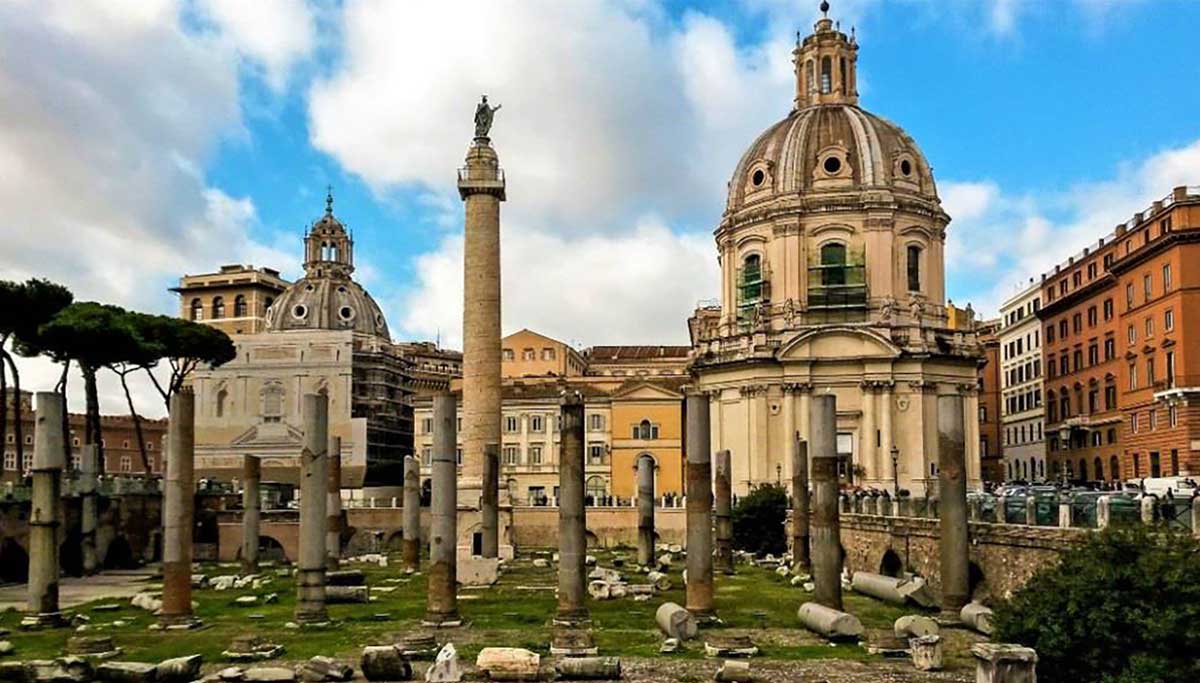
The building was then badly damaged in earthquakes in AD 801 and 847. Then in the medieval centuries, the ruins were scavenged for building materials. Whatever wasn’t taken was then buried under silt, rubble, and new housing. Trajan’s Column remained standing.
Napoleonic excavators occupying Rome uncovered the marble pavement of the library courtyard in the early 19th century. More of Trajan’s Forum was uncovered when Mussolini ordered the construction of his Via dell’Impero in the 1920s and 1930s, but his heavy machinery also destroyed much of what was uncovered. It was only in the early 2000s that proper archaeological work to uncover the remains of the library began.