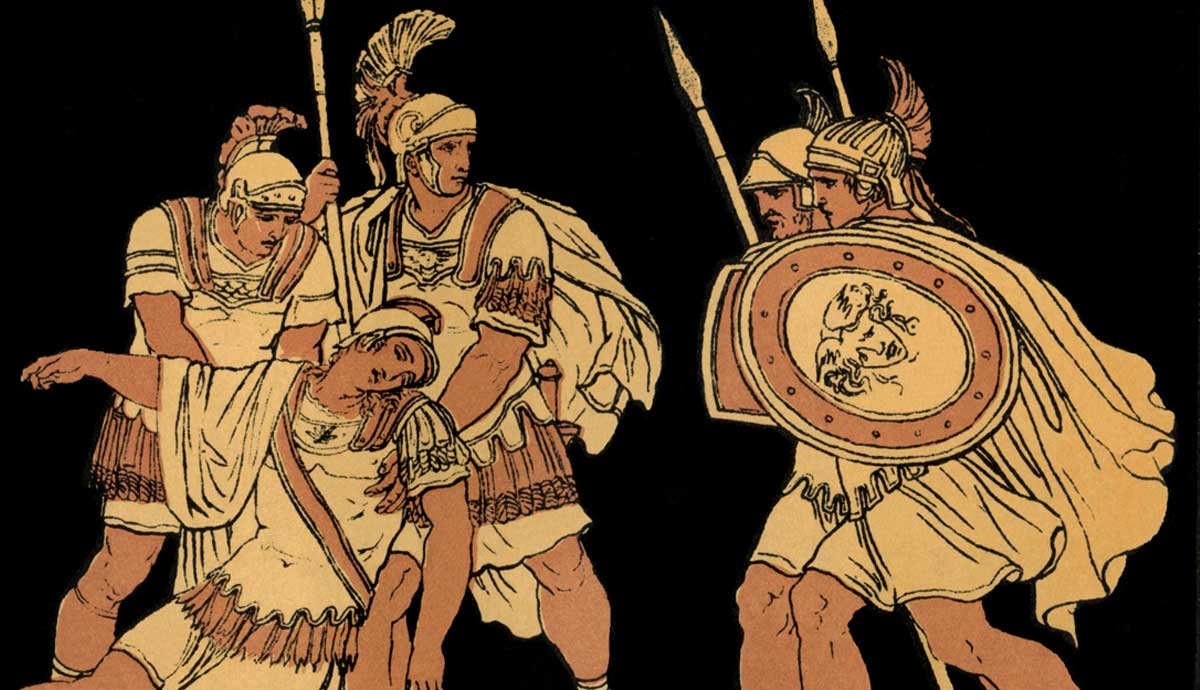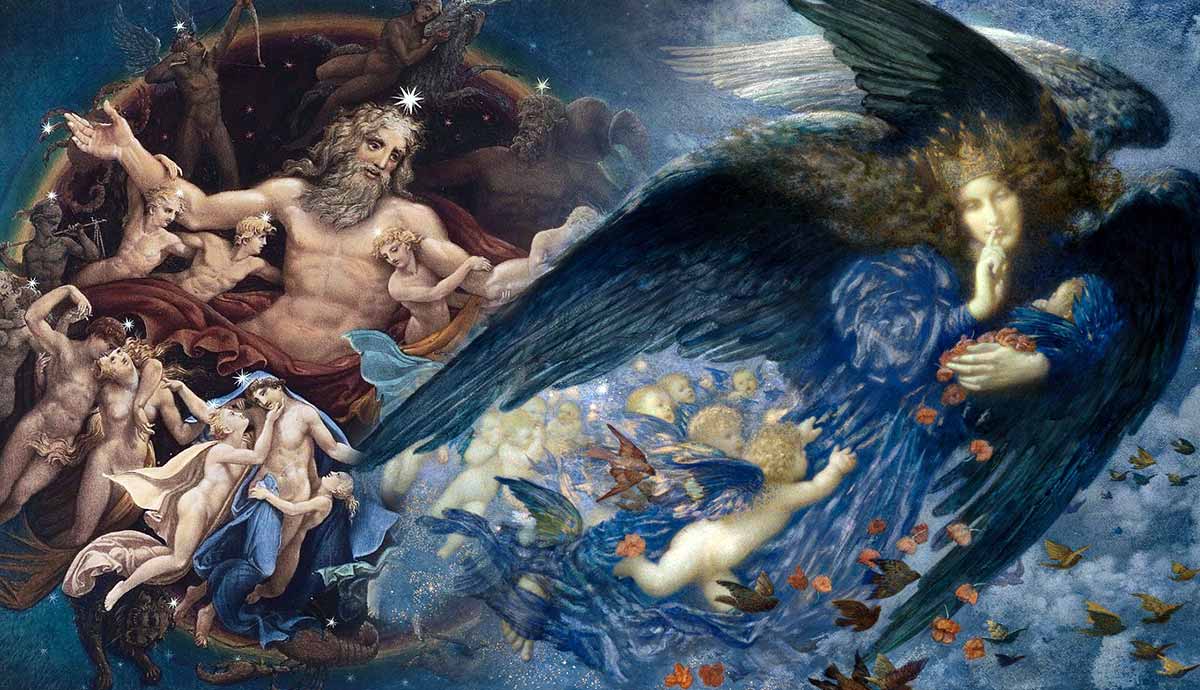
Greek mythology is full of fascinating stories about powerful gods with surprisingly human flaws, heroes who overcome the odds to defeat terrifying monsters, and mortals who suffer the consequences of their hubris as they try to rival the divine. Together, they form a rich tradition that has inspired many modern works of art, fiction, and fantasy.
There is no single compendium of Greek mythology. It is based on a rich oral tradition, with some stories and titbits recorded, often inconsistently, in various sources that survive from the Greek and Roman worlds. Nevertheless, hundreds of stories have survived to the modern day. With so many fascinating myths to explore, it can be hard to know where to start.
This article collects 35 of the most famous and important stories from Greek mythology that everyone should know. They have been chosen because they are among the most retold in the sources, suggesting that they were among the most popular in ancient times, or they form part of the main backbone of Greek myth from which other, less fundamental stories branch out. This article offers short summaries of each story, but you will find links to more in-depth analysis across our site.
Creation and the First Gods
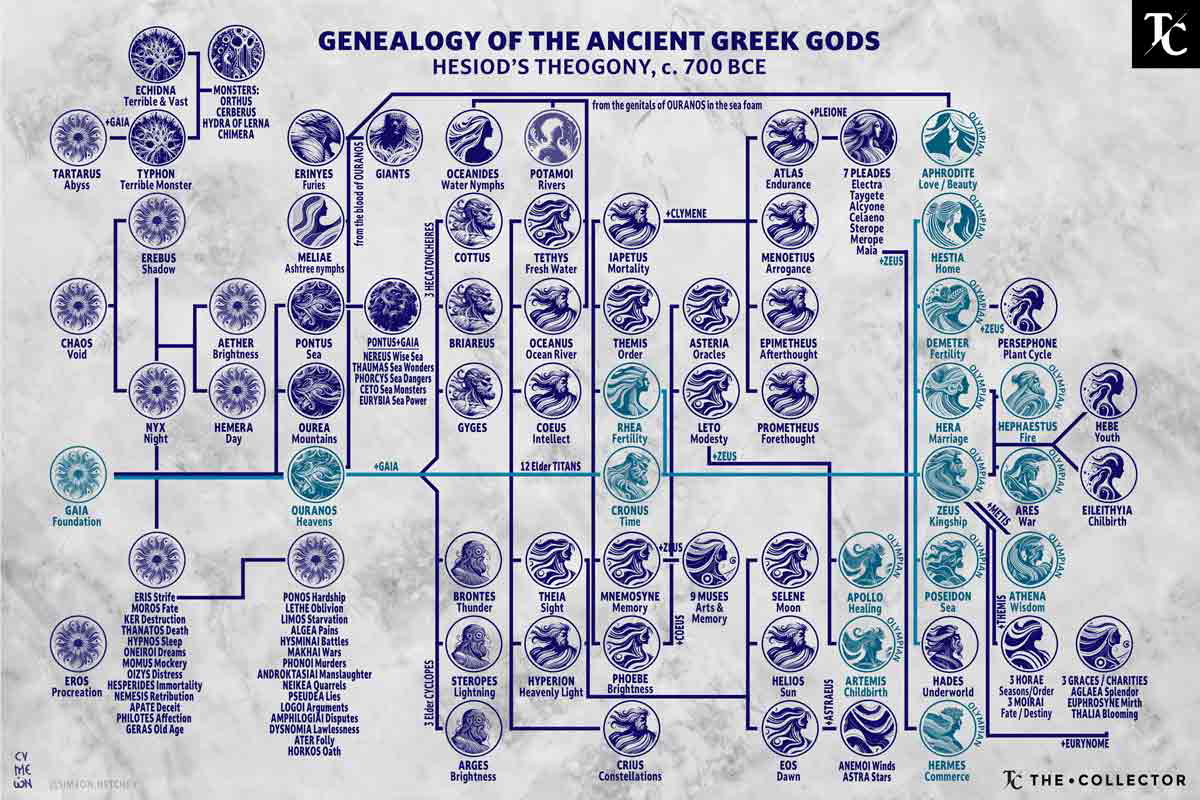
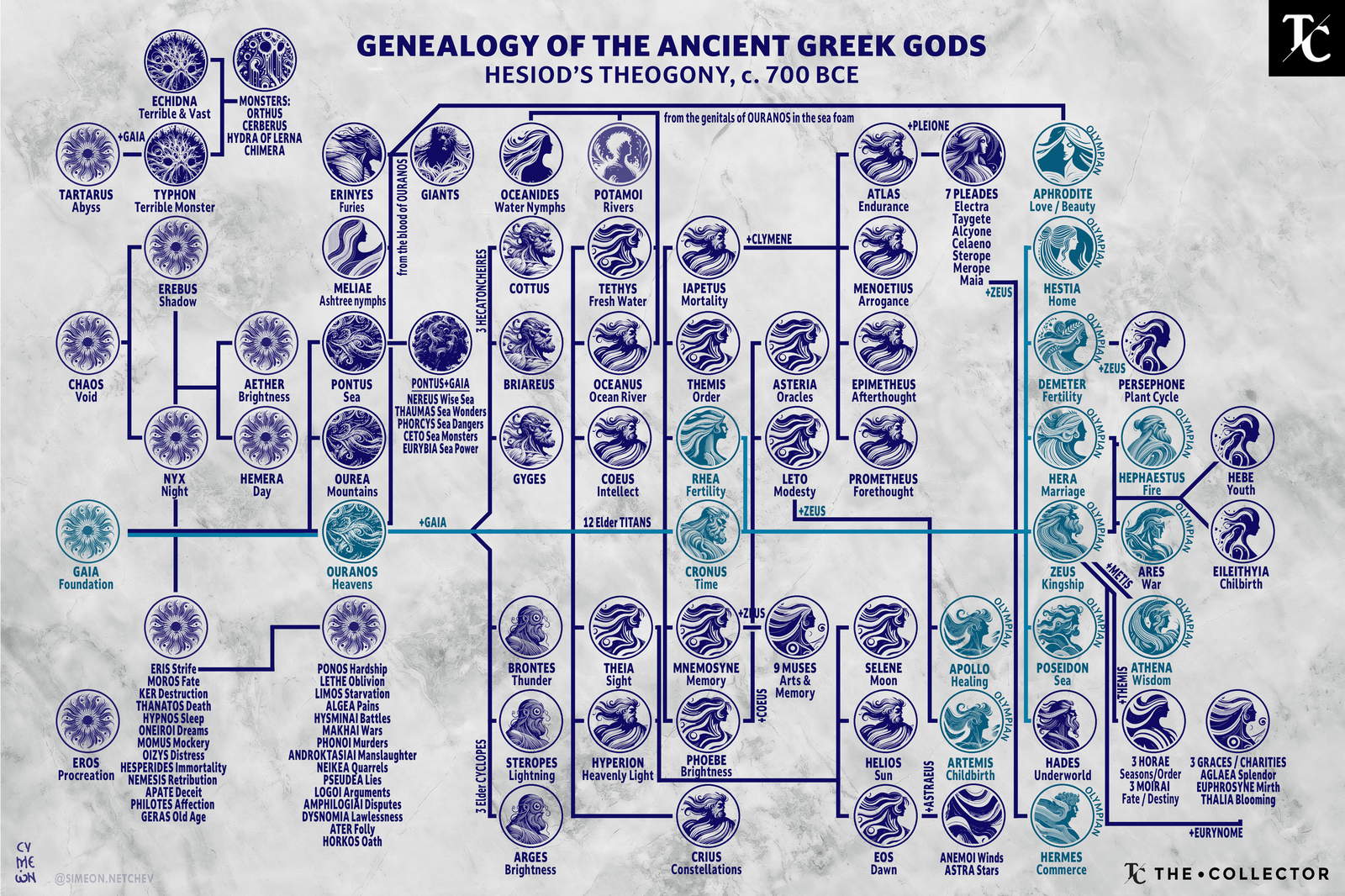
As is the case with many mythologies, Greek myth starts with the question of the origin of all things, including the gods themselves. There is more than one version of the Greek creation myth, but Hesiod provides the most complete account in his Theogony, with other sources, such as Homer, providing additional or contradictory details.
1. The Greek Creation Myth and the Primordials
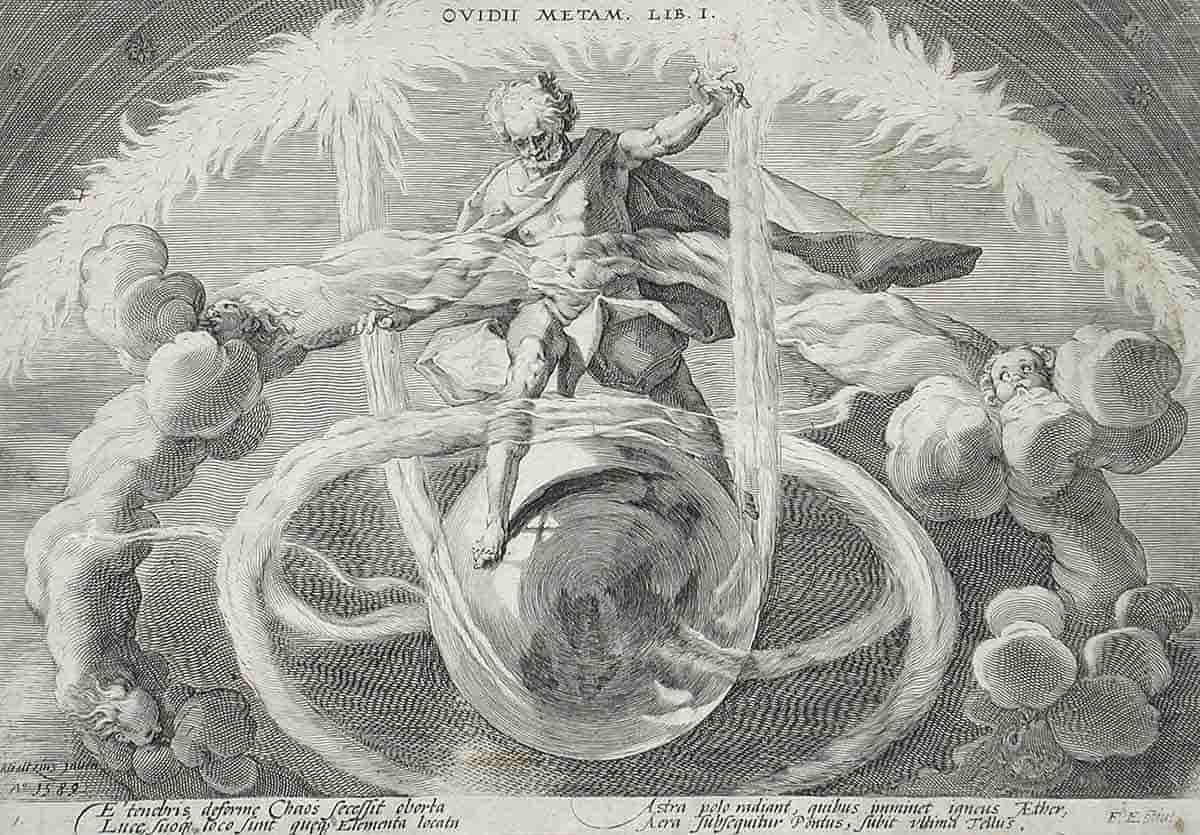
In the beginning, there was Chaos, the primordial water. From Chaos emerged primordial beings, including Gaia (Earth), Tartarus (the Underworld), Eros (Desire), Erebus (Darkness), and Nyx (Night). These primordial gods gave birth to other important primordial beings, including Hemera (Day), Uranus (Sky), and Pontus (Sea). As personifications of the natural elements, they formed the world as the Greeks knew it.
2. Rise of Monsters
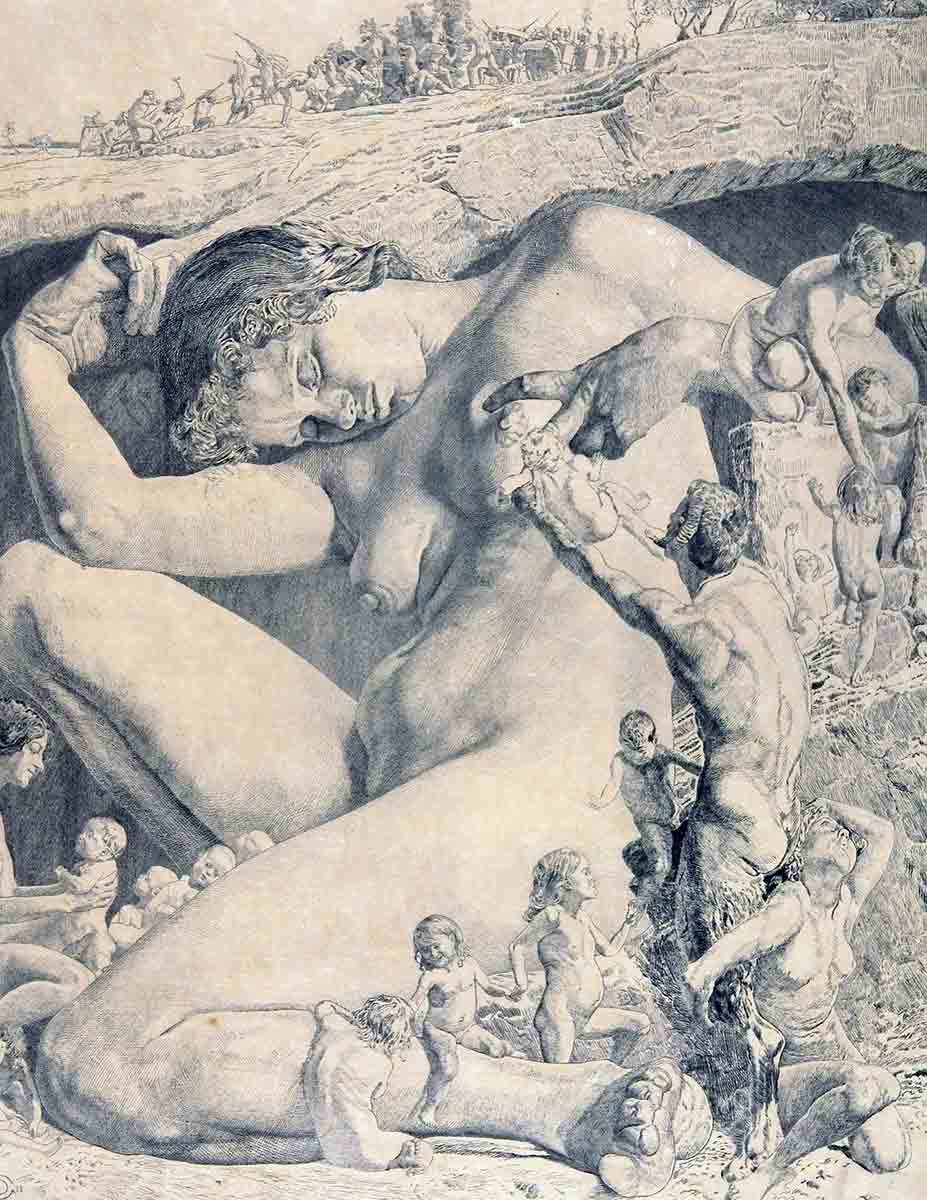
While many primordial beings begat one another, the most prolific pairing was Gaia with her son Uranus. Together, they gave birth to the twelve Titans, six male and six female. Among the most prominent were Oceanus, the Titan of the sea and water, Rhea, the Titan of fertility, and Cronus, the Titan ruler of the universe. They are described as taller than the mountains they used as thrones.
Gaia and Uranus also gave birth to a group of monstrous children, three one-eyed Cyclopes and three monstrous Hecatoncheires, each with 50 heads and 100 arms. These children so disgusted Uranus that he threw them into Tartarus, an underworld prison.
3. Overthrow of Uranus
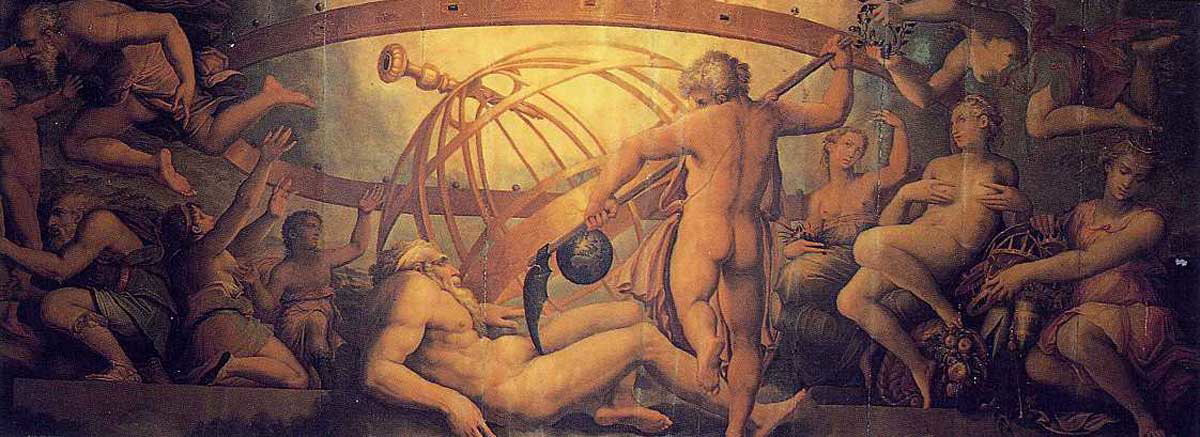
Gaia was upset by the treatment of her children, so she approached her Titan children to attack Uranus with a sickle, the first weapon ever created. Her youngest son, Cronos, took up the challenge, castrating his father. In some versions of the myth, his genitals fell into the sea, creating sea foam from which the goddess Aphrodite emerged (other myths make her a child of Zeus). Cronos then became the leader of the Titans, who took over their father’s place as rulers of the universe.
4. Reign of Cronus
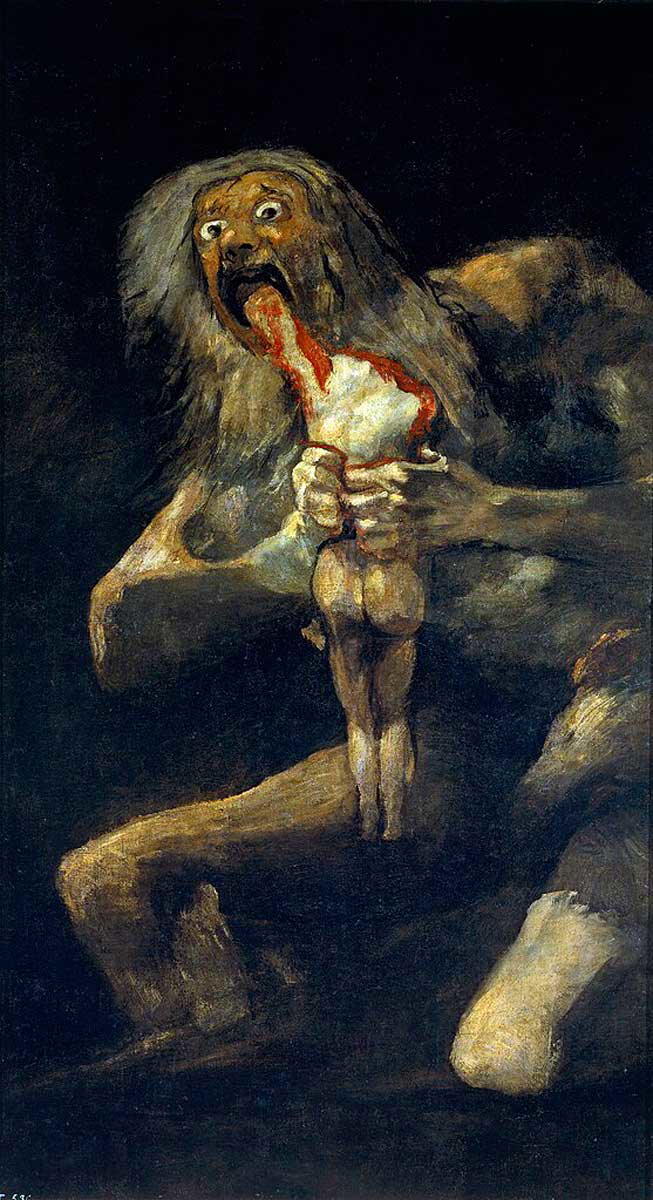
Cronos married his sister Rhea, and the pair took on a serpent-like god called Ophion and a daughter of Oceanus, Eurynome, in a wrestling match to secure their divine rule, throwing the defeated pair into the ocean. Cronos then ruled over a Golden Age of peace, prosperity, and happiness in which the world was full of abundant resources, and people lived in harmony and without burdens.
However, Cronos feared that his children would overthrow him, so as Rhea gave birth to each of his children, he swallowed them, imprisoning them in his own body. He ate Hestia, Demeter, Hera, Hades, and Poseidon. But when Rhea gave birth to her last son, Zeus, she gave Cronos a stone wrapped in swaddling to devour, and hid Zeus away on the island of Crete to be raised in secret.
Rise of the Olympians
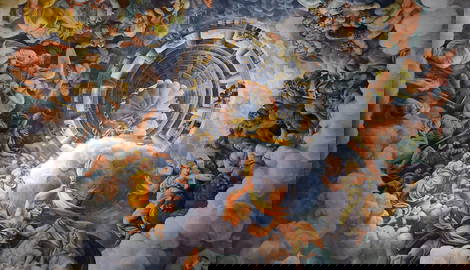
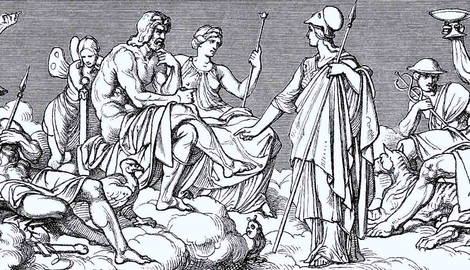
The Olympian gods by Giulio Romano. Source: Palazzo del Te in Mantua
While the Greeks had many myths and stories about the primordial gods, they were not the gods they worshipped day to day. These were the 12 Olympian gods who ruled from Mount Olympus, along with younger deities that emerged after the rise of the Olympians.
5. Titanomachy
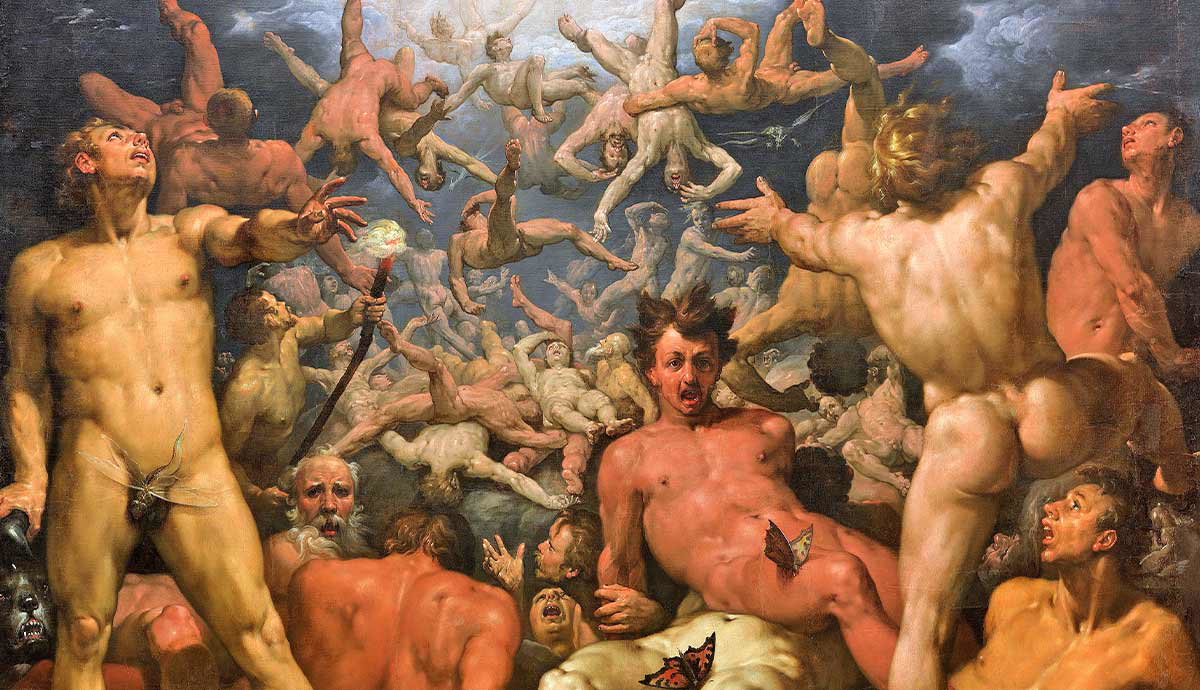
Raised in secret, Rhea helped Zeus save his siblings from his father’s belly, giving him a drink that forced him to vomit up his other children. Zeus and his siblings then freed Gaia’s other monstrous children from Tartarus, and together they battled the Titans for control of the heavens in what is known as the Titanomachy. Taking the standard ten years associated with most Greek mythological wars, Zeus and his allies won.
The three sons of Cronos divided responsibility for the universe between them, with Zeus as the leader and overall governor of the heavens and earth, Poseidon commanding the sea, and Hades ruling the underworld. The Titans who sided with Zeus and his siblings were rewarded and given places among the gods, and those who did not were thrown into Tartarus.
6. The Birth of Athena
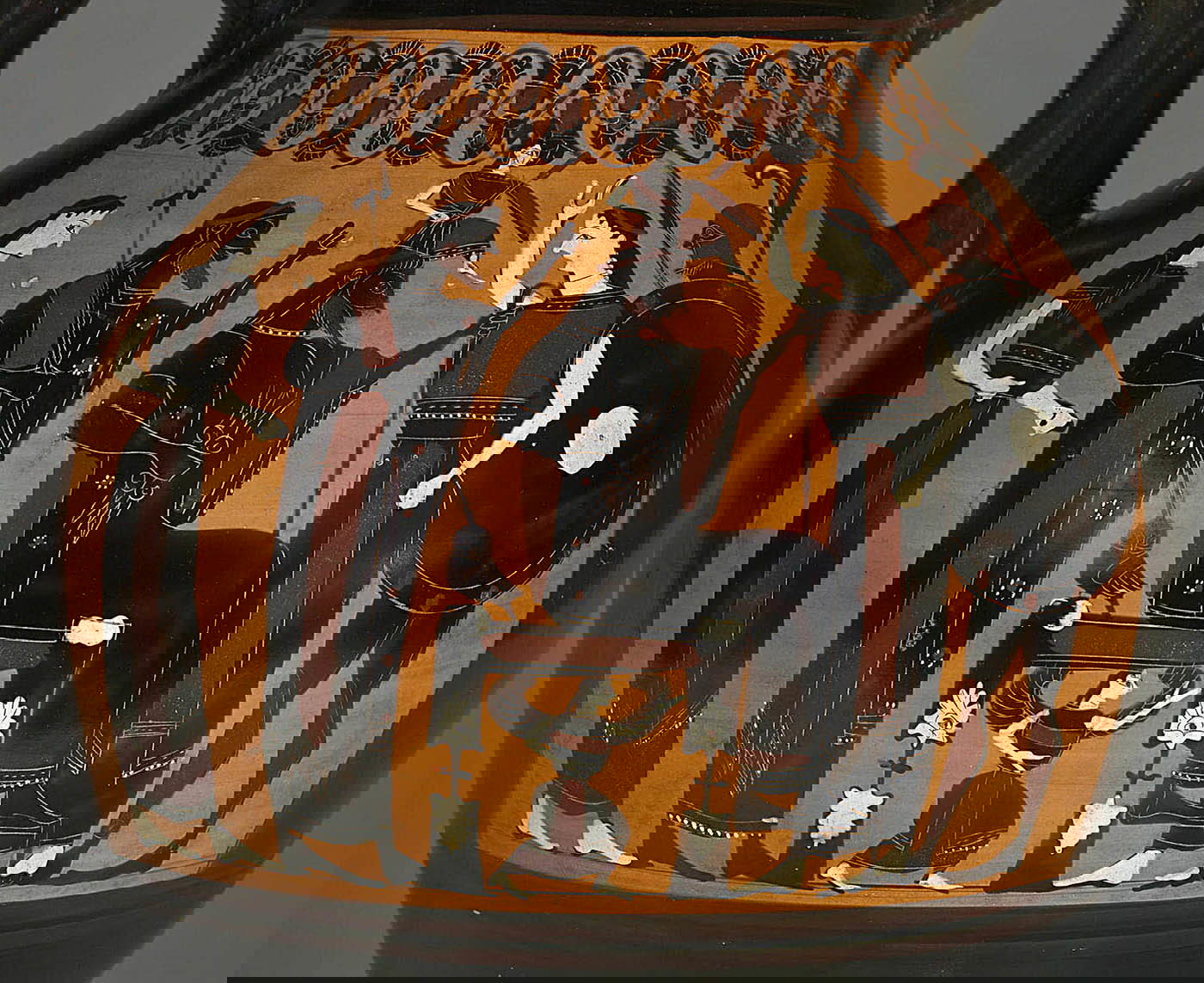
Zeus’ overthrow of Cronos carried on the “Succession Myth,” with Zeus also fearing that he would be overthrown by his child with one of his many wives, Metis (Intellect). To avoid this outcome, when Metis fell pregnant, he tricked her into turning herself into a fly and then swallowed her. But Metis’ pregnancy continued inside Zeus, and she forged armor for her child. This caused Zeus such a terrible headache that he split his skull open, and the goddess Athena emerged fully grown and fully armored. Zeus adored his daughter, and she became one of the most important goddesses, associated with wisdom and war.
7. Birth of Apollo and Artemis
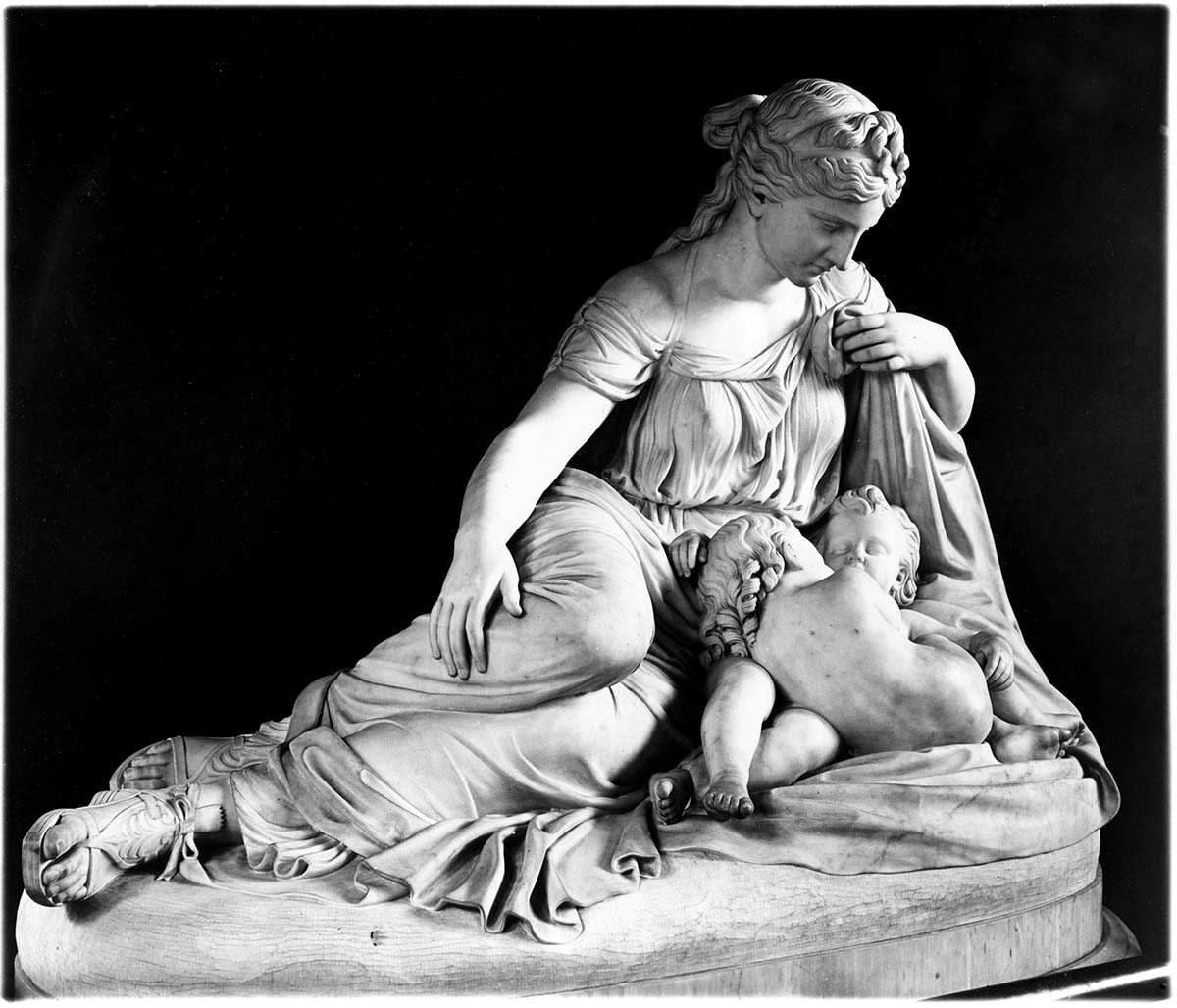
Athena was not the only Olympian god with a harrowing birth story. Zeus later married his sister Hera, but was well-known for his love affairs with other goddesses and mortals. One such affair was with the Titan Leto, who found herself pregnant with twins. Jealous, Hera vowed that she would not let Leto give birth on land, so when she was in labor, Leto had to travel far and wide to find a place where she would be allowed to give birth. After much searching, Poseidon took pity on her and created an island from the sea, Delos, that was not technically considered land, so she could give birth to her twins, Apollo and Artemis.
Hera eventually accepted the twins among the Olympians, and Apollo became a god of the sun associated with the civilized arts, such as music, poetry, and oracles, while Artemis was associated with the moon, the wilderness, and the hunt.
8. The Birth of Dionysus
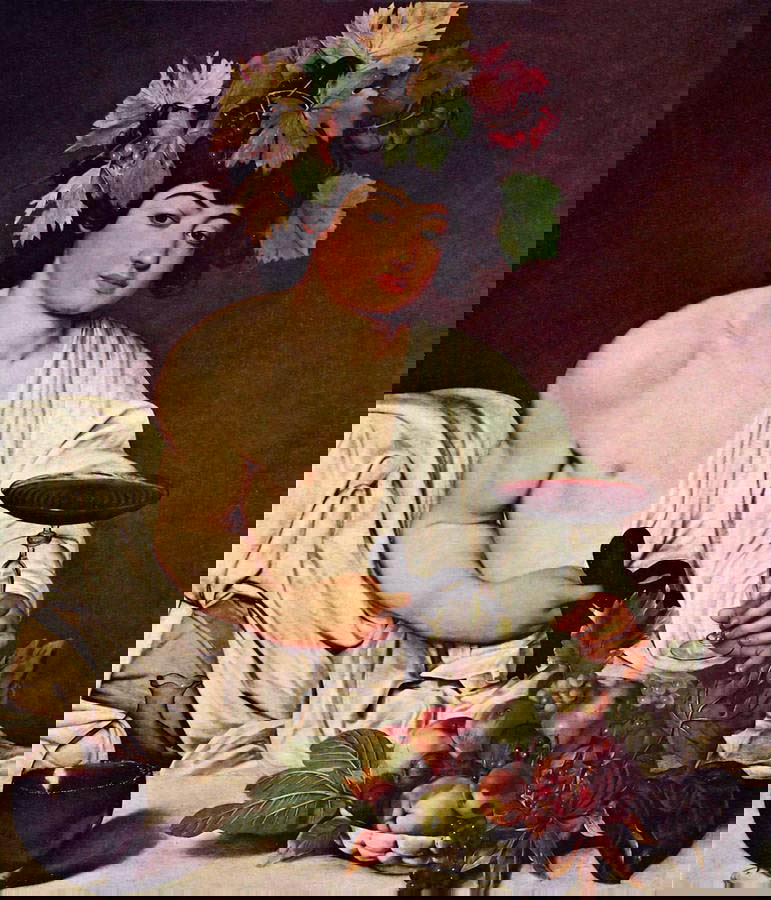
Dionysus has a similar story. Zeus had an affair with Semele, a Theban princess, who ended up pregnant. Jealous, Hera tricked Semele into forcing Zeus to show her his true divine form. As a mortal, she could not handle the sight and burst into flames. The fetus survived, so Zeus sowed it into his thigh to mature. This is why Dionysus is often called “twice born.” He was placed in the care of nymphs and satyrs, wandering across the earth, learning about life’s pleasures and eventually discovering wine. When he returned, Hestia gave up her place on Olympus so that he could become one of the Olympian gods.
9. Hermes Steals Apollo’s Cattle
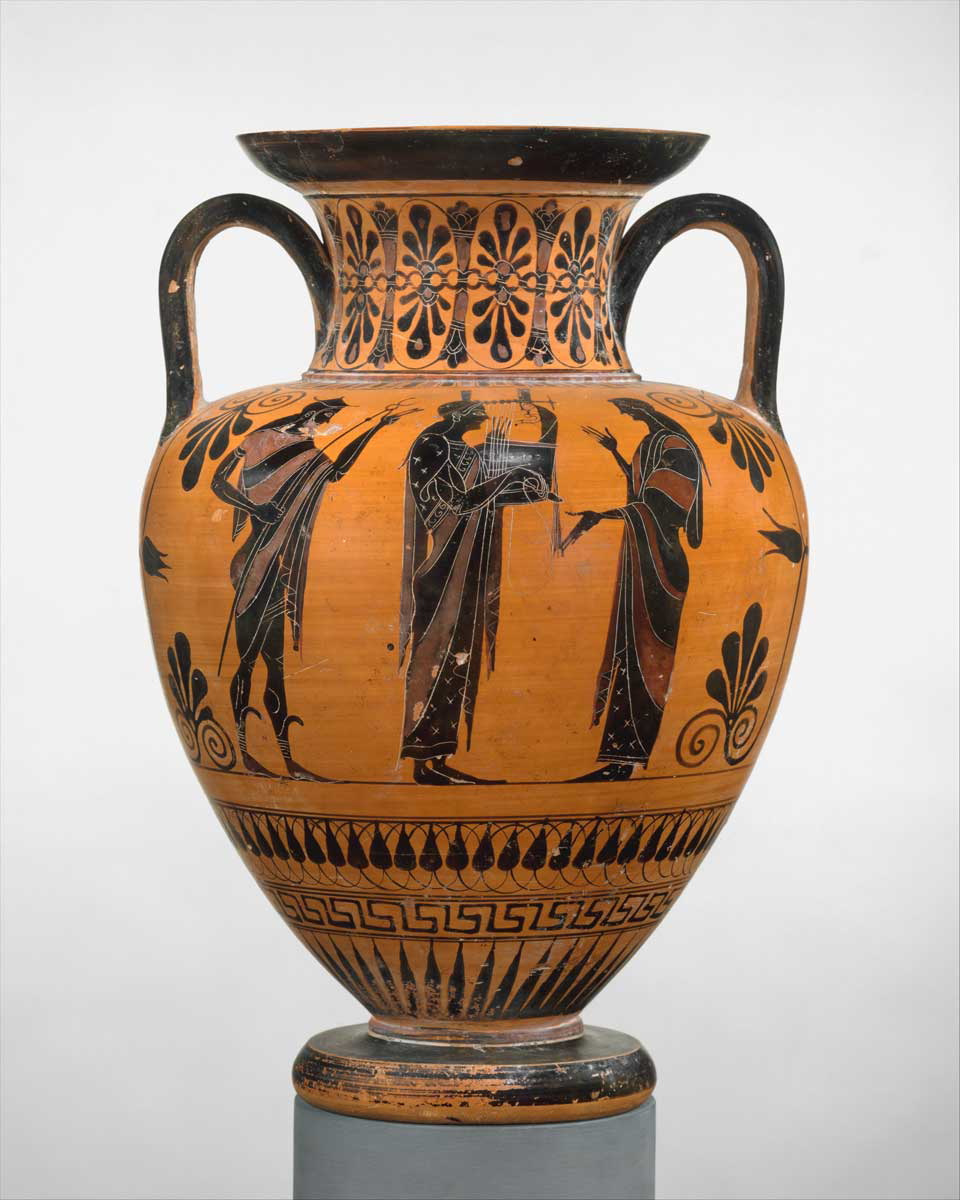
Hermes was another of Zeus’ many children, this time with Maia, a nymph, whom Zeus visited in the dead of night when Hera was asleep. As a baby, Hermes already possessed the ability to walk and talk, and he was a troublemaker. One day, the infant stole Apollo’s cattle, wiping away and reversing their footprints to trick the god. Apollo eventually caught up with Hermes, who denied the accusation, pointing out that he was just a baby. Zeus eventually commanded Hermes to return the cattle, and Hermes also gave Apollo the lyre that he had invented as a gift.
Hermes went on to be the messenger of the gods, easily moving between realms, which also made him the perfect candidate to guide souls into the afterlife.
10. The Abduction of Persephone
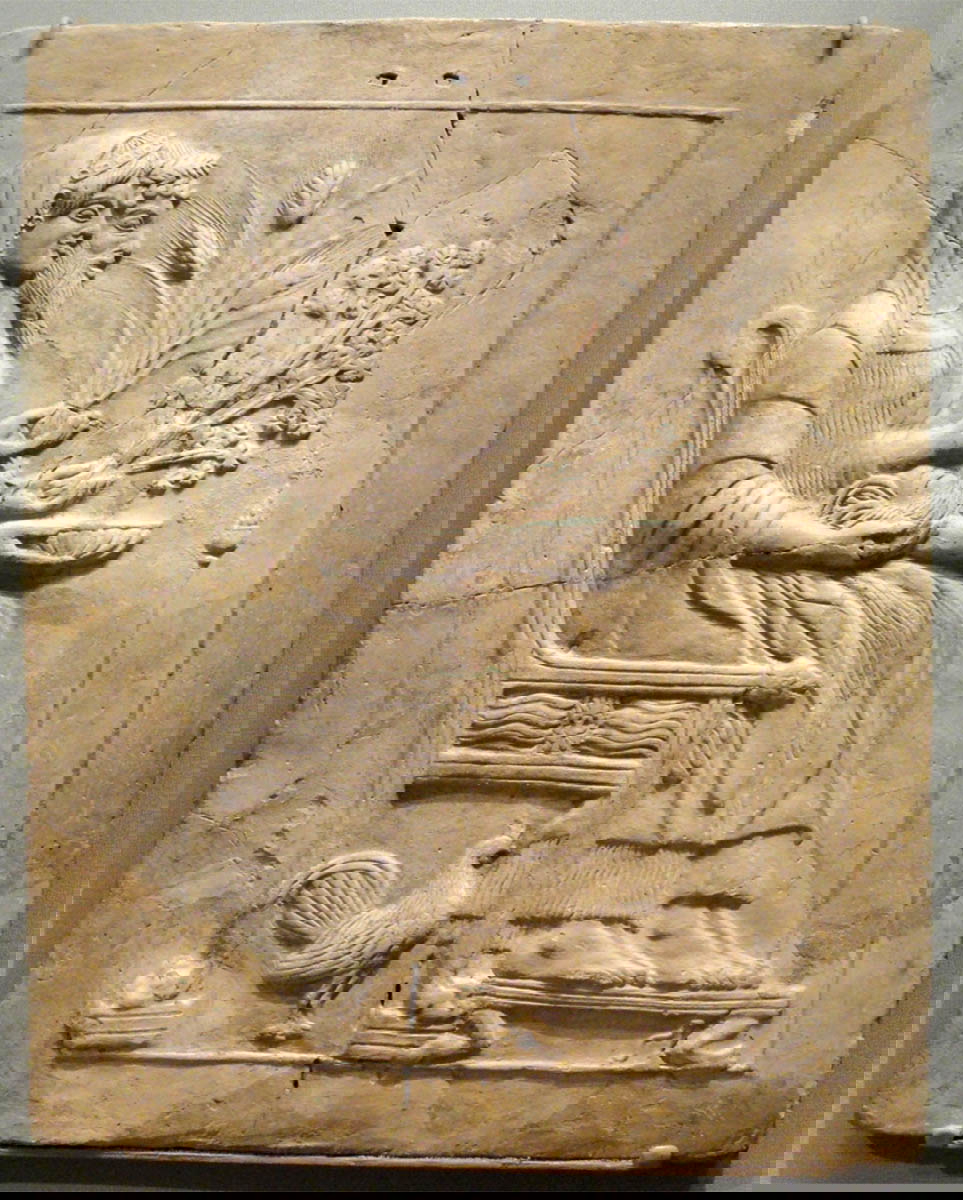
The goddess Persephone was another daughter of Zeus, this time with his sister Demeter. Together, Demeter and her daughter were the goddesses of spring and good harvests. But Hades wanted Persephone for his wife, so he kidnapped her and took her to the underworld. This devastated Demeter, who stopped caring for the earth, leading to famine. While Zeus tried to command her to restore life and fertility, nothing could overcome her grief. Zeus demanded that Hades return Persephone to her mother.
Hades agreed, but before Persephone left the underworld, she ate some of his pomegranate seeds. Once you eat the food of the underworld, you are tied to it, so Persephone could not completely leave the underworld. Instead, she splits her time between her mother and her husband, as queen of the underworld. This explained the changing of the seasons.
Hubris and Divine Punishment
Beyond creation and the origins of the gods, the idea of hubris – excessive pride that usually leads to defying the gods – and divine punishment, were common themes in Greek myth. While these stories also often explained how the world worked, they were myths with moral lessons, many of which informed Greek philosophical ideas.
11. The Deluge
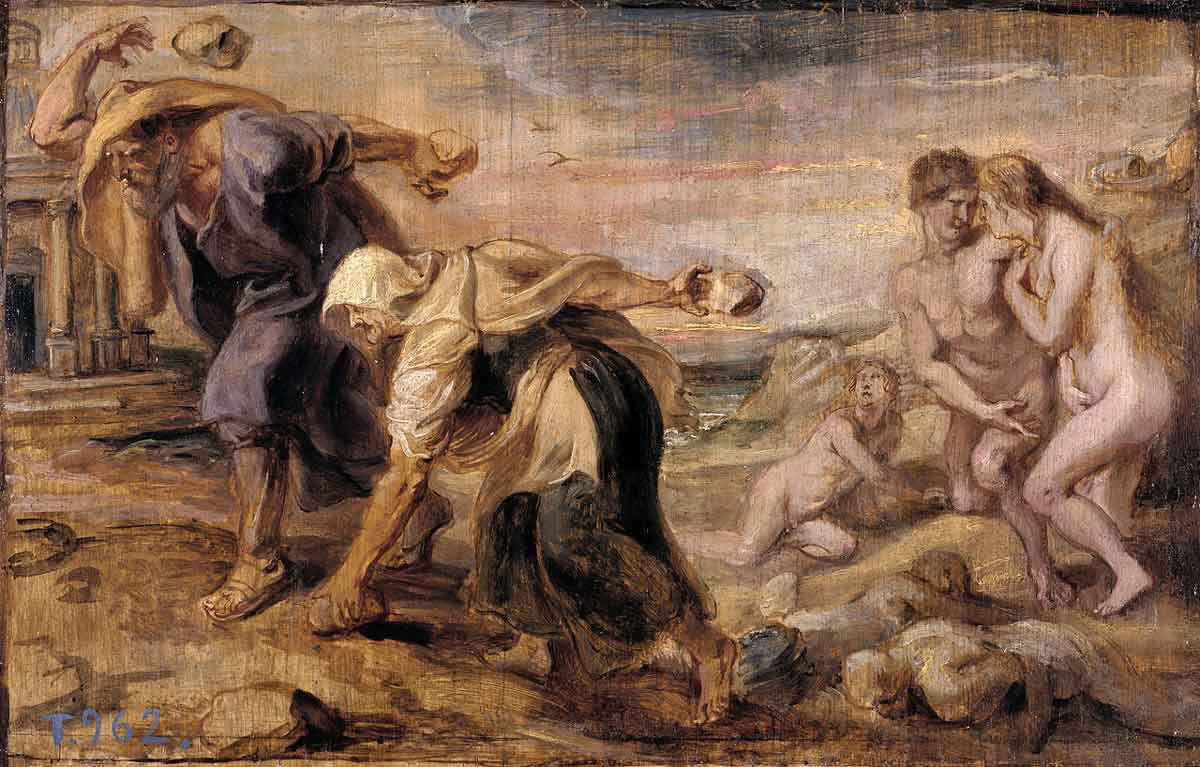
Like so many traditions, Greece has its own version of the great flood myth. Reportedly, in ancient times, Zeus became irritated with the Arcadian king Lycaon, possibly because he killed his own son and served him to the god to see if he would recognize human flesh. Therefore, Zeus decided to send a great flood to kill everyone. The Titan Prometheus warned Deucalion and his wife, Pyrrha, of the coming deluge. They survived in their boat for nine days before the water receded. The pair weren’t expected to repopulate the world the old-fashioned way. Instead, an oracle told them to cover their heads and throw rocks, “the bones of the earth,” behind them, with the rocks thrown by Deucalion becoming men and the rocks of Pyrrha becoming women.
12. Prometheus and the Theft of Fire
It was not just mortals who could be victims of hubris and suffer divine punishment. Prometheus was a child of the Titans who sided with the gods during the Titanomachy. Under the new Olympian regime, he is credited with the creation of one of the generations of humans who lived after the Golden Age of Cronos. He molded them out of clay, creating them in the likeness of the gods.
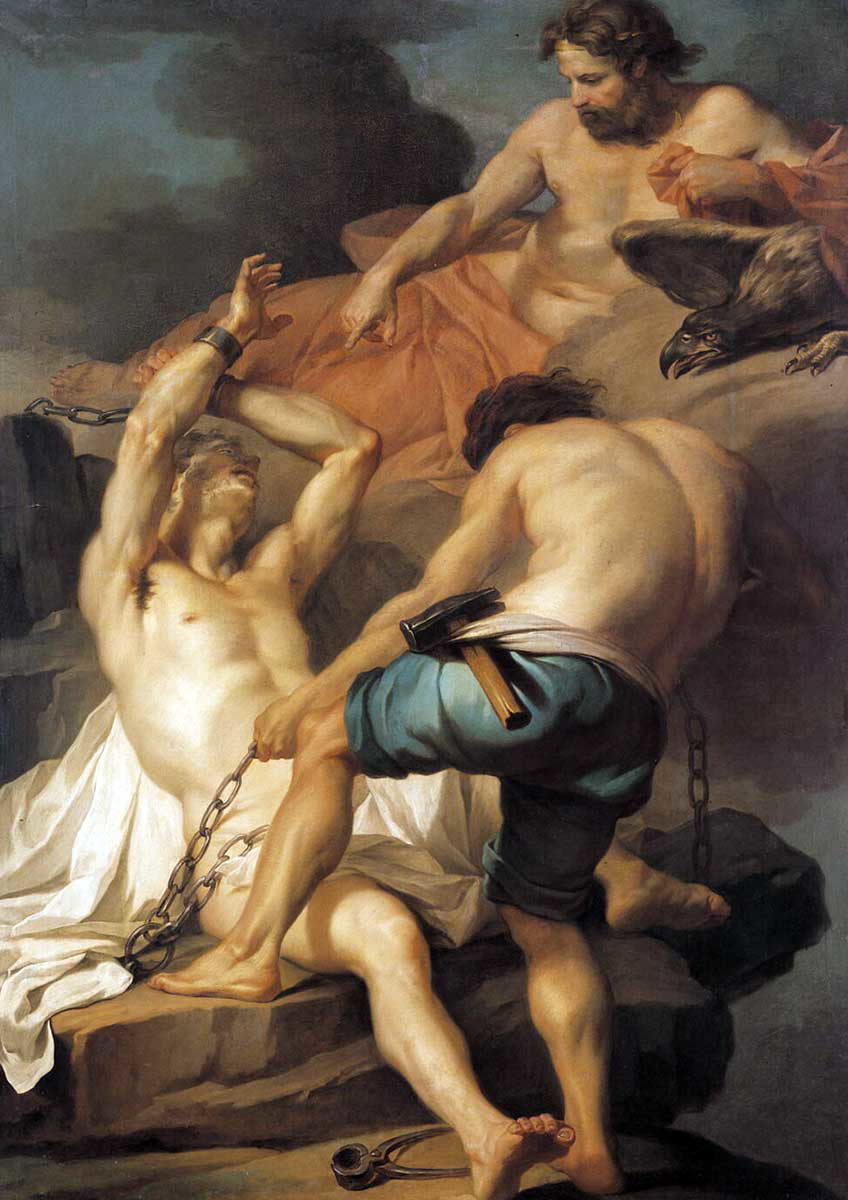
While Zeus does not seem to have been overly concerned about his mortal subjects, Prometheus became their patron. He tricked the gods into letting the humans keep the best part of animal sacrifices, leaving the gods with the unappealing parts. For this, Zeus took fire away from mankind and hid it on Mount Olympus, so Prometheus stole it back for his creations. In punishment for this defiance, Prometheus was chained to a peak where every day an eagle would set on him and eat his liver, and every night his liver would regenerate to suffer the same punishment the next day.
13. Pandora’s Box
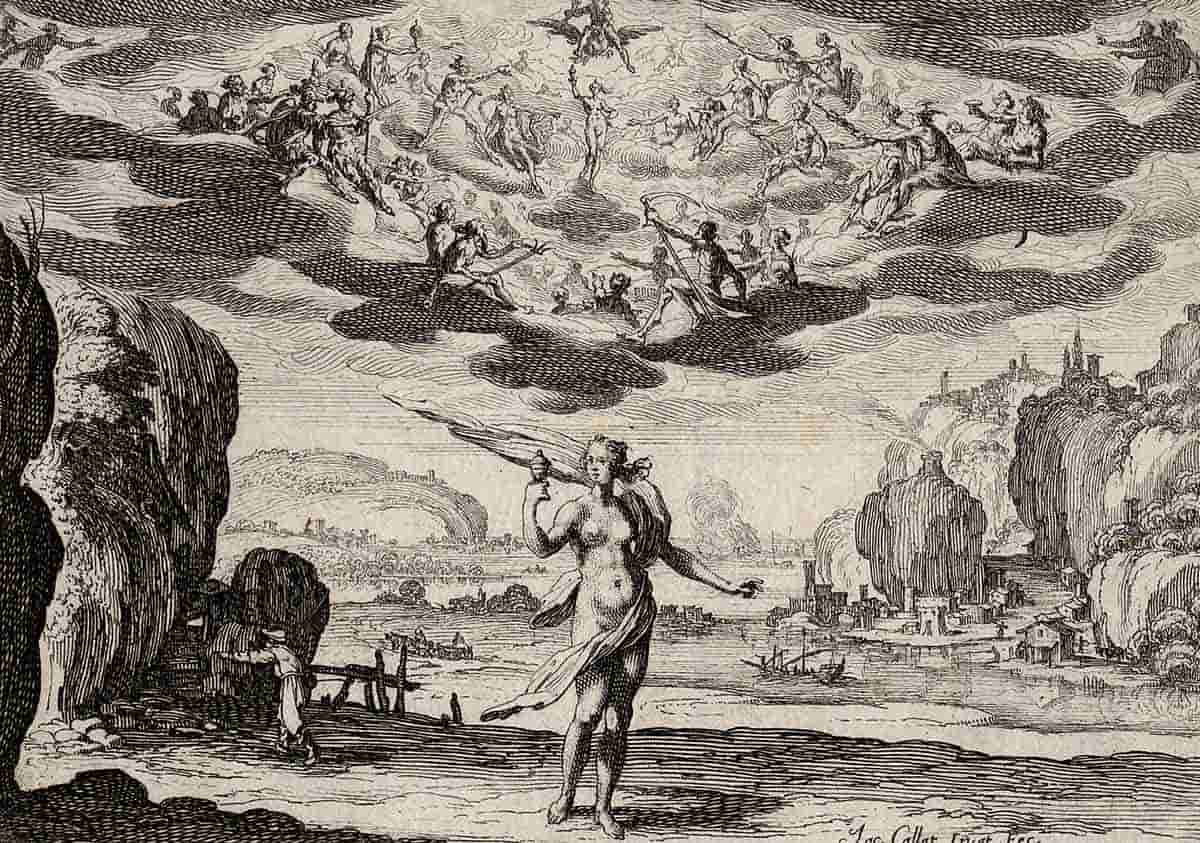
In another version of the story of Prometheus, the gods decided to punish humans for repossessing fire by sending Pandora, the perfect woman, and a “pithos” or jar to Earth to Prometheus’ brother, Epimetheus. They were warned to always keep the pithos closed, but one day, Pandora’s curiosity got the best of her, and she opened the jar. This released many evils into the world, including diseases and old age. When she managed to close the lid, there was only one thing left inside: hope. This left humanity in a perpetual cycle of suffering and hoping for better times. The story is a warning against the sin of excessive curiosity.
14. Arachne and the Weaving Contest
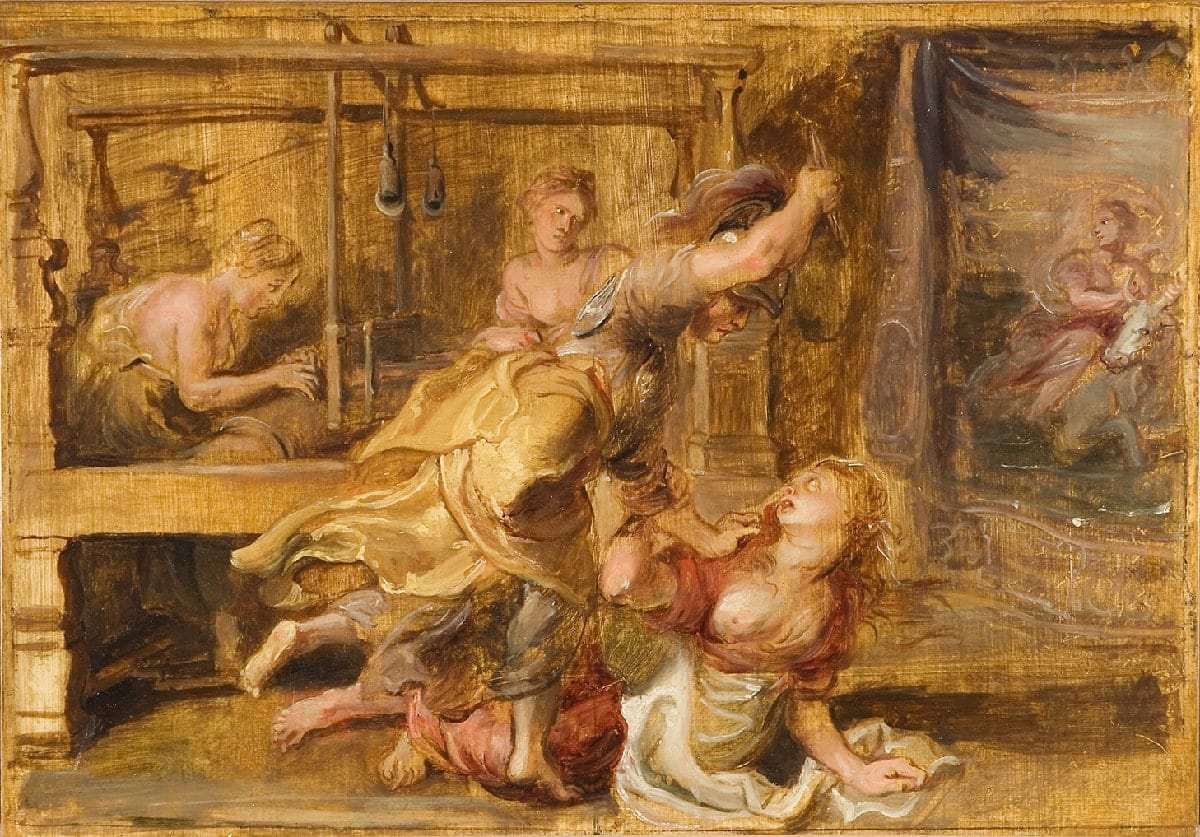
Arachne was a talented mortal weaver whose hubris had her declare herself more talented at weaving than Athena, the goddess of the craft. Hearing of this disrespectful behavior, Athena took the form of a feeble old woman and visited Arachne. She suggested that Arachne ask Athena for forgiveness, but she refused, instead challenging the goddess to a weaving contest. Athena revealed herself, and the competition began. Arachne may have won the competition, but an angry Athena beat Arachne, until the woman could bear it no longer and hanged herself. Finally showing pity, Athena transformed Arachne into a spider so that she could spend eternity weaving.
15. King Midas and the Golden Touch
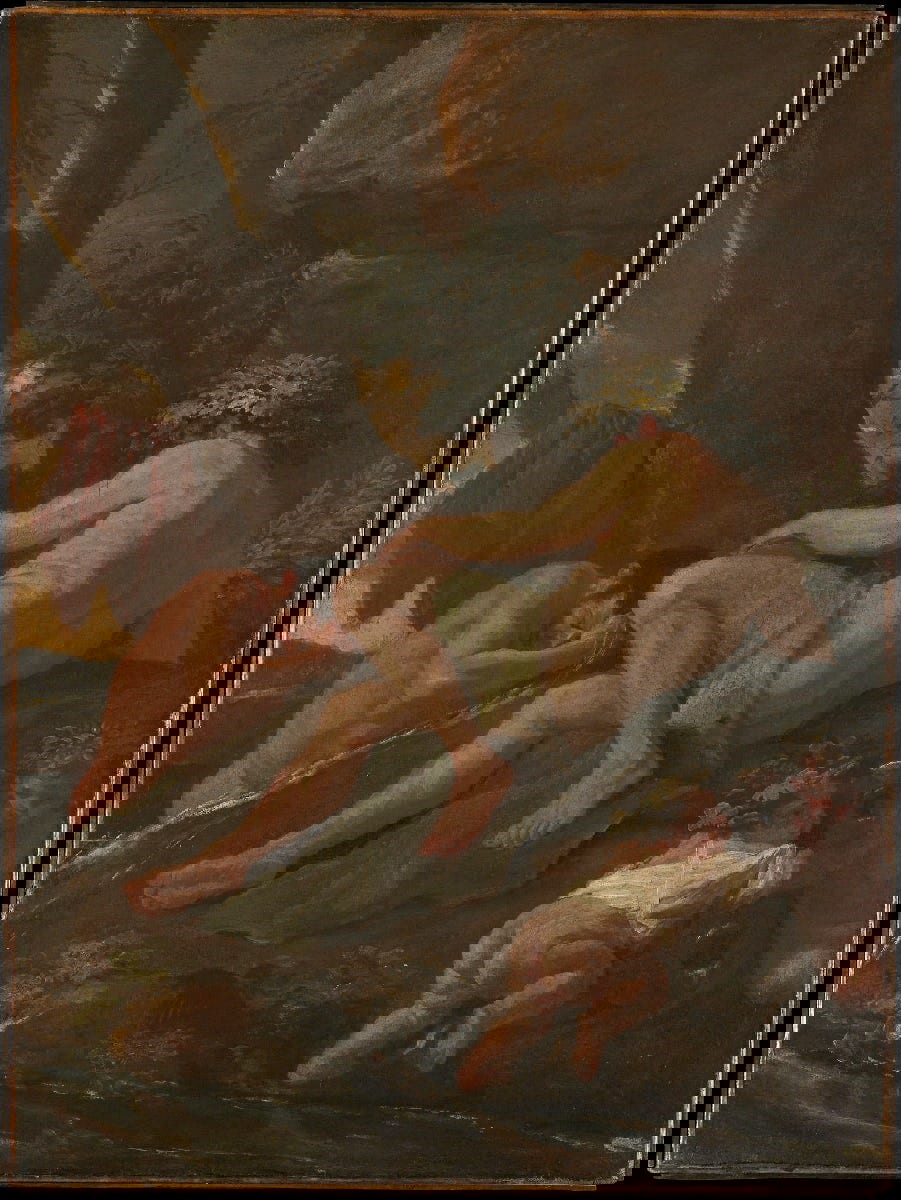
In a famous story, King Midas of Phrygia was granted one wish by the god Dionysus, and he asked for the ability to turn everything he touched into gold. While he dreamed of great wealth, this turned out to be a curse, as everything he tried to eat and drink also turned to gold. He prayed to Dionysus to take the gift away, and the god advised the king to wash himself in the river Pactolus. As he washed himself free of the curse, the river filled with gold, and it was known for its gold reserves in antiquity. This is a story that warns against excessive greed and being careful what you wish for.
16. Narcissus and Echo
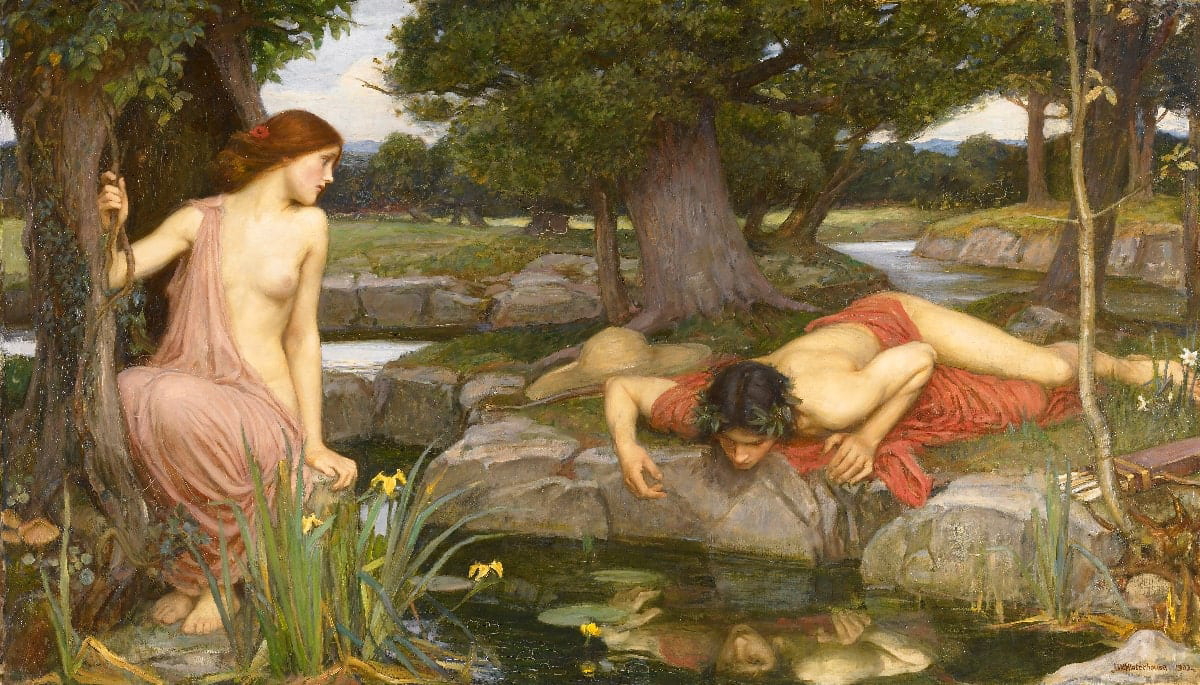
When Narcissus was born, it was soon obvious that he was more beautiful than other mortals. Men and women tried to attract his attention, but he wasn’t interested. Eventually, he attracted the attention of the nymph Echo, but he rejected her. Devastated, she ran into the wilderness where her body withered away, leaving behind only her bones and voice.
Angered, Nemesis, the goddess of revenge, caused Narcissus to fall obsessively in love with his own reflection in a calm pool. He soon realized that he could not embrace himself and that if he left the water’s edge, he would lose sight of himself. He eventually died of despair. A warning against excessive self-love, the white and yellow Narcissus flowers reportedly started to grow where his body lay.
17. Icarus Flies Too Close to the Sun
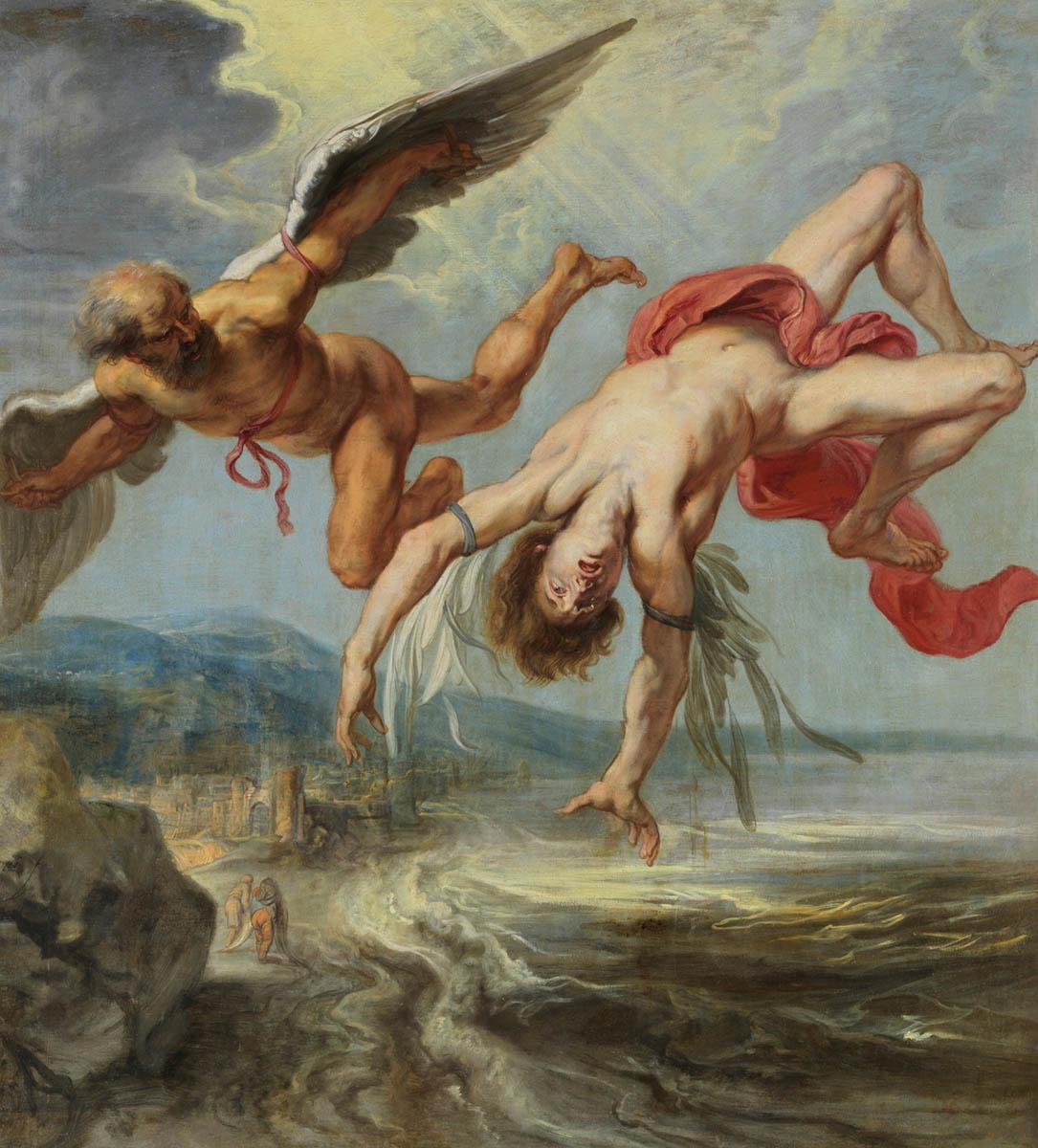
Daedalus was a famous inventor who found himself imprisoned in a tower on the island of Crete with his son, Icarus. Planning their escape, Daedalus created mechanical wings made from wax and feathers that would allow the pair to fly away. Daedalus warned Icarus not to fly too close to the sun, but as he sailed through the air like a bird, Icarus could not resist approaching the heavens. The wax of his wings melted, and he plunged to his death.
18. Niobe and her Children
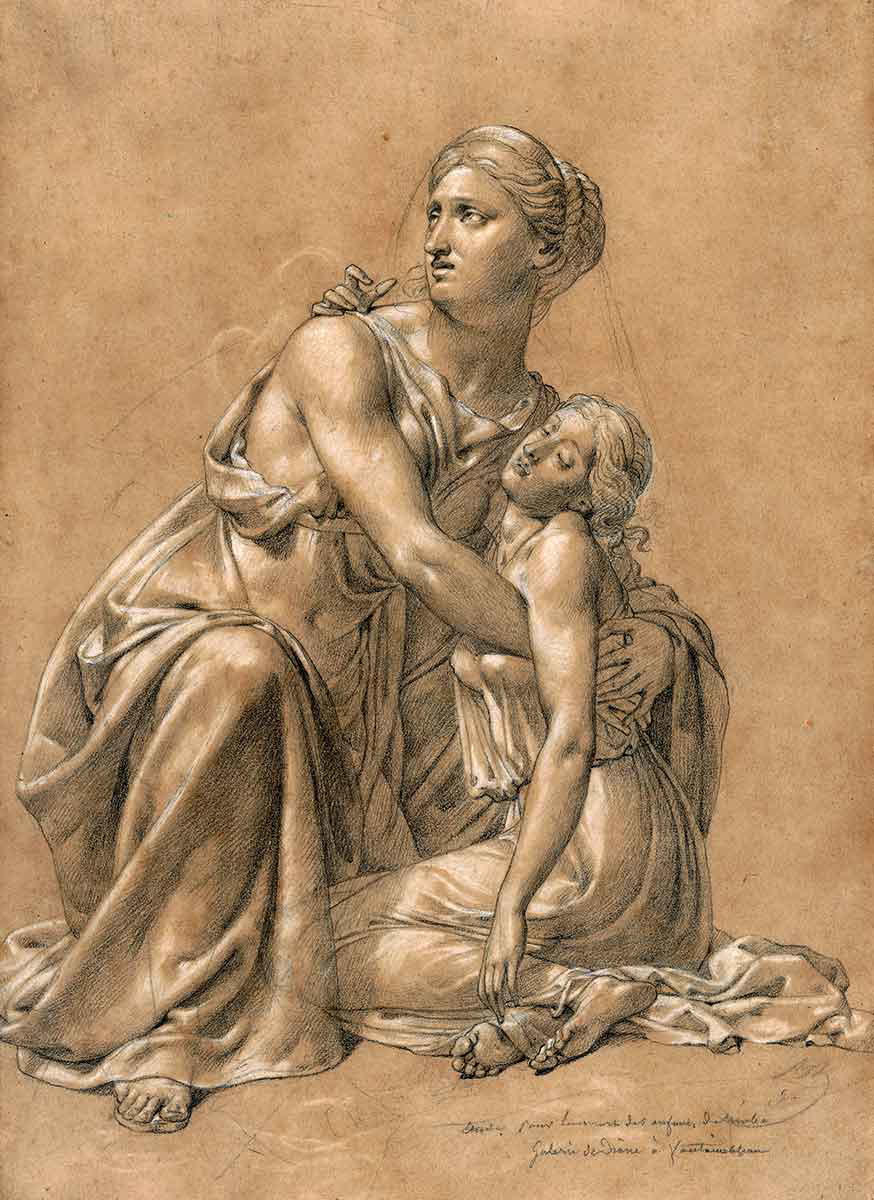
Following the birth of Artemis and Apollo, Leto became one of the most famous mothers in Greece. But a Phrygian princess called Niobe had 12 children, six sons and six daughters, and boasted that she was more blessed than Leto. The Titan was so insulted that her children decided to avenge her, with Artemis killing all six of Niobe’s daughters, and Apollo killing all six of her sons. Niobe was so distraught that she turned to stone and can, according to Pausanias, be seen on Mount Sipylus.
Love, Loss, and Transformation
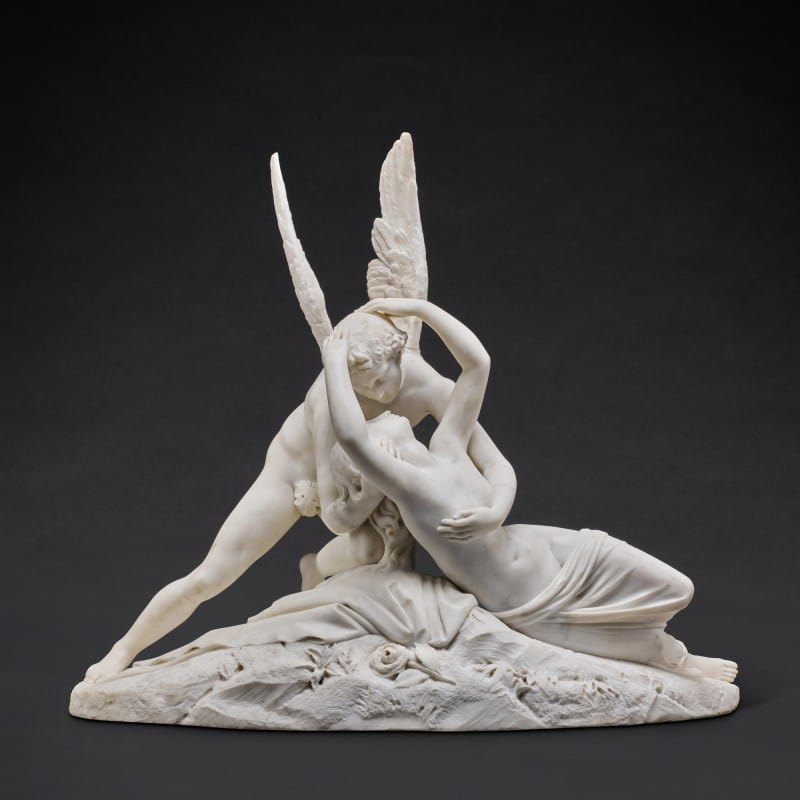
Greek myth is full of love stories, though they often end in tragedy. Another common theme in love is transformation, with lovers often metamorphosing to secure an encounter, escape suffering, as a reward, or as punishment. This recurring theme also points to the transformative power of true love.
19. Eros and Psyche
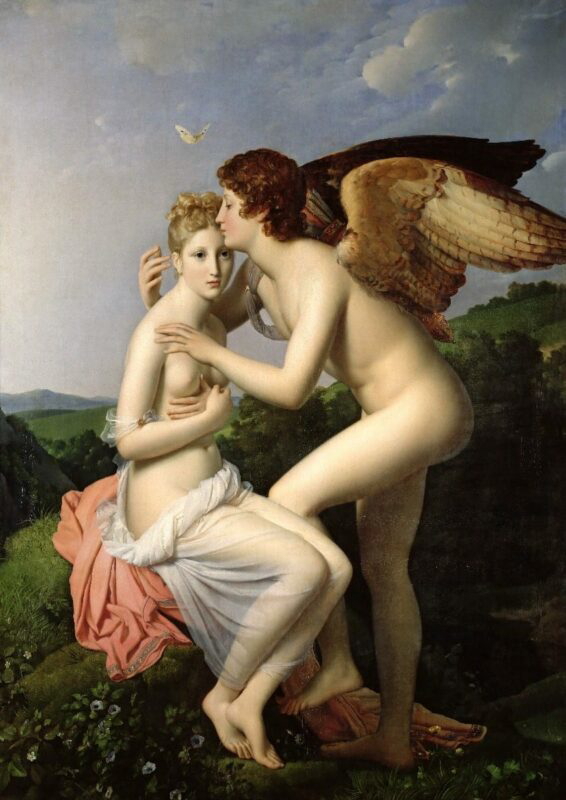
One of the most famous love stories in Greek myth is that of Eros, the son of Aphrodite, and Psyche, a mortal princess. Psyche was so beautiful that people compared her to Aphrodite. Angry at the comparison, Aphrodite sent Eros to use his arrows to have Psyche fall in love with the most hideous beast known to man. But when Eros saw Psyche, he fell in love and decided to marry her. Psyche’s father had already received an oracle that his daughter would be carried off by a “winged beast,” so he placed her on the edge of a high cliff. Winged Eros swooped in and claimed her.
To keep his identity a secret, Eros only visited his wife and night and warned her not to look at him. She obeyed until her sisters came to visit and, envious of her good lifestyle, convinced her that she had to see her husband. That night, Psyche snuck an oil lamp into the room. For her betrayal, Eros vowed never to see her again.
Desolate, Psyche finally approached Aphrodite to help her regain Eros’ heart. In exchange for her help, Aphrodite demanded that Psyche perform some impossible tasks. She succeeded in the first few tasks with some divine help, but when her plight became hopeless, Psyche stole a beauty potion from Aphrodite, thinking that it would help her win back Eros’ heart. When she opened the box, Psyche realized that it was actually a potion of eternal sleep, and she fell into an enchanted slumber. When Eros found her in her death-like sleep, he was grief-stricken and used his magical arrows to restore Psyche to consciousness, and the pair reunited. Eros also asks Zeus to grant her immortality, and she becomes the goddess of the soul.
20. Orpheus and Eurydice
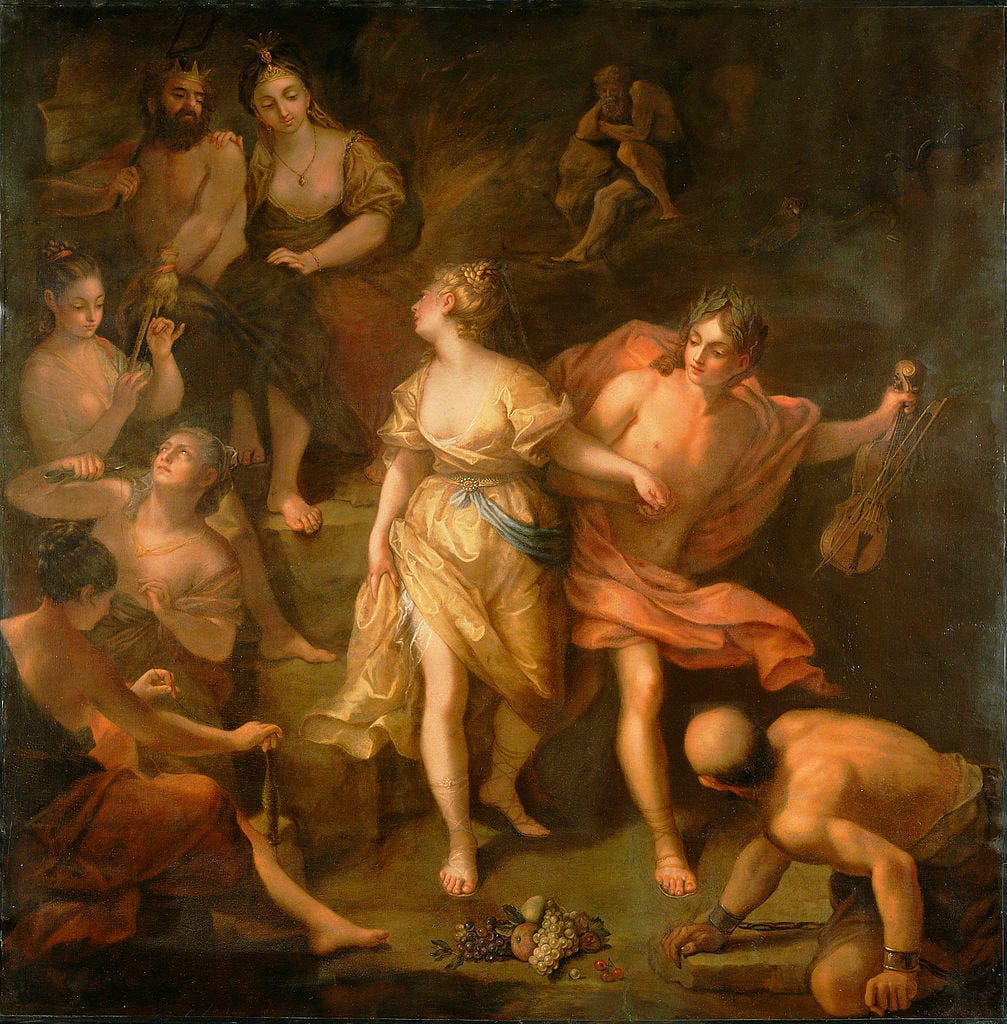
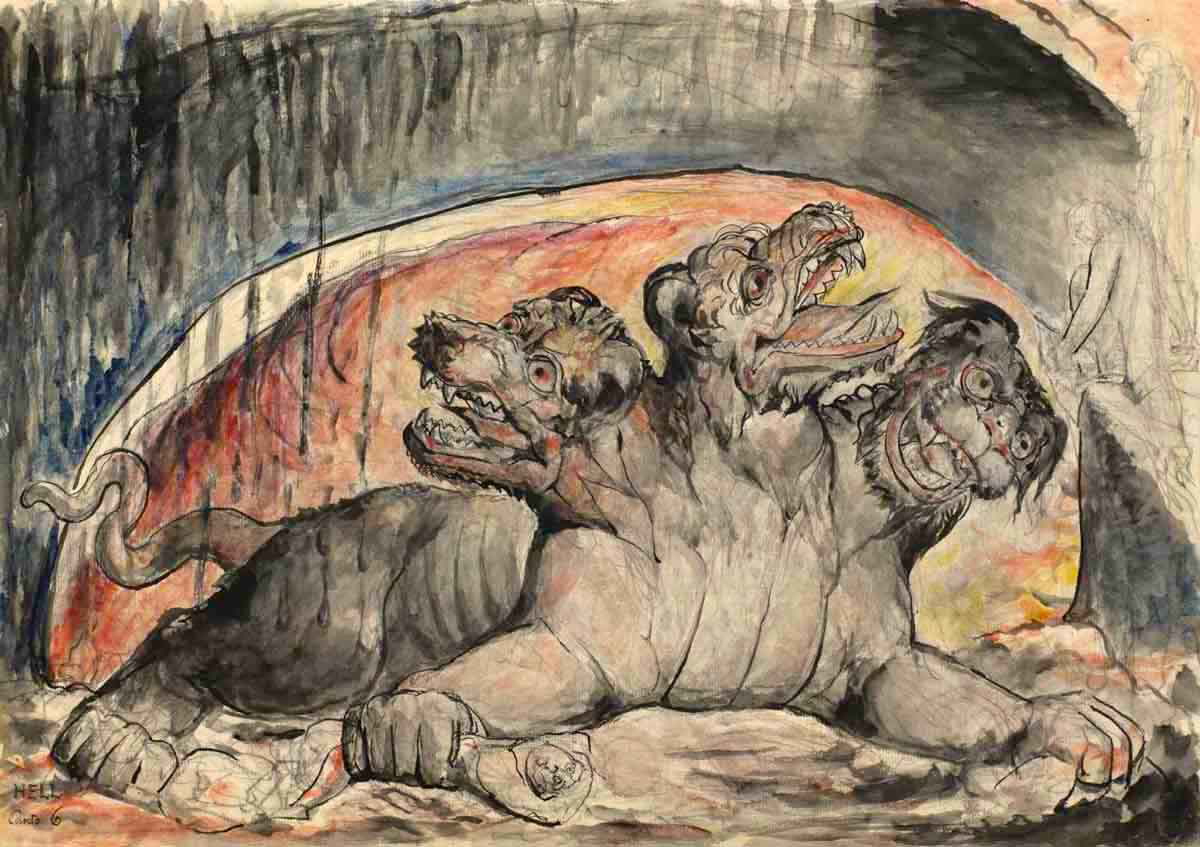
According to another story, Orpheus, the semi-divine figure connected with Orphism, learned to play the lyre with Apollo and surpassed his teacher. When his beloved wife Eurydice died, he descended to the underworld to retrieve her. He found the entrance to Hades and used his lyre to lull the three-headed guard dog Cerberus to sleep. When he came to the thrones of Hades and Persephone, he sang beautifully about his love for Eurydice and her tragic death.
The gods agreed to return her, but told Orpheus that he must lead her out without ever looking back until they are both fully clear of the underworld. As they approached the exit from the underworld and the sun hit Orpheus’ face, he could not resist and looked back at his wife. Instantly, he was standing in the world of the living, and she was gone, taken back to the underworld. The story is a warning about impulsiveness and self-control.
21. Apollo and Daphne
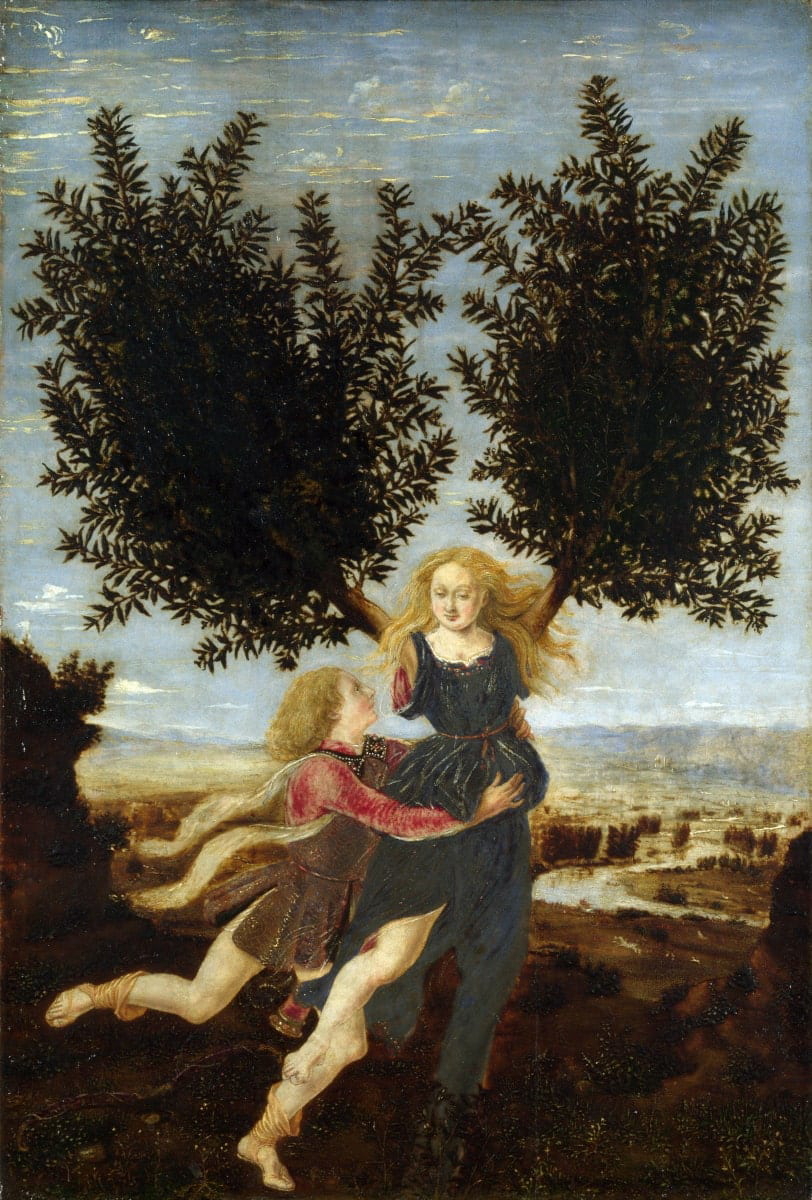
In another story, the god Apollo falls in love with a nymph called Daphne. But, devoted to the virgin goddess Artemis, she has sworn chastity, so rejects the god, who pursues her relentlessly. His passion was caused by one of Eros’ arrows, after the gods argued about which of the two was the better bowman. Eventually, Apollo caught Daphne, so she called on her father, the river god Peneus, for help. He transformed her into a laurel tree to save her from Apollo. The god’s love did not wither, and he adopted the tree as his own, and the god was forever associated with the laurel. The story reflects the tragedy of unrequited love, but also how easily the innocent can become caught up in the fickle lives of the gods.
22. Leda and the Swan
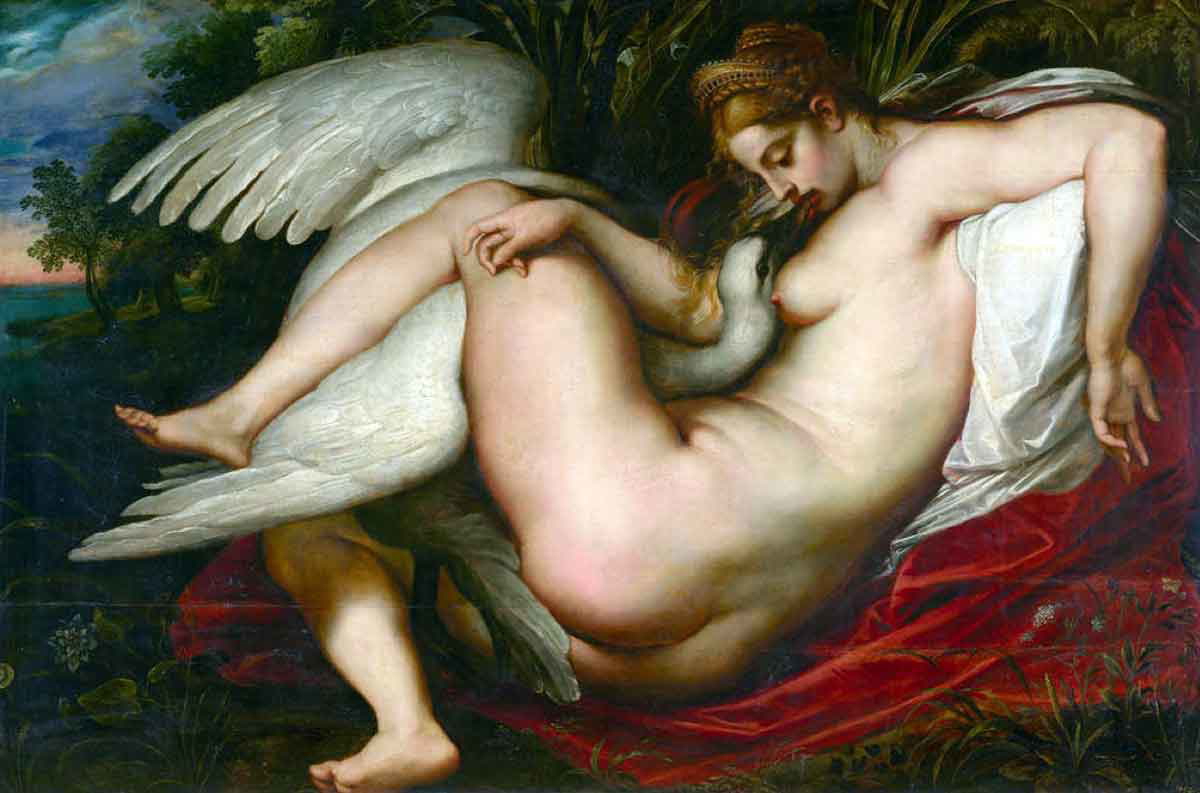
Zeus spied Leda, the lovely mortal wife of Tyndareus, king of Sparta, and transformed himself into a swan to seduce her. Later that same night, she also slept with her husband. As a result, she became pregnant with two eggs, each containing two children. The first held Zeus’s children, Pollux and Helen (of Trojan fame), and the other her husband’s children, Castor and Clytaemnestra. Castor and Pollux, who sailed with the Argonauts, became known as Dioscuri and represented sibling loyalty and affection. When the mortal Castor died in battle, Pollux asked his father, Zeus, to save his brother. Zeus allowed the twins to share Pollux’s immortality, so they alternate their time between Olympus and the underworld.
Heroes, Monsters, and Impossible Quests
While tragedy certainly plays an important role in Greek myth, it is also characterized by stories of heroes who undertake epic quests for glory, often overcoming fearsome monsters in the process. While in many ways, these are timeless tales of good versus evil, our heroes are rarely purely good, with their strength and courage balanced by human flaws.
23. Perseus and Medusa
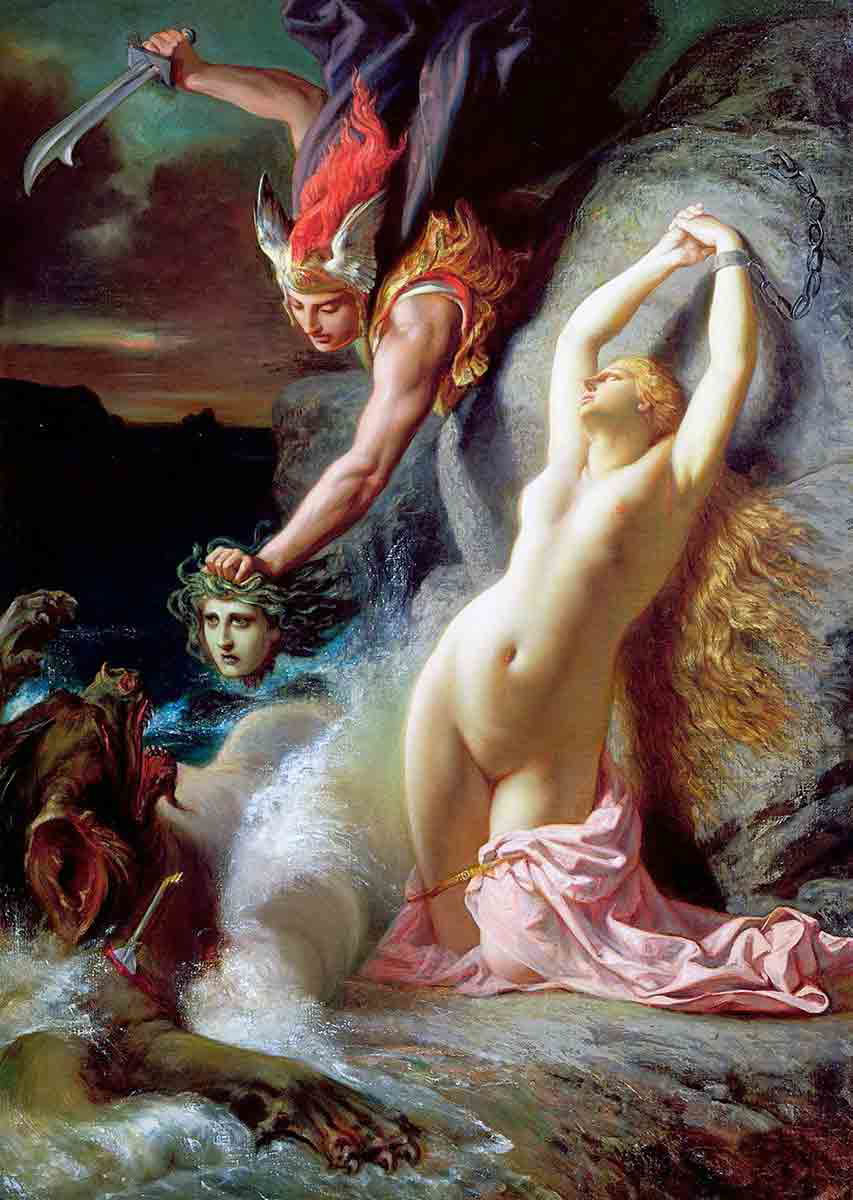
Perseus, a semi-divine son of Zeus, was tricked by King Polydectes of Seriphos into promising to bring him the head of Medusa, a monster with snakes for hair who can turn a man to stone with a look. Favored by both Athena and Hermes, they help him on his quest. Hermes gave Perseus his sword to behead the beast, and Athena gave him her polished shield, acting as a reflective surface, to allow him to track Medusa without suffering her deadly gaze. He successfully beheaded Medusa and then used her head to save Princess Andromeda from a sea monster by turning him to stone. He then gifted the head to Athena, who wore it on her Aegis as a prize. He is both a classic courageous hero and divinely favored.
24. Theseus and the Minotaur
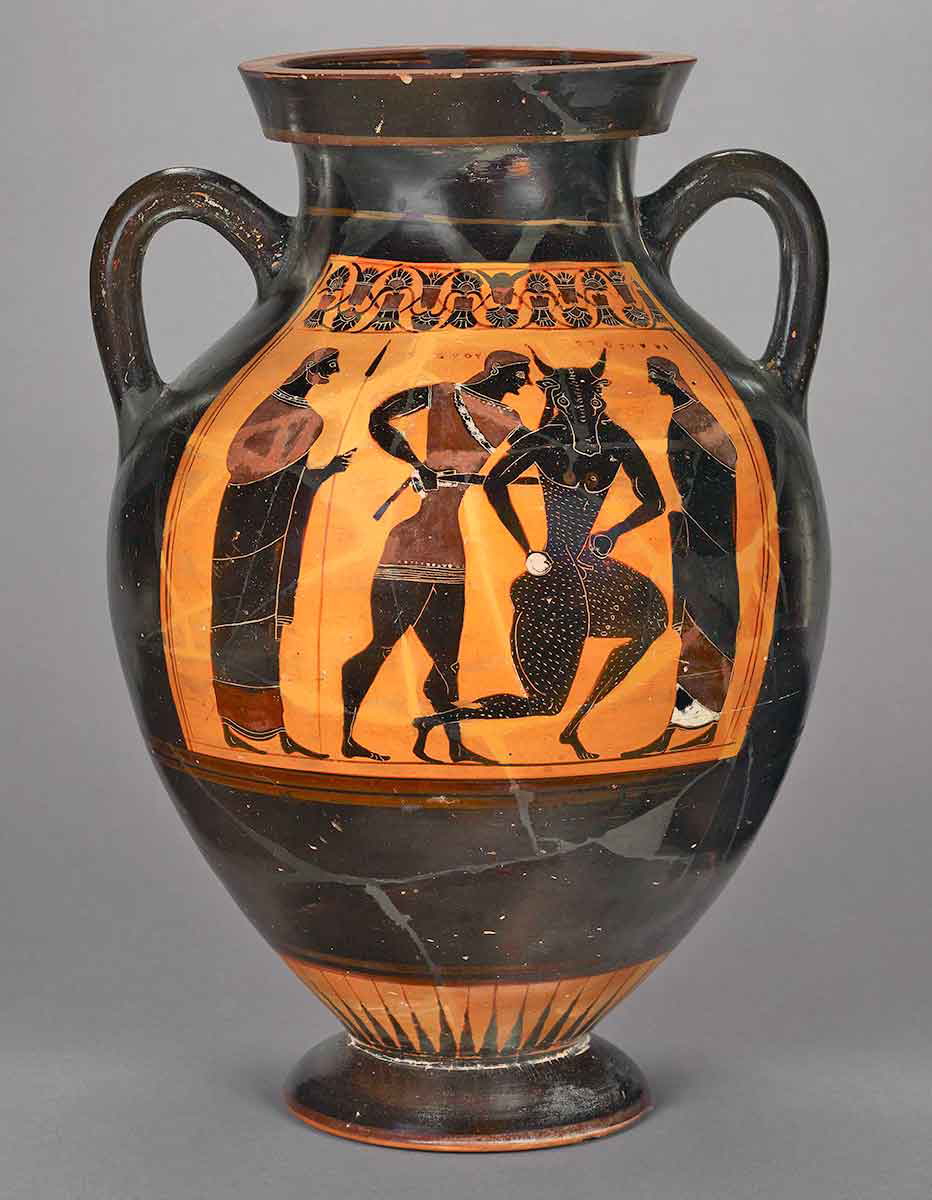
According to the myth, for years, the Athenians had been forced to send youths to Crete to be sacrificed to their monstrous Minotaur, living in the labyrinth below the city. Theseus, a prince of Athens, volunteers to be one of the tributes with the intention of slaying the beast and ending the cycle. When he arrived in Crete, the Cretan princess Ariadne fell in love with Theseus and gave him a sword that would enable him to slay the bullish beast. Prepared, Theseus entered the labyrinth trailing a string behind him, so that he could retrace his steps back out. He successfully found the sleeping Minotaur and killed it in a mighty battle. He then followed the thread back and escaped with the other Athenians and Ariadne.
Before returning home, Theseus abandoned Ariadne on the island of Naxos. In karmic punishment for his betrayal, Theseus forgot to change the sails on his ships to signal his safe return, and his father, assuming the worst, leapt to his death before seeing his son.
25. Jason and the Argonauts
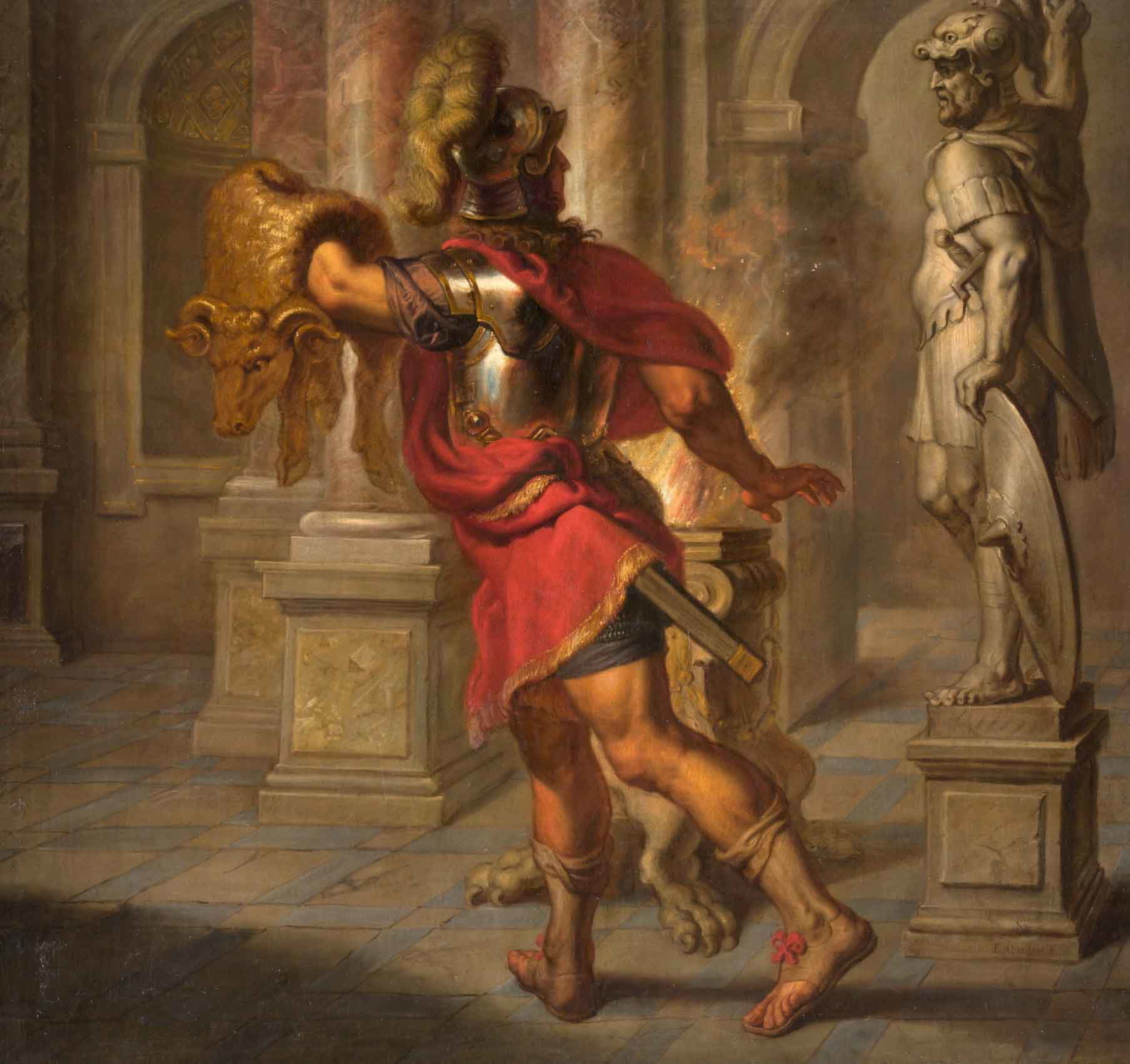
Another famous Greek hero was Jason. Typical in Greek myth, he was a prince whose kingdom was stolen from him while he was a baby by another family member. Jason was then raised in the wilderness by a centaur called Chiron, and prepared to return home and claim his birthright. To prove his claim to the throne, the usurper demanded that Jason traverse the Black Sea to retrieve the famous Golden Fleece, hoping that Jason would die on the journey.
But Jason assembled a crew of heroes known as the Argonauts, which included the likes of Heracles and Orpheus, and they sailed to Colchis to get the fleece. There, the princess and witch Medea fell in love with Jason and helped him successfully retrieve the fleece. Medea is accused of performing terrible magics to help Jason, only for him to abandon her for another woman, resulting in her killing her own children.
26. Heracles and the Twelve Labors
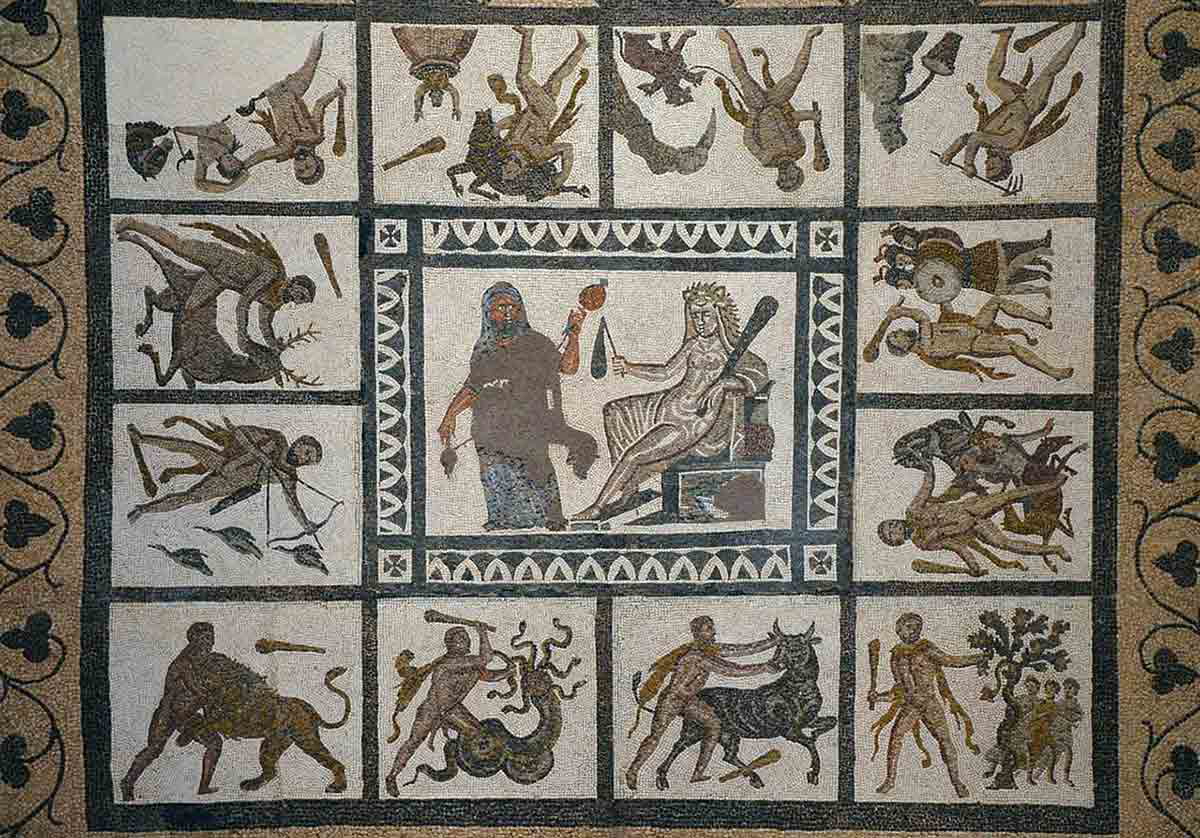
The semi-divine hero and son of Zeus, Heracles, better known by the Latin version of his name, Hercules, pops up in a variety of Greek myths. His most famous story is that of his 12 labors. Again, jealous due to her husband’s infidelity, Hera sent Heracles into a fit of madness, and he killed his wife, Megara, and children. Wanting to atone for this heinous crime, he went to the Oracle and Delphi, which instructed him to put himself in the service of his cousin, King Eurystheus. Devoted to Hera, the king devised the seemingly impossible labors to further punish Heracles.
Against all odds, Heracles completed the impossible task. For example, when charged with killing the Nemean lion with impenetrable gold fur, he strangled the beast with his bare hands and then skinned it to create a cloak. He sometimes had divine aid, such as when he stole three golden apples from the Hesperides. He temporarily held up the heavens for the Titan Atlas while he retrieved the apples. His successes made Heracles Greece’s most revered Hero, but it was only a small part of his legendary life.
27. The Gigantomachy
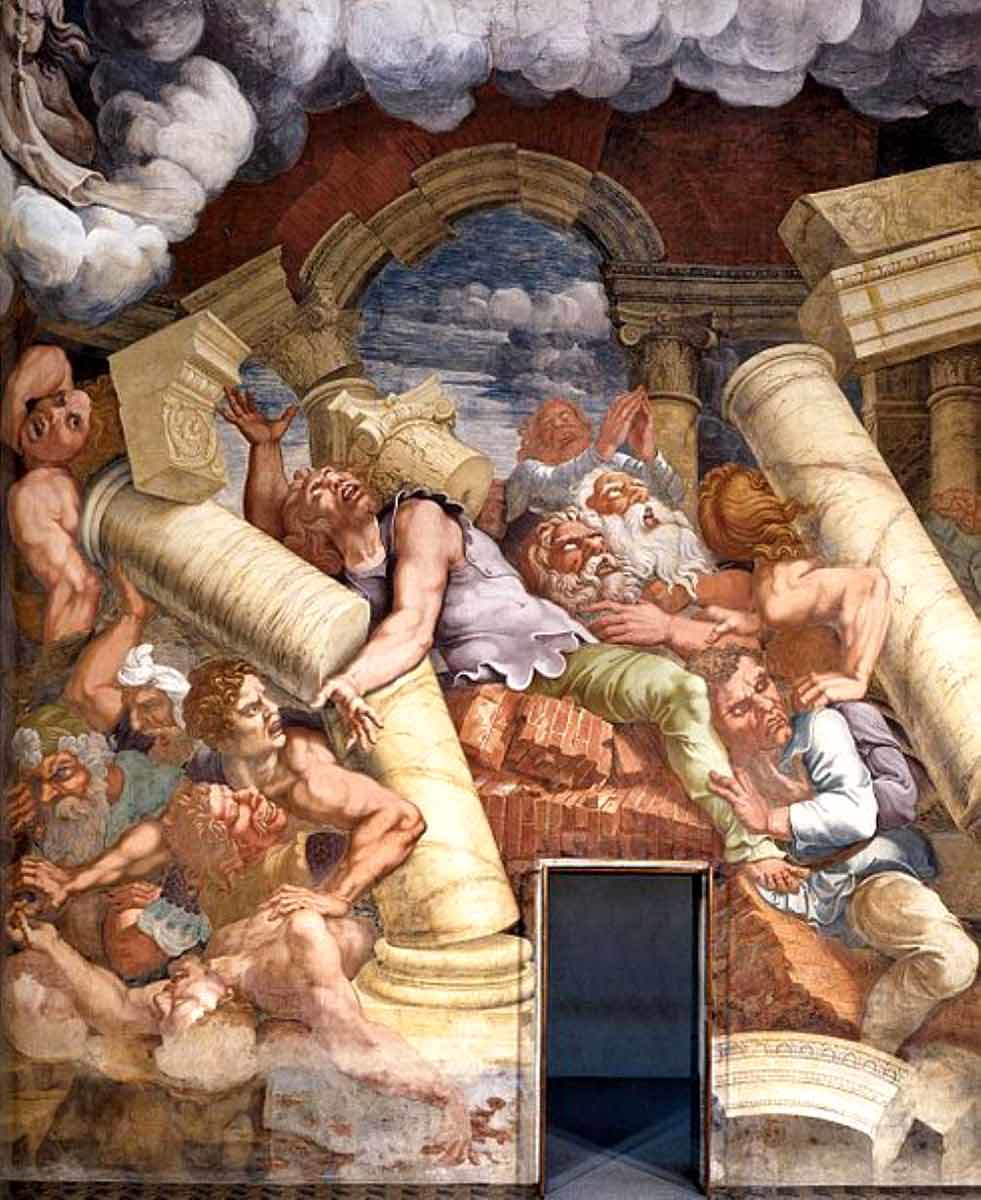
Closer to the end of his mortal life, Heracles would play a role in the Gigantomachy, the war in which the giants, monstrous beings who emerged from the blood of Uranus, tried to overthrow the Olympian gods. During the war, Zeus learned a prophecy that only a demigod had the power to vanquish the giants. Heracles was summoned, and he used an arrow dipped in the poisonous blood of the Hydra he vanquished during his labors to kill the giant Alcyoneus. He then fought alongside Zeus to defeat the rest of the giants.
It was this act that caused Hera to accept Heracles and give up her quest to torment him. This meant that when he returned to his mortal life, he remarried and found happiness again, only to suffer a tragic death. After death, he was accepted among the gods of Mount Olympus.
Cities, Kings, and Tragedies
The foundation myths of many cities also play a prominent role in Greek mythology, connecting them with their patron deities and legendary heroic founders.
28. How Athens Got Its Name
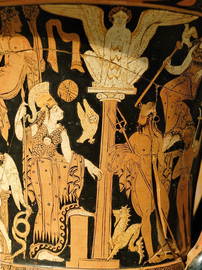
According to myth, in ancient times, the land that would become Athens was ruled by a king called Cecrops. He built a city so grand that even the gods noticed its greatness, especially Athena and Poseidon, both of whom wanted to claim the city and place it under their protection. To prevent conflict, Zeus created a competition, asking both gods to present the city with a gift, and Cecrops would choose which was best to determine the winner. Poseidon created a saltwater spring, which was met with little enthusiasm since the city was surrounded by the sea. Athena gave them an olive tree, with high-quality timber and nutritional fruit that could make olive oil. She was declared the winner, and the city was named after her.
29. Oedipus and the Theban Prophecy
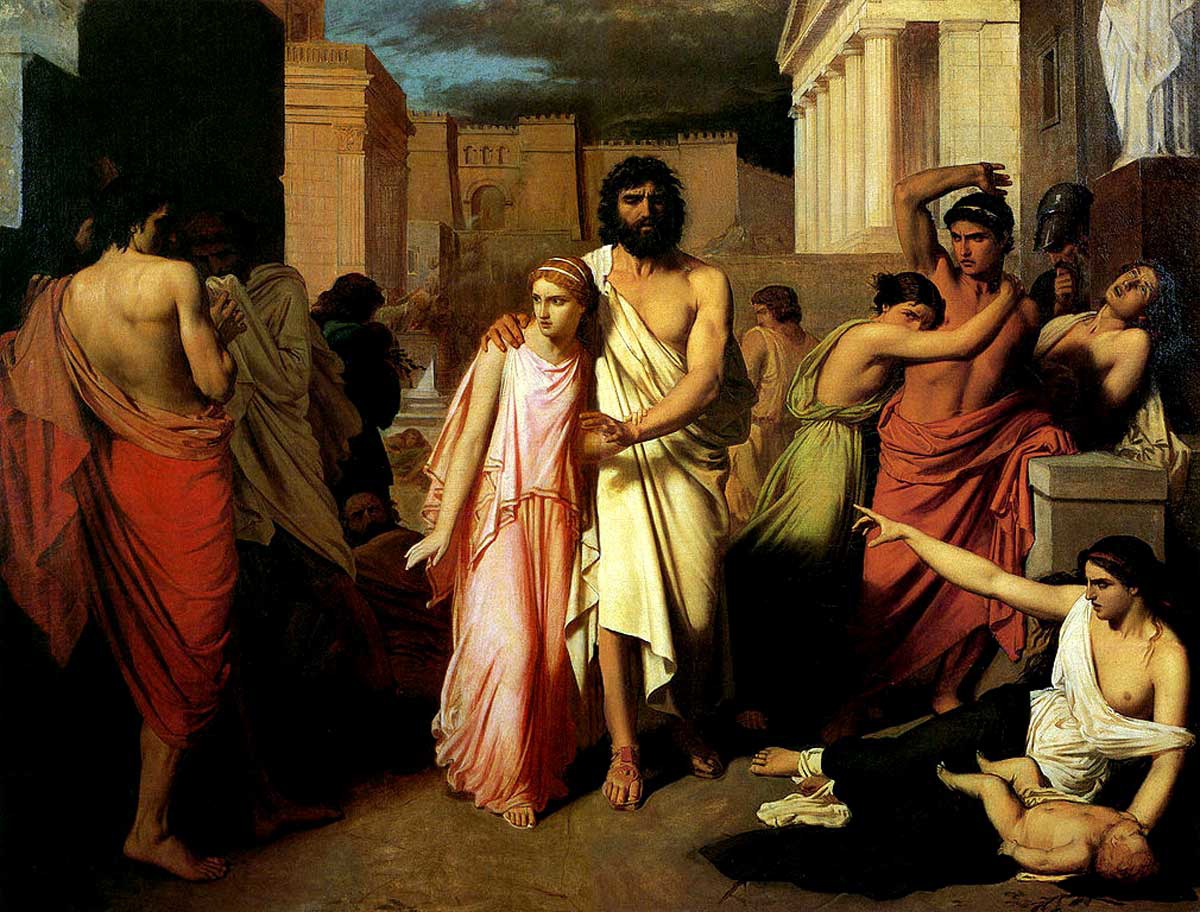
The founding myth of Thebes was dramatically retold by Sophocles in his play Oedipus Rex. Born the son of a Theban king and queen, Laius and Jocasta, a prophecy said that the infant Oedipus would one day kill his father and marry his mother, so the boy was exposed on a mountain. He was discovered and raised by the royal family in Corinth, ignorant of his true identity. When he heard the prophecy about himself, Oedipus feared he would hurt his Corinthian family, so he left.
While on the road, Oedipus unwittingly kills his father, and then, arriving in Thebes, marries his widowed mother. When a plague grips Thebes, Oedipus vows to discover the cause, only to discover his own monstrous actions. This left Thebes subject to a long-standing curse.
30. Sisyphus and Death
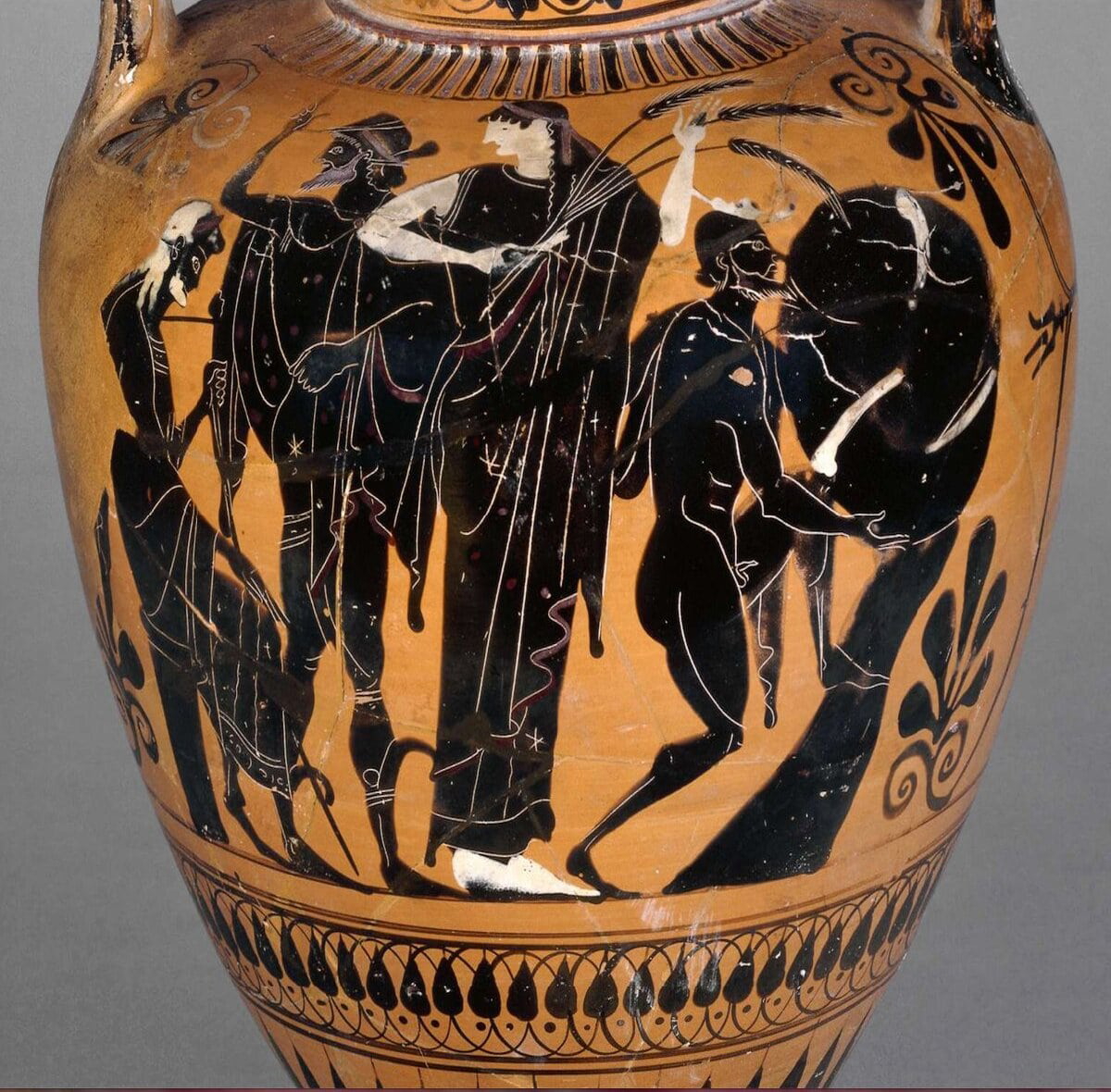
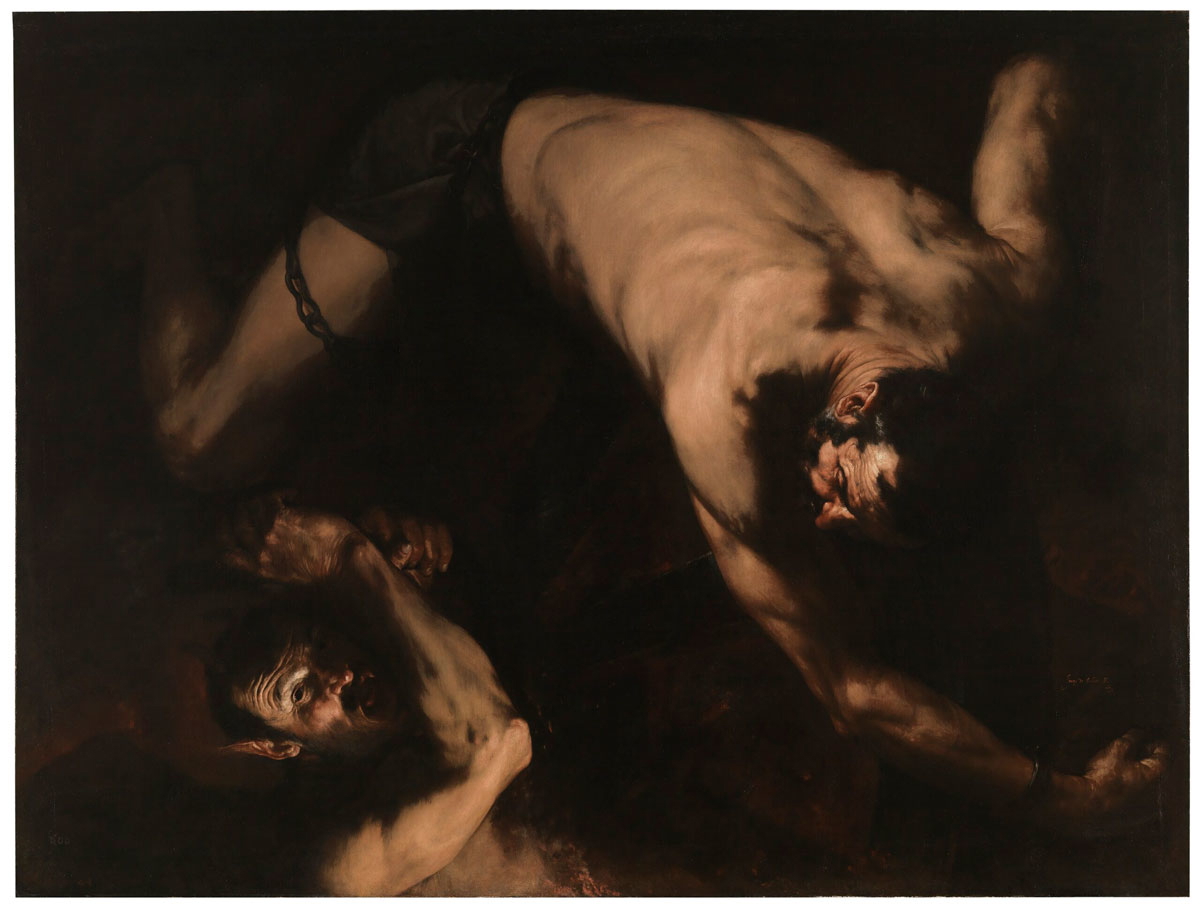
Sisyphus was the founder and first king of Corinth. When his days were up and Thanatos, the god of death, came to fetch him, Sisyphus requested that the god show him how the manacles he carried worked. During the demonstration, Sisyphus chained Thanatos, saving all humanity from death. This enraged Zeus, who sent Ares, the god of violent war, to free Thanatos. Knowing that death would return for him, Sisyphus told his wife not to perform the normal funerary rituals, so that when he got to Hades, he could complain that he had not received a proper burial. Hades let him return to earth to punish his wife, but back in Corinth, he lived a full life again before dying many years later.
When he died again, Sisyphus was condemned to eternal punishment in Tartarus. He was forced to push an enormous boulder up to the top of a hill, but as soon as it reached the top, it would roll back down, and Sisyphus would have to start again, indefinitely bound to this fruitless task.
End of the Age of Heroes
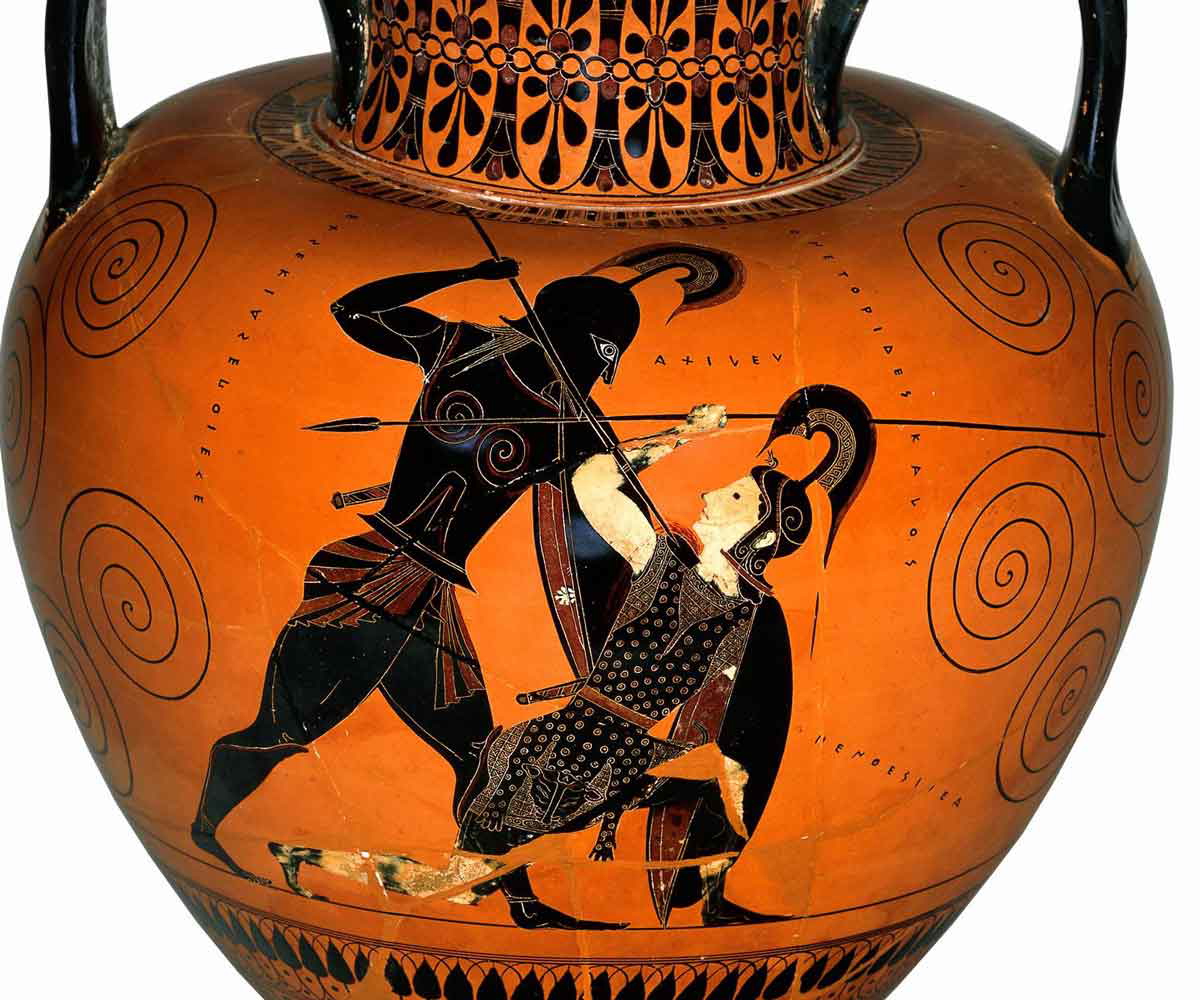
The classical Greeks imagined that they lived after the Age of Heroes, described in Homer’s Iliad, during which the gods seem to have been much more involved in mortal life, siring semi-divine children and interfering in human affairs. The age culminates in the Trojan War and its aftermath, stories that were integral to the Greek self-identity.
The Age of Heroes was imagined to be during the Bronze Age, when the Myceneans dominated the Greek world, who disappeared as part of the Bronze Age Collapse.
31. Apple of Discord
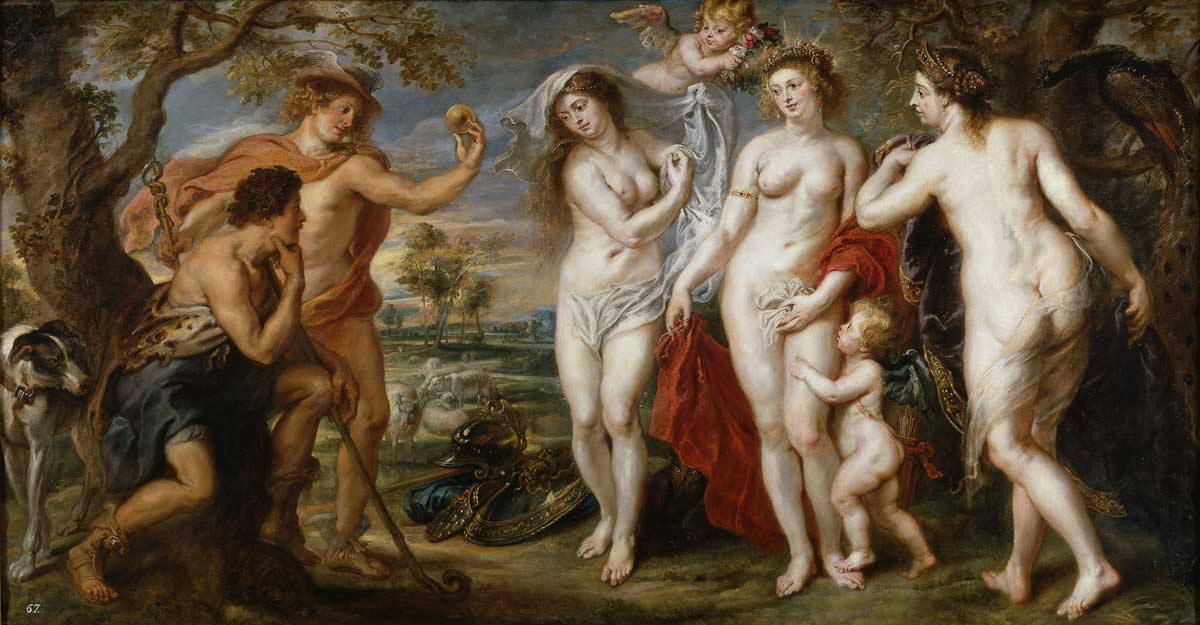
Recorded mostly in Homer’s Iliad, the Trojan War was an infamous battle between the Greeks and the Trojans. While the Trojan prince Paris’ kidnapping of Helen of Sparta is usually considered the trigger for the war, mythology suggests that Zeus may have put this great war in motion to diminish the human population. This is why the gods are so interested in the war in the Iliad, interfering and supporting their favorites.
A key step in setting up the conflict was the wedding of Thetis to the mortal hero Peleus, a union that produced the hero Achilles. All the gods were invited except for Eris, the goddess of strife. Irritated, she took an apple from the garden of the Hesperides and wrote on it “for the fairest,” and threw it into the party. Hera, Athena, and Aphrodite claimed the apple. To settle the argument, Zeus invited the Trojan prince Paris to judge which was the fairest. Each goddess bribed him with a magnificent present, but he chose Aphrodite, who offered him the most beautiful woman in the world, Helen.
32. The Trojan War
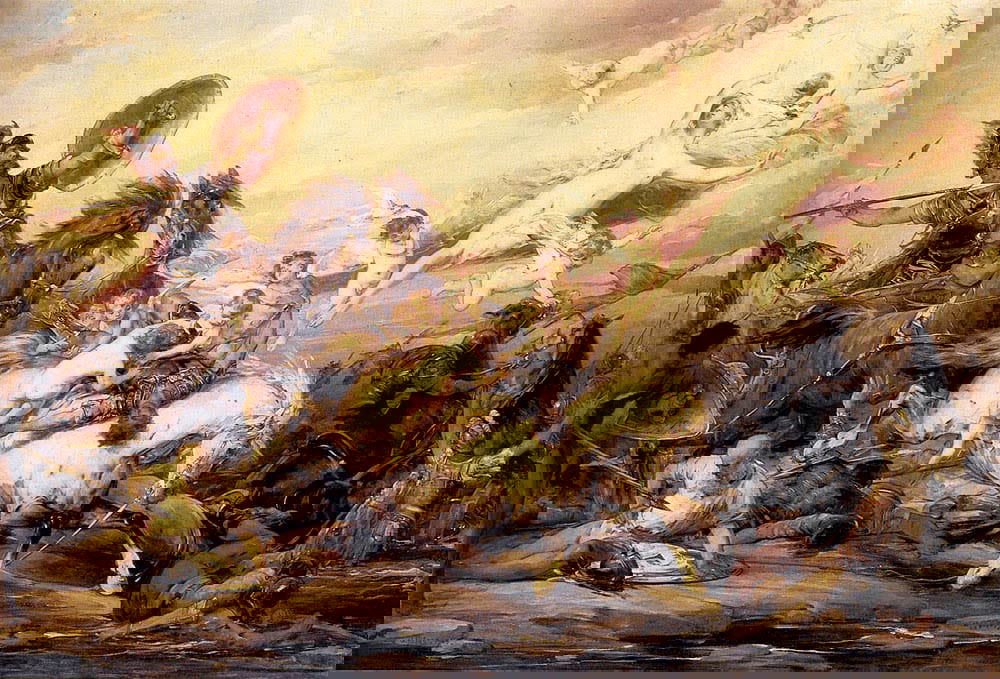
When Paris kidnapped Helen from her husband, Menaleus, the king of Sparta, the Greeks united to form a war party and attack Troy. The party, led by King Agamemnon, included many heroes. The most famous of these heroes was Achilles, who was also the protagonist of the Iliad, which relates the final days of the war after it had already been waging for ten years. The action revolves around Achilles withdrawing from the right after being insulted by Agamemnon, and then returning to the fight to avenge the death of his friend Patroclus, killing the Trojan prince Hector among others.
The story, of course, ends with the utter destruction of Troy at the hands of the Greeks due to the ruse of the Trojan Horse, though this part of the story does not appear in the Iliad.
33. The Odyssey
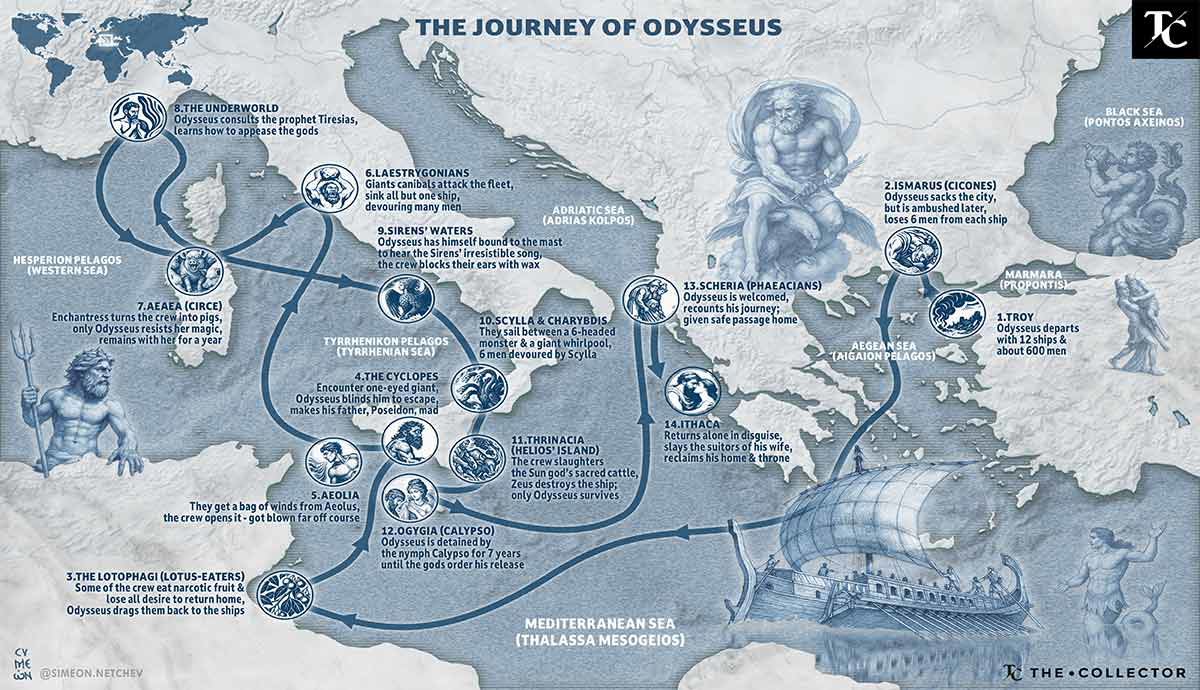
Throughout the Trojan War, the Greeks offended the gods on various occasions, and they responded by making it hard for them to go home. The most famous story about this is told in Homer’s Odyssey. The king of Ithaca, Odysseus, offended Poseidon by blinding his Cyclops son, so he is blown off course and takes ten years to get home, with many adventures along the way. When he finally arrives, he must reclaim his wife and his power from the many suitors who assumed that he was dead.
34. The Nostoi
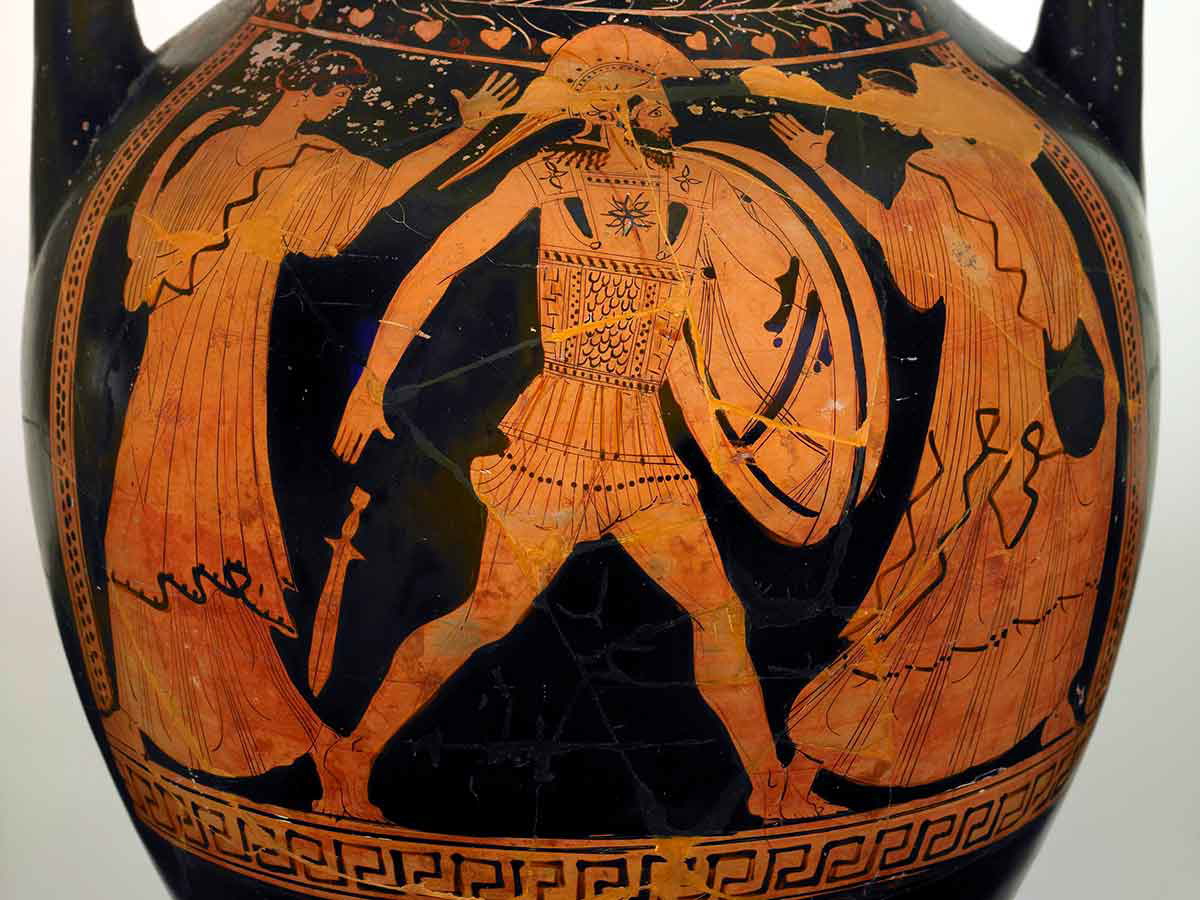
While the nostos, or return, story of Odysseus is the most famous, many of the Greek warriors at Troy suffered a similar fate. King Menelaus was also blown off course and found himself in Egypt, but there, he found his wife Helen, implying that the Helen who was taken to Troy was a phantom. The pair returned to Sparta and were granted immortality. Agamemnon made it home right away, but he was promptly killed by his wife, Clytemnestra, in revenge for killing their daughter.
35. The Aeneid
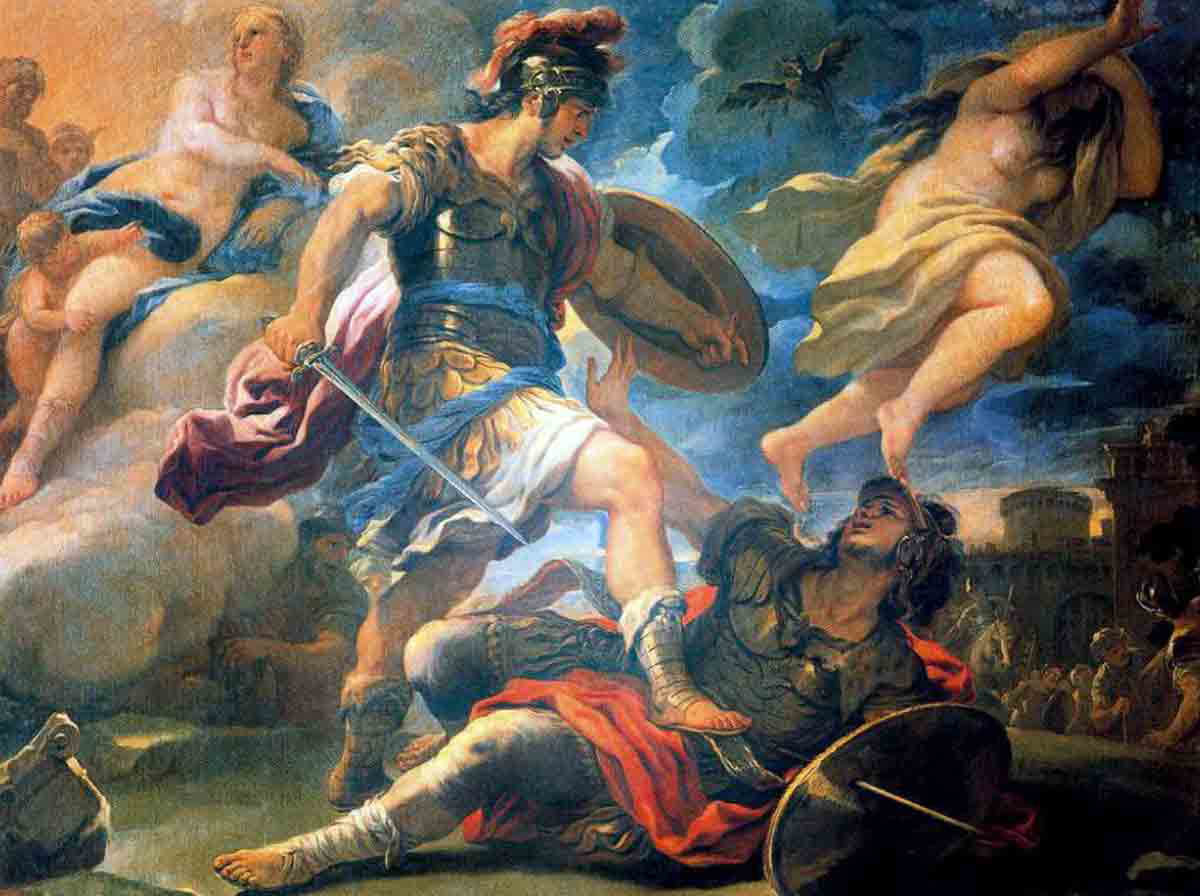
The final myth on this list appeared in its most famous form only in Rome in the 1st century BCE, but it has older roots. Homer mentions the Trojan prince Aeneas, who survived the Trojan War and led the other Trojan survivors on a journey across the Mediterranean. They would eventually settle in Italy and become the forebears of the Romans. When Virgil wrote his Aeneid at the start of the Augustan Age, he was connecting Rome to the much older Greek mythological tradition, integrating Rome into their joint mythological identity.
Greek Myth FAQ
Still have questions about Greek mythology? Find answers to the most frequently asked questions below.
What is the most famous Greek myth?
It is hard to say which is the most famous Greek myth, but among the most well-known are the Titanomachy, the conflict between the Titans and the Olympians that saw Zeus enthroned as the chief god, the 12 labors of Heracles, and the story of the Trojan War.
How many Greek myths are there?
It is impossible to say how many Greek myths there are, because there is no definitive catalogue or chronicle. Hundreds or even thousands of stories were passed down through oral traditions, and then versions of those stories were recorded in epic poems, hymns, plays, histories, and other surviving written works. Different versions of the same myths are often told in different sources, again reflecting that there was no established canon.
Who were the most important Greek Gods?
The principal gods venerated by the Greeks were the 12 Olympian gods. These were Zeus, Hera, Poseidon, Demeter, Athena, Apollo, Artemis, Ares, Aphrodite, Hephaestus, Hermes, and Dionysus.
Are Greek myths based on real events?
While there were certainly skeptics among them, in general, the Greeks considered their myths to be real. They were thought to be historical stories belonging to an ancient age when the world was new and the divine actively interacted with mortals. That’s not to say that the stories reflect events that really happened; for example, there is no evidence that Heracles ever walked the earth.
Are Greek and Roman myths the same?
Greek and Roman mythology are difficult to separate. While clearly sharing cultural roots, the Greeks and Romans had separate pantheons of deities. When the Romans encountered Greek religion, they noted the similarities and identified their gods with Greek gods; thus, they believed that their chief god, Jupiter, was the same as the Greek god Zeus, and their goddess Minerva was Athena, even though we can see distinct differences between the goddesses. They embraced Greek mythology and applied it to their own gods, but often with a distinct Roman spin.